
Skip to content
Updated on: by Avatar image of authorFatma Mohamed Review By: Raghda Elsabbagh

Standing at the crossroads of Alpine majesty and Mediterranean warmth, Lake Garda represents far more than Italy’s largest lake—it’s a living testament to the cultural layers that have shaped European civilisation. For over two millennia, this extraordinary body of water has witnessed Roman legions, medieval merchants, Austrian nobility, and modern adventurers, each leaving their distinctive mark on the landscape and local traditions.

At ConnollyCove, we believe that understanding a destination’s cultural heritage transforms a simple holiday into a meaningful exploration. Lake Garda offers precisely this opportunity: a chance to trace the footsteps of ancient civilisations whilst enjoying world-class hospitality, dramatic natural beauty, and authentic Italian charm that extends far beyond the typical tourist experience.

Cultural Heritage & Historical Significance

Lake Garda’s cultural richness stems from its unique position as a historical crossroads between Mediterranean and Alpine civilisations. The lake’s 150-kilometre coastline tells stories spanning over 2,000 years, from Roman villas to medieval castles, from Venetian influences to Austrian architectural legacies.

Ancient Roman Legacy

The Romans recognised Lake Garda’s strategic and aesthetic value, establishing settlements that would become the foundation of today’s most celebrated towns. The poet Catullus famously praised the lake’s beauty, and archaeological evidence suggests that Roman nobility built elaborate villas along the southern shores, taking advantage of the unique microclimate that allowed Mediterranean plants to flourish in a Northern Italian setting.

Sirmione’s Roman Treasures

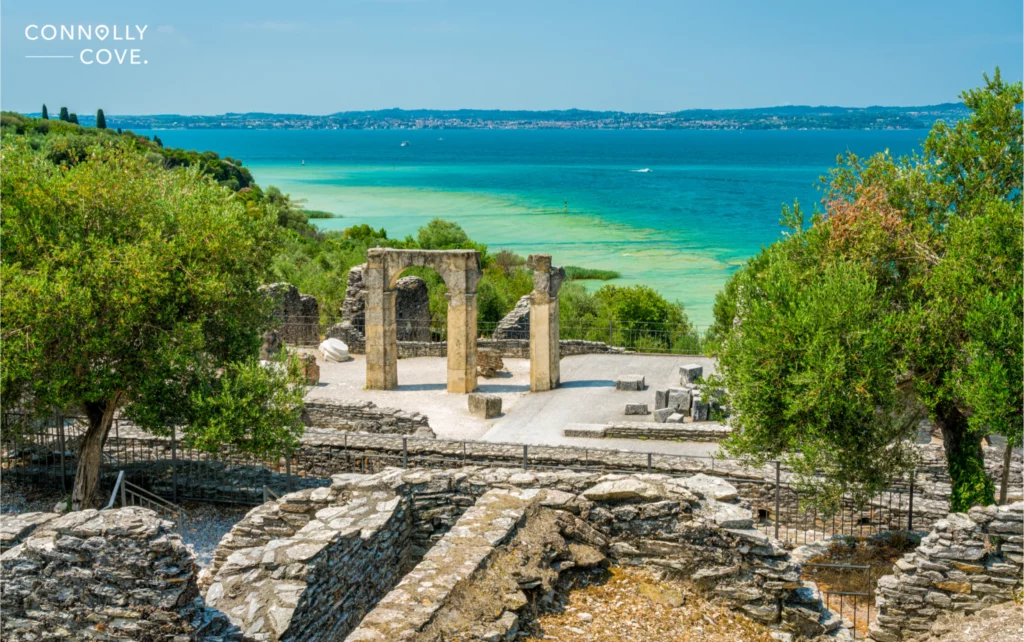
Sirmione stands as the most significant testament to Roman presence on Lake Garda. The Grotte di Catullo, despite its name, represents one of Northern Italy’s most impressive Roman villa complexes. This sprawling archaeological site, perched dramatically on Sirmione’s peninsula tip, offers visitors a tangible connection to ancient Roman luxury and sophistication.

The villa’s remains span over two hectares and date from the 1st century BCE to the 3rd century CE. Archaeological evidence suggests this was not merely a residence but a complex designed for both private luxury and public entertaining—a concept that mirrors modern Italian hospitality culture.

The thermal springs that made Roman Sirmione famous continue to attract visitors today. The sulfurous waters, believed to possess healing properties, have been continuously used for over 2,000 years, creating an unbroken link between ancient wellness traditions and modern spa culture.

Medieval Fortifications and Venetian Influence

The medieval period brought strategic importance to Lake Garda, with powerful families like the Scaligeri of Verona establishing fortified positions around the lake. These fortifications weren’t merely defensive structures but symbols of political power and cultural sophistication.

Scaliger Castle Architecture

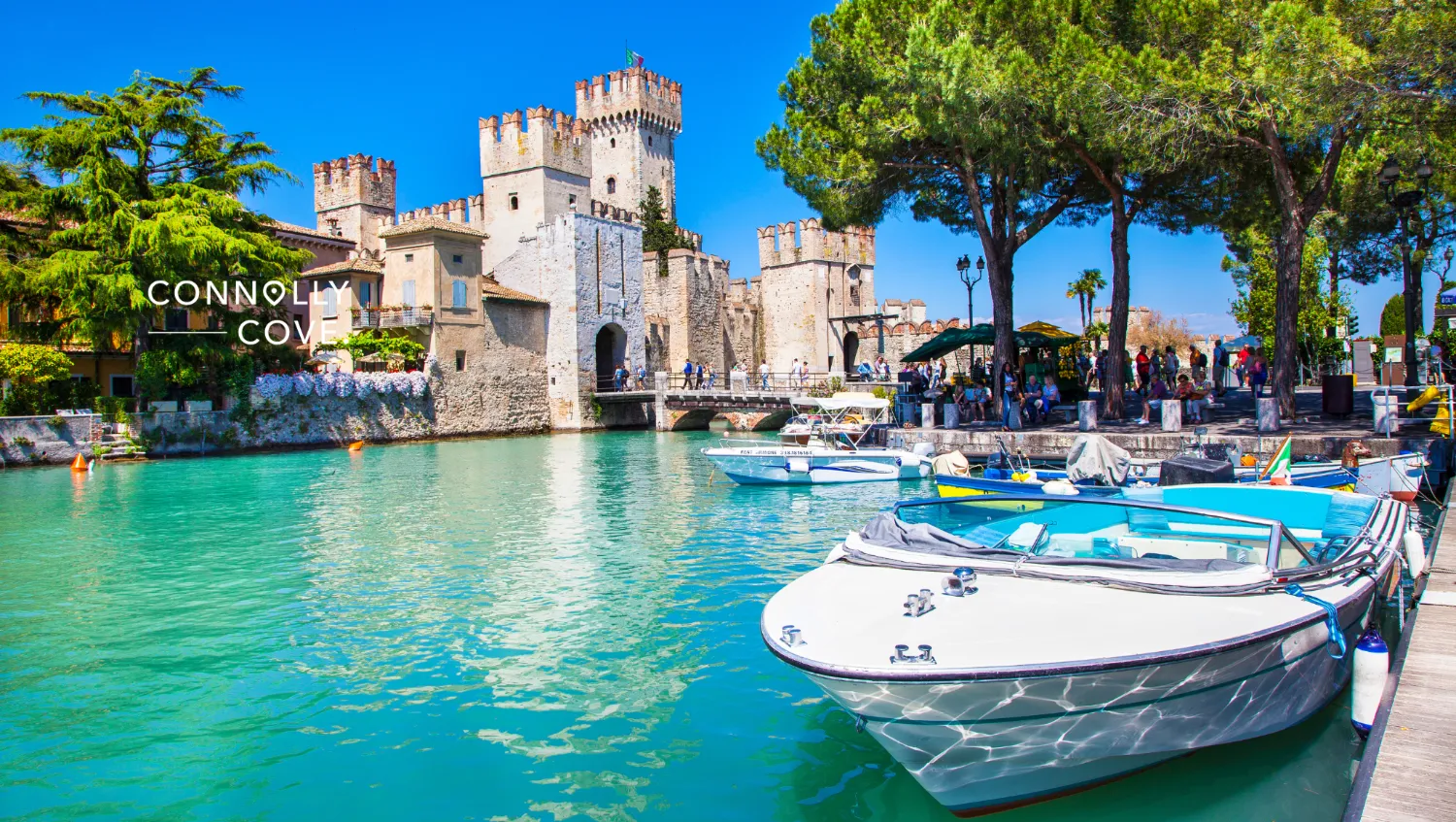
The Scaliger Castle in Sirmione, built in the 13th century, exemplifies medieval military architecture whilst demonstrating the cultural refinement of its builders. The castle’s unique position, surrounded by water on three sides, created an impregnable fortress that controlled access to the lake’s southern regions.

The castle’s design reflects both practical military needs and aesthetic considerations. Its distinctive swallow-tail battlements, known as merlons, identify it as a Ghibelline stronghold, whilst the interior courtyard demonstrates the medieval concept of combining defensive capabilities with comfortable living spaces.

Austrian Cultural Influence

The northern regions of Lake Garda bear the distinctive cultural imprint of Austrian rule, which lasted from 1815 to 1866. This period introduced architectural styles, culinary traditions, and cultural practices that remain evident today, particularly in towns like Riva del Garda and Malcesine.

Riva del Garda’s Austrian Character

Riva del Garda’s architecture tells the story of Austrian influence through its Habsburg-era buildings, broad boulevards, and distinctive Central European aesthetic. The town’s layout reflects Austrian urban planning principles, with wide, tree-lined streets designed for both practical and ceremonial purposes.

The MAG (Museo Alto Garda) houses collections that demonstrate the cultural exchange between Austrian and Italian traditions during this period. Local customs, from architectural details to seasonal celebrations, reflect this unique cultural blend that distinguishes Northern Lake Garda from its Mediterranean southern counterparts.

Essential Travel Planning

Planning your Lake Garda adventure requires understanding both the practical logistics and cultural rhythms that govern this magnificent region. The lake’s size and diversity mean that strategic planning can significantly enhance your cultural immersion experience.

Understanding Lake Garda’s Cultural Regions

Lake Garda – Italy

Lake Garda isn’t a single destination but rather a collection of distinct cultural regions, each with its own character, traditions, and attractions. Understanding these differences helps create a more authentic travel experience.

Southern Lake Garda: Venetian Elegance

The southern shores, including Desenzano del Garda and Peschiera del Garda, reflect centuries of Venetian influence. Architecture here features characteristic Venetian arches, pastel-coloured buildings, and an emphasis on waterfront living that mirrors Venice’s lagoon culture.

This region offers the most developed tourism infrastructure, making it ideal for first-time visitors or those seeking comfort alongside cultural exploration. The thermal springs, Roman ruins, and medieval castles provide excellent introductions to the lake’s historical significance.

Eastern Shore: Wine Country and Tradition

The eastern shores, particularly around Bardolino and Lazise, represent Lake Garda’s agricultural heritage. This region’s economy traditionally centred on viticulture and olive cultivation, practices that continue today and offer visitors authentic experiences of Italian rural culture.

The landscape here features terraced vineyards, ancient olive groves, and small fishing villages that maintain traditional ways of life. Cultural experiences include wine tastings, olive oil mills, and seasonal festivals that celebrate local agricultural traditions.

Western Shore: Dramatic Landscapes and Lemon Groves

The western shore offers the most dramatic scenery, with steep cliffs, historic lemon groves, and towns like Limone sul Garda that seem to cling impossibly to mountainsides. This region’s isolation historically created distinct cultural traditions and architectural styles.

The famous limonaie (lemon houses) represent ingenious agricultural engineering, allowing citrus cultivation in an Alpine climate. These glass-covered terraces, some dating to the 13th century, demonstrate the innovation and determination that characterise Italian cultural heritage.

Optimal Travel Times for Cultural Immersion

Understanding Lake Garda’s seasonal rhythms enhances cultural experiences whilst avoiding overcrowded tourist periods. Each season offers distinct advantages for cultural exploration.

Spring (April-May): Cultural Awakening

Spring represents the ideal time for cultural immersion. Museums and historical sites reopen after winter closures, local festivals celebrate seasonal traditions, and the landscape bursts into Mediterranean colour despite the Alpine setting.

The mild weather makes walking tours comfortable, whilst fewer crowds allow for more intimate experiences of historical sites. Local restaurants feature seasonal specialities, and vineyard visits offer insights into agricultural traditions that define regional culture.

Early Autumn (September-October): Harvest Celebrations

Early autumn provides exceptional cultural experiences through harvest festivals, wine celebrations, and cooler temperatures that make historical exploration comfortable. The grape harvest, or vendemmia, offers visitors authentic participation in traditions that date back centuries.

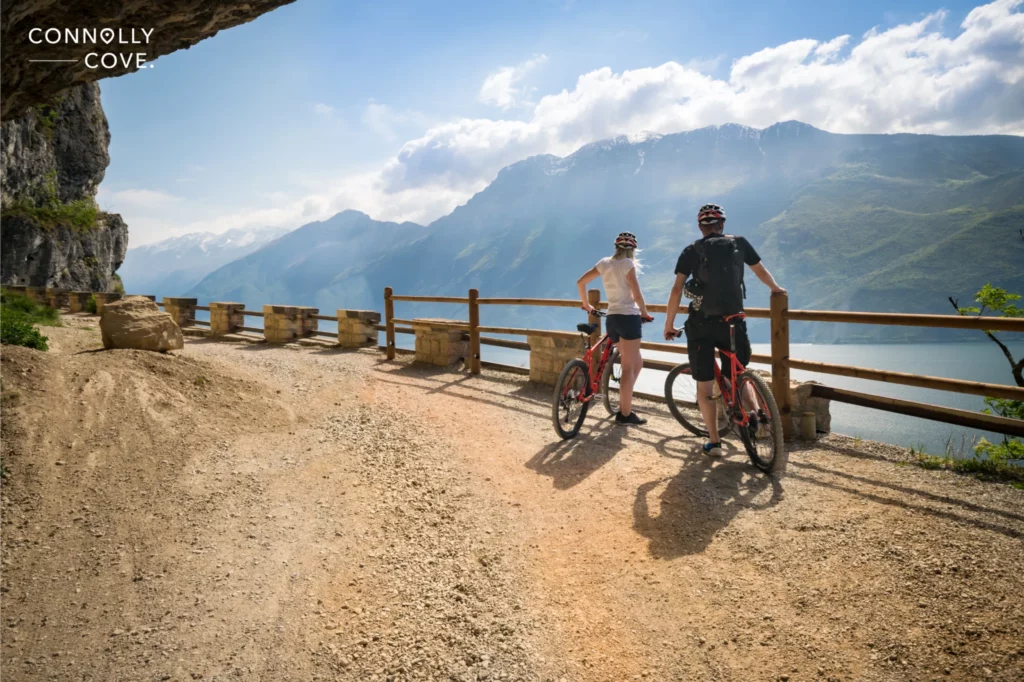
This period also features optimal weather for hiking historical trails, such as the Strada del Ponale, which offers both natural beauty and insights into the region’s strategic military history.

Authentic Local Experiences

Beyond the well-documented tourist attractions, Lake Garda offers numerous opportunities for authentic cultural engagement. These experiences provide a deeper understanding of local traditions, customs, and ways of life that have evolved over centuries.

Traditional Crafts and Artisanal Traditions

Lake Garda’s artisanal traditions reflect the cultural diversity of its historical influences. Local craftspeople continue practices that date back centuries, offering visitors opportunities to observe, learn, and participate in authentic cultural expressions.

Limone’s Traditional Ceramics

Limone sul Garda maintains a tradition of ceramic production that reflects both Italian artistic heritage and practical Alpine needs. Local artisans create pieces that combine Mediterranean aesthetic sensibilities with robust construction suitable for mountain climates.

Visitors can observe traditional pottery techniques, understand the cultural significance of specific designs, and appreciate how local materials and historical influences shape artistic expression. These workshops provide hands-on cultural experiences that connect travellers with living traditions.

Olive Oil Production Heritage

The ancient olive groves surrounding Lake Garda represent one of Europe’s northernmost olive oil production regions. The unique microclimate, protected by surrounding mountains, creates conditions that allow Mediterranean agriculture to flourish in an Alpine setting.

Traditional olive oil mills, some operating for centuries, offer visitors insights into agricultural practices that connect Lake Garda with broader Mediterranean culture. The harvest season (October-November) provides particularly authentic experiences, as families maintain traditions passed down through generations.

Religious and Spiritual Heritage

Lake Garda’s spiritual heritage reflects the diverse religious influences that have shaped Italian culture. Ancient pagan sites, medieval churches, and pilgrimage routes offer visitors opportunities to explore spiritual traditions that continue to influence local life.

Sanctuary of Madonna di Monte Castello

This sanctuary, perched high above Lake Garda near Tignale, represents the synthesis of spiritual devotion and natural beauty that characterises Italian religious culture. The pilgrimage route to the sanctuary follows ancient paths that connected lake communities with mountain monasteries.

The sanctuary’s history illustrates how religious devotion adapted to local geographical conditions, creating unique spiritual experiences that combine Alpine and Mediterranean elements. The panoramic views from the sanctuary provide both spiritual contemplation and appreciation of the natural forces that shaped regional culture.

Culinary Traditions and Regional Specialities

Lake Garda’s culinary heritage reflects its position between Alpine and Mediterranean traditions, creating unique dishes that cannot be found elsewhere in Italy. Understanding these culinary traditions provides insights into local culture, history, and daily life.

Carpione: Lake Garda’s Signature Dish

Carpione, a small fish found only in Lake Garda, represents the lake’s unique ecosystem and culinary traditions. Preparation methods, passed down through generations, reflect both practical preservation needs and aesthetic considerations that define Italian cuisine.

Traditional recipes vary by location around the lake, with each town claiming the most authentic preparation method. These variations demonstrate how geography, history, and cultural exchange influence culinary development within a single region.

Olive Oil and Wine Pairing Traditions

The combination of olive oil and wine production around Lake Garda creates unique pairing traditions that reflect local agricultural capabilities and cultural preferences. These combinations represent centuries of experimentation and cultural exchange between different ethnic groups that inhabited the region.

Local sommeliers and olive oil producers offer educational experiences that connect agricultural practices with cultural history, demonstrating how environmental conditions, historical events, and cultural exchanges shape regional cuisine.

Seasonal Travel Guide

Understanding Lake Garda’s seasonal rhythms enhances cultural experiences whilst connecting visitors with natural cycles that have shaped local traditions for centuries.

Spring: Renaissance and Renewal

Spring at Lake Garda represents cultural rebirth after winter’s contemplative period. Historical sites reopen, festivals celebrate seasonal traditions, and the landscape demonstrates the Mediterranean characteristics that initially attracted Roman settlers.

Cultural Events and Festivals

Spring festivals throughout the Lake Garda region celebrate both religious traditions and seasonal agricultural cycles. These events provide authentic cultural experiences that connect visitors with local communities and traditional practices.

The Festa di San Zeno in Bardolino combines religious devotion with community celebration, featuring traditional music, local cuisine, and customs that date back centuries. Similar festivals occur throughout the region, each reflecting local variations of broader cultural themes.

Historical Site Accessibility

Spring weather makes historical exploration comfortable while avoiding summer crowds that can detract from contemplative experiences. Archaeological sites like the Grotte di Catullo provide optimal viewing conditions, allowing visitors to appreciate both historical significance and natural beauty.

Summer: Vibrant Cultural Life

Summer brings Lake Garda’s cultural life to full expression, with outdoor concerts, theatrical performances, and festivals that take advantage of the region’s natural amphitheatres and historical venues.

Outdoor Cultural Programming

Many historical sites host cultural events during the summer months, creating unique opportunities to experience art, music, and theatre in settings that have hosted cultural expressions for centuries.

The Arena di Verona, whilst not directly on Lake Garda, influences the region’s summer cultural calendar and provides world-class operatic performances that connect with broader Italian cultural traditions.

Traditional Summer Celebrations

Summer festivals throughout the Lake Garda region maintain traditions that connect communities with historical practices while adapting to modern needs. These celebrations provide authentic cultural experiences that demonstrate the continuity of Italian cultural life.

Autumn: Harvest and Reflection

Autumn represents the most authentic season for cultural immersion, as local communities focus on traditional activities that have sustained regional culture for centuries.

Harvest Participation

The grape and olive harvests provide opportunities for visitors to participate in agricultural traditions that define regional culture. These experiences offer insights into seasonal rhythms, community cooperation, and traditional knowledge that urban life often obscures.

Vineyard visits during harvest season provide educational experiences that connect agricultural practices with cultural history, demonstrating how environmental conditions and human innovation create distinctive regional characteristics.

Cultural Festivals and Traditions

Autumn festivals celebrate harvest traditions whilst incorporating religious and secular customs that reflect the region’s diverse cultural heritage. These events provide authentic experiences of Italian community life and traditional practices.

Winter: Contemplative Cultural Exploration

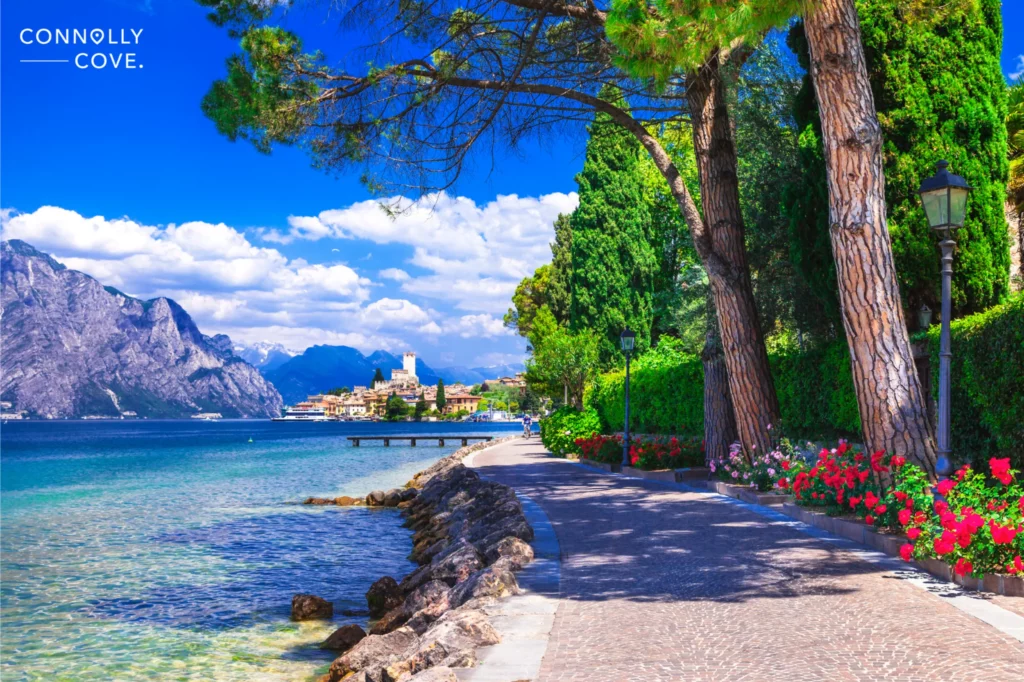
Colorful buildings with a bell tower sit beside Lake Garda, surrounded by mountains and trees, with people walking along the waterfront. The image is labeled “Connolly Cove,” showcasing one of the top attractions in the region.

Winter offers opportunities for intimate cultural exploration, as reduced tourist numbers allow for more personal experiences of historical sites and cultural institutions.

Museum and Cultural Site Visits

Winter provides optimal conditions for museum visits, historical research, and cultural study. Many sites offer educational programmes during the winter months that provide a deeper understanding of regional history and cultural development.

The reduced pace of winter life allows for more contemplative experiences of cultural sites, providing opportunities for reflection and deeper understanding that busy summer schedules often prevent.

Cultural Immersion Activities

Lake Garda offers numerous opportunities for deep cultural engagement that go beyond typical tourist experiences. These activities provide authentic insights into local traditions, historical continuity, and contemporary cultural life.

Language and Cultural Exchange

Understanding basic Italian phrases and cultural customs enhances every aspect of a Lake Garda visit. Local communities appreciate visitors who demonstrate respect for Italian culture through language efforts and cultural sensitivity.

Essential Italian for Cultural Respect

Learning basic Italian phrases demonstrates cultural respect whilst enhancing practical communication. Key phrases for cultural situations include greetings, dining etiquette, and expressions of appreciation for local traditions.

Understanding Italian dining customs, from aperitivo culture to proper meal timing, provides authentic cultural experiences while avoiding unintentional cultural misunderstandings that can detract from local interactions.

Traditional Music and Performance

Lake Garda’s musical traditions reflect the region’s diverse cultural influences, from Alpine folk music to Mediterranean melodies. Understanding these traditions provides insights into cultural identity and historical development.

Local Musical Traditions

Traditional music around Lake Garda incorporates elements from various cultural traditions that have influenced the region throughout history. These musical styles reflect both local innovation and external influences that shaped regional culture.

Local festivals often feature traditional music performances that demonstrate the continuity of cultural practices and provide authentic entertainment that connects visitors with local communities.

Art and Architectural Appreciation

Lake Garda’s architecture and artistic traditions reflect centuries of cultural exchange and innovation. Understanding these artistic expressions provides insights into cultural values, historical events, and aesthetic preferences that define regional identity.

Architectural Heritage Tours

Self-guided architectural tours provide opportunities to observe and understand building styles that reflect different historical periods and cultural influences. These tours connect physical structures with historical events and cultural development.

Understanding architectural elements—from Roman engineering to medieval fortifications to Austrian urban planning—provides context for appreciating the cultural complexity that defines Lake Garda’s distinctive character.

Frequently Asked Questions

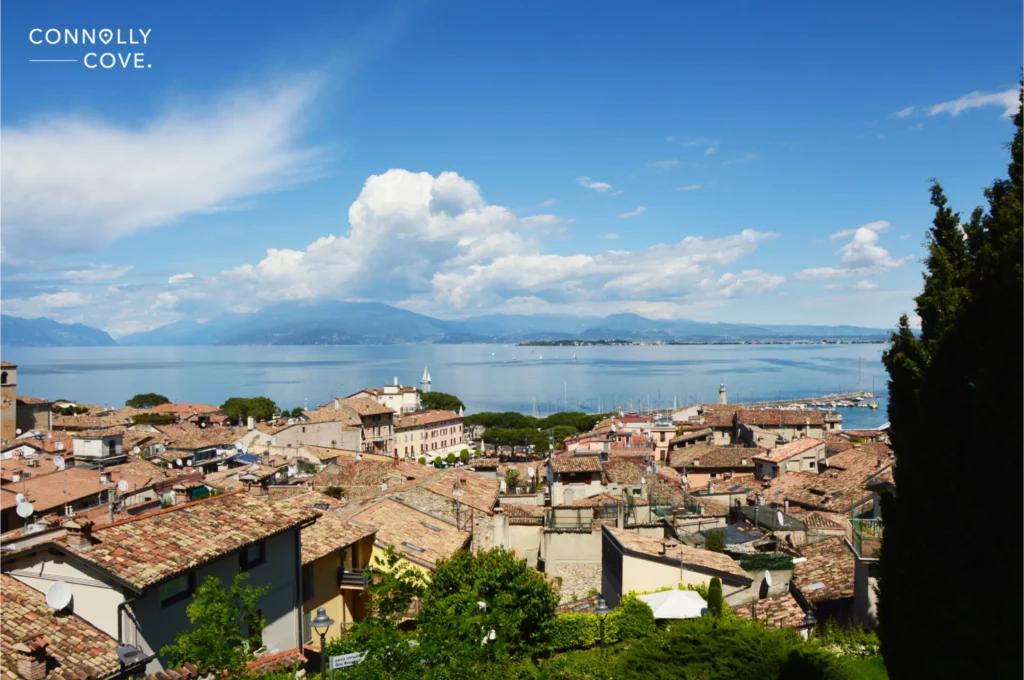
A row of colorful houses and boats line the shore of turquoise Lake Garda, set against steep mountains under a clear sky. The image is labeled "Connolly Cove" in the corner, capturing one of the top attractions in the region.

What makes Lake Garda culturally unique compared to other Italian lakes?

Lake Garda’s cultural uniqueness stems from its position as a historical crossroads between Mediterranean and Alpine civilisations. Unlike other Italian lakes, Lake Garda combines Roman heritage, medieval fortifications, Venetian influences, and Austrian architectural traditions in a single region. This cultural diversity creates experiences that cannot be found elsewhere in Italy.

When is the best time to visit Lake Garda for cultural experiences?

Spring (April-May) and early autumn (September-October) offer optimal conditions for cultural immersion. These periods feature comfortable weather for historical exploration, fewer crowds at cultural sites, and local festivals that celebrate traditional practices. Summer provides vibrant cultural programming but with larger crowds, whilst winter offers contemplative experiences of museums and cultural institutions.

How long should I plan for a comprehensive cultural exploration of Lake Garda?

A comprehensive cultural exploration requires at least 7-10 days to experience the lake’s diverse regions and cultural offerings. This timeframe allows for visits to major historical sites, participation in local festivals or cultural events, and engagement with traditional practices like cooking classes, wine tastings, or artisan workshops.

Are there guided cultural tours available around Lake Garda?

Yes, numerous companies offer specialised cultural tours that focus on historical sites, architectural heritage, and traditional practices. Local guides provide insights into regional history, cultural development, and contemporary life that enhance understanding of Lake Garda’s cultural significance.

What cultural customs should visitors respect when visiting Lake Garda?

Visitors should respect Italian dining customs, dress appropriately for religious sites, and demonstrate appreciation for local traditions. Learning basic Italian phrases, understanding meal timing, and showing interest in local customs create positive interactions with local communities and enhance cultural experiences.

Can families with children enjoy Lake Garda’s cultural attractions?

Absolutely. Many cultural sites offer family-friendly programmes, and the region’s combination of historical exploration, outdoor activities, and authentic cultural experiences provides education and entertainment for all ages. Interactive museums, hands-on workshops, and seasonal festivals offer engaging ways for children to learn about Italian culture and history.

As Ciaran Connolly, founder of ConnollyCove, reflects: “Lake Garda taught us that authentic travel means understanding the layers of history beneath the surface beauty. When we explored the Roman ruins at Sirmione, we weren’t just seeing ancient stones—we were connecting with 2,000 years of human stories that continue to shape this remarkable region.”

Lake Garda represents more than a destination; it embodies the cultural richness that makes Italian travel so rewarding. By approaching the lake with curiosity about its history, respect for its traditions, and appreciation for its natural beauty, visitors create meaningful connections that extend far beyond typical tourist experiences. Whether you’re drawn to ancient Roman heritage, medieval architecture, or contemporary Italian culture, Lake Garda offers authentic experiences that satisfy the most discerning cultural traveller.

The lake’s enduring appeal lies not just in its stunning scenery but in its ability to tell the story of European civilisation through tangible, accessible experiences. From thermal springs used by Roman emperors to medieval castles that controlled trade routes, from Austrian architectural influences to contemporary Italian hospitality, Lake Garda provides a comprehensive cultural education that enriches understanding of both historical development and contemporary life.

Plan your Lake Garda adventure with cultural curiosity, and discover why this remarkable region continues to captivate visitors from around the world. The combination of natural beauty, historical significance, and authentic cultural experiences creates memories that last a lifetime whilst providing insights into the cultural forces that continue to shape our world today.

Leave a comment

Your email address will not be published. Required fields are marked *