
Skip to content
Updated on: by Avatar image of authorDina Essawy Review By: Raghda Elsabbagh

Granada, Nicaragua’s oldest colonial city, sits majestically on the northwestern shores of Lake Nicaragua, offering travellers a captivating blend of Spanish colonial architecture, rich cultural heritage, and stunning natural beauty. Founded in 1524, this historic gem – often called “La Gran Sultana” (The Great Sultana) – provides visitors with an authentic Central American cultural experience that rivals Europe’s most celebrated heritage destinations.

At ConnollyCove, we’ve explored colonial cities across the globe, and Granada stands out for its remarkable preservation of cultural traditions and architectural heritage. This comprehensive guide reveals everything you need to know about visiting this enchanting Nicaraguan city.

Granada’s Colonial Heritage

Understanding Granada’s colonial past is essential for appreciating its modern cultural significance. The city’s five-century history has shaped everything from its architecture to its culinary traditions, creating a unique cultural landscape that continues to evolve whilst honouring its roots.

Historical Foundations

Granada’s story begins in 1524 when Spanish conquistador Francisco Hernández de Córdoba established the settlement. As one of the oldest European-founded cities in the Americas, Granada has witnessed over 500 years of cultural evolution, making it a living museum of colonial heritage.

The city’s strategic position on Lake Nicaragua made it a crucial trading hub during the colonial period. Ships would navigate from the Caribbean coast through the San Juan River system, connecting Granada to global trade routes. This maritime heritage shaped the city’s multicultural character, evident in its architecture, cuisine, and traditions.

Key Historical Periods:

  • 1524-1600: Spanish colonial establishment
  • 1600-1800: Golden age of trade and prosperity
  • 1800-1900: Political turbulence and reconstruction
  • 1900-present: Cultural preservation and tourism development

Cultural Significance Today

The colonial legacy extends far beyond Granada’s physical structures, permeating every aspect of daily life in this remarkable city.

Granada’s colonial heritage isn’t merely preserved in museums – it lives and breathes through daily life. Local families still inhabit centuries-old homes built around traditional courtyards, maintaining architectural elements like wooden shutters, terracotta tiles, and hand-painted facades.

The city serves as Nicaragua’s cultural capital, hosting numerous festivals throughout the year that celebrate both indigenous and Spanish traditions. These celebrations offer visitors authentic glimpses into Central American cultural practices that have been passed down through generations.

Architectural Wonders

Granada’s architectural landscape tells the story of cultural fusion across centuries. From Spanish colonial masterpieces to Moorish influences and neoclassical additions, the city’s buildings create a visual timeline of Central American history.

Spanish Colonial Masterpieces

The heart of Granada showcases some of the finest examples of Spanish colonial architecture in Central America, each building telling its own story of craftsmanship and cultural heritage.

The city’s historic centre showcases some of Central America’s finest examples of Spanish colonial architecture. The city’s layout follows the traditional Spanish grid pattern, with narrow cobblestone streets radiating from the central plaza.

Cathedral of Granada (La Catedral)

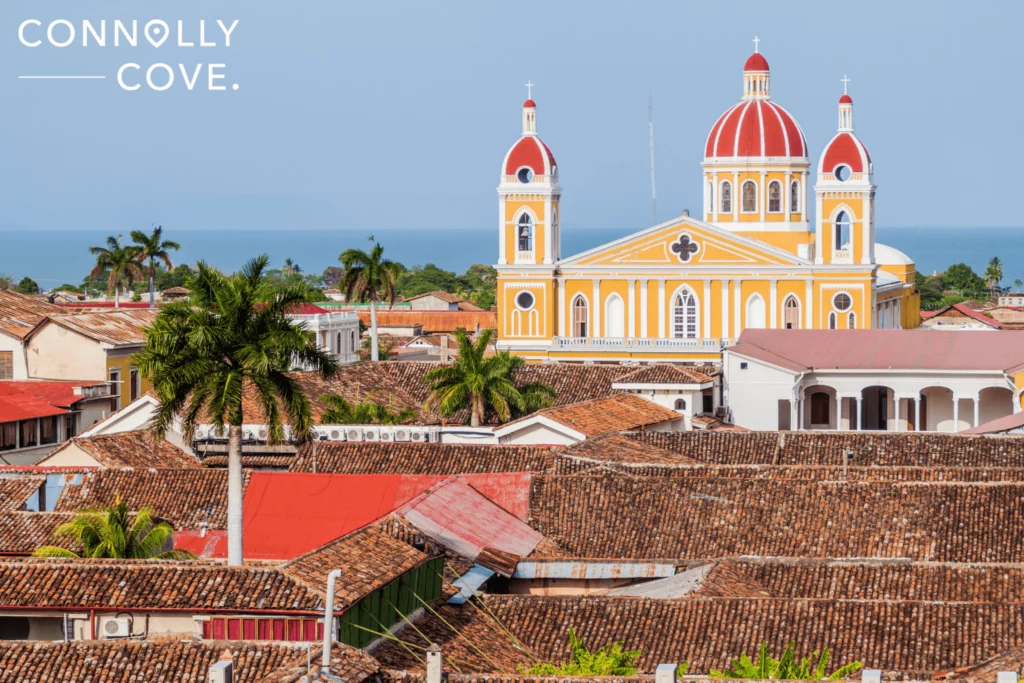
Standing as the city’s most iconic structure, the Cathedral dominates Granada’s skyline with its distinctive yellow and white facade.

Built in 1583, the iconic yellow and white Cathedral dominates the city’s skyline. This architectural masterpiece features:

  • Neoclassical facade with baroque elements
  • Twin bell towers visible from across Lake Nicaragua
  • Interior artworks dating from the 16th-18th centuries
  • Active parish serving the local community

Moorish Influences

The architectural heritage of Granada includes distinctive Moorish elements that arrived through Spanish colonial design traditions, creating the city’s unique aesthetic character.

The architectural heritage includes distinctive Moorish elements, introduced through Spanish colonial design traditions. These features create the city’s unique aesthetic character:

Distinctive Architectural Elements

These Moorish-inspired features can be spotted throughout Granada’s historic quarter, particularly in private residences and commercial buildings.

  • Horseshoe-shaped arched doorways and windows
  • Geometric tile patterns (azulejos)
  • Interior courtyards with fountains and tropical gardens
  • Wrought-iron balconies with intricate designs

Many historic homes have been sensitively converted into boutique hotels and restaurants, allowing visitors to experience authentic colonial living whilst supporting local preservation efforts.

Neoclassical Evolution

The 19th century brought significant architectural changes to Granada, reflecting the city’s growing prosperity and international connections.

The 19th century brought neoclassical influences to the city architecture, coinciding with the city’s coffee trade prosperity. The Xalteva Church exemplifies this style with its imposing white facade and symmetrical design elements.

Natural Splendour Surrounding Granada

The city’s natural environment is as captivating as its cultural heritage. The city’s position between Lake Nicaragua and Mombacho Volcano creates a diverse ecosystem that supports remarkable biodiversity whilst providing countless opportunities for nature-based activities.

Lake Nicaragua: Central America’s Inland Sea

Lake Nicaragua serves as Granada’s natural centrepiece, offering visitors a freshwater paradise that supports unique ecosystems and traditional fishing communities.

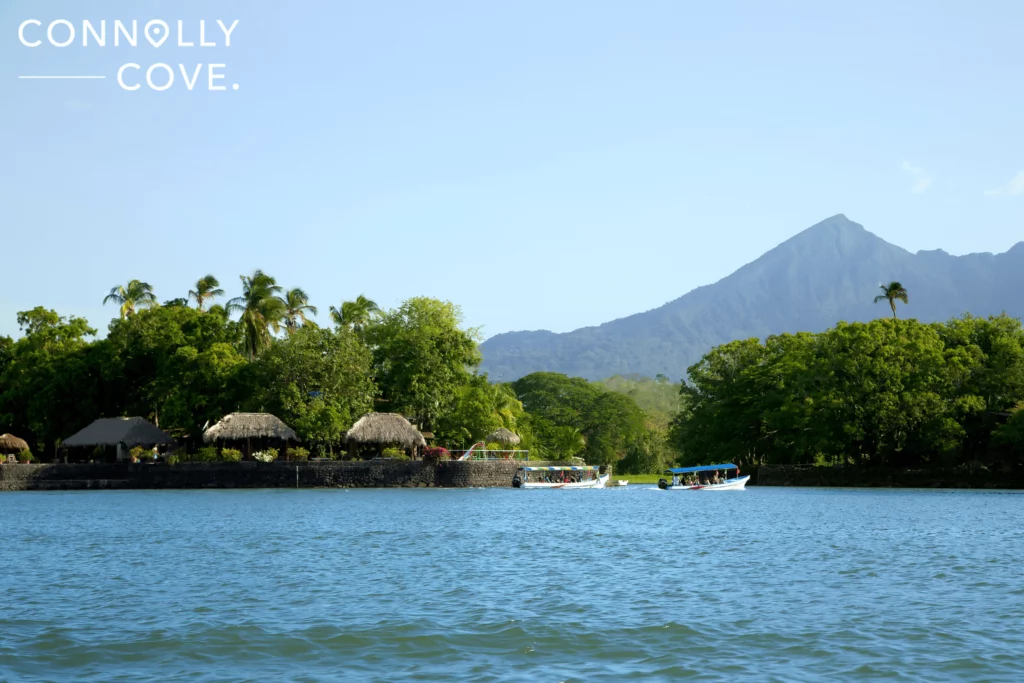
Lake Nicaragua, known locally as Cocibolca, stretches 8,264 square kilometres, making it Central America’s largest freshwater lake. The lake’s unique ecosystem supports diverse wildlife, including the world’s only freshwater sharks (though rarely seen today).

Lake Activities for Visitors

The lake provides numerous opportunities for water-based activities that showcase both natural beauty and local culture.

  • Las Isletas boat tours: Explore 365 small volcanic islands
  • Birdwatching expeditions: Spot herons, cormorants, and tropical species
  • Fishing excursions: Experience local fishing traditions
  • Sunset cruises: Witness spectacular evening views

Mombacho Volcano Nature Reserve

Rising dramatically behind Granada, Mombacho Volcano creates one of Nicaragua’s most accessible and diverse nature reserves.

Rising 1,344 metres above sea level, Mombacho Volcano creates a dramatic backdrop to Granada. The extinct volcano now serves as a protected nature reserve, offering visitors multiple ecosystems to explore.

Reserve Highlights

The diverse microclimates of Mombacho support an extraordinary variety of plant and animal species, making every visit a unique experience.

  • Cloud forest trails: Experience misty, moss-covered landscapes
  • Canopy tours: Zipline through treetop environments
  • Coffee plantation visits: Learn about high-altitude coffee cultivation
  • Wildlife observation: Spot howler monkeys, exotic birds, and butterflies

The volcano’s diverse microclimates support over 200 bird species and numerous endemic plants, making it a paradise for nature enthusiasts.

Parque Central: The Heart of Granada

At the centre of Granada’s social and cultural life lies Parque Central, a beautifully maintained square that has served as the city’s focal point for over four centuries.

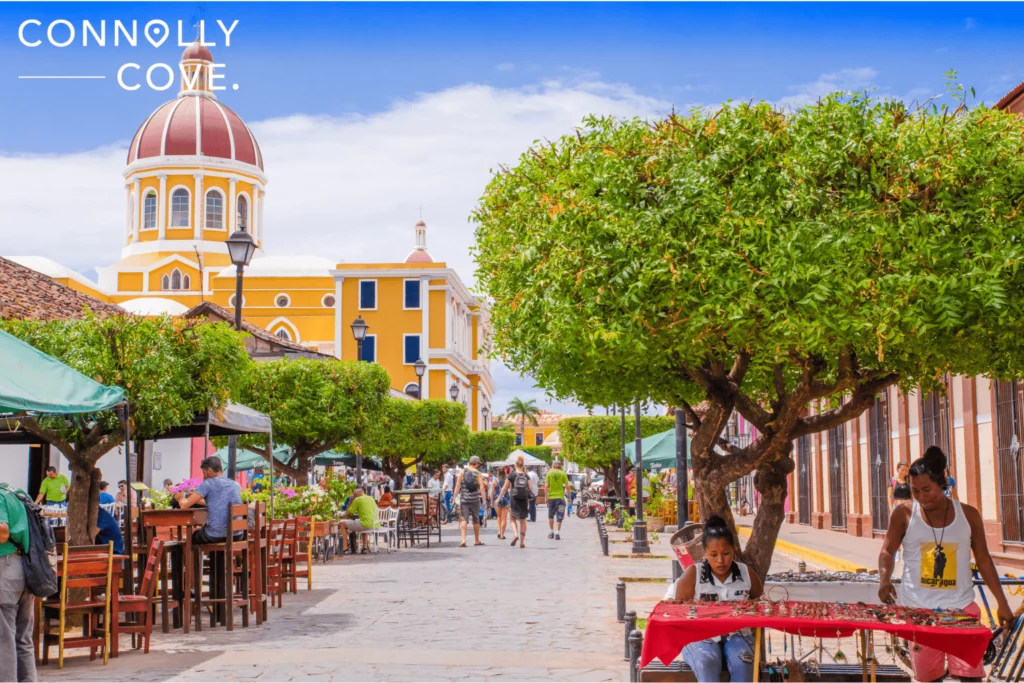
Dating from the 16th century, Parque Central serves as the city’s social and cultural focal point. The beautifully maintained square features:

  • Mature shade trees providing natural cooling
  • Colonial-era buildings surrounding the perimeter
  • Christopher Columbus monument
  • Local vendors selling traditional crafts and foods

Evening visits to the park offer the best cultural experiences, as locals gather to socialise, street musicians perform, and food vendors create an authentic atmosphere.

Cultural Experiences in Granada

Granada’s vibrant cultural scene reflects centuries of artistic tradition and contemporary creativity. From traditional crafts to modern festivals, the city offers visitors countless opportunities to engage with authentic Nicaraguan culture.

Traditional Arts and Crafts

The artistic heritage of Granada represents a fascinating blend of pre-Columbian techniques and Spanish colonial influences, preserved and evolved by generations of skilled artisans.

Granada’s artistic heritage reflects both indigenous and Spanish influences. Local artisans continue traditional techniques passed down through generations:

Local Specialities

Each craft represents a unique aspect of Granada’s cultural identity, from practical items to decorative arts.

  • Pottery and ceramics: Hand-painted vessels and decorative items
  • Woodcarving: Religious figures and decorative objects
  • Textile weaving: Traditional patterns and modern interpretations
  • Leatherwork: Handcrafted bags, belts, and accessories

The Mercado Municipal provides the best opportunity to observe artisans at work and purchase authentic pieces directly from creators.

Music and Dance Traditions

Nicaragua’s rich musical heritage comes alive in Granada through regular performances and festivals that celebrate both traditional and contemporary forms of expression.

Nicaraguan cultural heritage comes alive through music and dance. Granada hosts regular performances featuring:

Traditional Music

The musical traditions of Granada reflect the country’s diverse cultural influences, from indigenous rhythms to Spanish melodies.

  • Marimba orchestras: The national instrument of Nicaragua
  • Folk guitar ensembles: Romantic serenades and storytelling songs
  • Indigenous percussion: Pre-Columbian rhythms and instruments

Cultural Festivals

Throughout the year, Granada hosts numerous festivals that showcase the city’s cultural diversity and community spirit.

  • San Sebastián Festival (January): Parades, traditional dances, and local cuisine
  • Semana Santa (Easter Week): Religious processions and community celebrations
  • La Purísima (December): Marian devotion celebrations unique to Nicaragua

Culinary Heritage

Granada’s gastronomic traditions reflect the city’s multicultural history, offering visitors an authentic taste of Nicaraguan cuisine rooted in centuries of cultural exchange.

Granada’s cuisine reflects its multicultural history, blending indigenous, Spanish, and Caribbean influences:

Must-Try Traditional Dishes

Each dish tells a story of cultural fusion and local adaptation, using ingredients that have sustained generations of Nicaraguan families.

  • Gallo Pinto: The national dish of rice and beans
  • Vigorón: Yucca with pork and pickled cabbage salad
  • Nacatamales: Corn masa parcels with meat and vegetables
  • Baho: Slow-cooked plantain and meat stew

Local Beverages

Granada’s beverage traditions range from world-renowned coffee to indigenous drinks that predate Spanish colonisation.

  • Nicaraguan coffee: Grown on nearby volcanic slopes
  • Tiste: Traditional corn and cacao drink
  • Chicha: Fermented corn beverage
  • Fresh fruit juices: Made with tropical fruits

Film and Media Heritage

Granada’s photogenic qualities and cultural authenticity have attracted international film productions, helping to showcase the city’s visual appeal to global audiences.

Granada’s photogenic qualities have attracted international film productions, showcasing the city’s visual appeal:

Notable Productions

These productions have helped raise Granada’s international profile whilst providing economic opportunities for local residents.

  • “The Open Road” (2009): Sports drama featuring Jeff Bridges
  • “La Yuma” (2009): Nicaraguan drama capturing local street life
  • “America’s Next Top Model”: Reality TV episode highlighting cultural beauty

These productions have helped raise Granada’s international profile whilst providing economic opportunities for local residents.

Practical Travel Tips for Granada

Planning a successful visit to Granada requires understanding the city’s seasonal patterns, transportation options, and cultural expectations. This section provides essential information for making the most of your Central American adventure.

When to Visit Granada

Granada’s tropical climate offers distinct advantages throughout the year, though certain seasons provide optimal conditions for different types of activities.

Best Travel Seasons:

  • December-April (Dry Season): Ideal weather with minimal rainfall
  • May-November (Wet Season): Lush landscapes but afternoon showers

Monthly Considerations

Each month offers unique advantages for visitors, depending on your interests and tolerance for heat and humidity.

  • December-February: Peak tourist season, book accommodation early
  • March-April: Hot but dry, perfect for lake activities
  • May-July: Green season begins, fewer crowds
  • August-November: Rainy season, but manageable with planning

Getting to Granada

Several transportation options connect Granada to regional and international destinations, each offering different advantages for travellers with varying budgets and schedules.

Transportation Options:

  • Managua Airport: 45-minute drive via modern highway
  • Shuttle services: Door-to-door transfers available
  • Rental cars: Freedom to explore surrounding areas
  • Local buses: Budget-friendly but less comfortable

From Other Central American Countries

Granada’s central location makes it accessible from throughout the region, though some routes require careful planning.

  • Regional bus connections through Costa Rica
  • International flights via Managua (MGA)
  • Overland routes from Honduras and El Salvador

Accommodation Recommendations

Granada offers accommodation options for every budget and travel style, from historic colonial hotels to modern backpacker hostels.

Boutique Colonial Hotels

These properties offer authentic experiences in carefully restored historic buildings.

  • Hotel Plaza Colón: Historic building facing the cathedral
  • Hotel Con Corazón: Social enterprise supporting local education
  • Casa San Francisco: Restored colonial mansion with modern amenities

Budget-Friendly Options

Travellers on tighter budgets will find numerous options that don’t compromise on safety or cultural authenticity.

  • Backpacker hostels: Social atmosphere with cultural activities
  • Family guesthouses: Authentic local experiences
  • Volunteer accommodation: Long-term budget stays

Safety and Health Considerations

Like any travel destination, Granada requires sensible precautions to ensure a safe and enjoyable visit.

General Safety Tips

Following basic safety guidelines helps ensure a trouble-free visit to Granada.

  • Avoid displaying expensive items publicly
  • Use reputable tour operators for excursions
  • Stay in well-lit, populated areas after dark
  • Keep copies of important documents

Health Preparations

Proper health preparations help prevent common travel-related illnesses and ensure peace of mind.

  • Consult travel health clinics before departure
  • Consider vaccinations for hepatitis A/B and typhoid
  • Pack insect repellent for lake activities
  • Drink bottled or purified water

Cultural Etiquette

Showing respect for local customs and traditions enhances your travel experience whilst supporting positive cultural exchange.

Respectful Behaviour

Understanding and respecting local customs helps create positive interactions with Granada’s residents.

  • Dress modestly when visiting religious sites
  • Learn basic Spanish greetings and phrases
  • Ask permission before photographing people
  • Respect local customs during festivals and ceremonies

Tipping Guidelines

Appropriate tipping shows appreciation for good service whilst supporting local workers.

  • Restaurants: 10-15% if service charge not included
  • Guides: $5-10 per person per day
  • Hotel staff: $1-2 for housekeeping
  • Taxi drivers: Round up to nearest córdoba

Budget Planning

Understanding Granada’s cost structure helps travellers plan appropriate budgets for their desired level of comfort and activities.

Daily Budget Estimates

These estimates help travellers plan realistic budgets based on their preferred travel style.

Daily Budget Estimates (USD):

  • Budget traveller: $25-40 per day
  • Mid-range visitor: $50-80 per day
  • Luxury experience: $100+ per day

Cost-Saving Tips

Smart travellers can significantly reduce costs without sacrificing quality experiences.

  • Eat at local comedores (family restaurants)
  • Use public transportation within the city
  • Book accommodation directly with properties
  • Participate in free walking tours

Current Conditions and Seasonal Updates

Understanding Granada’s current conditions helps travellers plan activities and pack appropriately for their visit.

Seasonal Highlights

Each season offers unique advantages for different types of travellers and activities.

Dry Season Conditions (December-April)

Current conditions favour outdoor activities with average temperatures of 28-32°C (82-90°F). Lake Nicaragua water levels are optimal for boat tours, and hiking trails on Mombacho Volcano remain accessible. This period offers the best conditions for photography and cultural festivals.

Wet Season Conditions (May-November)

Afternoon rainfall typically lasts 1-2 hours, creating dramatic skies perfect for sunset photography. Vegetation is at its most lush, making nature activities particularly rewarding. Indoor cultural activities like museum visits and colonial architecture tours remain excellent options.

Current Tourism Updates

Recent developments in Granada’s tourism infrastructure and services affect visitor experiences and planning requirements.

Recent Developments:

  • Improved road infrastructure connecting Granada to regional attractions
  • New sustainable tourism initiatives supporting local communities
  • Enhanced safety measures in tourist areas
  • Expanded cultural programming at museums and heritage sites

Official Resources

These resources provide up-to-date information for planning your visit.

  • Nicaragua Institute of Tourism (INTUR): www.visitnicaragua.us
  • Granada Municipal Tourism Office: Located in Parque Central
  • Current weather conditions: Check local meteorological services before outdoor activities

Experience Granada Like a Cultural Explorer

granada

Granada, Nicaragua, offers modern travellers an authentic window into Central American colonial heritage. Unlike many heavily touristed destinations, Granada maintains its cultural authenticity while providing visitors with comfortable amenities and meaningful experiences.

“Having explored colonial cities across Latin America, Granada stands out for its remarkable preservation of living culture. The city doesn’t just showcase historical buildings – it demonstrates how traditional ways of life continue to thrive in the modern world.” – Ciaran Connolly, Founder of ConnollyCove

Whether you’re drawn by architectural heritage, natural beauty, cultural traditions, or culinary experiences, this city provides a perfect introduction to Central American travel. The city’s compact size makes it ideal for cultural immersion, whilst its location offers easy access to Nicaragua’s diverse landscapes and attractions.

For travellers seeking authentic cultural experiences beyond the typical tourist trail, Granada, Nicaragua, represents one of Central America’s most rewarding destinations. Plan your visit to coincide with local festivals, allow time for spontaneous discoveries, and prepare to be captivated by this colonial gem on the shores of Lake Nicaragua.

Frequently Asked Questions

Q: Is Granada, Nicaragua safe for tourists?

A: Granada is generally considered safe for tourists who take standard precautions. The city has a visible police presence in tourist areas, and crime against visitors is relatively uncommon. Stay aware of your surroundings, avoid displaying expensive items, and use reputable tour operators.

Q: How many days should I spend in Granada?

A: Most visitors find 2-3 days sufficient to explore Granada’s main attractions. However, cultural enthusiasts and those interested in day trips to surrounding areas might prefer 4-5 days to fully appreciate the region’s offerings.

Q: What’s the best way to get around Granada?

A: Granada’s compact historic centre is easily walkable. For longer distances, horse-drawn carriages offer a traditional experience, whilst taxis and tuk-tuks provide modern convenience. Many attractions are within walking distance of Parque Central.

Q: Do I need to speak Spanish to visit Granada?

A: While Spanish knowledge enhances the experience, many tourist-oriented businesses have English-speaking staff. Learning basic Spanish phrases shows respect for local culture and often leads to warmer interactions with residents.

Q: What should I pack for Granada?

A: Pack lightweight, breathable clothing for hot weather, comfortable walking shoes for cobblestone streets, sun protection, insect repellent, and a light rain jacket if visiting during wet season. Modest clothing is appropriate for religious sites.

Q: Are there ATMs and reliable internet in Granada?

A: Granada has several ATMs accepting international cards, though it’s wise to carry some cash. WiFi is available in most hotels, restaurants, and cafes catering to tourists, though speeds may be slower than in developed countries.

Leave a comment

Your email address will not be published. Required fields are marked *