


Discover Gérardmer Surroundings
Updated On: April 15, 2024 by  Ciaran Connolly
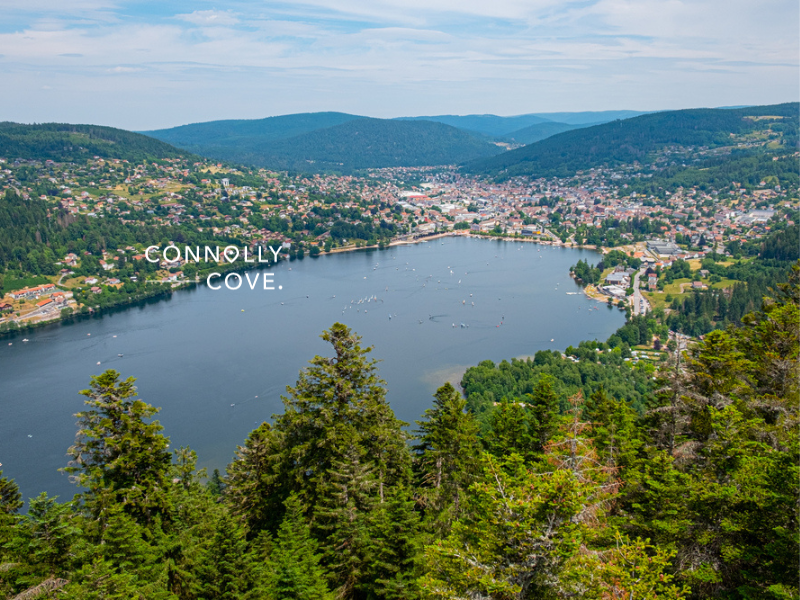
Gérardmer is a charming town situated in the heart of the Vosges Mountains in northeastern France. Renowned for its breathtaking natural landscapes, Gérardmer is a jewel nestled amidst lush forests and rolling hills, offering stunning views and a tranquil environment. This picturesque town is particularly famous for its beautiful lake, Lac de Gérardmer, which is the largest natural lake in the Vosges region.
As a tourist destination, Gérardmer is highly regarded for its blend of outdoor adventure and cultural experiences. Visitors flock here to enjoy activities such as hiking, skiing, and water sports or to simply relax in the serene surroundings. The town also hosts various cultural events and festivals, adding to its appeal. With its combination of natural beauty, recreational opportunities, and rich cultural offerings, Gérardmer stands out as a must-visit location in northeastern France, attracting tourists who seek both tranquillity and adventure in a picturesque mountain setting.
History and Culture of Gérardmer
Gérardmer’s history is deeply rooted in its stunning natural landscape, with origins tracing back to the Middle Ages. The town’s name is believed to have derived from “Gerhard’s pond” or “Gerhard’s marsh,” pointing to its early association with water and natural resources. Initially, Gérardmer developed as an agricultural community, with its inhabitants living in harmony with the rugged terrain of the Vosges Mountains. Over time, the town evolved, harnessing the power of its water resources, which led to the establishment of mills and, later, textile industries in the 18th and 19th centuries. This industrial growth marked a significant turning point in Gérardmer’s history, transforming it from a quiet agricultural town into a thriving industrial hub.
Cultural Heritage and Traditions Unique to the Region
The cultural heritage and traditions of Gérardmer are as rich and varied as its landscapes. The town has a strong connection to textile production, a legacy that continues to influence its cultural identity. This heritage is celebrated through various local festivals and events that showcase traditional craftsmanship and the town’s industrial past. Additionally, Gérardmer’s location in the Vosges has nurtured a unique blend of French and Germanic influences, reflected in its architecture, cuisine, and customs. The town is also known for its vibrant folklore, including legends and stories that have been passed down through generations, adding to the mystical charm of the region.
Influence of Historical Events on the Town’s Evolution
Historically, Gérardmer has been influenced by several major events, particularly the two World Wars. Its strategic location in the Vosges Mountains made it a site of significant military activity, particularly during World War I. The town suffered damage and faced challenges during these tumultuous periods, but it also emerged with a strengthened sense of community and resilience.
Post-World War II, Gérardmer began to shift its focus towards tourism, capitalising on its natural beauty and tranquil setting. This transition marked a new chapter in the town’s development, as it embraced its potential as a tourist destination. Today, Gérardmer’s evolution continues, shaped by its historical experiences and enduring as a testament to the resilience and adaptability of its people and culture.
Gérardmer’s Attractions
Gérardmer, with its rich history and stunning natural landscapes, offers a plethora of attractions and landmarks for visitors to explore.
Gérardmer’s Lake
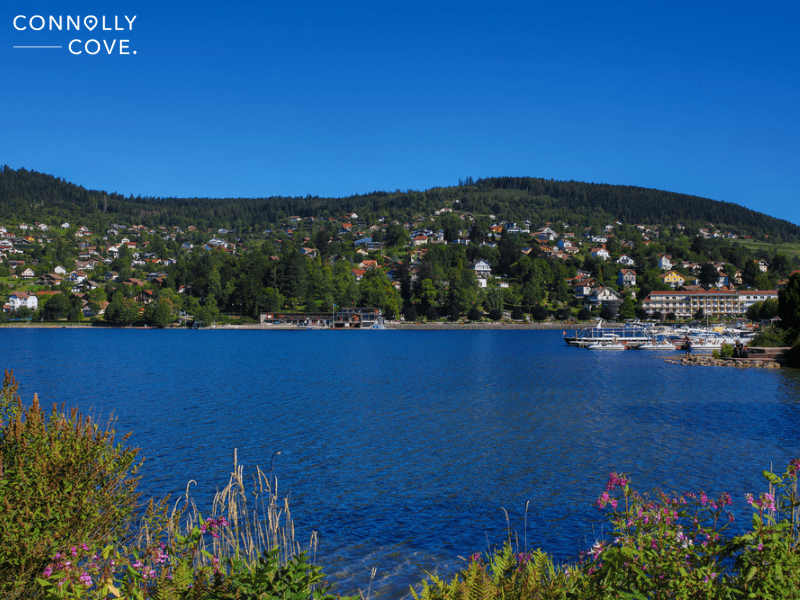
Gérardmer’s Lake, or Lac de Gérardmer, is a significant natural feature in the Vosges region, renowned for its beauty and utility. As the largest natural lake in the Vosges, it lies at an elevation of 660 metres above sea level, near the centre of Gérardmer town. The lake, formed after the Würm glaciations around 90,000 BC, spans 2.2 km in length and 0.75 km in width, covering a surface area of 1.16 km² with a maximum depth of 38.4 metres. Its significance extends beyond its scenic beauty; it is a vital source of drinking water for the town and supports various recreational activities, earning the moniker ‘the Vosges gem’.
Observatoire de Merelle
Observatoire de Merelle, located in Gérardmer, offers visitors a unique and breathtaking panoramic view of the surrounding landscape. Situated at an altitude of 897 metres, this observatory provides a 360-degree view that encompasses the scenic Lac de Gérardmer, the craggy crests of the surrounding mountains, and the La Mauselaine ski station. To reach the observatory, visitors can take a trail from Ramberchamp, which requires a degree of physical fitness. The ascent involves climbing 85 steps to reach the top of the observatory tower, and it’s advised that no more than four people occupy the tower at once for safety. This destination is a must-visit for those looking to experience the natural beauty of Gérardmer from an elevated perspective.
Le Saut des Cuves
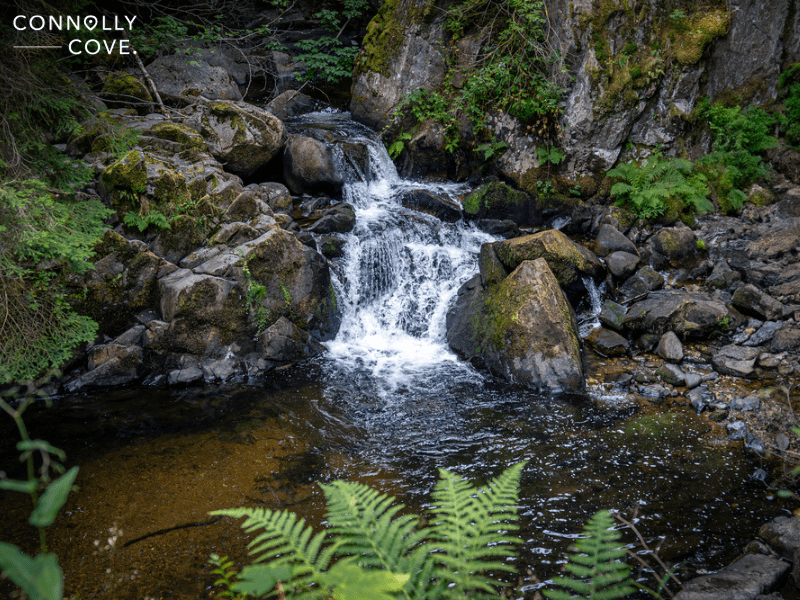
Le Saut des Cuves is a captivating natural site located in the valley of lakes near Gérardmer. This site is renowned for its striking waterfalls, where the Vologne River cascades down among large granite blocks in a series of falls, with Le Saut des Cuves being the most notable. Nearby, visitors can explore historical and legendary sites like the Pont des Fées, rebuilt in 1782, and the Pierre Charlemagne, which is associated with a legend involving Charlemagne’s horse.
The site is easily accessible from Gérardmer and offers a relatively easy hiking trail, the Sentier des Perles de la Vologne, which takes about 1.5 hours to complete and has a modest elevation change of 30 metres. This trail provides a delightful opportunity to immerse oneself in the natural beauty and historical richness of the area.
Acro-Sphere
Acro-Sphere Gérardmer offers a thrilling adventure park experience nestled in the natural beauty of the Vosges Mountains. This unique attraction is a haven for outdoor enthusiasts, providing an array of aerial courses that cater to various skill levels, from beginners to adrenaline junkies. Set amidst the lush forests near Gérardmer’s Lake, Acro-Sphere boasts a series of zip lines, rope bridges, and treetop obstacles that allow visitors to experience the beauty of the region from an exhilarating perspective. Each course is carefully designed to blend adventure with safety, ensuring an enjoyable experience for all ages.
Additionally, Acro-Sphere not only offers a fun day out for families and groups but also contributes to the appreciation of the area’s natural environment, encouraging outdoor activity and environmental awareness. With its combination of adventure, nature, and safety, Acro-Sphere Gérardmer is a standout destination for those seeking an active and memorable experience in the heart of the Vosges.
Attractions Surrounding Gérardmer
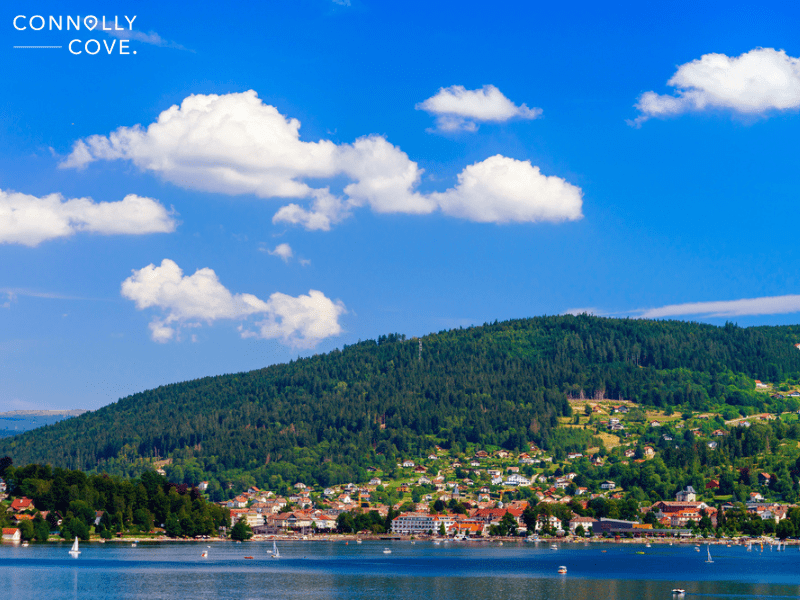
Situated amidst the stunning Vosges Mountains in France, Gérardmer is encircled by a multitude of attractions appealing to diverse preferences. The area is renowned for its scenic natural landscapes, abundant outdoor activities, and rich cultural heritage, offering a varied experience for visitors.
The Waterfall of the Donkey Jump – Le Saut de la Bourrique
Le Saut de la Bourrique, whimsically named “The Jump of the Donkey” in English, is a picturesque waterfall located near Gérardmer in the Vosges Mountains, France. Renowned for its serene and scenic beauty, this waterfall is a favourite among nature enthusiasts and photographers. Flowing through a lush, wooded landscape, it offers various hiking trails of differing difficulties, allowing visitors to fully engage with the region’s natural splendour. Easily accessible, Le Saut de la Bourrique provides a tranquil escape, perfect for family outings or a peaceful retreat from everyday life, and is a beloved spot for both locals and tourists seeking tranquillity and natural beauty.
You might be wondering why such a stunning waterfall is granted such a name. According to a legend, a local Lord owned a very loyal donkey. On his return from the Crusades, he passed by the waterfall where bandits ambushed him. The donkey, who heard the return of his master, came to meet him.
Seeing him in a bad position, she rushed upon the bandits and pushed them from the top of the waterfall. However, in her momentum, the donkey fell with the bandits and perished in the fall with them. Since then, the waterfall has been called “the Donkey Jump.”
The Phény School
The Phény School, built in 1760 as a mountain farm, was rented by the municipality of Gérardmer to provide education for local children, who often grew up speaking local dialects rather than standard French. This presented a significant challenge for teachers in helping students understand the French language.
Today, the Phény School has evolved from its educational roots. Managed by an association formed in 1992, it now serves as a holiday cottage and a venue for various cultural and festive events. The school offers two reception rooms and a dormitory, making it ideal for family gatherings and celebrations. Located in the tranquil hamlet of Phény, it offers guests the opportunity to enjoy the serene environment near Gérardmer while also engaging in the local culture through events like traditional pig slaughtering, theatrical plays, and seasonal festivals.
The Chapel of the Holy Trinity
This chapel was built by Dominique Viry in 1768. Legend has it that his two daughters felt mysterious caresses on their cheeks at night. Intrigued, he took their place during one night and also felt these caresses. Frightened, he grabbed the hand and was thrown out of bed into the air.
Praying to get out alive, he promised the Holy Trinity to build a chapel where he would be safe. This building is both a dwelling and a chapel. Nowadays, the dwelling part is vacant because it no longer meets safety standards. The triangular bell tower reminds us that the chapel is dedicated to the Holy Trinity.
Travel Tips for Gérardmer
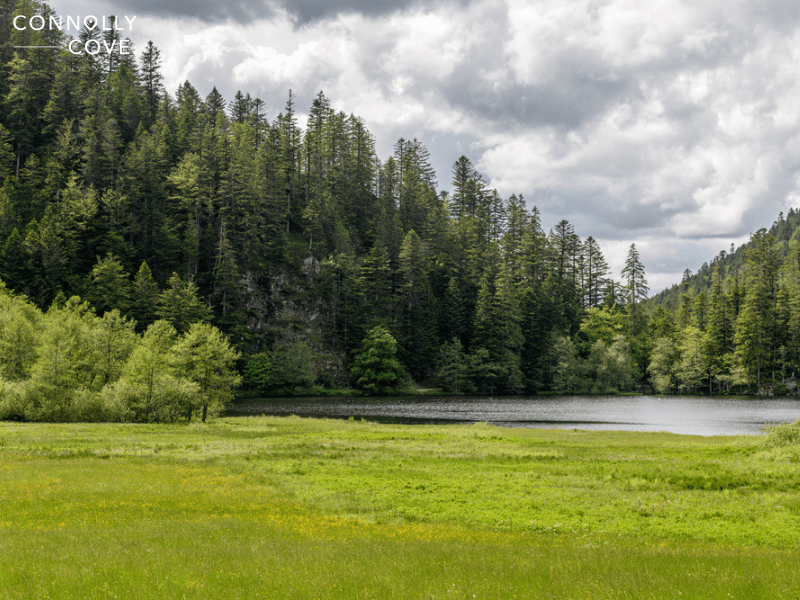
- Getting There: The nearest major airports to Gérardmer are in Strasbourg and Basel. From these cities, you can rent a car or use regional trains and buses to reach Gérardmer. Having a car is advantageous for exploring the surrounding Vosges region.
- Public Transport: Gérardmer is served by regional bus services, which connect it to larger towns and cities. Public transport within Gérardmer itself is limited, so planning your journey ahead of time is advisable.
- Scenic Routes: If you are driving, consider taking the scenic routes through the Vosges Mountains. The Route des Crêtes offers breathtaking views and access to numerous hiking trails.
- Best Time to Visit: Gérardmer is beautiful year-round, but the best time to visit depends on your interests. Summer is perfect for lake activities and hiking, while winter offers skiing and snowboarding opportunities.
- Local Navigation: Once in Gérardmer, the town is quite navigable on foot or by bicycle. Many of the main attractions, including the lake, are within easy walking distance from the town centre.
Best Places to Stay in Gérardmer
When visiting Gérardmer, you have a range of excellent accommodation options to choose from, each offering its own unique experience. Here are some recommendations for the best places to stay, catering to different preferences and budgets:
- Luxury Hotels:
- Le Grand Hôtel & Spa et son Chalet: Renowned for its luxurious amenities, this hotel offers spa facilities, fine dining, and elegant rooms, making it perfect for a pampering stay.
- Hôtel La Jamagne & Spa: This hotel provides a mix of comfort and luxury with a wellness centre and a location close to the lake, ideal for relaxation.
- Mid-Range Hotels:
- Hôtel de la Paix: Centrally located, this hotel offers comfortable accommodations with easy access to local attractions, suitable for families and couples.
- Hôtel Beau Rivage: Situated by the lake, it offers beautiful views and convenient access to outdoor activities, along with comfortable rooms and dining options.
- Cosy Bed and Breakfasts:
- Les Adrets: Provides a warm, homely atmosphere with stunning mountain views, offering a more intimate and personalised experience.
- Maison d’hôtes La Devinière: This charming B&B is known for its cosy ambience and delightful breakfast, set in a picturesque location.
- Holiday Cottages and Chalets:
- Chalet des Roches Paîtres: Ideal for those seeking privacy and comfort, this chalet offers a luxurious experience with exceptional views of the surrounding nature.
- Les Loges du Parc: Offers self-catering apartments and studios, perfect for families or groups, with the convenience of home amenities.
- Camping and Caravan Sites:
- Camping de Ramberchamp: Located near the lake, this site offers a perfect blend of outdoor living with modern amenities, ideal for nature lovers.
- Camping Domaine des Bans: This site provides a range of camping options, from traditional pitches to modern mobile homes, set in a scenic location with various on-site activities.
Each of these accommodations offers a unique way to experience Gérardmer, whether you’re looking for luxury, comfort, or a close connection to nature.
Our Last Word
Gérardmer is a captivating destination that truly offers something for everyone. Nestled in the heart of the picturesque Vosges Mountains, this charming town is a haven for nature enthusiasts, adventure seekers, and those in pursuit of tranquillity. Whether you’re drawn to the serene beauty of Gérardmer’s Lake, the exhilarating ski slopes, or the lush hiking trails, you’ll find your escape here.
The town’s range of accommodations, from luxurious hotels to cosy bed and breakfasts, ensures a comfortable and memorable stay. Each season in Gérardmer unfolds its own unique charm, making it a perfect year-round destination. So, whether you’re planning a family vacation, a romantic getaway, or a solo retreat, Gérardmer welcomes you to explore its natural wonders, engage in outdoor adventures, and immerse yourself in the peaceful ambience of the Vosges. Discover the magic of Gérardmer—a gem in the heart of France that promises an unforgettable experience.

The Ultimate Guide for London One Day Tours!
England
27/04/2024

Key Insights: Global Medical Tourism Statistics and Market Growth Analysis
Travel Statistics
26/04/2024
The Irish Mafia: A Closer Look at Organised Crime Syndicates
History and Heritage
26/04/2024

The Ultimate Guide to Eating Out in Ireland: Tips and Recommendations
Food and Cuisine
26/04/2024
Plan Your Perfect Trips to Northern Ireland: A Guide to the Best Tours and Vacation Packages!
Northern Ireland
26/04/2024