
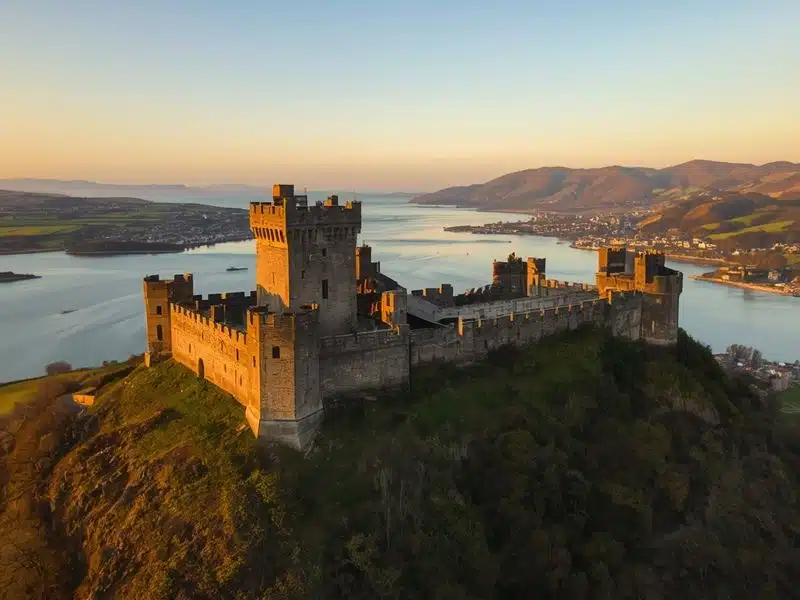


There is something profound about standing inside Caernarfon Castle’s hexagonal towers. The weight in the air isn’t merely medieval stone or salt from the Menai Strait, it’s the resonance of ceremony that has shaped the British monarchy for generations. Wales, the land of dragons and forgotten magic, has served as the crucible where future Kings are forged, where titles are bestowed, and where Royal families have discovered unexpected sanctuary from public scrutiny. This is the essence of the Wales Royal Experience, a journey that combines authentic history with modern luxury in ways few destinations can match.
But the Wales Royal Experience extends far beyond historic investitures and dusty ceremonial records. It’s found in the windswept beaches of Anglesey where Prince William and Kate Middleton walked their dog Lupo, seeking precious normality during RAF posting years. It’s discovered in the sustainable farming practices King Charles champions at his Welsh estate. And the Wales Royal Experience is lived through nights spent in castle hotels where you can sleep within walls that witnessed centuries of Royal history while enjoying thoroughly modern luxury.
At Connolly Cove, we’ve explored Wales extensively for our YouTube channel and cultural guides, documenting everything from coastal villages to mountain valleys. Through this work, we’ve gained particular insight into what makes the Wales Royal Experience authentic rather than manufactured—the genuine interweaving of monarchy, Welsh identity, and landscape. This guide draws on that experience to help you walk in Royal footsteps while discovering the complete Wales Royal Experience.
Table of Contents
The Title & The Territory: Understanding the Wales Royal Experience

To truly grasp the Wales Royal Experience, you must first navigate the complex history behind the title itself. For global travellers, “Prince of Wales” simply means heir to the British throne. For the Welsh people, however, the title carries dual meaning, one of conquest, one of heritage.
A Tale of Two Princes
Before English monarchs claimed the title, it belonged to native Welsh rulers. Llywelyn ap Gruffudd, the last sovereign Prince of Wales, was killed in 1282 during Edward I’s conquest. His monuments across Wales offer a profound counter-narrative to standard Royal tours, essential for any traveller wishing to respect the full cultural picture.
The tradition of English heirs holding the title began in 1301 with Edward II. Legend claims King Edward I promised Welsh nobility a prince “born in Wales who could speak no word of English,” then presented his infant son, born at Caernarfon, who, being a baby, indeed spoke no English. Whether apocryphal or not, this story illustrates the political complexity surrounding the title.
Cultural Awareness: When visiting North Wales, you’ll see the Red Dragon flag (Y Ddraig Goch) flying proudly. Understanding the distinction between historic native princes and the modern ceremonial role adds respectful depth to local interactions. The title remains sensitive for some Welsh people, representing centuries of complicated Anglo-Welsh relations.
The Investiture at Caernarfon Castle

No site proves more central to the Wales Royal Experience than Caernarfon Castle. This UNESCO World Heritage Site staged Prince Charles’s investiture in 1969, a ceremony broadcast globally, cementing the castle’s role in contemporary Royal tradition and creating the defining moment of the modern Wales Royal Experience.
Walking the castle today, you can stand on the exact slate dais used during the ceremony. The fortress itself represents masterful military architecture, designed by Edward I to echo Constantinople’s walls, a deliberate statement of imperial power. The castle houses the Royal Welch Fusiliers Museum, with film exhibitions showing the 1969 ceremony. Comparing grainy, colourful footage of the crowds with the quiet, echoing courtyard you stand in creates a powerful temporal bridge.
Visiting Caernarfon Castle:
- Cost: Adult entry approximately £12.50 (free for Cadw members)
- Best Time: Arrive at 9:30 AM to beat coach tours and experience the Eagle Tower in relative solitude
- Location: Central Caernarfon, North Wales, approximately 10 miles from Anglesey
- Duration: Allow 2-3 hours for thorough exploration including the museum
The castle’s position on the Menai Strait provides stunning views across to Anglesey, linking perfectly to the next chapter of the Wales Royal Experience, the William and Kate era.
Walking in Their Footsteps: The William & Kate Era
If Caernarfon represents monarchy’s ceremonial grandeur, Anglesey (Ynys Môn) represents its humanity. From 2010 to 2013, this island off northwest Wales became home to Prince William and Catherine Middleton. William worked as Search and Rescue pilot at RAF Valley, and for three precious years, the couple lived relatively normally, shopping at Waitrose, walking beaches, enjoying pub meals away from constant media attention.
For modern travellers, Anglesey offers the chance to experience the “off-duty” side of the Wales Royal Experience, following in footsteps that lead to some of Wales’s most romantic and beautiful locations.
Life on Ynys Môn

The couple rented a farmhouse on the private Bodorgan Estate, but surrounding areas remain open for exploration. Their favourite haunts have become pilgrimage sites for Royal watchers and romantic travellers alike.
Llanddwyn Island: This tidal island stands as perhaps Wales’s most romantic spot, dedicated to St Dwynwen, the Welsh patron saint of lovers. Widely known as a favourite walking location for William and Kate, Llanddwyn combines lighthouse views, ruined chapel remains, and Snowdonia mountain vistas across the water.
The experience captures everything that drew the Royal couple to Anglesey, dramatic natural beauty, genuine solitude, and authentic Welsh character untainted by tourism. The island’s separation from the mainland at high tide creates an otherworldly atmosphere, particularly during winter months when storms crash against the rocky shores, adding raw natural drama to your Wales Royal Experience.
Practical Details:
- Access: Check tide times before visiting—Llanddwyn becomes cut off at high tide
- Parking: Newborough Beach car park (£5 daily), then 20-minute walk
- Best Time: Early morning or late afternoon for optimal light and fewer visitors
- Season: Year-round access, though winter brings dramatic storm-watching opportunities
Dining Like Royalty: The White Eagle

Located in Rhoscolyn, The White Eagle gastropub became a regular haunt where the couple enjoyed surprisingly normal evenings, burgers, pints, and corner table conversations. The establishment isn’t stuffy fine dining but elevated pub food with stunning coastal terrace views.
The experience captures the “Young Royal” vibe, accessible, quality-focused, and relaxed. Local Menai mussels feature prominently on the menu, showcasing Anglesey’s excellent seafood while maintaining the unpretentious atmosphere that originally attracted William and Kate.
Booking The White Eagle:
- Reservation: Essential for summer terrace tables, book weeks ahead
- Dress Code: Smart casual; thoroughly relaxed atmosphere
- Price Range: £15-30 per main course
- Location: Rhoscolyn, southwest Anglesey, approximately 20 minutes from RAF Valley
Other Royal Anglesey Spots:
- The Seacroft: Another favourite dining spot in Rhosneigr, offering beachfront views and modern British cuisine
- Waitrose Menai Bridge: Where the couple did weekly shopping—now a somewhat surreal Royal pilgrimage site
- Newborough Beach: Regular walking location, offering miles of sandy coastline with Snowdonia backdrop
Anglesey’s appeal extends beyond Royal connections, it’s genuinely beautiful, culturally distinct (higher Welsh-speaking percentage than most regions), and refreshingly uncommercialized despite Royal associations. The island works perfectly as a base for the Wales Royal Experience, combining beach days with mountain adventures in nearby Snowdonia.
King Charles III in Wales: The Sustainability Royal Experience

King Charles III’s Welsh connections run deeper than ceremonial duties. His commitment to Wales manifests through Llwynywermod, his personal Welsh residence, and broader support for Welsh crafts, traditions, and sustainable practices that define the modern Wales Royal Experience.
Llwynywermod: The King’s Welsh Sanctuary
Purchased in 2007, Llwynywermod sits near Myddfai in Carmarthenshire, surrounded by the pastoral landscapes of the Brecon Beacons foothills. The estate reflects Charles’s long-standing environmental principles—restored using traditional Welsh building techniques, heated through sustainable systems, and furnished with local Welsh crafts.
While the residence itself remains private, the surrounding Myddfai area offers insight into the landscape and traditions Charles champions. The village’s medieval Physicians of Myddfai legend, a dynasty of healers using local plants, aligns perfectly with Charles’s interest in traditional knowledge and sustainable land management.
Experiencing the Myddfai Area:
- Location: Carmarthenshire, approximately 45 minutes from Brecon
- Highlights: Llandovery town (nearby market town), Dinefwr Castle, Brecon Beacons walking routes
- Local Products: Seek out Myddfai products and Welsh crafts Charles has promoted through the Duchy of Cornwall Welsh holdings
The Royal Mint and South Wales Connection
The Royal Mint, located in Llantrisant, South Wales, maintains another significant Royal connection. While operating independently, the Mint produces coinage for the UK and numerous other countries. Its visitor experience includes coin-striking demonstrations and exhibitions exploring the relationship between monarchy and currency.
Charles’s broader Welsh legacy includes patronage of Welsh cultural institutions, support for the Welsh language (he delivered parts of his investiture speech in Welsh), and championing of Welsh products from Halen Môn sea salt to Welsh gold used in Royal wedding rings since 1923. These connections form an essential part of understanding the complete Wales Royal Experience.
The “Royal Route” Itinerary: Planning Your Wales Royal Experience

The Wales Royal Experience unfolds across the country’s compact geography, allowing comprehensive Royal exploration within three days, though a week permits deeper engagement with each location. This suggested route flows geographically while building narrative chronologically—from medieval origins through modern Royal romance.
Day 1: North Wales – The Investiture and Anglesey Romance
Morning: Begin at Caernarfon Castle (2-3 hours), exploring the investiture site and understanding the title’s complex history. The town itself offers excellent coffee shops and local craft stores for mid-morning breaks.
Afternoon: Cross to Anglesey via the Menai Bridge, stopping at Beaumaris to photograph the bridge and castle views. Continue to Llanddwyn Island for the William and Kate walking experience (allow 2-3 hours including beach time).
Evening: Dinner at The White Eagle or The Seacroft, experiencing Royal couple favourites. Overnight at Chateau Rhianfa or nearby Anglesey accommodation.
Drive Time: Approximately 45 minutes Caernarfon to Llanddwyn, minimal additional mileage within Anglesey.
Day 2: Mid Wales – The Journey South
Morning: Depart Anglesey, driving through Snowdonia National Park (allow extra time for scenic stops and photo opportunities). The A470 provides Wales’s north-south backbone, spectacular but winding.
Afternoon: Explore the Myddfai area, understanding Charles’s Welsh estate context. Visit Llandovery market town or continue to the Brecon Beacons for walking (depending on weather and interests).
Evening: Stay at Craig-y-Nos Castle in the heart of the Beacons, combining Royal route convenience with operatic history.
Drive Time: 3-4 hours driving, significantly more if including Snowdonia stops (recommended).
Day 3: South Wales – Capital and Coastal Grandeur
Morning: Visit the Royal Mint in Llantrisant (if interested in monarchy’s material culture), then continue to Cardiff for Cardiff Castle exploration, another essential Welsh fortress with Royal apartments open to visitors.
Afternoon: Optional extension to Pembrokeshire for Roch Castle stay (add extra day), or conclude in Cardiff with evening exploration of the capital’s restaurants and cultural venues.
Alternative Route: Swap Day 2 and 3 to approach from South Wales northward, depending on arrival/departure logistics.
This route works equally well in reverse and can extend to incorporate additional days at Portmeirion (Castell Deudraeth) or deeper Pembrokeshire coastal exploration. The key to maximizing your Wales Royal Experience is allowing flexible timing, Wales’s landscapes demand spontaneous stops, and weather significantly impacts experience quality.
Sleep Like Sovereignty: Top 5 Castle Hotels for Your Wales Royal Experience
These castle hotels provide the perfect complement to the Wales Royal Experience—historic properties where you can rest like royalty while exploring the Wales that has shaped the British monarchy.
Castell Deudraeth, Portmeirion
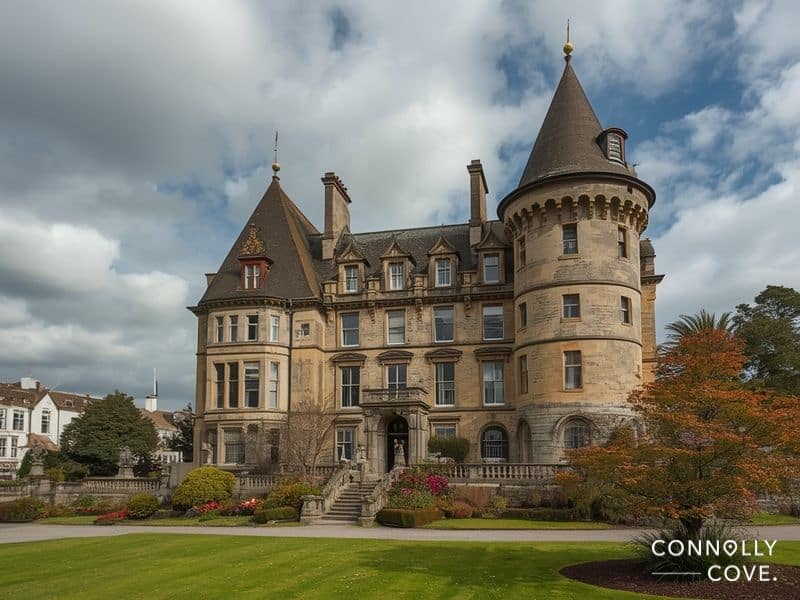
This Victorian castle-mansion sits within Portmeirion’s unique Italianate village on the North Wales coast. While not medieval, its 4-star luxury and artistic atmosphere (showcasing Welsh artists throughout) create sophisticated accommodation perfectly positioned for North Wales Royal route exploration. Rooms offer views across Cardigan Bay or surrounding woodland, with the castle restaurant emphasizing locally sourced Welsh ingredients. The location provides easy access to Caernarfon (50 minutes) and Snowdonia adventures.
Royal Connection: Victorian-era grandeur reflecting the period when British monarchy’s relationship with Wales evolved from military conquest to cultural patronage.
Chateau Rhianfa, Anglesey

Built as a romantic gift from John Hay Williams to his wife Lady Sarah, this 19th-century château-style castle overlooks the Menai Strait with Snowdonia views. The 4-star property combines French architectural elegance with Welsh coastal beauty, making it ideal for Royal route travellers wanting to stay where William and Kate lived. The restaurant specializes in Menai seafood, while Beaumaris town lies minutes away. Its intimate scale and romantic heritage suit couples following the William and Kate trail.
Royal Connection: Positioned in the heart of William and Kate’s Anglesey life, with views toward Caernarfon Castle across the strait.
Cardigan Castle, Ceredigion
This authentic 900-year-old fortress in West Wales offers boutique accommodation within genuinely medieval walls. The castle hosted the first recorded eisteddfod (Welsh cultural festival) in 1176, establishing traditions continuing today. Limited guest rooms mean advance booking proves essential, but the experience delivers genuine historic immersion balanced with modern comfort. The riverside location provides access to Cardigan town and Pembrokeshire coastal routes.
Royal Connection: Represents the native Welsh castle tradition predating English conquest, offering crucial context for understanding the “Prince of Wales” title complexity.
Craig-y-Nos Castle, Swansea
Former home of opera singer Adelina Patti, this Victorian Gothic castle sits within the Brecon Beacons National Park. The theatrical legacy creates unique atmosphere, with Patti’s private theatre still intact. The location provides mountain views and immediate access to walking routes, caves, and typical Beacons landscape. Rooms reflect operatic heritage through period furnishings, while the restaurant operates in the former state dining room.
Royal Connection: Victorian-era showpiece reflecting the period when British aristocracy and royalty patronized Welsh landscapes as romantic retreats.
Roch Castle, Pembrokeshire
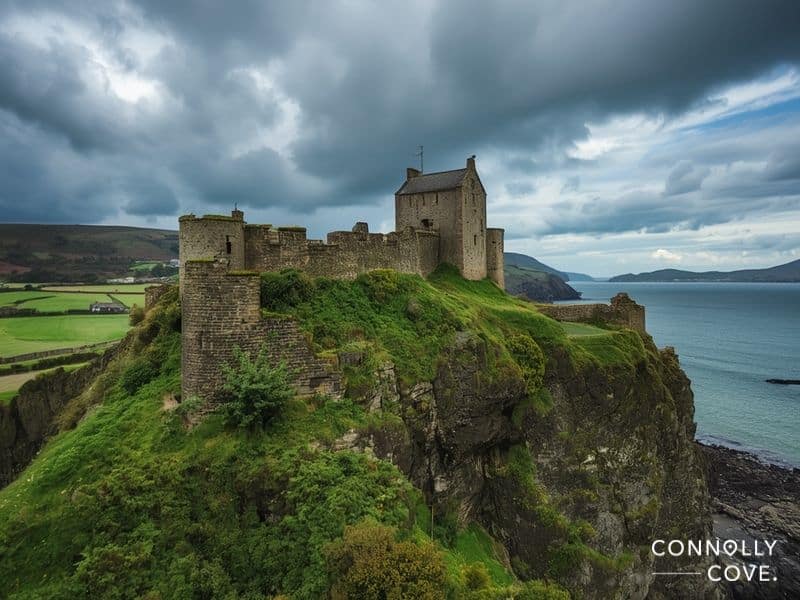
This authentic 12th-century fortress converted into a 5-star luxury property represents the pinnacle of Welsh castle hotel experiences. Perched on volcanic rock overlooking Pembrokeshire, the castle provides just six guest rooms, ensuring genuine exclusivity. Four-poster beds, freestanding baths, and medieval stone walls combine for intimate luxury. Private dining uses locally sourced ingredients, while the location provides access to the Pembrokeshire Coast Path and beaches.
Royal Connection: Genuine medieval fortress representing the military architecture that defined Welsh-English relations for centuries, now offering Royal-standard luxury.
Practical Planning for Your Wales Royal Experience
The Wales Royal Experience requires more planning than standard tourism, particularly regarding transportation, weather, and cultural preparation.
Transportation: Navigating the Wales Royal Experience
Car Hire Essential: The Wales Royal Experience unfolds across rural locations with limited public transport connections. Rent a car in Cardiff, Manchester, or Liverpool, allowing freedom to explore at your own pace. UK/Irish drivers familiar with narrow roads will manage easily, though international visitors should prepare for:
- Single-track lanes with passing places (particularly in rural Anglesey and Pembrokeshire)
- Sheep on roads (genuinely common, requiring alertness)
- Winding mountain routes through Snowdonia (spectacular but slow)
- Limited motorway network (the A470 provides the main north-south route but isn’t motorway-standard)
Drive Times Reality: Wales appears compact on maps, but mountainous terrain means journeys take longer than distances suggest. Cardiff to Caernarfon covers roughly 180 miles but requires 3.5-4 hours minimum. Build flexibility into daily plans.
Weather and Seasonal Considerations

Welsh weather changes rapidly, particularly in coastal and mountain areas. Pack layers that work indoors and out, with quality waterproof jacket essential regardless of forecast. Summer (June-August) offers most reliable conditions but brings peak prices and crowds. Shoulder seasons (April-May, September-October) provide excellent compromise, decent weather, lower rates, fewer visitors.
Winter castle stays deliver maximum atmospheric appeal (log fires, festive decorations) though weather can complicate travel. Autumn proves particularly beautiful for photography, with dramatic light and landscape colour transitions.
Cultural Preparation
Learning basic Welsh phrases enhances interactions. Try “Bore da” (good morning), “Diolch” (thank you), and “Croeso” (welcome). While everyone speaks English, appreciation for Welsh language and culture demonstrates respect. Understanding that Welsh identity is distinct from English, with its own language, traditions, and historical perspective, prevents cultural missteps.
“Wales’s castle hotels offer something rare in modern travel, genuine connection to place without sacrificing comfort. When we’ve stayed in these properties while filming content, we’ve found they provide both the atmospheric locations our audience values and the practical amenities needed for professional work.” – Ciaran Connolly, Director, Connolly Cove
Booking Strategy
Book Wales Royal Experience accommodation 2-3 months ahead for summer travel, particularly for properties like Roch Castle with limited rooms. Direct booking through castle hotels often provides better rates and flexibility than third-party platforms. Discuss specific requirements (quiet rooms, ground floor access, WiFi reliability) directly with properties.
Budget £150-300 per night for castle hotels, with dining adding £40-70 per person for evening meals. Total Wales Royal Experience costs vary significantly by season and choices, but expect premium pricing reflecting the unique nature of these historic properties and Royal connections.
Creating Your Wales Royal Experience

The Wales Royal Experience offers something increasingly rare, authentic historic engagement balanced with contemporary luxury. From standing where Prince Charles received his title to walking beaches where William and Kate found precious normalcy, from sleeping in medieval fortresses to understanding the complex relationship between Welsh identity and British monarchy, the Wales Royal Experience provides genuine depth.
The investment in planning, researching properties, understanding seasonal factors, booking strategically, delivers exponential returns in memories and understanding. The Wales Royal Experience deserves thoughtful engagement, and the Royal route provides ideal structure for that exploration.
Whether you’re a dedicated Royal watcher, history enthusiast, or simply seeking luxury escapes with meaningful backstories, the Wales Royal Experience combines all three. The landscapes that shaped British monarchy remain accessible, the castle hotels that provide luxury bases carry genuine heritage, and the cultural complexity that makes the Wales Royal Experience fascinating reveals itself to those willing to look beyond surface attractions.
For your next significant trip, consider following the Royal route through Wales. The slight premium in cost and planning over standard tourism delivers experiences that standard itineraries cannot replicate, stays that resonate long after checkout, insights that deepen appreciation for both monarchy and Welsh identity, and connections to landscapes where the Wales Royal Experience remains genuinely alive.
FAQs
Can I visit Llwynywermod, King Charles’s Welsh home?
The residence itself remains private, but the surrounding Myddfai area is accessible. Explore nearby Llandovery, Dinefwr Castle, and the Brecon Beacons landscapes that reflect Charles’s environmental principles.
How far in advance should I book castle hotels on the Royal Route?
Book 2-3 months ahead for summer travel, particularly for limited-capacity properties like Roch Castle. Direct booking through hotels often provides better rates than third-party platforms.
Is Caernarfon Castle suitable for families with children?
Absolutely. Children aged 7+ typically appreciate the historic significance and can safely navigate the medieval architecture. Allow 2-3 hours for thorough exploration including the museum exhibits.
Can I visit The White Eagle pub where William and Kate dined?
Yes, The White Eagle in Rhoscolyn remains open to the public. Book terrace tables weeks ahead during summer months for the full experience with coastal views.
What’s the best season for experiencing the Wales Royal Experience?
April-May and September-October offer excellent weather, lower crowds, and better hotel rates. Summer provides most reliable conditions but brings peak prices and visitor numbers to Wales Royal Experience locations.


