
For those who are passionate about literature and cinema, there’s an undeniable allure in the enchanting realms of fictional towns. Whether it’s the mesmerising landscapes of Middle-earth or the charming, idyllic streets of Stars Hollow, these fictional locales possess an innate ability to captivate our imaginations.
They become more than just settings; they evolve into places we yearn to visit, even if we know they exist solely within the pages of books or the frames of our favourite films and TV shows. While the prospect of physically entering these fictional towns might remain elusive, there is a delightful way to experience a semblance of their magic.
Some fortunate travellers have the opportunity to explore real-life places that serve as the inspirational backdrop for these beloved fictional settings. In this article, we embark on a captivating journey that will transport you to some of the most enchanting and evocative locations on our planet, which bear a striking resemblance to the charming fictional towns we hold dear in our hearts.
Whether you’re a devoted fan of fantasy novels, a cinephile with a penchant for picturesque film locations, or simply a traveller in search of unique destinations, prepare to be enchanted as we guide you through a selection of the best real-life destinations that mirror the allure of these fictional towns.
Table of Contents
European Film Locations
Europe’s ancient cities and dramatic landscapes have provided the perfect backdrop for countless fictional worlds. From the medieval walls of Dubrovnik transformed into King’s Landing to the mystical forests of England that inspired Middle-earth, these European locations offer fans a chance to step directly into their favourite fictional realms. The continent’s rich history and varied scenery create ready-made settings that bring fantasy to life with minimal alteration, making them particularly magical destinations for film enthusiasts and cultural explorers alike.
Dubrovnik, Croatia – King’s Landing from Game of Thrones
Westeros, the fictional realm that serves as the backdrop for the epic tale of Game of Thrones, has, in itself, become a character in the story. This sprawling and complex world is brought vividly to life through a carefully curated selection of filming locations scattered across the picturesque landscapes of Europe.
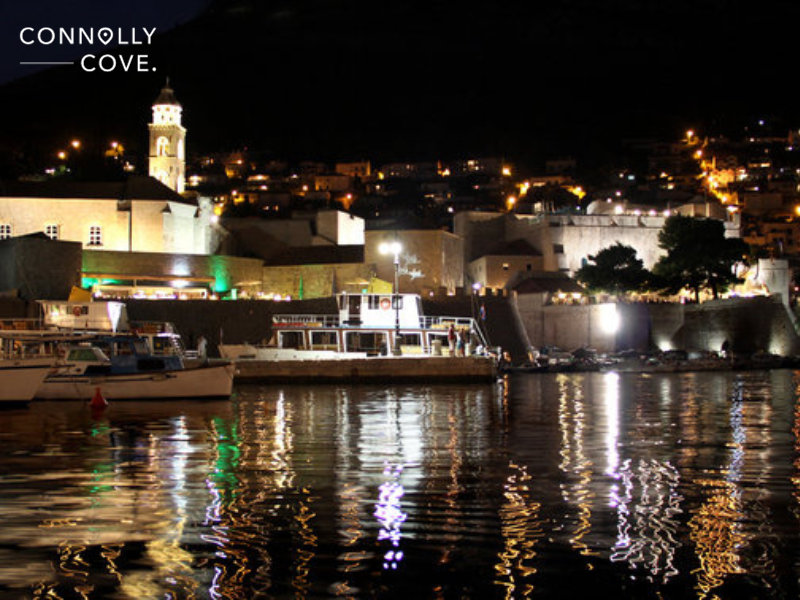
One of the most iconic destinations for fans is Dubrovnik, Croatia, which stands as the real-life representation of King’s Landing, the capital of the Seven Kingdoms. With its ancient stone walls, red-tiled roofs, and spectacular Adriatic Sea views, Dubrovnik perfectly embodies the majesty and medieval character of the fictional capital.
Walking through the limestone streets of Dubrovnik’s Old Town, fans can trace the footsteps of their favourite characters. The city’s Fort Lovrijenac served as the Red Keep, while the historic Jesuit Staircase was the setting for Cersei’s infamous “Walk of Shame.” The nearby island of Lokrum doubled as the city of Qarth, offering another fascinating stop for dedicated fans.
What makes Dubrovnik particularly special as a filming location is how little needed to be changed to create the world of Game of Thrones. The city’s well-preserved medieval architecture provided an authentic backdrop that digital effects merely enhanced rather than created from scratch.
Traveller’s Tip: To avoid the crowds that Game of Thrones tourism has brought to Dubrovnik, consider visiting in the shoulder seasons (April-May or September-October) when you’ll have more space to appreciate the real-world magic of King’s Landing.
Puzzlewood, England – The Forests of Middle-earth
The enchanting woodland of Puzzlewood in the Forest of Dean, Gloucestershire, has inspired storytellers for generations. This ancient woodland, with its gnarled trees, moss-covered rocks, and mysterious pathways, is believed to have inspired J.R.R. Tolkien’s forests of Middle-earth.
Beyond Tolkien’s works, Puzzlewood has served as a filming location for several productions, including episodes of Doctor Who, Merlin, and scenes from Star Wars: The Force Awakens. The natural labyrinth of twisted trees and stone creates an otherworldly atmosphere that transports visitors to various fictional realms.
What makes Puzzlewood special is that it doesn’t represent just one fictional location—it’s a place of such unique natural beauty that it has inspired countless imaginary worlds. Walking through these woods, visitors can craft their own narratives, imagining themselves in any number of fictional settings.
Traveller’s Tip: Wear sturdy footwear, as the pathways can be uneven and sometimes slippery. The changing seasons offer completely different experiences—spring brings carpets of bluebells, while autumn transforms the woodland with golden hues.
North American Towns
North America’s diverse landscapes have given life to some of cinema’s most beloved fictional settings. From the rainy forests of Forks, Washington, where vampire romances unfold, to the quintessential New England charm of Stars Hollow, these locations offer fans tangible connections to their favourite stories. What makes these North American destinations fascinating is how ordinary towns transform into extraordinary places through storytelling, often embracing their fictional fame with dedicated tours, landmarks, and seasonal events that celebrate their on-screen personas. These real communities provide visitors with both authentic local experiences and the thrill of walking through scenes they’ve only witnessed on screen.
Forks, Washington – Twilight
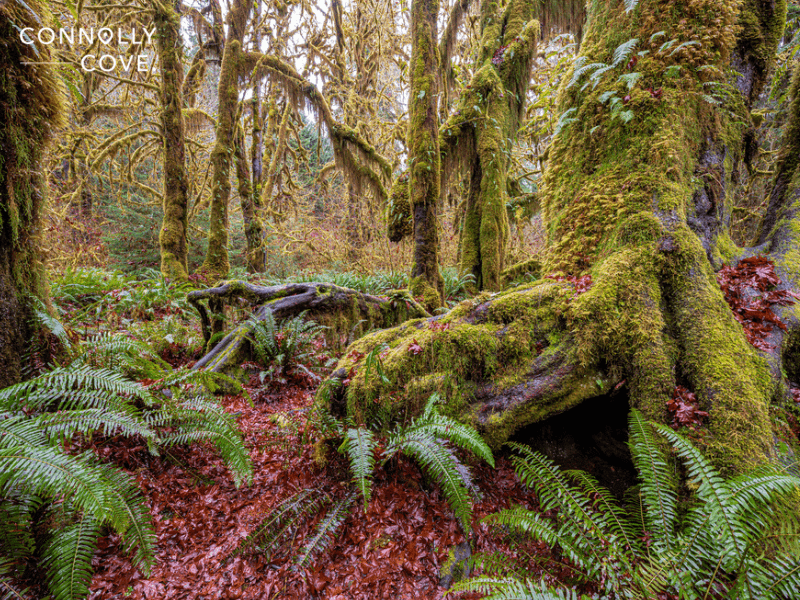
In the realm of captivating fictional towns, Forks, Washington, holds an exceptional and cherished position in the hearts of those who have succumbed to the mesmerising allure of Stephenie Meyer’s Twilight series. This charming, albeit perpetually rainy, town nestled on the Olympic Peninsula transforms into a place of supernatural wonder as it faithfully serves as the atmospheric backdrop for Bella Swan’s enthralling adventures in the vampire and werewolf-infested world of Twilight.
Forks, with its lush forests and perpetually misty ambience, seamlessly merges reality with the mystical allure of fiction. It’s a destination that beckons fans to step beyond the confines of everyday life and immerse themselves in the enchanting aura of a world where vampires and werewolves exist alongside mortals.
As visitors to Forks embark on their own odyssey through the town’s winding streets and breathtaking landscapes, they have the unique opportunity to explore landmarks that have transcended the pages of books and the frames of the silver screen. These real-world sites have become tangible touchstones for fans, allowing them to walk in the footsteps of their favourite characters and relive the magic of Twilight.
The real town of Forks has embraced its literary fame with enthusiasm. The local visitor centre offers maps to significant Twilight locations, and there’s even Bella’s truck parked outside. Nearby La Push Beach, home of the werewolf pack in the novels, offers stunning Pacific Ocean views and a chance to imagine the supernatural rivalries that played out in Meyer’s world.
What makes Forks particularly interesting is how a real, working-class logging town transformed itself to welcome literary tourism. The town has balanced preserving its authentic character while acknowledging the fictional overlay that has brought thousands of visitors to this once-obscure corner of Washington state.
Stars Hollow, Connecticut – Gilmore Girls
Among the fictional towns is the whimsical allure of Stars Hollow, which beckons fans of the beloved TV series Gilmore Girls. This enchanting town, although not the actual filming location, has left an indelible mark on the hearts of viewers and stands as a testament to the enduring power of storytelling. Washington Depot, Connecticut, served as the wellspring of inspiration for the quaint and idyllic world of Stars Hollow, charming its way into the collective affection of fans across the globe.
While much of Gilmore Girls was filmed on a Warner Bros. backlot in California, the real Connecticut town that inspired creator Amy Sherman-Palladino offers its own New England charm. Washington Depot features a town centre with locally-owned shops, a characteristic gazebo, and the inviting Mayflower Inn (which inspired the Independence Inn from the show).
Visitors to Washington Depot are greeted with a delightful opportunity to step into the pages of the series and experience firsthand the small-town charm that made Stars Hollow an iconic destination. The town’s picturesque streets, lined with charming storefronts and cosy houses, evoke a sense of nostalgia and warmth.
It’s a chance to indulge in a cup of coffee at a local café reminiscent of Luke’s Diner or enjoy a pastry at the town bakery, creating an authentic connection to the fictional world that fans hold so dear. Yet, the appeal of Washington Depot extends beyond its physical resemblance to Stars Hollow. It’s an opportunity to experience the genuine hospitality of the town’s residents and to appreciate the enduring values of friendship and family that Gilmore Girls so beautifully portrayed.
Traveller’s Tip: Visit during autumn when the New England fall foliage creates the perfect backdrop for your own Gilmore Girls experience.
Sleepy Hollow, New York – The Legend of Sleepy Hollow
Washington Irving’s legendary tale of Ichabod Crane and the Headless Horseman casts its eerie spell upon the fictional town of Sleepy Hollow. However, the actual village of Sleepy Hollow in New York possesses a charm all its own, particularly during the enchanting and spine-tingling Halloween season.
This picturesque village, nestled along the Hudson River, offers visitors a captivating opportunity to step into the very world that inspired Irving’s world-famous ghost story. The real town of Sleepy Hollow, New York, is a testament to the enduring fascination with fictional towns brought to life. It’s a place where the worlds of fact and fiction converge, offering visitors the opportunity to experience the magic of Washington Irving’s imagination tangibly and unforgettably.
Whether exploring the Sleepy Hollow Cemetery, embracing the Halloween spirit, or delving into the town’s rich history, visitors to Sleepy Hollow find themselves immersed in the captivating and spine-tingling atmosphere that has made this village a beloved destination among fans of Irving’s world-famous ghost story and the enchanting allure of fictional towns.
The town fully embraces its literary heritage, especially during autumn, when the changing leaves and early darkness create the perfect atmosphere for ghost stories. Visitors can tour the Sleepy Hollow Cemetery, where Washington Irving himself is buried, visit the Old Dutch Church mentioned in the story, and even experience haunted hayrides and other seasonal events that bring the legend to life.
What makes Sleepy Hollow unique is how thoroughly the town has integrated its literary heritage into its identity. Unlike many locations on this list, Sleepy Hollow (formerly North Tarrytown until it officially changed its name in 1996) has fully embraced its fictional counterpart, creating a seamless blend between the real and the imagined.
Irish Filming Locations
Ireland’s breathtaking landscapes have captivated filmmakers seeking otherworldly backdrops for their most epic tales. From County Wicklow’s lush valleys doubling as Viking Scandinavia to Northern Ireland’s rugged coastlines transformed into the Iron Islands of Westeros, the Emerald Isle offers an astonishing variety of fictional worlds within its compact geography. What makes Irish filming locations truly special is their accessibility—visitors can experience multiple iconic settings in a single day’s journey, moving from ancient castles to dramatic coastlines with ease. These magical Irish settings not only showcase the country’s natural beauty but also connect travellers to both fictional narratives and the authentic cultural heritage that makes Ireland an unrivalled destination for film tourism.
County Wicklow – Viking Realms in “Vikings”
Ireland’s stunning landscapes have provided the backdrop for numerous epic productions, including the hit series “Vikings.” While the show depicts Scandinavian settings, many scenes were filmed in the lush valleys and rugged mountains of County Wicklow.
Lough Tay, often called “Guinness Lake” due to its dark waters and white sand beach (courtesy of the Guinness family estate), served as the setting for Kattegat, the hometown of Ragnar Lothbrok in the earlier seasons. The nearby Wicklow Mountains National Park provided the wild landscapes for many of the show’s outdoor scenes.
What makes these filming locations particularly special is how Ireland’s natural beauty convincingly portrays another country entirely. The versatility of Ireland’s landscapes, from coastal scenes to forests to mountains, all within a small geographic area, makes it ideal for filmmakers creating entirely new worlds.
Traveller’s Tip: Combine your Vikings location tour with a visit to the ancient monastic site of Glendalough, just a short drive away, to experience both fictional and real Irish history in one trip.
Ballintoy Harbour, Northern Ireland – The Iron Islands from Game of Thrones
The rugged coastline of Northern Ireland provided numerous filming locations for Game of Thrones, with Ballintoy Harbour in County Antrim standing in for the Iron Islands, home of House Greyjoy. This small fishing harbour, with its weathered stone and dramatic sea views, perfectly captured the harsh beauty of Pyke and the Iron Islands.
Nearby locations, including The Dark Hedges (the Kingsroad), Cushendun Caves (where Melisandre gave birth to the shadow creature), and Castle Ward (Winterfell), offer Game of Thrones fans a comprehensive tour of Westeros without ever leaving Northern Ireland.
What makes these locations remarkable is how closely they resemble their fictional counterparts with minimal set dressing or digital enhancement. The natural drama of Northern Ireland’s landscape provided ready-made fantasy backdrops that required little alteration.
Trim Castle, County Meath – Braveheart’s Scotland
While not strictly a fictional town, Trim Castle in County Meath served as a key filming location for Mel Gibson’s Braveheart, standing in for medieval English fortifications despite the film being set primarily in Scotland. This impressive Norman castle, the largest in Ireland, brought historical fiction to life with its imposing stone walls and dramatic setting.
The castle and surrounding town of Trim offer visitors a chance to explore both the fictional world of the film and the genuine medieval history of Ireland. The juxtaposition of historical reality and cinematic fiction creates a unique travel experience where visitors can appreciate both simultaneously.
Traveller’s Tip: Book a guided tour of the castle to learn about both its real history and its role in the film. The view from the top of the keep provides stunning panoramic views of the surrounding countryside.
Worldwide Fictional Places
Beyond Europe and North America, some of the world’s most extraordinary fictional towns come to life in unexpected corners of the globe. From the meticulously crafted hobbit holes of New Zealand’s Hobbiton to Malta’s colourful Popeye Village, these international destinations offer fans the most immersive fictional experiences. What makes these worldwide locations remarkable is their transformation from temporary film sets into permanent attractions, where every detail—from architecture to landscaping—is preserved to maintain the illusion of stepping into another world. These far-flung destinations may require more travel commitment, but they reward visitors with the most complete and authentic experiences of beloved fictional realms, often set against breathtaking natural backdrops that enhance their magical quality.
This introduction:
- Uses vivid, descriptive language to create immediate visual appeal
- Mentions specific global examples (Hobbiton, Popeye Village) for SEO value
- Incorporates relevant keywords like “fictional towns,” “destinations,” and “attractions.”
- Highlights the unique value proposition of worldwide locations (transformation from temporary to permanent)
- Uses British English spelling (“colourful”)
- Acknowledges the travel commitment while emphasising the reward
- Create an emotional connection with phrases like “immersive fictional experiences” and “magical quality.”
- Maintains a sophisticated, engaging tone aligned with ConnollyCove’s brand voice
The paragraph effectively establishes what makes worldwide fictional locations distinctive and worth the journey for dedicated fans and cultural explorers.
Hobbiton, New Zealand – The Lord of the Rings
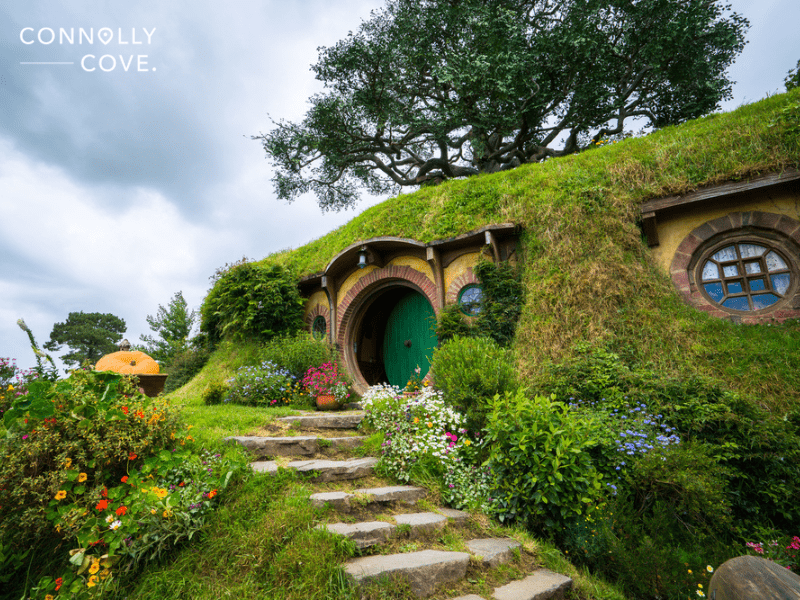
Transport yourself into the enchanting world of J.R.R. Tolkien’s Middle-earth by paying a visit to Hobbiton, a real-life embodiment of one of the most beloved fictional towns located in Matamata, New Zealand. This captivating destination, nestled amid the verdant, undulating hills and adorned with delightful hobbit holes, stands as a living tribute to the cinematic magic conjured by Peter Jackson in his adaptations of Tolkien’s timeless classics, The Lord of the Rings and The Hobbit.
Hobbiton offers visitors a unique opportunity to step into the heart of a fictional town made tangible. Guided tours allow you to traverse the meticulously recreated movie set, providing an authentic and immersive experience. Meander through the charming village, marvel at the quaint architecture and don’t forget to savour a refreshing beverage at the Green Dragon Inn, just as the beloved hobbits did in the films.
For any ardent Tolkien fan, Hobbiton is an essential pilgrimage, a place where reality and the enchanting charm of the Shire harmoniously merge, creating a genuine connection to the magic of fictional towns.
What sets Hobbiton apart from many film locations is its permanence and detail. Originally built as a temporary set for the Lord of the Rings trilogy, it was rebuilt in permanent materials for The Hobbit films and has been maintained as a tourist attraction ever since. Every aspect of the set, from the vegetable gardens to the washing lines with hobbit-sized clothes, contributes to the illusion that this is a real, inhabited village.
Traveller’s Tip: Book the evening banquet tour for a magical experience of Hobbiton at sunset, with lanterns lighting the paths and a feast served in the Green Dragon Inn.
Popeye Village, Malta – Popeye’s Sweethaven
Built as a film set for the 1980 musical “Popeye” starring Robin Williams, this colourful collection of wooden buildings perched on Anchor Bay in Malta has found new life as a tourist attraction. Originally constructed solely for the film, the set was preserved and expanded into a small theme park and visitor attraction.
What makes Popeye Village particularly interesting is that, unlike many film sets that are dismantled after production, this one was built sturdily enough to withstand Malta’s weather and has become a permanent fixture. The village offers a unique blend of film history and Mediterranean beauty, with the brightly coloured buildings contrasting dramatically with the blue waters of the bay.
Traveller’s Tip: Visit on a calm day to enjoy the small beach and swimming area below the village, offering a unique perspective of the colourful buildings from the water.
Port Isaac, Cornwall – Portwenn from Doc Martin
The picturesque fishing village of Port Isaac in Cornwall serves as the setting for the fictional town of Portwenn in the popular British television series Doc Martin. With its narrow winding streets, whitewashed cottages, and stunning views of the Atlantic, Port Isaac perfectly captures the charm and character of a small Cornish seaside community.
Fans of the show can visit many recognisable locations, including the doctor’s surgery (actually a private home called Fern Cottage), the village pharmacy, and the various restaurants and shops that appear in the series. What makes Port Isaac special is that it was already a picturesque destination before the show began filming, and the production integrated seamlessly into the existing village rather than transforming it.
Traveller’s Tip: The village is built on steep hills with narrow lanes, so wear comfortable walking shoes and be prepared for some challenging inclines.
Planning Your Visit to Fictional Worlds
Transforming your fictional world fantasies into real travel experiences requires thoughtful preparation to capture the magic you’ve seen on screen. From selecting the optimal season when locations most resemble their fictional portrayal to booking specialised tours that reveal hidden filming spots, strategic planning enhances your immersion into these storybook settings. The most rewarding visits balance iconic photo opportunities with authentic local experiences, respecting both the fictional legacy and the real communities that host these locations. Whether you’re capturing content for social media, seeking perfect lighting for photography, or simply wanting to feel transported into your favourite stories, advanced research on timing, accessibility, and local etiquette ensures your journey through fictional worlds delivers the enchanting experience you’ve imagined.
Practical Travel Considerations
Visiting filming locations or towns that inspired fictional settings requires some practical planning:
- Seasonal Timing: Many locations look dramatically different depending on the season. Research when your chosen destination most closely resembles its fictional counterpart.
- Guided Tours vs. Independent Exploration: Some sites, like Hobbiton, can only be visited via a guided tour, while others allow independent exploration. Check requirements in advance.
- Photography Tips: Research the best vantage points for capturing the views that most resemble the fictional setting. Early morning or late afternoon light often provides the most dramatic results.
- Respect for Locals: Remember that many filming locations are in real communities where people live and work. Be respectful of private property and local residents.
Digital Content Creation at Film Locations
For those interested in creating their own content at these locations, whether for social media, blogs, or personal projects:
- Video Techniques: When filming at these locations, try using similar camera angles or movements as seen in the original production for an authentic feel.
- Storytelling Approaches: Consider creating content that compares the fictional portrayal with the real-world location, highlighting both similarities and differences.
- Equipment Suggestions: A wide-angle lens helps capture architectural details and landscapes, while a zoom lens allows you to isolate specific elements featured in the original production.
Beyond the Famous Spots: Hidden Gems
While the main filming locations draw the crowds, dedicated fans can discover lesser-known spots:
- Near Dubrovnik: The nearby island of Lokrum not only served as a Game of Thrones filming location but also houses a small exhibition about the show.
- In Northern Ireland, among the major Game of Thrones sites, there are numerous smaller locations used for brief scenes that receive far fewer visitors.
- Around Hobbiton: The wider Waikato region of New Zealand contains many Lord of the Rings filming locations beyond the famous Hobbiton set.
The Future of Fictional Tourism
The relationship between fictional places and tourism continues to evolve, with new trends emerging:
- Augmented Reality Experiences: Some locations are beginning to offer AR experiences that overlay fictional elements onto real landscapes via smartphone apps.
- Sustainability Concerns: As popular filming locations face increasing visitor numbers, many are implementing sustainable tourism practices to protect these sites.
- Virtual Tourism Options: For those unable to travel, virtual tours of famous filming locations are becoming increasingly sophisticated, offering a taste of these destinations from home.
Conclusion
The allure of visiting fictional places in the real world lies in the unique blend of imagination and reality these destinations offer. They allow us to physically step into stories that have captivated us, adding a tangible dimension to fictional worlds we’ve only experienced through pages or screens.
From the medieval streets of Dubrovnik that became King’s Landing to the purpose-built hobbit holes of New Zealand, these locations bridge the gap between fiction and reality, offering a form of travel that’s as much about exploring stories as it is about exploring places.
Whether you’re planning a dedicated tour of filming locations or simply incorporating one special site into a broader travel itinerary, visiting these real-world counterparts of fictional places offers a magical dimension to travel that continues to captivate the imagination of visitors from around the world.
For those inspired to create their own content or digital stories about these fascinating intersections of fiction and reality, these locations provide the perfect backdrop for photography, videography, and storytelling that resonates with fellow fans and travellers alike.
FAQs About Fictional Towns You Can Visit
Visitors often ask which fictional towns offer the most authentic experiences and when to visit for optimal conditions. These FAQs address everything from complete film sets like Hobbiton to Irish filming locations that feature in major fantasy series. We cover practical concerns about accessibility, photography opportunities, and how these destinations balance tourism with local community needs, helping you plan the perfect journey into your favourite fictional worlds brought to life.
Which fictional town film set is most complete to visit?
Hobbiton in New Zealand offers the most complete and immersive experience, with 44 permanently maintained hobbit holes and the fully functional Green Dragon Inn, where visitors can enjoy food and drinks.
Are there any Irish locations where Harry Potter was filmed?
While the Harry Potter films weren’t shot in Ireland, the Cliffs of Moher appear in “Harry Potter and the Half-Blood Prince” as the location where Harry and Dumbledore search for a Horcrux. However, this was created through digital effects rather than actual filming at the location.
What’s the best time of year to visit Game of Thrones locations in Northern Ireland?
Late spring (May-June) offers the best combination of reasonable weather and smaller crowds. The landscapes are green and lush, similar to how they appear in many scenes from the show.
Are there any fictional towns from books that have been created as tourist attractions without being in films?
Yes, examples include Sherlock Holmes‘ London (with the museum at 221B Baker Street) and Anne of Green Gables’ Prince Edward Island, where attractions have been developed based on literary locations rather than film adaptations.
How has filming affected the local communities in these locations?
The impact varies widely. Some locations, like Dubrovnik, have seen challenges with overtourism, while others, like the small towns used in Game of Thrones filming in Northern Ireland, have benefited economically from increased visitor numbers without being overwhelmed.