


Belvoir Park Belfast – The Forest In The City
Updated On: April 18, 2024 by  Ciaran Connolly
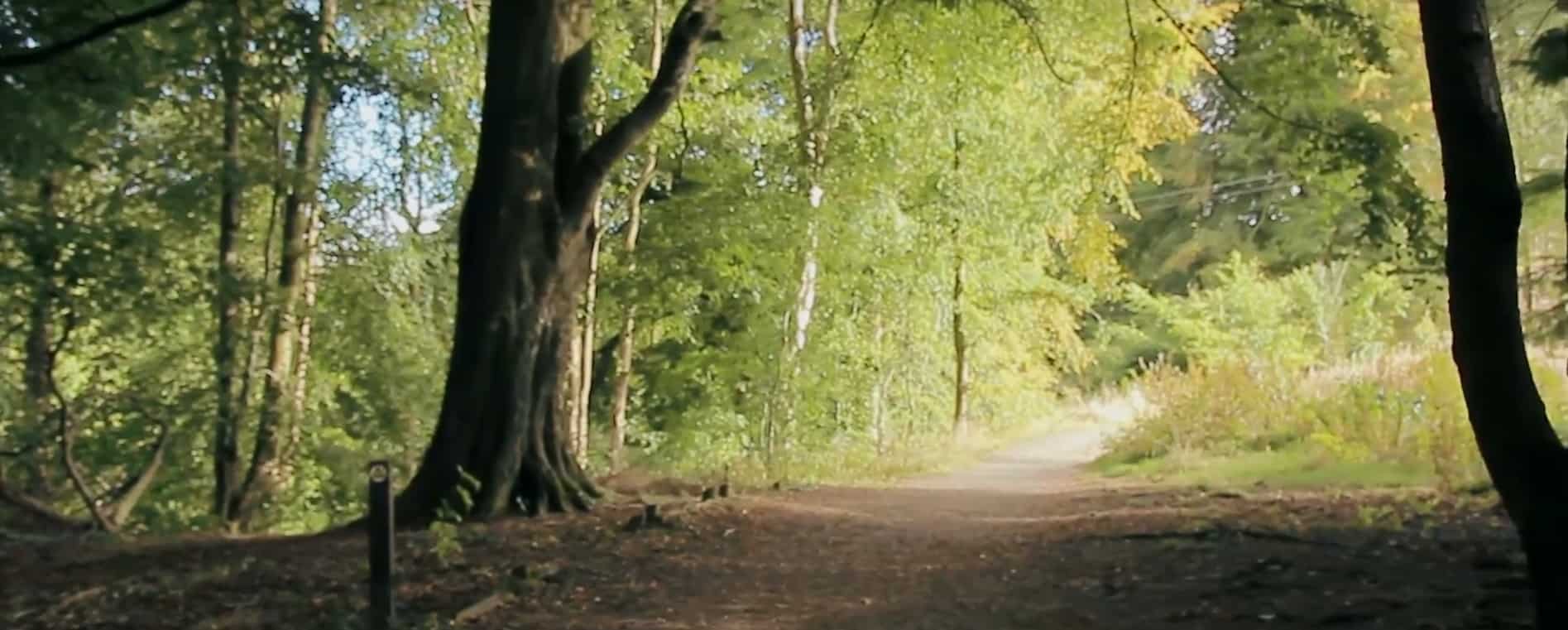
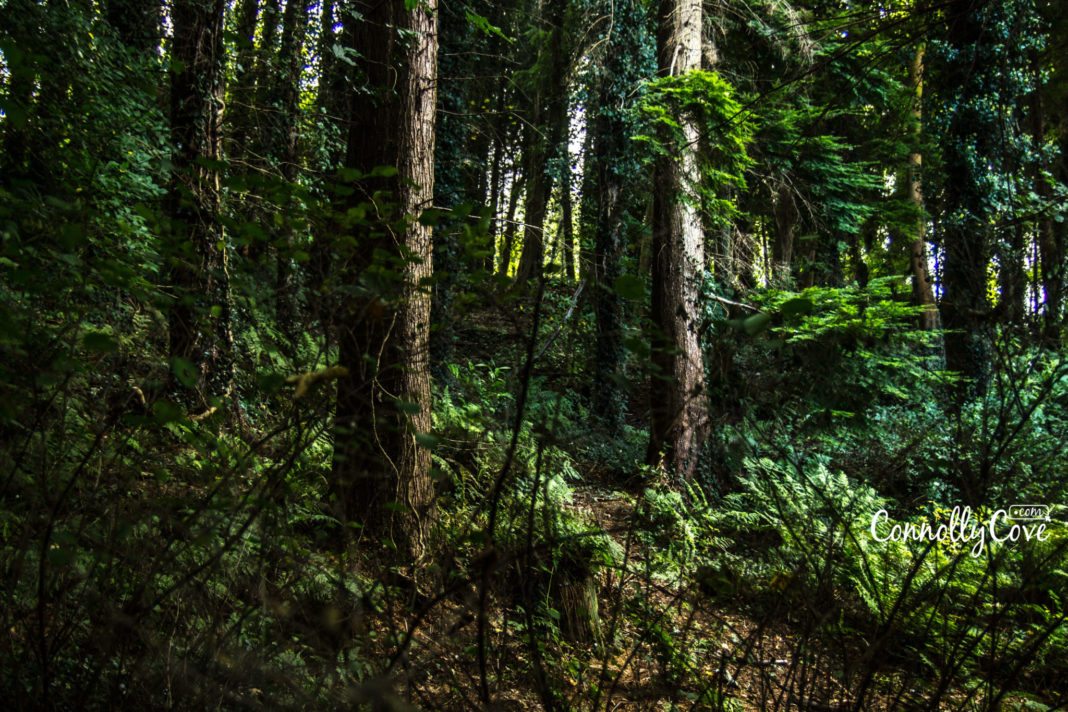
Belvoir Park Belfast is located near the city of Belfast, the Belvoir Park Forest is rife with wildlife, including Large Bracket Fungi and flowering plants, such as the Giant Hogweed, as well as birds, such as the Long-eared Owls and mammals, such as the red squirrels.
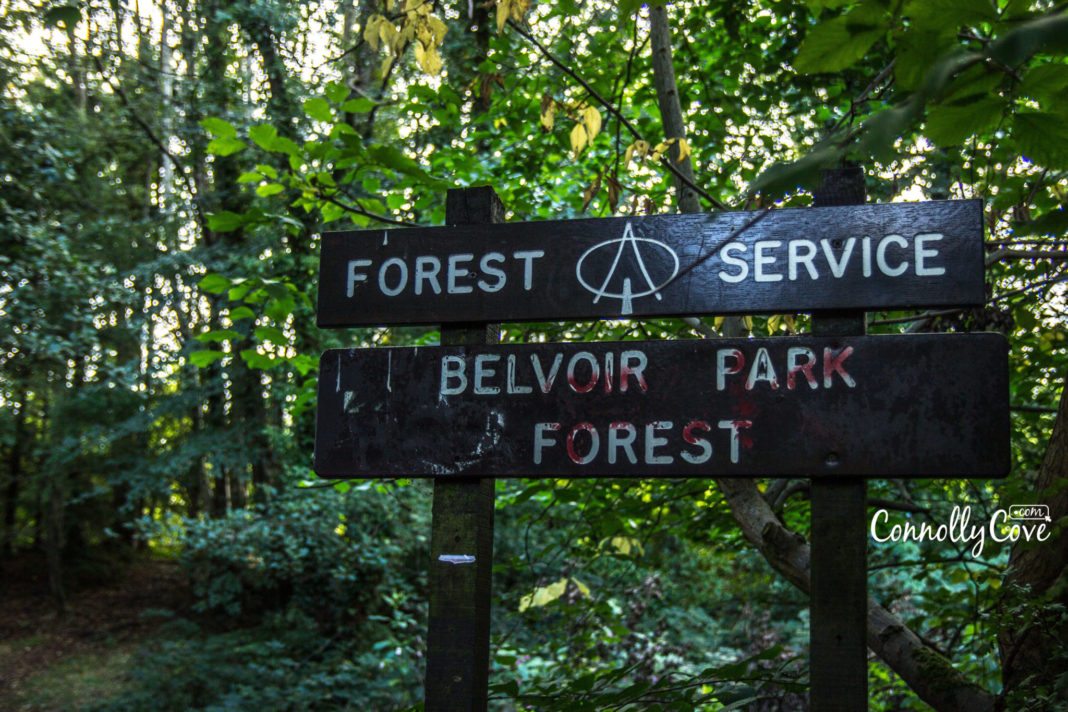
Managed by the Forest Service, Belvoir Park Forest walks within the forest link to the Lagan River ‘Towpath’ and the Lagan Valley Regional Park. It is close to Belvoir Park Golf Club, Belvoir Park Hospital and Forestside Shopping Centre and is open to visitors 24 hours a day.
Interesting Landmarks
• Belvoir Motte
The Belvoir motte dates back to the Norman era when John de Courcy invaded Ulster and established settlements at Dundrum and Carrickfergus. The motes were set up as a defence against the southern approaches to Carrickfergus.
• Woodland
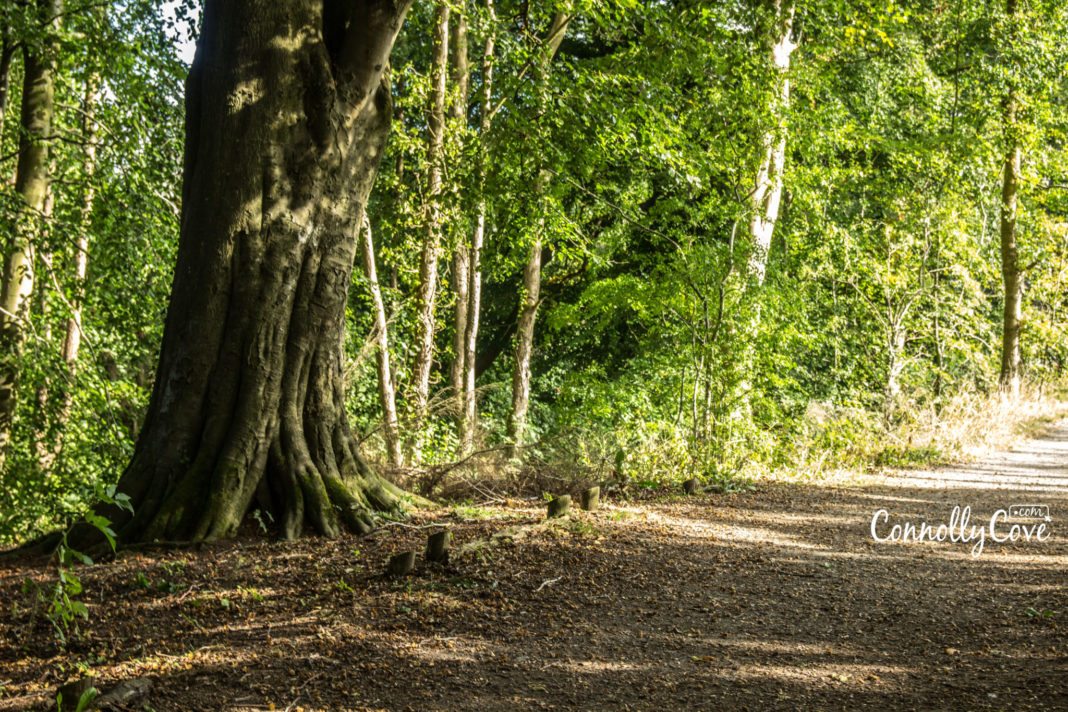
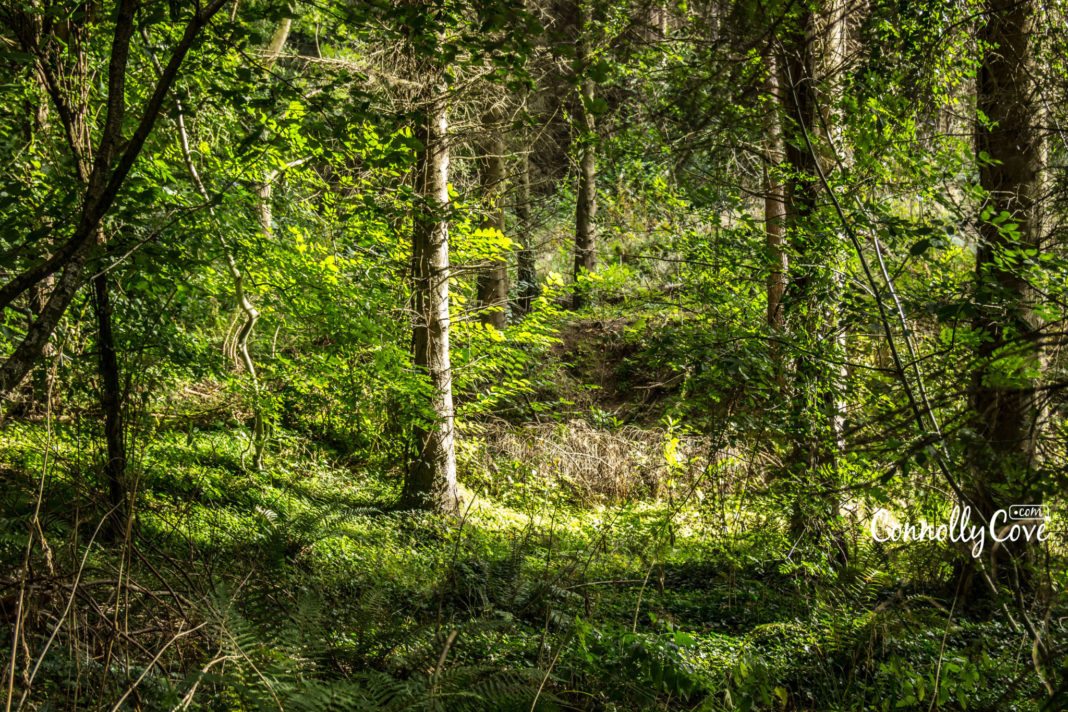
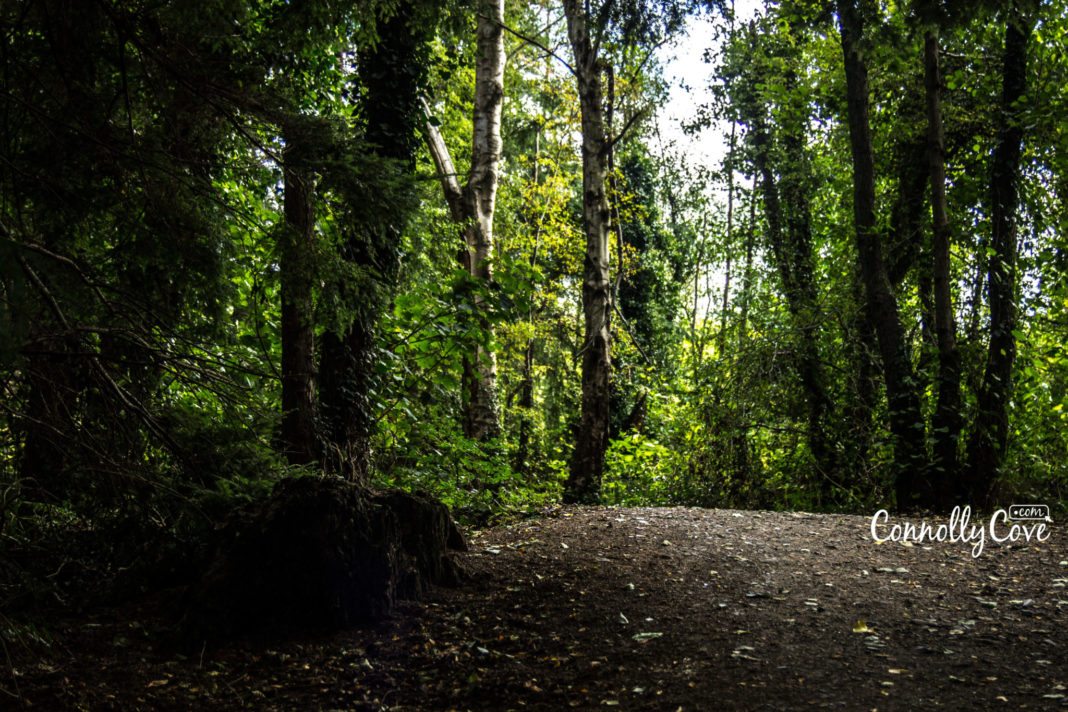
The Belvoir Park Forest is home to almost thirty-five species of birds, including common resident species, such as blackbird, song thrush, robin and woodpigeon and more unusual species such as jay and long-eared owl.
• Medieval Graveyard
A private graveyard is located within the Park and has been there since the 14th century. Currently, it holds the empty tomb of the Dungannon family.
• Arboretum
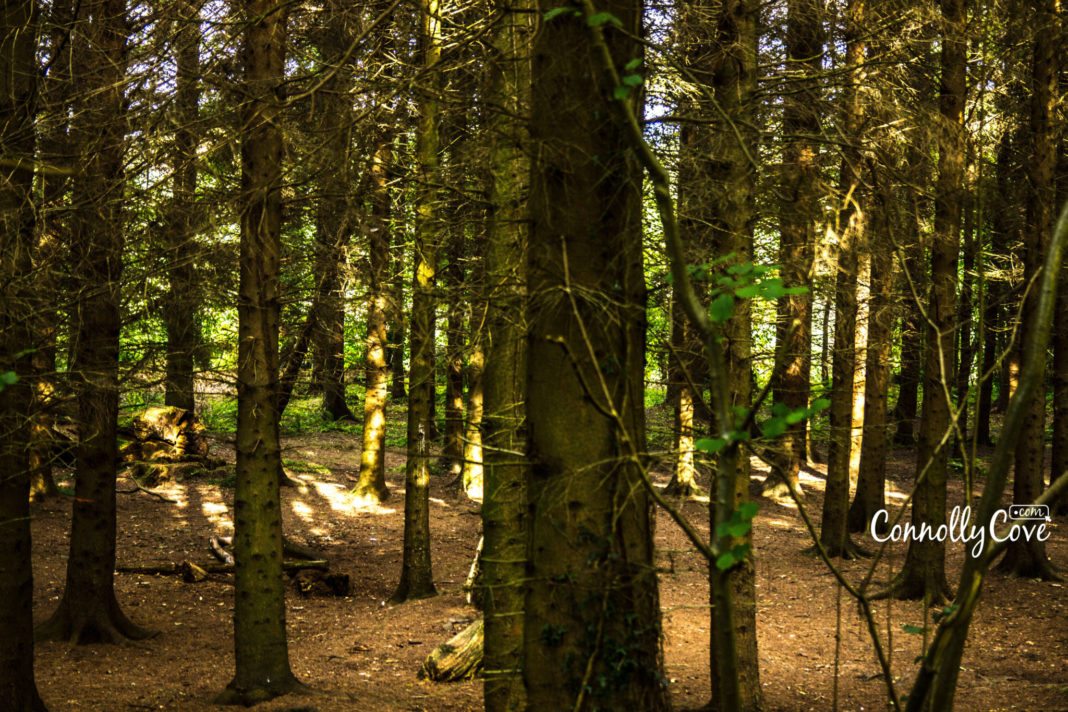
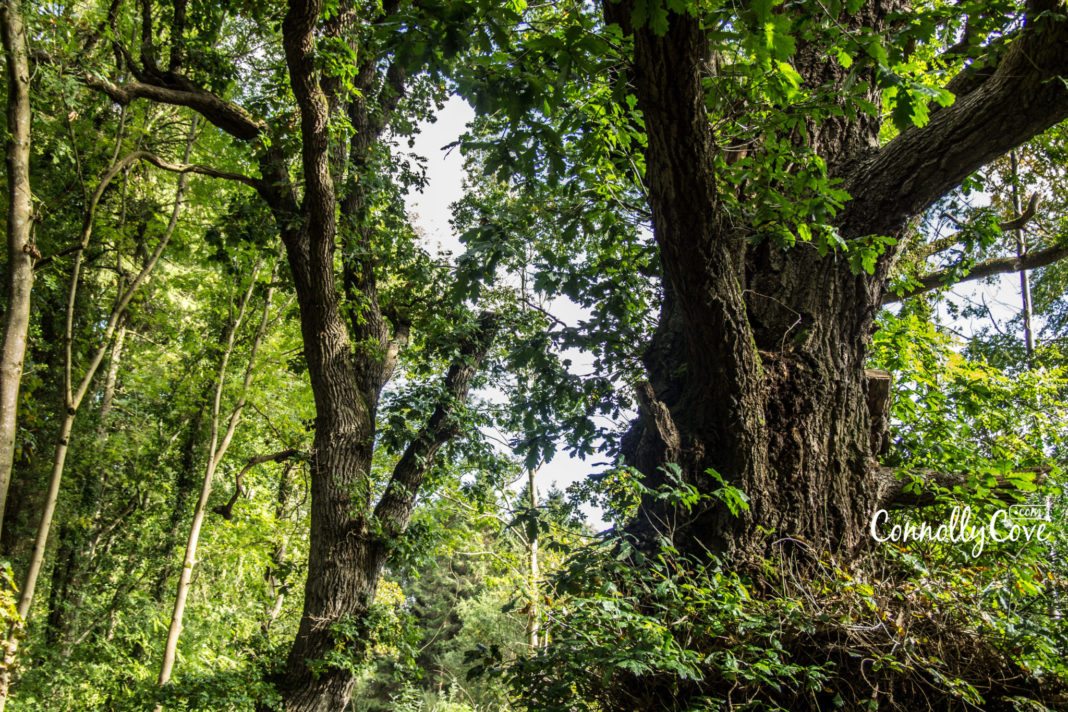
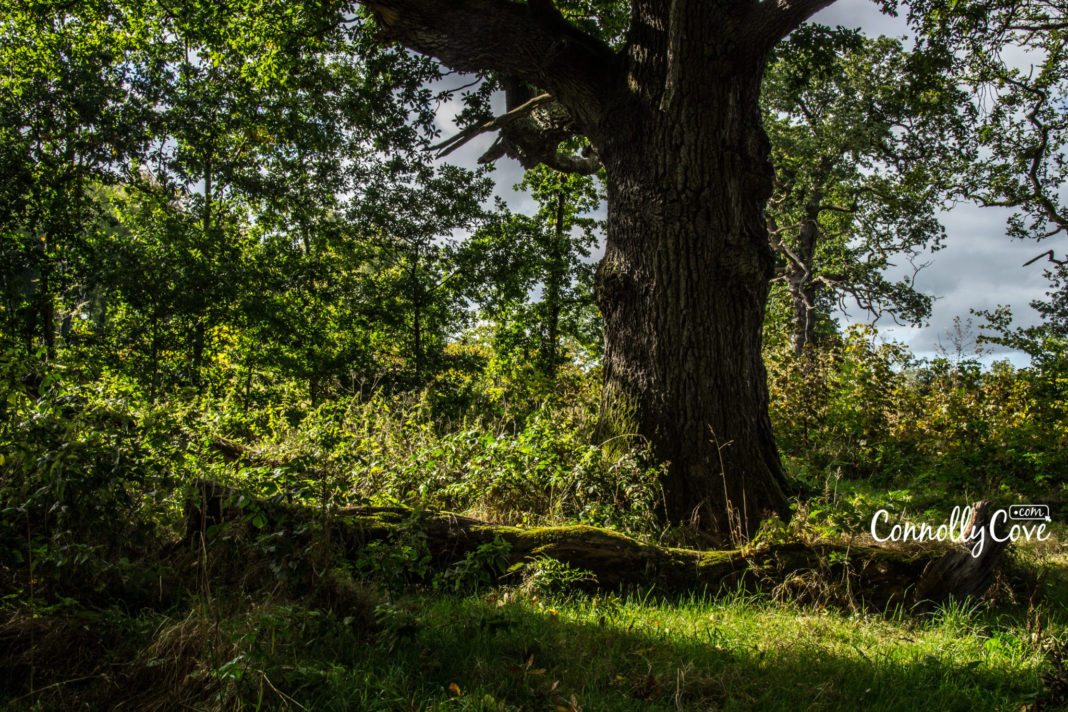
The previous estate owners, the Dungannons and Batesons, planted many trees in the park. Thanks to this, there are now numerous mature specimens of trees, such as redwood and cedar.
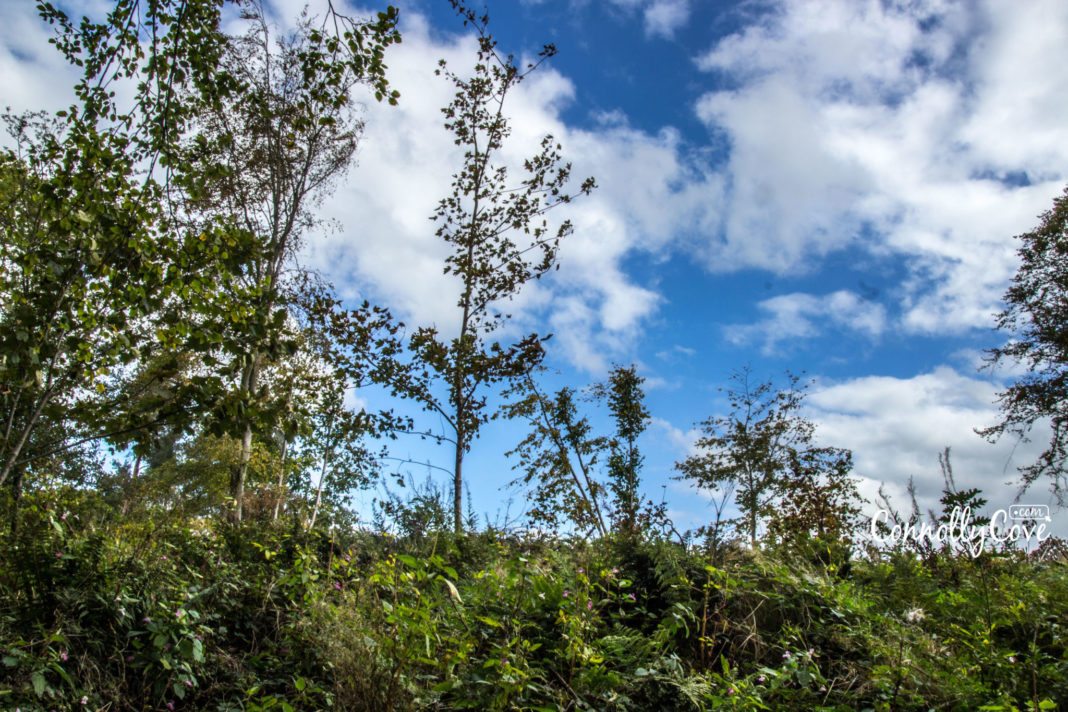
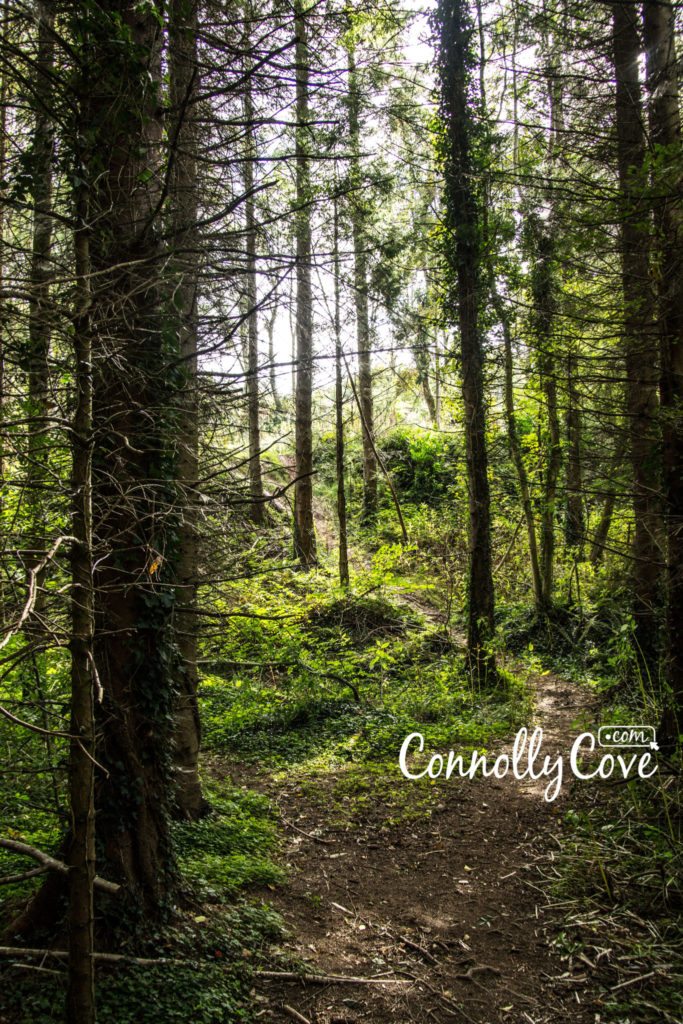
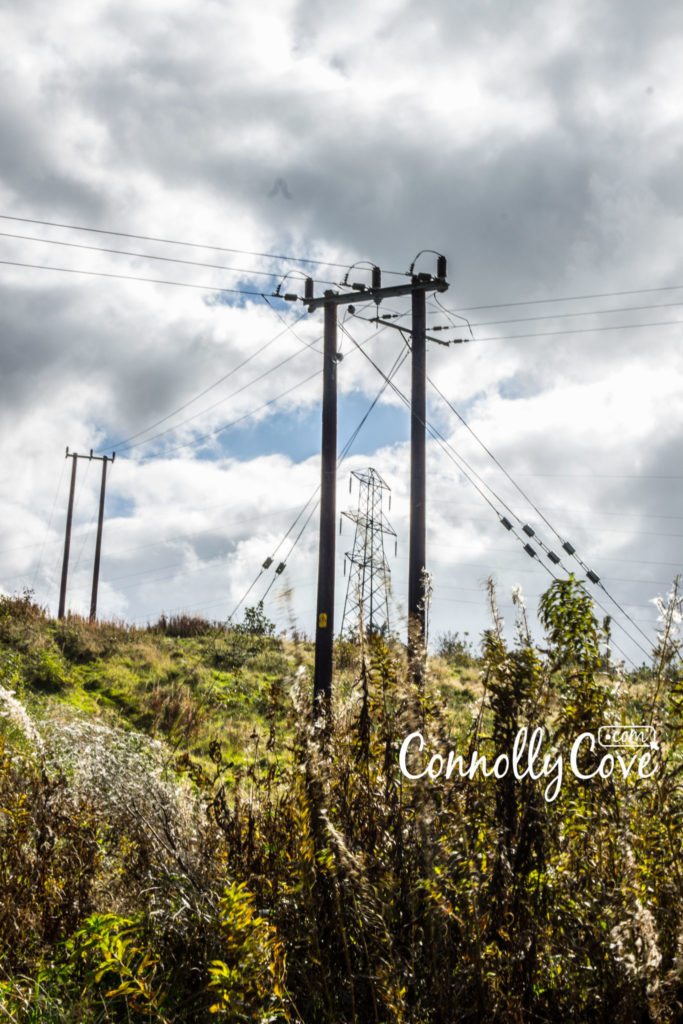
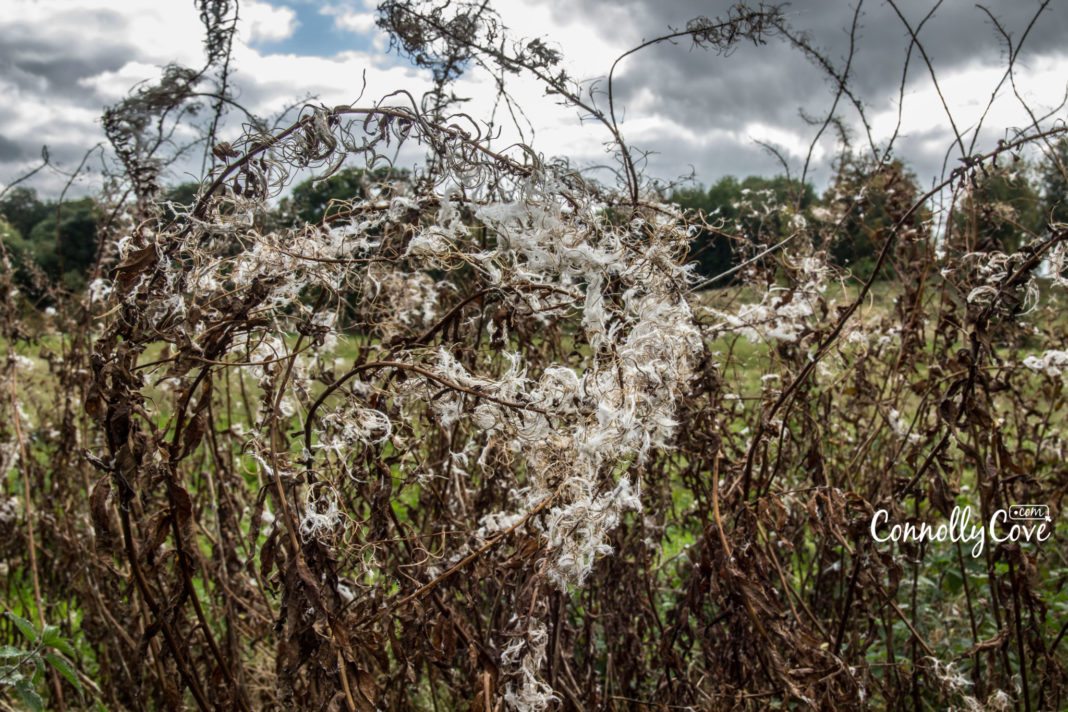
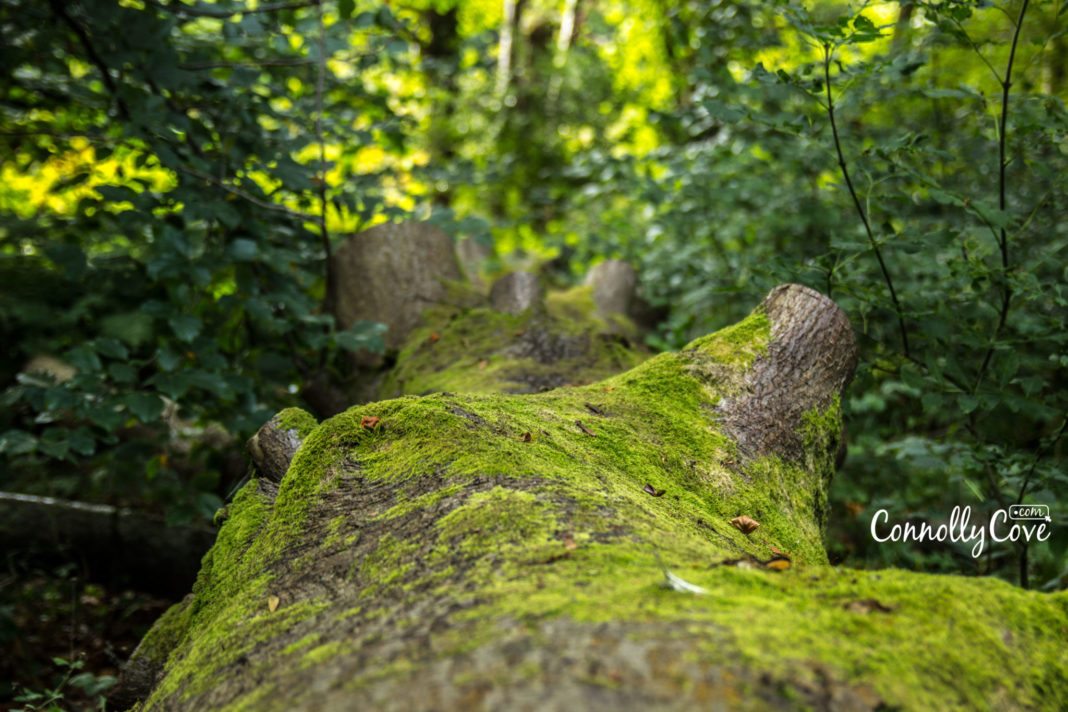
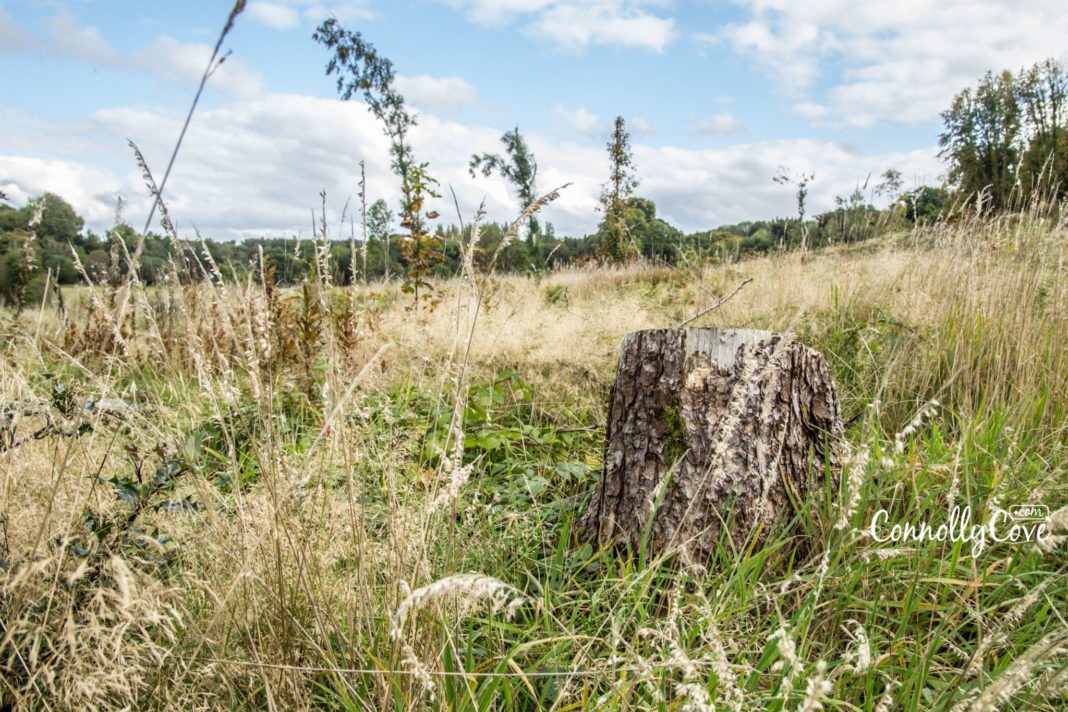
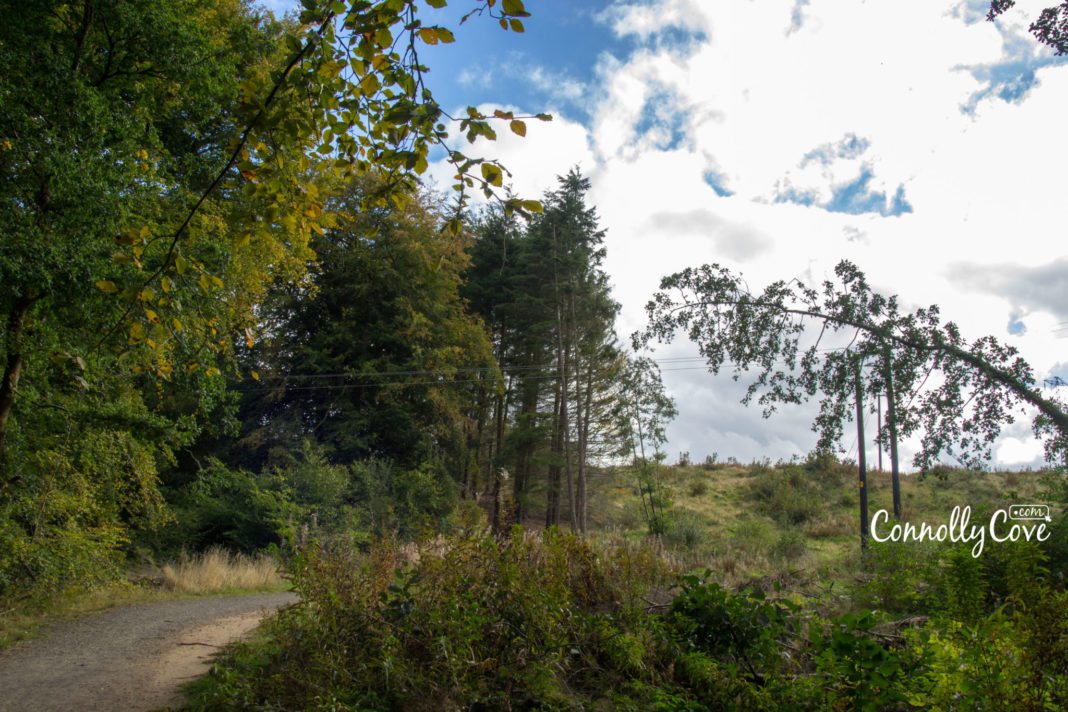
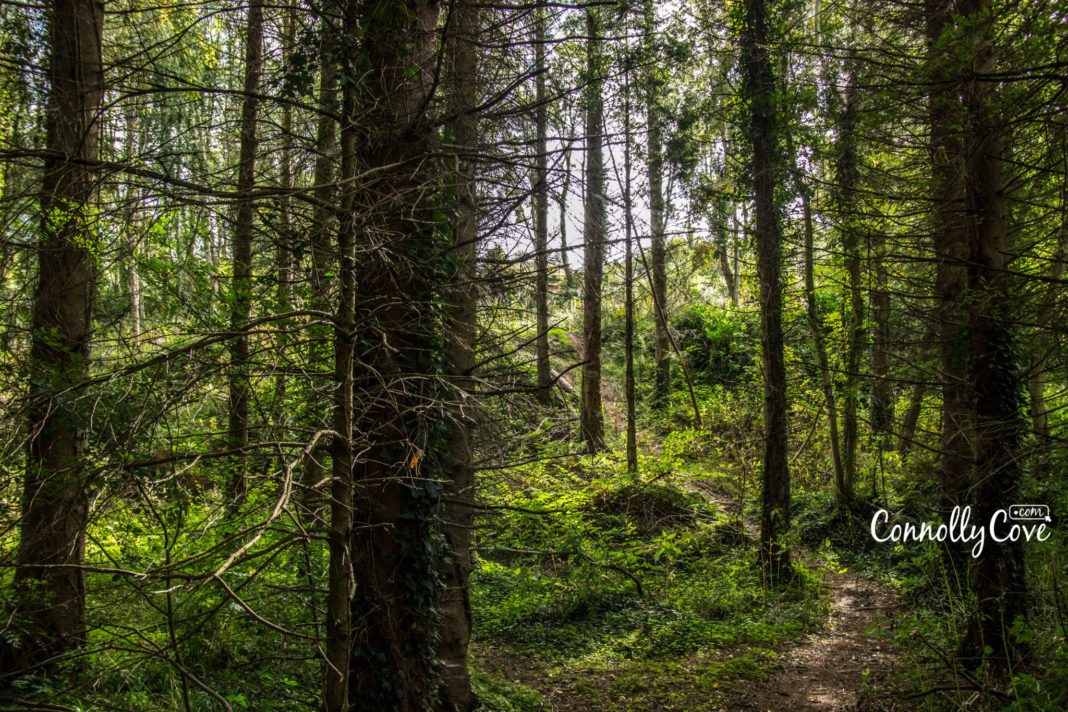
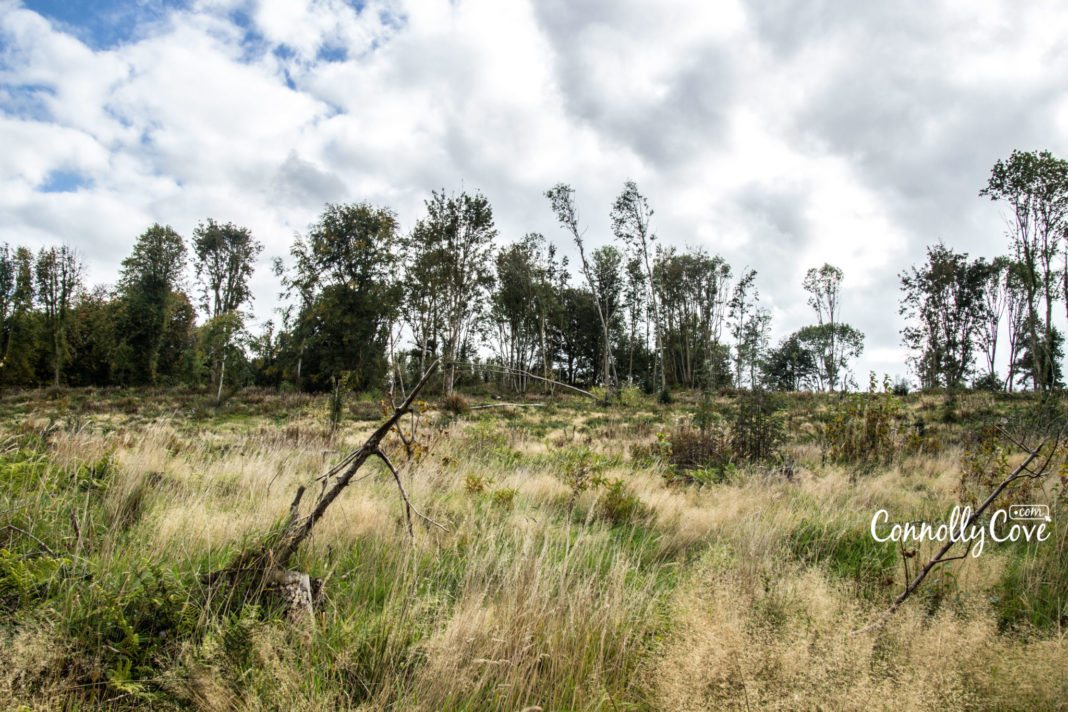
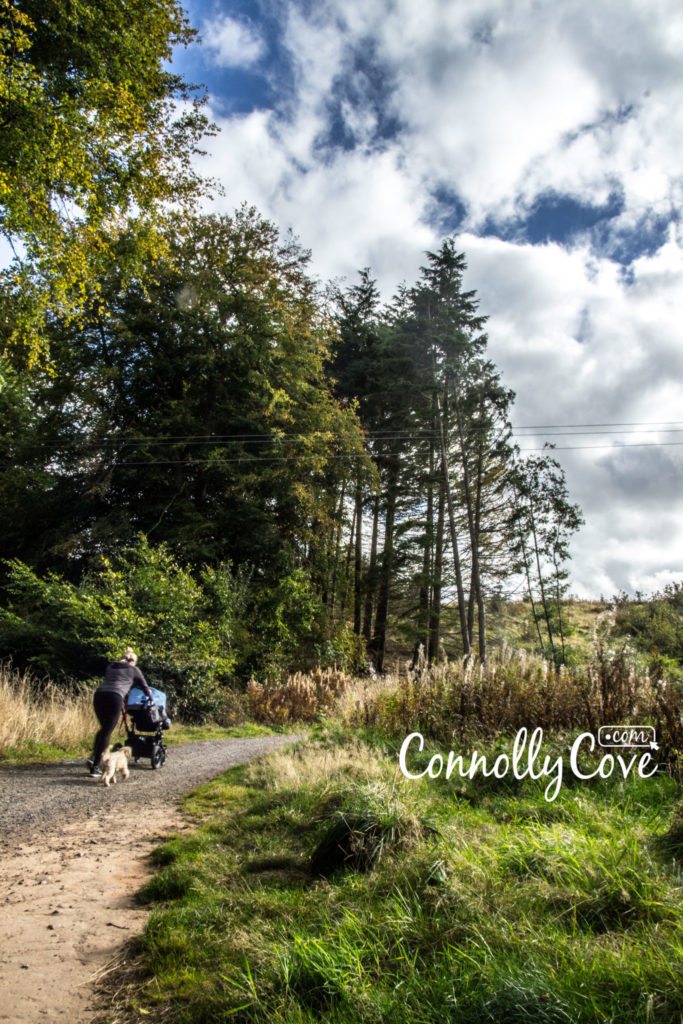
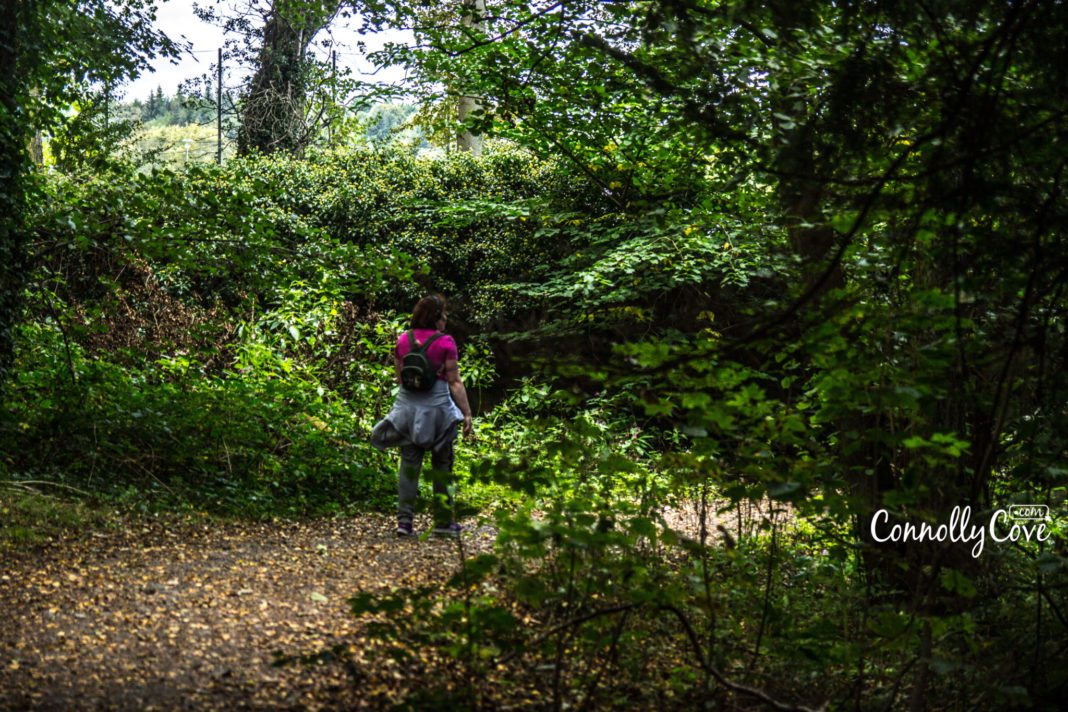
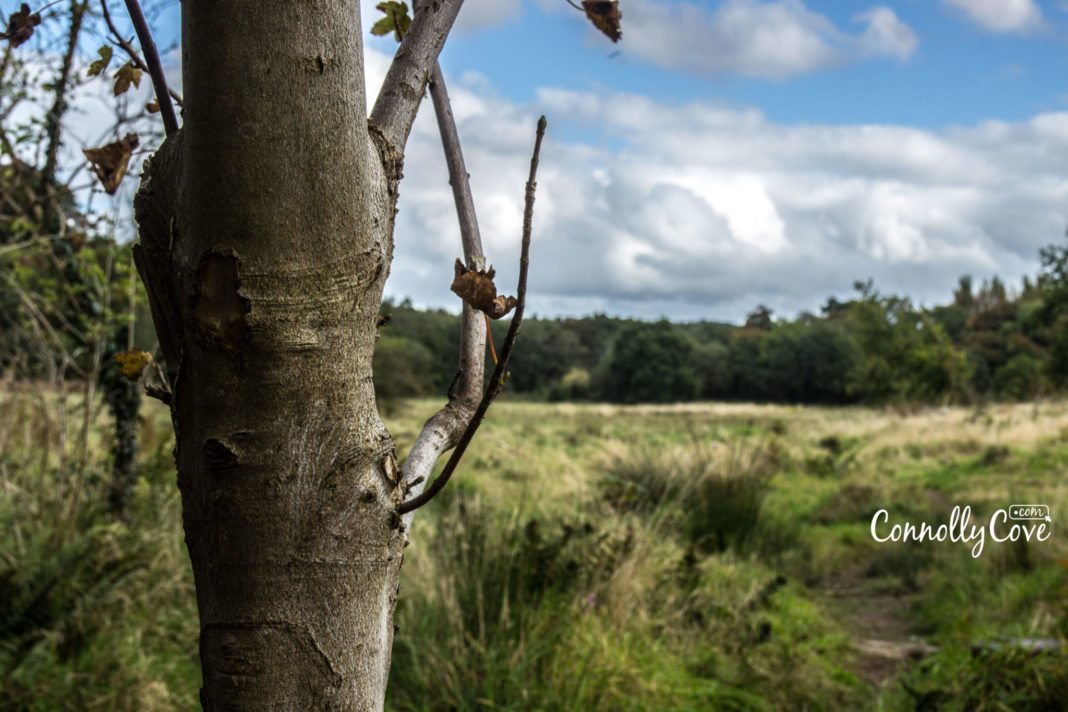
A Gallery of Images from the park – just click on any to enlarge:
History of Belvoir Park Belfast
The Hill family settled at Belvoir in the early 18th century and built a large house that stood on the site of the current car park. In the 19th century, the Hill family sold the estate to the Batesons, whose son became Lord Deramore in 1885.
The Deramores returned to England at the end of the 19th century and leased the estate to Walter H Wilson, a partner with Harland and Wolff. The last private tenant at Belvoir was Sir James Johnston, who was the Lord Mayor of Belfast from 1917 to 1918.
Ancient Tree Hunt Project Manager Thoughts:
“Belvoir’s trees are living landmarks, home to thousands of species of plants and animals, yet sadly lacking the recognition they deserve”, says Nikki Williams, Ancient Tree Hunt project manager. She also adds that “anyone can visit the website and add their discoveries. Identifying their whereabouts is an important first step in securing their future – both for the benefit of wildlife and for the enjoyment of generations to come…
We want to give as many people as possible in Northern Ireland the chance to get to grips with our remarkable old trees, and Belvoir Park Forest provides the perfect venue. With its extensive parkland and woodland, Belvoir is home to an impressive number of veteran trees which have seen centuries come and go.
This event is brimming with activity. It’s a chance to learn how to identify and record our ancient trees, and it’s also an opportunity to enjoy the beauty of woodland simply. We have a creative agenda in store for kids as well, so there’s something for all the family.”
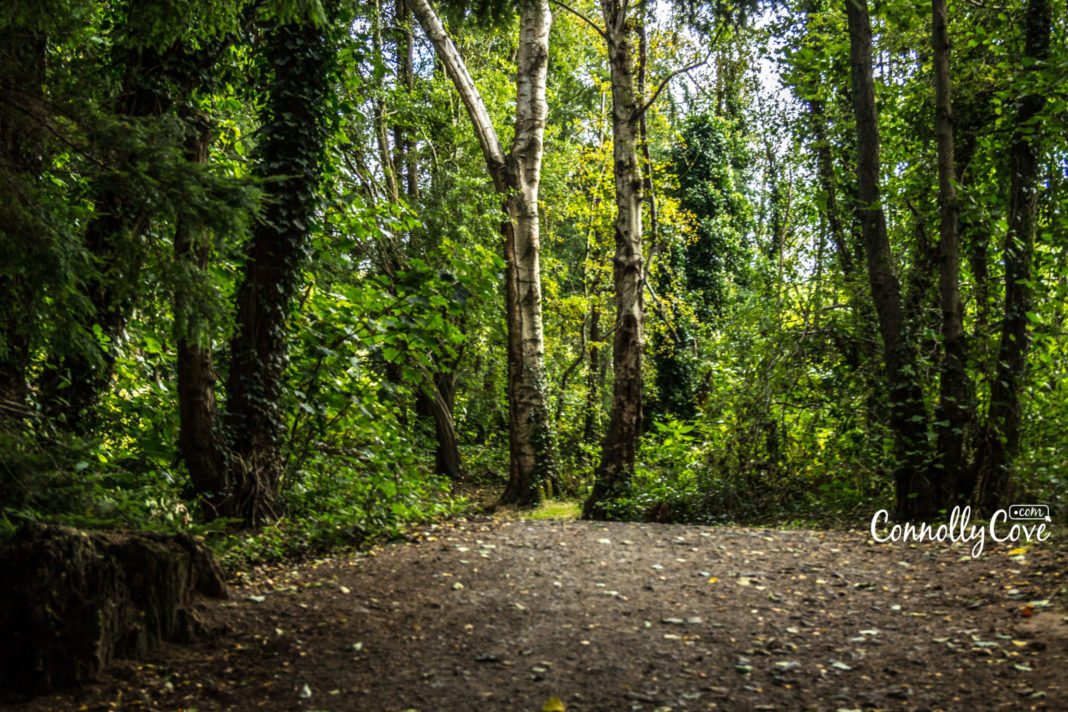
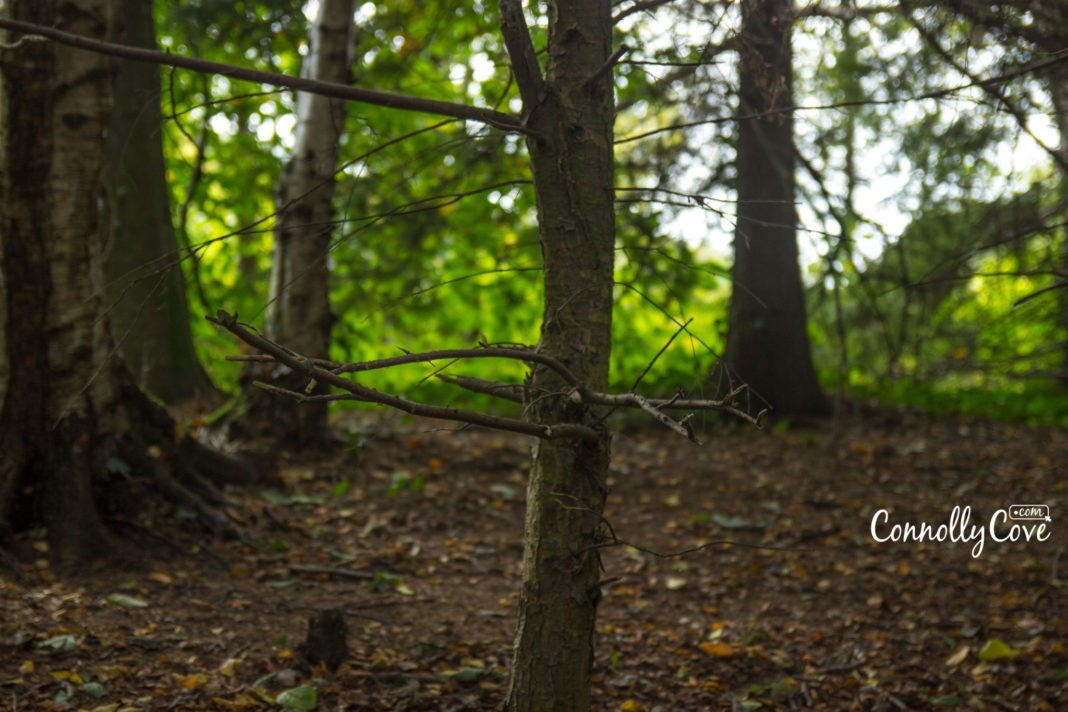
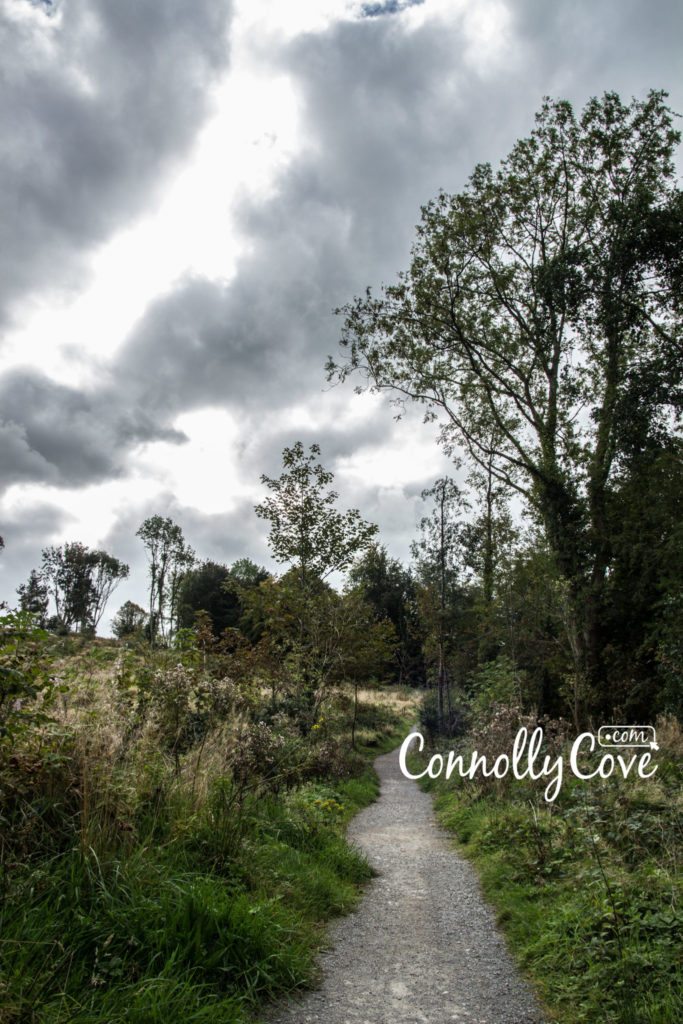
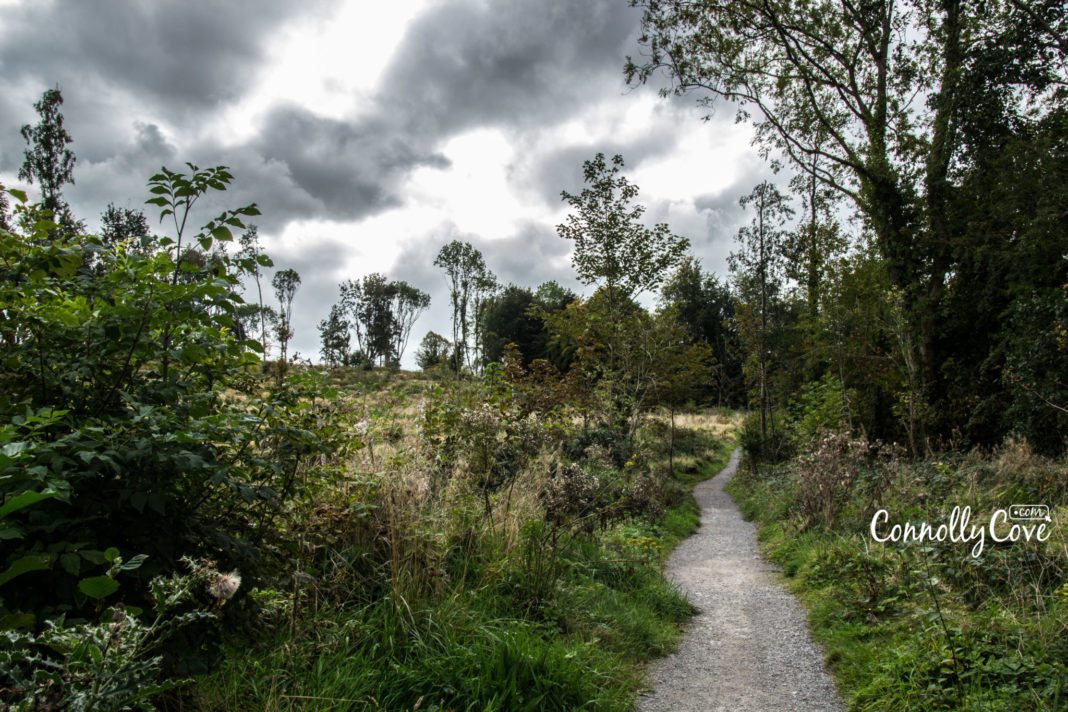
Definitely worth visiting Belvoir Forest – there are not too many forests of this size and diversity in Belfast.
Natural Splendor
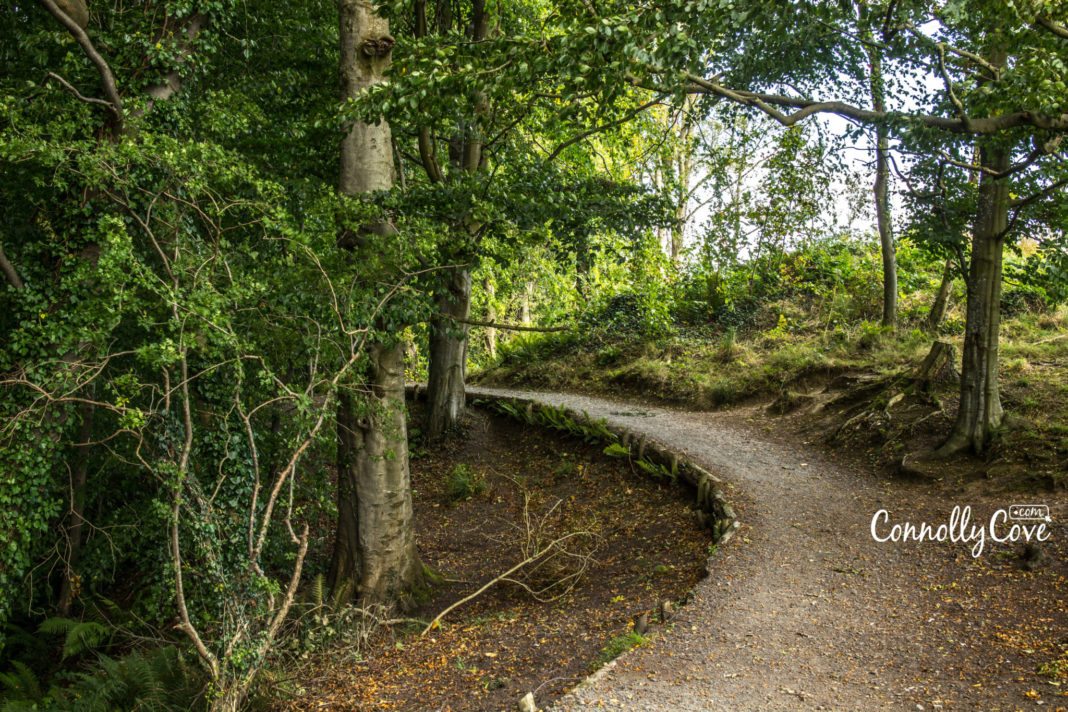
Belvoir Park is renowned for its natural beauty, lush woodlands, meandering streams, and verdant meadows. The park is a haven for biodiversity, boasting a rich tapestry of flora and fauna. Visitors can wander through ancient woodlands adorned with oak, beech, and chestnut trees, their canopy providing shade in the summer months and a riot of colours in the autumn.
Wildlife thrives within the park’s boundaries, with an array of bird species, including woodpeckers, jays, and thrushes, calling Belvoir Park home. The park’s ponds and streams also support various aquatic life, from amphibians like frogs and newts to fish such as trout and perch. For nature enthusiasts and birdwatchers, Belvoir Park offers a sanctuary to observe and appreciate the wonders of the natural world.
Recreational Opportunities
Beyond its natural splendour, Belvoir Park provides many recreational activities for visitors of all ages. The park features well-maintained trails perfect for walking, jogging, or cycling, allowing visitors to immerse themselves in the tranquil surroundings while staying active.
Picnic areas throughout the park invite families and friends to gather and enjoy al fresco dining in the embrace of nature. Children can frolic in designated play areas, while sports enthusiasts can participate in football, rugby, or cricket games on the open fields.
Moreover, Belvoir Park serves as a venue for community events, concerts, and cultural festivals throughout the year, fostering a sense of community spirit and camaraderie among residents.
Conservation Efforts
Preserving the natural heritage of Belvoir Park is paramount, and concerted efforts are underway to safeguard its ecological integrity. Conservation initiatives aim to protect the park’s diverse habitats, from woodlands and wetlands to meadows and marshes, ensuring that future generations can continue to enjoy its beauty.
Community engagement is crucial in conservation efforts, with volunteers participating in tree planting, habitat restoration, and wildlife monitoring programs. By raising awareness and instilling a sense of stewardship, these initiatives contribute to the sustainable management of Belvoir Park for years to come.
Nearby Attractions
• Space CRAFT
Space CRAFT is a shop, gallery and exhibition area owned and managed by the Craft and Design Collective that sells products made by locals.
• Northern Ireland War Memorial
The exhibition features WWII memorials by shedding light on the Home Front, the Belfast blitz of 1941 and the presence of US forces from 1942 to 1944.
The museum showcases a variety of historical objects, including uniforms, photographs and oral histories, as well as the names of the 1100 men, women and children who lost their lives in the Belfast blitz.
There are various original artworks on display; a stained glass memorial window by Stanley Murray Scott, a copper frieze commemorating the vital war industries in N.Ireland, an original portrait of James Magennis VC and a bronze sculpture by John Sherlock.
- Lagan Valley Regional Park
Just a short distance from Belvoir Park lies the Lagan Valley Regional Park, a sprawling green corridor tracing the course of the River Lagan. Spanning over 17 miles, this picturesque park offers scenic walking and cycling trails, wildlife habitats, and opportunities for water-based activities such as kayaking and canoeing.
- Belfast Castle and Cave Hill Country Park
A short drive from Belvoir Park, Belfast Castle sits atop Cave Hill, offering panoramic views of the city and Belfast Lough. Visitors can explore the castle’s grounds, which include gardens, walking trails, and a children’s play area. Cave Hill Country Park, surrounding the castle, is renowned for its rugged landscapes, caves, and archaeological sites, making it a popular destination for outdoor enthusiasts.
- Ormeau Park
Located south of Belvoir Park, Ormeau Park is one of Belfast’s oldest public parks, dating back to the Victorian era. This expansive green space features tree-lined avenues, flower gardens, and sports facilities, including tennis courts and a BMX track. Ormeau Park hosts various events and festivals annually, attracting visitors from across the city.
Future Vision
As Belfast continues to evolve, the importance of green spaces like Belvoir Park cannot be overstated. In an increasingly urbanized world, these havens of nature offer respite, recreation, and inspiration to residents and visitors alike. Plans for the enhancement and expansion of Belvoir Park are underway, focusing on preserving its natural heritage while enhancing accessibility and amenities for the community.
Proposed initiatives include the creation of new walking trails, the restoration of historic landmarks, and the establishment of educational programs to foster environmental awareness. Belvoir Park is poised to remain a cherished sanctuary for generations to come by embracing innovation while honouring tradition.
Last Words
Belvoir Park is a testament to the enduring beauty of nature and the rich tapestry of history woven into the fabric of Belfast. From its ancient woodlands to its tranquil streams, the park offers a sanctuary for reflection, recreation, and rejuvenation. As stewards of this precious heritage, we must preserve and protect Belvoir Park for future generations to cherish and enjoy. So, whether you seek solace amidst nature’s embrace or simply wish to explore Belfast’s hidden treasures, venture forth and discover the enchanting beauty of Belvoir Park.
Have you ever visited Belvoir Park Belfast? Is it on your list? Make sure to let us know in the comments below!
Also, check out some other related blogs that might interest you: Belmore Forest: Pollnagollum Cave | Glenariff Forest Park | The Best of Newcastle, County Down | The Unendowed and Rich History of County Down | Rossmore Forest Park, Monaghan | The Gruffalo Trail at Colin Glen Forest Park
Unveiling the Most Terrifying Haunted Tours in Scotland
Scotland
25/04/2024

7 Top Amusement Parks in England for an Unforgettable Adventure
England
25/04/2024

Miami Tourism Statistics: A Comprehensive Overview of Visitor Numbers and Revenue
Travel Statistics
25/04/2024
The Enchanting Charm of Scotland Wedding Castles!
Scotland
25/04/2024
London in June: An Ultimate Guide to 13 Unmissable Events and Festivals
United Kingdom
25/04/2024