


360 Degree Video of Stormont Estate, Belfast
Updated On: February 21, 2024 by  Ciaran Connolly
Northern Ireland is actually worth a visit. You should put it on your bucket it list and never settle down until you take it off. Among the amazing sites that you can visit there is the Stormont Estate. This site is one of the main government buildings in Northern Ireland. Around it, you will find parkland and fascinating woods. Right now, it is actually home for the Stormont Parkrun. An amazing site where you can get into for free and run for about five kilometers.
ABOUT THE STORMONT ESTATE
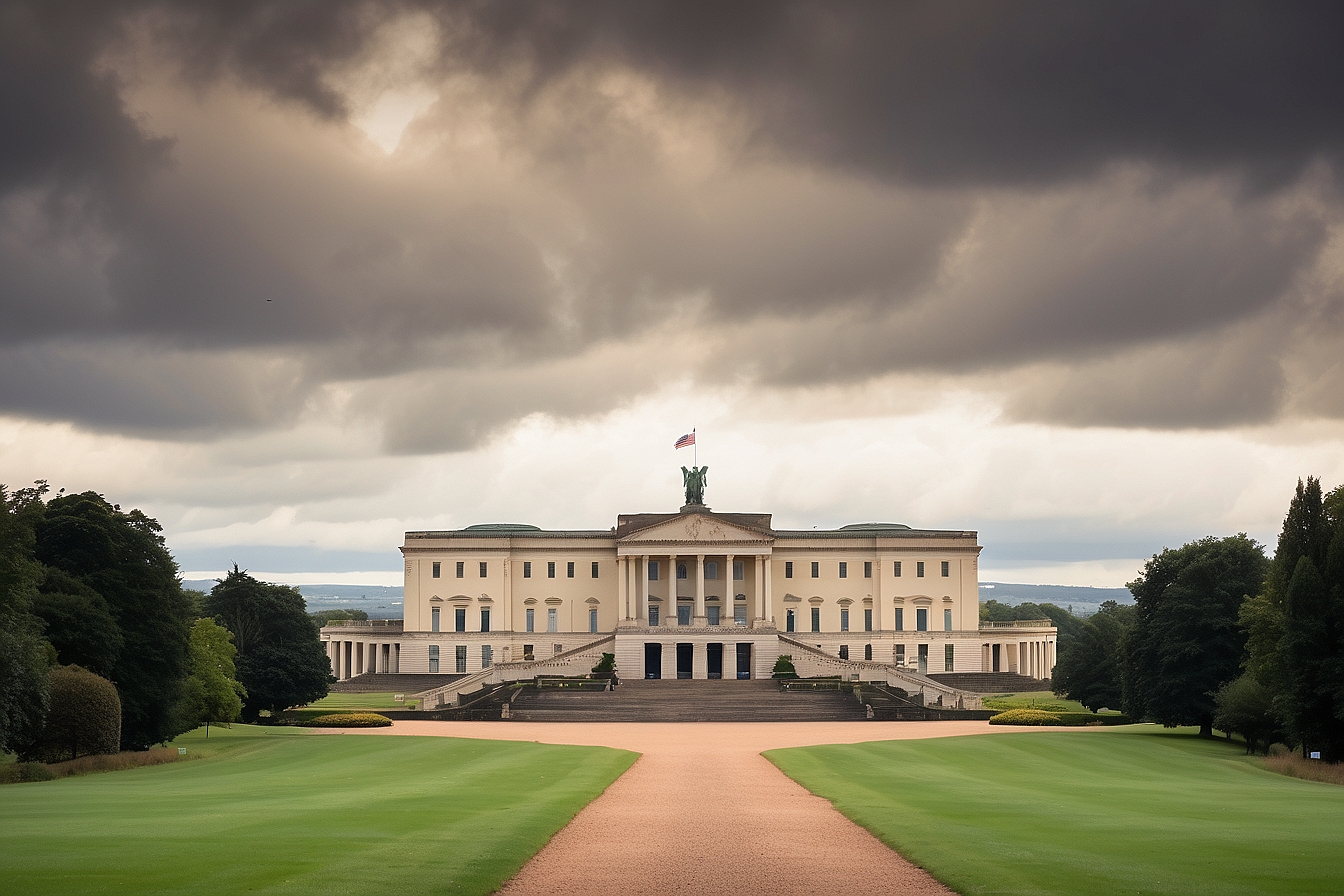
Stormont Estate lies at the eastern end of Belfast. The estate’s large entrance is about 5 miles away from the center of the city. Furthermore, it is in the townland of Ballymiscaw and the name came after a popular district in Perthshire. In fact, the name actually derives from the Gaelic version Stoirmhonadh. The literal meaning was “a place for crossing mountains”. Some sources claim that the estate formerly belonged to Reverend John Cleland.
Natural Beauty
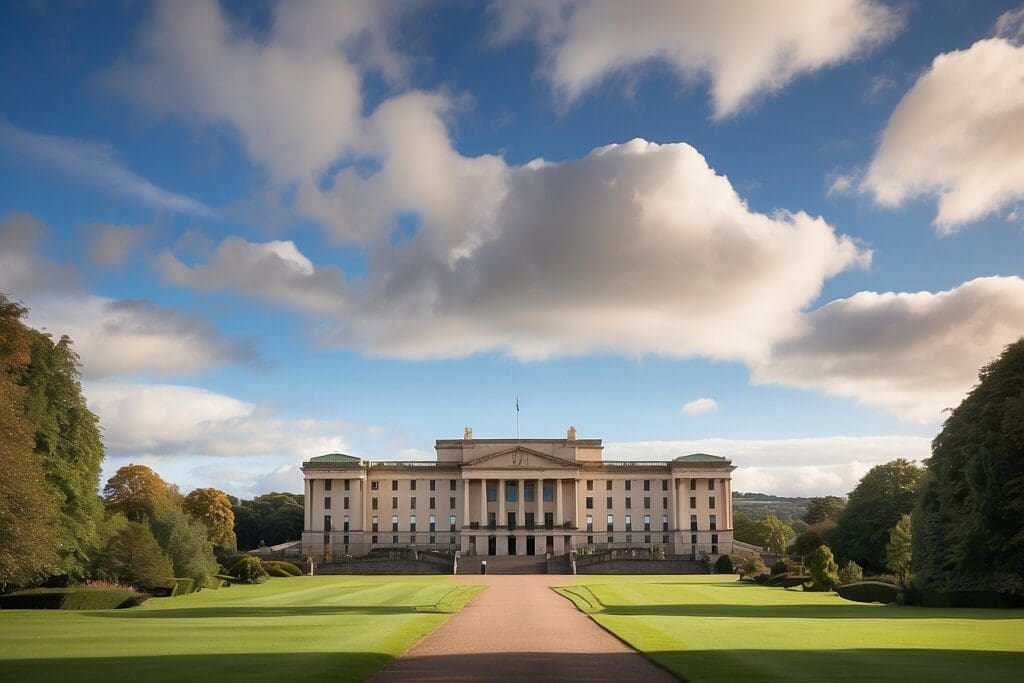
Beyond its architectural grandeur, Stormont Estate boasts an abundance of natural beauty and recreational opportunities. The estate’s expansive grounds are home to lush woodlands, manicured gardens, and tranquil water features, providing a peaceful retreat from the hustle and bustle of city life.
One of the most beloved attractions within Stormont Estate is the beautifully landscaped gardens, which offer a riot of colours throughout the year. The gardens provide the perfect setting for leisurely strolls and picnics, from vibrant floral displays to serene ponds and meandering pathways.
Nature enthusiasts will delight in exploring Stormont Estate’s diverse ecosystems, which support a wide range of flora and fauna. Birdwatchers can spot species such as robins, thrushes, and woodpeckers amidst the leafy canopy, while woodland trails offer glimpses of native wildlife such as red squirrels and hedgehogs.
Design and Architecture
At the heart of Stormont Estate lies its most iconic landmark – the Parliament Buildings. Designed by renowned architect Sir Arnold Thornely, the imposing neoclassical structure reflects the grandeur and aspirations of Northern Ireland’s government. With its distinctive Portland stone facade and sweeping colonnades, the building exudes elegance and authority. Inside, visitors are greeted by the Great Hall, adorned with intricate marble work and stained glass windows, setting the tone for the architectural marvel ahead.
Beyond the Parliament Buildings, Stormont Estate boasts a diverse range of architectural styles, from quaint cottages to elegant Georgian residences. These structures offer a glimpse into the estate’s rich tapestry of history and serve as a reminder of the individuals and families who have shaped its legacy over the centuries.
Cultural Heritage
In addition to its natural and architectural wonders, Stormont Estate is steeped in cultural heritage and historical significance. The estate has several monuments and memorials commemorating critical moments in Northern Ireland’s history, including the Battle of the Somme and the Ulster Covenant.
One of the most poignant landmarks within Stormont Estate is the Garden of Remembrance, dedicated to the memory of those who lost their lives in conflict. The tranquil garden features a central memorial surrounded by lush foliage and serene water features, providing a space for reflection and contemplation.
Throughout the year, Stormont Estate hosts various cultural events, from music festivals and art exhibitions to historical reenactments and guided walks. These events celebrate the rich diversity of Northern Irish culture and provide opportunities for visitors to engage with local artists, performers, and historians.
Facilities of the Stormont Estate
The site has more than a few facilities for all the visitors to enjoy. This actually includes BBQ facilities and picnic areas along with a children’s play park and Dogs Park. Thus, it makes a perfect area for family outings and outdoor hanging outs. Aside from the magnificent gardens that provide picturesque scenes, it is a place for fitness gurus. There, you can find the Stormont trails, including fitness and walks trails. Above and beyond, there is an outdoor gym equipment to enjoy working out at. Interestingly enough, it also has historic buildings and several points of interest around.
Receiving the Green Flag Award
In case you are not aware of what this is, it is a national measure of quality. Actually, it is the most accepted measure and is used for the improvement of public places in terms of operation and management. In 2014, the Stormont Estate received that award and kept doing so for five years in a row.
ATTRACTIONS AROUND THE STORMONT ESTATE
We have already mentioned among the facilities that the area actually has historic buildings and statues, right? Well, we guess it is a perfect timing to learn about the places you can visit around the Stormont Estate.
Stormont Castle
It is quite anticipated to find the name given to the surrounding structures. Thus, we have here Stormont Castle. It is actually home to the Executive of Northern Ireland. Usually, the castle doesn’t allow visitors to get in for a tour. However, for once every year, this actually does happen. The castle opens it’s on the weekend of the European Heritage Open Day. It is quite enjoyable since there is a program for the events that take place in those couple of days. On the Discover Northern Ireland website, you can find the program available for several weeks from the occurrence of the event.
The Lord Carson Statue
This statue is found around the area of Stormont Estate. You should totally check it out during your visit to Northern Ireland. The statue is a 12-feet figure that stands on a granite platform. Apparently, granite was so popular and versatile during the old times. Furthermore, the statue displays some images of Lord Carson. They show some events of his political life.
The Gleaner
Sculptures and statues are everywhere to be found around the Stormont area. The Gleaner is actually a sculpture by John Knox. It portrays a woman bending on her knees with an inscription that reads “Thrift is the gleaner behind all human effort”. In fact, the sculpture used to be part in the exhibition of the Festival of Britain back in 1951.
The Somme Memorial
The Somme is actually the name of a battle that once came to pass. In that battle, a lot of lives were lost. It is usually common to keep the memory of those who die fighting for what they believe in. Thus, here comes the role of the Somme memorial. It is actually a granite stone that sits in the center of a group of cedar trees. Moreover, those trees were planted in memory of the martyrs of the Battle of the Somme.
Reconciliation
A magnificent sculpture that portrays the dignity of human. It is a newer version of the ‘Reunion’ sculpture that Josefina de Vasconcellos made in 1977. Reconciliation is the Belfast version of the old figure. It displays a woman and a man intertwined in an embrace with a barbed wire coming across them. Besides, there is an inscription that reads “These sculptures remind us that human dignity and love will triumph over disaster and bring us together in respect and peace.”
Parliament Buildings
Those buildings actually lie around Stormont Estate. You can actually pass by them upon visiting Stormont. In fact, the Parliament Buildings is home to the Assembly of Northern Ireland. The buildings have been around since the early 2000’s. They were built as the judicial structure of Northern Ireland under the Belfast Agreement that took place in 1998- the Good Friday Agreement. You can pay a visit to those buildings. It welcomes visitors throughout the year.
Recreational Opportunities
Stormont Estate offers a wealth of recreational opportunities for visitors of all ages. Whether it’s a stroll through the manicured gardens, a scenic bike ride along the tree-lined avenues, or a picnic amidst the tranquil surroundings, there’s something for everyone to enjoy. The estate also features playgrounds, sports facilities, and designated picnic areas, making it an ideal destination for families and outdoor enthusiasts.
For those interested in delving deeper into Stormont’s history and heritage, guided tours of the Parliament Buildings are available, providing fascinating insights into the workings of Northern Ireland’s government and the events that have shaped its trajectory over the years. Additionally, the estate hosts various cultural events, including concerts, exhibitions, and festivals, showcasing the vibrant arts scene and community spirit of Belfast.
Visiting Stormont Estate
Stormont Estate is open to the public year-round, with free admission to the grounds and gardens. Guided tours of Parliament Buildings are available by reservation, offering visitors a unique insight into the history and workings of Northern Ireland’s government.
Whether you’re a history buff, nature enthusiast, or simply seeking a peaceful retreat, Stormont Estate has something to offer everyone. From its iconic architecture to its serene landscapes, this historic estate is a true gem of Belfast and a testament to the enduring spirit of Northern Ireland.
Preservation and Conservation Efforts
As custodians of this treasured heritage site, the Northern Ireland Assembly Commission is committed to preserving and enhancing Stormont Estate for future generations. The Commission strives to protect the estate’s natural habitats and historic structures through ongoing conservation efforts and sustainable management practices while promoting public access and engagement.
Conclusion
Stormont Estate stands as a testament to the enduring legacy of Northern Ireland’s past and the promise of its future. From its iconic Parliament Buildings to its sprawling landscapes and rich cultural heritage, the estate captivates visitors with its beauty, history, and charm. Whether exploring its storied halls, wandering its tranquil gardens, or simply soaking in the serene surroundings, a visit to Stormont Estate is an experience to be noticed for anyone seeking to discover the soul of Belfast.
An Overview of Michigan Tourism Statistics: Visitor Spending, Growth, and Industry Impact
United States
28/04/2024
Top Things To Do in Hamburg: A Hamburger’s Guide!
Germany
27/04/2024
Take a Look at the Astounding Scenery of County Kerry
County Kerry
27/04/2024
Famous Haunted Houses in Egypt: Spooky Stories for Halloween
Destinations
27/04/2024

St. Paul’s Cathedral – London Attractions
England
27/04/2024