


American Products You Can’t Get in England: Delights Unavailable Across the Pond
Updated On: February 24, 2024 by  Maha Yassin
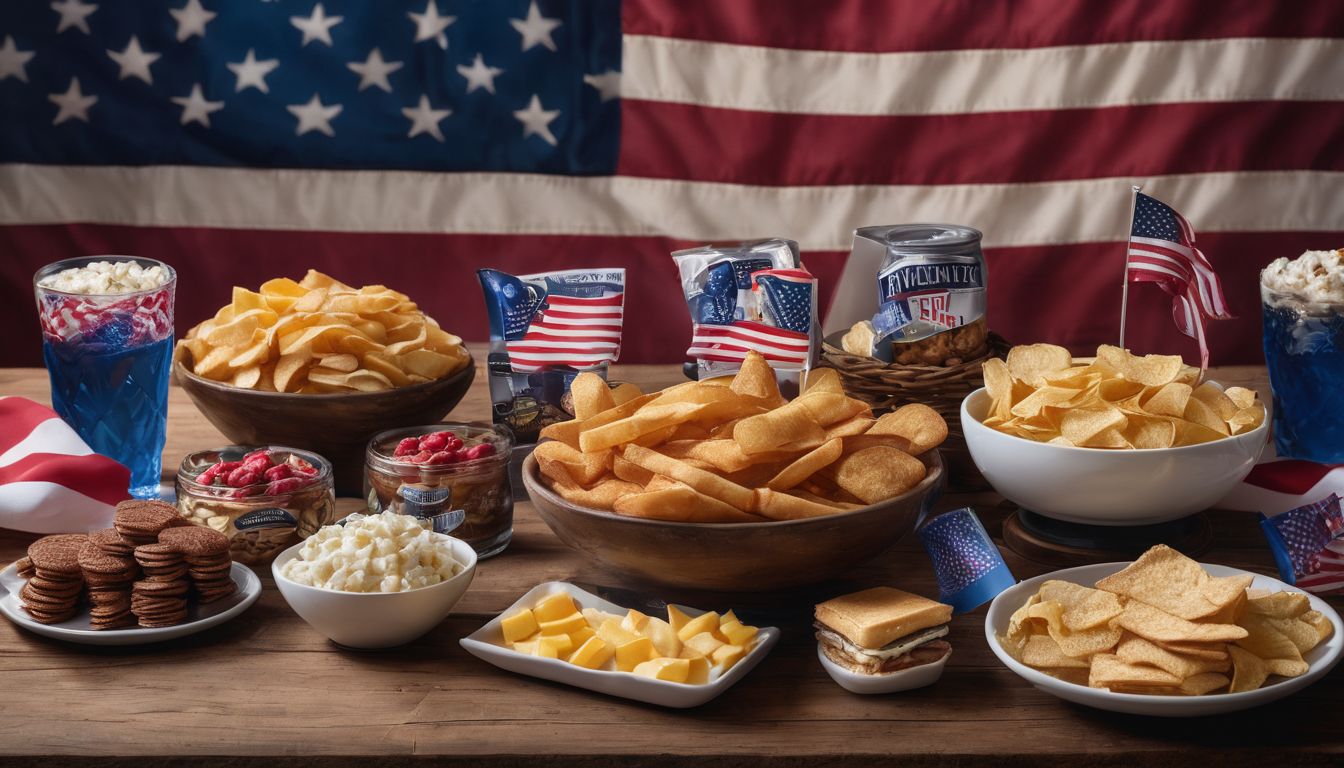
In England, the landscape is rich with iconic symbols like red double-decker buses and steaming cups of tea, each with unique charm. But for many, a touch of American culture adds a layer of fascination and wonder. Whether it’s the distinctive twang of country music or the tantalising aroma of sizzling barbecue, experiencing a taste of the States can pique your curiosity. Thankfully, supermarkets often resemble transatlantic bazaars, with shelves groaning under the weight of American products you can’t get in England, catering to the desires of those craving a touch of Americana.
So put down your bangers and mash, dear reader, and join us to explore these intriguing culinary and household staples that haven’t crossed the Atlantic. Get ready to indulge your inner Anglophile with a twist of American nostalgia – because sometimes, what you can’t have sparked the strongest craving!
5 American Snacks and Beverages You Can’t Find in England
American products, including snacks and beverages, hold a special place in the hearts and taste buds of many, offering a wide array of flavours and textures that reflect the diverse cultural landscape of the United States. However, indulging in iconic American treats may be challenging for those in England. Some famous American snacks and beverages are conspicuously absent from store shelves across the pond, leaving consumers in England longing for a taste of Americana.
Twinkies
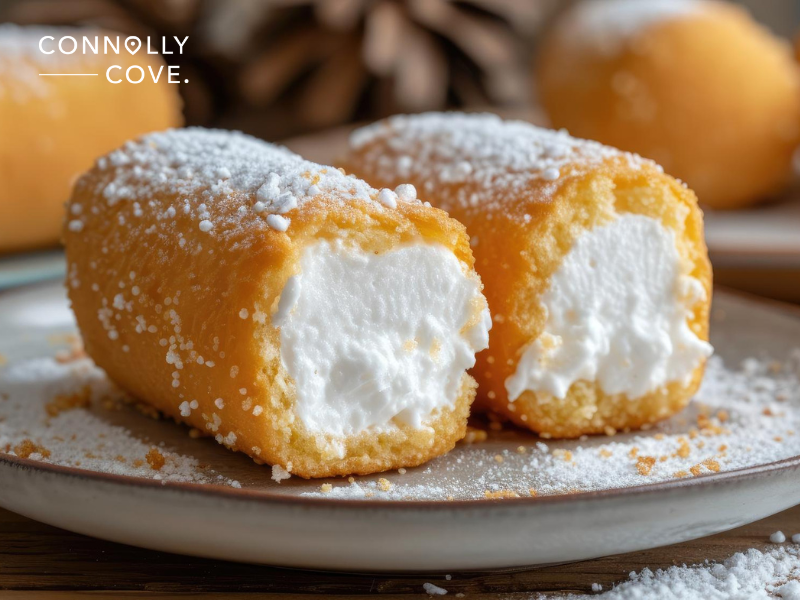
This iconic American snack, a golden sponge cake injected with creamy filling, might seem peculiar to some, but it holds nostalgic value for many Americans. However, locating a Twinkie in England resembles stumbling upon a unicorn. Their limited availability in the country stems from concerns over shelf life and differing taste preferences. But fret not, Twinkie lovers! Some online retailers cater to your craving for this beloved spongy delight, or you can try a local sponge cake instead!
Local Substitute: British cream-filled sponge cakes like Mr Kipling’s Angel Slices or Cadbury Mini Rolls.
Flamin’ Hot Cheetos
Flamin’ Hot Cheetos, with their fiery red hue and intense flavour, has become a cultural phenomenon in the United States. These addictively spicy American snacks tantalise taste buds and leave snackers with bright red fingertips craving more. While Cheetos of various flavours can be found in England, the Flamin’ Hot variety remains elusive, leaving fans of bold and spicy American snacks yearning for that unmistakable fiery kick.
Local Substitute: British spicy snacks such as Seabrook’s Crisps in hot flavours or Nik Naks in “Nice ‘n’ Spicy” flavour.
Jolly Rancher Candy
Known for their vibrant colours and long-lasting fruity flavours, Jolly Rancher candies are cherished American snacks in the United States. These hard candies boast a variety of flavours, from tangy watermelon to tart green apple, bringing joy to candy enthusiasts of all ages. However, despite widespread popularity across the pond, Jolly Ranchers are rare in England, leaving candy connoisseurs without access to these iconic American sweets.
Local Substitute: British hard candies like Rowntree’s Fruit Pastilles or Haribo Starmix offer fruity flavours.
Grape Soda

Grape soda is a quintessential American beverage, featuring its bold grape flavour and effervescent fizz. This brightly coloured soda holds a special place in the hearts of many, evoking nostalgic memories of childhood picnics and summer days. While grape-flavoured drinks are available in England, authentic grape soda remains a rarity, leaving enthusiasts of this distinctive American refreshment yearning for its unique taste and vibrant artificial purple hue.
Local Substitute: British grape-flavoured drinks like Fanta Grape or Vimto.
Root Beer
This carbonated beverage boasts a unique sweet and spicy flavour that divides opinions. While adored in the US, its niche appeal hasn’t entirely translated to British palates. Finding a bottle of root beer in England requires serious searching, often limited to specialist American import stores. So, if you’re curious about this fizzy enigma, be prepared for an adventurous hunt.
Local Substitute: British alternatives such as Dandelion and Burdock soda or Fentimans Botanically Brewed Curiosity Cola offer similarly unique and nostalgic flavours.
3 American Breakfast Foods You Can’t Find in England
American breakfast culture is a delicious blend of sweet and savoury flavours, with iconic dishes synonymous with the morning ritual. However, for those in England, experiencing the quintessential American breakfast may require some culinary creativity due to the absence of certain staple items.
Pop-Tarts

Pop-Tarts are a beloved American breakfast staple, providing a convenient and indulgent way to start the day for many. These toaster pastries boast a variety of flavours, ranging from classic favourites like strawberry and brown sugar cinnamon to more adventurous options such as s’mores and wild berries. Despite widespread popularity in the United States, Pop-Tarts are not typically found on breakfast tables in England, leaving fans of these frosted treats yearning for a taste of home.
Local Substitute: British toaster pastries like Kellogg’s Nutri-Grain Soft Bakes or own-brand supermarket alternatives.
Lucky Charms Cereal
Lucky Charms cereal holds a special place in the hearts of many Americans as a beloved childhood favourite. Renowned for its colourful marshmallow shapes and sweet, crunchy cereal pieces, this iconic American breakfast cereal has graced tables for generations, invoking nostalgia and whimsy with every bowl. However, despite its widespread popularity in the United States, Lucky Charms is not easily found in England, leaving cereal enthusiasts across the pond without access to this magical American breakfast treat.
Local Substitute: British breakfast cereals with colourful marshmallows, such as Kellogg’s Unicorn Froot Loops or own-brand versions.
Biscuits and Gravy
Biscuits and gravy is a quintessential American breakfast dish originating in the Southern United States, known for its hearty and comforting flavours. This savoury breakfast option features fluffy buttermilk biscuits drenched in rich sausage gravy, delighting the taste buds of many Americans. However, finding biscuits and gravy may prove challenging for those in England, as this beloved American dish is not as readily available across the pond. Nevertheless, the warm and comforting flavours of biscuits and gravy hold a special place in the hearts of those who have savoured this classic Southern breakfast experience.
Local Substitute: British comfort food options like sausage rolls or savoury pies provide a hearty and satisfying breakfast alternative.
3 American Household Products You Can’t Find in England

Household products are vital daily, enabling cleanliness, organisation, and convenience in homes worldwide. While England offers a wide range of household items, certain American products remain absent from British store shelves, leaving expatriates and enthusiasts longing for the familiar comforts of home.
Meyer’s Clean Day
Mrs Meyer’s Clean Day, renowned for its eco-friendly household cleaning products with delightful scents and effective formulas, provides a refreshing alternative to conventional cleaning supplies. Mrs Meyer’s products offer a superior cleaning experience, from multi-surface sprays to dish soaps. However, despite their popularity in the United States, Mrs Meyer’s Clean Day products are not widely accessible in England, leaving environmentally-conscious consumers searching for comparable alternatives to maintain a clean and fresh home.
Local Substitute: British eco-friendly cleaning brands like Ecover or Method.
Swiffer Products
Swiffer has transformed household cleaning with its innovative cleaning tools and disposable pads. From the iconic Swiffer Sweeper to the convenient WetJet mop, Swiffer products provide effortless solutions for dusting, sweeping, and mopping floors. While Swiffer has gained household recognition in the United States, these convenient cleaning tools are less commonly found in England, leaving homeowners without access to the time-saving convenience of Swiffer’s innovative cleaning solutions.
Local Substitute: British equivalents like Vileda mop systems or own-brand disposable cleaning pads.
Clorox Cleaning Products
Clorox is synonymous with cleanliness, providing an extensive selection of household cleaning products tailored to disinfect and sanitise surfaces throughout the home. Clorox products offer peace of mind by eliminating germs and bacteria from bleach to disinfecting wipes. However, despite their effectiveness and widespread use in the United States, Clorox cleaning products are not as easily found in England, leaving consumers without access to these trusted American products.
Local Substitute: British household disinfectants and cleaners like Dettol or Domestos offer similar germ-killing capabilities.
5 American Beauty and Personal Care You Can’t Find in England

American beauty and personal care routines are deeply personal, with individuals often seeking products that align with their unique preferences and needs. While England boasts diverse beauty and grooming products, American brands and formulations often evade consumers, prompting them to explore alternative options or import their beloved products overseas.
Neutrogena
Neutrogena is a renowned American beauty brand recognised for its dermatologist-recommended skincare products designed to address various skin concerns. From gentle cleansers to effective acne treatments, Neutrogena provides solutions for individuals striving for clear, healthy-looking skin. However, despite its widespread popularity in the United States, Neutrogena products are not as easily found in England, leaving skincare enthusiasts without access to these trusted American formulations.
Local Substitute: British skincare brands like Simple or Nivea offer similar gentle and effective products.
Aveeno
Aveeno is celebrated in American beauty for its nourishing skincare products crafted with natural ingredients such as oatmeal, prized for their soothing and moisturising qualities. Aveeno products are tailored to alleviate dry, sensitive skin, from body lotions to facial moisturisers. Despite earning a loyal following in the United States, Aveeno’s availability in England is constrained, prompting individuals to seek alternative solutions to meet their skincare requirements.
Local Substitute: British oat-based skincare products such as E45 Cream or Dermol Cream.
TRESemmé
TRESemmé stands out in American beauty as a top haircare brand revered for its salon-quality products that achieve professional results in the comfort of one’s home. Offering a wide array of haircare solutions, from shampoos and conditioners to styling products, TRESemmé caters to individuals desiring healthy, beautiful hair. While TRESemmé products are readily accessible in the United States, they are less prevalent in England, leaving consumers without access to the brand’s sought-after formulations and styling tools.
Local Substitute: British haircare brands like L’Oréal or Pantene offer a range of shampoos, conditioners, and styling products for different hair types and needs.
5 American Apparel and Fashion You Can’t Find in England
Apparel and fashion trends vary significantly across different cultures, each country contributing unique styles and influences to the global fashion landscape. While England boasts a rich fashion heritage and diverse clothing brands, certain American apparel brands and fashion trends remain elusive to British consumers, leaving them to admire from afar or seek alternative options to achieve their desired looks.
Levi’s Jeans
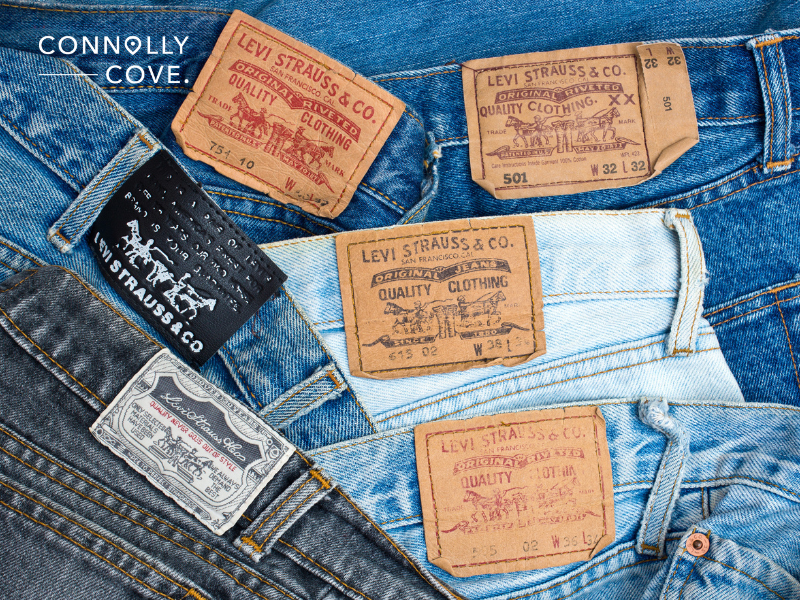
Levi’s, an iconic name in American apparel, is renowned for its timeless denim designs and exceptional craftsmanship. From the classic 501s to trendy skinny jeans, Levi’s boasts a diverse range of denim styles that appeal to individuals of all ages and body types. However, despite its worldwide acclaim, Levi’s jeans are not as readily accessible in England, leaving denim enthusiasts without access to the brand’s renowned fits and washes.
Local Substitute: British denim brands like Topshop, ASOS, or Next offer various fits and styles.
Abercrombie & Fitch
Abercrombie & Fitch, a prominent name in American apparel, is synonymous with casual luxury and effortless style, presenting a variety of clothing and accessories for both men and women. From relaxed hoodies and graphic tees to refined button-downs and outerwear, Abercrombie & Fitch embodies a sense of youthful sophistication. While the brand maintains a presence in select European countries, including the United Kingdom, its offerings may vary from those found in American stores, leaving fashion-forward consumers yearning for the complete Abercrombie & Fitch experience.
Local Substitute: British high-street fashion brands like H&M, Zara, or River Island provide similar casual and trendy clothing options.
Victoria’s Secret
Victoria’s Secret is a renowned lingerie and beauty brand known for its feminine designs and glamorous runway shows. From lace-trimmed bras and panties to silky sleepwear and body mists, Victoria’s Secret offers a range of intimate apparel and beauty products that exude confidence and allure. While the brand has a presence in the United Kingdom, its product offerings may be limited compared to its expansive selection in the United States, leaving lingerie enthusiasts without access to the full range of Victoria’s Secret styles and collections.
Local Substitute: British lingerie brands like Marks & Spencer or Boux Avenue provide a variety of styles and sizes to suit different preferences and body types.
5 American Technology and Gadgets You Can’t Find in England

The technological landscape constantly evolves, with innovations and gadgets reshaping how we live, work, and communicate. While England is home to a thriving tech industry and a range of cutting-edge devices, certain American technology brands and gadgets remain elusive to British consumers, leaving them to admire from afar or seek alternative options to fulfil their tech needs.
Roku Streaming Devices
Roku is a leading brand in the streaming media player market, offering a range of devices that provide access to thousands of channels and streaming services. From the compact Roku Express to the feature-rich Roku Ultra, Roku devices cater to individuals seeking an intuitive and customisable streaming experience. However, despite their popularity in the United States, Roku streaming devices are not as widely available in England, leaving consumers without access to Roku’s extensive content library and user-friendly interface.
Local Substitute: British streaming devices like Now TV Smart Stick or Freeview Play can access various streaming services and channels.
Amazon Echo
The Amazon Echo, powered by the virtual assistant Alexa, has revolutionised how we interact with technology in our homes. The Echo offers various functionalities to enhance daily life, from playing music and setting reminders to controlling smart home devices and providing weather updates. While Amazon Echo devices are available in the United Kingdom, certain features and integrations may differ from those available in the United States, leaving British consumers longing for the full suite of capabilities that Alexa offers.
Local Substitute: British smart speakers like the Sonos One or the Google Nest Mini provide voice-controlled assistants and smart home integration.
Fitbit Fitness Trackers
Fitbit is a leading brand in the fitness tracker market, offering wearable devices that monitor activity levels, track workouts, and provide insights into overall health and wellness. From the sleek Fitbit Charge to the advanced Fitbit Versa, Fitbit devices cater to individuals seeking to achieve their fitness goals and live a healthier lifestyle. While Fitbit products are available in the United Kingdom, specific models and features may be exclusive to the American market, leaving fitness enthusiasts without access to the latest innovations and updates.
Local Substitute: British fitness trackers like the Garmin Vivoactive or the Huawei Band offer similar activity tracking and health monitoring features.
Substitute American Products with Local Treasures
In England, while American products may be available in certain speciality stores, online retailers, or international sections of supermarkets, there’s a rich tapestry of local products waiting to be discovered. While it’s tempting to indulge in the familiarity of American snacks, beverages, household items, beauty products, and technology gadgets, there’s also immense value in exploring the diverse array of local substitutes and alternatives England offers.
From traditional British treats to innovative homegrown brands, embracing local products not only supports local businesses and artisans but also provides an opportunity to immerse oneself in the unique flavours, styles, and experiences that define British culture. By stepping outside of their comfort zones and trying local products, consumers can uncover hidden gems and forge connections with their communities while contributing to the vibrant tapestry of British commerce and culture.
In conclusion, while American products undoubtedly hold a certain allure, there’s a world of discovery awaiting those who venture into the realm of local products in England. Whether indulging in classic British snacks, embracing eco-friendly household cleaners, or experimenting with innovative British beauty brands, there’s something to suit every taste and preference.
By supporting local businesses and embracing the rich tapestry of British culture, consumers can foster a deeper appreciation for England’s diverse products and experiences while contributing to local economies’ vitality and resilience. So, while American products may offer familiarity, let’s not overlook the abundance of treasures waiting to be found right on our doorstep.

The Life and Legacy of Robert the Bruce: Scotland’s Heroic King
Scotland
02/05/2024

Unveiling the Meaning of the Celtic Motherhood Knot
Culture Exploration
02/05/2024

The Town of Killybegs: The Amazing Gem of Donegal
County Donegal
02/05/2024
Belfast Giants: An Irish Sport Success Story
Ireland
02/05/2024

The Meaning and Power of the Irish Blessing Prayer
Culture Exploration
02/05/2024