


Alluring Caribbean Vacation: Things to do in San Andrés and Providencia
Updated On: April 15, 2024 by  Yasmin Elwan
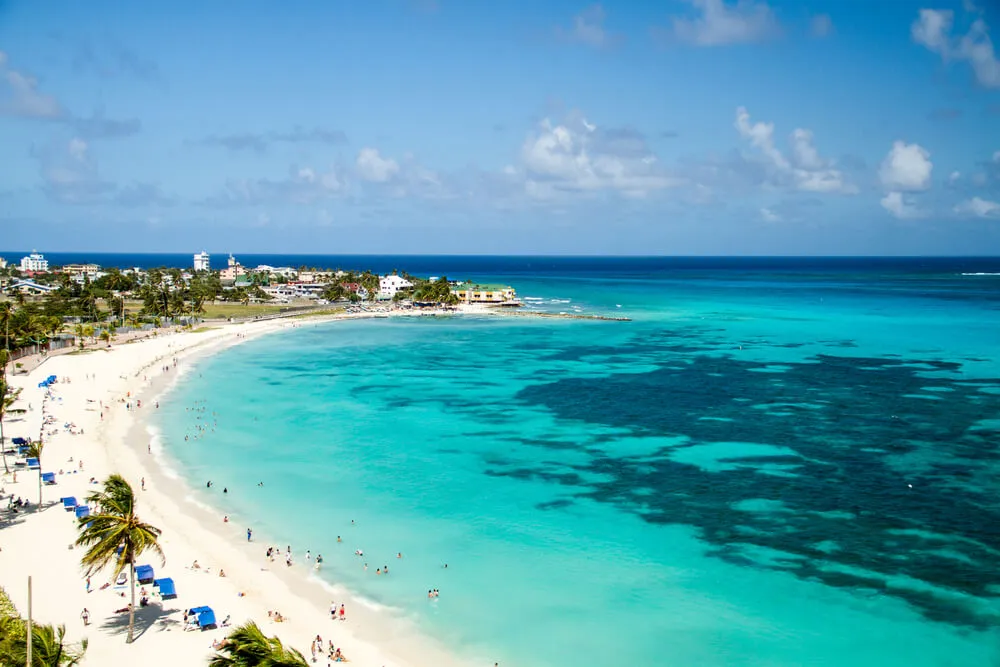
Trading cityscapes for sun-drenched shores, ditch the routine for adrenaline-pumping things to do in San Andrés and Providencia. Beyond the picture-perfect beaches and turquoise waters, San Andrés and Providencia offer a unique blend of history, culture, and natural beauty unlike any other Caribbean destination.
This archipelago, nestled off the coast of Colombia, boasts vibrant coral reefs, lush rainforests, and a fascinating past shaped by pirates, settlers, and the resilient Afro-Caribbean community.
In this blog post, we’ll peel back the layers of this island paradise, exploring its must-visit attractions, hidden gems, and cultural experiences. Be your own captain as we navigate the diverse offerings of San Andrés and Providencia, from bustling town squares to secluded coves, ensuring you create memories that will last a lifetime.
How to Get There
Reaching San Andrés and Providencia might feel like taking a step onto a treasure map, but getting there is surprisingly convenient! Whether you crave the speed of flight or the rhythm of the sea, these charming islands have options to suit every travel style and budget.
Soaring Through the Clouds
- Flights: The quickest way to paradise? Direct flights whisk you from mainland Colombia’s bustling cities like Bogotá and Cartagena to San Andrés Airport in under 2.5 hours. From there, a short hop to Providencia awaits. Remember, flights usually book up fast, so plan ahead for the best deals.
- Panama Connection: For some international flair, consider catching a flight from Panama City. This option is especially convenient if you’re already exploring Central America and offers a unique entry point to the archipelago.
Embracing the Ocean Breeze
Experience the rhythm of the Caribbean Sea with a ferry journey from San Andrés to Providencia. Sailing through turquoise waters takes about 3.5 hours, offering stunning coastline views and a chance to spot playful dolphins. Be aware, though, that sailings can be affected by weather, so flexibility is key.
Whichever option you choose, remember:
- Entry Requirements: All visitors need to pay a tourist tax upon arrival in San Andrés and keep the entry card safe for the duration of their stay.
- Travel Tips: Pack light, comfy clothes and reef-safe sunscreen for island adventures. Consider exchanging currency before arrival, as cash is more common in Providencia.
Top Attractions in San Andrés
San Andrés, the livelier of the two sisters, pulses with energy and offers a kaleidoscope of activities, ensuring there’s something for every wanderlust soul. Dive into the heart of the island, where history whispers in cobbled streets and adventure shimmers beneath turquoise waves.
Unraveling San Andrés Town
Immerse yourself in the vibrant tapestry of San Andrés Town. Explore quaint streets lined with colourful houses, each reflecting the island’s unique blend of English, Spanish, and Afro-Caribbean influences. Visit the iconic Morgan’s Hill for panoramic views and historical insights, or wander through the bustling Old Town for a taste of local life.
Discover handmade treasures at bustling craft markets, or indulge in mouthwatering seafood at waterfront restaurants. Sip on a coconut cocktail as you watch the sunset paint the sky, and let the rhythm of reggae music guide your steps through lively bars and cafes.
Sun-Kissed Paradise at Playa Spratt Bight
Trade city pavements for pristine sands at Playa Spratt Bight. This picture-perfect beach stretches for miles, inviting you to bask in the sun, build sandcastles, or take a refreshing dip in the crystal-clear waters. Rent a boogie board for some wave-riding thrills, or grab a snorkel mask and explore the vibrant coral reefs teeming with colourful fish.
Embark on an unforgettable kayaking adventure, paddling through hidden coves and mangroves where tropical birds sing, and hidden treasures might await. Windsurfing, parasailing, and kiteboarding are also on offer for those seeking an adrenaline rush.
Johnny Cay
Situated just off the coast of San Andrés, Johnny Cay emerges as a pristine coral island, inviting visitors into a tropical paradise. Accessible by a short boat ride, this idyllic destination is renowned for its powdery white sand beaches and crystal-clear turquoise waters.
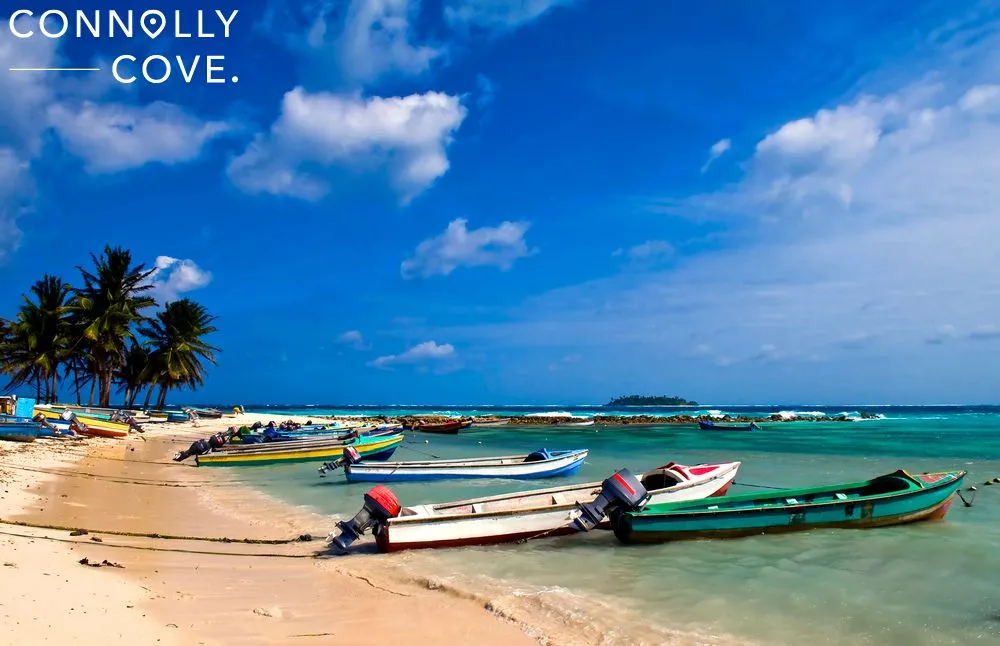
Johnny Cay offers a perfect blend of relaxation and adventure, with opportunities for sunbathing, beachcombing, and enjoying water activities such as snorkelling and swimming in the vibrant coral reefs surrounding the island. Nature enthusiasts can explore the island’s lush vegetation and diverse birdlife, making it a haven for birdwatching.
Local vendors provide delicious seafood and refreshing beverages, allowing visitors to savour the authentic flavours of the Caribbean while taking in the breathtaking scenery. Whether seeking tranquillity or aquatic adventures, Johnny Cay stands as a must-visit destination, promising a quintessential tropical experience in the heart of San Andrés.
Morgan’s Cave
Nestled within the captivating landscape of San Andrés, Morgan’s Cave stands as a testament to the island’s intriguing pirate history. This limestone cave, named after the notorious buccaneer Henry Morgan, invites visitors to embark on a journey through time. As you explore the winding tunnels and chambers, you’ll discover the echoes of the island’s pirate past, where Morgan and his crew once sought refuge and concealed their treasures.
Guided tours provide fascinating insights into the legends and tales associated with the cave, offering a glimpse into the adventurous and clandestine world of pirates. With its mysterious ambience and historical significance, Morgan’s Cave is both an educational experience and an exciting exploration of San Andrés’ rich maritime heritage.
Hoyo Soplador
Hoyo Soplador, a natural marvel on the Caribbean island of San Andrés, is a captivating blowhole that stands as a testament to the island’s geological wonders. Located on the southern coast, this phenomenon is created by a series of underground sea caves where powerful waves force water through a small opening, resulting in an impressive spout that shoots into the air.
Visitors to Hoyo Soplador are treated to a unique spectacle as the blowhole releases a burst of seawater accompanied by a distinctive, thunderous sound. The site has become a popular attraction, drawing both thrill-seekers and nature enthusiasts eager to witness the forces of nature in action.
While the blowhole itself is a fascinating sight, the surrounding area offers picturesque coastal views, providing visitors with a serene backdrop to complement the excitement of this natural spectacle. For those seeking an authentic and awe-inspiring experience in San Andrés, a visit to Hoyo Soplador is a must, offering a perfect blend of adventure and natural beauty.
La Loma
Perched atop the picturesque landscapes of San Andrés, La Loma stands as the highest point on this Caribbean island, offering visitors a panoramic experience that blends natural beauty with cultural insights. This elevated enclave is not only a vantage point for breathtaking views of the surrounding azure sea but also home to a delightful botanical garden that showcases the rich diversity of the local flora.
As you ascend to La Loma, you’ll find yourself surrounded by lush greenery, with vibrant flowers and endemic plants creating a tranquil atmosphere. The botanical garden not only serves as a haven for nature enthusiasts but also provides a glimpse into the island’s agricultural heritage, featuring crops like coffee, coconut, and tropical fruits.
A visit to La Loma is an immersive journey where the beauty of the natural landscape converges with the cultural tapestry of San Andrés, making it a must-visit destination for those seeking a serene escape infused with local charm.
Punta Sur
Punta Sur, situated at the southernmost tip of San Andrés, emerges as a captivating natural reserve that seamlessly blends dramatic coastal landscapes with an abundance of diverse marine life. This pristine sanctuary offers visitors a breathtaking panorama of the Caribbean Sea, where towering cliffs meet the azure waters in a stunning display of nature’s grandeur.
Punta Sur is a haven for birdwatchers, as the area hosts a variety of seabirds, including frigatebirds and pelicans, soaring gracefully against the backdrop of the open sea. Nature enthusiasts can explore the scenic coastal paths that wind through the reserve, providing an opportunity to appreciate the unspoiled beauty of the island.
Beneath the surface, the waters around Punta Sur are teeming with marine life, making it an excellent spot for snorkelling and observing colourful reef fish. Whether you’re seeking tranquil walks along the rugged coastline or underwater adventures in a protected marine environment, Punta Sur offers an immersive experience that celebrates the untamed beauty of San Andrés.
El Acuario
Nestled off the coast of San Andrés lies El Acuario, a mesmerising natural aquarium that beckons visitors with its crystal-clear waters and vibrant marine life. Accessible by boat, this unique underwater haven offers a surreal experience without the need for scuba gear.
As you approach El Acuario, the shallow, turquoise waters reveal a kaleidoscope of tropical fish, rays, and other captivating sea creatures. Snorkelers and curious onlookers can marvel at the underwater spectacle, observing the marine life in their natural habitat.
The interactive nature of El Acuario allows visitors to get up close and personal with the gentle creatures that inhabit the area, making it a perfect destination for families and marine enthusiasts alike. The tranquil surroundings and the opportunity to interact with the diverse marine ecosystem make El Acuario a must-visit spot, offering a magical and immersive encounter with the wonders of the Caribbean Sea.
Providencia’s Hidden Gems
Beyond the dazzling shores of San Andrés lies Providencia, a secluded sister island where emerald jungles cloak volcanic peaks and hidden coves whisper secrets of pirates and shipwrecks. Here, time flows at the rhythm of crashing waves and swaying palms, inviting you to uncover treasures beyond the beaten path.
Serene Shores and Crystal Waters
- Santa Catalina: Dive into the tranquil beauty of Santa Catalina, Providencia’s main town. Stroll along pristine beaches like Manzanillo and Aguadulce, where soft sand kisses turquoise waters. Snorkel the vibrant coral reefs just offshore or bask in the sun on secluded stretches of coastline.
- Local Flavours: Indulge in Providencia’s culinary delights, from fresh-caught seafood simmered in coconut milk to fragrant dishes infused with island spices. Visit local cafes for a steaming cup of Colombian coffee or wander the colourful fruit markets, savouring the juicy bounty of the tropics.
Hike to Panoramic Paradise
- The Peak: Lace up your boots and conquer the challenging yet rewarding climb to The Peak, Providencia’s highest point. Hike through lush rainforests teeming with vibrant birds and exotic flora, reaching breathtaking vistas that stretch across the island and the endless Caribbean Sea.
- Island Flora & Fauna: Discover the unique ecosystem of Providencia, home to endemic species like the Providencia crab and the yellow-billed cuckoo. Observe these fascinating creatures in their natural habitat, understanding the delicate balance of life on this remote island.
Snorkeling Nirvana in a Marine Reserve
Embark on an underwater adventure in the protected marine reserve of Crab Cay. Snorkel alongside colourful fish, sea turtles, and playful stingrays, witnessing the dazzling coral reefs teeming with marine life. This pristine paradise promises unforgettable memories for snorkelers of all levels.
Secluded Serenity at Freshwater Bay
- Scenic Escape: Seek tranquillity at Freshwater Bay, a picturesque cove framed by lush cliffs and lapped by gentle waves. Swim in the calm waters, sunbathe on the secluded beach, or kayak through mangrove forests, soaking in the serenity of this natural haven.
- Water Activities: Rent a paddleboard or kayak and explore hidden coves, feeling the gentle rhythm of the waves against your skin. Cast a line for a tropical catch or simply relax on the warm sand, letting the island’s serenity wash over you.
More Cool Things to Do in San Andrés and Providencia
While the sun-drenched beaches and major attractions have already captivated your senses, this section unveils additional hidden treasures and exciting activities that these Caribbean islands have to offer.
A Culinary Voyage through San Andrés and Providencia

San Andrés and Providencia offer more than just beautiful beaches and clear waters; they’re a cultural and culinary melting pot. Indulge in a culinary journey where Caribbean spices infuse fresh seafood, and traditional dishes tell tales of generations past.
Dive into the bounty of the Caribbean Sea! Savour succulent grilled lobster seasoned with local spices, indulge in aromatic fish stews simmered in coconut milk, or bite into crispy fried fish tacos bursting with freshness. Each bite is a celebration of the ocean’s bounty.
Don’t miss the chance to experience the warmth of island cuisine. Try “rondón,” a hearty seafood soup thickened with plantains and vibrant spices, or the iconic “caracol”, stewed conch snails that whisper of generations-old recipes.
No trip to the islands is complete without a taste of street food! Wander through bustling markets and sample “empanadas” filled with savoury meats or seafood. Bite into fluffy “bollos de coco” (coconut bread), or refresh your palate with tropical fruit juices bursting with sunshine.
Bonus Tip: Learn the local art of “pescaíto”: choosing your own fresh seafood right off the boats and having it cooked to perfection right before your eyes. It’s a truly immersive experience!
Cultural Experiences in San Andrés and Providencia
Beyond sun-kissed shores and vibrant reefs, San Andrés and Providencia beckon with rich cultural experiences. Prepare to immerse yourself in a tapestry of rhythms, rituals, and traditions that will captivate your soul on these extraordinary islands.
A Celebration of Roots
Festivals and Events: Immerse yourself in the infectious energy of island festivals. Get swept away by the electrifying rhythms of the International Reggae Festival in San Andrés, or witness the vibrant costumes and pulsating beats of the Carnival in Providencia. These celebrations are more than spectacles; they’re windows into the heart and soul of these communities.
Local Traditions: Witness the vibrant legacy of Afro-Caribbean culture in dance performances, hand-woven crafts, and storytelling traditions. Visit local artisans’ workshops, learn about medicinal plants used for generations, and experience the warmth of island hospitality passed down through families.
Echoes of History
Pirates and Shipwrecks: Unearth the whispers of pirates and adventurers lurking beneath the surface. Explore the ruins of Fort Morgan in San Andrés, a relic of colonial battles, or dive into the shipwreck of El Progre in Providencia, imagining tales of treasure and lost bounty. Every ancient stone and hidden wreck speaks of a rich and fascinating past.
Museums and Cultural Centres: Delve deeper into the islands’ heritage at fascinating museums. Discover the story of the Raizal people, descendants of escaped slaves, at the Seaflower Gardens Museum in Providencia. Learn about the unique blend of cultures in San Andrés at the Old Town Museum, where relics whisper tales of pirates, settlers, and resilient communities.
Connect with the Community
Homestays and Cultural Exchanges: Experience the authentic spirit of the islands by staying in a homestay. Share meals with local families, learn about their customs and traditions, and participate in daily life. These immersive experiences offer a deeper understanding of the islands’ cultural fabric.
Local Music and Dance: Let the rhythm take over! Tap your feet to the infectious sounds of reggae, soca, and calypso music that fill the air. Learn the joyful steps of traditional island dances like mento and quadrille, connecting with the community through the universal language of movement and music.
Bonus Tip: Attend a Sunday church service in Providence. The vibrant singing, soulful prayers, and traditional dress offer a glimpse into the deeply spiritual heart of the island community.
The scent of salt breeze still clinging to your skin, the rhythm of island music echoing in your heart, you leave San Andrés and Providencia with more than a tan. You carry within you the whisper of hidden coves, the kaleidoscope of coral life, the infectious laughter of island life. Let these memories be your talisman, reminding you that paradise isn’t just a place; it’s a feeling woven into the very fabric of your soul.

Dracula Tourism: Must-see Locations
TV and Film Locations
12/05/2024

Does it Snow in Ireland? Exploring Winter Weather Patterns in the Emerald Isle!
Ireland
12/05/2024

Everything You Need To Know About the Eiffel Tower
France
12/05/2024

8 Must-Do Outdoor Activities in Ireland
Ireland
12/05/2024

Exploring the Legacy of the Wolfe Tones: A Journey Through The Irish Rebel Music!
Music and Arts
12/05/2024