

13 Frisky Things to Do in the Coastal Town of Dun Laoghaire
Updated On: February 23, 2024 by  Noha Basiouny
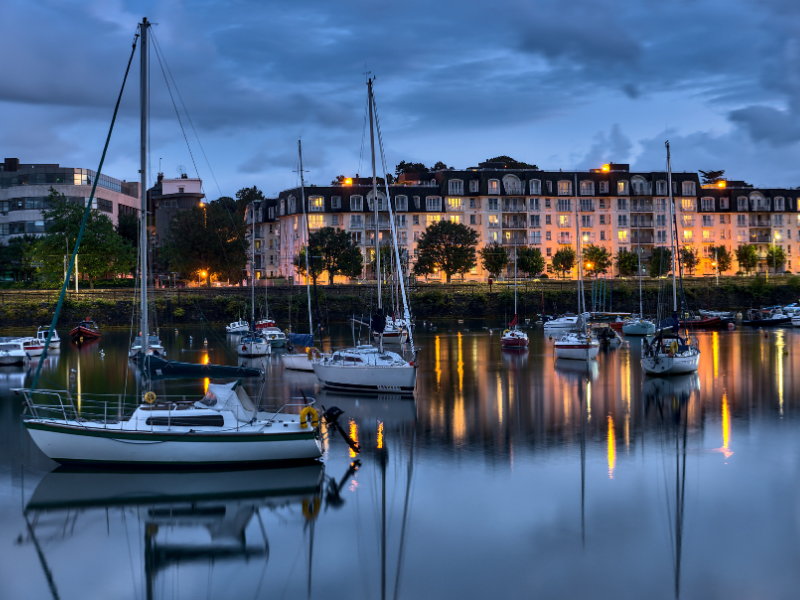
Nestled against the sparkling Irish Sea, Dun Laoghaire is just a stone’s throw from Dublin. Often overshadowed by its bustling neighbour, Dun Laoghaire offers a unique blend of maritime history, vibrant culture, and stunning natural beauty, a destination that seamlessly weaves together tradition and modernity, waiting to be explored by curious travellers.
Whether you are seeking historical adventures, exhilarating coastal activities, or a relaxing escape with a touch of local charm, Dun Laoghaire has something for everyone. In this article, we will go on a journey to uncover the myriad of things to do in Dun Laoghaire, from exploring its maritime heritage to indulging in culinary delights and embracing the natural beauty that defines this enchanting town.
So, pack your bags, ditch the Dublin crowds, and prepare to be charmed by Dun Laoghaire. This captivating seaside town promises an unforgettable experience. Are you ready to discover its unique magic? Let’s begin your journey.
Dun Laoghaire
Yet, before we officially begin our journey, we need to pause and learn a thing or two about this town we are about to explore.
Dun Laoghaire is a coastal town situated in County Dublin, Ireland, about 12 kilometres south of Dublin’s city centre. The name Dun Laoghaire, pronounced Dun Leary, is derived from the Irish word “Fort of Laoghaire,” referencing an ancient High King of Ireland named Laoghaire.
Historically, the town served as a prominent port and a strategic defensive location.
Its origins date back to the early 19th century when it was developed as a major port for Dublin. Today, the harbour remains a hive of activity, with ferries shuttling passengers to Wales and the Isle of Man, fishing boats bringing in fresh catches, and pleasure boats bobbing on the waves.
The town is quite a popular destination for both locals and tourists, offering a mix of historical landmarks, cultural attractions, and recreational activities. Notable features include the East and West Piers, which extend into the Irish Sea and provide fantastic views of the coastline. The National Maritime Museum of Ireland, located in Dun Laoghaire, showcases the country’s maritime history, featuring exhibits on navigation, seafaring, and maritime technology.
Dun Laoghaire is also known for its vibrant art scene, with the Pavilion Theatre hosting a variety of performances, and the town often serves as a backdrop for festivals and events. Additionally, the People’s Park offers a green oasis in the heart of the town, providing a tranquil space for relaxation.
For a truly immersive experience, consider visiting Dun Laoghaire during one of its many festivals, such as the Dun Laoghaire Regatta or the International Film Festival. These events offer a chance to dive deeper into the town’s culture and traditions, creating memories that will last a lifetime.
Now, let’s explore 13 things you can do when in Dun Laoghaire.
1. Explore the Historic James Joyce Tower and Museum
The first place anyone coming to Dun Laoghaire has to visit is the James Joyce Tower and Museum. Located on Sandycove Point, the tower gained literary significance as the setting for the opening scene of the Irish writer James Joyce’s novel “Ulysses.” Visitors can climb the narrow, winding staircase to reach the top of the tower, where breathtaking views of Dublin Bay await.
Inside the museum, there is an extensive collection of Joyce’s memorabilia, including letters, photographs, and personal belongings, all of which provide insights into the life and literary works of the renowned Irish author. The museum staff, known for their knowledge and passion, often offer informative tours, enhancing the experience with anecdotes and historical context.
2. Enjoy the Beautiful Dun Laoghaire Harbour
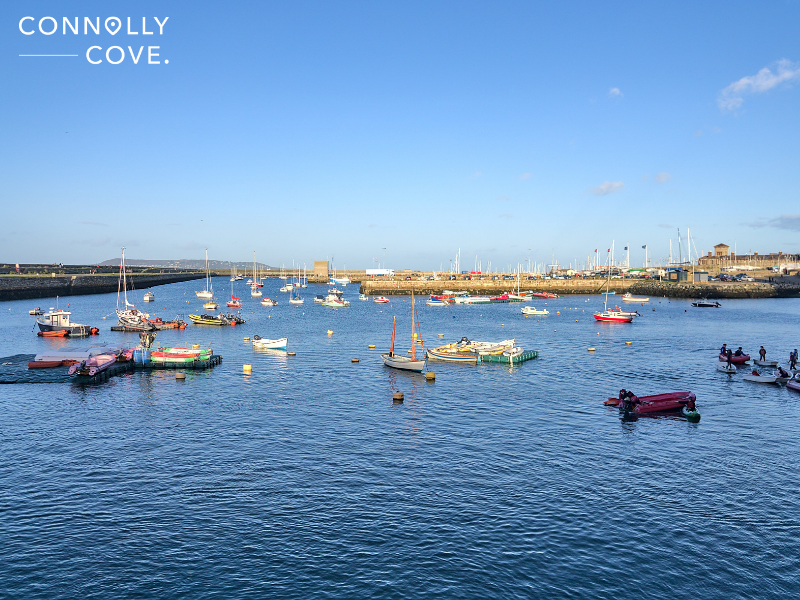
To fully embrace the beauty of Dun Laoghaire Harbour, you need to embark on a leisurely exploration starting at the historic East Pier. Take a scenic stroll along the promenade, flanked by Victorian-era architecture and adorned with vibrant gardens and enjoy the refreshing sea breeze and amazing views of Dublin Bay. Pause to appreciate the maritime heritage showcased by the numerous sailing boats and yachts bobbing in the harbour.
The West Pier, with its lighthouse standing sentinel over the Irish Sea, beckons for further discovery. You can indulge in seaside dining at one of the charming cafes or seafood restaurants lining the waterfront or savour local flavours against the backdrop of the bustling harbour. For an even more immersive experience, consider activities like paddleboarding or sailing to connect with the maritime spirit of Dun Laoghaire.
3. Visit the National Maritime Museum of Ireland
The third place worth visiting in Dun Laoghaire should definitely be the National Maritime Museum of Ireland, which truly promises a captivating journey into the seafaring history of the region.
Begin by immersing yourself in the museum’s diverse exhibits, which span centuries of maritime adventures and technological advancements. Admire the impressive collection of ship models, navigational instruments, and maritime artefacts that offer a comprehensive overview of Ireland’s seafaring heritage. Engage with the interactive displays and terrific multimedia presentations that bring the stories of sailors, explorers, and maritime innovations to life.
This museum, too, has quite knowledgeable staff who often enrich the experience with insightful commentary during guided tours, providing a deeper understanding of the historical significance of each exhibit.
4. Catch a Show at the Pavilion Theatre
Attending a show at the Pavilion Theatre in Dun Laoghaire against the backdrop of this charming coastal town adds to your cultural experience.
The theatre, known for its diverse programming, hosts a wide variety of performances, including theatrical productions, thought-provoking plays, musical concerts, comedy acts, and dance performances. With a commitment to showcasing both local and international talent, the Pavilion Theatre caters to varied artistic tastes. Its intimate setting creates an immersive atmosphere, allowing audiences to connect intimately with the performances on stage.
You will have an unforgettable experience enjoying live entertainment in this cultural hub of Dun Laoghaire. So make sure to check out the upcoming shows and events at the Pavilion Theatre during your visit to the town.
5. Take a Stroll Through People’s Park
The People’s Park in Dun Laoghaire is a verdant oasis that offers both locals and visitors a tranquil escape amid the lively coastal town. Located near the heart of Dun Laoghaire, the park is adorned with lush greenery, vibrant flower beds, and mature trees, creating a picturesque setting for relaxation and recreation.
The park’s central location, coupled with its inviting ambience, well-maintained pathways, charming Victorian fountain, and ample seating, provides a serene environment for leisurely strolls, picnics, or simply enjoying the beauty of nature. It is a popular gathering spot for families, joggers, and those seeking a peaceful retreat from the urban hustle.
6. Explore the People’s Park Farmers Market
Inside the People’s Park, the People’s Park Farmers Market takes place every Sunday. It is a vibrant and bustling hub that features fresh artisanal goods and a lively community atmosphere.
Held regularly in the scenic People’s Park, this market showcases the best of Irish produce, offering a diverse array of fresh fruits and vegetables, homemade bread and pastries, cheeses, meats, and handmade crafts. Strolling through the market, you can engage with friendly vendors, sample delectable treats, and discover unique, locally sourced products. You can even try some traditional Irish dishes like fish and chips.
The market’s charming setting, surrounded by lush greenery and historic architecture, enhances the overall experience, making it a delightful destination for food enthusiasts, families, and those seeking a taste of the local flavour in the heart of Dun Laoghaire. It also showcases local artists and musicians, providing a marvellous opportunity to connect with the creative community in town.
The People’s Park Farmers Market is definitely worth a visit during your time in Dun Laoghaire.
7. See the Unique Oratory of the Sacred Heart
The Oratory of the Sacred Heart is one of the unique attractions in the town of Dun Laoghaire. It is practically a hidden gem that enchants visitors with its serene beauty and spiritual significance.
Nestled within the grounds of Loreto Abbey, this small but exquisite chapel is renowned for its stunning mosaic artwork created by the renowned Irish artist Harry Clarke. The Oratory’s interior is adorned with intricate stained glass windows and mosaic scenes depicting biblical narratives, creating a mesmerising and contemplative atmosphere.
The Oratory of the Sacred Heart is open to the public, inviting individuals to experience both the artistic brilliance of Clarke’s craftsmanship and a moment of quiet reflection in this unique spiritual haven within the heart of Dun Laoghaire.
8. Browse Books at the Lexicon Library and Cultural Centre
Boasting a striking design that complements the scenic waterfront, the Lexicon Library and Cultural Centre are a modern architectural marvel, a thriving multi-functional space that seamlessly integrates a state-of-the-art library, exhibition spaces, and community areas.
Tourists can explore an extensive collection of books, multimedia resources, and digital archives while enjoying panoramic views of Dublin Bay from its expansive windows. The cultural centre regularly hosts literary events, such as author readings and book clubs, art exhibitions, and educational programmes, fostering a dynamic and inclusive atmosphere.
With its innovative design and diverse offerings, the Lexicon Library and Cultural Centre stands as a beacon of intellectual and cultural enrichment in the heart of Dun Laoghaire, welcoming both residents and visitors to immerse themselves in a world of literature and creativity.
9. Hike Through Killiney Hill Park
Another fantastic place to visit in Dun Laoghaire is Killiney Hill Park, practically a must-visit for nature lovers and hikers. This beautiful park offers stunning panoramic views of Dublin Bay and the surrounding areas, and embarking on a hike there promises a captivating journey through nature and spectacular vistas.
You can begin your exploration at the park’s entrance, taking the well-marked trails that wind through lush woodlands and open meadows. As you ascend, the wonderful views of Dublin Bay, the Wicklow Mountains, and the Irish Sea gradually unfold, offering a breathtaking reward for your efforts. As you walk, admire the iconic Obelisk, a prominent landmark at the summit, and take a moment to absorb the serenity of the surroundings.
The park’s diverse flora and fauna, coupled with its network of trails suitable for various fitness levels, make it an ideal destination for hikers, nature enthusiasts, and those seeking a rejuvenating outdoor experience within the picturesque landscape of Dun Laoghaire.
10. Cool Off at Harbour Splash
Tired of walking, strolling, or hiking? Fear not! Dun Laoghaire has a range of other fun activities. Harbour Splash, for instance, is an aqua park that offers an exhilarating aquatic adventure for thrill-seekers and water enthusiasts, where they can bounce, climb, and slide across a series of giant inflatable slides and floating obstacles.
Whether you are testing your agility on the obstacle course, attempting daring jumps, or simply enjoying the refreshing splash of the Irish Sea, Harbour Splash provides a unique and entertaining experience for anyone looking to combine adrenaline-pumping activities with the natural beauty of Dun Laoghaire’s coastal surroundings.
Visiting Harbour Splash is a great way to beat the heat and add some adventure to your trip. So, do not forget to bring your swimsuit!
11. Walk Along the Metals
The Metals in Dun Laoghaire refers to a historic promenade that stretches along the coastline, connecting Dun Laoghaire to Sandycove.
Named after the railway tracks that once transported stone or “metals” for the construction of the piers and lined with charming Victorian-style street lamps, this scenic pathway, coupled with the maritime breeze and the sound of lapping waves, makes a picturesque route for walkers, joggers, and cyclists.
As you stroll along, you can immerse yourself in the rich maritime history of the area, with glimpses of old shipyards and nautical artefacts. You might even catch sight of sailors preparing their boats for a day out on the water.
12. Try Traditional Food and Drinks at Local Eateries
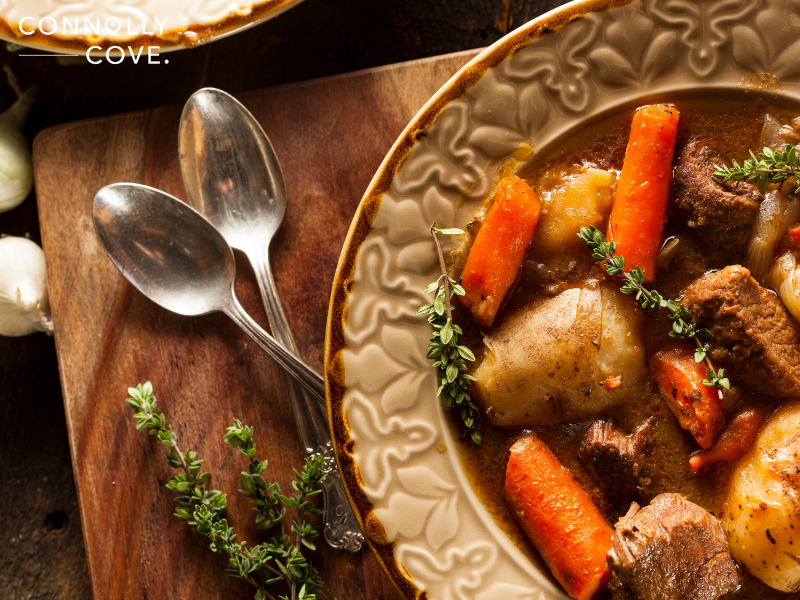
When visiting Dun Laoghaire, be sure to sample some of the best local dishes that showcase Ireland’s rich culinary heritage.
Start your culinary exploration with a taste of traditional Irish stew, a hearty dish featuring tender lamb or beef, root vegetables, and savoury herbs.
Seafood lovers should indulge in Dublin Bay prawns, often served in dishes like prawn cocktails or seafood chowder, showcasing the freshness of the local catch. For a classic pub experience, savour fish and chips with perfectly battered fish served alongside chunky fries. Also, do not miss out on trying Irish smoked salmon, renowned for its rich flavour and silky texture, often served with brown bread and a wedge of lemon.
To satisfy your sweet tooth, enjoy traditional Irish desserts like sticky toffee pudding or warm apple pie.
13. Shop for Souvenirs and Gifts
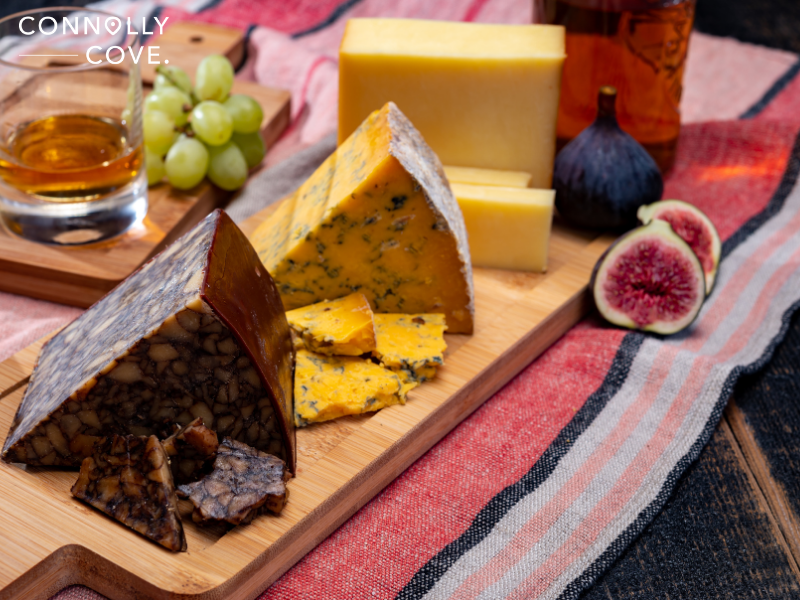
Dun Laoghaire offers a variety of charming shops and boutiques in which you can find unique souvenirs and gifts to commemorate your visit. Here is a list of a few places you can shop in:
- Irish Design Shop: A treasure trove of locally crafted goods featuring a selection of handmade jewellery, pottery, and textiles created by Irish artisans.
- Carraig Donn: This is for those interested in traditional Irish knitwear, offering a range of cosy sweaters, scarves, and accessories.
- Dun Laoghaire Shopping Centre: It houses several shops with a diverse selection of gifts, including Irish-themed trinkets, clothing, and home decor items.
- Dublin Bay Gifts: This shop specialises in local souvenirs and Irish-themed memorabilia, making it a great stop for those looking for iconic symbols of Ireland.
Besides visiting the Sunday Market at the People’s Park we mentioned earlier, these shops collectively offer a delightful shopping experience, ensuring you will find the perfect memento to remember your time in Dun Laoghaire.
Conclusion
Dun Laoghaire stands as a captivating destination that invites travellers with its unique blend of history, culture, and natural beauty. From leisurely strolls along the iconic pier to exploring the vibrant arts scene at the Pavilion Theatre, this coastal town offers a plethora of experiences to suit every interest and preference.
With its picturesque landscapes, rich cultural heritage, and warm hospitality, Dun Laoghaire leaves an indelible impression on all who venture to explore its treasures. As you bid farewell to this charming town, take with you cherished memories and a longing to return to its shores, where the spirit of Dun Laoghaire continues to captivate and inspire.