


Portaferry Co Down-Strangford Lough on Ards Peninsula
Updated On: April 07, 2024 by  Noha Nabil
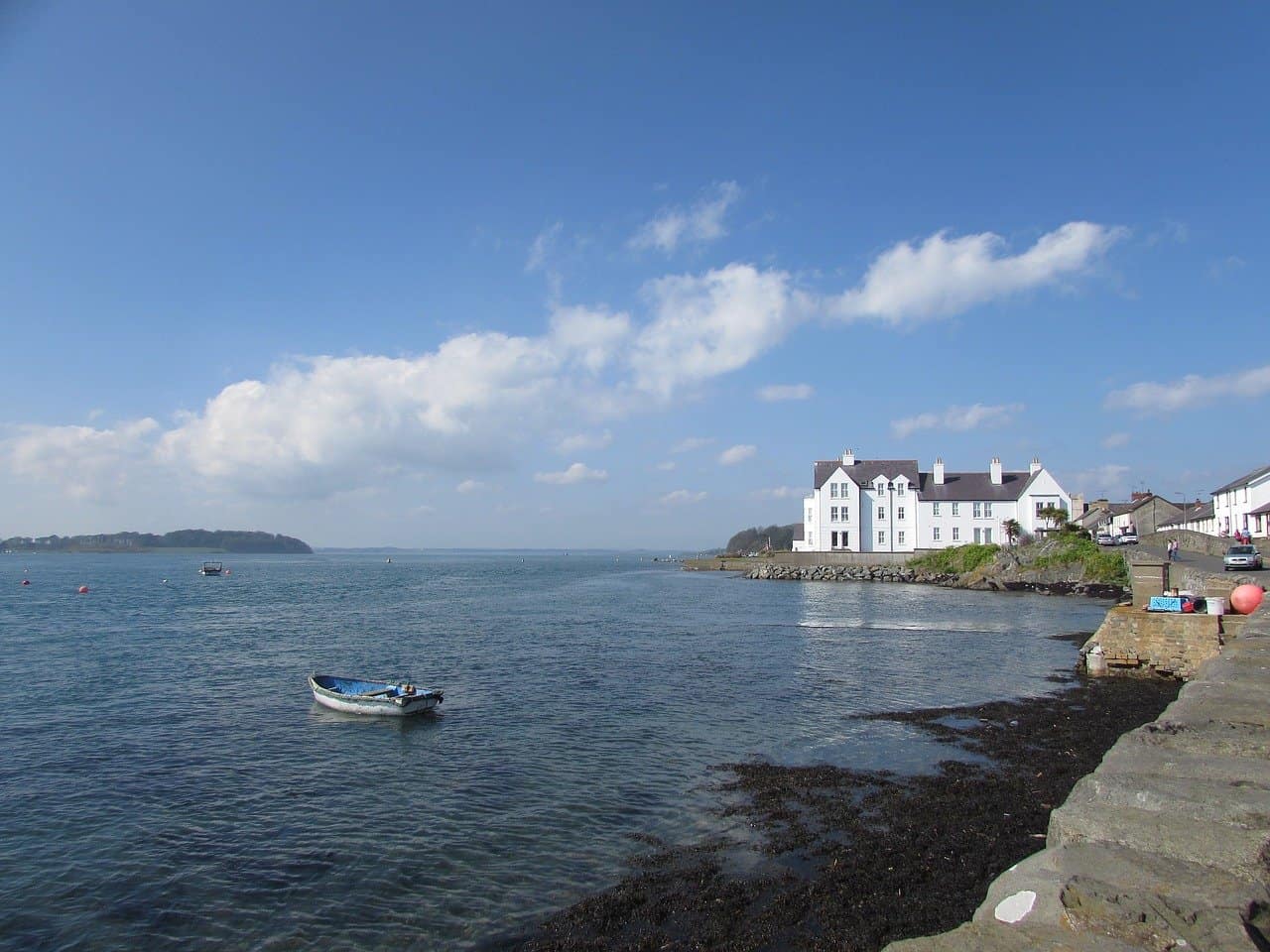
In the scenic landscape of Northern Ireland, Portaferry stands out as a picturesque village nestled on the shores of Strangford Lough. Located on the Ards Peninsula in County Down, this quaint settlement boasts a rich history, stunning natural beauty, and a vibrant community spirit that captivates visitors from near and far. From its serene coastal vistas to its historic landmarks, the village offers a truly immersive experience for those seeking to explore the beauty of the Irish coast.
History and Heritage
Portaferry boasts a rich history dating back centuries. Originally a tiny fishing village, its strategic location along the shores of Strangford Lough has made it a vital hub for trade and maritime activities throughout the ages. The town’s architecture shows Evidence of its past, with historic buildings such as Portico Arts Centre and Portaferry Market House offering glimpses into its maritime heritage.
One of Portaferry’s most iconic landmarks is its historic castle. Dating back to the 12th century, Portaferry Castle is a testament to the town’s medieval past. Built by the Savage family, it was a fortified tower house and played a significant role in defending the area against invaders. Today, visitors can explore its well-preserved ruins and soak in panoramic views of Strangford Lough from its battlements.
Natural Beauty and Outdoor Adventures
Surrounded by the stunning landscapes of the Ards Peninsula and Strangford Lough, the village is a haven for nature lovers and outdoor enthusiasts. The lough, renowned for its biodiversity and scenic beauty, offers ample opportunities for exploration. Visitors can embark on boat tours to discover its myriad islands, secluded coves, and abundant wildlife, including seals, seabirds, and even dolphins.
For those seeking adventure on land, the Ards Peninsula offers scenic walking and cycling trails winding through rolling countryside, quaint villages, and rugged coastline. The nearby National Trust property, Mount Stewart, with its exquisite gardens and woodland walks, is a must-visit for garden enthusiasts and history buffs.
Cultural Experiences and Events
The village comes alive annually with a vibrant calendar of cultural events and festivals. From traditional music sessions in cosy pubs to art exhibitions showcasing the talents of local artists, there’s always something happening to captivate visitors. One of the village cultural calendar highlights is the annual Portico Arts Festival, which celebrates the town’s artistic heritage with a diverse program of concerts, workshops, and exhibitions. The festival attracts artists and performers from far and wide, offering visitors a chance to experience the vibrant cultural scene of the village.
Culinary Delights
No visit to the village would be complete without indulging in its culinary delights. The town boasts a thriving food scene, with various restaurants, cafes, and artisan producers offering the region’s finest fare. From freshly caught seafood with views of the lough to hearty Irish stews made with locally sourced ingredients, there’s something to satisfy every palate.
For those looking to take a piece of Portaferry home, the town’s weekly market is a treasure trove of local produce, crafts, and artisanal goods. Here, visitors can sample homemade treats, pick up unique souvenirs, and mingle with the friendly locals who proudly showcase Portaferry’s best.
Community Spirit
At the heart of the village’s charm is its strong sense of community spirit. The town’s residents take pride in their heritage and are passionate about preserving the area’s natural beauty for future generations.
Throughout the year, the town comes alive with various festivals and events showcasing the villages’s culture and traditions. From the annual Portaferry Gala Week to the Strangford Lough Festival, there’s always something happening to bring people together and celebrate all that makes the village unique.
Exploring the Wonders Near Portaferry, County Down
The village, nestled on the shores of Strangford Lough, is a destination and a gateway to many attractions and experiences waiting to be discovered in County Down, Northern Ireland. From historic landmarks to scenic wonders, the area surrounding the village offers visitors diverse activities to explore and enjoy.
1. Castle Ward
Just a short drive from Portaferry lies Castle Ward, an 18th-century National Trust property famed for its unique architectural blend of classical and Gothic styles. Set amidst stunning landscaped gardens and woodland trails, Castle Ward offers visitors the chance to explore its opulent interiors, wander through its sprawling grounds, and even embark on themed tours, such as “Winterfell Tours” for Game of Thrones enthusiasts.
2. Exploris Aquarium
Visiting the Exploris Aquarium near the village is a must for those with a fascination for marine life. This interactive marine discovery centre showcases the diverse ecosystems of Strangford Lough and the Irish Sea, housing an array of fascinating creatures, from native fish and crustaceans to seals and otters. With educational exhibits, feeding demonstrations, and touch pools, Exploris offers a fun and informative experience for visitors of all ages.
3. Mount Stewart
Situated a short distance from the village, Mount Stewart is a magnificent National Trust property renowned for its stunning gardens and historic house. Designed by renowned horticulturist Edith, Lady Londonderry, the gardens at Mount Stewart are a masterpiece of design, featuring vibrant floral displays, tranquil lakes, and meandering pathways. Visitors can explore the formal gardens, woodland walks, and picturesque lake views, as well as tour the elegant interiors of the house, which are adorned with exquisite artwork and furnishings.
4. Ards Peninsula Coastal Drive
Embark on a scenic drive along the Ards Peninsula Coastal Route, winding through picturesque villages, rugged coastline, and rolling countryside. From the quaint village of Strangford with its historic castle to the charming town of Newtownards with its bustling market square, the coastal drive offers plenty of opportunities to soak in the area’s natural beauty and rich heritage. Along the way, stop at scenic viewpoints, hidden beaches, and local eateries serving fresh seafood and artisanal treats.
5. Ballyquintin Point
Nature enthusiasts won’t want to miss a visit to Ballyquintin Point, a designated Area of Special Scientific Interest located near the village. This remote headland boasts stunning coastal scenery, with panoramic views of the Irish Sea and Strangford Lough. Visitors can wander along coastal paths, observe seabird colonies nesting on the cliffs, and take in the tranquillity of this unspoiled natural haven.
Conclusion
With its rich history, stunning natural beauty, and vibrant cultural scene, the village offers visitors a truly unforgettable experience. Whether exploring its historic landmarks, immersing oneself in the great outdoors, or savouring the flavours of its local cuisine, there’s something to delight every traveller in this charming coastal town on the Ards Peninsula. So, pack your bags and embark on a journey to Portaferry, where the warmth of its welcome and the beauty of its surroundings await.

7 Top Amusement Parks in England for an Unforgettable Adventure
England
25/04/2024

Miami Tourism Statistics: A Comprehensive Overview of Visitor Numbers and Revenue
Travel Statistics
25/04/2024

The Enchanting Charm of Scotland Wedding Castles!
Scotland
25/04/2024

London in June: An Ultimate Guide to 13 Unmissable Events and Festivals
United Kingdom
25/04/2024

The Perfect Day Trip from London: Where Will Your Adventure Take You?
United Kingdom
25/04/2024