Have you ever considered Port Elizabeth as more than just a stopover on South Africa’s Garden Route? This captivating seaport city in the Eastern Cape, now officially known as Gqeberha, offers travellers a remarkable blend of colonial history, indigenous Xhosa culture, and stunning coastal beauty that rivals any destination on the continent.
Port Elizabeth has always held its charm as South Africa’s “Friendly City,” but there’s far more beneath the surface than most visitors discover. This comprehensive guide reveals the authentic experiences, rich cultural heritage, and practical insights that transform a simple holiday into a meaningful cultural exploration. Whether you’re drawn by the pristine beaches, fascinated by the complex history, or seeking genuine connections with local communities, Gqeberha offers experiences that resonate long after you’ve returned home.
From understanding the significance of the city’s recent name change to uncovering hidden gems beyond the typical tourist trail, this guide provides everything modern travellers need to experience Port Elizabeth’s true character. We’ll explore how to navigate the cultural nuances, discover the best seasonal experiences, and connect with the stories that make this Eastern Cape destination truly special.
Table of Contents
Understanding Gqeberha’s Cultural Identity
The story of Port Elizabeth’s transformation to Gqeberha represents more than a simple name change—it reflects South Africa’s ongoing journey of cultural recognition and the growing importance of indigenous heritage in modern travel experiences.
The Significance of Gqeberha: From Colonial Past to Cultural Present
Port Elizabeth was founded in 1820 by Sir Rufane Shaw Donkin, who named the city after his late wife, Elizabeth. However, in February 2021, the South African government officially approved the name change to Gqeberha (pronounced gq-PEH-beh-gah), which means “Baakens River” in the Xhosa language. This transformation acknowledges the area’s pre-colonial heritage and honours the indigenous Xhosa people who have called this region home for centuries.
Understanding this duality is essential for modern travellers seeking authentic cultural experiences. The name Gqeberha connects visitors to the indigenous roots of the Eastern Cape, while the colonial architecture and British settler history remain integral parts of the city’s complex narrative. This layered identity makes Port Elizabeth particularly fascinating for culturally curious travellers who appreciate destinations with depth and authenticity.
For visitors from the UK and Ireland, this historical connection offers a unique perspective on colonial legacy and contemporary African identity. The city serves as a living example of how South African communities are reclaiming their cultural narratives while preserving historical significance.
Cultural Heritage and Modern Identity
The Xhosa people, whose language gave the city its new name, represent the largest ethnic group in the Eastern Cape. Their rich cultural traditions, including distinctive click languages, traditional music, and vibrant beadwork, remain very much alive in modern Gqeberha. Visitors can experience this heritage through authentic cultural centres, local markets, and community-based tourism initiatives that directly benefit local families.
The city’s multicultural character extends beyond its Xhosa and colonial influences. Today’s Gqeberha encompasses diverse communities including Afrikaner, Indian, and Coloured populations, each contributing to the city’s unique cultural landscape. This diversity creates opportunities for travellers to experience multiple South African cultures within a single destination.
“When we first explored the cultural sites associated with Port Elizabeth’s transformation to Gqeberha, we discovered how deeply the indigenous heritage is woven into the modern city’s identity. Understanding this cultural evolution gives travellers a much richer experience of the places they visit.” – Ciaran Connolly, Founder of ConnollyCove
Planning Your Port Elizabeth Journey
Successfully experiencing Gqeberha requires thoughtful planning that considers both practical logistics and cultural preparation. The city’s coastal location and subtropical climate create distinct seasonal experiences that can significantly impact your visit.
Getting There: Routes and Requirements for UK & Irish Travellers
Port Elizabeth International Airport serves as the primary gateway, with connecting flights available through Johannesburg, Cape Town, or Durban. Most UK travellers will connect through O.R. Tambo International Airport in Johannesburg, with total journey times typically ranging from 12-15 hours, including connections.
British and Irish citizens require a valid passport but no visa for stays up to 90 days for tourism purposes. However, it’s essential to ensure your passport has at least two blank pages and is valid for at least 30 days beyond your departure date. South African immigration authorities are strict about these requirements.
The city’s location approximately 770 kilometres east of Cape Town makes it an excellent starting or ending point for Garden Route adventures. Many travellers combine Port Elizabeth with visits to nearby attractions such as Addo Elephant National Park or the coastal town of Jeffreys Bay.
Seasonal Considerations and Cultural Calendar
Port Elizabeth enjoys a moderate climate year-round, but understanding seasonal variations helps optimise your cultural exploration. Summer (December to February) brings warm temperatures perfect for beach activities and outdoor cultural events, though this is also peak tourist season with higher accommodation prices.
The shoulder seasons of autumn (March to May) and spring (September to November) offer ideal conditions for cultural site visits and city exploration. Winter (June to August) provides excellent whale watching opportunities along the coast and often features lower accommodation rates, making it perfect for budget-conscious cultural travellers.
The city’s cultural calendar includes significant events such as the National Arts Festival spillover events, Heritage Month celebrations in September, and various Xhosa traditional festivals that provide authentic cultural experiences throughout the year.
Budgeting and Financial Planning
For UK and Irish travellers, Port Elizabeth offers excellent value compared to European destinations. Daily budgets can range from £25-35 for backpackers staying in hostels and eating local food, £40-60 for mid-range travellers enjoying guesthouses and restaurant meals, up to £80+ for luxury experiences.
The South African Rand (ZAR) typically offers favourable exchange rates for pound sterling and euros. ATMs are widely available, and most establishments accept credit cards, though it’s advisable to carry some cash for local markets and smaller cultural attractions.
Essential Attractions & Hidden Gems
Port Elizabeth’s attractions extend far beyond typical tourist sites, offering visitors opportunities to engage with authentic cultural experiences and discover lesser-known gems that showcase the city’s true character.
Historical Landmarks with Cultural Context
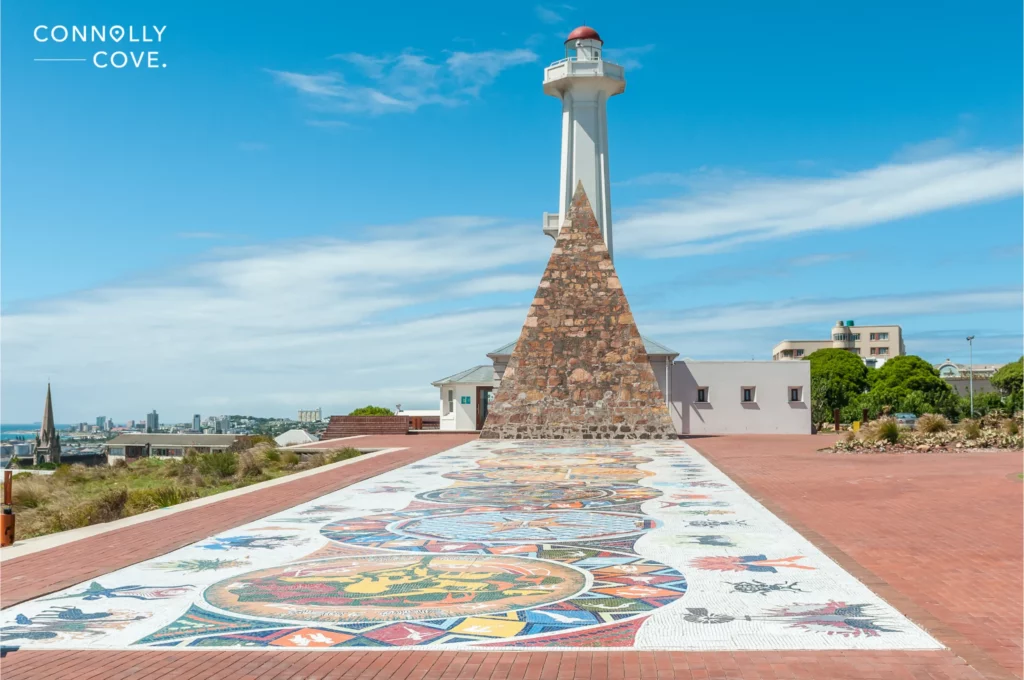
Donkin Reserve stands as one of Port Elizabeth’s most significant historical sites, offering panoramic views of the city and harbour. Named after Sir Rufane Donkin, the reserve features the iconic Donkin Pyramid, built in memory of his wife, Elizabeth. However, the site’s significance extends beyond its colonial origins—it now serves as a space where visitors can contemplate the city’s complex history while enjoying stunning coastal vistas.
The Donkin Lighthouse, built in 1861 and still operational today, provides an excellent vantage point for understanding the city’s maritime heritage. Climbing to the top offers breathtaking views of Algoa Bay and helps visitors appreciate Port Elizabeth’s strategic coastal location that attracted both indigenous peoples and colonial settlers.
The Campanile represents one of Port Elizabeth’s most distinctive landmarks. This 52-metre Art Deco tower, constructed in 1923 to commemorate the 1820 Settlers, houses 23 bells that create beautiful melodies across the city. The Campanile’s museum provides context about the maritime heritage and cultural diversity that shaped modern Gqeberha.
Inside the tower, visitors can explore exhibits showcasing the city’s evolution from indigenous settlement through colonial development to a modern multicultural community. The observation deck offers spectacular 360-degree views, making it an ideal spot for understanding the city’s geographic and cultural layout.
Cultural Museums and Authentic Experiences
The Nelson Mandela Metropolitan Art Museum houses one of South Africa’s most significant collections of indigenous art, including extensive Xhosa beadwork and traditional African ceramics. The museum’s collection provides insight into both historical and contemporary African artistic expression, making it essential for culturally curious travellers.
Beyond the permanent collection, the museum regularly features exhibitions by local Eastern Cape artists, offering visitors opportunities to engage with living cultural traditions. The beadwork collection, one of the largest in South Africa, demonstrates the sophisticated artistic heritage of Xhosa communities and provides context for understanding contemporary indigenous culture.
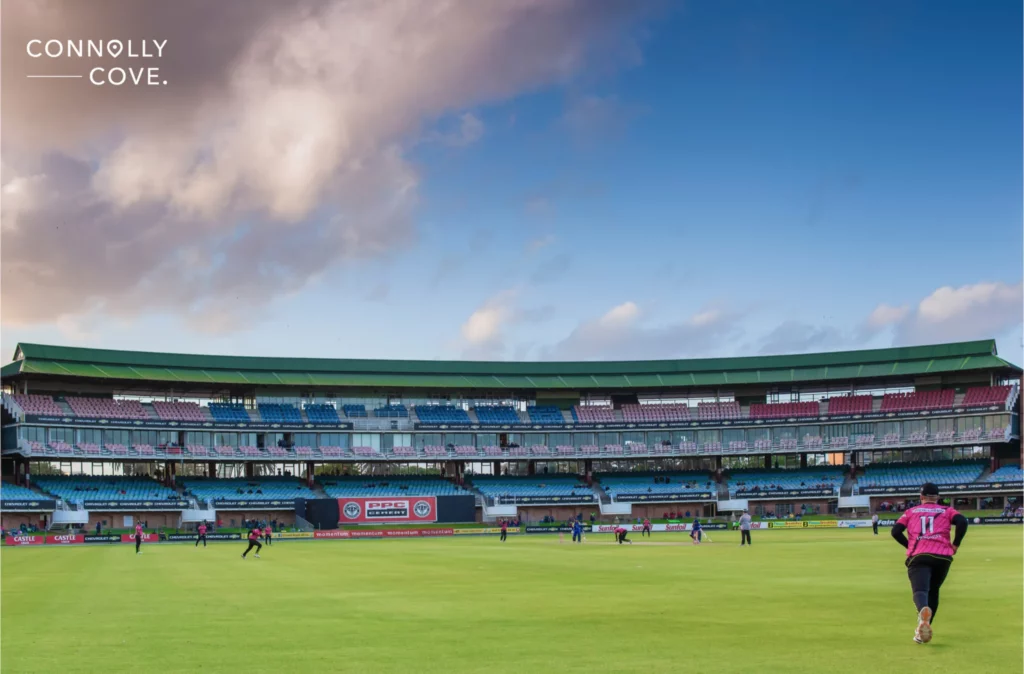
St George’s Park combines recreational space with cultural significance as home to South Africa’s oldest cricket ground. The park’s Victorian pavilion and established trees create a peaceful environment for understanding how colonial recreational traditions adapted to African contexts. The park also connects to indigenous plant species and traditional uses of local flora.
Coastal Beauty and Beach Culture
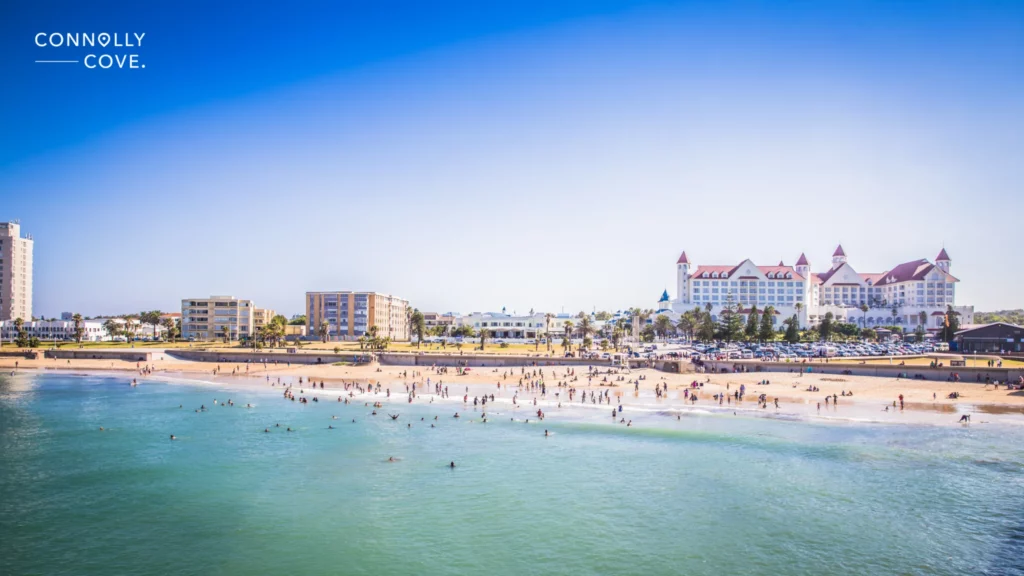
Port Elizabeth’s 40 kilometres of coastline offer diverse beach experiences that reflect both natural beauty and cultural diversity. Humewood Beach, South Africa’s first Blue Flag beach, provides safe swimming conditions and family-friendly facilities while showcasing the city’s commitment to environmental standards.
Hobie Beach attracts surfers and watersports enthusiasts, creating a vibrant atmosphere where visitors can observe South African beach culture in action. The beach’s popularity with locals makes it an excellent spot for cultural observation and informal interactions with residents.
Sardinia Bay Beach offers a more secluded experience in a picturesque cove setting. This location provides opportunities for quiet reflection and appreciation of the Eastern Cape’s unspoilt coastal beauty, away from commercial tourist activities.
The diversity of beach experiences reflects Port Elizabeth’s ability to cater to different cultural preferences while maintaining authentic South African coastal character.
Hidden Gems and Local Discoveries
Beyond the well-known attractions, Gqeberha offers numerous opportunities for authentic cultural discovery. Local markets in townships provide genuine interactions with community artisans and traditional craftspeople, though these experiences require cultural sensitivity and preferably local guidance.
The Red Location Museum, while lesser-known internationally, offers profound insights into apartheid history and community resilience. This museum, built to resemble the corrugated iron structures of former townships, provides essential context for understanding contemporary South African society.
Kleinskool and other township areas offer community-based tourism experiences that directly benefit local families while providing visitors with authentic cultural exchanges. These experiences require advanced arrangements through reputable local operators who ensure mutual respect and cultural appropriateness.
Authentic Cultural Experiences
Experiencing Gqeberha’s authentic culture requires moving beyond surface-level tourist activities to engage with living traditions, contemporary communities, and the complex narratives that shape modern South African identity.
Language and Cultural Immersion
Learning basic Xhosa phrases demonstrates respect for local culture and often opens doors to more meaningful interactions. Simple greetings like “Molo” (hello) and “Enkosi” (thank you) are greatly appreciated by local residents and can transform casual encounters into genuine cultural exchanges.
The distinctive click consonants of Xhosa, including the ‘gq’ sound in Gqeberha, represent a linguistic heritage that predates European arrival by centuries. Many locals are patient teachers for visitors interested in attempting these sounds, creating opportunities for cultural learning through language exploration.
Traditional Arts and Contemporary Culture
Port Elizabeth’s cultural scene extends far beyond museums to include living traditions practised by contemporary artists and craftspeople. Local beadwork artists continue creating traditional patterns while adapting designs for modern contexts, resulting in unique pieces that represent both heritage and innovation.
Music remains central to Eastern Cape culture, with genres ranging from traditional Xhosa singing to contemporary South African styles like kwaito and amapiano. Visitors can experience live music at local venues, cultural centres, and during community celebrations throughout the year.
Community-Based Cultural Tourism
Responsible cultural tourism in Gqeberha involves supporting community-based initiatives that provide authentic experiences while directly benefiting local residents. These programmes often include traditional cooking experiences, craft workshops, and storytelling sessions that preserve cultural knowledge while creating economic opportunities.
Many community tourism projects focus on sharing oral histories, traditional ecological knowledge, and contemporary community challenges. These experiences provide deeper understanding of South African society while supporting grassroots economic development.
Food Culture and Culinary Traditions
Port Elizabeth’s food culture reflects its multicultural heritage through diverse culinary traditions. Traditional Xhosa cuisine features ingredients like samp (dried corn kernels), morogo (wild spinach), and various indigenous vegetables that connect contemporary communities to ancestral foodways.
The city’s coastal location provides access to fresh seafood, while its position on major trade routes introduced Indian spices, Cape Malay cooking techniques, and other flavours that create unique fusion cuisines. Local restaurants increasingly celebrate these diverse influences while supporting local food producers.
Practical Travel Information
Successfully navigating Port Elizabeth requires understanding local customs, transportation options, and practical considerations that ensure respectful and enjoyable cultural exploration.
Transportation and Getting Around
Car rental provides maximum flexibility for exploring Port Elizabeth and the surrounding areas, particularly for visiting cultural sites outside the city centre. Major international rental companies operate from the airport, though booking in advance ensures better rates and vehicle availability.
Public transportation options include minibus taxis, which serve local communities but require cultural understanding and safety awareness. Municipal bus services provide safer, though less frequent, connections between major attractions and residential areas.
Ride-sharing services like Bolt and Uber operate in Port Elizabeth, offering convenient transportation for visitors unfamiliar with local transportation systems. These services provide safe, reliable connections between cultural sites, accommodations, and the airport.
Safety and Cultural Etiquette
Port Elizabeth, like many South African cities, requires awareness of personal safety while maintaining openness to cultural experiences. Standard precautions include avoiding displaying valuable items, staying in well-lit areas after dark, and seeking local advice about neighbourhood safety.
Cultural etiquette emphasises respect for diversity and sensitivity to South Africa’s complex history. Visitors should approach cultural sites and communities with humility, ask permission before photographing people, and show appreciation for cultural sharing through appropriate tips or purchases from local artisans.
Understanding apartheid history and its ongoing impacts helps visitors engage more respectfully with local communities. Many residents appreciate visitors who demonstrate awareness of historical context and contemporary challenges.
Accommodation and Local Services
Port Elizabeth offers accommodation options ranging from backpacker hostels to luxury hotels, with many properties reflecting local architectural styles and cultural themes. Guesthouses operated by local families often provide the most authentic cultural experiences and opportunities for cultural learning.
Summerstrand area offers beachfront accommodations with easy access to major attractions, while Richmond Hill provides heritage accommodation in restored Victorian buildings. Walmer combines residential character with convenient access to both city attractions and coastal activities.
Local services include cultural guides who provide authentic insights into community life, historical context, and contemporary developments. Engaging licensed local guides supports the tourism economy while ensuring accurate cultural information and respectful community interactions.
Digital Resources and Connectivity
Port Elizabeth offers reliable internet connectivity through major providers, with wifi available at most accommodations, restaurants, and cultural centres. Local SIM cards provide affordable data options for travellers requiring constant connectivity.
Social media and online resources can help visitors connect with local cultural events, community activities, and authentic experiences not typically advertised through mainstream tourism channels. However, digital information should be verified through reputable local sources.
Seasonal Highlights and Current Conditions
Understanding Port Elizabeth’s seasonal patterns helps visitors time their cultural exploration for optimal experiences and community engagement opportunities.
Summer Season (December – February)
Summer brings warm temperatures ideal for beach activities and outdoor cultural events. This season features numerous community festivals, outdoor markets, and cultural celebrations that provide authentic interaction opportunities with local residents.
Beach culture reaches its peak during summer months, with local families and visitors sharing coastal spaces in demonstrations of South African social life. Cultural events often move outdoors, creating informal opportunities for cultural exchange and community participation.
However, summer also represents peak tourist season with higher accommodation prices and crowded attractions. Booking accommodation and cultural tours in advance becomes essential during this period.
Autumn (March – May)
Autumn provides ideal conditions for cultural site exploration with comfortable temperatures and fewer crowds. Many cultural institutions offer special programmes during this period, including heritage walks, artistic workshops, and community celebration events.
This season coincides with harvest periods for local agricultural communities, sometimes providing opportunities to participate in traditional farming activities or visit local food producers who supply restaurants and markets.
Winter (June – August)
Winter offers unique opportunities for cultural immersion with comfortable indoor temperatures perfect for museum visits, cultural centre activities, and community workshops. This season often features lower accommodation rates, making extended cultural exploration more affordable.
Whale watching reaches its peak during winter months, providing opportunities to understand indigenous relationships with marine life and contemporary conservation efforts. Cultural programmes often incorporate traditional ecological knowledge during whale season.
Spring (September – November)
Spring celebrates renewal with Heritage Month in September, providing numerous cultural festivals, community celebrations, and educational programmes about South African diversity. This season offers ideal weather for outdoor cultural activities and community engagement.
Wildflower blooms during spring create opportunities to explore indigenous plant knowledge and traditional uses of local flora. Many cultural programmes incorporate botanical walks and traditional medicine education during this season.
Frequently Asked Questions
Is Port Elizabeth safe for tourists?
Port Elizabeth is generally safe for tourists who take standard precautions. The city centre and major tourist areas are well-policed, though visitors should avoid displaying valuables and stay in well-lit areas after dark. Engaging local guides provides additional safety and cultural context.
How many days do I need to explore Port Elizabeth properly?
A minimum of 3-4 days allows for major attraction visits and some cultural experiences. 5-7 days enables deeper cultural immersion, community engagement, and exploration of surrounding areas like Addo Elephant National Park.
What is Gqeberha famous for?
Gqeberha is renowned for its friendly residents, beautiful beaches, rich Xhosa cultural heritage, colonial history, and proximity to wildlife areas. The city serves as a gateway to the Garden Route and offers authentic South African cultural experiences.
Do I need to speak Xhosa to visit Port Elizabeth?
English is widely spoken throughout Port Elizabeth, though learning basic Xhosa greetings demonstrates cultural respect and often enhances local interactions. Many residents appreciate visitors who attempt local language phrases.
What’s the best time to visit for cultural experiences?
September (Heritage Month) offers the most cultural festivals and community celebrations. However, each season provides unique cultural opportunities, from summer outdoor events to winter indoor cultural programmes.
How do I respectfully engage with local communities?
Approach communities with humility, ask permission before photographing people, support local businesses and artisans, and engage licensed community guides who ensure mutually respectful cultural exchanges.
Your cultural exploration of Port Elizabeth (Gqeberha) awaits, offering opportunities to connect with authentic South African heritage while contributing to community-based tourism initiatives. This remarkable city provides the perfect introduction to South African diversity, indigenous culture, and contemporary African identity.
From understanding the significance of the Gqeberha name change to discovering hidden cultural gems beyond typical tourist sites, your visit can become a meaningful cultural exchange that creates lasting connections with one of South Africa’s most welcoming communities. Plan your journey with cultural sensitivity, engage with local communities respectfully, and prepare for experiences that will deepen your understanding of contemporary African culture and history.
Whether you’re drawn by the pristine beaches, fascinated by the complex historical narratives, or seeking authentic cultural connections, Port Elizabeth offers the perfect blend of accessibility and authenticity that makes for truly transformative travel experiences.