


Ormeau Park Belfast – An Excellent Park Opened in 1871
Updated On: April 16, 2024 by  Ciaran Connolly
In the heart of Belfast, Northern Ireland, lies a hidden sanctuary where the urban clamour fades into a serene symphony of nature. Ormeau Park, spanning over 60 acres along the tranquil banks of the River Lagan, is a testament to the city’s dedication to preserving green spaces amidst its bustling streets.
Steeped in history and brimming with natural beauty, this verdant oasis offers a welcome respite from the hustle and bustle of modern life. From its meticulously landscaped gardens to its diverse recreational offerings and vibrant community events, Ormeau Park captivates the senses and beckons visitors to explore its tranquil landscapes and embrace its timeless allure. Join us on a journey of discovery as we delve into the enchanting realm of Ormeau Park, where every pathway leads to new adventures and every moment is infused with the beauty of nature.
Ormeau Park’s Historical Tapestry
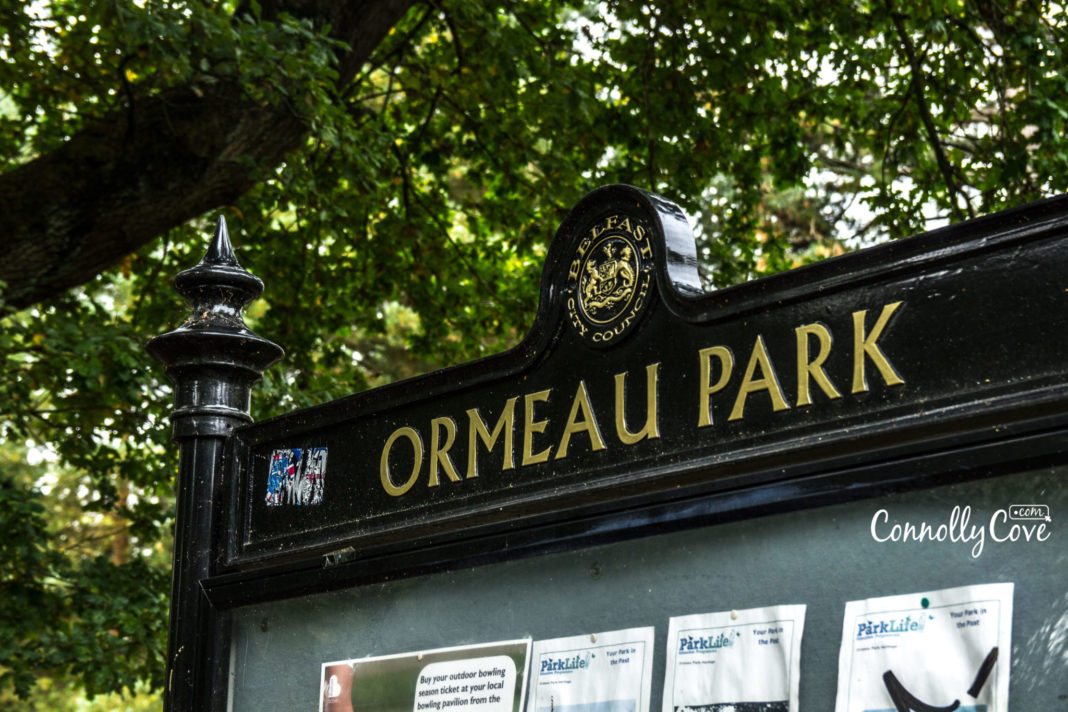
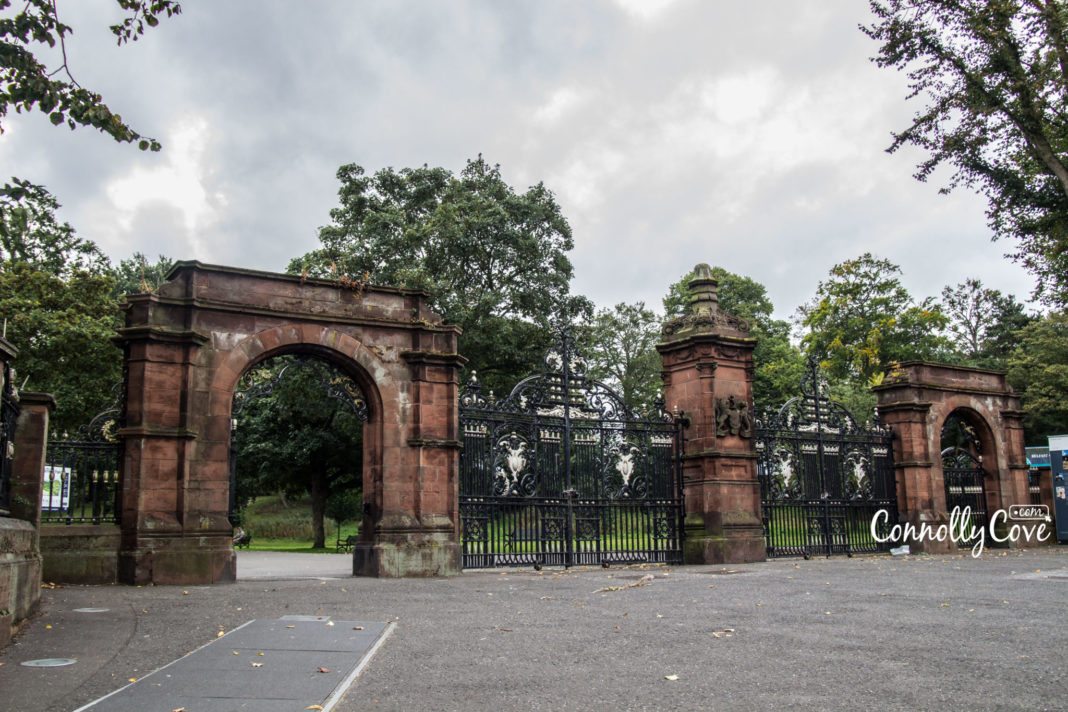
Ormeau Park boasts a rich history dating back to the 19th century. Originally part of the Donegall estate, the land was acquired by the Belfast Corporation in 1869 and subsequently transformed into a public park. Designed by Sir Charles Lanyon, a prominent architect of the Victorian era, the park’s layout reflects the prevailing trends in landscape design during that period.
Over the years, Ormeau Park has evolved to meet the community’s changing needs. It has witnessed various developments and enhancements, including the addition of sports facilities, ornamental gardens, and play areas. Despite these changes, the park has retained much of its natural charm, serving as a green oasis amidst the urban sprawl.
Natural Beauty and Landscaped Gardens
Ormeau Park is perhaps the oldest public park in the city of Belfast, Northern Ireland. It is also one of the largest and busiest parks in the city and is considered to be a popular sports venue, providing numerous facilities located in the Park Playing Fields, including soccer pitches, bowling greens and pavilions, a BMX track, in addition to basketball and tennis courts. The park also has a children’s playground.
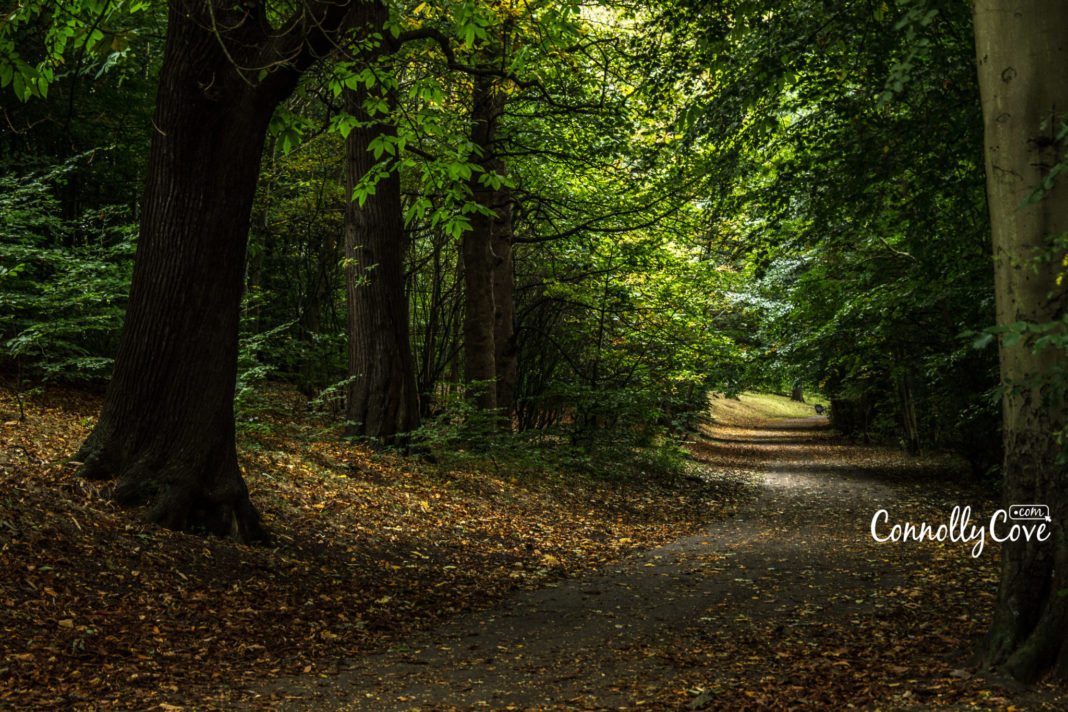
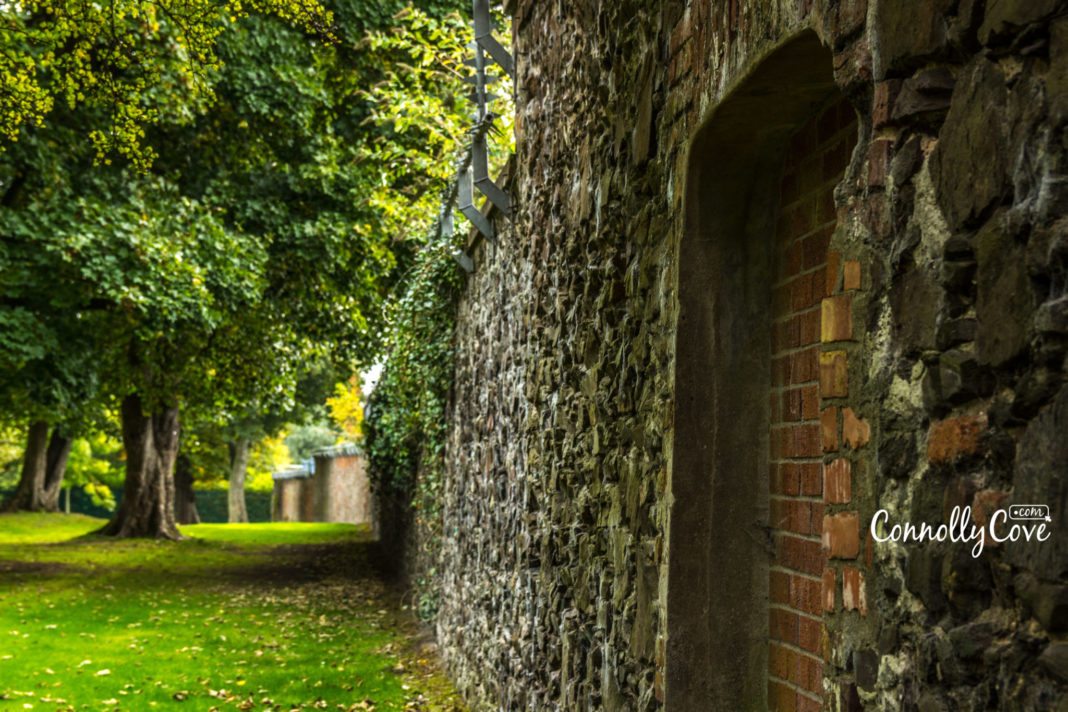
One of the defining features of Ormeau Park is its lush vegetation and meticulously landscaped gardens. Visitors meander through its winding pathways and are treated to a visual feast of vibrant flowers, towering trees, and manicured lawns. The park’s botanical diversity is awe-inspiring, with various plant species thriving in its fertile soil.
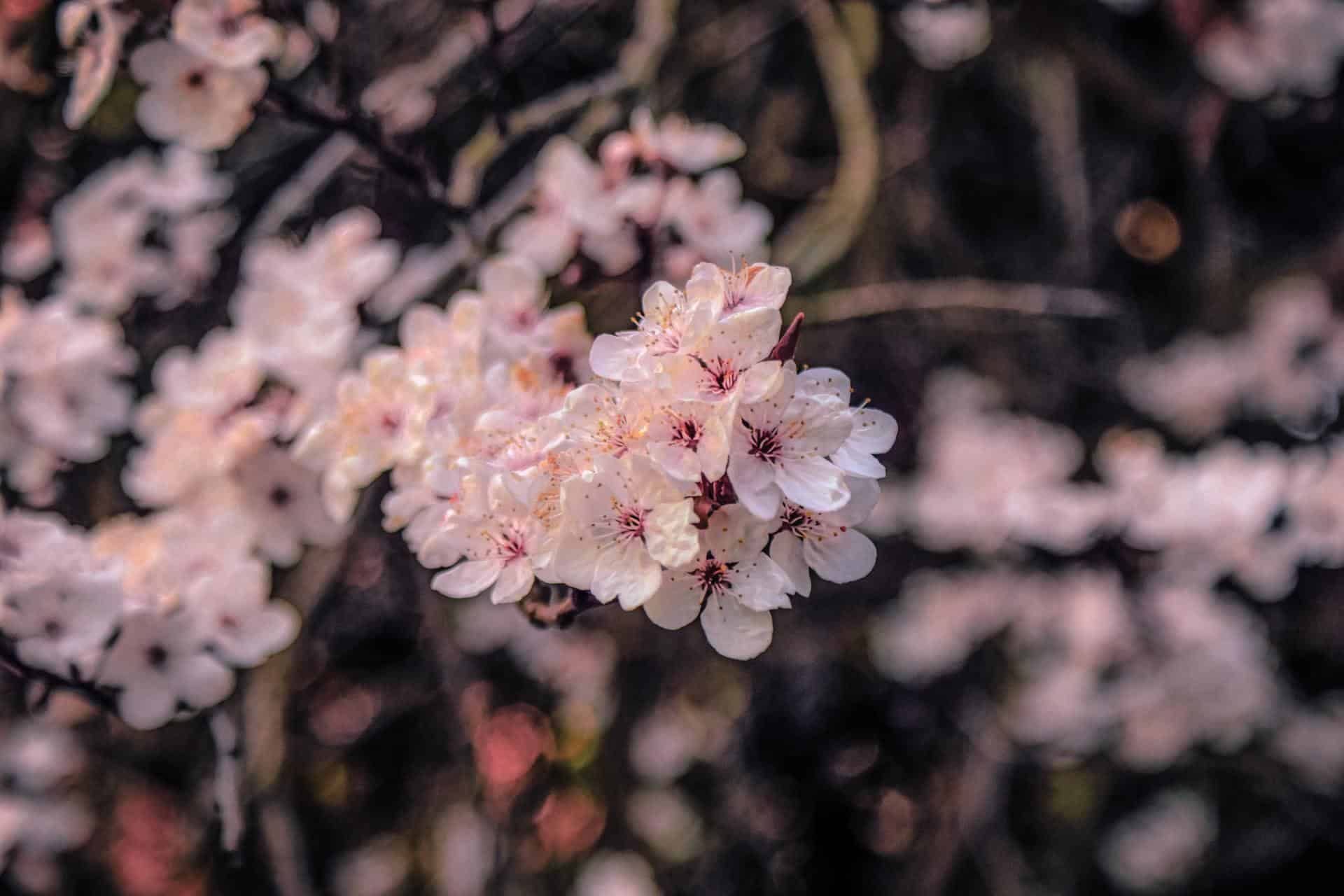
The Rose Garden stands out as a highlight, with its fragrant blooms and vibrant hues enchanting visitors during the summer months. Meanwhile, the Arboretum offers a tranquil retreat, where rare and exotic trees provide shade and shelter to those seeking refuge from the sun. From the delicate cherry blossoms of spring to the fiery foliage of autumn, Ormeau Park delights the senses year-round with its ever-changing tapestry of colours.
Recreational Facilities
In addition to its natural beauty, Ormeau Park offers many recreational activities for visitors of all ages. Sports enthusiasts can take advantage of the park’s tennis courts, bowling greens, and football pitches, which provide ample opportunities for friendly competition and exercise. Meanwhile, children can expend their energy at the playgrounds equipped with swings, slides, and climbing frames designed to spark their imagination and creativity.
For those seeking a more leisurely experience, the park offers plenty of space for picnics, strolls, and outdoor gatherings. Families and friends often gather on sunny weekends to enjoy alfresco meals or simply bask in the serenity of their surroundings. The park’s open lawns provide the perfect setting for kite flying, frisbee tossing, or a leisurely game of catch, fostering a sense of community and camaraderie among visitors.
Facilities at Ormeau Park include:
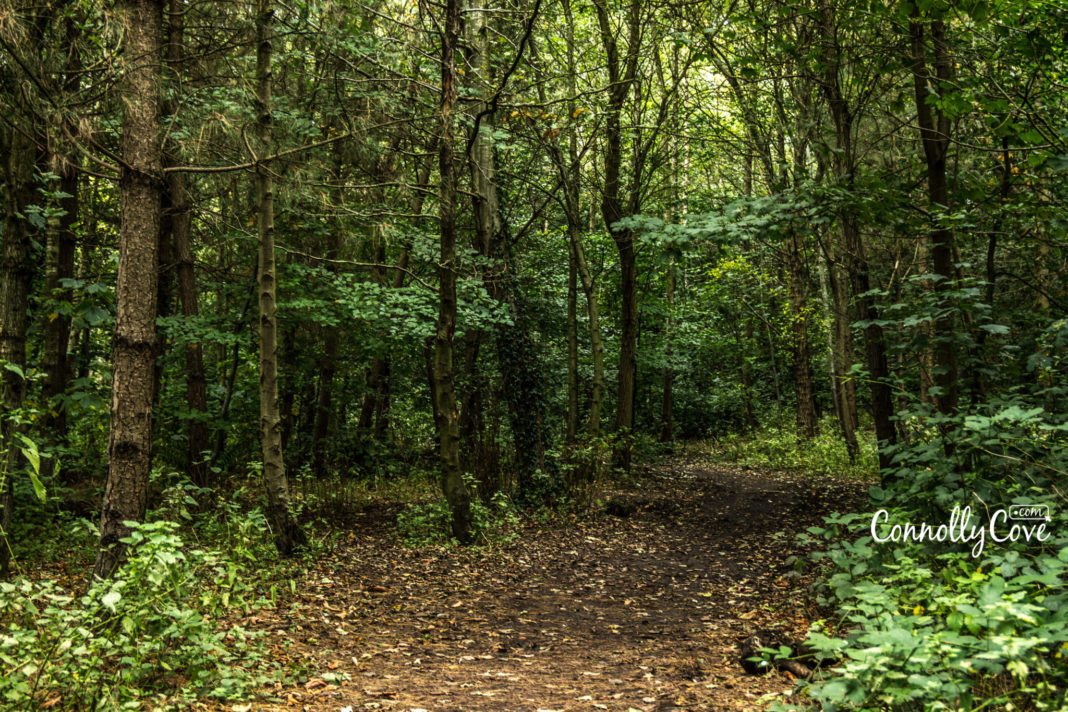
- A short nature trail
- BMX track
- Ormeau Bowling Green and Pavilion
- Soccer Pitches
- Basketball and Tennis Courts
- Indoor Tennis Courts & Ozone Complex
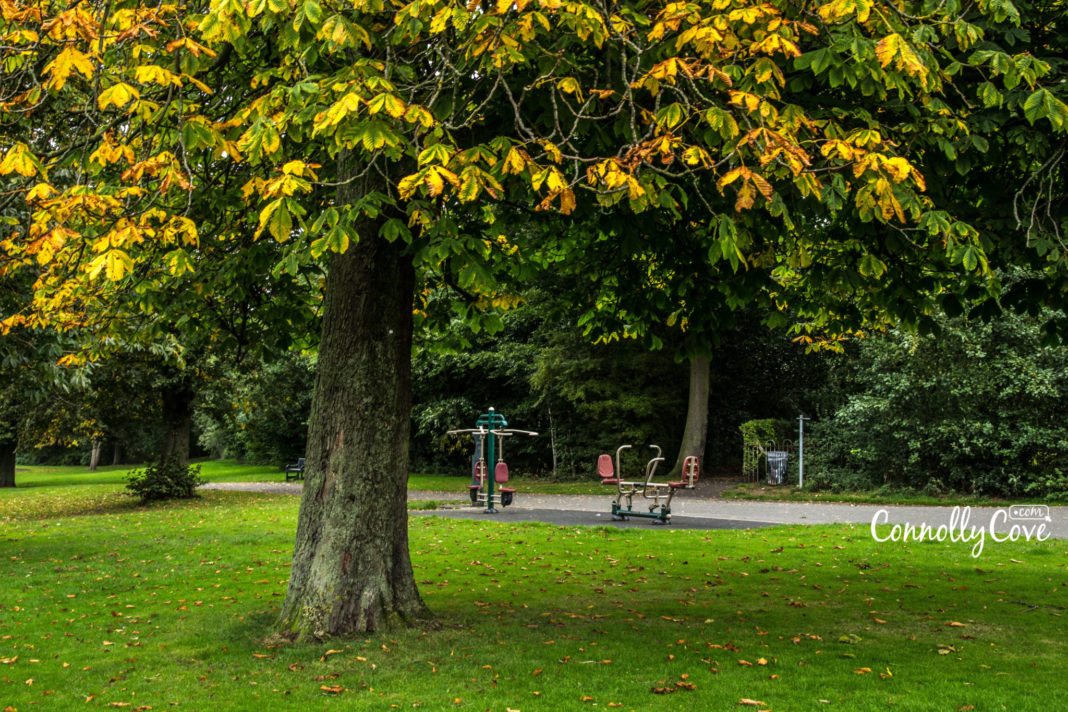
- Children’s Playgrounds & the fitness equipment that is appearing in all parks at the moment (for adults!)
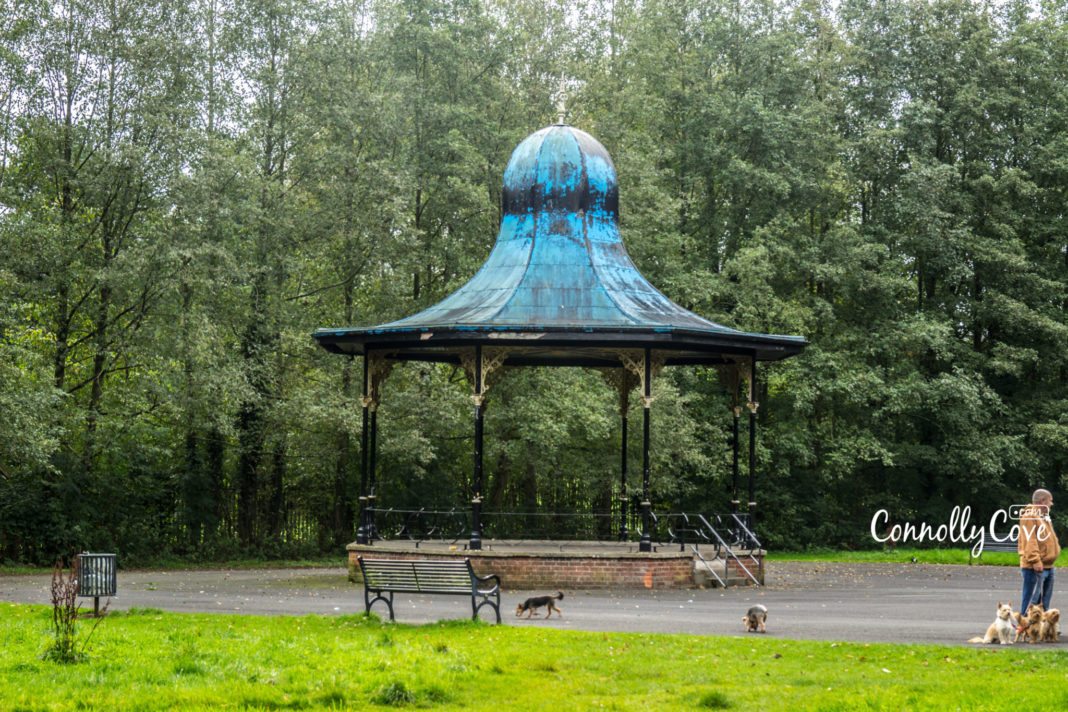
- Bandstand
- Rugby
- Ravenhill Bowling Green and Pavilion
At Ormeau Park, dogs are allowed to be walked (as with all parks in N.Ireland) as long as they are on their leads. The park is also popular among walkers and joggers alike and has a range of eco trails and orienteering routes. On a side note, there is one park in the Belfast area that has a dedicated secure area where dogs can be let off their leads and allowed to run free and safely. This is at the Grove Playing Fields – well worth a visit for any dog owner.
Cultural and Community Events
Ormeau Park is more than just a recreational space; it is also a hub of cultural and community activities. The park hosts various events and festivities yearly, celebrating the city’s rich heritage and diverse traditions. From music concerts and outdoor theatre performances to food festivals and craft markets, something is always happening at Ormeau Park to entertain and inspire.
One of the park’s most anticipated events is the annual Ormeau Park Fair, which attracts thousands of visitors with its carnival rides, live entertainment, and artisanal stalls. Families flock to the fair to enjoy the festive atmosphere and indulge in delicious treats, creating cherished memories that last a lifetime. Additionally, the park regularly hosts charity fundraisers, environmental initiatives, and educational workshops that promote community engagement and social cohesion.
Memorable Events Held at Ormeau Park
• Tennents’ Vital Festival
The park hosted the Tennents’ Vital Festival for the first time in August 2007. The festival is an annual music event in Northern Ireland. It was first held near the Botanic Gardens in 2002, then moved to Ormeau in 2007. After a three-year hiatus. The festival returned in 2011 at Ward Park in Bangor.
• Belfast Carnival Village
In June 2016, the Belfast Carnival Village was held at Ormeau, featuring arts and crafts workshops, puppet performances, food stalls, mad hatter tea parties, and orchestrated musicians for the entire family.
Preserving a Natural Legacy
As urbanization encroaches upon green spaces, preserving parks like Ormeau becomes increasingly vital. Recognizing the importance of conservation, local authorities and community groups have rallied together to safeguard the park’s natural heritage for future generations. Through initiatives such as tree planting programs, habitat restoration projects, and sustainable landscaping practices, efforts are underway to ensure that Ormeau Park remains a thriving ecosystem for years.
Moreover, ongoing maintenance and improvement works are carried out to enhance the park’s infrastructure and amenities, ensuring that it remains accessible and enjoyable for all. From accessibility ramps and seating areas to upgraded facilities and signage, these efforts aim to create a welcoming environment that caters to the community’s diverse needs.
Attractions Near Ormeau Park
Beyond the serene confines of Ormeau Park, a wealth of attractions awaits visitors eager to explore Belfast’s vibrant surroundings. Whether seeking cultural enrichment, culinary delights, or outdoor adventures, the area surrounding Ormeau Park offers an array of experiences to suit every taste. Here are just a few notable attractions located within proximity to the park:
1. Belfast Botanic Gardens: A short distance from Ormeau Park lies the Belfast Botanic Gardens, a botanical paradise bursting with exotic flora and fauna. Established in 1828, these historic gardens feature a tropical ravine, rose gardens, and a palm house, providing a tranquil escape from the urban bustle.
2. Ulster Museum: Situated within the grounds of the Botanic Gardens, the Ulster Museum offers a fascinating journey through Northern Ireland’s history, art, and natural sciences. The museum provides an enriching cultural experience for visitors of all ages with interactive exhibits, ancient artefacts, and contemporary artworks.
3. Titanic Belfast: A testament to Belfast’s maritime heritage, Titanic Belfast is an award-winning museum on the site where the RMS Titanic was built. Through immersive exhibits and interactive displays, visitors can explore the tragic story of the Titanic and learn about Belfast’s shipbuilding legacy.
4. St. George’s Market: For a taste of Belfast’s culinary scene and vibrant atmosphere, look no further than St. George’s Market. Located in the city centre, this historic market boasts diverse food stalls, artisanal crafts, and live music, making it the perfect destination for foodies and culture enthusiasts.
5. Lagan Towpath: Nature enthusiasts and outdoor adventurers will delight in exploring the scenic Lagan Towpath, which runs alongside the River Lagan near Ormeau Park. Offering picturesque views, walking and cycling trails, and abundant wildlife, the towpath provides a tranquil escape from the urban landscape.
6. The MAC (Metropolitan Arts Centre): Located in the bustling Cathedral Quarter, The MAC is Belfast’s premier arts venue, showcasing a dynamic program of theatre, music, dance, and visual arts. With its innovative exhibitions and diverse performances, The MAC offers a vibrant cultural experience for visitors to enjoy.
7. Linen Hall Library: History buffs and book lovers will want to take advantage of a visit to the Linen Hall Library, one of Belfast’s oldest cultural institutions. Founded in 1788, this renowned library houses a vast collection of books, manuscripts, and archival materials, providing a fascinating glimpse into Northern Ireland’s literary and cultural heritage.
8. Cathedral Quarter: Known for its charming cobblestone streets, historic pubs, and thriving arts scene, the Cathedral Quarter is a must-visit destination for anyone exploring Belfast. From live music venues and art galleries to trendy cafes and boutique shops, the Cathedral Quarter exudes a vibrant atmosphere that captivates visitors from near and far.
9. Victoria Square: For those searching for retail therapy, Victoria Square offers a premier shopping destination in the heart of Belfast. Home to a diverse range of shops, restaurants, and entertainment venues, including a panoramic viewing platform with stunning city views, Victoria Square promises a memorable shopping experience.
From cultural landmarks and historic sites to natural wonders and culinary delights, the attractions near Ormeau Park offer many experiences to discover and enjoy. Whether embarking on a stroll along the riverbank or immersing oneself in Belfast’s rich cultural tapestry, visitors to Ormeau Park and its surrounding area will find inspiration and delight around every corner.
Conclusion
Ormeau Park is a testament to Belfast’s enduring commitment to preserving natural spaces amidst urban development. With its lush landscapes, recreational facilities, and vibrant cultural scene, the park offers tranquillity and community spirit in the city’s heart. Whether enjoying a stroll, participating in a sporting activity, or attending a cultural event, visitors to Ormeau Park will indeed find solace and inspiration amidst its verdant surroundings. As it continues to evolve and thrive, this beloved green oasis remains a cherished asset for generations.
Explore what you are about to find 🙂
Is Ormeau Park one of your favourites in Belfast – or do you prefer a different park? Let us know in the comments below. Otherwise, you can always find the finest gardens ever in Northern Ireland. Leave a comment if you have visited any!
Other worthy park reads by ConnollyCove: Roe Valley Country Park | Sir Thomas and Lady Dixon Park | Victoria Park Belfast | Gruffalo Trail at Colin Glen Park | St. James’ Park London

A Walk in Ireland Guide: Best Trails, Routes, and Tips
Ireland
26/04/2024
An Ultimate Guide to 6 of the Finest Castle Tours in England
England
26/04/2024
Unveiling the Most Terrifying Haunted Tours in Scotland
Scotland
25/04/2024

7 Top Amusement Parks in England for an Unforgettable Adventure
England
25/04/2024

Miami Tourism Statistics: A Comprehensive Overview of Visitor Numbers and Revenue
Travel Statistics
25/04/2024