


Musée de la Vie Romantique, Paris (Complete Guide – Top 15 Tips)
Updated On: April 23, 2024 by  Aya Radwan
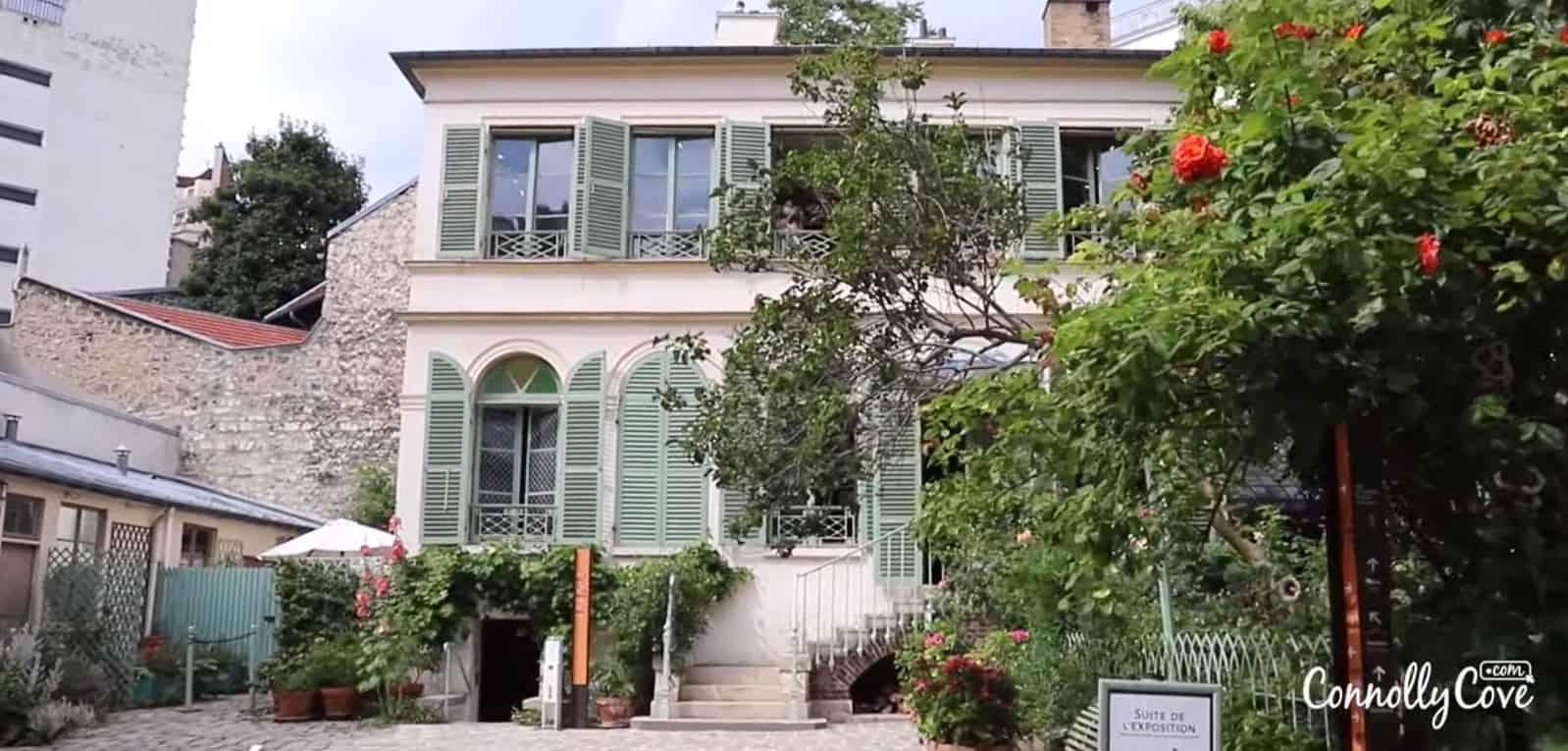
This rustic 1830 house gives all the warm vibes, with its unique location at the foot of the Montmartre Hill in Paris’ 9th arrondissement. The Musée de la Vie Romantique or the Museum of Romantic Life, is a warm, calm walk mainly through the works of the romantic literary figure George Sand and the Dutch-born painter, Ary Scheffer.
The Museum is a hidden gem that is often disregarded amid the bustling life of the French Capital. In this article, we’ll get to know a bit more about Musée de la Vie Romantique and why it should make it on your itinerary next time you’re in Paris.
We’ll talk about its history, collections, online museum and activities and some important tips to consider before visiting. The top recommendations for hotels, restaurants close to the museum and some TripAdvisor reviews of the museum as well.
History of the Musée de la Vie Romantique
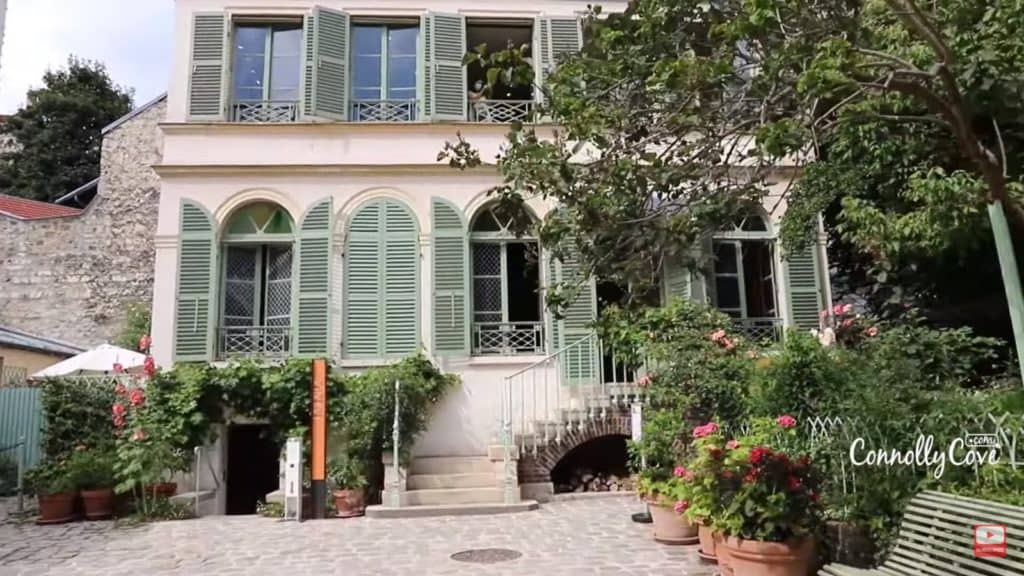
The history of the country-style mansion or hôtel particulier goes back to 1830, when it was built to become the Paris residence of the prominent Dutch-born painter Ary Scheffer. Ary was born to both artistic figures in the Dutch scene; his father Johan Bernard Scheffer was a portrait painter, and his mother, Cornelia Lamme was a portrait miniature painter.
Ary attended the Drawing Academy in Amsterdam since he was 11 years old. Following the death of his father, he moved to Lille in France, upon encouragement from renowned Dutch figure, Willem Bilderdijk. In 1811, Ary moved with his mother to Paris where he started attending the École des Beaux-Arts and became one of Pierre-Narcisse Guérin’s pupils. His brothers later followed them to Paris.
Ary’s exhibitions began in 1812 when he started to show his work at the Salon de Paris. By 1817, he was recognized and was asked, two years later, to draw a portrait of the Marquis de Lafayette. With his growing reputation and political activity, alongside his brothers, he was commissioned to be the drawing teacher of Louis Philippe I, when he was the Duke of Orleans.
After the overthrow of King Charles X following the 1830 riots, Ary rode to Louis Philippe I, alongside journalist Adolphe Thiers, asking him to lead the resistance. This eventually resulted in the crowning of Louis Philippe I as King of the French some days later.
Due to his strong ties with the new King, Ary Scheffer’s artistic career prospered greatly. Along with his younger brother Hendrik, they gave painting lessons in their workshop. So many paintings bearing Ary’s signature were produced during this period, which lasted the length of Louis Philippe I’s reign, that it is unknown how many of them were Arys himself.
Ary, along with his daughter Cornelia, regularly hosted Friday-evening salons at his house, which is currently home to the Musée de la Vie Romantique. The attendance included many prominent artistic figures, from composer Frédéric Chopin, who attended with his neighbor George Sand, to author and poet Alphonse de Lamartine. Later on, several more literary figures joined them, including the one and only, Charles Dickens.
The abdication of Louis Philippe I in 1848 and the June Uprising of the same year in Paris, Scheffer began to withdraw from political life. This resulted in his refusal to draw portraits of the new monarch, Napoleon III and his family which led to Scheffer’s fall out of favor with the new royals.
After that, Scheffer became dedicated to travels, where he frequently traveled to the Netherlands, Belgium, Germany and England. He became a French citizen in November 1850. His failing heart confined him to rest and eventually led to his death in 1858 in his summer-house in Argenteuil, in the northwestern suburbs of Paris.
Who is George Sand?
The renowned artist of her time, George Sand, whose works are also on display in the museum was more prominent in her time, even more than Victor Hugo and Honoré de Balzac in England. She was a novelist, journalist and wrote memoirs as well.
Born Amantine Lucile Aurore Dupin, her father had distant relation to Augustus II the Strong, King of Poland and elector of Saxony. She also was distantly related to King Louis Philippe, as they both shared ancestors from German and Danish ruling families. Known to her family and friends as “Aurore”, she lived most of her childhood with her grandmother in the village of Nohant in Berry, despite being born in Paris.
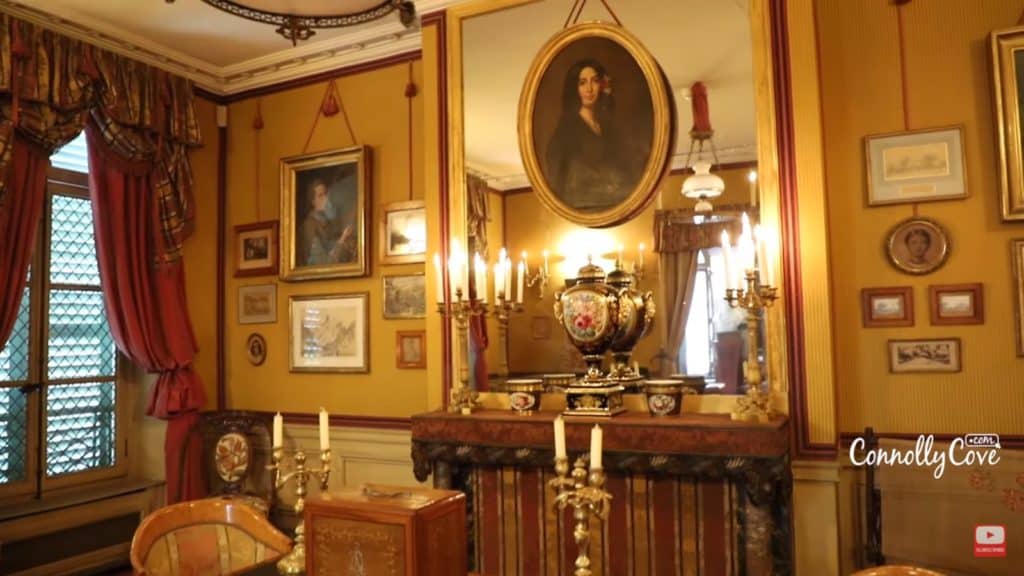
Aurore was one of many prominent 19th century women in Paris who chose to wear male attire instead of the usual noblewomen attire at the time. Back then, it was legally required for any woman who chose to dress in male clothes to obtain a legal permit. However, Sand did so without obtaining a permit and she justified her situation that such clothes were more comfortable, cheaper and gave her access to places where even women of her social status were barred.
By the age of 27, Sand was the most popular writer of her time in Europe, a fame that continued long after her death. She was so popular that four separate editions of her complete works were published during her lifetime. Sand’s writings often drew inspirations from her own experiences such as her pastoral novels, La Mare au Diable based on her childhood in the countryside and “A Winter in Majorca” describing the time she spent on the island with Frederic Chopin.
In addition to her literary side, Sand was also politically active where she wrote literary criticism and political texts. Her allegiance changed from siding with the poor to becoming a complete republican following the 1848 Revolution. She died at the age of 71, in 1876 in the village of Nohant, near Châteauroux and was buried in the private graveyard behind the chapel at Nohant-Vic.
George Sand attended literary evenings at the Ary Scheffer hôtel particulier with her neighbor, composer Frédéric Chopin. The mansion remained in the family of Scheffer long after his death, until it became a museum in 1982, with the name “Musée Renan-Scheffer”. This museum joins two other museums in Paris in being Paris’ literary museums. The two museums being “Maison de Balzac” and “Maison de Victor Hugo”.
Jacques Garcia, a French architect, undertook a massive restoration project on the building, under the direction of Anne-Marie de Brem. Reopened in 1987 as the Musée de la Vie Romantique, the new museum lived its golden years under the direction of Daniel Marchesseau for 13 years, starting from November 1998.
Marchesseau organized a series of exhibitions and acquisitions, that led to a significant increase in the number of visitors to the museum. Daniel Marchesseau retired from his position in the winter of 2013 and the new director and successor, Jérôme Farigoule, was appointed right away.
Since 2013, the Musée de la Vie Romantique has been incorporated in the public institution of the City of Paris Museums. The institution includes, besides the Museum of Romantic Life, 13 other museums in the city of Paris.
Collections of the Musée de la Vie Romantique
The Museum of Romantic Life is divided into two studios. In addition to a greenhouse, a paved courtyard and a small garden. The first floor of the museum displays several mementos and personal belongings of the Romanticism figure George Sand. These include family portraits, jewelry, memorabilia, some of her rare watercolors and even some household possessions. As well are plaster casts of Sand’s sensuous right arm and of Chopin’s delicate left hand.
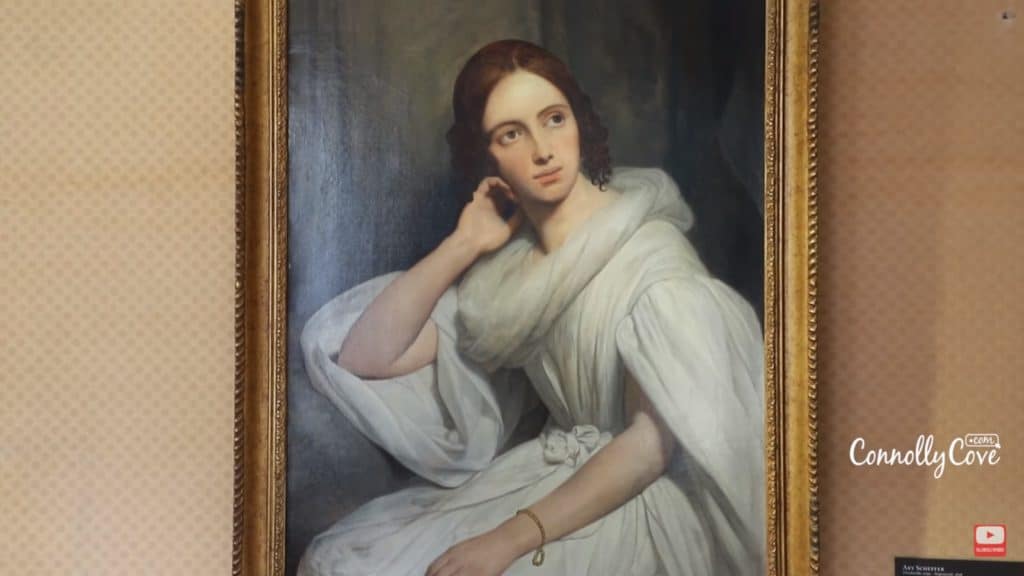
The second floor there are works of several artists, most prominent works by Ary Scheffer, such as a portrait of the famous singer Pauline Viardot and Princesse Marie d’Orléans. There are works by other contemporary artists such as François Bouchot, François Debon and Camille Roqueplan. Sculptures by famous artists such Barre, Dantan and Bartholdi.
Tips about Musée de la Vie Romantique
There are several things to put in mind when visiting the Museum of Romantic Life. These being as follows:
- Access to the museum is granted after presenting a vaccination pass for those over 16 years old and a health pass for those aged from 12 to 15 years old. This is in accordance with regulations in force in France to combat the Covid-19 pandemic.
- The museum has permanent exhibitions and temporary ones.
- Admission is free to the permanent exhibitions.
- The upcoming exhibition in the permanent studio is “Romantic Heroines”, on April 6th, 2022.
- Admission to the permanent exhibitions can sometimes be subject to charges, if a temporary exhibition is taking place and occupies the rooms of the permanent exhibitions as well.
- You can buy a donation ticket as a form of support to the museum.
- Admission to the temporary exhibition is available after buying a ticket.
- Ticket price to the temporary exhibition varies according to the exhibition.
- It is preferable to reserve your ticket to temporary exhibition online, through the museum’s official website.
- Musée de la Vie Romantique is open every day from 10:00 am to 6:00 pm.
- The museum closes on Mondays and official holidays of January 1st, May 1st and December 25th.
- In-house ticket office closes at 5:45 pm.
- Last access to the museum is at 5:45 pm.
- All exhibition halls, except for the main pavilion, are easily accessible to people with reduced mobility through the installment of an elevator.
- There are digital devices giving virtual tours available upon request.
When is access to the Temporary Exhibitions free?
There are several cases when entry to temporary exhibitions of the museum is free of charge. These being as follows:
- Access to temporary exhibitions is free for visitors with hearing disabilities, as well as for their companion, upon presentation of proof.
In this regard, the museum offers tours with sign language and lip-reading.
- Access to temporary exhibitions is also free for blind or visually impaired visitors as well as their companion, upon presentation of proof.
In this regard, guide dogs are allowed entrance to the museum and there’s a Braille guide is available at the museum reception.
- Visitors with reduced mobility are granted free access to the museum’s temporary exhibitions. They also have priority when heading to the ticket desk, as well as the person accompanying them.
In this regard, the main exhibition rooms are accessible through staircases, which isn’t suitable for access by visitors with reduced mobility. In compensation, a free-of-charge digital device is offered at the ticket desk that offers a virtual tour of the rooms’ exhibitions.
Access to the temporary exhibition though, is easier, and the temporary exhibition hall installed in the basement is equipped with an elevator to facilitate mobility. Loan of a wheelchair is also available at the front ticket desk.
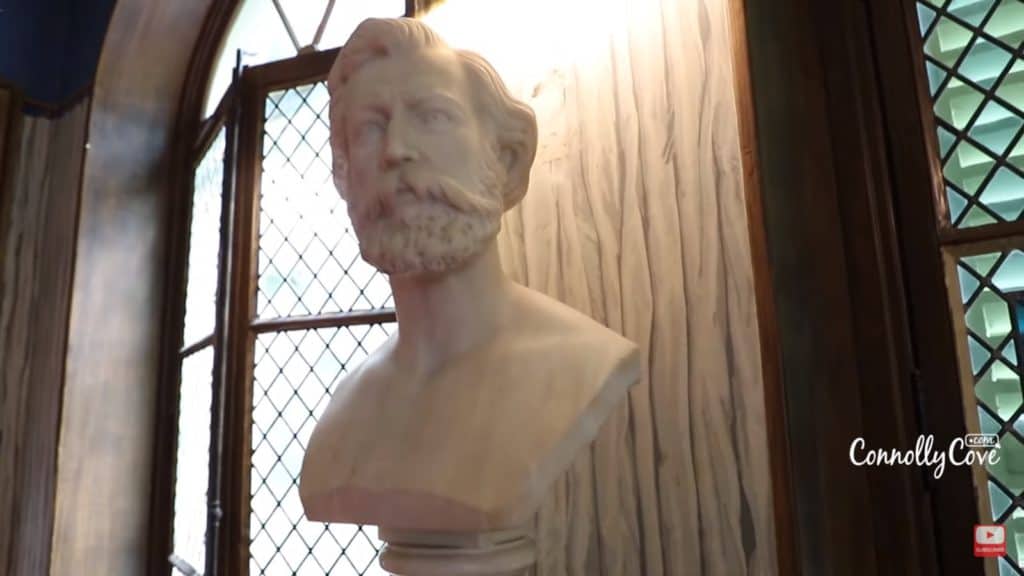
Musée de la Vie Romantique Guided Tours
The Museum of Romantic Life offers guided tours for adults, families and also for children.
Guided Tours for Adults
The guided tours available for adults at the museum are:
- Discovery of the Museum of Romantic Life:
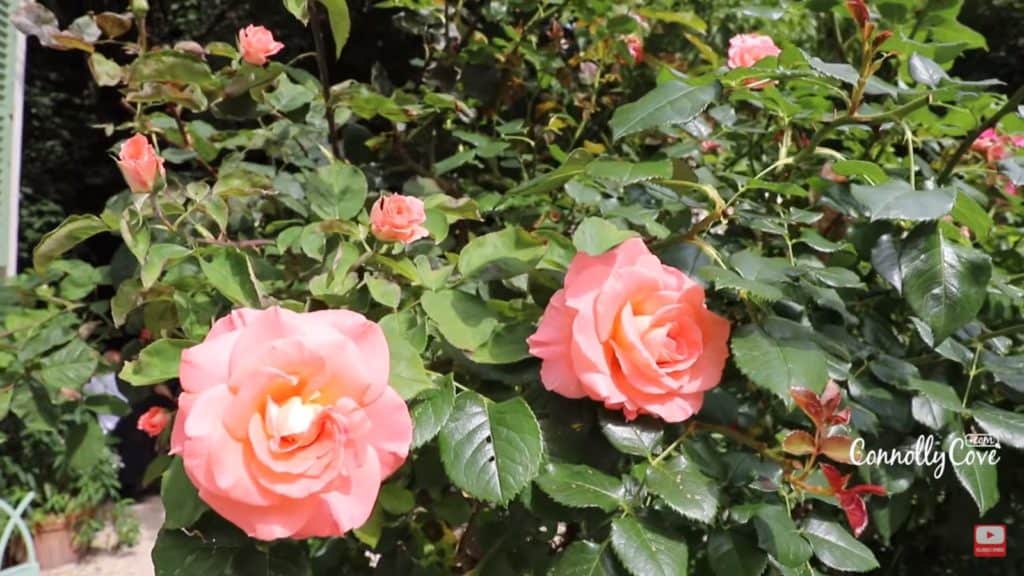
Guided by one of the museum’s lecturers, you are introduced to the museum first through its beautiful garden of roses and lilacs. They would introduce you to the collections of the museum afterwards, which are divided mainly between two studios. The works of the dreamy Ary Scheffer and some of the personal belongings of the Romanticism era literary figure, George Sand.
The tour takes place on Saturdays at 2:00 pm and lasts for an hour and a half. The full price of this tour is 7 Euros and the reduced rate is 5 Euros. It’s preferable to check the dates available online and book your ticket accordingly.
- Women Artists in the 19th Century:
Taking place on Tuesdays at 2:00pm, for a duration of an hour and a half, you are invited to find out more about female artists in the 19th century. Some light is also shed on the works of Amantine Lucile Aurore Dupin, or as she is commonly known, George Sand. The ticket price for the tour is 7 Euros with a reduced rate of 5 Euros.
- Dialogue between the Arts:
Held on Tuesdays at 2:00 pm for an hour and a half, is an intriguing dialogue between the different art styles on display in the museum. Even though the museum represents Romanticism, every artist has their own unique style in expressing their views. This artistic discussion will definitely interest you.
Guided Tours for Families
These are the guided tours offered for families at the museum:
- The museum under the Magnifying Glass:
This tour is a fun and interesting family quest; you are given a map with numerous works displayed on it and you are asked to search for them through the museum. You are also accompanied with a speaker who tells you the stories of these paintings you’re searching for.
Families partaking with their children should take into consideration this tour is available for children ages 7 and up. The tour is available on Saturdays, either at 11:00 am or 4:00 pm for an hour and a half. Make sure to check available dates online and book your ticket accordingly. The tour is for 7 Euros and its reduced rate is 5 Euros.
- The Story Box:
An entertaining “Once upon a time…” family visit. With inspiration drawn from the different portraits, painting, jewelry and other different items on display, the storyteller in the tour weaves a wondrous story for the visitors.
Since children are also included in this tour, it is primarily on Sundays at 4:00 pm and Wednesdays on school holidays. The duration of the tour is an hour, thirty minutes. Check your tickets online and book them on the official website of the museum, the main ticket price is 7 Euros and the reduced price is 5 Euros.
- In the Artist’s Studio:
Families and their children starting at age 7, are invited to discover the materials used in painting from 200 years ago. Such as materials ground to produce natural pigments and colors.
This family discovery visit is for the duration of an hour and a half. However, no schedule has been announced yet for 2022.
Guided Tours for Children
There are three guided tours available for children at the museum. These being as follows:
- Paper Princes and Princesses:
After their tour through the museum, the children join an origami class where they learn how to make different costumes worn by the various princes and princesses of fairytales. The tour is available for children aged 8 and up with the reduced price ticket of 5 Euros and is conducted on Saturdays for an hour and a half, starting from 4:00 pm.
- Flower Notebook:
A lovely souvenir notebook made by the children by looking for and drawing inspiration from flowers in the museum. They are also encouraged to find inspiration in George Sand’s tales chosen carefully by the storyteller.
Available for ages 6 and up, the tour takes place on Saturdays at 4:00 pm and on Thursdays during school holidays, for the duration of an hour and a half. The workshop is available for 5 Euros.
- Draw your Portrait at the Museum:
The children are encouraged to draw pencil portraits of one of their classmate, drawing inspiration from the works of the famous painter Ary Scheffer, who once lived in this house. This guided tour is available for children ages 8 and up and takes place on Saturdays at 4:00 pm and Wednesdays during school holidays. The tour has the scheduled time of an hour, thirty minutes for 5 Euros.
The Online Museum of Musée de la Vie Romantique
A very handy feature of the Museum of Romantic Life, is giving you the chance to enjoy the different aspects of the museum, at the comfort of your home. This feature is also very useful during the time of lockdown due to the Covid-19 pandemic.
There are some creative activities made available through the museum’s online website. These being as follows:
- Draw, Color and Reinvent the Museum of Romantic Life:
Using a template available on the museum’s website, you and your children can color the design of the museum. The museum encourages you to send them the artwork on their official e-mail.
- Tutorial to Create a Pocket Theater using the Museum’s Collections:
With the help of a pair of scissors, markers, papers, a printer and you’re all set to create your own pocket theater. You can seek inspiration from the works of the museum, act out scenes from these works and fill your pocket theater book with them. A tutorial is also available on the activity’s page on the website.
- A Game Booklet to Discover the Museum while Having Fun:
The booklet is available for download on the online museum’s page. It is a good opportunity to have some fun while admiring the beautiful works on display in the museum. Some pictures in the booklet are clickable which will give you access to information and reproductions of the works.
- Visit the Museum using Museosphere, an Online Application Created for Them:
Using this application created specifically for the exploration of the Museum of Romantic Life, an interactive and entertaining experience that your children will definitely love.
- Second Canvas Application:
You can download this application on either IOS or Android, to enjoy the collections of the museum in a very high definition experience. This application allows you to admire the smaller details in the paintings in the museum, from the delicate touch of a brush to a piece of jewelry worn by one of the characters.
In addition to the collections of the Musée de la Vie Romantique on the application, the collections of the other member museums in the Museums of the City of Paris Institution are also available on the application.
- Virtually Discover the Museum through 360 degrees photos:
Several photos are available on the website, taken back in 2015, using the 360 degrees angle technique. You can discover different parts of the museum through these high definition images.
- Relive all our Past Temporary Exhibitions:
Many of the past temporary exhibitions that took place at the museum are available on the museum’s online museum page. The editions available start from 2015 up to the last temporary exhibition that took place in 2021.
- All Our Focus Works:
Waltz through four main collections of the museum artwork available at this online activity. The collections available are Fine Arts, Graphic Arts, Memorabilia and Archives.
- Podcasts “Speakers have the Floor”:
In this series, the speakers of the museum introduce to you their favorite pieces from the museum’s collections.
- The Collections of the Museum of Romantic Life as part of the Museums of the City of Paris Institution:
As I mentioned before, the Musée de la Vie Romantique is part of the Museums of the City of Paris Institution since 2013. The works of the museum are available on the institution’s website.
Another interesting online museum in Paris to check out, is the Musée d’Orsay!
Workshops offered by Musée de la Vie Romantique
There are multiple workshops offered by the museum for adults as well as workshops for children.
Workshops for Adults
The four workshops offered for adults are:
- Drawing the Sculpture:
Seeking inspiration from the sculptures on display in the museum, using different drawing materials; charcoal, pencil or pastel, you learn about the different drawing techniques.
The upcoming workshop is scheduled on February 11th, starting at 2:00 pm for three hours.
- Drawing in front of the Works:
Fancy trying your hands at creating a similar masterpiece to one on display in the museum?
Then this workshop is for you! Taking your position amid the beautiful masterpieces in the museum, you are equipped with the necessary materials and guidelines from the instructor. Then you give recreating the beauty in front you a try.
The upcoming dates for this workshop are as follows: Friday March 18th at 2:00pm and 3:45 pm, and Friday April 22nd at 2:00 pm and 3:45 pm. The duration of this workshop is one hour, thirty minutes.
- Pastel Portrait in the Museum:
Drawing inspiration from the portraits and paintings on display in the museum, in this workshop you are guided through the practice of using pastel colors.
The last workshop of Pastel Portrait in the Museum took place on January 14th, 2022, for the duration of three hours. More dates will be available online soon.
- Watercolor Landscape:
With the use of watercolors, you are guided through creating a beautiful landscape, drawing inspiration from the landscapes in the displayed works in the museum.
This workshop usually took place at 2:00 pm on Fridays, for the duration of three hours. So far, no date has been scheduled in 2022.
It’s worth noting that if you’re taking part in any of the above workshops, all the materials are available at the workshop room. You don’t even need to be a master painter, just have the spirit to try!
Workshops for Children
The workshop available for children at the museum is My Pop-Up Museum. The workshop gives children the unique opportunity to create their own pop-up museums, using materials that are miniatures of the décor and works displayed at the museum. The workshop is available for kids starting from age 8, on Tuesdays at 2:00 pm and runs for the duration of an hour and a half.
The My Pop-Up Museum workshop updated schedule for 2022 hasn’t been announced yet.
Top Hotels near Musée de la Vie Romantique
There are many hotels in the area round the Musée de la Vie Romantique. These are of the top rated ones.
- R. Kipling by HappyCulture (65, rue Blanche, 9th arr., 75009 Paris):
In close proximity of many of the 9th arrondissement landmarks, this is a Travel Sustainable Property by the HappyCulture Hotel groups. Asian decorative elements in every hotel room gives it a modern feel. The hotel is close to the Moulin Rouge and the Sacré-Coeur Basilica is nearby as well.
A Standard Double or Twin Room, with your own selection of beds; two twin beds or one queen bed, for a two-night stay, will be 318 Euros including taxes and charges. If you’d like to enjoy their good continental breakfast, you can pay an additional sum of 14 Euros. This offer includes free cancelation and the option of payment at the property.
- Hôtel Joséphine by Happyculture (67 rue Blanche, 9th arr., 75009 Paris):
Another top rated hotel is Hôtel Joséphine, it is also a Travel Sustainable Property. The elegantly decorated rooms in the hotel reflect the person after whom the property was named; artist Joséphine Baker. You will also be close to the Moulin Rouge and the Sacré-Coeur Basilica.
The hotel is complete with a bar, a library and a relaxing lounge area. A two-night stay in their Standard Double or Twin Room with a queen bed, will be 245 Euros plus taxes and charges. This offer includes free cancelation and payment at the property. However, it doesn’t include their buffet breakfast, an additional 14 Euros must be paid for that.
Top Restaurants near Musée de la Vie Romantique
- Flesh Restaurant Pigalle et Canal St. Martin (25 rue de Douai, 75009 Paris France):
Number 33 on the Restaurant list on TripAdvisor, Flesh present Barbecue, European cuisine in addition to Gluten free options. Many of the reviewers recommend you try the Ribs at Flesh, some even saying they present the best-cooked ribs in Paris. Their other signature must-try is the garlic fries, perfect to compliment any dish you order or even for snacking.
- Gegeor (1 rue Moncey, 75009 Paris France):
French, European and even Vegetarian friendly! This is just what you need after taking your time around the 9th arrondissement and the Saint Georges district. Ranked at number 80 of Restaurants in Paris on TripAdvisor, you should definitely try their cheese charcuterie board and perhaps the Chicken Supreme as well. With a price range between 6 Euros to 27 Euros, you’re guaranteed a delicious meal in a warm atmosphere.
- Oinari Paris (34 rue la Bruyere, 75009 Paris France):
If you fancy a taste of Japan in the middle of Paris, Oinari is the place to go for sure. One TripAdvisor reviewer described the place as being a restaurant during the day and transforming into a Sake Bar and Japanese Tapas at night. Their menu ranges between 10 Euros to 50 Euros and they have Vegetarian friendly and Vegan options.
TripAdvisor Reviews of Musée de la Vie Romantique
In general, reviews have differed regarding the visit to the Museum of Romantic Life. However, all reviews agree that this is the museum to visit if you fancy some quiet time among beauty. The calming romantic aesthetic of the displayed works, helps put you in a good mood.
Of course, if you’re an art lover, you cannot miss this museum. I mean, the opportunity to admire some of the beautiful and prominent works from the Era of Romanticism, is offered for free!
One reviewer stated that the most enjoyable part of their visit was actually admiring the house itself. Since the building is a typical style of the 19th century era in Paris, most of the similar houses around Paris were torn down to make way for modern buildings.
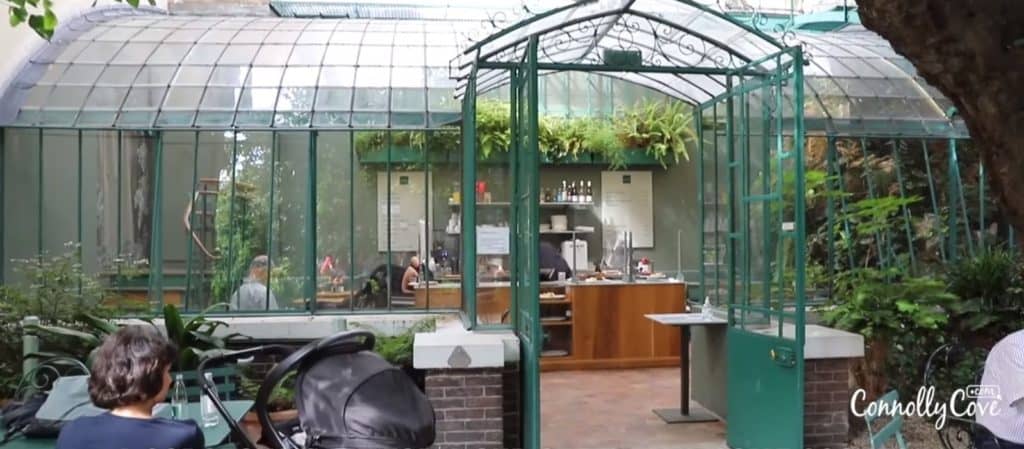
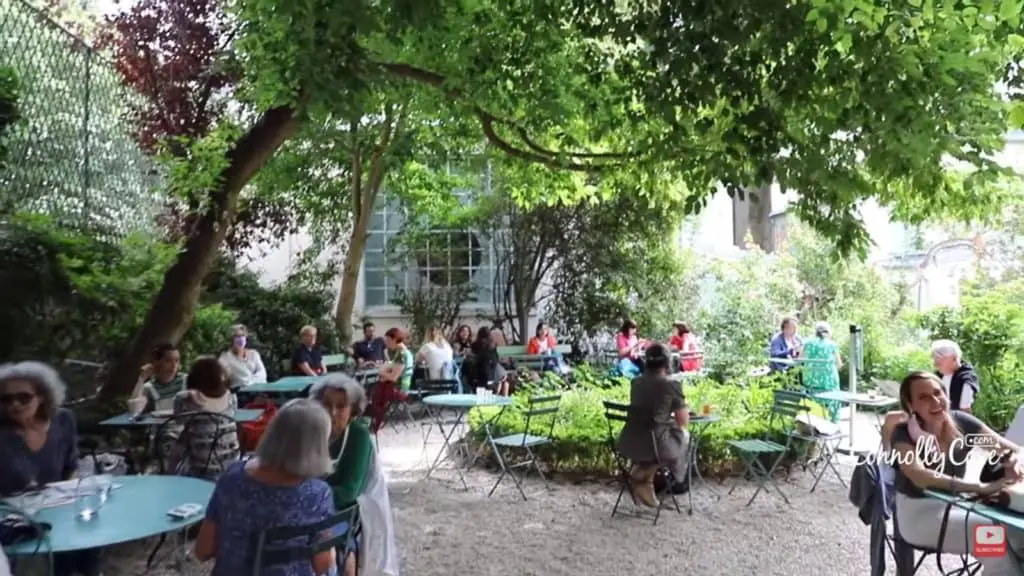
The tea room by the mansion is a nice place to enjoy something warm to drink with a small bite, all while soaking in the atmosphere for the place.
Another reviewer recommends getting the audio guide at the museum. They said it helped them understand more about the place and the pieces on display.
So, how about a visit to Musée de la Vie Romantique next time you’re in the City of Love?
Do cinematic museums interest you? The Cinémathèque Française, another interesting museum in Paris, is a must-check!

A Walk in Ireland Guide: Best Trails, Routes, and Tips
Ireland
26/04/2024

An Ultimate Guide to 6 of the Finest Castle Tours in England
England
26/04/2024

Unveiling the Most Terrifying Haunted Tours in Scotland
Scotland
25/04/2024

7 Top Amusement Parks in England for an Unforgettable Adventure
England
25/04/2024

Miami Tourism Statistics: A Comprehensive Overview of Visitor Numbers and Revenue
Travel Statistics
25/04/2024