


Timeless Arthurian Tales: A Guide to 15 Legendary Knights of the Round Table
Updated On: January 26, 2024 by  Raghda Elsabbagh
Death is welcome when it comes; but to yield—never!
King Arthur
Delving into the grand tales of King Arthur and his Knights of the Round Table can often feel like a colossal task, even for seasoned history aficionados. The captivating allure of these ancient Arthurian narratives—of brave knights interspersed with chivalrous deeds whispered around crackling fires—is simply spellbinding. Allow this humble blog post to guide you through each significant Knight of the Round Table. Prepare yourself for an exhilarating journey back to the fabled halls of Camelot!
Who Are the Knights of the Round Table?
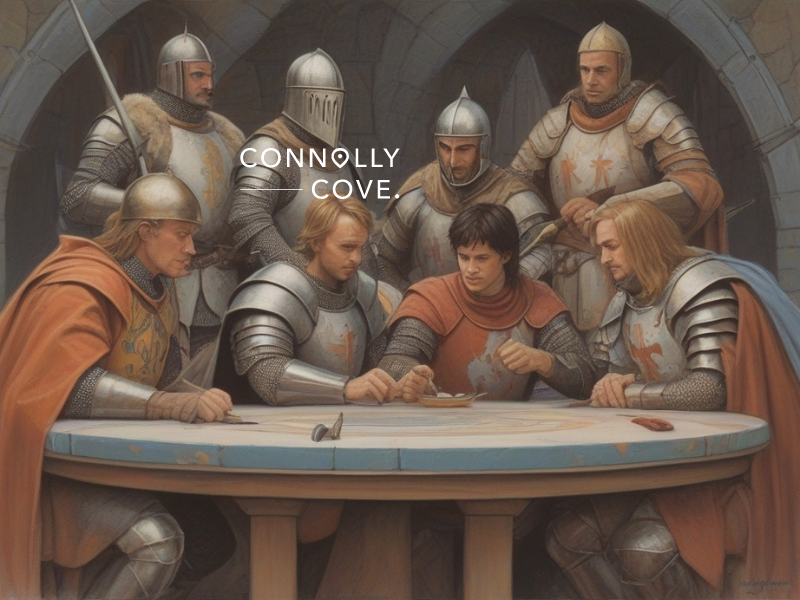
The Knights of the Round Table are legendary characters in the Arthurian legends, and they were said to be the most esteemed and virtuous knights in the court of King Arthur. The concept of the Round Table itself is often associated with ideals of equality and unity among the knights, as there was no head or foot on the table, symbolising that all were equal in status.
The knights were known for their bravery, chivalry, and commitment to upholding justice. The most famous stories about the Knights of the Round Table come from various medieval romances. Sir Thomas Malory’s Le Morte d’Arthur is one of the most influential compilations.
King Arthur
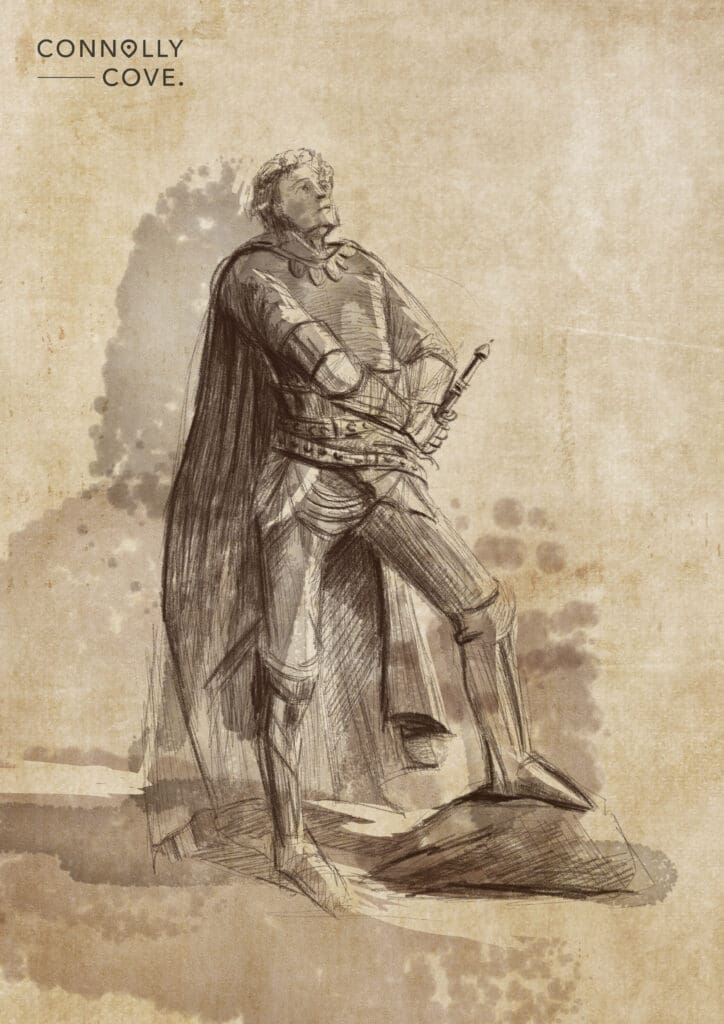
King Arthur is a big name in medieval European literature and folklore. He is often depicted as a wise and just king who held up light against darkness and good against evil. In the late 5th and early 6th centuries, he led Britain’s defence against the Saxon invaders. The stories about King Arthur and his knights are collectively known as the Arthurian legends.
These legends include tales of the Knights of the Round Table, the quest for the Holy Grail, and the tragic love story of Arthur, Guinevere, and Lancelot. His sword, called Excalibur, is famous in these stories too.
The historicity of King Arthur is debatable among scholars. It’s unsure if he was real or not, and there is no definitive historical evidence to confirm his existence. While some believe that there might have been a historical figure who inspired the legend, others argue that King Arthur is purely a mythical character. Regardless of the historical reality, what matters is how he makes us feel when we hear his tales. Stories of this great king and knights are still liked by many people worldwide today!
Arthurian Landmarks Associated with King Arthur and His Knights of the Round Table
Let’s start by exploring some mythical landmarks and quests that are forever associated with the brave King Arthur and his fabulous Knights of the Round Table.
Camelot
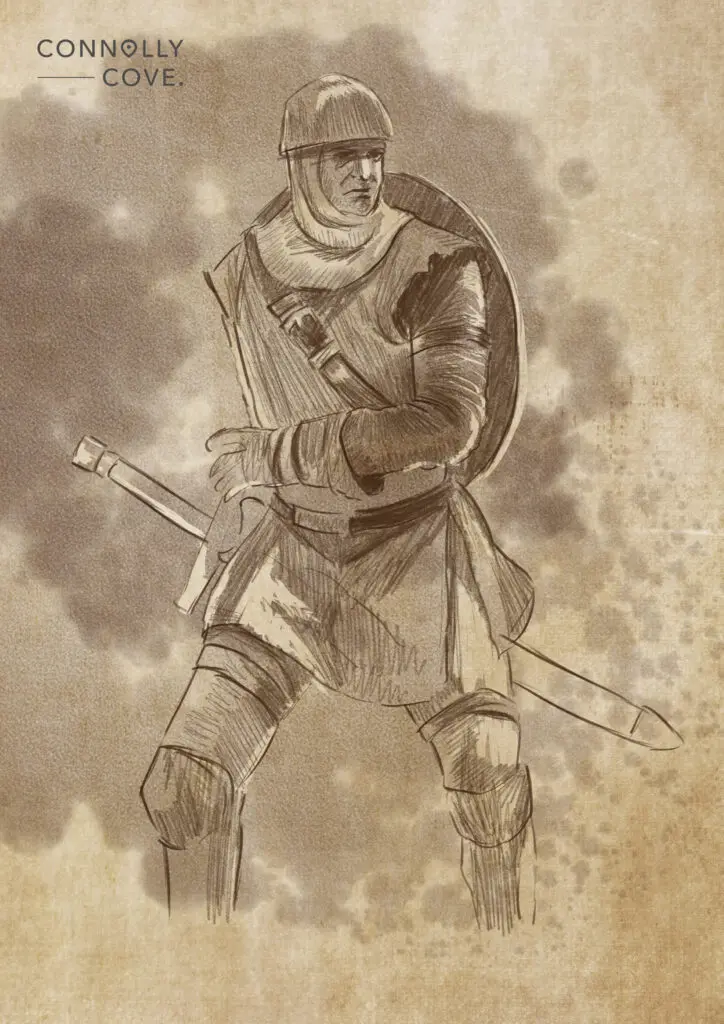
Camelot is a legendary place associated with King Arthur and his esteemed Knights of the Round Table. It is often depicted as a magnificent castle where Arthur ruled his kingdom. People are fascinated by Camelot because it represents an idealistic and chivalrous society.
In Arthurian legends, Camelot is a place of grandeur and splendour, where knights were brave, noble, and honourable. This mythical city has captured the imagination of many throughout history, inspiring stories of adventure, romance, and heroism. While the exact location of Camelot remains a mystery, its significance as a symbol of Arthurian legend continues to endure in literature, art, and popular culture.
The Sword in the Stone
The Sword in the Stone is a well-known part of the Arthurian legends. It tells the story of how King Arthur, as a young boy, was able to pull a magical sword, Excalibur, from a stone and become the rightful king of England.
The legend goes that only the true king could remove the sword from its stone. Many tried but failed until Arthur succeeded. This event solidified his destiny as the chosen ruler. It marked him as one of the greatest kings in British history. The story symbolises strength, bravery, and destiny and has captured our imagination for centuries.
The Holy Grail
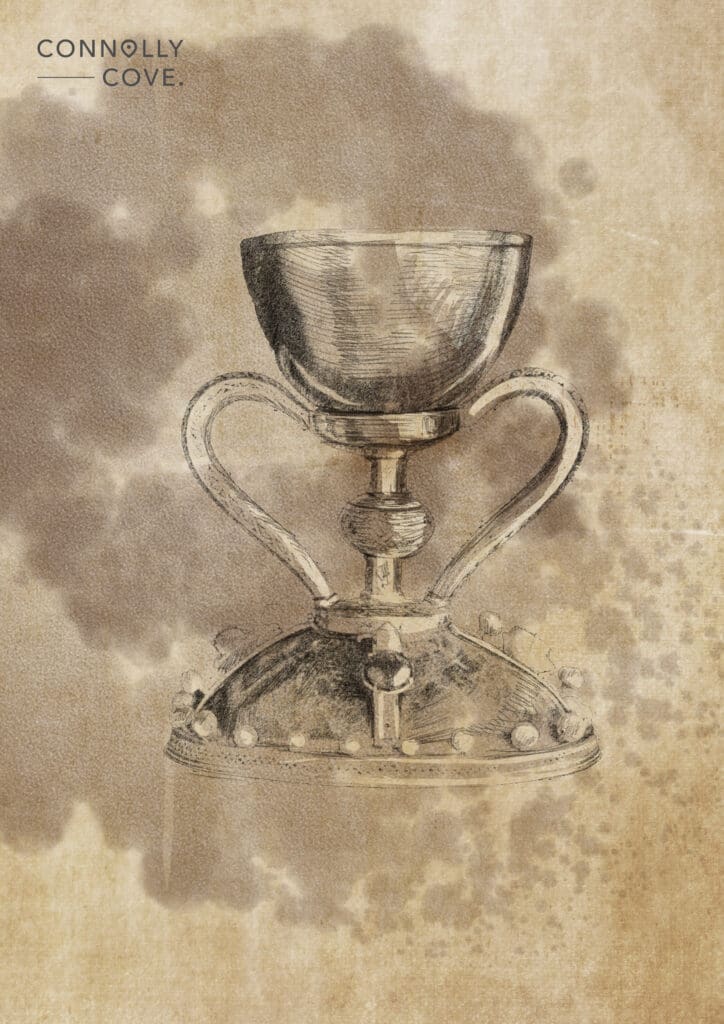
The Holy Grail is a legendary and sacred object in Arthurian legend and Christian mythology. It is often depicted as a mysterious and holy artefact, sometimes described as a cup or chalice with miraculous powers, including the ability to heal and provide spiritual enlightenment. In medieval Christian literature, the Grail is often linked to the Last Supper of Jesus Christ, with legends suggesting that Joseph of Arimathea used the Grail to collect Christ’s blood at the crucifixion.
The Holy Grail is most famously associated with the quest undertaken by King Arthur’s knights, particularly Sir Galahad, Sir Percival, and Sir Bors. In the Arthurian legends, the quest for the Holy Grail represents the pinnacle of spiritual and heroic endeavours as the knights embark on a sacred journey to find this revered artefact, often encountering moral challenges and mystical adventures along the way.
Notable Knights of the Round Table
The legendary Knights of the Round Table were a group of warriors led by King Arthur who embarked on numerous quests and adventures.
Sir Lancelot
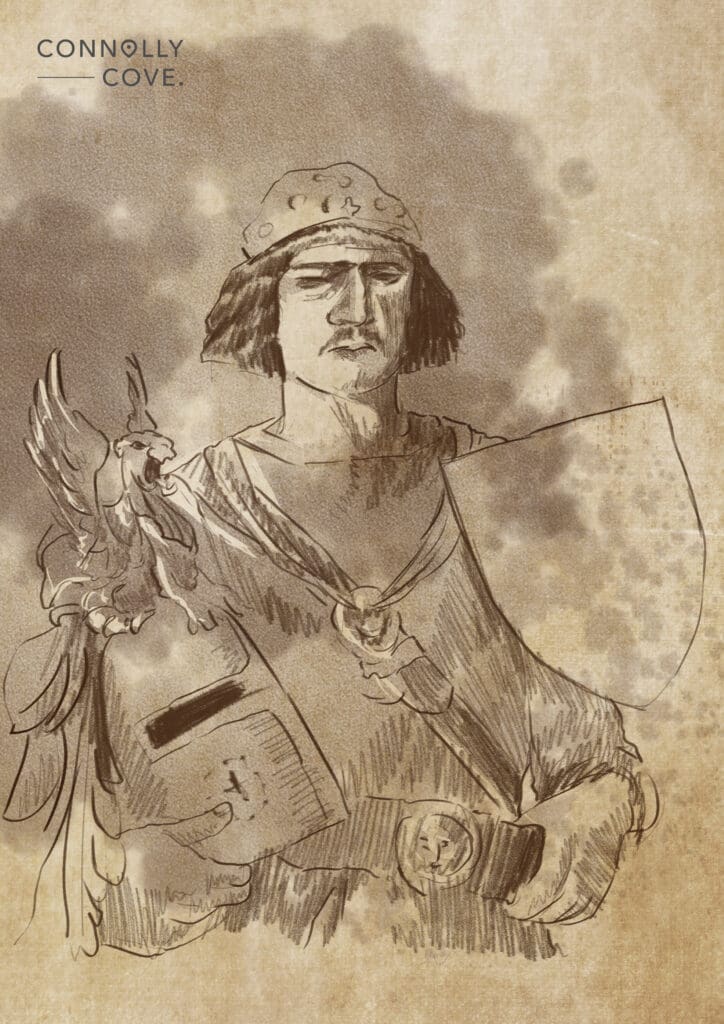
Sir Lancelot is one of the most famous and revered Knights of the Round Table. He is known for his exceptional skill in combat and unwavering loyalty to King Arthur. Lancelot’s story is often associated with romance, as he becomes entangled in a passionate and forbidden love affair with Queen Guinevere, King Arthur’s wife. This love triangle is a central theme in many Arthurian stories, ultimately leading to the Round Table’s downfall.
Despite this betrayal, Sir Lancelot remains admired for his bravery and prowess on the battlefield. His adventures are legendary and have been told in countless tales throughout history. If you’re intrigued by stories of chivalry and knightly valour, Sir Lancelot’s legend will continue to fascinate you.
Sir Gawain
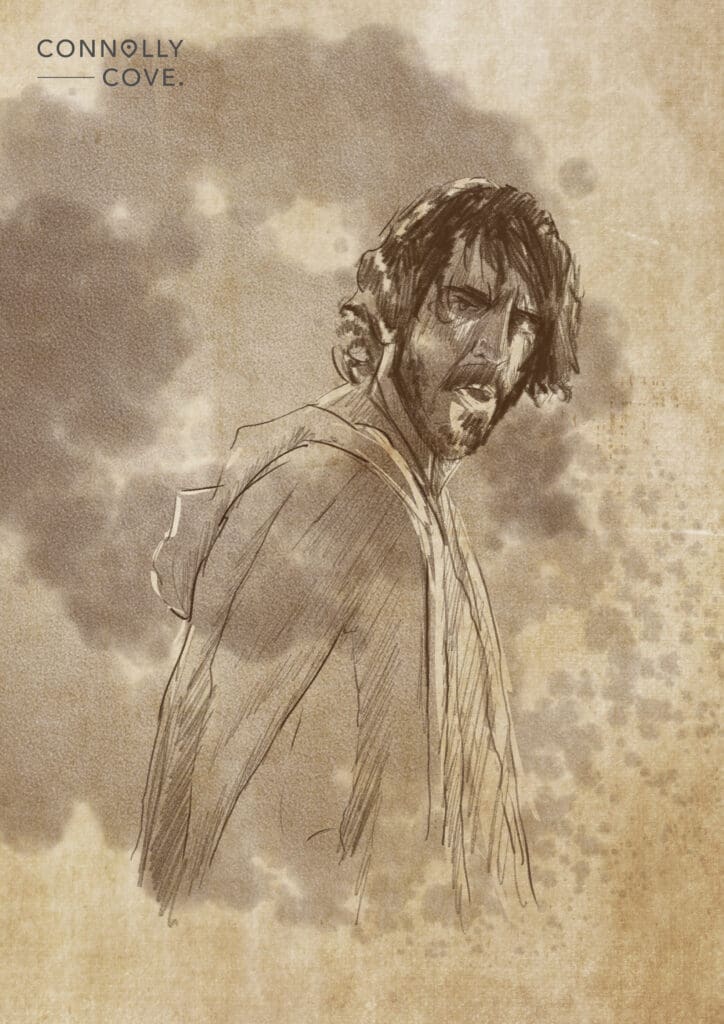
Sir Gawain is a valiant Knight of the Round Table, known for his bravery and chivalry. He is often depicted as a noble warrior who upholds the ideals of knighthood, honour, and loyalty. Gawain is often depicted as King Arthur’s nephew and the son of Queen Morgause and King Lot.
In Arthurian legends, Sir Gawain faces many challenges and tests of his character. Gawain is best known for his role in the “Sir Gawain and the Green Knight” story, where he accepts a challenge to exchange blows with the enigmatic Green Knight.
Throughout the narrative, Gawain’s loyalty to the code of chivalry is tested, and his virtues of courage and honour shine brightly. Despite facing difficult trials, Sir Gawain remains steadfast in his determination to fulfil his duties as a knight and protect King Arthur’s kingdom. His character exemplifies the complexities of human nature, grappling with moral dilemmas, making him an inspiring figure in British literature.
Sir Galahad
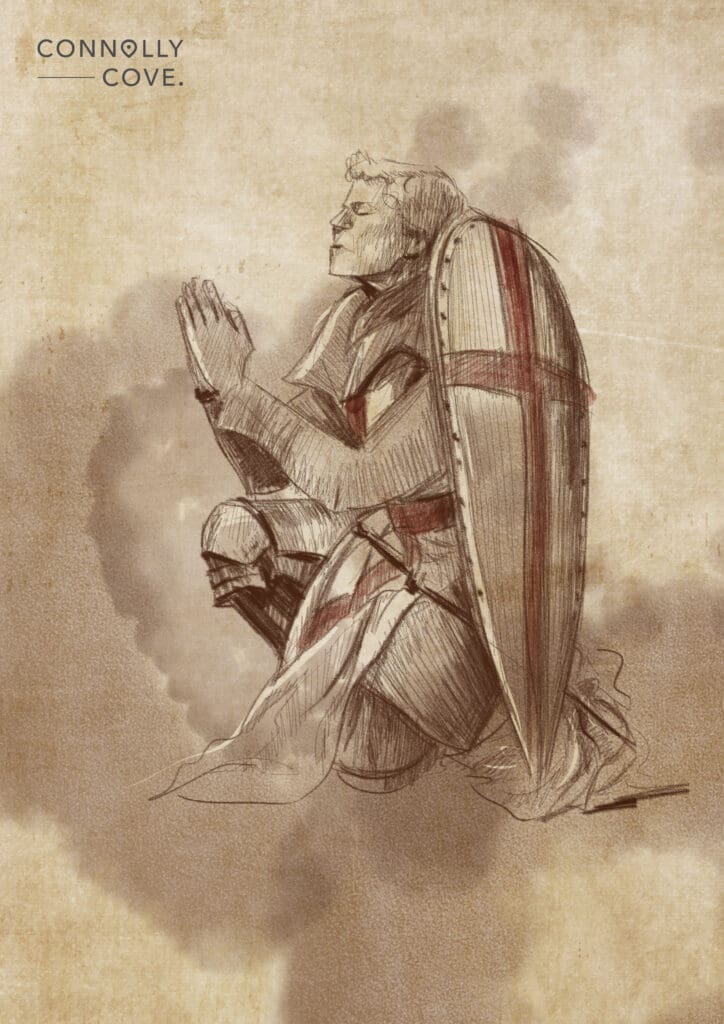
Sir Galahad is often portrayed as the Round Table’s purest and most virtuous knight. Sir Galahad was said to be the son of Sir Lancelot and Elaine of Corbenic, making him destined for greatness from birth.
He embarked on the quest to find the Holy Grail. His noble character and unwavering commitment to righteousness earned him the “Perfect Knight” title. His story continues to inspire people today with its themes of heroism and dedication to noble causes.
Sir Geraint
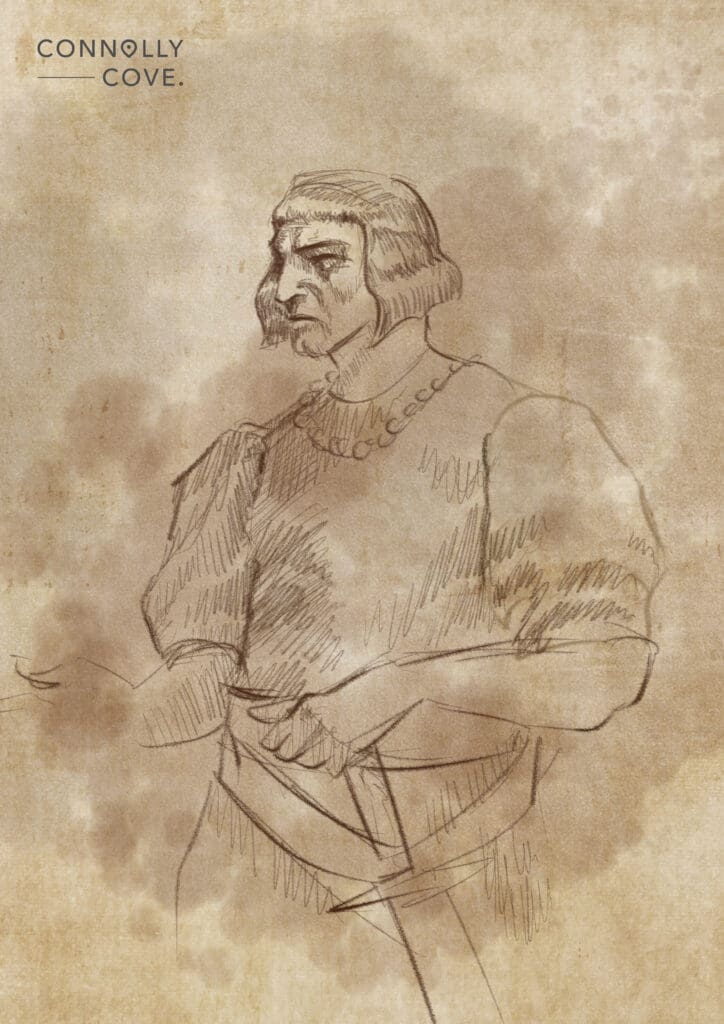
Sir Geraint is one of the lesser-known knights but still plays a significant role in Arthurian legends. Sir Geraint is known for his brave and chivalrous nature, always fighting for justice and protecting the realm alongside King Arthur. He is a skilled warrior who has been involved in many adventures. Despite not receiving as much attention as some other knights, Sir Geraint’s loyalty and courage make him an essential character in the stories surrounding King Arthur and his noble fellowship.
Sir Gareth
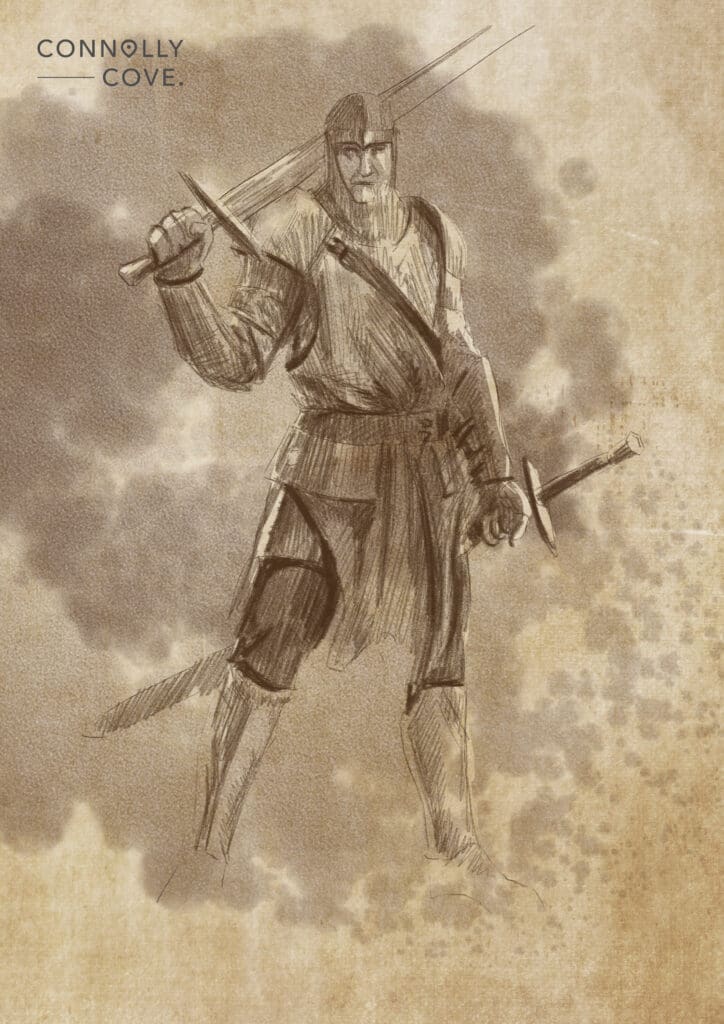
Sir Gareth, also known as Beaumains, is a gallant and honourable knight of the Round Table in Arthurian legend. Initially concealing his true identity, Gareth begins his journey as a kitchen boy, earning his place among the knights through his unwavering dedication and exceptional skill in combat.
Despite facing challenges and prejudices due to his humble origins, Gareth proved himself on various quests and won many battles, distinguishing himself as a chivalrous and valiant knight. His story is often intertwined with the romance of Lyonesse, where his love and devotion to the lady demonstrate his commitment to both love and duty. Sir Gareth’s tale reflects themes of humility, perseverance, and the transformative power of noble deeds.
Sir Gaheris
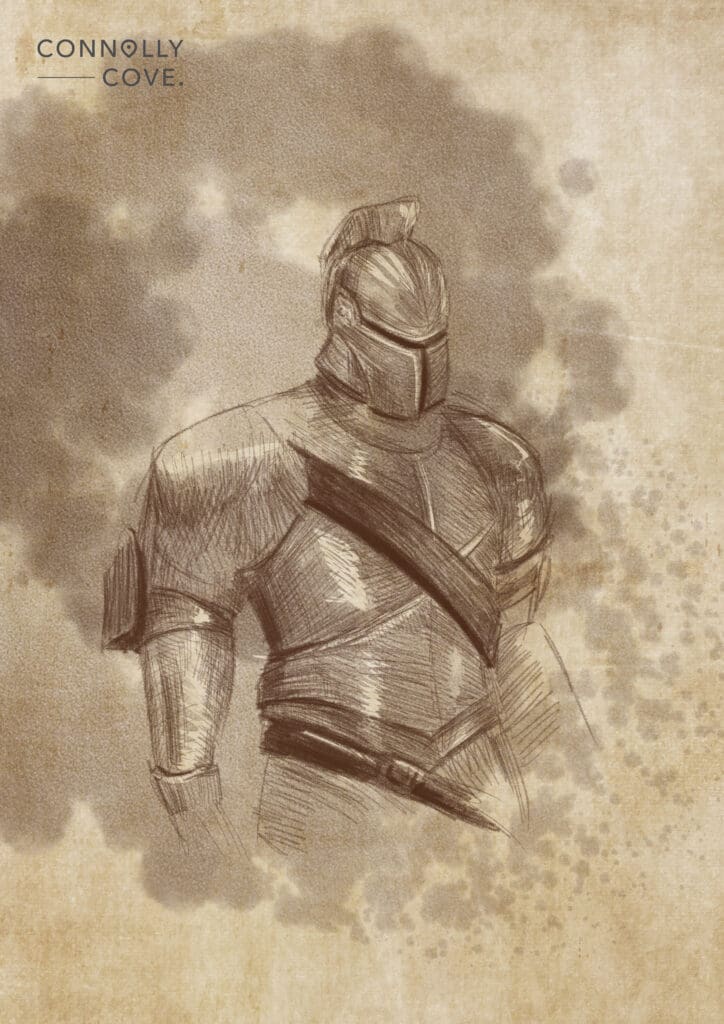
Sir Gaheris is one of the Knights of the Round Table in Arthurian legend, recognised for his loyalty and martial prowess. He was a skilled warrior with a strong sense of justice. He fought alongside King Arthur and his fellow knights to protect the realm. As one of the sons of King Lot and Queen Morgause, and thus a brother to Sir Gawain, Agravain, and Gareth, Gaheris plays a notable role in the Arthurian tales.
Though not as well-known as some of the other knights, Gaheris is often remembered for his tragic involvement in the downfall of the Round Table. In some versions of the legend, he participates in the plot against Sir Lancelot and Queen Guinevere, ultimately leading to a cycle of betrayal and conflict.
Sir Bedivere
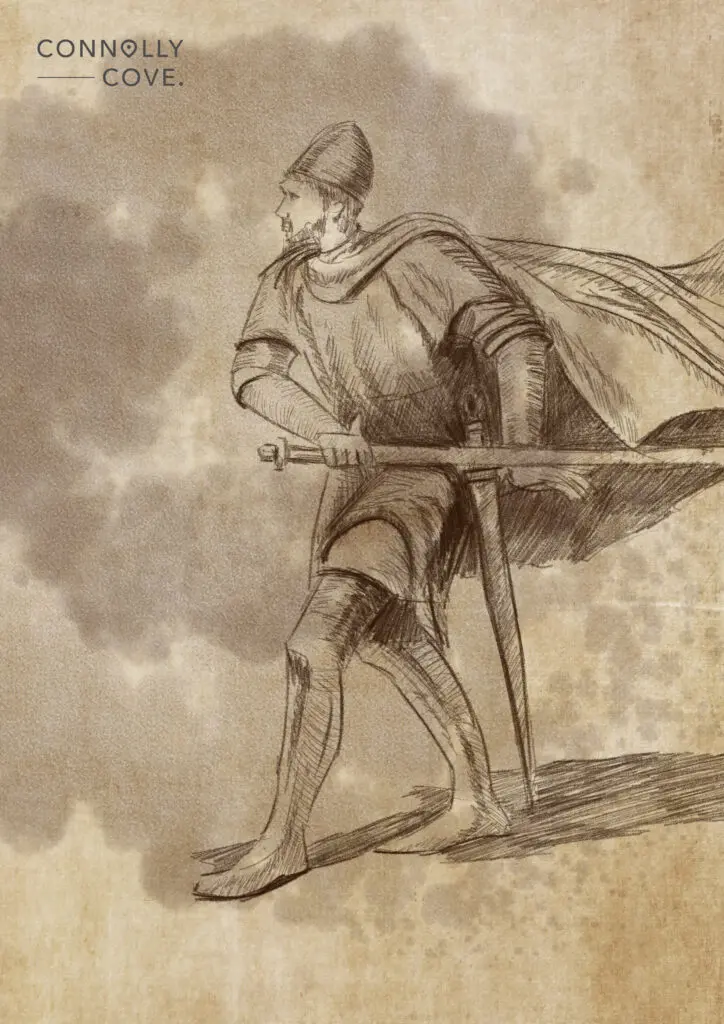
Sir Bedivere, a loyal and steadfast knight of the Round Table in Arthurian legend, was present during the quest for the Holy Grail and fought alongside his fellow knights in battles to protect Camelot.
Sir Bedivere is best remembered for his final task, where he returned King Arthur’s sword, Excalibur, to the Lady of the Lake. Despite initial reluctance and a heavy heart, Bedivere eventually fulfils his duty, casting the legendary sword into the lake. This act symbolises the end of an era and the passing of King Arthur. Sir Bedivere’s character embodies the themes of loyalty, duty, and the bittersweet inevitability of change in the Arthurian legends.
Sir Ector
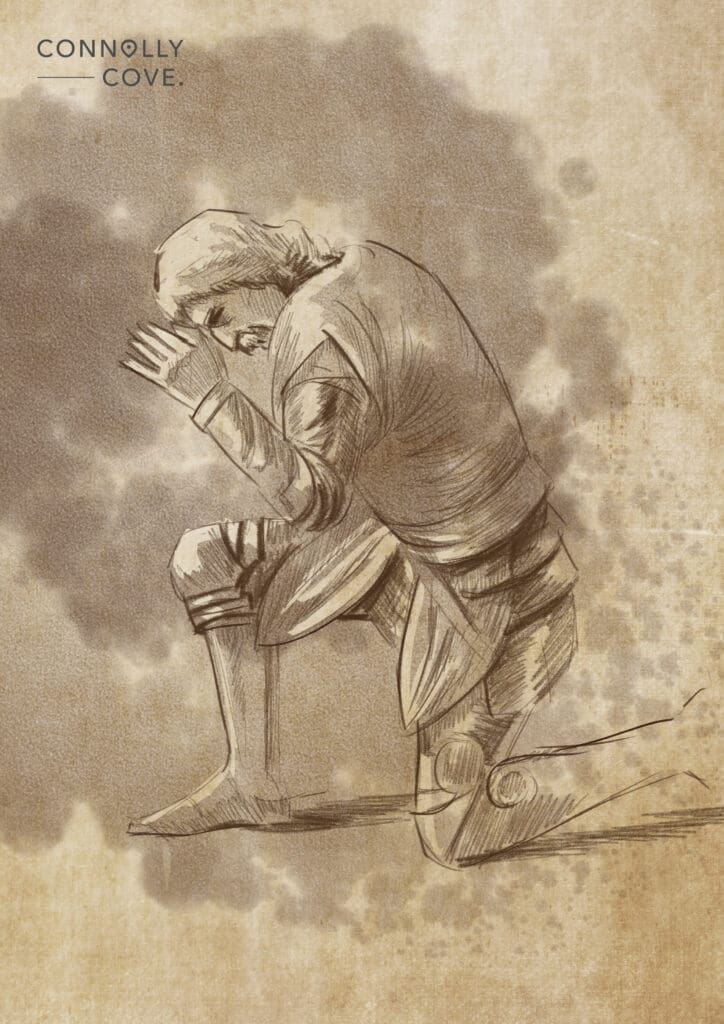
Sir Ector is a noteworthy figure in the Knights of the Round Table, recognised for his role as the foster father of King Arthur, raising him as his own son. In some versions of the legend, Sir Ector raises Arthur in relative obscurity, unaware of the young boy’s royal lineage.
Sir Ector taught young Arthur about honour, chivalry, and bravery. Although not as famous as some other knights, Sir Ector’s guidance and support shaped King Arthur into a wise and just ruler. His presence highlights the importance of family bonds and mentorship in shaping a leader’s character.
Sir Kay
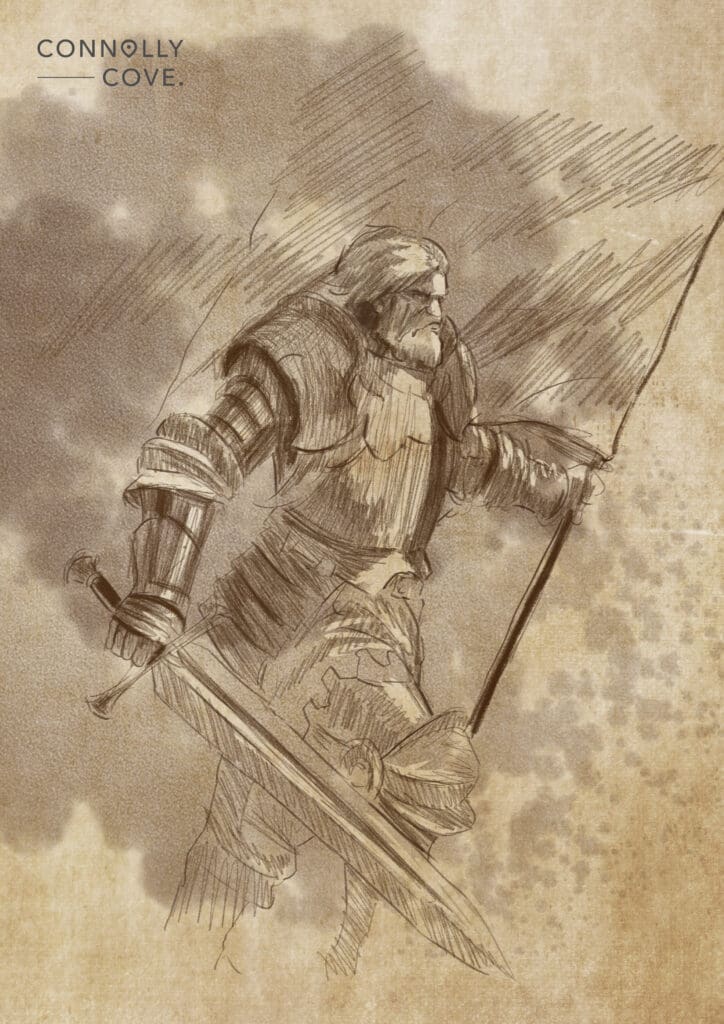
Sir Kay, Ector’s own son and King Arthur’s foster brother, is another Knight of the Round Table. Sir Ector is portrayed as a noble, honourable, and skilled Knight who contributed to Arthur’s upbringing and education and served him with great dedication. Sir Kay is known for his bravery and prowess on the battlefield. He played a significant role in protecting Camelot and upholding justice.
Despite not being as well-known as some of the other knights of the Round Table, Sir Kay’s contributions to the fellowship were vital in their quest for chivalry and honour. In popular depictions of King Arthur’s court, such as movies and books, Sir Kay is often portrayed as a trusted companion to King Arthur himself.
Sir Bors de Ganis
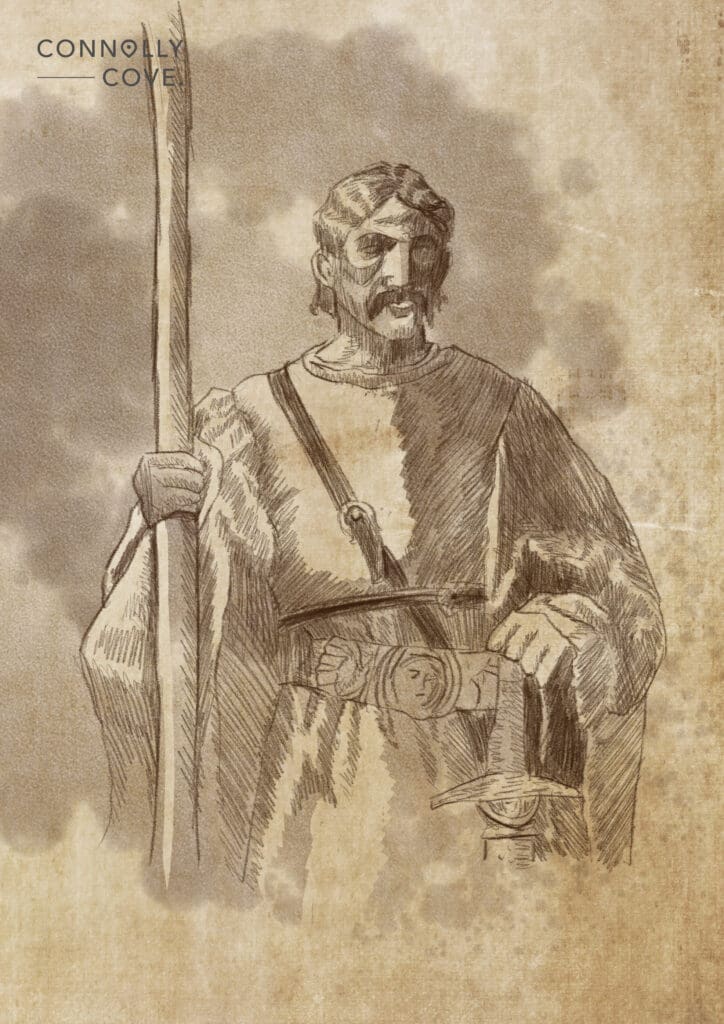
Sir Bors de Ganis is a distinguished knight of the Round Table, known for his unwavering loyalty, courage, and purity. Sir Bors was a skilled warrior who fought alongside King Arthur to protect the realm. He is often portrayed as one of the three knights to achieve the Holy Grail, alongside Sir Galahad and Sir Percival.
Sir Bors is the cousin of Sir Lancelot, adding a familial connection to the Arthurian tales. As a knight, Sir Bors embodied the ideals of chivalry and honour, upholding justice, integrity, and righteousness in his deeds wherever he went. His character has made him a beloved figure among fans of Arthurian legends.
Sir Lamorak
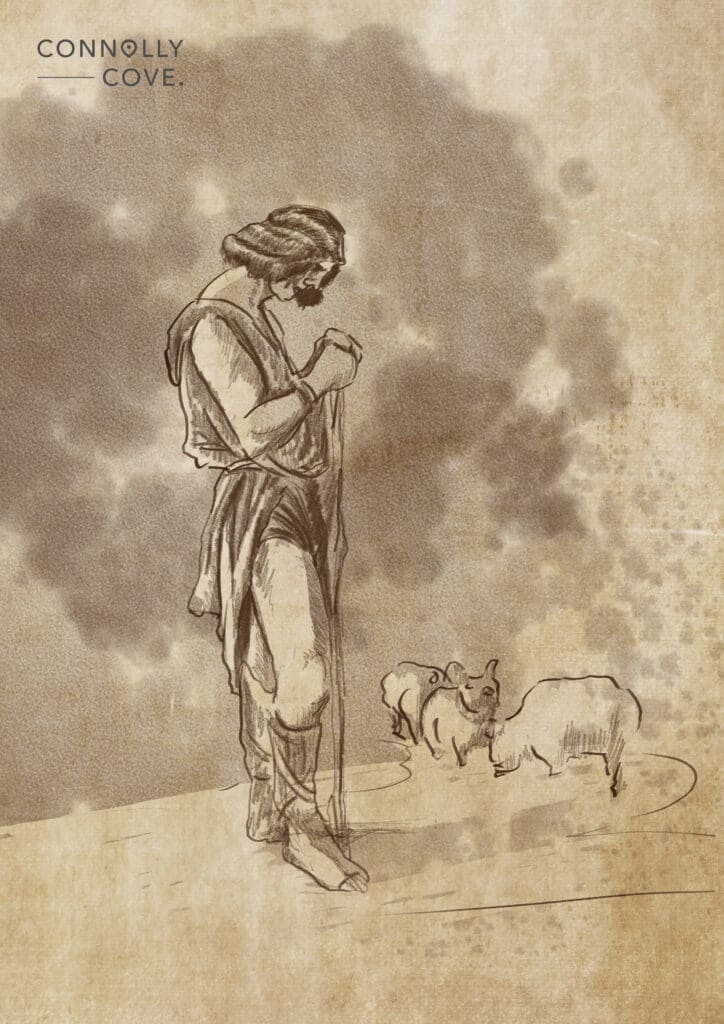
Sir Lamorak, often referred to as one of the most skilled and brave knights in Arthurian legend, is the son of King Pellinore and the brother of Sirs Percival and Aglovale. Known for his exceptional prowess in battle, Sir Lamorak is a formidable figure at the Round Table. His story is marked by strength, honour, and a somewhat tragic fate. Lamorak’s involvement in various adventures and conflicts demonstrates his commitment to chivalric ideals. However, his story often takes a sorrowful turn as he faces betrayal and ultimately meets a tragic end.
Sir Tristan
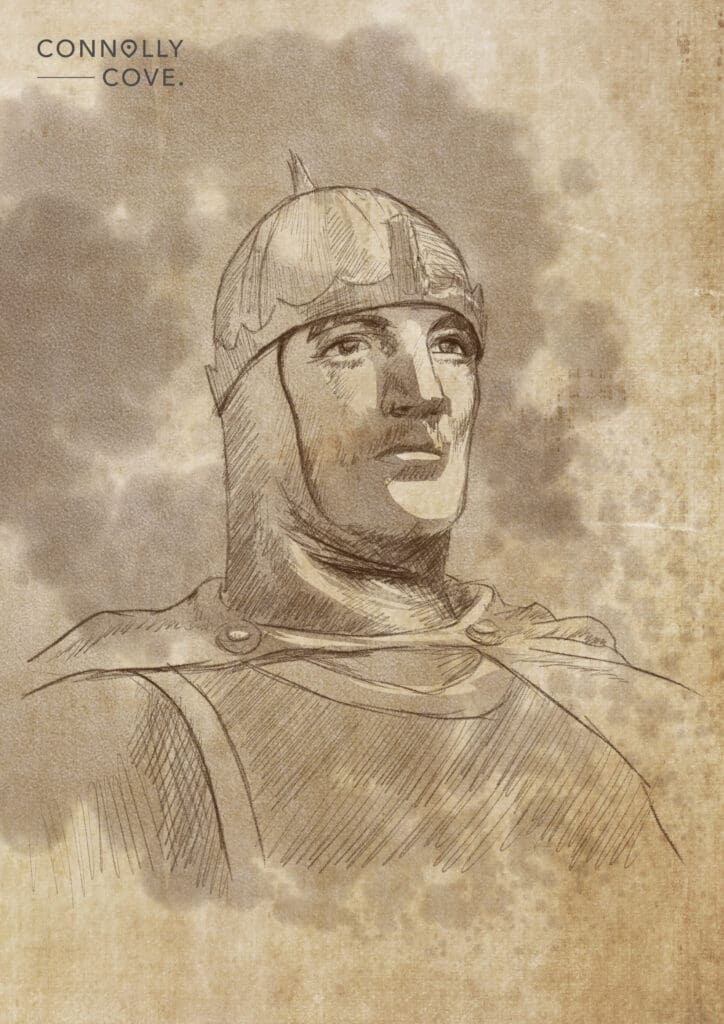
Sir Tristan, also known as Tristram, is a legendary knight in Arthurian mythology and medieval romances who often captures the imaginations of readers and fans. He is known for his incredible warrior skills and tragic love story with Isolde.
Often depicted as one of the greatest knights of the Round Table, Tristan’s archery, swordsmanship, and courage in battle are legendary. As a knight, he embodies chivalry and honour, protecting those in need and fighting for justice. His loyalty to King Arthur and the ideals of the Round Table make him a beloved character in Arthurian legends.
His adventures often centre around his love for Isolde, leading to a tale of forbidden love that resonates through Arthurian literature. Isolde, also known as Iseult or Isolt, is a prominent figure in Arthurian legend and medieval romance. There are two main characters in Arthurian legend with similar names: Isolde of Ireland and Isolde the Fair (Isolde la Blonde or Isolde of Brittany). The most famous version of the legend centres around Isolde of Ireland.
Isolde of Ireland is often portrayed as a beautiful, skilled healer or princess. In some legend versions, she is married to King Mark of Cornwall. However, her story is best known for the love triangle involving her, Sir Tristan (Tristram), and King Mark. Isolde and Tristan fall in love after accidentally consuming a love potion, leading to a forbidden and tragic romance.
Despite Tristram’s martial prowess, Tristan’s story is tinged with tragedy, as his love affair with Isolde and the subsequent conflicts it causes ultimately contribute to his untimely demise. The legend of Sir Tristan reflects themes of love, loyalty, and the inevitable intertwining of fate and sorrow in the Arthurian narrative.
Sir Percival
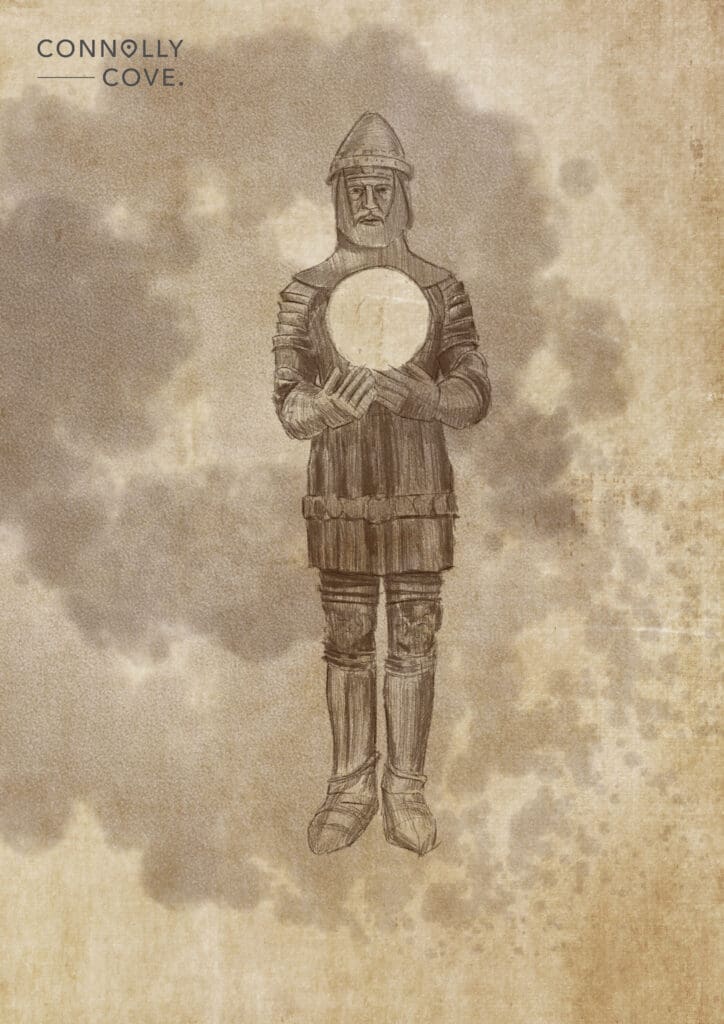
Sir Percival, also known as Parsifal or Perceval, is a significant and virtuous Knight of the Round Table. He is known for his purity of heart and naivety. Percival embarks on the quest for the Holy Grail, showcasing his moral growth and spiritual enlightenment. Often depicted as an innocent and inexperienced young man, Percival’s character evolves as he encounters various challenges and temptations, including the famous encounter with the Fisher King, but he remains true to his quest.
His unwavering commitment to chivalric ideals and purity of heart eventually led him to achieve his goal. This contributed to his portrayal as the “pure fool” who attains the Holy Grail. Sir Percival is often depicted as a symbol of perseverance and virtue, inspiring others with his noble deeds.
Sir Agravain
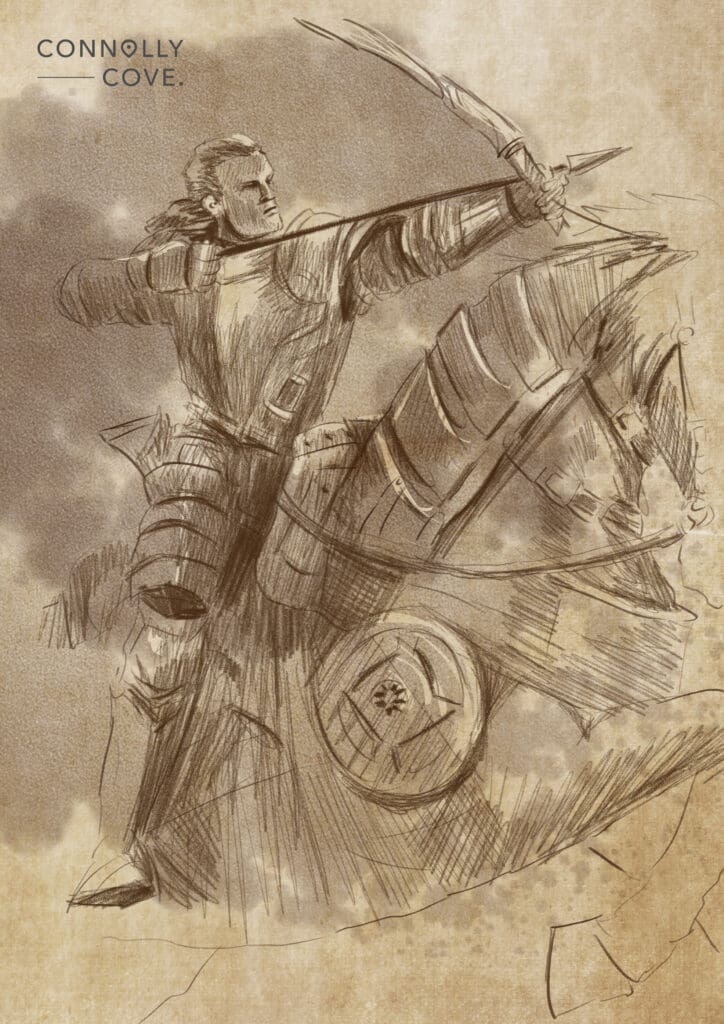
Sir Agravain, a knight of the Round Table in Arthurian legend, is often depicted as a brave but hot-tempered and impulsive figure. He was a skilled warrior who fought alongside his fellow knights in battles against enemies and mythical creatures to protect Camelot. As the son of King Lot and Queen Morgause and the brother of Sir Gawain, Agravain is a familial link within the Arthurian narrative.
Known for his martial prowess, Agravain is also associated with darker aspects, as he becomes involved in plots against Sir Lancelot and Queen Guinevere. His role in the exposure of the affair between Lancelot and Guinevere contributes to the unravelling of the Round Table and the tragic events leading to King Arthur’s downfall.
Sir Dagonet
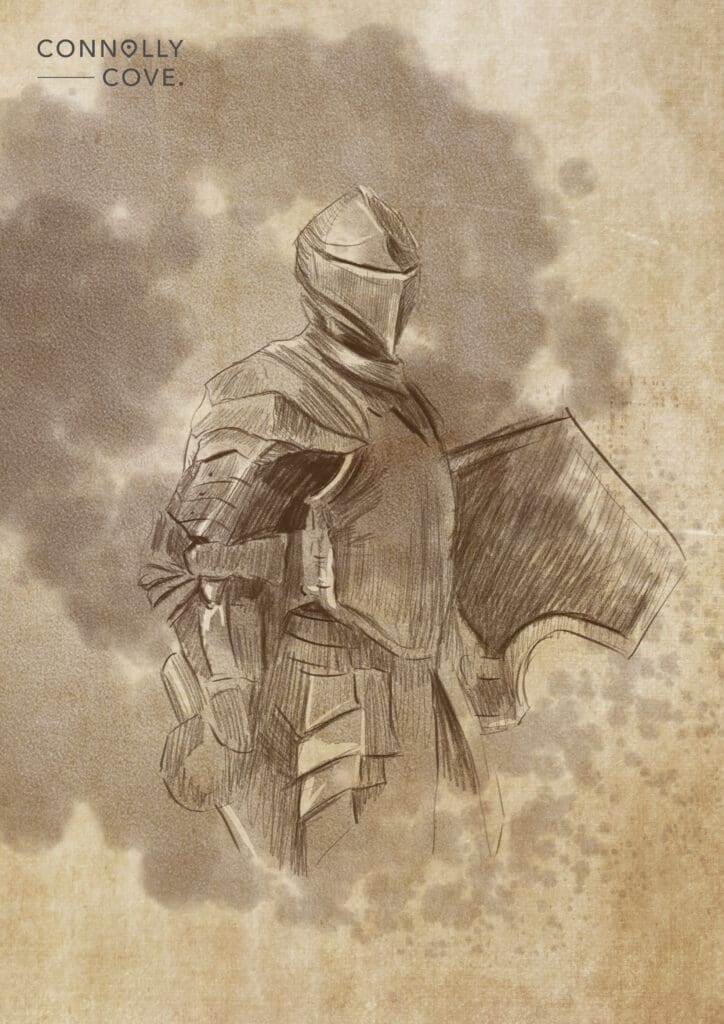
Sir Dagonet, often called the “King’s Fool” or “Court Jester,” is a unique character in Arthurian legend known for bringing laughter and light-heartedness to the fellowship. Although not known for his fighting skills or incredible feats like some other knights, Sir Dagonet served as a jester, bringing a touch of humour and irony to the court. Despite his comedic role, Sir Dagonet is not to be underestimated, as some versions of the legend portray him as a capable and wise figure who uses humour to convey more profound truths. His humour and wit brought joy to those around him, providing a much-needed balance to their serious quests and battles.
As we journey back to the fabled halls of Camelot, we are reminded that, regardless of the historical reality, the magic of King Arthur’s tales lies in the timeless themes of honour, loyalty, and the pursuit of noble ideals. That’s why these tales have evoked emotions and inspired audiences across generations.

Unveiling the Enigma of Cronk Sumark: A Mesmerising Ancient Celtic Hill Fort with Stunning Views!
Culture Exploration
03/05/2024

Dylan Thomas: Exploring The Life of Wales’ Creative Wordsmith!
Language and Literature
03/05/2024

The Mythical Power of Viking Ravens: Huginn and Muninn!
Mythology and Folklore
03/05/2024

Exploring the Remote Beauty of the magnificent Shetland Island!
Scotland
03/05/2024

Understanding the Meaning and Symbolism of Heraldry Symbols!
History and Heritage
03/05/2024