


George Best Trail – George Best Family & Early Life in Belfast
Updated On: April 07, 2024 by  Noha Nabil
George Best’s home life in Belfast – A tribute to the Legend whose number 7 football jersey will be remembered for a long time. This YouTube George Best documentary will take you through his early life in Northern Ireland – the clubs he played for, his home and his family life.
We will also share on this blog who he was and why he became one of Northern Ireland’s best football exports. Continue reading to find out about the Incredible man who was George Best.
Who was George Best? A Northern Irish Football Legend
George Best was a Northern Irish professional footballer who was a winger for Manchester United and the Northern Ireland National Team. Best won the European Cup with Manchester United in 1968. He was named the European Footballer of the Year and FWA Footballer of the Year.
George was brilliantly skilled on the football pitches and was known throughout the history of football. The Irish Football Association even describe him as “the greatest player to ever pull on the green shirt of Northern Ireland”.
George Best was born in Belfast, Northern Ireland and started his football career for Manchester United at 17. This happened when he was scouted by an agent, who then sent a message to the Manchester United Manager that said: ” I think I’ve found you a genius.”
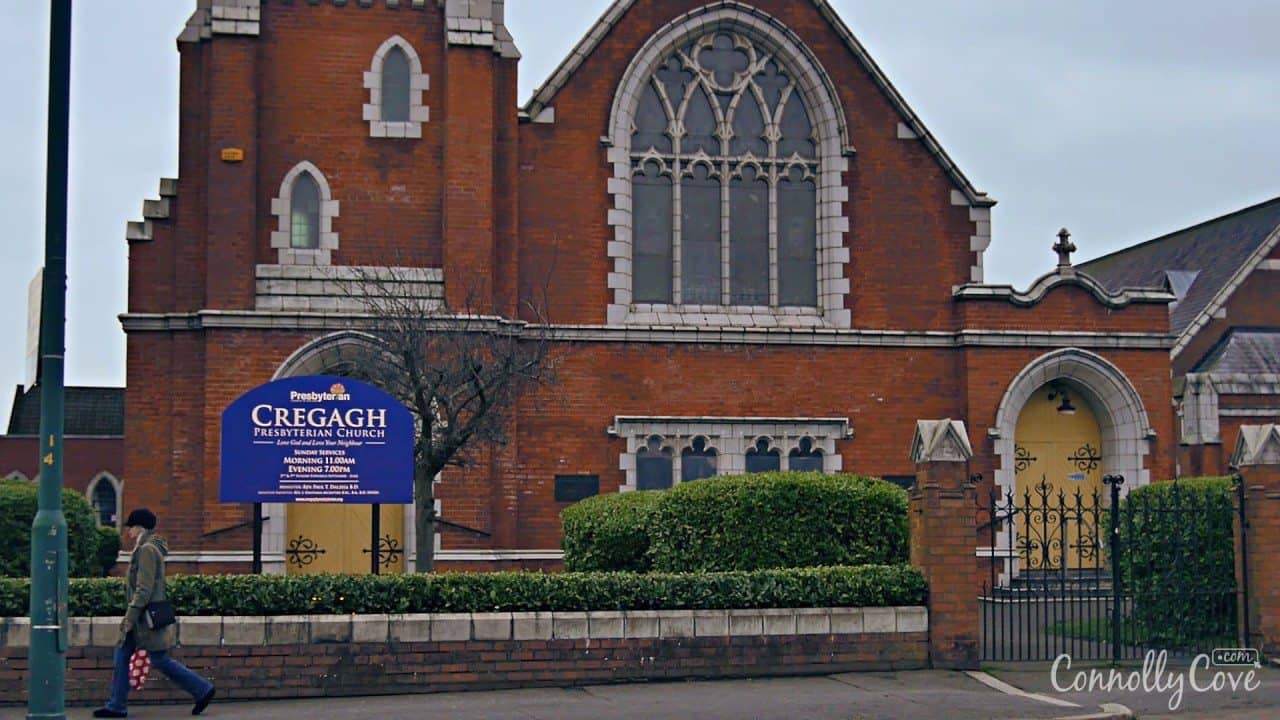
George’s father, also believed to be good at playing football, was a member of The Orange Order, whose headquarters is at Schomberg House along the Cregagh Road. Best once attended and participated in the annual celebrations, and even the collarette he wore is still displayed in the building today.
Highlights of the George Best Trail:
The George Best Trail comprehensively explores the places that shaped the footballing legend’s early life and family connections in Belfast. From his childhood home to the local pitches where he honed his skills, each stop on the trail provides insight into the influences that shaped Best’s remarkable journey.
- Best Family Home: The trail begins at the Best Family Home on Burren Way in Cregagh, where George spent his formative years. While the original house has since been replaced, visitors can still experience the neighbourhood where Best grew up and imagine the young football prodigy honing his skills on the streets.
- Cregagh Primary School: Next on the trail is Cregagh Primary School, where Best attended as a child. His football talent was first recognized here, with teachers and classmates marvelling at his natural ability on the pitch. The school provides a glimpse into Best’s early education and the supportive community that fostered his love for the game.
- Orangefield Park: Orangefield Park holds special significance in Best’s story, as it was here that he played for the Cregagh Boys’ Club, catching the eye of talent scouts from Manchester United. The park’s football pitches remind us of the grassroots origins of Best’s footballing journey and the pivotal role that local clubs play in nurturing young talent.
- Windsor Park: As the trail continues, visitors are guided to Windsor Park, the home of Linfield FC and the Northern Ireland national team. Best made his international debut for Northern Ireland at Windsor Park in 1964, marking the beginning of a storied international career. The stadium is a testament to Best’s enduring legacy in Northern Irish football.
- The Ulster Sports Museum: The final stop on the George Best Trail is the Ulster Sports Museum, located in Belfast’s historic Titanic Quarter. Visitors can delve deeper into Best’s life and career through exhibits, memorabilia, and interactive displays. From his early days in Belfast to his glory years at Manchester United, the museum offers a comprehensive overview of Best’s impact on the world of sport.
George’s Family Supported His Dreams
Central to George Best’s upbringing was the unwavering support of his family. His parents, Dickie and Anne, were his biggest cheerleaders, encouraging his passion for football from an early age. Despite their modest means, they scrimped and saved to buy him his first pair of football boots, recognizing his natural talent and determination.
George’s father, Dickie, played a particularly influential role in his life. A former amateur footballer himself, Dickie instilled in his son a love for the game and taught him the importance of hard work and discipline. He often accompanied George to training sessions and matches, offering guidance and encouragement.
Anne Best was equally instrumental in shaping her son’s character. A warm and nurturing presence in his life, she provided the love and support George needed to thrive both on and off the pitch. Her unwavering belief in his abilities gave him the confidence to pursue his dreams, even in adversity.
Community Connection
Beyond his family, George Best was deeply connected to the community of Belfast, with his roots firmly embedded in the city’s cultural fabric. As visitors traverse the George Best Trail, they will encounter the diverse tapestry of Belfast life that shaped their identity and career. From the bustling markets of the city centre to the bustling streets of Shankill Road, each locale offers a window into the social landscape that influenced Best’s development as both a player and a person.
One of the highlights of the George Best Trail is the opportunity to visit Windsor Park, the iconic stadium where Best made his mark as a professional footballer. Here, visitors can relive the excitement of his memorable performances for Manchester United and the Northern Ireland national team, gaining a deeper appreciation for his enduring legacy in the sport.
Challenges and Triumphs
Despite his natural talent, George Best faced numerous challenges on his journey to footballing stardom. Growing up in Belfast during the turbulent years of the Troubles, he witnessed firsthand the sectarian divisions that divided his city. The outbreak of violence in the late 1960s cast a shadow over his early career, forcing him to navigate a precarious path between sport and politics.
However, George’s talent on the football field transcended the troubles of his homeland, earning him acclaim and admiration from fans worldwide. His breakthrough came in 1963 when he debuted for Manchester United at just 17. From that moment on, he captured the hearts of football fans with his electrifying performances and flair for the game.
Cregagh Road – A Place Best’ Spent a Lot of Time
Cregagh Road was one of the most important commercial streets back in the days of George Best, and until this moment, it is still occupied by different family-owned businesses.
One of the things that George used to do during his younger days was attend the Ambassador Cinema, which is now a department store. He would catch Saturday matinees with his friends and saw many classics of the day.
George supported Glentoran Football Club, as did his father and grandfather. His grandfather also lived near the stadium, which was considered one of the best things George could receive.
Legacy and Impact
Over a decade after his passing in 2005, George Best’s legacy resonates with football fans worldwide. His influence transcends the sport, with his name synonymous with talent, flair, and a sense of unbridled passion for the beautiful game.
In Belfast, Best is remembered as a footballing icon and a symbol of hope and inspiration for future generations. The George Best Trail stands as a testament to his enduring legacy, ensuring that his story will continue to be told for years.
As visitors walk in the footsteps of George Best, they are reminded of the power of determination, the pursuit of excellence, and the ability to overcome adversity in pursuing one’s dreams. In a city marked by its resilience and spirit, George Best remains a shining example of what can be achieved with talent, dedication, and a touch of magic.
Later Years of George Best’s Life
In his adult years, Best began to have an alcohol problem, leading to numerous controversies and eventually his death. At the young age of 59, Best passed away in a hospital as a result of lung infections and multiple organ failures.
Despite his alcohol problem, no one could deny how great of a footballer he was, and he inspired so many people worldwide.
On 22 May 2006, which would have been George’s 60th birthday, Belfast City Airport was renamed the George Best Belfast City Airport as a tribute to him in the city he grew up in.
Conclusion
The George Best Trail offers a poignant journey through the life and legacy of one of football’s most iconic figures. From his humble beginnings in Belfast to his meteoric rise to fame, George Best’s story continues to captivate audiences worldwide.
Through the George Best Trail, visitors can explore the streets where he first discovered his love for the game, visit landmarks that shaped his career, and gain a deeper understanding of the man behind the legend. As they follow in his footsteps, they are reminded of the enduring power of talent, determination, and the pursuit of greatness.
In Belfast, George Best’s legacy lives on, a testament to the indelible mark he left on the world of football and the hearts of those who had the privilege of witnessing his genius. As the George Best Trail continues to attract visitors from far and wide, it serves as a fitting tribute to a man whose impact will be felt for generations to come.
Have you visited or are planning to visit the George Best Trail, or were you lucky enough to see Best Play? Let us know in the comments below.
Here are some other blog posts that you may find of interest: Famous Irish People | Popular Belfast Locations | Belfast Peace Wall’s | 24 Hour’s in Belfast | Belfast Tours

A Walk in Ireland Guide: Best Trails, Routes, and Tips
Ireland
26/04/2024
An Ultimate Guide to 6 of the Finest Castle Tours in England
England
26/04/2024
Unveiling the Most Terrifying Haunted Tours in Scotland
Scotland
25/04/2024

7 Top Amusement Parks in England for an Unforgettable Adventure
England
25/04/2024
Miami Tourism Statistics: A Comprehensive Overview of Visitor Numbers and Revenue
Travel Statistics
25/04/2024