
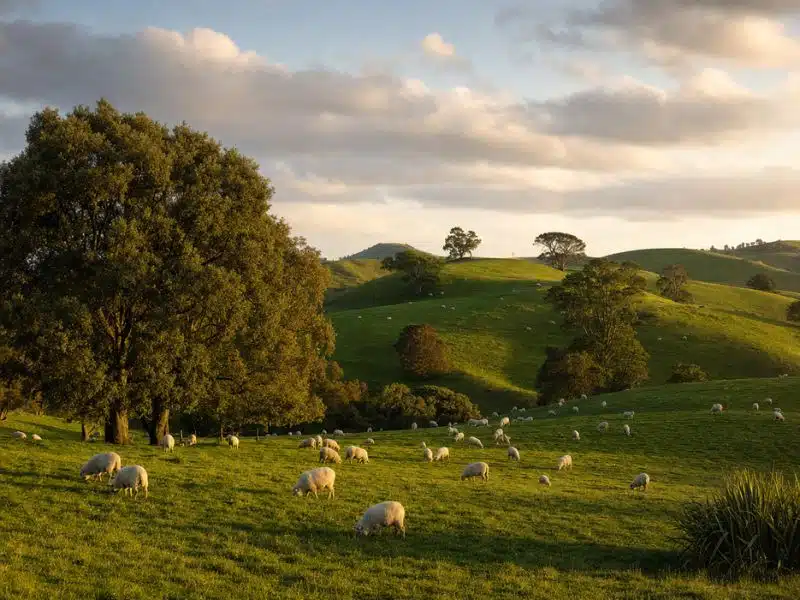


Article Summary
What this article covers: Where The Hobbit and The Lord of the Rings were filmed in New Zealand, which sites remain open to visitors, and how to plan a respectful trip.
Who this is for: Film fans planning a New Zealand holiday and travellers curious about screen tourism.
Key takeaway: Filming in New Zealand for both trilogies used more than 150 locations. Only the Hobbiton Movie Set survives as a built set, while the rest are real mountains, rivers and farmland you can visit today.
Expert insight: “Northern Ireland learnt from Game of Thrones what New Zealand learnt from Middle-earth twenty years earlier. People come for a scene they recognise, then stay because of the place itself. At ConnollyCove, we try to give the real place as much attention as the film.” , Ciaran Connolly, Founder of ConnollyCove
Quick facts:
- Filming in New Zealand for The Lord of the Rings ran from October 1999 to December 2000, and both trilogies were shot entirely in the country.
- The Hobbiton Movie Set sits on a working sheep farm in the Waikato and was rebuilt permanently in 2009 with 44 hobbit holes.
- Mount Ngauruhoe, which stood in for Mount Doom, is sacred to the local hapū, and the Department of Conservation asks visitors not to climb it.
Filming in New Zealand turned a small Pacific nation into the place most people picture when they think of Middle-earth. Peter Jackson shot The Lord of the Rings across the North and South Islands, then returned a decade later for The Hobbit. The Waikato pasture, Wellington parkland and South Island high country he used are still there for travellers to see. ConnollyCove, the Ireland-based travel and culture platform founded by Ciaran Connolly, covers screen tourism from the Causeway Coast to the Southern Alps. Our Lord of the Rings tour guide for New Zealand compares tour options, while this article explains where each scene was made and what you will find there now.
We have checked each location against official sources and corrected several claims that circulate widely online. We have also added practical notes on access and cultural respect, so that your visit sits comfortably with the communities who live beside these sites.
Table of Contents
Why Peter Jackson Chose Filming in New Zealand for Middle-earth
Filming in New Zealand made practical sense for a director who lived there. Almost every kind of terrain Tolkien described lies within a day’s drive or a short flight. Jackson’s production base, effects companies and trusted crew were also all in the Wellington region.
A Director Working in His Home Country
Peter Jackson grew up on the Kāpiti Coast north of Wellington, and by the late 1990s he had a studio and effects operation in the suburb of Miramar. Shooting at home meant the prop makers at Weta Workshop and the digital effects teams could work alongside the camera units. Many props, armour pieces and miniatures were made a short drive from where they were filmed, which helps explain why the films feel so physically real.
More Than 150 Locations Across Two Islands
Tourism New Zealand records that the Lord of the Rings shoot used more than 150 locations across both islands. The official guide to Hobbit trilogy filming locations gives a similar figure for the later films. Several units often worked at once, so a single day of filming in New Zealand could include a forest scene near Wellington and a mountain sequence in the South Island. The original agreements required land to be returned to its natural state, which is why most sites now look like ordinary countryside.
Tolkien Never Saw New Zealand, but He Knew the West of Ireland
Tolkien died in 1973 without ever visiting New Zealand. The match between his writing and the country’s scenery came from careful location scouting rather than any link he made himself. He did know Ireland, serving as an external examiner for the National University of Ireland in the 1950s and visiting the west of the country several times. Local historians in County Clare suggest that the limestone country of the Burren may have influenced his imagination, which gives Irish readers their own connection to Middle-earth.
Where The Hobbit Was Filmed in New Zealand

The Hobbit trilogy was filmed entirely in New Zealand between 2011 and 2012. Filming in New Zealand for these films returned to some Lord of the Rings sites and added new ones in Marlborough, Otago and the central North Island. Hobbiton remains the only place where you can walk through a finished set.
Hobbiton Movie Set in Matamata
Hobbiton sits on the Alexander family farm near Matamata in the Waikato, roughly two hours by road from Auckland. Jackson’s scouts found the farm from the air in 1998, and the New Zealand Army helped build 39 temporary hobbit holes for The Lord of the Rings. Most of that set was dismantled after filming, leaving 17 bare facades, but Jackson rebuilt Hobbiton permanently in 2009 for The Hobbit. According to Hobbiton Movie Set’s own history, visitors now see 44 hobbit holes on a 12-acre site. The Green Dragon Inn has served drinks at the end of the tour since 2012. Access is by guided tour only, so book ahead for the December to February summer season.
Pelorus River and the Barrel Escape
The barrel escape in The Desolation of Smaug was filmed on the Pelorus River in Marlborough, at the top of the South Island. The river runs through native bush with clear green pools, and the Pelorus Bridge Scenic Reserve on State Highway 6 gives easy access between Nelson and Picton. Visitors swim and kayak here in summer, making it one of the more relaxed places to see filming in New Zealand without a long walk.
Earnslaw Burn and Strath Taieri
Earnslaw Burn, north of Queenstown, is a glacier valley where meltwater falls in long ribbons down a rock face. It appears as the company leaves Rivendell in An Unexpected Journey. The Earnslaw Burn Track starts near Glenorchy and is a demanding tramp, so many visitors see the glacier by helicopter instead. Further east, Strath Taieri near Dunedin was chosen for its scattered rock outcrops, which form the backdrop to the chase between the company and the orcs.
Turoa on Mount Ruapehu
Turoa is a ski field on the southern slopes of Mount Ruapehu in Tongariro National Park, and Hobbit units filmed near the waterfall beside its car park. It is a ski destination in winter and an easy summer stop for travellers driving between Wellington and Lake Taupō.
Where The Lord of the Rings Was Filmed in New Zealand
The Lord of the Rings was filmed in New Zealand between October 1999 and December 2000. The North Island provided the Shire, Rivendell and Mordor, while the South Island supplied Rohan, Lothlórien and the great mountain ranges. Most sites below are public land or sit beside public roads, and the Tourism New Zealand list of Lord of the Rings filming locations is a useful companion.
Wellington: Mount Victoria, Kaitoke and the Hutt Valley
Wellington is the easiest base for seeing several sites of filming in New Zealand in a single day. Mount Victoria, within walking distance of the city centre, is where the hobbits hide beneath a tree root from the Black Rider. Kaitoke Regional Park, about 40 minutes north, became Rivendell, and signs inside the park show where the Elven buildings stood. Harcourt Park in Upper Hutt was used for the gardens of Isengard, and the Hutt River appears in scenes on the River Anduin.
Tongariro National Park and the Slopes of Mordor
Tongariro National Park in the central North Island supplied the volcanic slopes of Mordor, and Mount Ngauruhoe stood in for Mount Doom with digital effects added. The Tongariro Alpine Crossing passes beneath Ngauruhoe, and the Department of Conservation recorded 122,200 people walking it in 2019/20. Mangawhero Falls, on the Ohakune Mountain Road, appears in The Two Towers when Gollum catches a fish. The park is a dual World Heritage Area for its natural and cultural values, which shapes how you should visit.
Putangirua Pinnacles and the Paths of the Dead
The Putangirua Pinnacles in the Wairarapa are tall, eroded gravel columns that formed the Dimholt Road in The Return of the King. A track from the Department of Conservation campsite follows the stream bed into the pinnacles. The site lies about two and a half hours by road from Wellington, so it is quieter than most Middle-earth stops.
Nelson Tasman: Chetwood Forest and the One Ring
Tākaka Hill, west of Nelson, was the filming site for Chetwood Forest, where Aragorn leads the hobbits away from Bree. Mount Owen and Mount Olympus in Kahurangi National Park were used for Dimrill Dale and the rough country south of Rivendell, and most visitors see them by helicopter. Nelson is also home to the jeweller Jens Hansen, whose workshop made the One Ring for the films and still sells replicas.
Mount Sunday and Edoras in Canterbury
Mount Sunday is a rocky hill in the Rangitata valley of the Ashburton District. It is one of the most striking sites of filming in New Zealand, because the production built Edoras and the great hall of Meduseld on its summit. Nothing of the set remains, but the view across the braided river towards the Southern Alps matches the films closely. The drive from Christchurch takes about two and a half hours, and Mount Potts Station nearby offers accommodation and meals.
Queenstown, Glenorchy and Twizel
The southern lakes region holds more filming in New Zealand than any other part of the South Island. The Twelve Mile Delta near Queenstown became Ithilien, and the Arrow River near Arrowtown was used for the Ford of Bruinen. The country around Glenorchy at the head of Lake Wakatipu appears as Isengard and Lothlórien. Further north, farmland near Twizel hosted the Battle of the Pelennor Fields, and Twizel appears in The Hobbit as well.
Middle-earth Filming Locations at a Glance
The table below summarises the main filming in New Zealand by island and Middle-earth setting. The final column gives ConnollyCove’s recommendation for the kind of traveller each stop suits, so you can decide which fit your route before booking.
| Location | Middle-earth setting | Island | Film | Recommendation |
|---|---|---|---|---|
| Hobbiton, Matamata | The Shire | North | Both trilogies | Essential for first-time visitors; book a guided tour well ahead |
| Mount Victoria, Wellington | Hobbiton Woods | North | The Lord of the Rings | Best free stop for travellers short on time |
| Kaitoke Regional Park | Rivendell | North | The Lord of the Rings | Good half-day trip from Wellington with a picnic |
| Tongariro National Park | Mordor and Mount Doom | North | The Lord of the Rings | Walk the Alpine Crossing but stay off the summits |
| Putangirua Pinnacles | Dimholt Road | North | The Lord of the Rings | Suits walkers who prefer quieter sites |
| Pelorus River | Barrel escape | South | The Hobbit | Easy summer swim stop between Nelson and Picton |
| Mount Sunday | Edoras | South | The Lord of the Rings | Worth the drive for keen fans with a full day |
| Glenorchy and Earnslaw Burn | Isengard, Lothlórien, Rivendell departure | South | Both trilogies | Combine with a Queenstown stay; consider a helicopter flight |
Planning a Trip Around Filming in New Zealand
Planning a holiday around filming in New Zealand works best when the film sites become a reason to see the country. Distances are longer than many visitors expect, and a route covering every location would take several weeks, so most travellers choose one island or a handful of highlights.
Guided Tours or a Self-Drive Route
Guided tours suit travellers who want the film detail explained on site, and some South Island operators use helicopters or four-wheel-drive vehicles to reach private stations. A self-drive route gives more freedom, and most North Island sites sit within a few hours of each other between Auckland, Matamata, Tongariro and Wellington. ConnollyCove’s guide to things to do in New Zealand suggests stops that fit around a film route.
Weta Workshop and Wellington’s Film Studios
Weta Workshop, co-founded by Richard Taylor and Tania Rodger, made much of the armour, weaponry, creatures and miniatures for both trilogies. The Weta Workshop Experience in Miramar runs guided tours showing how props and costumes are made, and the Weta Cave shop sits alongside it. Miramar remains the centre of the Wellington screen industry, so a visit here shows the side of filming in New Zealand that never appears on camera.
Respecting Māori Heritage at Filming Sites
Many filming locations sit on land with deep significance for Māori, and respecting that is part of visiting well. The Department of Conservation’s Tongariro Alpine Crossing history page explains that Tongariro, Ngauruhoe, Ruapehu and their waterways are sacred to Ngāti Hikairo ki Tongariro. In 2017 the department advised visitors not to climb the summits and asked tour operators to stop calling Ngauruhoe “Mount Doom”. You can still walk the Alpine Crossing and see the mountain clearly, but please stay off the summit and keep out of the alpine lakes. ConnollyCove’s introduction to Māori traditions in New Zealand gives useful cultural context before you travel.
Seasons and Practical Tips
The New Zealand summer runs from December to February and brings the most reliable weather for alpine walks, although Hobbiton and Tongariro are busiest then. Autumn, from March to May, offers settled weather with fewer visitors. Winter brings snow to Turoa and closes some high routes. Drones are not allowed in Tongariro National Park, so check Department of Conservation rules for any site before you fly.
How Screen Tourism Connects New Zealand and Northern Ireland
Filming in New Zealand showed early how a film series can change the way people travel, and Northern Ireland later followed a similar course with Game of Thrones. ConnollyCove is based in Ireland and covers both, so the parallels are familiar to us.
Lessons From Middle-earth for the Causeway Coast
In both countries, visitors arrived looking for a specific scene and then spent time in places they might never have chosen otherwise. The Dark Hedges and the Causeway Coast drew fans in the same way that Hobbiton and Mount Sunday did. Our guide to Game of Thrones filming locations covers the Northern Ireland story in detail. In each case, the most rewarding trips treat the countryside, the people and the local history as the main attraction.
Filming in New Zealand Today
Filming in New Zealand did not end with Middle-earth, and the country still competes for international film and television work. The New Zealand Screen Production Rebate gives international productions a baseline 20% cash rebate on qualifying spend, administered by the New Zealand Film Commission.
Current Incentives and Recent Productions
The New Zealand Film Commission’s rebate page explains that an extra 5% Uplift is available to productions meeting further criteria. From 1 January 2026, the minimum spend for the Uplift fell from NZ$30 million to NZ$20 million. Recent productions supported by the rebate include A Minecraft Movie and Klara and the Sun. Amazon’s The Rings of Power filmed its first season in New Zealand before moving to the United Kingdom, so the Middle-earth link continues even as studios move between countries.
Explore More Screen Tourism With ConnollyCove
ConnollyCove covers filming locations across Ireland and around the world, connecting what you see on screen with the real places and cultures behind it. If New Zealand is on your list, start with our Lord of the Rings tour options and build a route around the locations in this guide.
FAQs
Where was The Hobbit filmed?
The Hobbit was filmed entirely in New Zealand. Key locations include Hobbiton near Matamata, the Pelorus River, Earnslaw Burn, Strath Taieri and Turoa on Mount Ruapehu.
Was all of The Lord of the Rings filmed in New Zealand?
Yes, all principal photography took place in New Zealand between October 1999 and December 2000, across more than 150 locations. Filming in New Zealand also covered all three Hobbit films.
Can you visit the Hobbiton Movie Set?
Yes, Hobbiton near Matamata is open all year by guided tour only. Book in advance, particularly for summer visits.
Where was Rivendell filmed?
Rivendell was filmed in Kaitoke Regional Park, about 40 minutes north of Wellington. Signs in the park mark where the set stood.
Where was Rohan filmed?
Edoras, the capital of Rohan, was built on Mount Sunday in Canterbury. The Pelennor Fields battle was filmed near Twizel.
Did Tolkien ever visit New Zealand?
No, Tolkien never visited New Zealand. He did travel to Ireland several times as an external examiner.
Why was The Lord of the Rings filmed in New Zealand?
Peter Jackson is a New Zealander whose studio and effects teams were based in Wellington. The country also offered farmland, volcanoes, forests and alpine ranges within easy reach.
Was The Rings of Power filmed in New Zealand?
Only its first season was filmed in New Zealand. Amazon then moved production to the United Kingdom.


