


The Role and Significance of Archangel Gabriel in Abrahamic Religions

Updated On: November 19, 2023 by  Aya Radwan
Have you ever pondered the profound role of Archangel Gabriel in Abrahamic religions? We sure have and are utterly captivated by this heavenly figure burrowed deep into sacred scriptures. This divine angel is known across all Abrahamic religions as God’s top messenger who carries life-changing commands and messages. This article thoroughly comprehends the Archangel Gabriel’s fundamental roles as God’s envoy in Judaism, Christianity, and Islam. Hold onto your hats; it’s a riveting spiritual journey!
Who is Archangel Gabriel in Abrahamic Religions?
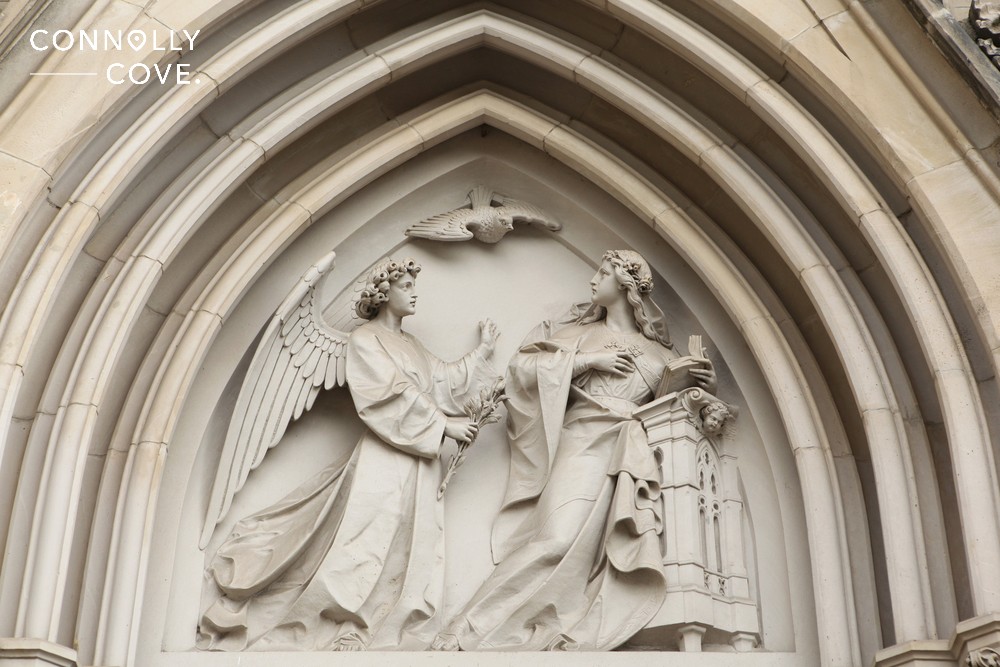
Archangel Gabriel is a prominent figure in Abrahamic religions, revered as a divine messenger and intermediary between God and humanity. In Christianity, Gabriel is best known for the Annunciation, where he informed the Virgin Mary of her role in the birth of Jesus Christ, symbolising the inception of Christian salvation. In Islam, known as Jibril, he is celebrated for delivering the Quran to the Prophet Muhammad, playing a crucial role in Islamic teachings. Gabriel also appears in Jewish scriptures, identified as one of the primary angels, often involved in significant biblical events.
Gabriel’s representation extends beyond a mere celestial messenger; he symbolises hope, divine revelation, and spiritual guidance. His appearances in religious texts are often pivotal, marking the beginning of new eras or imparting crucial divine knowledge. Gabriel’s role transcends the boundaries of individual faiths, highlighting a universal aspect of spiritual messaging and intervention.
In cultural and artistic expressions, Gabriel is often depicted with iconic symbols like trumpets or lilies, signifying his role in delivering God’s messages. Overall, Archangel Gabriel is a figure of immense spiritual importance, bridging the celestial and the earthly, guiding believers, and serving as a symbol of divine presence in human affairs.
Significance of Archangel Gabriel
Archangel Gabriel’s significance transcends individual religious narratives, embodying a universal theme of divine communication and guidance. His role as a messenger and announcer of God’s will in Judaism, Christianity, and Islam cements his status as a pivotal figure in these faiths, offering a link between the divine and humanity and guiding believers in their spiritual understanding and practices.
Messenger of God
Gabriel is recognised as a chief messenger of God across multiple faiths, tasked with conveying divine directives and insights to humanity. In Christian traditions, Gabriel’s announcement to Mary about the birth of Jesus is a keystone event, symbolising the fulfilment of God’s plan for salvation. In Islamic tradition, Gabriel (Jibril) is revered for delivering the Qur’an to Prophet Muhammad, marking a significant moment in the foundation of Islam.
Announcement of God’s Will
As an angel chosen by God, Archangel Gabriel plays a vital role in announcing God’s will to humanity. Gabriel is famously known in Christianity for delivering the news of Jesus’ birth to the Virgin Mary. This announcement was a pivotal moment that marked the beginning of God’s plan for salvation. Similarly, in Islam, Gabriel (Jibril) is recognised as one of the chief messengers of God and is believed to have brought revelations from Allah to Prophet Muhammad.
These announcements inform individuals about divine plans, inspire faith, and guide believers on their spiritual journey. The significance of Archangel Gabriel as the bearer of God’s will highlights his importance in religious traditions across Abrahamic religions as a reminder that divine messages are meant to guide and uplift humanity.
Honoured in Multiple Religious Traditions
Archangel Gabriel is a spiritual being who holds great significance in various religious traditions. He is honoured and revered in multiple Abrahamic religions, including Judaism, Christianity, and Islam. In each of these traditions, Gabriel is recognised as a divine messenger sent by God to deliver important messages to humanity. His role may vary slightly across these religions, but his importance remains consistent.
In Jewish tradition, Gabriel is recognised as one of the principal angels, often involved in important events depicted in the Hebrew Bible. In Christianity, Gabriel is celebrated as the messenger who brought good tidings of Jesus’ birth, playing a pivotal role in fulfilling biblical prophecy. In Islam, he is known as Jibril; he is esteemed for his role in the revelation of the Qur’an and his close association with Prophet Muhammad.
Cross-Cultural and Theological Importance
Gabriel symbolises the divine direct connection between the divine and humanity, bridging the celestial and terrestrial realms. His appearances often signify hope, revelation, and the commencement of significant spiritual epochs in human history. Gabriel’s presence in multiple religions highlights a universal aspect of spiritual messaging and divine intervention.
Role of Archangel Gabriel in Spiritual Growth and Communication
Archangel Gabriel’s role in spiritual growth and communication is multifaceted and profound. He bridges the human and divine realms, facilitating deeper spiritual understanding, guiding psychic practices, and serving as a catalyst for spiritual growth.
Profound Connection to Energy Communication
Archangel Gabriel has a profound connection to energy communication, making him an essential figure in spiritual growth. As a divine messenger and angel of revelation, Gabriel is chosen by God to communicate significant messages. Such a sacred role highlights his profound connection to energy communication and makes him integral to spiritual development.
This role makes him a guide for psychic readings and channelling sessions, where people seek guidance from the spiritual realm. Archangel Gabriel’s presence acts as a catalyst for these spiritual works, allowing individuals to tap into their intuition and connect with higher energies. His role in energy communication plays a vital part in helping individuals on their spiritual journey.
Guide for Psychic Readings and Channeling
Archangel Gabriel can be a helpful guide if you’re interested in psychic readings or channelling. As an archangel and messenger of God, Gabriel has a special connection to energy communication.
Whether you’re seeking guidance from the spiritual realm or looking to connect with your own intuition, Gabriel can assist in these practices. With his deep understanding and wisdom, he can help you tap into your inner self and receive messages from higher sources.
By invoking his presence and asking for his guidance, you may find that psychic readings and channelling become more powerful and insightful experiences. He aids in connecting with the spiritual realm.
Remember that Archangel Gabriel is a messenger and a catalyst for spiritual works. He can inspire creativity, provide clarity, and offer support as you explore different forms of divination or seek answers in your life’s journey.
Remember that when engaging in psychic readings or channelling sessions, it’s essential to approach them with an open heart and clear intentions. Allow yourself to be receptive to the messages during these practices.
Catalyst for Spiritual Works
Archangel Gabriel is a catalyst for spiritual works in Abrahamic religions or a spiritual growth facilitator. With his divine guidance, he helps individuals connect with higher energies and receive messages from the spiritual realm.
Gabriel is known to be a guide for psychic readings and channelling, assisting those who seek communication with angels and other spiritual beings. His presence inspires and supports those embarking on their spiritual journeys, providing encouragement and clarity. Archangel Gabriel plays a vital role in fostering spiritual growth and facilitating communication between humans and the divine realm through his role as a catalyst.
Critical Considerations for Engaging with Archangel Gabriel
When engaging in practices like psychic readings or channelling, it is crucial to approach with an open heart and clear intentions, being receptive to the messages that come through. Recognising Gabriel’s role as a messenger and a catalyst can deepen the spiritual experience, enhancing one’s connection to the divine and personal intuition.
Archangel Gabriel in Popular Culture
The portrayal of Archangel Gabriel in popular culture is a testament to his enduring appeal and significance. These adaptations blend traditional religious aspects with contemporary themes, reflecting ongoing human fascination with the divine, the mystical, and the role of celestial beings in the human experience. Gabriel’s presence in various media entertains and invites reflection on more profound spiritual and moral questions, bridging ancient beliefs with modern-day narratives.
In literature, Gabriel frequently features in fantasy and theological fiction, often depicted as a wise, authoritative figure or character undergoing a personal journey, reflecting human struggles. This portrayal allows authors to explore themes of faith, morality, and the human-divine connection in contemporary settings.
Gabriel’s character is versatile in film and television, ranging from a benevolent guide to a more complex, sometimes ambiguous figure. Films like The Prophecy and TV shows such as Supernatural or Constantine often depict him with a blend of traditional angelic attributes and human-like qualities, offering a nuanced view of his character. These adaptations sometimes play with his iconic imagery, like white robes and trumpets, adding modern twists to fit the narrative context.
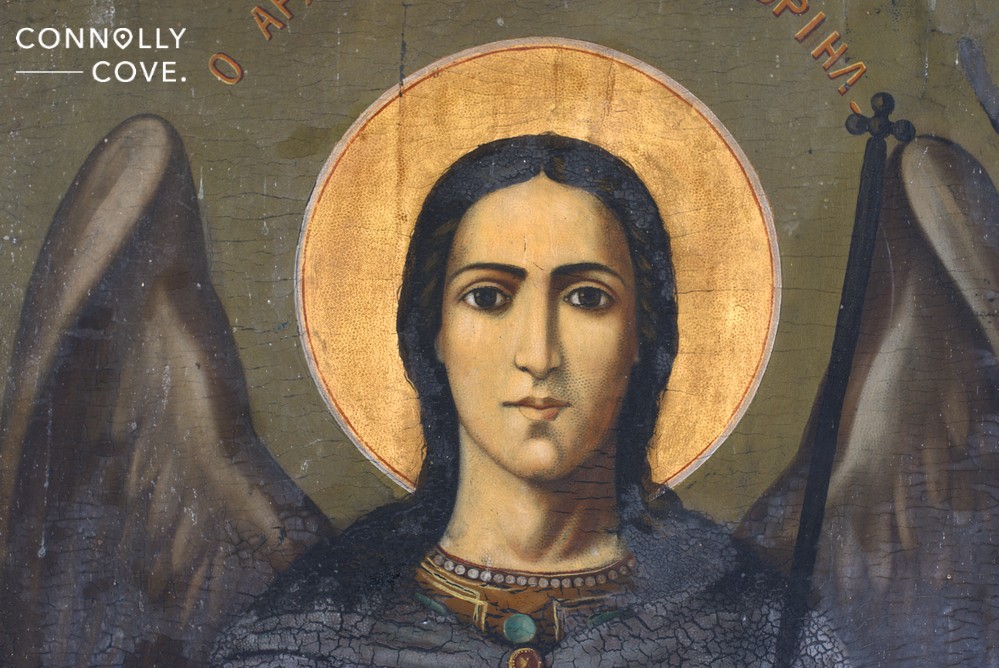
Visual arts continue to depict Gabriel in traditional religious iconography and explore contemporary interpretations. In these artworks, he is often shown in moments of divine messaging, such as the Annunciation, but also in abstract or symbolic forms, highlighting his ethereal nature.
In music, references to Gabriel often evoke themes of hope and divine message. His association with the trumpet, as in the biblical context of revelation, has inspired numerous musical compositions and songs across genres, from classical to modern rock and pop.
Archangel Gabriel plays a crucial role in Abrahamic religions. He is recognised as a divine messenger, announcing God’s will and bringing important messages to humanity. Whether it is the birth of Jesus or delivering the Holy Qur’an to Prophet Muhammad, Gabriel holds immense significance across religious traditions. His role in spiritual growth and communication cannot be overlooked, as he guides psychic readings, channels energy communication, and catalyses spiritual works. Archangel Gabriel’s presence resonates deeply with believers, making him an integral part of their faith.
FAQs
Who is Archangel Gabriel in Abrahamic religions?
Archangel Gabriel is a messenger angel in Abrahamic religions, known to announce God’s will as written in the Old and New Testaments.
What is the role of Archangel Gabriel?
In Abrahamic religious traditions, Archangel Gabriel plays a significant role by announcing important news from God to critical biblical figures.
Why does Archangel Gabriel have spiritual significance?
Archangel Gabriel holds great spiritual belief in Judeo-Christian traditions because he helps convey God’s messages according to sacred texts.
Did Archangel Gabriel play any part with the Son of God?
Yes, Archangel Gabriel had a critical job telling Mary that she would have Jesus, the Son of God.
Is Gabriel a real angel?
Yes, he is known across all Abrahamic Religions as well.
What did Archangel Gabriel do?
He was the chosen archangel to announce to the Virgin Mary she was to bear the son of God.
What is Archangel Gabriel famous for?
He is famous for being the angel of the Annunciation, carrying God’s prophecy of Jesus Christ to the Virgin Mary.
What did Gabriel say to Muhammad?
When Gabriel first appeared to Muhammad, he revealed to him that he, Muhammad, was the messenger of God and that he, Gabriel, was an angel.
What does it mean when Gabriel blows his horn?
It means it’s Judgement Day.
What is the weapon of Archangel Gabriel?
The sword.

8 Must-Do Outdoor Activities in Ireland
Ireland
12/05/2024

Exploring the Legacy of the Wolfe Tones: A Journey Through The Irish Rebel Music!
Music and Arts
12/05/2024

The Tower of London: England’s Haunted Monument
England
11/05/2024

Mohamed Ali Palace in Manial: Home of the King Who Never Was
Egypt
11/05/2024

A Road Trip to Unravel the Wonders of South Tunisia
Africa
11/05/2024