


Ancient China: A Tale of Dragons, Emperors, and the Great Wall
Updated On: April 17, 2024 by  Yasmin Elwan
With a history spanning thousands of years, ancient China is a treasure trove of wonder, mystery, and innovation. From the mystical philosophies of Confucianism and Taoism to architectural marvels like the Great Wall and the Forbidden City, this ancient civilisation has left an indelible mark on our world.
As we embark on this exploration, we’ll discover the dynasties that rose and fell, the profound wisdom of ancient sages, the astonishing inventions, and the enduring traditions that continue to shape The Land of the Dragon and influence global culture.
Different Aspects of the Early Chinese Civilisations
Picture yourself in ancient China, a land steeped in history and mystery. It’s a time long before smartphones and high-speed trains, a time when the foundations of one of the world’s greatest civilisations were being laid.
Nature’s Influence on Ancient Chinese Culture
As you step into this ancient era, one of the first things that will catch your eye is the grandeur of the Yellow River (Huang He) and the Yangtze River. These mighty waterways, often called “China’s Sorrow” due to their tendency to flood, were the lifeblood of early Chinese settlements.
They nurtured communities that sprang up along their banks, offering fertile soil for agriculture and sustenance. The very birthplaces of Chinese civilisation, these river valleys witnessed the rise of the Xia, Shang, and Zhou Dynasties, some of the earliest known dynasties in Chinese history.
Ancient China’s Archaeological Marvels
Venturing further, you’ll stumble upon monumental relics from this period that stand as timeless witnesses to China’s ancient glory. The Erlitou archaeological site, dating back to around 1900 BC, is a fascinating example. This ancient city, believed to be part of the Xia Dynasty, showcases the sophistication of early Chinese urban planning. Walk among the excavated ruins and envision the bustling streets and elegant palaces that once adorned this ancient metropolis.
But the true jewel in the crown of ancient Chinese architecture has to be the oracle bone inscriptions. These inscriptions, etched onto turtle shells and animal bones, are the earliest known examples of Chinese writing. Imagine the awe of a shaman conducting a divination ritual, seeking guidance from the spirit world. The questions asked, the answers revealed—all meticulously recorded on these fragile bones that have withstood the test of time.
Now, let’s not forget the legendary Taosi site, which dates back to around 2300 BC. Often dubbed China’s “cradle of civilisation,” Taosi was an advanced urban centre with massive rammed-earth walls that predated the Great Wall of China by centuries. It’s a testament to the engineering prowess of ancient China, where communities came together to build monumental structures for protection and prosperity.
And what about the Sanxingdui archaeological site, where, beneath layers of earth, exquisite and enigmatic bronze masks and sculptures were unearthed? These relics provide an interesting glimpse into the spiritual and artistic life of a civilisation that flourished around 1200 BC.
The Major Imperial Dynasties of Ancient China
The Imperial Dynasties of Ancient China were nothing short of captivating, spanning millennia, marked by their distinct legacies, accomplishments, and, of course, iconic monuments that continue to stand as enduring testaments to their glory.
Strolling through the pages of history, where emperors ruled, and empires thrived, and where you can still behold the majestic wonders that time has graciously preserved, is an amazing experience you should try your best to live at least for once.
The Zhou Dynasty (1046 BC to 256 BC)
The Zhou Dynasty, spanning from around 1046 BCE to 256 BCE, was a remarkable era in ancient China’s history. This period witnessed significant political, cultural, and technological advancements that left a lasting impact on the nation. Among the many enduring legacies of the Zhou Dynasty are its remarkable monuments, which provide invaluable insights into this fascinating time.
One of the most iconic remnants of the Zhou Dynasty is the city of Haojing, located near modern-day Xi’an. This ancient capital was the centre of Zhou political power and boasted advanced city planning, massive walls, and grand palaces. It’s a vivid testament to the dynasty’s organisational prowess and their ability to govern over a vast territory.
Another marvel from this period is the intricate bronze vessels known as “ding” and “gui.” These ceremonial vessels showcased the Zhou’s artistic and metallurgical skills. The inscriptions on these bronze artefacts also offer glimpses into the rituals, beliefs, and governance of the time.
The Zhou Dynasty’s influence extended to the philosophical realm, with Confucius and Laozi laying the foundations of Confucianism and Taoism, respectively. These philosophical traditions have had an enduring impact on Chinese culture and continue to shape the nation’s values and beliefs today.
The Qin Dynasty (221 BC to 206 BC)
The Qin Dynasty is notorious for unifying China and constructing the magnificent Great Wall. Imagine the sheer determination it took to build a colossal fortification spanning thousands of miles across rugged terrain!
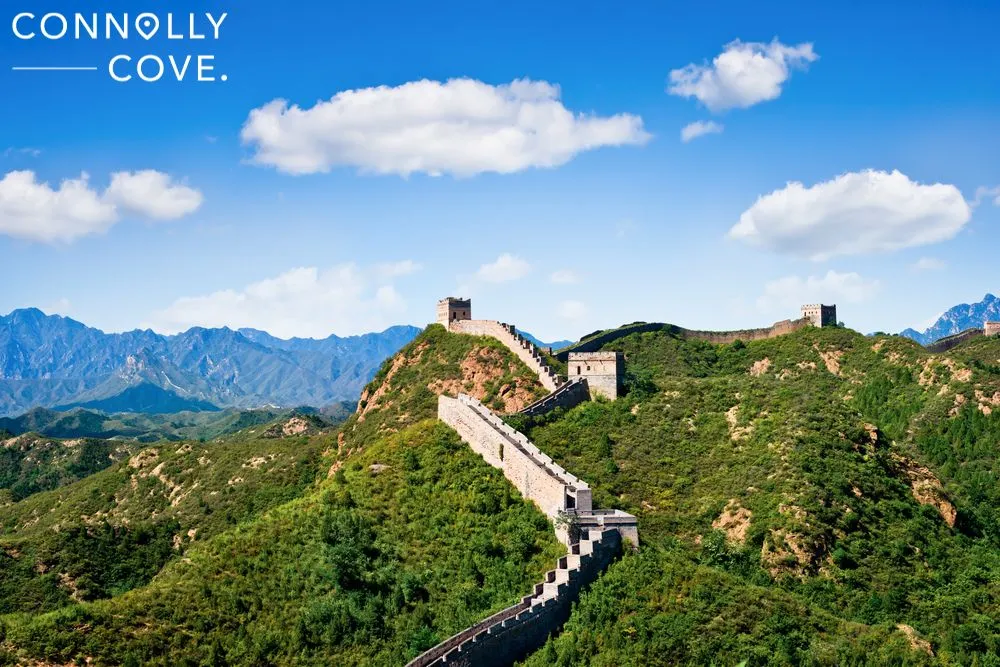
The Great Wall remains a symbol of China’s unity and resilience, a mammoth achievement that still leaves visitors in awe today. Its watchtowers and battlements are like time machines, transporting you to an era when it was an impervious defence against nomadic invaders.
And let’s not forget the majestic Terracotta Army from the Qin Dynasty, which remains one of the most extraordinary archaeological discoveries in history. It’s such a spine-chilling experience to stand before thousands of life-sized terracotta warriors, each one unique in appearance, a testament to the emperor’s quest for immortality. It’s as if these soldiers were frozen in time, waiting for their call to duty.
The Han Dynasty (206 BC to 220 AD)
The Han Dynasty, with its expansive territory and cultural flourish, gifted us with the majestic Silk Road. This ancient trade route connected the East and West, threading through vast deserts, picturesque oases, and bustling market towns. It was an era marked by innovation, stability, and cultural flourishing.
Along its path, you’d stumble upon grand caravanserais, where weary travellers found respite and traders exchanged stories and goods. Even today, the remnants of these Silk Road marvels beckon explorers to uncover tales of commerce and cultural exchange.
Confucianism became the state ideology, shaping Chinese society for centuries to come. The Han Dynasty left an indelible legacy of governance, scholarship, and technological advancements, firmly establishing its place as a cornerstone of China’s rich historical tapestry.
The Tang Dynasty (618 to 907)
Fast forward to the Tang Dynasty, a time when China was at the zenith of its glory. This was an era of unmatched artistry and architectural marvels. Picture the Tang-era pagodas, elegantly tiered and adorned with intricate sculptures.
The Big Wild Goose Pagoda in Xi’an is a perfect example. Built to house precious Buddhist texts, this seven-story wonder stands as a testament to Tang China’s devotion to art and spirituality. As you marvel at its beauty, you can’t help but feel connected to a time when China’s cultural influence extended far beyond its borders.
The Song Dynasty (960 to 1279)
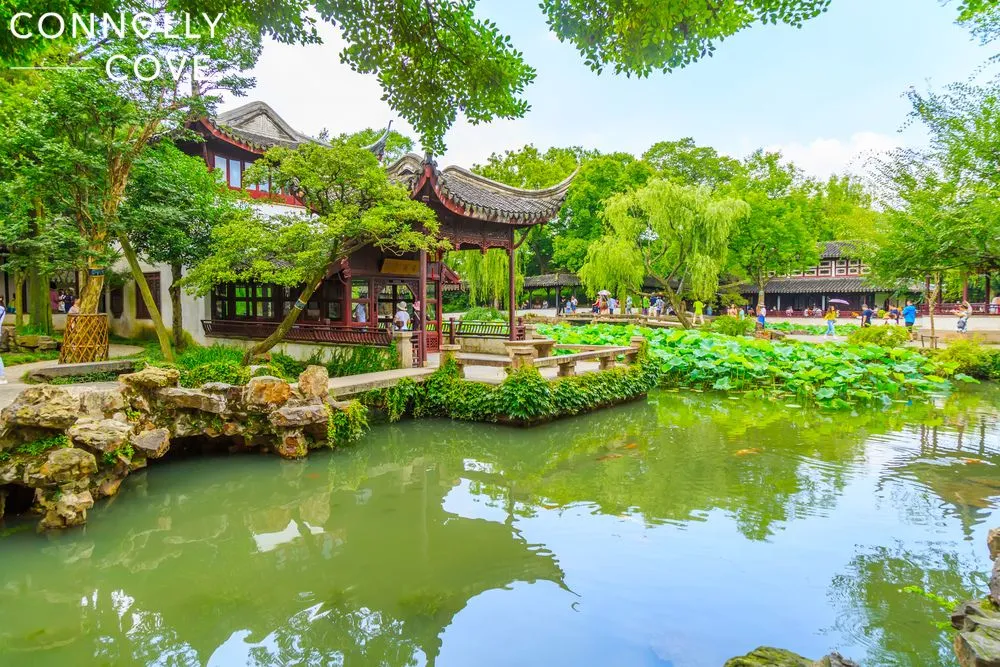
The Song Dynasty, celebrated for its contributions to literature and technology, gifted The Red Dragon the unparalleled beauty of Chinese gardens. It’s so peaceful and relaxing to wander through the Suzhou Gardens, a masterpiece of landscaping and design.
You’ll find serpentine bridges, meandering streams, and meticulously pruned trees that transport you to an era when scholars sought solace in these tranquil retreats. The Song Dynasty’s penchant for artistry and aesthetics shines through in these beautifully crafted havens.
The Ming Dynasty (1368 to 1644)
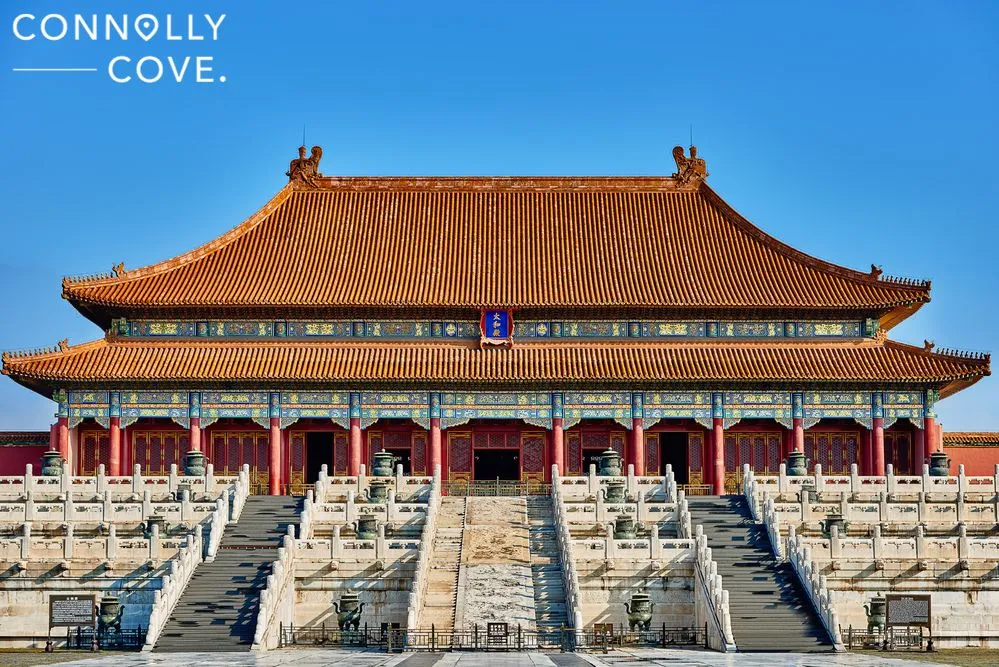
The Ming Dynasty, renowned for its architectural prowess, built the Forbidden City in Beijing—a sprawling palace complex that once housed emperors and their retinues. The Forbidden City is an architectural marvel with its crimson walls, golden roofs, and a labyrinthine layout that hints at a time when the emperor’s authority was absolute. As you walk through its ornate halls, you can almost hear the whispers of eunuchs, the footsteps of concubines, and the echoes of imperial edicts.
Venturing further into history, you’ll encounter the Yuan Dynasty, founded by Kublai Khan, which introduced the mesmerising art of porcelain. The blue-and-white patterns adorning Ming and Qing Dynasty porcelain pieces are evocative of the artistic sophistication of ancient China. Imagine gazing upon these delicate works of art in a museum and feeling a profound connection to the artisans who crafted them centuries ago.
The Ming and Qing Dynasties, famous for their classical Chinese architecture, bestowed upon us the Temple of Heaven. This architectural gem, located in Beijing, is an awe-inspiring representation of ancient Chinese cosmology and imperial ritual. The Hall of Prayer for Good Harvests, with its triple-tiered roof and intricate wooden beams, offers a glimpse into the celestial aspirations of the emperors who once worshipped here.
So, next time you find yourself exploring the remnants of these imperial dynasties, remember that you’re not just observing history—you’re stepping into the shoes of emperors, scholars, and artisans who shaped the course of an empire. These monuments are not lifeless relics; they are living witnesses to the enduring legacy of ancient China, a legacy that continues to inspire and captivate us today.
Ancient Chinese Art and Culture
As we journey further into the realm of ancient Chinese art, we encounter the captivating beauty of traditional Chinese painting and calligraphy. These art forms are more than just aesthetically pleasing; they are a reflection of deep philosophical beliefs and cultural values.
Ink wash paintings, characterised by their serene landscapes and delicate brushwork, transport us to the tranquil mountains and misty rivers of ancient China. The elegant strokes of calligraphy, on the other hand, embody the essence of Chinese writing and language, transcending mere words to convey profound meaning and emotion.
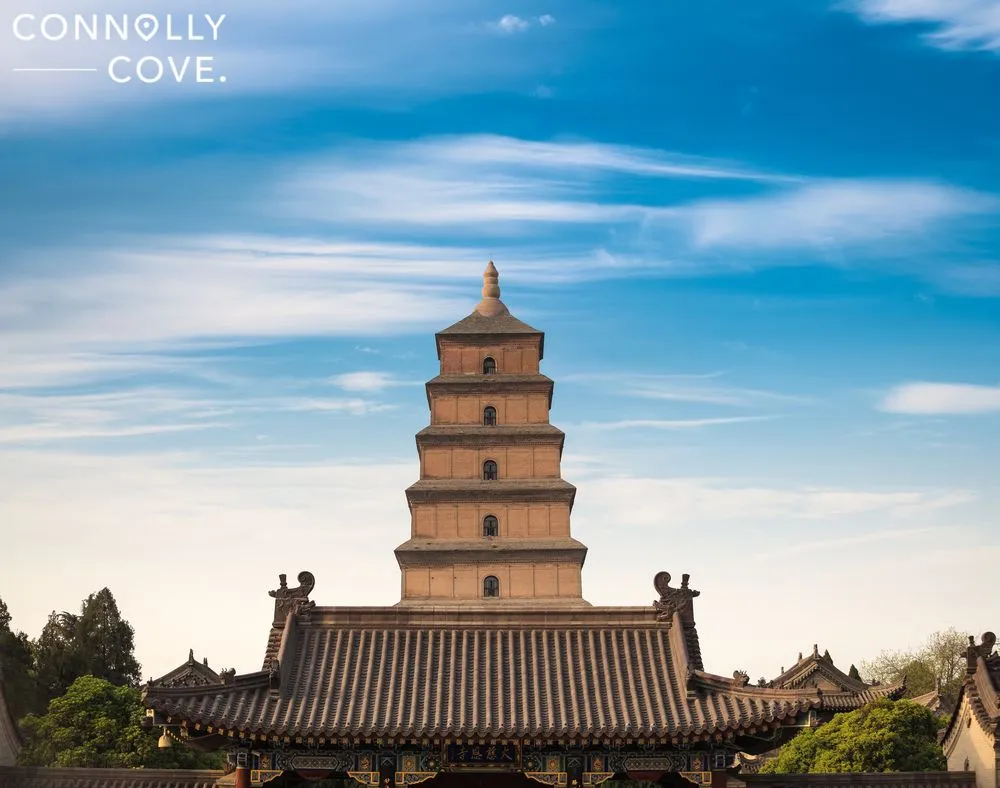
To fully understand ancient Chinese culture, we must also explore the grandeur of Buddhist temples and pagodas, such as the spectacular Shaolin Temple and the graceful Giant Wild Goose Pagoda. These structures are not only architectural marvels but also centres of spirituality, where monks and scholars once gathered to seek enlightenment and preserve sacred texts.
Furthermore, Chinese architects mastered the use of wooden beams and brackets, allowing for the creation of stunning temples and palaces that have withstood centuries of wear and tear. These architectural marvels not only served practical purposes but also embodied the profound spiritual and philosophical beliefs of the culture, making them a window into the heart and soul of ancient China.
What Did a Dragon Represent in Ancient China?
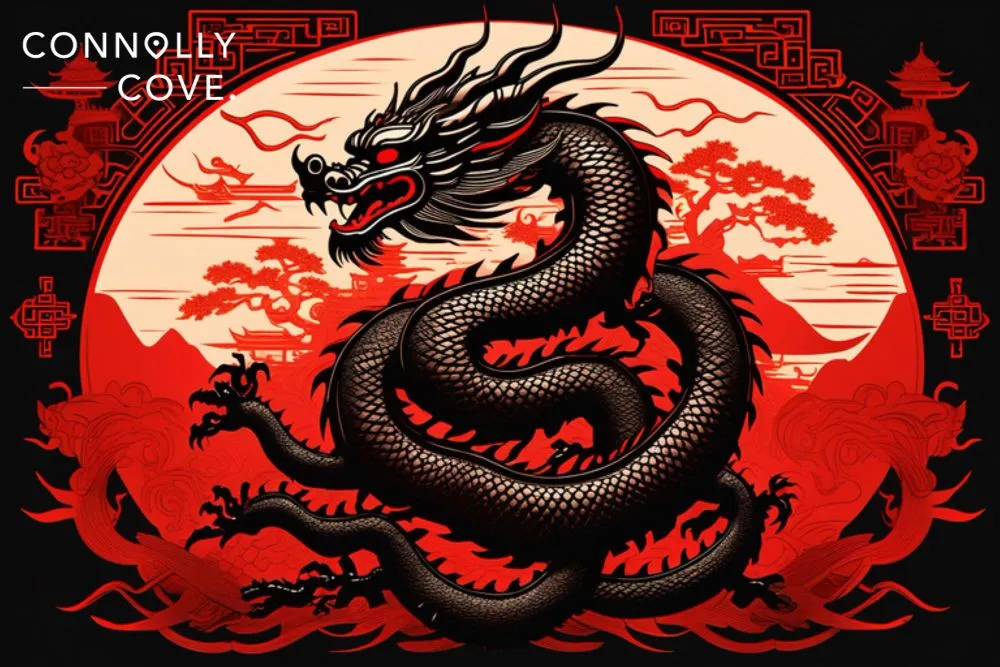
In ancient China, the dragon was the ultimate bee’s knees of symbolism, representing a fusion of power, wisdom, and imperial authority. It was the king of mythical creatures. The dragon’s influence is woven into the very fabric of Chinese culture, akin to ‘jam on toast’ at a British tea party. It was not merely a creature of folklore but a revered emblem of emperors and dynasties.
This majestic creature found its way into architecture, art, and even the famous Terracotta Army. In the Forbidden City, dragon motifs adorned everything from grand gates to exquisite porcelain. It was as if the dragons themselves were guarding these sacred spaces. Moreover, the iconic Dragon Throne, where emperors held court, was a symbol of unparalleled authority, making the queen’s sceptre seem rather quaint.
When it comes to ancient monuments, the Great Wall, that winding serpentine structure, was also touched by the dragon’s magic. It’s believed that the Wall not only served as a formidable defence against invaders but also harnessed the dragon’s protective qualities to safeguard the realm. But the dragon wasn’t just about power; it embodied balance. In the concept of ‘yin and yang,’ the dragon represented the ‘yang’ or masculine force, complementing the ‘yin’ or feminine aspects.
Religion and Spirituality in Ancient China
In the heart of ancient China, a tapestry of diverse beliefs and spiritual practices wove a rich, colourful pattern across the landscape. Religion and spirituality were integral to the lives of the people, leaving an indelible mark on the country’s history.
Daoism and Confucianism were two major philosophical currents that influenced daily life and culture. Daoism emphasised living in harmony with the Dao, or the way of nature, encouraging meditation and a simple lifestyle. On the other hand, Confucianism centred on ethical conduct, societal order, and the importance of familial bonds.
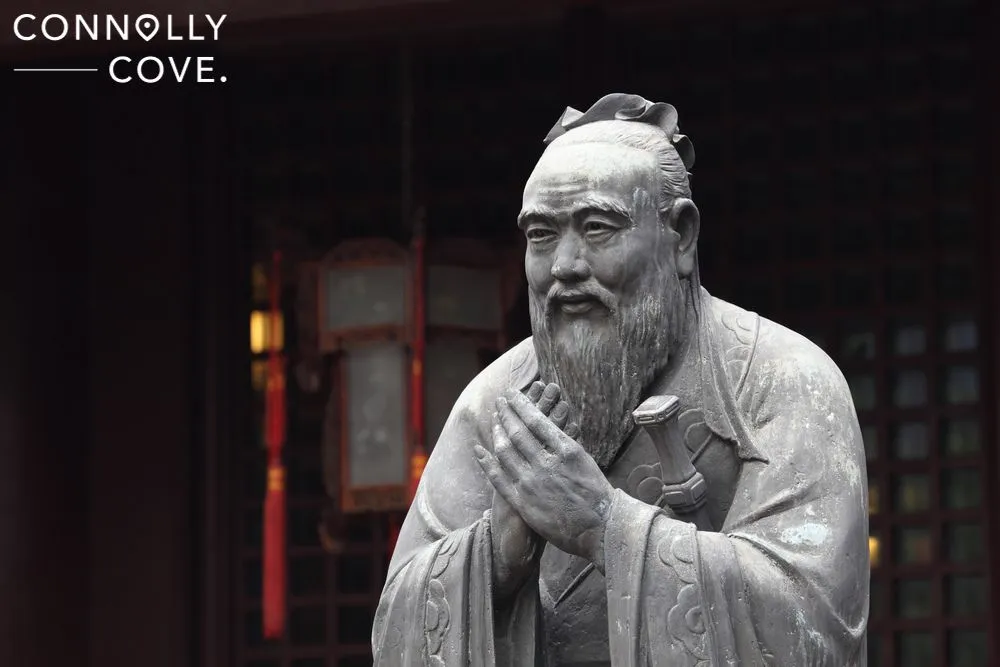
Monuments from this period stand as silent witnesses to this spiritual fervour. The Longmen Grottoes, dating back to the Northern Wei Dynasty, are a breathtaking testament to Buddhism’s profound influence. These intricate rock carvings and statues, nestled along the banks of the Yi River, showcase devotion to Buddhist ideals.
Meanwhile, the magnificent Temple of Heaven in Beijing, constructed during the Ming Dynasty, served as a sacred site for emperors to perform religious ceremonies and connect with the divine. Its stunning architecture and symbolism reflect ancient Chinese cosmology.
Ancient Chinese spirituality also found expression in ancestor worship, which played a pivotal role in family life. Shrines and ancestral tablets, meticulously cared for through the generations, were revered as connections to departed loved ones.
These facets of religion and spirituality in ancient China reveal a profound reverence for tradition, nature, and the cosmos, echoing through the ages as a testament to the enduring spirit of this remarkable civilisation.
Decline and Transformation: The End of Ancient China
Alright, let’s dive into a transformative tale that’s like going from “tea and crumpets” to “bubble tea and dim sum.” The end of Ancient China marked the beginning of a new era, akin to shedding old skin and emerging as a “phoenix from the ashes.” As the final embers of the Ming Dynasty flickered out, China was at a crossroads, ready to embrace the winds of change.
The Ming Dynasty’s decline, combined with external pressures, brought a tempestuous period to China’s doorstep. The once-mighty empire faced a “perfect storm” of challenges, from the Mongol invasions to internal strife. The result? A China in turmoil, teetering on the brink of an identity crisis.
End of an Era and Beginning of Another
But in the chaos, the seeds of transformation were sown. Think of it as the “Chinese tea ceremony” of renewal. One of the most pivotal moments was the rise of the Qing Dynasty, which, though foreign in origin (the Qing rulers were of Manchu ethnicity), managed to unify and stabilise China. It was a bit like the British monarchy with a twist – tea from China rather than India.
The Qing Dynasty brought about a period of relative peace and prosperity, allowing for a “Chinese Renaissance” of sorts. Art, culture, and trade flourished like a lively afternoon tea gathering, complete with porcelain, silk, and new innovations like the abacus.
The Modern Red Dragon Rises
Fast forward to the 19th century, and China was facing a harsh dose of “opium-induced fog,” courtesy of British traders. The Opium Wars ensued, forcing China to “open its doors” to foreign influence. This marked the beginning of the end for ancient traditions, like the rigid Confucian social order.
The 20th century saw the tumultuous transition from “imperial robes to business suits.” The Xinhai Revolution of 1911, led by figures like Sun Yat-sen, toppled the Qing Dynasty and paved the way for the Republic of China. Yet, this new beginning was fraught with challenges as China struggled through warlordism and foreign interference.
Then came the watershed moment – the rise of the Chinese Communist Party (CCP) under the leadership of Chairman Mao Zedong. The CCP’s victory in the Chinese Civil War in 1949 marked the dawn of “New China.” The “Cultural Revolution” was a turbulent chapter akin to Britain’s own social upheaval in the ’60s. It reshaped China’s political and cultural landscape, leaving both scars and lessons.
From “The Middle Kingdom” to “The People’s Republic”
The late 20th century saw China taking bold strides towards modernity. Deng Xiaoping’s economic reforms, like a “cuppa with a dash of milk,” opened China to the world. The country’s rapid industrialisation and embrace of capitalism turned it into an economic powerhouse, with cities like Shanghai and Shenzhen rising like “phoenix cities” from the ashes of the past.
Today, as we sip on bubble tea and savour dim sum, we witness China’s transformation into a global juggernaut. Ancient traditions and modern innovations coexist in this “yin and yang” nation, where the “Great Wall” of history meets the “Great Firewall” of technology. It’s a reminder that change is a constant, whether you’re sipping Earl Grey or green tea – and in China’s case, it’s been one heck of a journey from ancient times to the modern age.
As you walk in the footsteps of ancient Chinese inhabitants, surrounded by these monumental reminders of their ingenuity and creativity, you can’t help but be captivated by the rich tapestry of history that unfolded here. These early civilisations were the fertile soil from which modern China would grow, shaping not only the nation itself but also influencing the course of world history. It’s a journey back in time that’s both humbling and awe-inspiring, reminding us that the roots of greatness often lie in the distant past.

Top Places to Visit on a Day Trip to Alexandria
Egypt
09/05/2024
Kilmainham Gaol; Former Prison Turned Tourist Attraction
County Dublin- Dublin
09/05/2024

25 of the Best Irish Comedians: The Irish Humour
Ireland
09/05/2024

Royal County Down Golf Club: One of the Oldest Irish Courses
Northern Ireland
09/05/2024

The Dingle Peninsula: A Beautiful Part of Ireland
Ireland
08/05/2024