

10 Reasons Why Yokohama Should Be Your Next Destination
Updated On: April 23, 2024 by  Yasmin Elwan
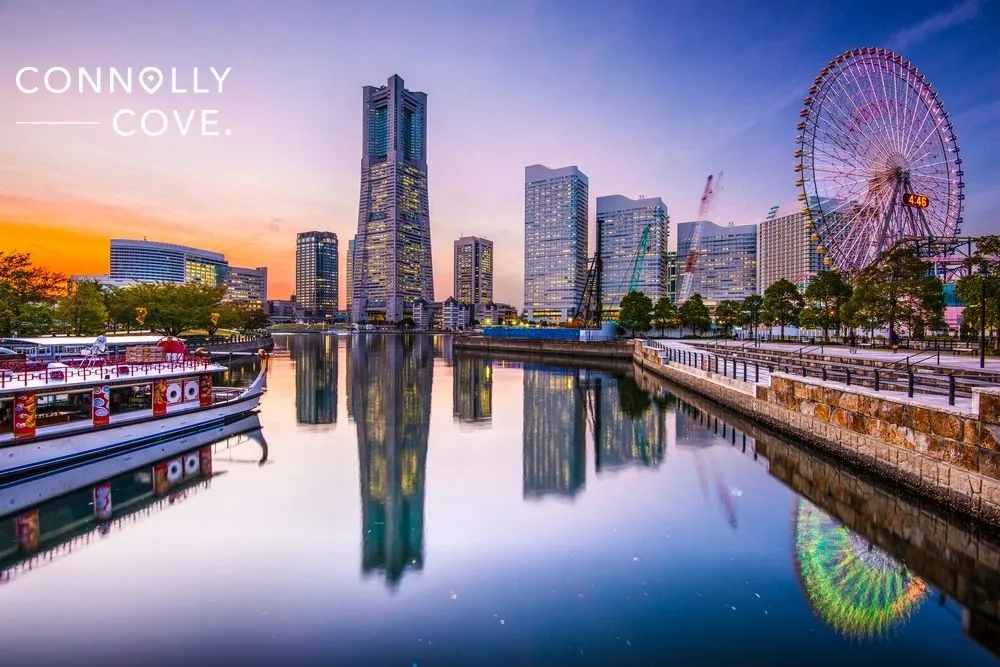
If Yokohama is not Japan’s favourite child, I don’t know which city it would be! Otakus will easily recognise Japan’s most significant port city from popular Japanese animes such as Bungo Stray Dogs, From Up on Poppy Hill, and Hamatora The Animation. So, whether you would like to have a cup of coffee with Osamu Dazai or simply enjoy the Japanese vibes and culture, Yokohama is a must-visit.
How Did Yokohama Become Japan’s Gateway to the World?
Yokohama is a city that’s written itself a fascinating history with ink imported from all around the world. Its journey from a humble fishing village to a global port city is a tale of epic proportions. Back in the 19th century, Yokohama opened its doors to foreign trade, and boom, the city’s growth went off like a firework on Bonfire Night. The Brits were among the early birds to nest here, helping construct the city’s modern infrastructure, including its first lighthouse. Now, that’s what we call a bright idea!
What’s particularly groovy about Yokohama is its multicultural vibe. It’s like a cocktail with a twist of lemon from every corner of the globe. Yokohama boasts a fabulously diverse population, and you can’t stroll down the streets without bumping into a friendly face from somewhere unexpected. Chinatown’s one of the highlights, the largest in all of Japan, where you can feast your eyes on some cracking culinary delights.
Now, let’s talk about that sweet blend of tradition and modernity. Yokohama isn’t stuck in a time warp, but it’s certainly got one foot in the past and the other in the future. You can have a serene stroll through Sankeien Garden, appreciating the beauty of traditional Japanese architecture and landscape design, and then catch a futuristic vibe at the Cosmo Clock 21, one of the world’s largest Ferris wheels.
Yokohama’s story is like sipping a spot of afternoon tea with a side of sushi. It’s a city that’s been a global gateway, welcoming cultures, and embracing the old and new with open arms. Cheers to Yokohama’s unique blend of tradition and modernity!
What’s Hot in Yokohama?
Whether you’re a culture vulture, foodie, or simply after some stunning views, this city’s got something for everyone. With its rich history, vibrant neighbourhoods, and modern charm, Yokohama’s attractions are as diverse as they are delightful.
Yokohama Landmark Tower and Sky Garden
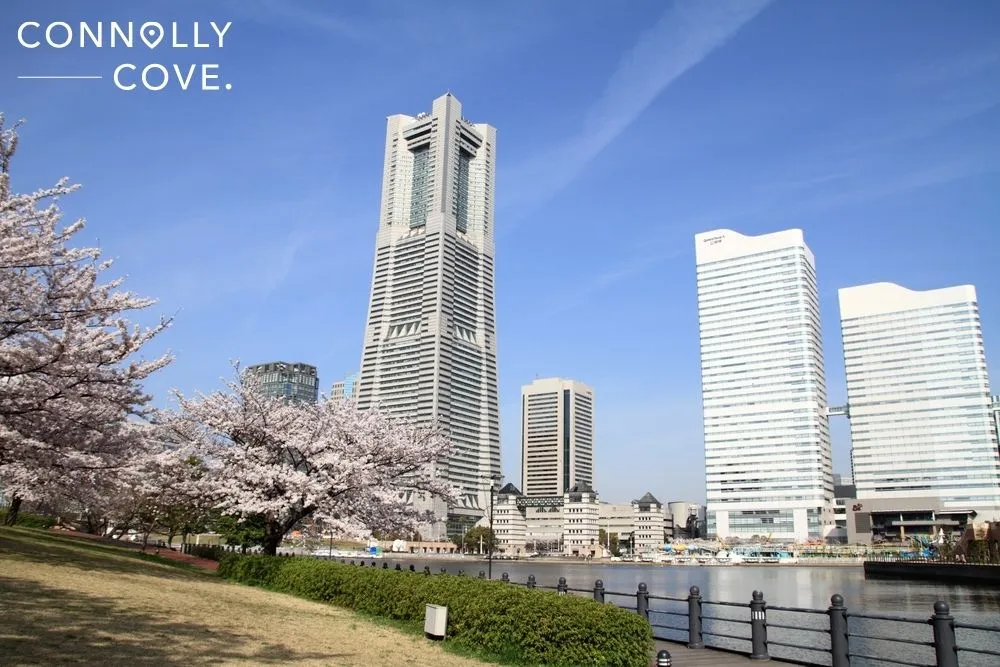
Yokohama Landmark Tower and its dazzling Sky Garden stand as iconic testaments to Yokohama’s blend of modernity and tradition. This architectural marvel, reminiscent of British skyscrapers, graces the city’s skyline with panache.
As a tourist, the fun begins with an express elevator ride to the Sky Garden, where you’ll be greeted with a jaw-dropping 360-degree view of the city and Mount Fuji on a clear day. The observatory is your window to Yokohama’s charm. You can sip a cup of English tea (yes, they have it!) in a British-style tearoom or enjoy a meal with a view at the restaurant.
In the evening, the city lights come to life, and the Sky Garden transforms into a romantic escape. For the adventurous souls, there’s even the Sky Walk, a glass floor that lets you look down at the city beneath your feet. Don’t forget to snap a selfie to commemorate your visit, and remember, the best views are the ones you share with friends and family.
Yokohama Cosmo World
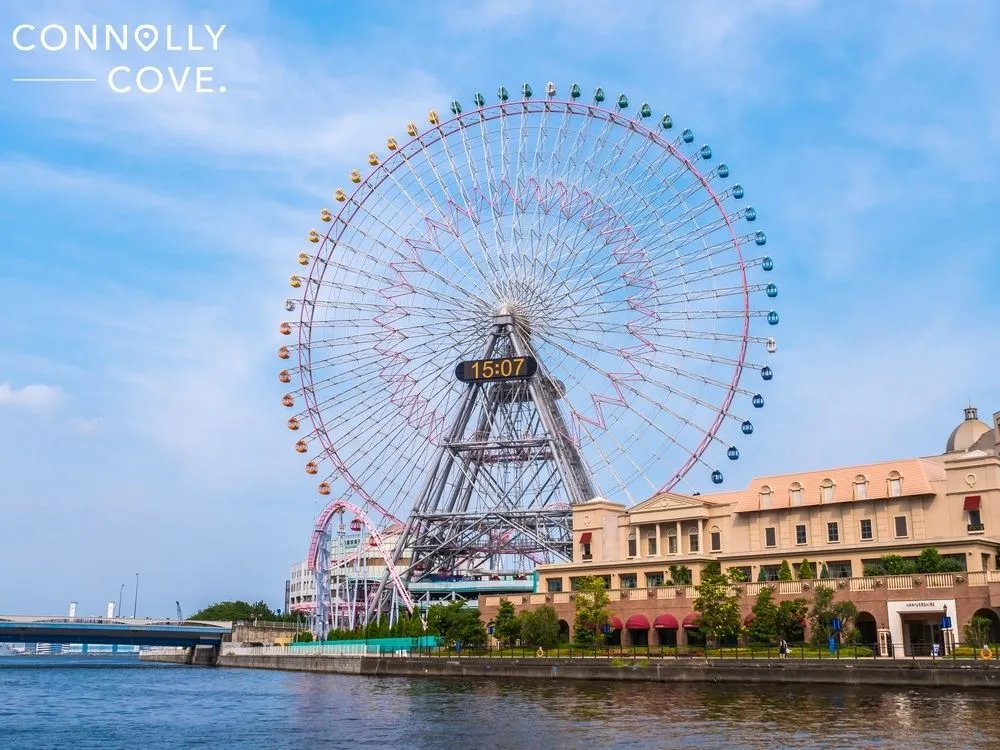
Yokohama Cosmo World, the buzzing amusement park at the heart of this vibrant city, is where the fun-loving traveller can get their thrills and spills. Nestled right in the Minato Mirai district, it’s a place where you can unleash your inner child and create unforgettable memories. With a backdrop of stunning cityscape views and the iconic Cosmo Clock 21 Ferris wheel, it’s more than just an amusement park; it’s an experience.
Get your adrenaline pumping on the exciting roller coasters like the “Vanish” that literally disappears into an underground tunnel. Or, take a gentle spin on the Cosmo Clock, an engineering marvel, and catch a bird’s-eye view of Yokohama’s breathtaking skyline. As the sun sets, the park transforms into a magical wonderland with dazzling lights and a lively atmosphere, making it the perfect evening hangout.
For families, it’s a day out filled with laughter and happy screams. Grab a candy apple, go on the classic merry-go-round, or challenge each other in friendly games at the arcade. And if you’re here for the romantic vibes, a leisurely ride on the Ferris wheel at sunset is the stuff dreams are made of.
Pro tip: Get a Cosmo World Pass for unlimited rides and a wallet-friendly adventure. So whether you’re an adrenaline junkie, a family seeking a fun day out, or a couple looking for a whimsical evening, Yokohama Cosmo World is where thrill and delight come together.
Sankeien Garden
Nestled in the heart of Yokohama, Sankeien Garden is a tranquil oasis that whisks you away from the urban hustle and bustle. This beautifully landscaped garden, complete with traditional Japanese architecture, offers a serene escape from the daily grind. The garden is a delightful fusion of nature and culture, boasting cherry blossoms in spring, fiery autumn foliage, and picturesque ponds.
To make the most of your visit, follow the meandering paths through bamboo groves and across charming bridges, which lead you to historic teahouses and temples. Be sure to sip on a cup of matcha at one of these teahouses, immersing yourself in the serene traditions of Japan.
Sankeien Garden truly comes alive during the cherry blossom season, making it a perfect time to visit. The vibrant colours of autumn also offer a visual treat for the senses. Remember to bring your camera to capture the picturesque scenes. In any season, explore the delicate artistry of Japanese landscapes, and you’ll find a sense of inner peace. As you wander through this haven, it’s an ideal opportunity to enjoy some mindfulness and reconnect with nature.
Don’t forget to interact with the locals – you might stumble upon a traditional Japanese performance or tea ceremony. With a warm cup of green tea in hand, amid the soothing sounds of the garden, you’ll feel like you’ve stepped into your very own Zen-like moment.
Yokohama Chinatown
Yokohama’s vibrant and bustling Chinatown is the largest of its kind in Japan, where the red lanterns and aromatic scents will transport you to the heart of China. This lively district offers a fusion of culture, history, and, of course, incredible cuisine.
Stroll along the picturesque streets filled with traditional Chinese architecture, adorned with intricate details and vibrant colours. You can’t miss the towering paifang gates marking the entrances, setting the scene for an unforgettable adventure.
To make the most of your visit, embark on a culinary journey through Chinatown’s tasty treasures. Start with mouthwatering dim sum featuring steaming dumplings and buns, and be sure to savour the local speciality, “nikuman” (steamed meat buns). For dessert, don’t skip the “manju” (sweet buns) filled with red bean paste. Explore the various Chinese restaurants, each offering unique flavours, from Sichuan and Cantonese to Fujian and more.
While indulging your taste buds, immerse yourself in the local culture by shopping for traditional Chinese goods, from souvenirs and crafts to tea and medicinal herbs. And don’t forget to time your visit during one of Chinatown’s vibrant festivals, like the Chinese New Year celebrations, to experience the district’s energy and authenticity.
Yamate Bluff
Yamate Bluff, often referred to as the “Bluff,” is a picturesque district in Yokohama that takes visitors on a journey back in time. Strolling through its leafy streets feels like stepping into a different era with its well-preserved Western-style mansions and gardens. One can’t help but be charmed by the elegant architecture and the lush surroundings.
To make the most of your visit, take a leisurely walk along the Bluff’s cobblestone streets, admiring the historic residences. Don’t forget to explore the beautifully landscaped gardens, like the Ehrismann Residence’s stunning rose garden.
If you’re into art, the Yokohama Museum of Art is nearby and showcases a remarkable collection. For a delightful British-inspired experience, enjoy afternoon tea at one of the charming teahouses. The Yamate Bluff is a step back in time, an oasis of tranquillity, and a testament to Yokohama’s rich history – a must-visit for history buffs and those seeking a peaceful escape.
Yokohama Red Brick Warehouse
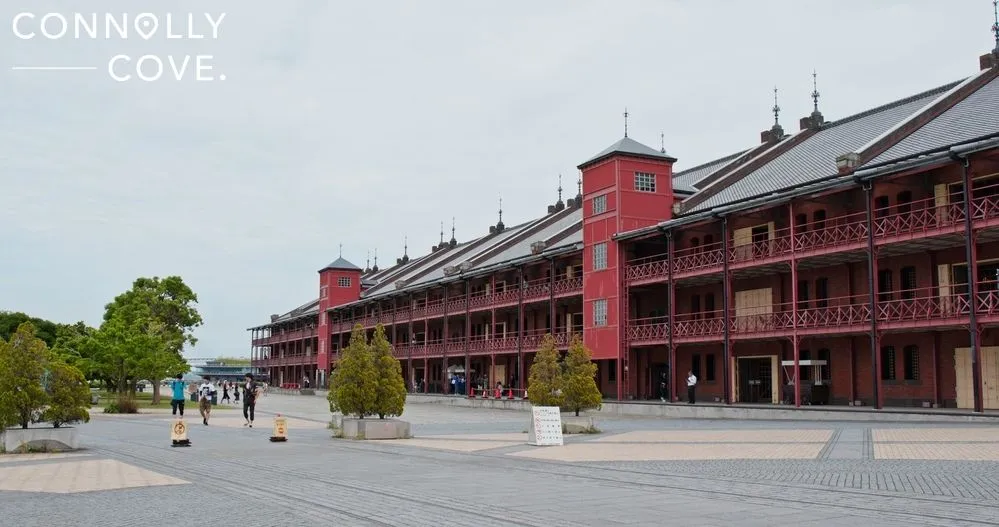
Yokohama Red Brick Warehouse is a cultural gem nestled by the bay, offering a unique blend of history and modernity. Originally a customs building, it now houses a variety of shops, restaurants, and event spaces. To fully enjoy your visit, start by strolling along the scenic waterfront promenade, taking in the stunning views.
Explore the vibrant shopping and dining options within the historic brick walls, where you can find everything from local crafts to international cuisine. Keep an eye on their event calendar, as the warehouse hosts art exhibitions, music performances, and seasonal markets. It’s a delightful destination where you can shop, dine, and immerse yourself in Yokohama’s cultural tapestry.
Shin-Yokohama Raumen Museum
Step into a steaming bowl of history and flavour at the Shin-Yokohama Raumen Museum. This noodle wonderland takes you on a mouthwatering journey through Japan’s ramen culture. Tourists can explore various ramen stalls, each representing a different regional style, from Hokkaido to Kyushu.
The aroma of simmering broth and the sound of slurping noodles fill the air, transporting visitors to the heart of this beloved dish. Don’t forget to sample signature broths and toppings – a delightful culinary adventure. Plus, the retro 1950s streetscape adds a unique touch, making you feel like you’ve stepped into a ramen-themed time machine. It’s a lip-smackingly good experience!
Cup Noodles Museum
The Cup Noodles Museum in Yokohama is a noodle lover’s dream come true. Here, you can get a steaming bowl full of knowledge about the history of instant noodles and, of course, the star of the show, cup noodles. Your visit begins with a creative workshop, where you can design your own custom cup of noodles, which is a smashing hit with both kids and adults. You’ll feel like a noodle artist crafting your personal masterpiece.
Then, take a stroll through the museum to learn about the ingenious mind behind this culinary creation. The Cup Noodles Museum is an experience that combines history, creativity, and, of course, delicious noodles — a treat for the senses and the soul!
Kirin Beer Village
Nestled in the heart of Yokohama, Kirin Beer Village is a hoppy haven for beer enthusiasts and curious travellers alike. This place is where beer aficionados can have a frothy good time while quenching their thirst for knowledge. A tour of the Kirin Brewery will teach you the art of brewing and take you on a journey through the history of this famous beverage.
Afterwards, it’s time to raise a glass and sample the freshly brewed beer, allowing your taste buds to embark on a voyage of delicious discovery. You can soak up the laid-back atmosphere in the on-site pub and enjoy the hearty British variant of a pub lunch. Kirin Beer Village isn’t just a place to wet your whistle; it’s an immersive experience that lets you dive into the world of beer-making.
Yokohama Port and Bay Area
What kind of a trip to Yokohama doesn’t include a visit to its most iconic sight? Yokohama’s Port and Bay Area is an enchanting waterfront playground for tourists. Here, you can relish the classic British idiom “strolling by the seaside” as you amble along Yamashita Park’s promenade, breathing in the refreshing sea breeze and savouring a picturesque view of Yokohama Bay Bridge.
Mini adventures await, from riding a vintage-style “Akai Kutsu” (Red Shoes) bus to indulging in a quirky Cup Noodles Museum experience. For those who fancy indulging in some retail therapy, the sprawling Minato Mirai area offers world-class shopping, with Landmark Plaza and Queen’s Square as top-notch shopping centres.
You can dine at one of the numerous fine restaurants, sample international cuisines, or quench your thirst with a cold beverage at local pubs. To complete your maritime experience, visit the Yokohama Maritime Museum, showcasing Yokohama’s nautical history and maritime culture. So, embrace your inner explorer and make waves in Yokohama’s Port and Bay Area.
Where to Find a Dreamy Stay in Yokohama
When it comes to finding a comfy nest in Yokohama, you’re spoiled for choice. This city’s accommodation game is as diverse as its attractions. If you’re all about high-rise city life, look no further than the Yokohama Landmark Tower. This is where you’ll get the VIP treatment—and the views? Oh, my days, they’re a jaw-dropper.
For a more wallet-friendly stay with a bit of charm, Chinatown’s got you covered with its budget-friendly hostels and boutique inns. Now, if you’re fancying some old-world elegance, Yamate’s historic district boasts charming Western-style guesthouses.
But don’t worry, we’re not leaving you hanging if you’re after something a bit different. Yokohama’s got that Japanese pod hotel experience nailed. The futuristic, space-saving pods are perfect for budget-conscious travellers who want a unique stay. For those who prefer being a stone’s throw from Minato Mirai, there’s no shortage of business hotels, each offering their take on Japanese efficiency.
If you’re travelling with your family, consider family-friendly hotels like the InterContinental Yokohama Grand or the Yokohama Bay Sheraton Hotel & Towers, where you can enjoy great amenities and stunning waterfront views. If you’re really looking to splash the cash, there are luxury hotels in Yokohama that’ll treat you like royalty. Think plush suites, fine dining, and top-notch service that’s second to none.
Top Tips for an Unforgettable Visit
So, if you’re planning to rock up in Yokohama, a bit of insider knowledge will go a long way. Firstly, the weather – Yokohama is a four-season kind of place. For a tip-top visit, spring and autumn are the bee’s knees. The weather’s sweet, and cherry blossoms in spring? Well, they’re the dog’s bollocks.
Summertime can get a tad warm and humid, but if you’re up for festivals and fireworks, it’s a proper treat. Just be ready to sweat. Winter’s not too shabby either, with crisp air and fewer crowds, but you might need a brolly.
Getting around? Sorted. Yokohama’s public transport system is tip-top. Grab a Pasmo or Suica card, and you’re good to go on trains, buses, and even some trams. If you fancy a proper Yokohama experience, hop on a cruise ship for a unique perspective of the city. It’s a belter.
Last tip: go with the flow. The locals are friendly and respectful, so mind your Ps and Qs, and you’ll have a right good time.
So there you have it, folks! Yokohama is a city that effortlessly blends the old with the new, the traditional with the trendy. As you wrap up your trip, take those memories with you and know you’ve discovered a true travel gem. If you intend to explore more of Japan, Connolly Cove has a little something for you, so check these out: Osaka: Japan’s Traditional Kitchen With a Modern Twist | 2-Day Trip to Shibuya, the Neon-Lit Heart of Tokyo

Unveiling the Enigma of Cronk Sumark: A Mesmerising Ancient Celtic Hill Fort with Stunning Views!
Culture Exploration
03/05/2024

Dylan Thomas: Exploring The Life of Wales’ Creative Wordsmith!
Language and Literature
03/05/2024

The Mythical Power of Viking Ravens: Huginn and Muninn!
Mythology and Folklore
03/05/2024

Exploring the Remote Beauty of the magnificent Shetland Island!
Scotland
03/05/2024

Understanding the Meaning and Symbolism of Heraldry Symbols!
History and Heritage
03/05/2024