
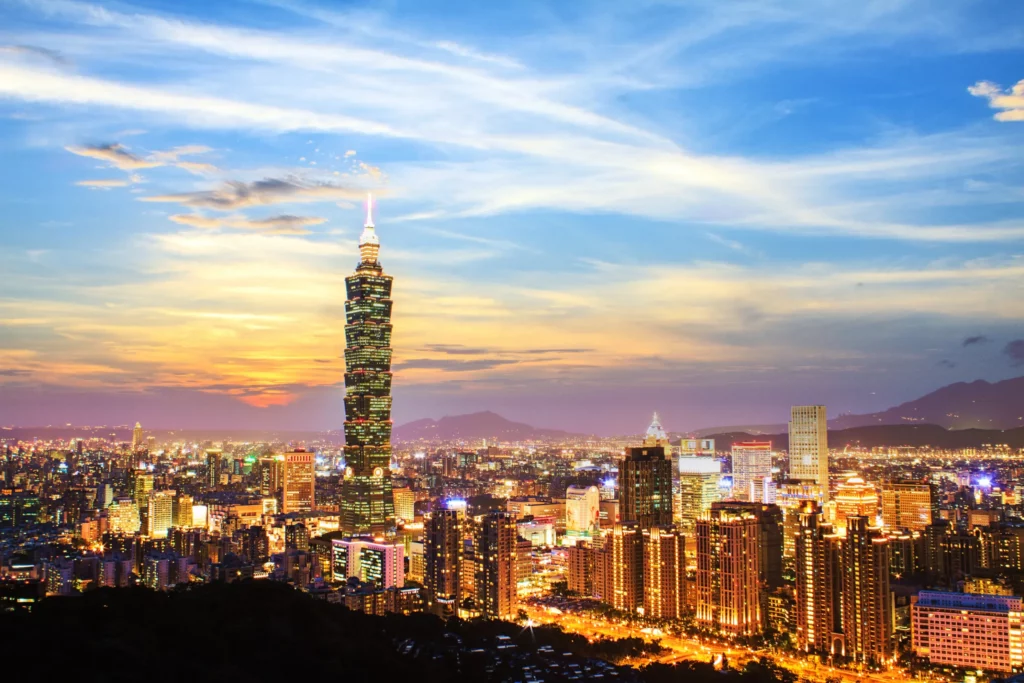

2-Day Trip to Shibuya, the Neon-Lit Heart of Tokyo
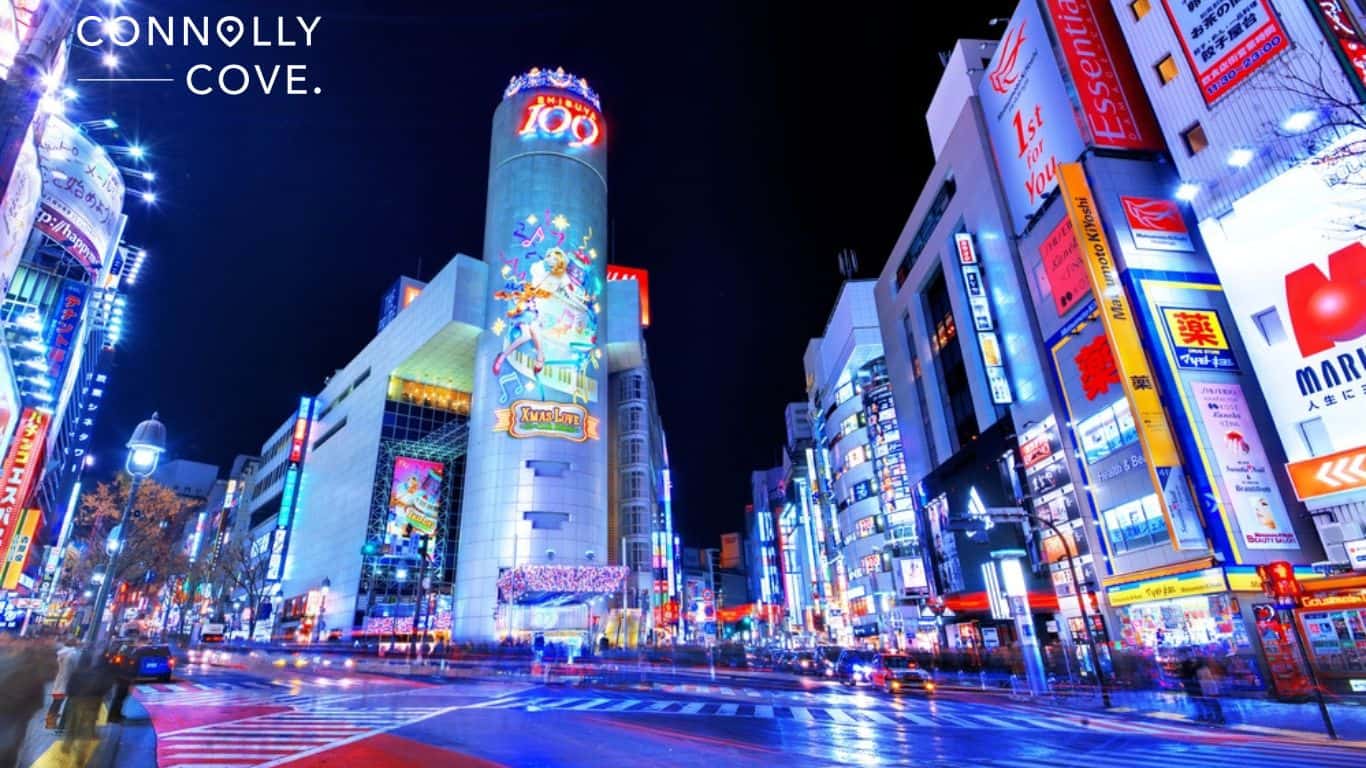
Updated On: November 09, 2023 by  Yasmin Elwan
The pitter-patter of footsteps, the bright lights coming from massive screens, the fashion exuding elegance, the mouthwatering smell of food, and the uniqueness of the Japanese culture are all part and parcel of Shibuya’s everyday life. This special ward in Tokyo, Japan, is famous worldwide for its one-of-a-kind atmosphere and excellence in handling literally millions of pedestrians every single day with absolute smoothness.
Movie buffs and anime addicts will easily recognise Shibuya from plenty of renowned works like the humourous Lost in Translation (2003), the thrilling film The Fast and the Furious: Tokyo Drift (2006), and the latest Jujutsu Kaisen’s season 2—Shibuya Incident arc (2023).
From a Quiet Village to a Vibrant Metropolis
Shibuya, Tokyo, has a captivating history that echoes through its bustling streets and vibrant energy. Once a quiet and rustic area on the outskirts of Tokyo, Shibuya has transformed into a bustling hub of fashion, entertainment, and youth culture. This piece of land was home to the mighty Shibuya clan, who constructed a majestic castle in that very spot during the 11th century.
Later, during the Edo period (1603-1868), Shibuya was just a tiny village, playing the role of a pit stop for weary travellers on the famous Tokaido highway. But, everything took a turn in 1885 when the Yamanote Line railway opened a station in Shibuya. This turned Shibuya into a major transportation hub, and the area began to grow rapidly.
In the blink of an eye, Shibuya rose to fame in the early 20th century as a hotspot for shopaholics and thrill-seekers alike. The famous Shibuya Crossing hit the scene in 1973, and in no time, it was swarming with people like bees to honey, making it one of the busiest crosswalks on the planet.
Ever since then, Shibuya has become a hotbed for the young and the bold, pulling in trendsetters who are always one step ahead of the fashion game, music enthusiasts who can’t resist the beat, and interested souls who are on the hunt for a slice of Tokyo’s electrifying vibe.
A Look at How Anime Put Shibuya on the Map
Anime, sushi, and colourful kimonos: when you think of Japan, these are most likely the first things that spring to mind. Those things represent a big part of the Japanese culture. Anime serves as a delightful window into the whimsical world of Japan, as envisioned by the talented manga artists.
When trying to tally up the number of animes that have featured Shibuya, one can easily find themselves in a sea of confusion! From 1990s manga series such as Neon Genesis Evangelion (1994-2013) to the most recent shows and films, like Tokyo Ghoul (2014-2018), The Boy and the Beast (2015), and Jujutsu Kaisen (2020-2023), Shibuya City can be spotted in many scenes.
One of the most notable ways anime has left its mark on Shibuya is by attracting otaku tourists like bees to honey. Now, Shibuya is like a magnet for anime fans, all because they’ve caught a glimpse of it in their beloved shows. This has caused a tourism boom, injecting some serious cash into the Japanese economy.
How to Get to Shibuya
Once in Tokyo, all roads lead to Shibuya. Generally, finding your way to Shibuya is a whole different ball game, depending on where you’re coming from and how deep your pockets are. So, here are your cards on the table:
- Train: From where you are, take a train heading to any major Tokyo railway station, such as Tokyo Station or Shinjuku Station. From there, you can take the tube to Shibuya.
- Tube: Shibuya Station is served by the JR Yamanote Line, the Tokyo Metro Ginza Line, the Tokyo Metro Hanzomon Line, and the Tokyo Metro Fukutoshin Line. You can also take the Keio Inokashira Line, the Tokyu Toyoko Line, or the Tokyu Den-en-toshi Line to Shibuya Station.
- Bus: If you prefer above-ground transportation, you can take a bus to Shibuya. Look for bus stops near your location and find a bus that goes to Shibuya. Make sure to check the bus route and the bus number before boarding.
- Taxi: Taxis are a pretty convenient option for getting to Shibuya, but they can be a bit pricey.
What to Do in Two Days in Shibuya
Whether you’re in the mood to shop until your credit card begs for mercy, indulge in mouthwatering culinary delights, or dance the night away like nobody’s watching, Shibuya is the best playground that caters to all your desires. Alright, buckle up and get ready for the ultimate crash course on maximising your two-day adventure in this mind-blowing destination. Here’s a little programme for you:
First day
Shibuya may be a small ward, but it’s like a pocket-sized powerhouse of tourist hotspots and hip hangouts. You won’t believe how much awesomeness they’ve managed to cram into just 15.11 km²! On your first day in Shibuya, you can focus on the following:
Capture the Magic of Shibuya Crossing and Station
Shibuya Crossing is not just an intersection; it’s a spectacle. It’s where the pulse of Tokyo beats the loudest, where people from all corners of the world and all walks of life mingle and collide, creating a kaleidoscope of colours and sounds. The crossing is also a magnet for tourists, who flock to join the masses and feel the adrenaline rush of crossing the street with “literally” thousands of others.
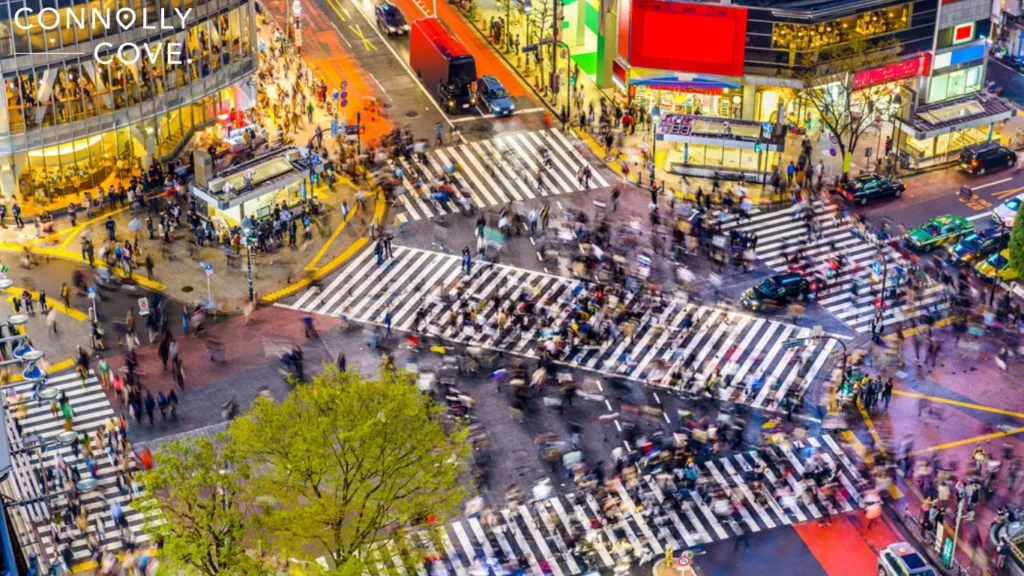
It’s like a beehive on steroids, with a whopping 2.5 million people hustling and bustling across that bad boy every single day. The crossing is as big as a whale, split into two parts: the Scramble Crossing and the Hachiko Crossing. The Scramble Crossing is the busiest section, with pedestrians crossing in all directions when the light turns green.
It’s super common for tourists to unleash their inner pro photographer, snapping photos in the middle of the streets here. The place is a picture-perfect setting for Instagram photos that will make your feed look like a collection of glossy magazine covers.
Shop Till You Drop
Shibuya is a shopaholic’s dream come true, with a plethora of options ranging from fancy designer boutiques to offbeat second-hand stores. Whether you’re on the hunt for the hippest threads or a one-of-a-kind souvenir, Shibuya is the place to be. Here’s where you can go shopping:
- Shibuya Centre Gai: This perky pedestrian-only street is lined with shops selling everything from trendy clothes and handmade jewellery to unique electronics and souvenirs.
- Shibuya 109: If you’re a young lady, prepare to be head over heels for this amazing nine-story shopping mall that’s a real fashionista’s paradise, with a plethora of cool stores and chic boutiques selling cosmetics, clothing, accessories, and more.
- Tokyu Plaza Omotesando Harajuku: This swanky shopping mall is where the crème de la crème of fashion, like Adidas, Tommy Hilfiger, and Charles & Keith, call home sweet home. The mall also houses plenty of homegoods stores, selling everything from furniture and décor to kitchenware and linens.
- Shibuya Scramble Square: Those looking for luxury brands will be spoilt for choice at Shibuya Scramble Square. Some of the biggest names in fashion, fragrance, jewellery, etc., such as Balenciaga, Valentino, and Yves Saint Laurent, have jaw-dropping stores in the building.
Pay Your Respects to Hachiko
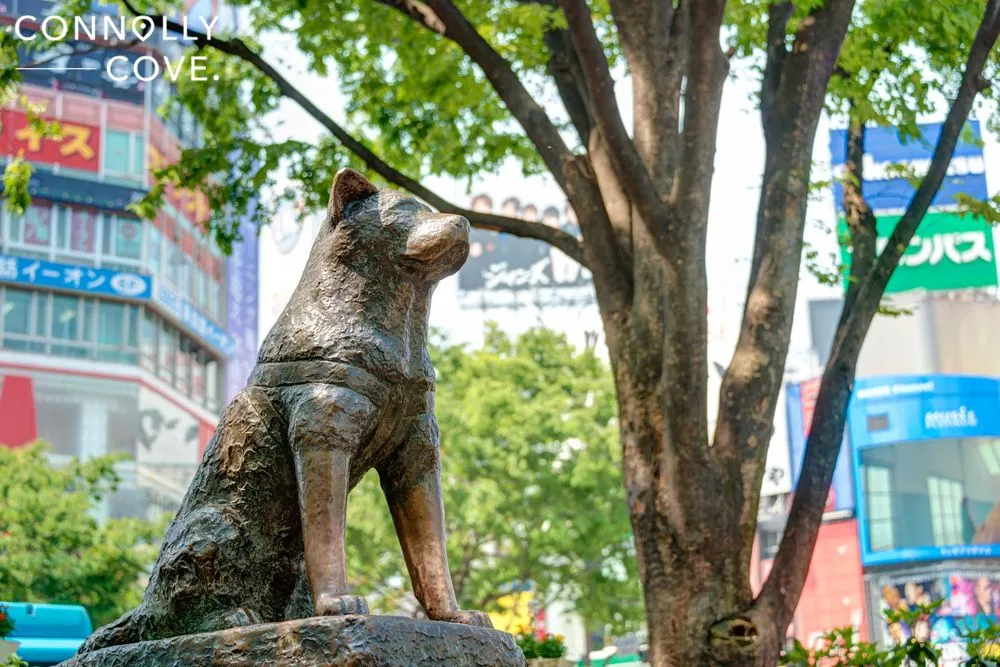
Right next to Shibuya Station, you will find a statue honouring our friend Hachiko, the dog who kept coming back to the station every single day for nine years, expecting the return of his owner, not knowing he had already passed away. A true “we don’t deserve dogs” role model, Hachiko showed humans how to be truly loyal and loving.
Hachiko’s story was so touching that it inspired filmmakers to bring it to the big screen. The best-known example is probably Hachi: A Dog’s Tale, which came out in 2009, starring the talented Richard Gere.
Every year on April 8th, the folks in Shibuya come together at the station to celebrate the unwavering loyalty of Hachiko. It’s a tradition that warms the cockles of your heart, demonstrating the community’s deep respect and affection for our furry friends. Snapping a picture with Hachiko has also become a tradition among Tokyo’s visitors.
Grab a Bite in Harajuku
Harajuku will ring a bell for anime buffs, particularly those who are well-versed in The iDOLM@STER Cinderella Girls, The Devil is a Part-Timer!, and Shounen Hollywood: Holly Stage for 49. In the globally acclaimed anime series Death Note, you can catch a glimpse of Rem landing on the flower arch in Takeshita Street in episode 11.
The area is known for its youthful energy and lip-smacking grub. Crepes are the highlight of the place, with a wide array of toppings and flavours to tantalise your taste buds. If you’re craving something more than a crepe, you’ll want to mosey on over to the Omotesando side of the street. It’s a foodie’s paradise, with restaurants serving up everything from Japanese cuisine to international fare.
Second Day
After a day of pounding the streets of Shibuya, you can kick back and soak up the Japanese zen vibes the next day. And don’t worry, you will not go too far!
Get Some Fresh Air at Yoyogi Park
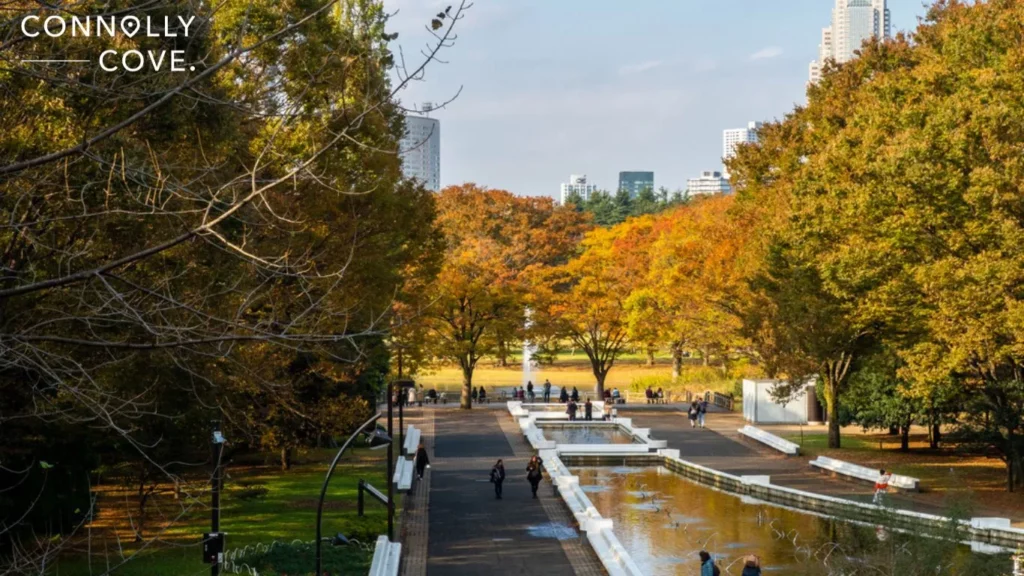
Huge park, open 24/7, and free admission! Yoyogi Park is an excellent spot to unwind and escape the city’s hustle and bustle. The park is like the green lung of Shibuya, pretty close to the Harajuku neighbourhood.
Yoyogi Park might not be the cherry blossom capital of Tokyo, but it’s still a sight to behold in the spring. The park is bursting at the seams with cherry trees, and when they’re in full bloom, it’s like a fairytale with a pink canopy created by the petals. It’s an exquisite spot for a picnic with friends, a romantic stroll with your significant other, or just some quiet reflection time in nature.
The park is where all the cool cats, both mainstream and offbeat, come to show off what they’ve got. You’ll frequently catch them strutting their stuff, putting on a fashion show in and around the park. You can also stumble upon street performers banging the bongos and strumming the ukuleles. Besides, rockabilly dancers gather there every Sunday. They’re a real hoot to watch with their greased-up quiffs, retro outfits, and infectious enthusiasm.
Why bother packing snacks when you can treat yourself to the amazing street food at the park? Basically, you will find one cafe near the Harajuku gate entrance, another one near the Sangūbashi gate (and dog run), and a third one near the event plaza. Every now and then, you might also spot a food truck, pop-up stall, or even a wandering vendor selling snacks and drinks in the forest park. It’s always worth keeping an eye out, as you never know what culinary delights you might stumble upon. Also, there is a large open space in the park where you can play football, fling a frisbee through the air, or rent a bike.
Pray at Meiji Shrine
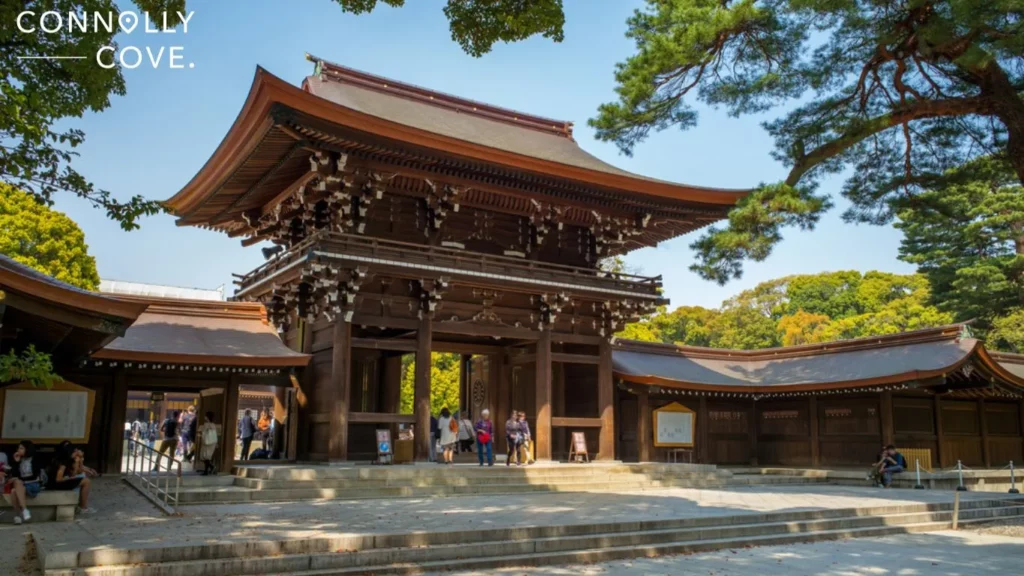
Before leaving Yoyogi Park, you should check out Meiji Shrine; it’s a 5 minutes walk. The magnificent Meiji Shrine, aka Meiji Jingu, is a Shinto shrine dedicated to the deified spirits of Emperor Meiji, the first emperor of modern Japan, and his dear wife, Empress Shōken. Visitors to Meiji Shrine can have a whale of a time exploring the shrine’s grounds, which comprise the main shrine building, a museum, and a treasure house.
When you get to the main shrine building, you will see worshippers practising their rituals. It’s an experience that will calm your soul and make your heart sing. You definitely don’t want to let it slip through your fingers. Once you’re done with that, it’s time to hit the museum, where you’ll be in for a real treat with a mesmerising collection of artefacts from the Meiji period. To make the most of your visit to the shrine, make sure to explore the treasure house, where glimmering imperial treasures await your awe-struck gaze.
In addition to praying, visitors can purchase amulets and other souvenirs, each carrying a touch of ancient wisdom and blessings, and experience the pulsating energy of traditional Japanese festivals and ceremonies, where time-honoured traditions come alive
Enjoy the Vibrant Nightlife in Shibuya
Shibuya’s nightlife is as diverse as its people! Whether you’re a party animal or a laid-back sipper, you’ll find something to your taste. From pumping clubs to cool jazz bars, Shibuya has it all. Here are some suggestions to properly say goodbye to Shibuya:
- Clubs: Shibuya is home to some of the hottest clubs in Tokyo, like Womb, TK Shibuya, and Camelot. These clubs play everything from EDM to hip hop to house, so you’re sure to find something to your groove.
- Bars: Shibuya has a wide range of bars to meet everyone’s specific mood, from cosy izakayas serving up mouthwatering bites to sophisticated cocktail bars that transport you to a realm of refined indulgence and lively karaoke bars where you can unleash your inner superstar.
- Karaoke: No night out in Shibuya is complete without a karaoke session! Karaoke is a huge thing in Japan, and Shibuya has some of the best karaoke bars in the city. Rent a private room with your friends and belt out your favourite tunes, no matter how off-key they may be.
Where to Sleep in the City That Never Sleeps
Shibuya is like the Japanese version of the Times Square in the States. This is where the good stuff is, including top-notch hotels. Finding a place to stay in Shibuya is a piece of cake, as there are numerous options available; however, it is important to be prepared for a thorough and meticulous process of comparing and selecting the perfect accommodation for your needs. To save you some time and effort, you can start with these options:
TRUNK Hotel
A fan of minimalist style? You will LOVE this hotel! This hip boutique hotel has a unique design inspired by the shipping container industry. The rooms may not be the biggest, but they’re as neat as a pin and designed to perfection. Each room is a cosy cocoon, kitted out with all the mod cons you need for a relaxing stay, including a comfy bed, flat-screen TV, and free Wi-Fi to post daily about your trip.
The hotel has a lounge bar where you can unwind with a drink after a long day, a 24-hour kitchen service to ensure you can always grab a bite to eat, an amazing restaurant that serves up delectable dishes, and a store packed with everything from snacks and drinks to souvenirs and toiletries. It’s like a one-man band, but instead of playing instruments, it’s playing all your needs and desires.
The Millennials Shibuya
Welcome to the future of hotels, mate! The Millennials Shibuya is an avant-garde hotel that’s jam-packed with cutting-edge tech. Its proprietary “Smart Pod” system lets you experience the next gen of hotel services, like a bed that wakes you up by gently reclining at the time you set your alarm. You can even check in and out and order amenities like hair irons and skincare products, all from your smartphone.
Dormy Inn Premium Shibuya Jingumae
Just a few metres away from the Hachiko statue, you will find Dormy Inn Premium Shibuya Jingumae, with its exceptional staff who consistently go above and beyond to provide a warm and welcoming atmosphere. This outstanding hotel pulls out all the stops with a sauna and spa right under its roof, offering guests the chance to indulge in the ultimate experience of Japanese relaxation.
Whoever said that money can’t buy happiness definitely hasn’t been to Shibuya! The busy district keeps on changing its tune and pulling rabbits out of its hat, just like the ever-evolving spirit of Japanese culture. So next time you find yourself swimming in a sea of people and flashing lights, pause for a moment to admire the footsteps of the past that led to this vibrant and mesmerising world.

Winter in Ireland: A Guide to the Different Facets of the Magical Season
Ireland
08/05/2024

Tate Modern – London Attractions – London
England
08/05/2024

Glenariff Waterfalls: Exploring the Majestic of This Hidden Gem in Northern Ireland
Northern Ireland
08/05/2024

Decoding the Symbolic Significance of Huginn and Muninn: Odin’s Ravens
Mythology and Folklore
08/05/2024

The Timeless Charm of the Aran Jumper: A Symbol of Irish Knitting Tradition
Culture Exploration
07/05/2024