


Ulster Transport Museum – Holywood – Ulster Folk and Transport Museum
Updated On: April 15, 2024 by  Noha Nabil
Nestled amidst the scenic beauty of Holywood, Northern Ireland, the Ulster Transport Museum stands as a testament to the region’s vibrant history and cultural legacy. Boasting a diverse collection of vintage vehicles, interactive exhibits, and meticulously recreated rural dwellings, the museum offers visitors a captivating journey through the evolution of transportation and everyday life in Ulster.
Since its establishment in 1967, the Ulster Transport Museum has been a cherished destination for locals and tourists alike, drawing enthusiasts of all ages with its immersive displays and educational outreach programs. From steam locomotives and classic cars to traditional crafts and rural homesteads, the museum’s extensive collection showcases the ingenuity, innovation, and resilience of the people who shaped Ulster’s past and continue to inspire its future. Join us on a virtual tour as we explore the wonders of the Ulster Transport Museum, where every artefact tells a story, and every exhibit preserves a piece of history for generations to come.
Table of Contents
A Glimpse into the Past of the Ulster Transport Museum
The Ulster Transport Museum traces its origins back to the early 1960s when a group of enthusiasts came together with a shared passion for preserving the region’s transportation history. Their vision culminated in establishing the museum in 1967 to showcase the diverse modes of transport that have shaped Ulster’s landscape and society over the centuries.
Located on the outskirts of Belfast, the museum’s sprawling grounds cover over 170 acres, providing ample space for its extensive collection of exhibits. Divided into two distinct sections – the Transport Museum and the Folk Museum – visitors are treated to a comprehensive exploration of both the mechanical marvels of yesteryear and the everyday lives of Ulster’s past inhabitants.
Exploring the Ulster Transport Museum
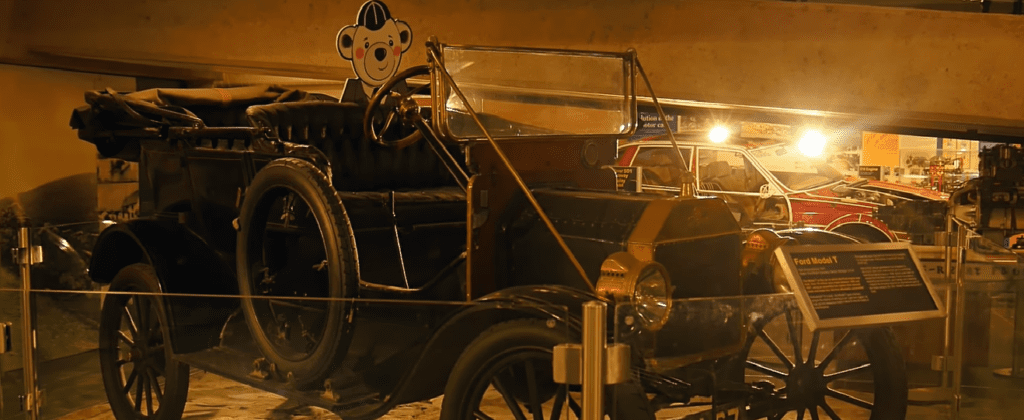
Upon entering the Transport Museum, visitors are greeted by an impressive array of vintage vehicles spanning various modes of transport. The museum offers a comprehensive overview of Ulster’s transportation history, from steam locomotives and horse-drawn carriages to classic cars and trams.
One of the highlights of the Transport Museum is its collection of meticulously restored steam locomotives, which played a pivotal role in the region’s industrial development. Visitors can marvel at these towering engines and learn their significance in powering Ulster’s railways during the 19th and early 20th centuries.
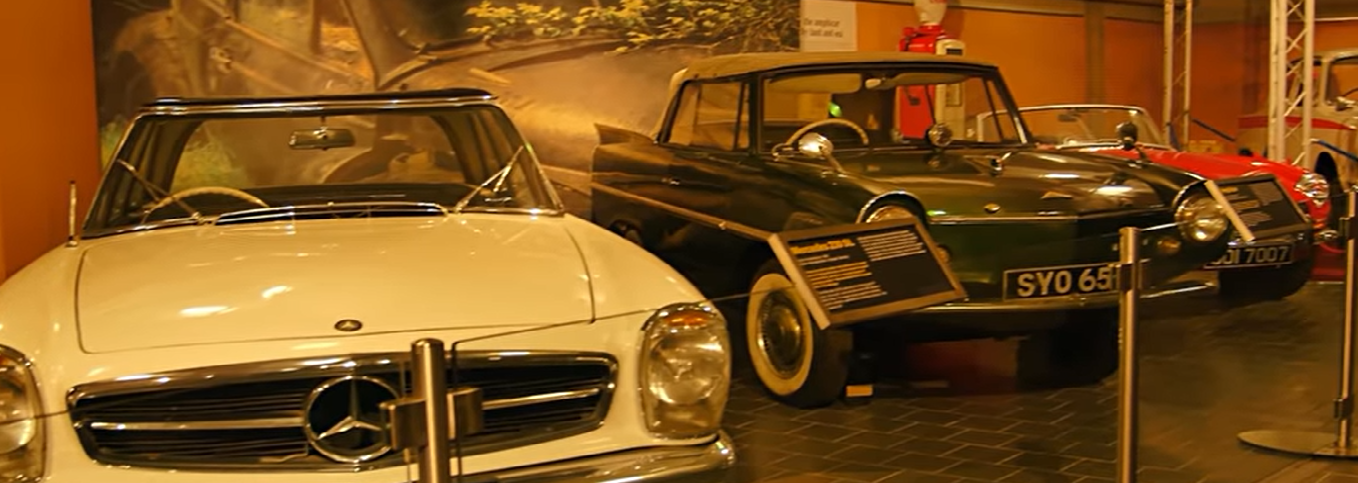
The museum boasts an impressive assortment of vintage cars and motorcycles for automobile enthusiasts, showcasing the evolution of automotive design and technology. From early horseless carriages to iconic models from renowned manufacturers, the exhibits offer a fascinating glimpse into the evolution of personal transportation.
In addition to static displays, the Transport Museum also features interactive exhibits and immersive experiences that bring the past to life. Visitors can step inside recreated train carriages and tramcars, experiencing firsthand the sights and sounds of travel in a bygone era. Interactive displays allow visitors to learn about the inner workings of engines and mechanical systems, providing educational insights into the technology that drove transportation forward.
Journeying Through the Folk Museum
Adjacent to the Transport Museum lies the Folk Museum, where visitors can immerse themselves in the everyday lives of Ulster’s past inhabitants. Here, meticulously recreated rural dwellings and village streets offer a glimpse into traditional ways of life, from farming and fishing to craftsmanship and domestic chores.
One of the highlights of the Folk Museum is its collection of historic buildings, which have been carefully preserved and reconstructed on-site. Visitors can explore authentic cottages, workshops, and farmsteads, each with period-appropriate artefacts and furnishings. Guided tours provide in-depth insights into the social history of Ulster, highlighting the traditions, customs, and daily routines of generations past.
Throughout the Folk Museum, skilled artisans demonstrate traditional crafts such as blacksmithing, weaving, and pottery, keeping age-old traditions alive for future generations to appreciate. Visitors can try their hand at these crafts under the guidance of knowledgeable instructors, gaining a newfound appreciation for the skills and craftsmanship of Ulster’s ancestors.
Educational Outreach and Community Engagement
In addition to being a popular tourist destination, the Ulster Transport Museum plays a vital role in educational outreach and community engagement. The museum offers a range of educational programs and workshops for schools and community groups, providing hands-on learning experiences that complement the curriculum.
Through outreach initiatives and special events, the museum strives to engage visitors of all ages and backgrounds, fostering a deeper understanding and appreciation of Ulster’s rich cultural heritage. From family-friendly activities to specialized lectures and workshops, there’s something for everyone to enjoy at the Ulster Transport Museum.
Preserving the Past for Future Generations
As custodians of Ulster’s transportation heritage, the Ulster Transport Museum is committed to preserving its collection for future generations. A dedicated team of curators, conservators, and volunteers work tirelessly to maintain and restore the museum’s exhibits, ensuring that they remain accessible and relevant for years to come.
Through ongoing research and acquisitions, the museum continues to expand its collection, adding new artefacts and exhibits that reflect the diversity and richness of Ulster’s transportation history. By sharing these stories with visitors from near and far, the museum celebrates the ingenuity, innovation, and resilience of the people who shaped Ulster’s past and continue to inspire its future.
Exploring Beyond the Museum
In addition to the captivating exhibits at the Ulster Transport Museum, visitors to Holywood and the surrounding area will find many attractions and points of interest to explore. Here are some notable places to visit near the museum:
1. Redburn Country Park: Just a short distance from the Ulster Transport Museum, Redburn Country Park offers scenic walking trails, woodland areas, and panoramic views of Belfast Lough. Visitors can enjoy strolls, picnics, and wildlife spotting in this peaceful natural setting.
2. Holywood Golf Club: Golf enthusiasts can tee off at the prestigious Holywood Golf Club, famously known as the childhood course of golfing legend Rory McIlroy. With its challenging fairways and stunning coastal views, the club offers a memorable golfing experience for players of all skill levels.
3. Holywood High Street: Stroll along Holywood High Street, where charming Georgian and Victorian buildings house an eclectic mix of boutiques, cafes, and restaurants. Browse for unique gifts, sample local cuisine, or simply soak up the ambience of this quaint seaside town.
4. Ulster Way Coastal Path: Outdoor enthusiasts can explore the stunning coastline of County Down on the Ulster Way Coastal Path, which passes through Holywood. The scenic trail offers breathtaking views of the Irish Sea, rugged cliffs, and secluded beaches, making it perfect for hiking, cycling, or birdwatching.
5. Mount Stewart: Just a short drive from Holywood lies Mount Stewart, an exquisite National Trust property renowned for its stunning gardens and historic house. Visitors can wander through formal gardens, woodland trails, and ornate interiors, immersing themselves in the splendour of this 18th-century estate.
6. Belfast City Centre: A visit to Holywood wouldn’t be complete without exploring nearby Belfast, Northern Ireland’s vibrant capital city. From iconic landmarks such as Titanic Belfast and the Ulster Museum to bustling markets, lively pubs, and cultural attractions, Belfast offers something for everyone to enjoy.
7. Bangor Marina: Just a few miles from Holywood, Bangor Marina beckons with its picturesque harbour, waterfront promenade, and an array of shops and restaurants. Visitors can stroll along the marina, watch the boats bobbing in the water, or enjoy a meal with panoramic views of Belfast Lough.
8. Crawfordsburn Country Park: Nature lovers can escape to Crawfordsburn Country Park, where tranquil woodlands, meandering rivers, and sandy beaches await. Whether hiking along scenic trails, exploring historic ruins, or enjoying a leisurely picnic, the park offers a peaceful retreat from the hustle and bustle of everyday life.
From natural wonders and historic sites to recreational activities and culinary delights, the area surrounding the Ulster Transport Museum is brimming with attractions that cater to all interests and tastes. Whether you’re seeking outdoor adventure, cultural enrichment, or a relaxing getaway, Holywood and its neighbouring towns provide an unforgettable experience for visitors of all ages.
When to Explore Holywood, Northern Ireland
The best time to visit Holywood, Northern Ireland, largely depends on personal preferences and the experience you seek. However, many travellers find that the late spring and summer months, from May to August, offer the most favourable weather conditions for outdoor activities and sightseeing. During this time, the lush green landscapes of Northern Ireland are at their most vibrant, and temperatures are generally mild, making it ideal for exploring the picturesque coastline, hiking trails, and gardens.
Additionally, summer brings longer daylight hours, allowing visitors to maximize their time outdoors and take advantage of the region’s numerous attractions. However, it’s worth noting that Northern Ireland’s weather can be unpredictable year-round, so it’s advisable to pack layers and be prepared for occasional rain showers, even during the summer months. Overall, Holywood offers something unique to discover in every season, whether you’re drawn to the blossoming flora of spring, the warmth of summer, or the crisp air of autumn.
Conclusion
The Ulster Transport Museum is a beacon of cultural heritage and historical preservation in the heart of Holywood, Northern Ireland. With its comprehensive collection of vintage vehicles, immersive exhibits, and educational programs, the museum offers visitors a captivating journey through Ulster’s transportation evolution.
Whether exploring the mechanical marvels of the Transport Museum or stepping back in time at the Folk Museum, visitors are sure to be enthralled by the stories and artefacts that bring Ulster’s past to life. As a testament to the region’s rich heritage, the Ulster Transport Museum serves as a reminder of the importance of preserving the past for future generations to cherish and appreciate.

A Walk in Ireland Guide: Best Trails, Routes, and Tips
Ireland
26/04/2024

An Ultimate Guide to 6 of the Finest Castle Tours in England
England
26/04/2024

Unveiling the Most Terrifying Haunted Tours in Scotland
Scotland
25/04/2024

7 Top Amusement Parks in England for an Unforgettable Adventure
England
25/04/2024

Miami Tourism Statistics: A Comprehensive Overview of Visitor Numbers and Revenue
Travel Statistics
25/04/2024