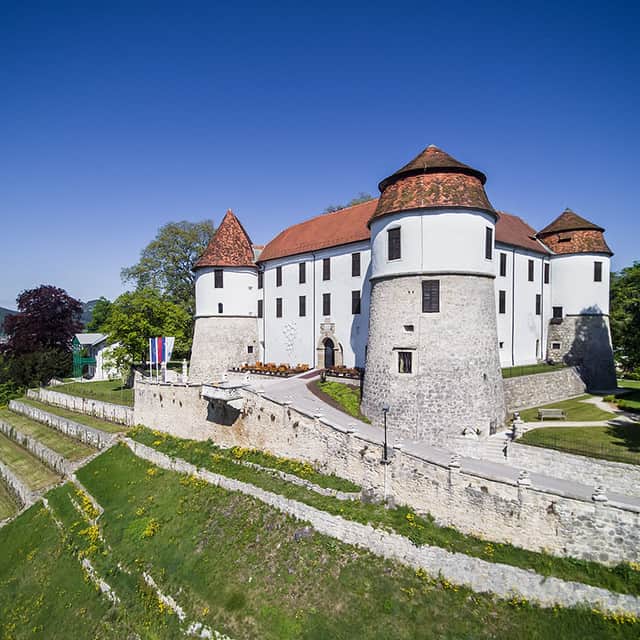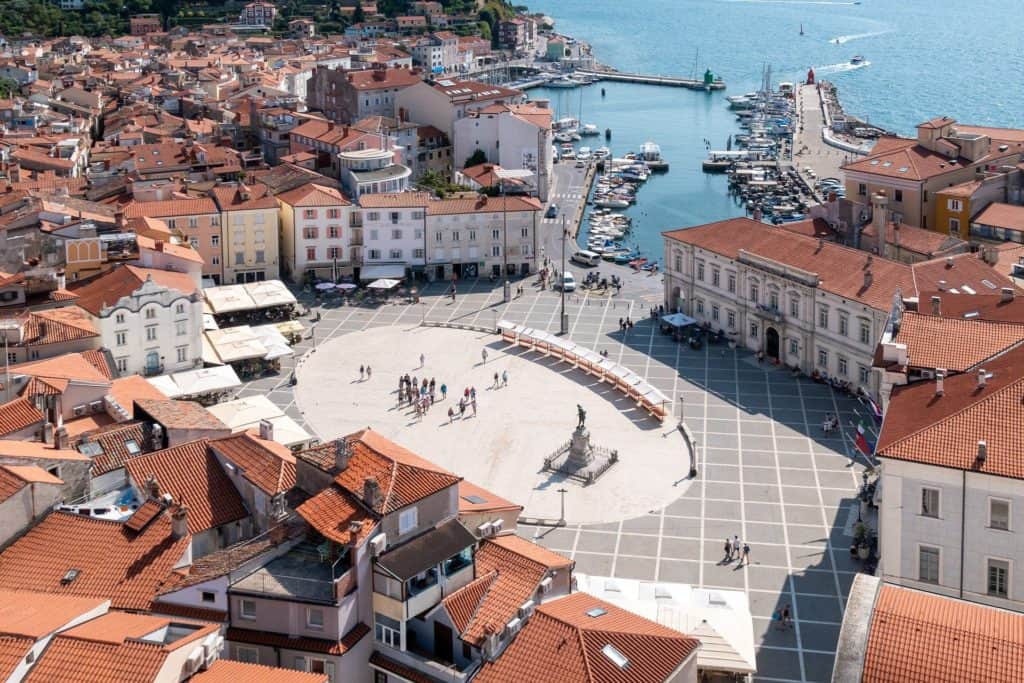

Slovenia, a verdant tapestry woven with stunning landscapes, rich history, and warm hospitality, beckons travellers to explore its hidden treasures. Beyond the iconic Alpine peaks and Adriatic coast lies the Posavje region, a lesser-known gem that offers a unique blend of natural beauty, cultural heritage, and wellness experiences.
Nestled in the heart of Slovenia, the Posavje region is a tranquil haven characterised by rolling hills, fertile plains, and meandering rivers. Its idyllic charm and authentic atmosphere provide a welcome respite from the bustling tourist hotspots. With its unspoiled natural beauty and rich cultural heritage, Posavje invites visitors to slow down, relax, and immerse themselves in the true essence of Slovenian life.
From exploring charming villages and sampling local cuisine to indulging in rejuvenating thermal spas, the Posavje region offers a diverse range of experiences. Whether seeking adventure, relaxation, or cultural enrichment, this enchanting part of Slovenia promises to leave an enduring impression.
Table of Contents
Top Places to Visit in Slovenia
Slovenia, often referred to as the ‘Green Heart of Europe,’ offers a diverse range of experiences for travellers. From the majestic Alps to the Adriatic coast, this small country packs a powerful punch.
Ljubljana: Where Dragons Dance and History Whispers on the Breeze
Nestled amidst a picturesque landscape of rolling hills and verdant forests, Ljubljana, Slovenia’s captivating capital, effortlessly blends small-town charm with cosmopolitan flair. This vibrant city, bisected by the emerald-green Ljubljanica River, captivates visitors with its enchanting blend of history, culture, and youthful energy. From its medieval castle perched atop a verdant hill to its bustling squares and cobblestone streets, Ljubljana invites exploration, promising a journey of discovery with every turn.
The heart of Ljubljana beats within its beautifully preserved Old Town, a captivating maze of cobblestone streets, colourful Baroque buildings, and charming bridges that span the Ljubljanica River. Dominating the city skyline, Ljubljana Castle, perched atop Castle Hill, offers panoramic views that stretch across the cityscape and the surrounding countryside.
Accessible by foot or via a funicular ride, the castle, dating back to the 12th century, stands as a silent witness to Ljubljana’s rich and often turbulent past. Today, its ramparts and towers house museums, galleries, and a theatre, offering insights into the city’s history and vibrant cultural scene.
The Ljubljanica River, spanned by numerous bridges, each with its own unique character, is the lifeblood of Ljubljana. The Triple Bridge, an architectural masterpiece designed by the renowned Slovenian architect Jože Plečnik, connects the city’s historical core to its modern districts, showcasing Ljubljana’s seamless blend of old and new.
Ljubljana’s culinary scene is as diverse and enticing as its architectural tapestry. From traditional Slovenian restaurants serving up hearty stews and dumplings to trendy cafes offering innovative takes on local ingredients, the city caters to every palate and budget. No visit would be complete without indulging in a slice of potica, a traditional Slovenian nut roll, or sampling the local wines at one of the many wine bars dotting the city.
Lake Bled: A Fairytale Escape in the Julian Alps
Lake Bled is often the first image that springs to mind when one thinks of Slovenia, and for good reason. This picturesque lake, nestled amidst the majestic Julian Alps, seems as though it has sprung straight from the pages of a fairytale. Its emerald-green waters, reflecting the surrounding peaks and forests, hold a small island at its heart, crowned by a solitary church with a distinctive red spire. This iconic image, instantly recognisable and undeniably romantic, draws visitors from around the globe, seeking to experience the magic of Lake Bled first-hand.
The allure of Lake Bled extends far beyond its iconic island church. Towering above the lake’s western shore, Bled Castle perches atop a sheer cliff, its medieval walls echoing with centuries of history. Dating back to the 11th century, the castle offers breathtaking panoramic views of the lake, the island, and the surrounding peaks, making it an essential stop for any visitor seeking to capture the perfect Bled panorama.
The lake itself, formed by glacial activity millennia ago, is a haven for both tranquillity and recreation. Its crystal-clear waters, reflecting the changing moods of the sky and the surrounding forests, invite leisurely swims on warm summer days. Traditional wooden boats, known as pletnas, glide gracefully across the lake’s surface, their oarsmen, clad in colourful attire, ferrying visitors to and from the island church, their rhythmic strokes adding to the peaceful vibes.
No visit to Lake Bled would be complete without venturing out onto the lake itself. Hiring a pletna for the short but scenic journey to the island is an experience steeped in tradition. As the oarsman guides the boat silently across the water, one can’t help but feel a sense of connection to the generations past who have made this same pilgrimage.
The island’s star attraction is the Church of the Assumption, its striking red spire a beacon against the backdrop of the Julian Alps. According to local legend, ringing the church bell three times will grant a wish, and the air is filled with the hopeful chimes of visitors testing the veracity of this centuries-old tale.
Postojna Cave: A Journey into Slovenia’s Subterranean Majesty
Hidden beneath the verdant hills of southwestern Slovenia lies a realm of subterranean grandeur that seems to defy the imagination: Postojna Cave. This vast network of caverns, tunnels, and underground chambers, sculpted over millennia by the patient hand of nature, stands as a testament to the awe-inspiring power of water, time, and geological forces.
The adventure begins with a thrilling train ride that plunges deep into the heart of the cave system. As the electric train winds its way through tunnels carved by the Pivka River, anticipation hangs heavy in the air, punctuated by gasps of amazement as the first glimpses of the cave’s grandeur come into view.
The train journey itself is an engineering marvel, a testament to human ingenuity in the face of nature’s might, having transported millions of visitors through this subterranean realm since its inauguration in 1872. Stepping off the train, visitors find themselves in the Great Mountain Hall, a colossal cavern that could easily swallow a cathedral whole.
Here, the sheer scale of the cave system becomes apparent, as towering stalagmites, some reaching heights of over 50 metres, pierce the darkness, their pale forms illuminated by strategically placed lights that accentuate their otherworldly beauty.
The guided tour through Postojna Cave meanders through a series of breathtaking chambers, each with its own unique character and charm. The Spaghetti Hall lives up to its name, its ceiling draped with thousands of thin, delicate stalactites, resembling a petrified pasta feast for giants. T
he Diamond Hall sparkles with an array of pure white formations, their crystalline structures catching and refracting the light, creating a dazzling display of subterranean brilliance.
As fascinating as the geological formations are, Postojna Cave also harbours a unique and fragile ecosystem. Hidden within its depths lives the olm, a blind, cave-dwelling salamander known locally as the “human fish” due to its pale, pinkish skin. This remarkable creature, perfectly adapted to life in perpetual darkness, is a testament to the adaptability of life and the hidden wonders that await discovery in even the most unexpected of places.
Beyond its natural wonders, Postojna Cave also boasts a rich history, having served as a refuge for prehistoric peoples, a source of inspiration for artists and poets, and even a strategic stronghold during times of conflict. Today, the cave stands as a testament to the power of conservation, a reminder that these delicate ecosystems, shaped over millennia, deserve our respect and protection.
Ptuj: Where Roman Legions Roam with Carnival Masks
Perched atop a strategic hill overlooking a bend in the Drava River, Ptuj, one of Slovenia’s oldest towns, wears its rich history with captivating charm. More than just a repository of the past, Ptuj pulsates with vibrant energy, seamlessly blending its Roman heritage with a colourful carnival spirit, creating an intriguing and inviting atmosphere.
Ptuj’s story unfolds like a captivating tapestry woven with threads of ancient civilisations, medieval grandeur, and vibrant folk traditions. Archaeological evidence suggests human settlements thrived in this strategically important location as early as the Stone Age. However, during the Roman era, Ptuj, then known as Poetovio, truly flourished, evolving into a bustling military and trading centre.
The legacy of Roman Poetovio is visible throughout Ptuj, with remnants of ancient walls, towers, and a forum whispering tales of a bygone era. The Orpheus Monument, a remarkably well-preserved Roman tombstone dating back to the 2nd century AD, stands as a poignant reminder of the city’s Roman past. This ornate monument, depicting the mythical musician Orpheus charming the animals with his lyre, is considered one of the finest examples of Roman funerary art in Slovenia.
Dominating the town’s skyline, Ptuj Castle, perched atop a steep hill overlooking the Drava River, offers breathtaking panoramic views of the surrounding countryside. Built in the 12th century on the site of a former Roman fortress, the castle has witnessed centuries of history, serving as a residence for noble families, a military stronghold, and even a prison.
Today, it houses a fascinating museum showcasing Ptuj’s rich history and cultural heritage, with exhibits ranging from Roman artefacts and medieval weaponry to exquisite furniture and artwork.
Yet, Ptuj is not merely a museum town frozen in time. It pulsates with a vibrant energy, most notably during its annual carnival, or Kurentovanje. This centuries-old tradition, rooted in pagan rituals meant to chase away winter and usher in spring, transforms Ptuj into a riot of colour, music, and revelry.
The central figure of this carnival extravaganza is the Kurent, a mythical figure clad in sheepskin garments adorned with cowbells and elaborate horned masks. These boisterous figures, representing the spirits of fertility and good fortune, parade through the streets, their rhythmic clanging and merrymaking chasing away the winter blues and welcoming the promise of spring.
The spirit of Kurentovanje is perhaps best captured in Ptuj’s unique Carnival Masks Museum, housed in a beautifully restored 16th-century building in the heart of the old town. Here, visitors can marvel at a fascinating collection of traditional carnival masks crafted from wood, leather, and feathers, each representing a different character or aspect of Slovenian folklore.
Soča Valley: Where Emerald Waters Flow with History and Adventure
Carving its way through the heart of the Julian Alps, the Soča River, with its mesmerising emerald-green waters, is a sight that leaves a lasting impression. This stunning river, originating in the Triglav National Park, flows through the Soča Valley, a region where natural beauty and historical significance intertwine, creating a destination that appeals to adventurers, history buffs, and nature lovers alike.
The Soča River’s unique colour, often described as glacial milk due to the finely ground rock particles suspended in its waters, is a sight to behold. Sunlight dances upon its surface, creating a breathtaking spectacle of shifting hues, from deep emerald to turquoise and jade. The surrounding landscape, a tapestry of towering peaks, lush forests, and charming villages, adds to the valley’s undeniable allure.
For thrill-seekers, the Soča River offers a playground of aquatic adventures. Whitewater rafting enthusiasts flock to its rapids, their rafts bouncing through churning currents, their laughter echoing through the valley. Kayakers navigate its emerald waters, their paddles slicing through the rapids, while canyoning enthusiasts rappel down waterfalls and swim through crystal-clear pools hidden within narrow gorges.
The Soča Valley, however, is not just a playground for adrenaline junkies. Its peaceful trails, winding through forests and meadows, offer a more contemplative way to experience the region’s beauty. Hikers can explore the remnants of World War I battlefields, now silent and overgrown, their presence a poignant reminder of the valley’s turbulent past.
During World War I, the Soča Valley became a key battleground between the Austro-Hungarian and Italian armies. The Isonzo Front, as it was known, witnessed some of the most brutal fighting of the war, with soldiers battling amidst the unforgiving terrain of the Julian Alps. Today, numerous memorials, cemeteries, and preserved trenches stand as testaments to the sacrifices made and the lives lost during this tumultuous period.
The Kobarid Museum, dedicated to the history of the Isonzo Front, offers a moving and informative experience. Through its poignant exhibits, visitors can gain a deeper understanding of the war’s impact on the region and the human cost of conflict.
Beyond its historical significance, the Soča Valley is a region of authentic charm and warm hospitality. Picturesque villages dot the valley floor, their traditional houses adorned with colourful flowers, and their restaurants serve up hearty Slovenian fare. The pace of life here is refreshingly slow, allowing visitors to unwind, reconnect with nature, and savour the simple pleasures of life in this breathtaking corner of Slovenia.
Essential Tips for Your Slovenian Adventure
Slovenia, a hidden gem in Europe, offers a perfect blend of natural beauty, rich culture, and warm hospitality. To make the most of your trip, consider these essential tips.
Currency and Costs
Slovenia, as a member of the Eurozone, operates on the Euro (€) as its official currency. This simplifies financial transactions for travellers from other Eurozone countries, eliminating the need for currency exchange. While Slovenia generally offers more affordable prices compared to Western European counterparts like France, Germany, or Italy, budgeting remains key to a smooth and enjoyable trip.
ATMs are widely available in towns and cities, making it convenient to withdraw cash as needed. However, carrying a small amount of cash, particularly in smaller denominations, is advisable, especially when venturing into rural areas, visiting local markets, or patronising smaller establishments that might not readily accept cards. Credit cards are commonly used in major cities and tourist hubs, but having a backup payment method, such as a debit card or some cash, is always prudent to avoid any unforeseen inconveniences.
Packing for Your Trip
Packing for a Slovenian adventure requires a bit of forethought, as the country boasts a diverse landscape ranging from the peaks of the Julian Alps to the rolling hills of wine country and the charming cobblestone streets of its cities. Comfortable walking shoes are non-negotiable, as exploring both urban centres and natural attractions often involves a fair amount of walking.
Layered clothing is essential to adapt to Slovenia’s changeable weather, especially if your itinerary includes higher altitudes or outdoor activities. Pack a mix of light and warm layers that can be easily added or removed as needed. A waterproof jacket is an absolute must, as rain showers can occur unexpectedly throughout the year. Remember essentials like sunscreen, sunglasses, and a hat to protect yourself from the sun, particularly during summer hikes or while enjoying the country’s lakes and rivers. Speaking of which, packing a swimsuit is highly recommended, as taking a dip in Slovenia’s pristine waters is an experience not to be missed.
Safety and Etiquette
Slovenia consistently ranks as one of the safest countries in the world, with a low crime rate and a welcoming atmosphere for travellers. However, common sense precautions are always advisable, no matter where you travel. Avoid walking alone late at night in unfamiliar areas, especially if poorly lit. Keep your valuables secure, particularly in crowded tourist hotspots or on public transport.
Slovenians are generally warm, friendly, and helpful towards visitors. While English is widely spoken, particularly in tourist areas, making an effort to learn a few basic Slovenian phrases can greatly enhance your interactions with locals. Simple greetings like “Dober dan” (hello), “Hvala” (thank you), and “Prosim” (please) go a long way in demonstrating respect for the local culture and will be met with appreciation.
Slovenia, a hidden gem in the heart of Europe, offers a captivating blend of natural beauty, rich culture, and warm hospitality. From the majestic Alps to the Adriatic coast, this diverse country has something to offer every traveller. With careful planning and a spirit of adventure, visitors can uncover the true essence of this enchanting country.