


Best UK Villages to Visit in Winter
Updated On: February 05, 2024 by  Aya Radwan
The UK has marvellous villages to explore throughout the year’s four seasons. There are incredible sea-view villages to enjoy during the mild summer, villages to stop by if you’re aiming for a colourful and scenic change of nature during autumn and villages to enjoy the fragrant and blooming buds and flowers. In this article, though, we bring you the best UK villages to visit in winter, where snow coats the meadows and rain waters the lengthy fields, preparing the harvest for the following season.
What to Expect at the Best UK Villages to Visit in Winter?
Our list of the best UK villages to visit in winter includes a round-trip around the country. We will journey in all directions, sharing lively experiences, the best tips, and places to visit even when many attractions are closed and showing you how to enjoy your winter escapade best. Prepare those ice caps and gloves; we’re on winter vacation.
Snowshill, Gloucestershire
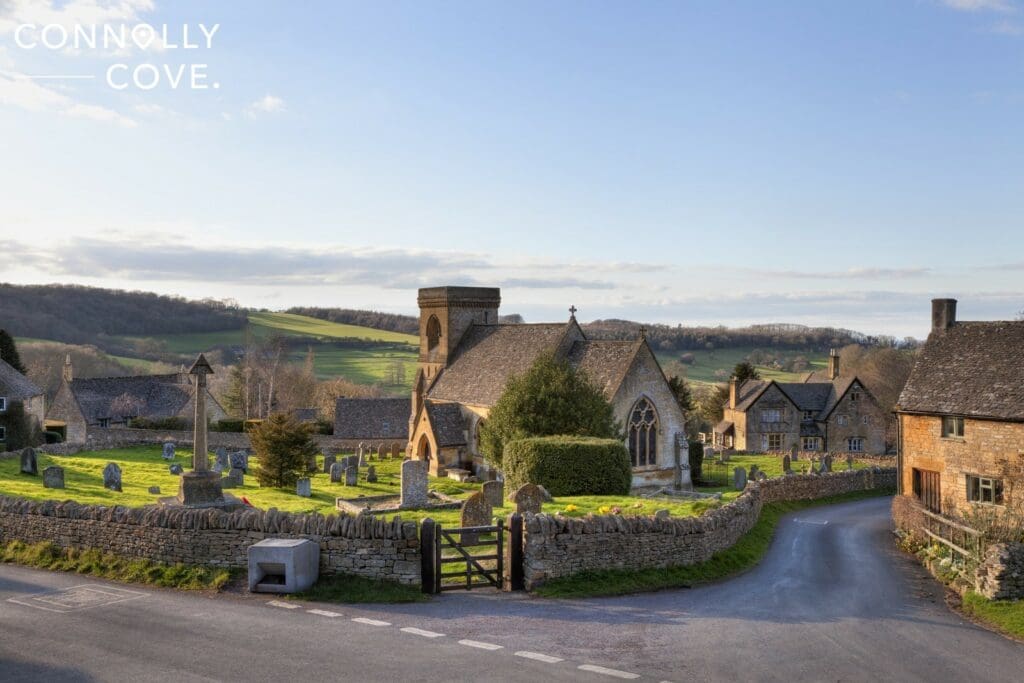
This charming UK village is a small hidden treasure away from the city’s loud hustling. We usually look for places to visit in winter with the best Christmas markets and celebrations. However, if you’re seeking a quiet holiday season, this historic UK village dating back to the Bronze Age has a unique charm that will captivate you during wintertime.
Embrace the Winter Cotswold Landscape
You can head to the National Trust Gardens at Snowshill Manor, a winter wonderland with frost-kissed trees, snow-dusted plants, and enchanting pathways. So, wrap up warm and explore this tranquil Cotswold landscape. If you’re a fan of snowshoeing or sledging, you can enjoy a fun-filled afternoon in the surrounding fields. Before venturing off public paths, checking with the locals and landowner permissions is best. Winter is also a great time to spot migratory birds in this beautiful UK village; you might spot fieldfares, redwings or even waxwings.
Cosy-Up Indoors
Do you like The Holiday? Kate Winslet, Jude Law, Cameron Diaz and the hilarious Jack Black in a heart-warming holiday-time romantic comedy? There are numerous indoor activities to enjoy at Snowshill. This charming UK village allows you to explore the vast collection of toys, bicycles and motoring memorabilia at Snowshill Manor. You can savour a delicious afternoon tea or a hearty lunch at the National Trust Café or head to the Snowshill Arms or the Fox Inn for local ales, a hearty meal and lively conversations by the cracking fireplace.
Unique Winter Experiences
Snowshill has its own Christmas-time special features. Follow the magical Christmas lights trail through the gardens, allowing the holiday spirit to fill your soul. Enjoy this UK village’s traditional carol service, often held in the village church or even among the winter splendour with twinkling lights. If you’re up for a spooky adventure, head for a ghost walk around the village with local legends of ghost hauntings.
Snowshill is one of the best UK villages to visit in winter. Embrace its peacefulness, immerse yourself in its natural beauty, and seek out cosy havens and unique experiences between its charming streets and buildings.
Castle Combe, Wiltshire
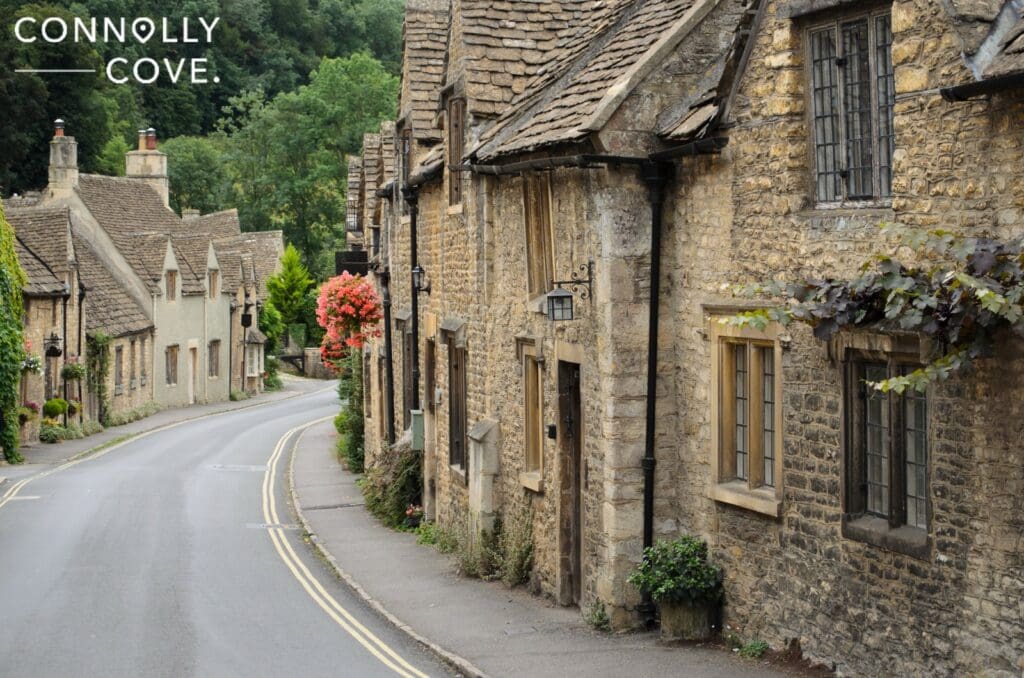
This postcard-like UK village holds the ancient history of castles and Roman occupation. Castle Combe in Wiltshire boasts an inviting village scene with lined houses and the Bybrook River running along that once powered the village’s power mills. History shows evidence of human habitat in this UK village from the 4th century, possibly earlier. What makes Castle Combe, named after a now-fallen castle, one of the best UK villages to visit in winter? Let’s find out!
Embrace the Winter Wonderland
We encourage you to spend a day at Castle Combe, park your car outside the village, and venture on foot into one of the best UK villages to visit in winter. We recommend you wander through the honey-coloured stone houses as they reflect upon the River Bybrook‘s surface, a scene from a Dickens novel. You can hike the Castle Combe Circuit, offering breathtaking panoramic views of the snow-blanketed British countryside. If you’re visiting during the holiday season, visiting the Castle Combe Christmas Market is a must to browse through locally crafted gifts and indulge in warm treats.
Cosy-Up Indoors
You can enjoy an extravagant stay at the Manor House Hotel in this beautiful UK village, indulge in afternoon tea and enjoy traditional British comfort with roaring fireplaces and scenic winter views. If you’re up for an exclusive at a private venue, why not savour a delicious meal at The Old Rectory, renowned for its locally sourced ingredients and warm atmosphere? You can seek refuge from the cold in this UK village’s pubs, such as The White Hart or The Castle Inn, with hearty meals and local ales.
Unique Winter Experiences
What puts Castle Combe among the best UK villages to visit in winter is the fun winter experiences you can have there. You can immerse yourself in a magical carol service by candlelight at St. Andrew’s Church, walk around the village and check out its famous Market Cross or join a gingerbread workshop to learn the art of baking these yummy traditional cookies. The Gingerbread Shop offers a delightful experience for adults and children alike.
The key to enjoying this serene UK village in winter is embracing the slower pace, appreciating the picturesque scenery and seeking out cosy havens and festive traditions.
Castleton, Derbyshire
This friendly UK village boasts its beautiful landmarks and tourist attractions all year. Castleton in winter can be a truly magical experience; there are various places to visit and experiences to enjoy. The village has an ancient history that predates its famous 13th-century church. Castleton is a popular destination for students interested in fieldwork, and some of its attractions are open all year.
Embrace the Outdoors
As one of the best UK villages to visit in winter, Castleton has no shortage of things to marvel at. St Edmund’s Church has windows with intricate mosaic paintings dedicated to the church’s vicars. You can hike the scenic Mam tor, overlooking the Hope Valley with stunning bird-eye views. Or you can explore the limestone valleys such as Peak Cavern or Speedwell Cavern, which offer an exciting perspective on wintery landscapes. Make sure to bring warm, sturdy shoes.
Explore one of the many caves around Castleton, like Peak Cavern or Blue John Cavern, for an unforgettable experience. The second cave is one of two only in the country where you can find the semi-precious mineral Blue John. This mineral has a unique purple/blue hue with touches of yellow that is most fascinating. Witness spectacular stalactites and stalagmites, and learn about the area’s fascinating geology.
Cosy-Up Indoors
Do you prefer enjoying the wintery beauty while warming up by the fireplace? No problem. This warm UK village will engulf you in its warmth. Perhaps all you’ll remember of winter is Michael Bublé‘s voice announcing it’s snowing outside. Choose between enjoying your time at the local pub with roaring fires and hearty meals, grabbing a pint and a good book, or, if lucky, catching a delicious Sunday roast. You can enjoy delicious afternoon tea in one of this UK village’s tearooms or cafés, indulge in scones, clotted cream and a selection of perfect teas for a warming pick-me-up.
Can we suggest a little adventure? Why not escape to Peveril Castle? It is perched on a hilltop above the village; learn about its rich history and witness some stunning views. Be careful, though, not to let the haunting spiriting scare you. You can take shelter from the haunting ghosts in the quaint Castleton Museum or the Peak District Mining Museum, where you can delve and learn about the location’s history and culture.
Unique Winter Experiences
Another enjoyable winter activity in Castleton is taking a romantic or fun sleigh ride through the snowy fields with friendly horses as your guides. Some agencies complement the ride with a hot chocolate or mulled wine for an extra warm touch. If you’re visiting this breathtaking UK village in December, immerse yourself in the festive atmosphere of the Christmas Market in the Market Square. You can explore the more expansive Peak District National Park if you’re up for an adventure, with its rolling hills and hidden gems like the Shires Waterfall.
Bamburgh, Northumberland
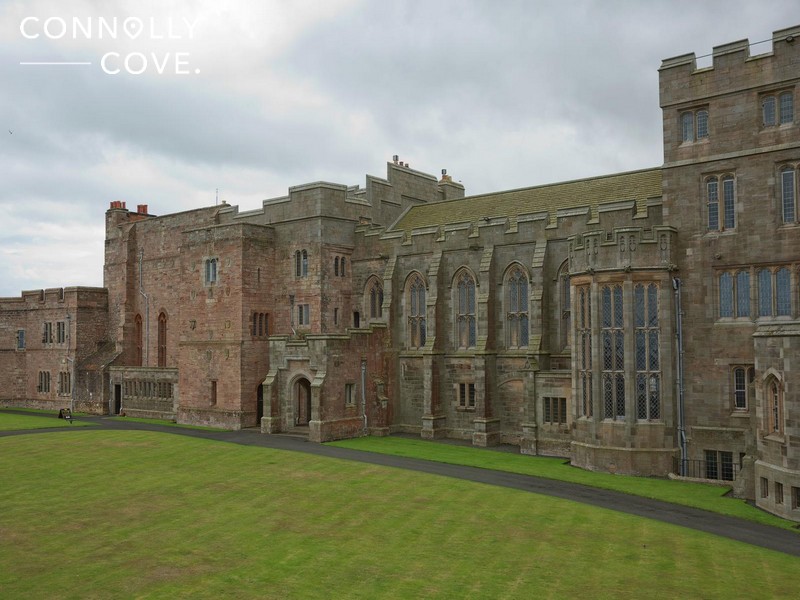
An enchanting UK village beholds the history of Celtic tribes, Norman rule and Anglo-Saxon forts. Bamburgh is a breathtaking village that possibly dates back to the 5th century and is near the Scottish borders. This charming UK village has an artistic history, where it was referenced in The Last Kingdom and appeared in several video games. The village offers a blend of rugged coastal beauty, historical charm and festive cheer during the winter and holiday seasons.
Embracing the Wintery Landscape
Bamburgh Beach is the village’s main beach and the ideal location to refresh and watch how the winter wind and crashing waves transform the coastline. You can marvel upon Bamburgh Castle, standing on the ruins of the Celtic Brittonic fort from the 5th century. The castle’s history is rich with alliances and scandals, and you will enjoy the breathtaking views from the rooftop battlements. If you’re up for an unusual experience, you can opt for birdwatching at the Farne Islands, home to puffins and guillemots.
Cosy-Up Indoors
Bamburgh Castle hosts many exciting activities, such as following the footsteps of Uhtred from The Last Kingdom and even a costume and props display. Various exhibitions at the castle showcase fascinating artefacts, bringing history to life. If you’re up for some delicious seafood, you can warm up by the fire at The Potted Lobster.
Drifting Through Stars
Suppose you’re catching the beginning of the holiday season. In that case, we recommend witnessing the magical switch-on of this enchanting UK village’s Christmas lights, usually followed by carol singing and festive cheer. Seeking warmth in this cold weather brings to mind Josh Groban‘s singing voice as he described how he got faithless as he drifted among the stars. We couldn’t resist tracking the Dark Sky Discovery Site outside the village, where you can marvel at the winter constellations.
Portmeirion, Gwynedd
Step into a picturesque Baroque UK village when you visit Portmeirion in north Wales. Can you imagine an entire village built in folly architectural style for fifty years in the 20th century? How enchanting this village will be during the winter season? There’s no shortage of activities and captivating landmarks to visit in one of the best UK villages in winter.
Embrace the Winter Landscape
Portofino, an Italian commune in Genoa, presented the architectural inspiration for Portmeirion. You can wander through the village’s manicured streets, adorned with frost and bathed in soft winter light. Capture wonderful photos of the River Dwyryd Estuary and the surrounding nature; they wear their white winter blanket. The winter season reveals this beautiful UK village’s architectural details and charming pathways.
We recommend you head to Castell Deudraeth, a majestic building that dates back to the 18th century and is now serving as a hotel. If you want an out-worldly experience, head to the Camera Obscura Observatory. The four-storey building gives you unique perspectives of the world. If you’re warm enough, you can sit by the estuary, soak in the peaceful ambience and appreciate nature’s beauty.
Cosy-Up Indoors
Castell Deudraeth is a hotel that offers heartwarming traditional afternoon tea, or you can head to The Hotel Portmeirion to savour warm scones and pastries as snowflakes flutter outside. If you’re looking for a friendly pub to enjoy good ale and delicious food, head to The Union Inn or The Ship Inn nearby. Explore the local shops, such as Pot Jam and Portmeirion Online, for Welsh crafts, art and souvenirs.
Unique Winter Experiences
The Holiday season is unique in Portmeirion, where the Hotel Portmeirion hosts a special New Year’s Eve dinner, and local pubs welcome celebrating crowds. You can hone your photography skills with a winter-themed workshop, capturing this UK Village’s unique beauty and surrounding landscape. The entire village dons its festive Christmas decorations for the holidays, and the twinkling lights bring joy and happiness.
Dean Village, Edinburgh
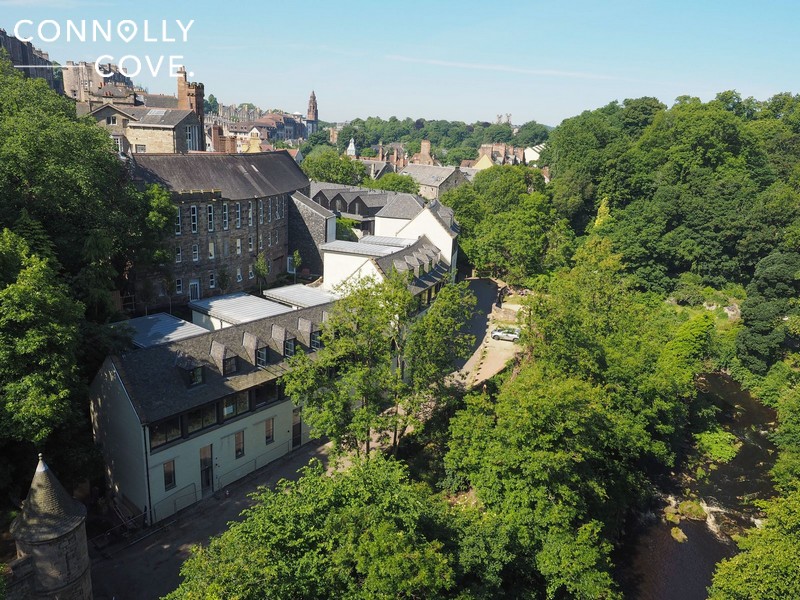
Northwest of Edinburgh lies a tranquil oasis once home to a thriving grain-milling village. Dean Village has a mainly industrial past, where the Water of Leith powered the workers’ mills and drove prosperity onward. Although the milling industry dwindled in the village, it regained its status as a desirable residential area after the 20th-century development plans.
Embrace the Wintery Atmosphere
Head outside Edinburgh for a quick, memorable getaway at Dean Village. If you catch a snowfall, the charming UK village transforms into a fairytale wonderland. You can take a leisurely walk along the Water of Leith, soaking in the charm of cobbled streets and admiring the snow-covered bridges and houses. Venture across the bridge to immerse yourself in the festive spirit at the Stockbridge Christmas Market and sip mulled wine. The Last Word Saloon, one of the village’s pubs, will shelter you and offer you great drinks and food.
Indoors Adventures
The famous Dean Gallery in the village was once its orphanage, dating back to the 1830s. The gallery has permanent and temporary exhibitions, including notable works by Sir Eduardo Paolozzi. Dean Gallery is one of two buildings of the Scottish National Gallery of Modern Art, which displays a vast collection of modern and contemporary art, from Scottish classics to international artists. If you’re a bookworm looking for new finds in the literary world, we recommend venturing into two of Edinburgh’s famous bookshops. Armchair Books and Edinburgh Books offer the ultimate bibliophile experience.
Outdoor Adventures
Dean Village offers exciting adventures for a bit of move-around during winter. Why not join the Water of Leith Walk if you’re adventurous enough? The scenic hike follows the river through parks and past historic bridges. We cannot stress warm clothes and sturdy shows enough, perhaps a coffee or cinnamon drink to keep warm along the way. If this walk is a bit of a workout, we suggest heading to the Royal Botanic Garden Edinburgh. The buds will still be young, engulfed warmly inside their casings, but the garden remains a peaceful getaway from the world.
Mousehole, Cornwall
Mousehole is a charming UK village in Cornwall that combines the beauty of sea harbours and rich countryside. An aerial view of the village radiates an enclosed gem where land and sea meet vibes, especially with the St Clement islet a few knots away from the harbour. The village has an ancient fishing history; the earliest mention of it is from the 13th century.
Embrace the Festive Atmosphere
Mousehole holds the annual Harbour Lights event, a tradition since the 1960s, where the village and the harbour twinkle with thousands of lights. This creates a magical atmosphere where a stroll through the illuminated streets is a loveable activity. You can learn about local folklore on 23 December, when the village celebrates its local citizen, Tom Bawcock, for ending the 16th-century famine by battling the violent sea waves to bring food back to feed the entire village. It wasn’t until the 1950s that Tom Bawcock Eve became a yearly festival where locals baked the famous Star Gazey Pie with sumptuous fish, potatoes, and eggs.
Explore the Wintery Landscape
Venture on a walk along the village’s coast for an intriguing Italian shore feeling, as you can see the harbour hugging the village and St Clement’s Isle in the distance. You can go on a boat trip to St Michael’s Mount, a majestic medieval castle sitting atop the mount. It offers breathtaking views of the horizon. If you’re a stargazer, we recommend you venture outside at night and admire the star-studded night sky; a little chilly adventure but worth it when you’re huddled up with cocoa or coffee in hand.
Seek Cosy Havens
Mousehole‘s main art gallery is The Joel Gallery, which showcases the work of talented Cornish artists and artisans. Another gallery worth your time is The Tyler Gallery, where original paintings by artistic masters, such as John Piper and Michael Praed, reside. The Ship Inn, a local hotel and pub, provides cosy accommodations, bountiful Cornish meals and local ales. The Old Coastguard Hotel offers stunning harbour views and delicious treats, perfect for a traditional afternoon tea.
Heading on a village adventure during wintertime sounds unusual. Still, we hope our trip through the best UK villages to visit in winter opened new adventurous doors for you to explore their unmatched beauty.
Exploring The Town of Carrickfergus
County Antrim
29/04/2024
Commercial Court: The Dazzling Lights of Belfast
Northern Ireland
29/04/2024

How to Make a Killy Kiss Cocktail By Killyhevlin Hotel
Northern Ireland
28/04/2024

Middle East Travel Statistics from 2019 to Now
Middle East
28/04/2024
Exploring the Rich Heritage of Mining in Ireland
History and Heritage
28/04/2024