


Best UK Villages to Visit in Summer
Updated On: February 19, 2024 by  Aya Radwan
An ideal British summer brings you long, warm, sunny days and occasional thunderstorms. While the city sounds tempting to wander around during summertime, there’s no better time to explore the British countryside. This article about the best UK villages to visit in summer takes you on an exciting journey through the UK’s vibrant villages to bask in nature’s beauty and enjoy its unmatched cultural and artistic landscape.
Best UK Villages to Visit in Summer
We thought we would continue our trip around the UK’s villages after our Best UK Villages to Visit in Winter guide and bring you another exciting season to discover the British countryside: summer. While UK villages can still be heated and some can get crowded, they remain a calmer retreat from the city’s unmatched summer jam. Here are the best UK villages to visit in summer and what you can see, do and enjoy.
Whitby, North Yorkshire
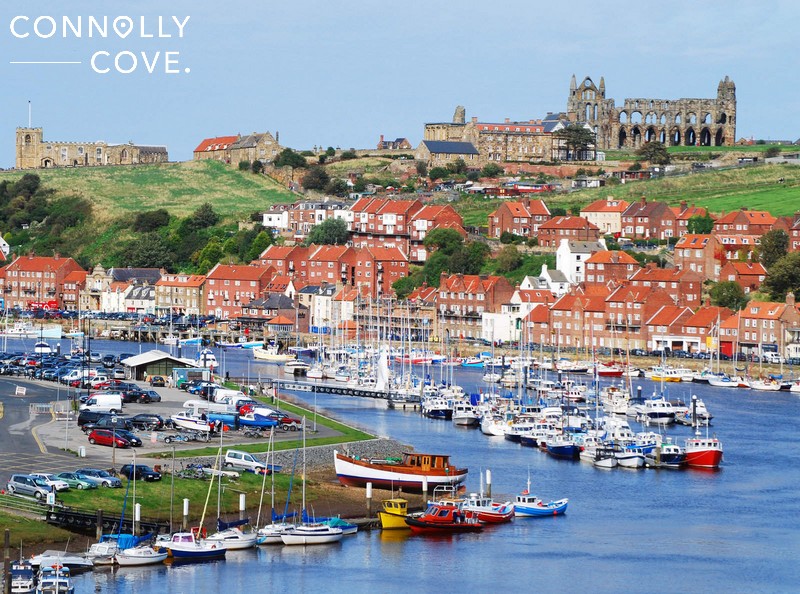
Summer in Whitby, North Yorkshire, is a magical time. The 7th-century seaside town comes alive with vibrant energy, buzzing with festivals, sun-seekers, and adventure enthusiasts. As one of the best UK villages to visit in summer, Whitby combines the magnificence of the sea and River Esk. This incredible UK village attracts visitors with its historical charm, stunning coastline, and delicious local treats.
Sea and Summer Beauty
Head to one of Whitby’s beautiful beaches, such as Whitby Beach and Sandsend Beach, to build sandcastles, ride the waves or simply relax and soak up the sunshine. Along the attractive shores, unleash your inner palaeontologist and hunt for fossils, as the village’s shores are renowned for their abundance of prehistoric treasures. If you like, you can take a boat trip from the bustling harbour and witness the stunning Yorkshire coastline from a different perspective. Be prepared to spot dolphins, majestic seals and occasional whales.
Bask in History
Whitby Abbey, the 7th-century ruinous abbey, witnessed Bram Stocker’s Dracula as the fictional character made his way from the shore up the iconic 199 steps leading to the ruins. You can enjoy breathtaking views and a panoramic coastline vista from above. Another location worth visiting in Whitby, one of the best UK villages to visit in summer, is the Captain Cook Memorial Museum, where you can learn about the legendary explorer from momentos of his voyages, maps and instruments.
Enjoy the Festivals and Savour the Food
Exciting festivals take place in this magnificent UK village all year round. You can enjoy endless music at the Whitby Soul Weekender music festival in July and the Whitby Regatta Festival with its exciting races in August. Don’t forget to indulge in Whitby’s culinary claim to fame, its delectable fish and chips; we hear Trenchers is the best in town!
Polperro, Cornwall
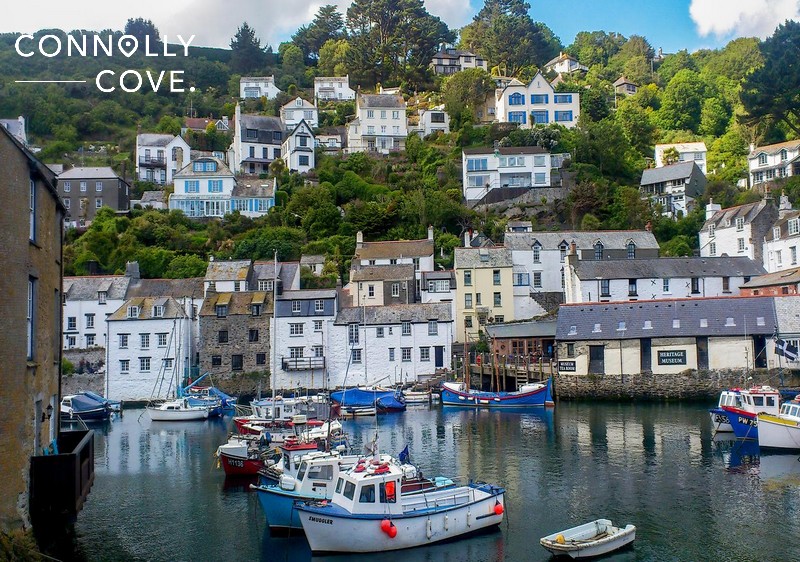
Polperro is an enchanting coastal UK village since medieval times. With its tightly packed fishermen’s houses and the wondrous River Pol running through the village, it becomes a lively tourist attraction during summer. Tourists love going on tours in fishing boats and marvelling at the charm of one of the best UK villages to visit in summer.
Sea and Summer Beauty
Polperro Harbour is a place worthy of a magnificent oil painting; the colourful fishing boats bobbing in the turquoise waters while skilled fishermen unload their daily catch is soul-filling. You can head to Polperro Beach for a refreshing dip. The sandy beach is perfect for families, with calm waters ideal for paddling and rock-pooling. If the tide is low, you can discover Chapel Rock, a tidal pool and explore diverse marine lines such as starfish and crabs or enjoy a scenic boat trip to witness the dramatic Cornish coastline.
Bask in History
If you’re in for a little adventure through history, prepare to explore the wicked history of smuggling and fishing at the Polperro Heritage Museum. You’re in for an interesting history lesson with interactive exhibits, artefacts, and captivating stories. The Polperro Arts Foundation is an arts foundation where local artists gather to keep the village’s artsy history alive. Embark on a little exploration adventure around one of the best UK villages to visit in summer as you hike the Harbour and Headlands Walk for an intriguing walk around the village and some of its best places.
Savour the Food and Get that Souvenir
Polperro’s unique shops and galleries dot the village’s narrow, charming streets. You will find unique souvenirs, handcrafted gifts and artwork showcasing local talent, which allows you to support local artisans. Treat your taste buds to this Cornish village’s culinary delights, where fresh and locally sourced seafood is presented daily. The Three Pilchards is one of the best places in town and worth a try!
Alfriston, East Sussex
With a history dating back to possibly the Neolithic period, Alfriston is nestled in the heart of the South Downs National Park. This UK village’s location makes it an ideal destination to experience the British countryside while enjoying your summer adventure. The village is also close to the coast, which means there’s room for all your favourite summer activities.
Sea, Summer and Nature
Since this incredible UK village lives in the heart of a national park, endless hiking opportunities exist. You can hike the 160-mile national trail of the South Downs Way. You can choose any different routes to choose which panoramic view you’d like to enjoy. If you’re looking for some calming breeze by the River Cuckmere, you can head to Cuckmere Haven, a shingle beach nestled at the river’s mouth. Enjoy a reviving swim in the clear waters and your time at the beach.
Explore the History
Alfriston’s narrow, winding streets are lined with beautifully preserved 14th and 15th-century buildings. The village’s three pubs, the Star Inn, the George Inn and the Smuggler’s Inn, are quaint historic places to snap postcard-perfect moments. This UK village’s Clergy House is a 14th-century building with a glimpse into the lives of medieval clergy. Alfriston’s church is St Andrew’s Church, or the Cathedral of the Downs, and is from the 14th century with impressive architecture and stained-glass windows.
Enjoy the Festivals and Savour the Food
In Alfriston, there are incredible, vibrant art galleries and craft shops. Local talent is worth exploring from pottery and jewellery to paintings and textiles. Emmett & White Antiques & Interiors is a great shop to check out when you have time. You can also visit The Star Inn Restaurant or The Singing Kettle Tea House for a great meal, drink and amazing company. The Alfriston Festival is now the South Downs Summer Music, a six-day music festival in July, where many popular artists gather to perform in one of the best UK villages to visit in summer.
Beaulieu, Hampshire
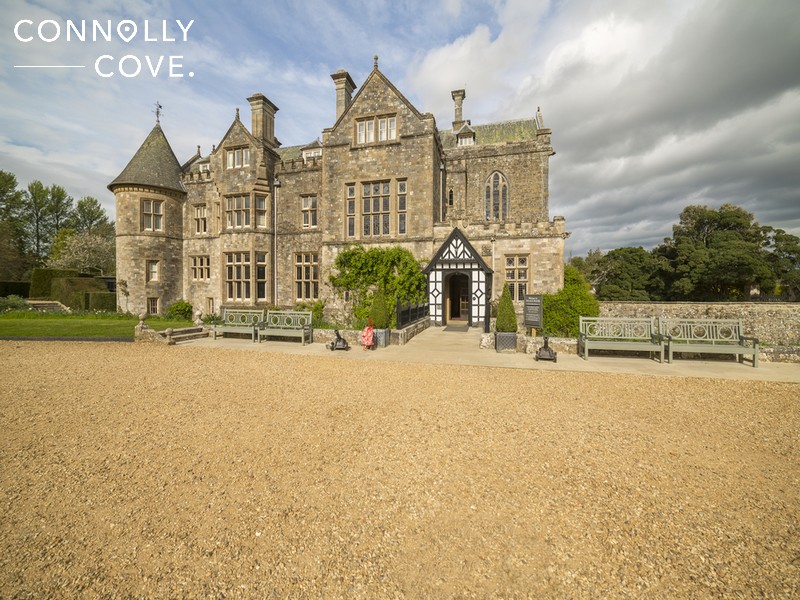
Beaulieu, a derivative of the French word for a beautiful place, is a magnificent UK village that welcomes visitors in the summer. The village is a thriving cultural and historical centre home to several historical landmarks, such as the National Motor Museum and the Palace House. We bring you our top recommendations for things to do and enjoy in one of the best UK villages to visit in summer.
Bask in History
The 16th-century royal home began and remained the residence of the Barons Montagu of Beaulieu. It was part of the 13th-century Beaulieu Abbey with its gothic interior. The palace’s and abbey’s grand architecture has staterooms filled with treasures. The National Motor Museum is home to one of the largest collections of motor vehicles worldwide. There are iconic cars, motorcycles, bicycles and even Formula One racing cars.
Summer and Nature
Get out and enjoy the beautiful nature in the New Forest National Park. This vast area is of ancient woodland, heathland, and open plains. There are scenic trails to go on a cycling adventure or try your hand at horseback riding. Step back at Buckler’s Hard, a beautifully preserved 18th-century shipbuilding village on the Beaulieu River. A maritime museum, and otters and birds are playing in the nearby wetlands. For a leisurely time, spend a relaxing day on a boat to explore the scenic Beaulieu River riverbanks.
Savour the Food
The culinary scene in Beaulieu brings tourists fresh and sumptuous food from various cuisines worldwide. If you’re looking for traditional British food, head to Monty’s Inn for great Fish and Chips and a succulent duck breast. The Terrace Restaurant is a great place to enjoy traditional English breakfast.
Lacock, Wiltshire
The picturesque UK village of Lacock is an intricately preserved village, with its beautiful streets and captivating abbey featured in several parts of the one and only Harry Potter franchise. The village’s thriving woollen industry dates back to the Middle Ages. The village is packed with incredible landmarks and offers a delightful escape for a summer holiday.
Bask in History
Perhaps the village’s most renowned landmark is Lacock Abbey, a stable on every Potterhead’s journey to explore the franchise’s filming locations around the UK. This magnificent abbey was built in the 13th century, and its peaceful cloisters provided the ideal location for Hogwarts’ cloisters. Get to know the fascinating history of the Talbot Family, who resided there for centuries. The stunning Fox Talbot Museum of Photography, housed within the abbey, showcases photography’s birthplace and evolution. The 14th-century Norman Church of St Cyriac is another incredible landmark to visit.
Summer and Nature
Lacock has become one of the best UK villages to visit in summer for its quaint, car-free streets lined with honey-coloured cottages, many dating back to the 16th and 17th centuries. You can stroll along the banks of the River Avon, a tranquil haven bordering the village, lace up your shoes, or rent a bike and explore the magnificent surrounding countryside.
Savour the Food and Get that Souvenir
Indulge in freshly baked treats and delicious pastries at the renowned Lacock Bakery. There’s Wiltshire sourdough bread, sausage rolls and mouthwatering cakes. You can head to one of the village’s cosy restaurants or pubs for a traditional lunch, such as the George Inn or the Sign of the Angel. There’s the enjoyable tea room at Lacock Abbey for a relaxed bite with a historical view.
Chipping Campden, Cotswolds
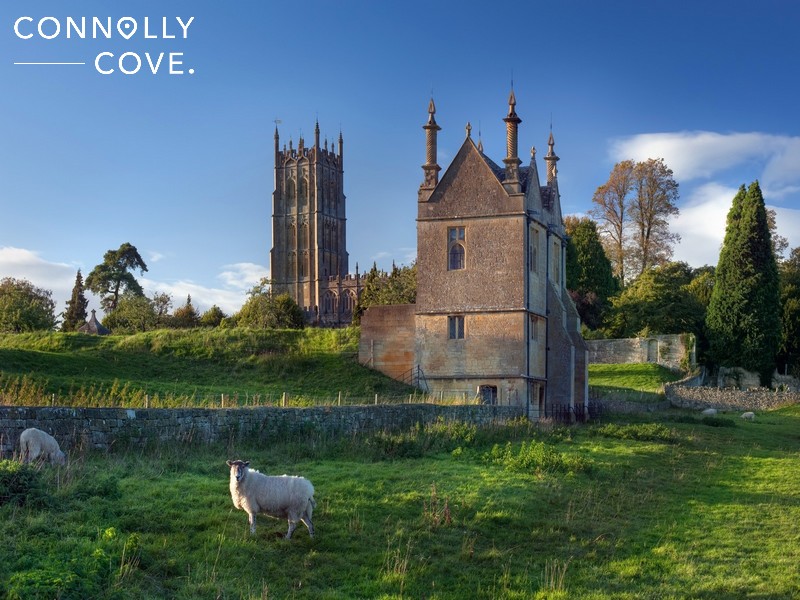
Chipping Campden is a charming UK village in the Cotswolds. As another thriving woollen village in the Middle Ages, this delightful village transforms into a vibrant destination. The village’s name literally translates to marketplace, an element common in other villages. We’ll explore some of the top places and things to do in one of the best UK villages to visit in summer.
Bask in History
Chipping Campden has a picturesque High Street lined with buildings from the 14th to the 17th centuries. The unique building material, Cotswold stone, is an oolitic limestone and gives the 14th-century Market Hall and the Grevel House impressive façades to admire. Another magnificent landmark is the 15th-century St James’ Church with its Norman architectural elements.
Summer and Nature
Near Chipping Campden is the Hidcote Manor Gardens, with beautiful flower beds and tranquil woodlands. If you’re up for a refreshing walk, you can lace up your shoes and embark on a scenic walk along the Cotswold Way. There are several gardens in this beautiful UK village, such as Dover’s Hill and the Castle Grounds, where you can relax on the grass under the shade of trees and enjoy a delicious picnic.
Enjoy the Festivals and Savour the Food
After an enjoyable visit to one of the village’s independent shops or galleries, such as the Dresser Chipping Campden or Dove Country Lifestyle, you can visit one of the best restaurants or pubs in the village for a great bite, brewed tea, scones with clotted cream and jam and sweet treats, head to the Eight Bells Inn or the Bakers Arms. If you’re lucky enough to visit this magnificent UK village during one of the village’s summer festivals, such as Open Campden Open Gardens in June.
Beddgelert, Snowdonia
A legendary tale of a faithful hound, Beddgelert supposedly takes its name from the legendary tale of a faithful hound, Gelert, who saved the Welsh ruler’s infant from a vicious wolf, but the ruler had thought Gelert killed the child and killed the hound for it. With a small population, Beddgelert is one of the best UK villages to visit in summer; It offers an unforgettable experience with picturesque settings and rich folklore.
Bask in History
The truth about Beddgelert is that the village took its name from Kilart or Celert, a local saint. However, the legendary hound story is a popular and attractive tourist attraction, and visitors can visit the hound’s graveyard, built centuries after the alleged hound tale. The village’s charming streets are lined with traditional stone cottages and welcoming cafés. St Mary’s Church is a 15th-century with evidence of medieval and Victorian architectural styles and is one of the oldest in Wales. A renovated copper mine, the Sygun Copper Mine is a magnificent tourist attraction during summer.
Summer and Nature
Beddgelert is the meeting point of several rivers, including the River Colwyn and the River Glaslyn. You can enjoy heading for a nearby adventure and conquering the iconic Snowdon Mountain, the highest in Wales or aim for gentler options like the Gelert’s Graveside Walk or the scenic River Colwyn path. The nearby Llyn Ogwen, a magnificent lake, offers the perfect setting for kayaking and paddleboarding.
Savour Local Delights
Treat yourself to delicious Welsh dishes like cawl, a hearty stew, and bara brith, a fruitcake, at any of this UK village’s best restaurants. Tanronnen Inn and Y Bistro yn yr Hebog are great places to check out. Don’t worry, we brought you one of the best sweets shops in town; satisfy that craving at Siop Pen Gwyn and pack up some to go back home with.
Beesands, Devon
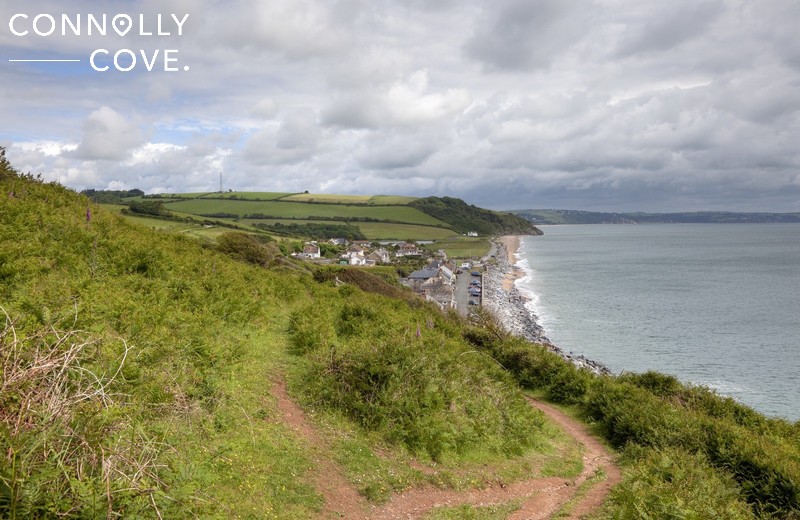
The small settlement of Beesands in Devon is a thriving tourist destination in summer. The UK village in Devon’s South is a popular destination for kayaking, paddle boarding and enjoying some of the best and freshest seafood in the area. With its shingle beach, scenic walks and delicious seafood, this UK village offers a variety of activities to make your summer unforgettable.
History, Summer and Nature
Perhaps the village’s most iconic landmark is the historic Cricket Inn. The traditional thatched pub, dating back to the 13th century, is a local landmark with a charming atmosphere. It witnessed Keith Richard’s and Mick Jagger’s first public performance in the village.
Beesands Beach is the village’s crown jewel. The beautiful shingle beach is a Blue Flag beach and offers the perfect spot to relax, build sandcastles or take a refreshing dip. You can explore the stunning coastline on foot. The South West Coast Path, passing through the village, offers breathtaking views of Start Bay and the opportunity to spot diverse birdlife.
If the weather’s great, you can explore the rockpools, which are busy with marine life at low tide. Crabs, starfish, anemones and other fascinating creatures hide among the rocks. Rent a kayak or paddleboard and explore Start Bay from a different perspective. Along the coastline, there are hidden coves, and the refreshing sea breeze is soothing. Check weather conditions and choose a suitable route for your experience level.
A Little Crabby Adventure
If you’re not afraid of a bite, why not go crabbing? Check local regulations and size limitations as you purchase a crabbing line and bait from local shops and head to the rockpools or the harbour. This is an exciting activity and fun adventure, especially for kids.
Beesands is one of the best UK villages to visit in summer and is known for its dependency on crab and lobster fishing. This means the food is always fresh and bears the taste of the sea. So, head to Britannia at The Beach and enjoy the freshest seafood all day.
Our time in some of the best UK villages to visit in summer has ended, but the adventures don’t end until the season’s last sunset. Here’s to sandy beaches, incredible hidden getaways and memorable summer vacations.

Exploring the Myth of the Celtic Symbol for New Beginnings
Culture Exploration
28/04/2024

Kenya Tourism Statistics: An Increase in International Tourist Arrivals
Travel Statistics
28/04/2024

Albert Memorial – London Attractions
England
28/04/2024

Cuffs Bar and Grill: The Jewel of Crumlin Gaol
Food and Cuisine
28/04/2024

Discover the Best Scottish Golf Courses for an Unforgettable Golf Break
Scotland
28/04/2024