


360 Degree Video of Narnia Trail in Rostrevor, Co Down
Updated On: March 17, 2024 by  Ciaran Connolly
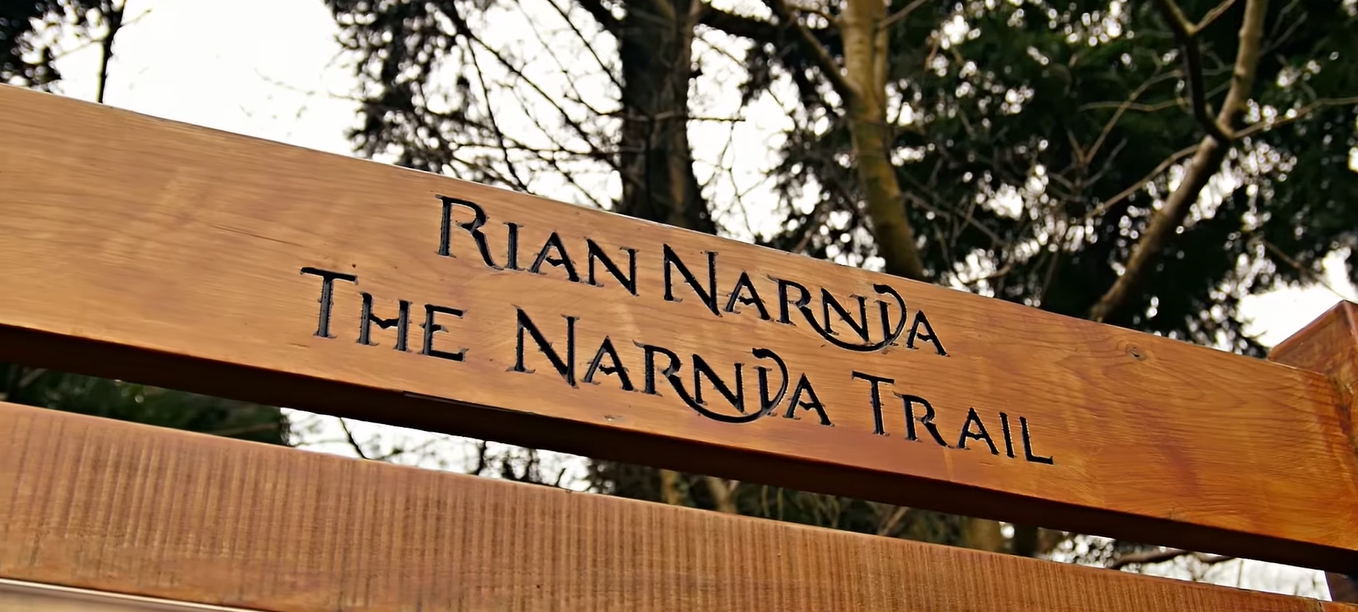
In the tranquil embrace of Rostrevor, nestled within the captivating landscapes of County Down, lies a trail that beckons adventurers into a realm of wonder and enchantment. Welcome to the Narnia Trail, a magical odyssey inspired by the timeless tales penned by C.S. Lewis. Here, amidst the whispering woods and babbling brooks of Kilbroney Park, visitors are invited to step through the pages of literature and into the fantastical world of Narnia.
The Narnia Trail is not merely a walk through nature but a pilgrimage through imagination, where the boundaries between reality and fiction blur and the spirit of adventure reign supreme. As you embark on this extraordinary journey, prepare to be captivated by the sights, sounds, and sensations that await around every corner as we delve into the allure and mystique of this enchanting trail.
Origins of the Narnia Trail
The Narnia Trail in Rostrevor owes its existence to the rich literary heritage of C.S. Lewis, who spent his formative years in Northern Ireland. Born in Belfast in 1898, Lewis drew inspiration from the region’s natural beauty, which often found its way into his writings. It is said that the enchanting landscapes of County Down, with its rugged mountains and dense forests, served as a muse for the creation of Narnia, the mythical land that lies beyond the wardrobe.
In homage to C.S. Lewis and his timeless literary creation, the Narnia Trail was conceived to celebrate his legacy while providing visitors a unique and immersive experience. Located within Kilbroney Park in Rostrevor, the trail was developed in collaboration with local artists, sculptors, and volunteers, who worked tirelessly to bring the magic of Narnia to life in this idyllic setting.
The Inspiration Behind the Trail
The creation of the Narnia Trail was inspired by C.S. Lewis’s strong connections to the region. Although born in Belfast, Lewis spent many childhood holidays exploring the rugged landscapes of County Down, fostering a deep appreciation for its beauty and tranquillity. It is said that the area’s natural splendour was a muse for the fantastical world of Narnia, which Lewis later brought to life in his novels.
The trail’s designers sought to capture the essence of Narnia by incorporating whimsical features that evoke the magic and wonder of Lewis’s literary universe. From hidden doorways and mystical creatures to enchanting sculptures and evocative signage, every aspect of the trail is carefully crafted to ignite the imagination and a sense of adventure in visitors of all ages.
Exploring the Trail
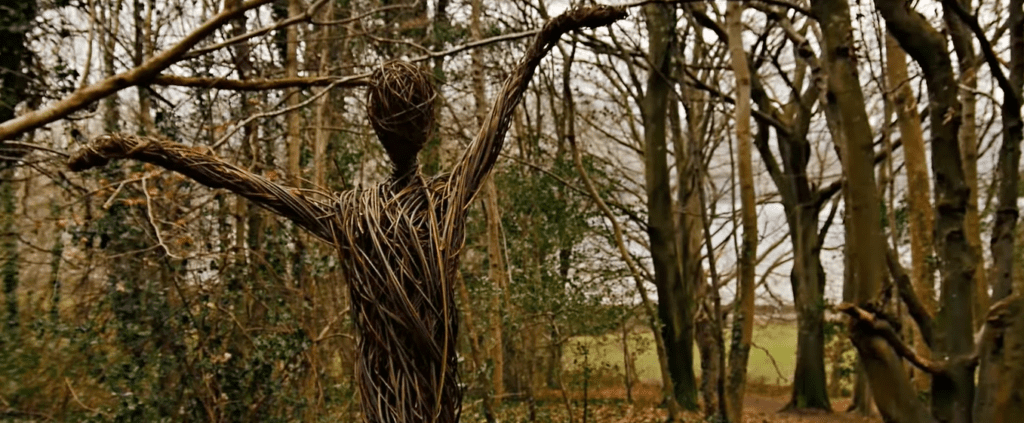
Visitors step onto the Narnia Trail and are transported into enchantment, where every turn reveals a new wonder. The trail begins at the entrance, marked by a rustic sign adorned with the image of a lion—the emblem of Aslan, the noble and wise ruler of Narnia. From there, adventurers embark on a journey through a series of themed sections, each one inspired by critical locations and characters from the novels.
The journey begins with the Wardrobe Passage, a narrow path flanked by towering trees that seem to whisper secrets of distant lands. As visitors walk through this magical corridor, they are reminded of the pivotal role played by the humble wardrobe in transporting the Pevensie siblings from their world into the wondrous realm of Narnia.
Next, adventurers encounter the Lamppost Glade, where a solitary lamppost stands as a beacon of hope amid the forest. This iconic symbol, inspired by the lamppost encountered by Lucy Pevensie upon her arrival in Narnia, serves as a reminder that even in the darkest of times, light and hope endure.
Continuing along the trail, visitors come upon the Stone Table Clearing, where a massive stone table rests beneath the canopy of ancient trees. This solemn site recalls the climactic events of “The Lion, the Witch, and the Wardrobe,” where Aslan makes the ultimate sacrifice to save Narnia from the clutches of the White Witch.
As adventurers journey deeper into the woods, they encounter other enchanting sights, including the Beaver’s Dam, the Faun’s Cave, and the Dancing Trees. Each location offers a glimpse into the rich tapestry of Narnian lore, inviting visitors to immerse themselves fully in the fantasy world created by C.S. Lewis.
Visiting the Enchanted Forest
The journey along the Narnia Trail begins at the entrance to Kilbroney Park, where visitors are greeted by a replica of the iconic lamppost that marks the entrance to Narnia in Lewis’ novels. From there, the trail meanders through ancient woodlands, where towering trees form a verdant canopy overhead, dappling the forest floor with sunlight.
As visitors venture deeper into the enchanted forest, they encounter a series of carved sculptures depicting key characters and scenes from the Narnia stories. From the noble lion, Aslan, to the mischievous faun, Mr. Tumnus, each sculpture is a testament to the skill and creativity of the local artisans who brought them to life.
One of the trail’s highlights is the Stone Table, an imposing stone structure that serves as a solemn reminder of the sacrifices made by the characters in the Narnia series. Carved with intricate detail, the Stone Table is a testament to the enduring themes of courage, sacrifice, and redemption that permeate Lewis’ work.
Interactive Elements and Educational Opportunities
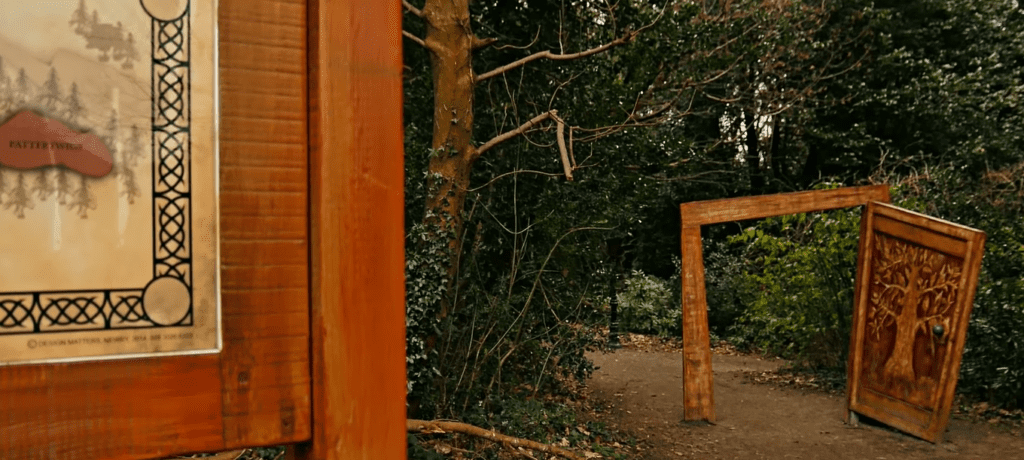
In addition to its sculptures and natural beauty, the Narnia Trail offers a range of interactive elements and educational opportunities for visitors of all ages. Along the trail, interpretive signs provide insights into the flora and fauna of the forest, allowing visitors to learn about the region’s rich biodiversity while exploring.
For younger visitors, the trail features interactive activities and challenges inspired by the Narnia stories. From scavenger hunts to riddles and puzzles, these activities encourage children to engage with the natural world around them while fostering a love of reading and storytelling.
Throughout the year, the Narnia Trail hosts various events and workshops, ranging from storytelling sessions to guided nature walks. These events allow visitors to immerse themselves fully in Narnia while connecting with like-minded enthusiasts and experts in literature and conservation.
Connecting with Nature
Beyond its literary connections, the Narnia Trail also serves as a gateway to the breathtaking natural beauty of Rostrevor and its surroundings. Visitors who wander through the ancient woodlands and lush meadows can encounter diverse flora and fauna, from rare orchids and ferns to elusive red squirrels and native bird species.
The trail offers a peaceful respite from the hustle and bustle of everyday life, providing ample opportunities for relaxation, contemplation, and connection with the natural world. Whether enjoying a stroll or embarking on a more challenging hike, visitors will find solace and serenity amidst the tranquil landscapes of County Down.
Preserving the Magic for Future Generations
As custodians of this magical landscape, the organizers of the Narnia Trail are committed to preserving its natural beauty and ensuring that it remains accessible to future generations. Through sustainable management practices and ongoing conservation efforts, they strive to protect the flora and fauna of Kilbroney Park while maintaining the integrity of the trail itself.
In recent years, the Narnia Trail has become a popular destination for visitors from near and far, attracting tourists, families, and literature enthusiasts alike. Its unique blend of art, nature, and storytelling has captured the imagination of all who wander its paths, making it a cherished landmark in the cultural landscape of County Down.
Planning Your Visit
If you’re ready to embark on your own adventure through the enchanted world of Narnia, here are a few tips to help you make the most of your visit to the Narnia Trail in Rostrevor, County Down:
- Check the Weather: The trail is open year-round, but weather conditions can vary, so be sure to dress accordingly and check the forecast before you go.
- Pack Essentials: Bring water, snacks, and other essentials for your journey. Comfortable walking shoes are also recommended, as some sections of the trail may be uneven or muddy.
- Respect Nature: Remember to leave no trace and respect the natural environment during your visit. Stay on designated paths, refrain from littering, and avoid disturbing wildlife.
- Take Your Time: The Narnia Trail is meant to be enjoyed leisurely, so take your time to explore each section and soak in the beauty of your surroundings.
- Capture the Moment: Don’t forget to bring a camera or smartphone to capture memories of your journey through Narnia. Please share your photos and experiences with friends and family to inspire others to embark on their adventures.
Conclusion
The Narnia Trail in Rostrevor, County Down, is more than just a hiking trail; it is a portal to another world where magic and adventure await around every corner. Inspired by the timeless tales of C.S. Lewis, this enchanting pathway invites visitors to embark on a journey of exploration, imagination, and discovery.
Visitors traverse ancient woodlands and verdant meadows and are transported into the fantastical realm of Narnia, where myth and reality intertwine in a tapestry of wonder and enchantment. Whether young or old, the Narnia Trail offers something for everyone, from captivating sculptures and interactive installations to breathtaking vistas and hidden treasures waiting to be discovered.
So, lace up your boots, pack your imagination, and prepare to embark on an adventure as you step through the wardrobe and into the magical world of the Narnia Trail.

Aunt Sandra’s Delicious Candy Factory, Belfast
Northern Ireland
29/04/2024

A Guide to the Best Belfast Hotels
Travel & Hospitality Careers
29/04/2024

The Dying Gaul: Unraveling the Meaning and History of an Ancient Roman Masterpiece
History and Heritage
29/04/2024
Discover The Mystery of the Paviland Red Lady: Unearthing Its Secrets
Culture Exploration
29/04/2024
Downpatrick Town: Saint Patrick’s Final Resting Place
Northern Ireland
29/04/2024