The Belfast Peace Walls tell a powerful story of division, reconciliation, and artistic expression. Taking a tour of the Peace Walls offers visitors a unique opportunity to gain insight into Northern Ireland’s complex history and its ongoing journey toward peace. At ConnollyCove, we’ve explored these walls extensively, capturing their essence through our immersive digital storytelling to help travellers connect more deeply with this significant cultural landmark. Whether you’re planning a guided tour of the Peace Walls or exploring independently, this comprehensive guide will ensure you don’t miss the most important aspects of this profound Belfast experience.
Table of Contents
4K 360-Degree Video Experience of the Peace Walls
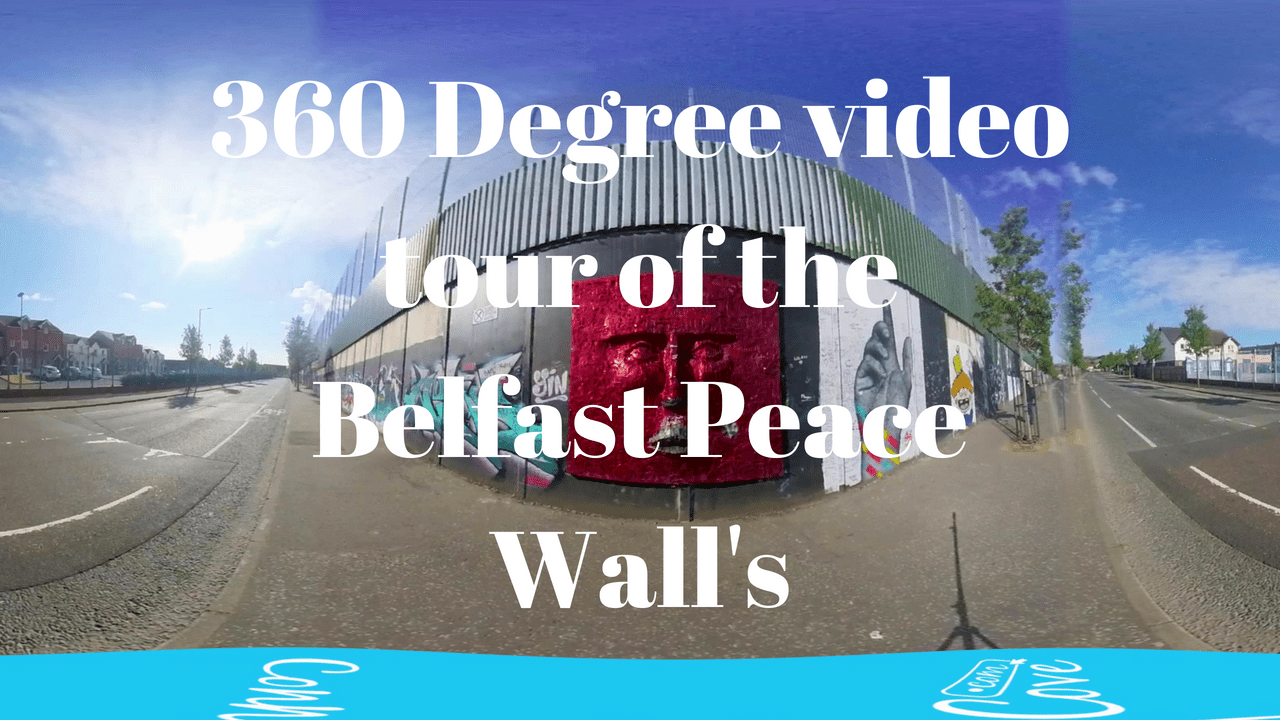
The Belfast Peace Walls carry a wealth of history about our past and present. They beckon travellers to visit and dig deeper into the stories surrounding these famous barriers in Belfast, Northern Ireland. Our exclusive 360-degree tour takes you around all the iconic murals that are crucial to Northern Ireland’s history. <iframe width=”560″ height=”315″ src=”[YouTube embed URL]” title=”360-Degree Tour of Belfast Peace Walls” frameborder=”0″ allow=”accelerometer; autoplay; clipboard-write; encrypted-media; gyroscope; picture-in-picture” allowfullscreen></iframe>
Experience the Peace Walls like never before! Change the settings at the bottom right of the video to 4K resolution on YouTube for the best viewing experience. This immersive video allows you to look in all directions—drag your mouse on the desktop or move your mobile device to explore the entire scene.
“When we first created this 360-degree video of the Peace Walls, we wanted to give people around the world a chance to experience this powerful place virtually. There’s something profoundly moving about standing at these walls that conventional photography can’t capture.” – Ciaran Connolly, Founder of ConnollyCove.
Peace Walls History
Belfast’s Peace Walls stand as stark physical reminders of a divided past, with a complex history that continues to shape the city. These imposing barriers, first erected in 1969 as temporary measures, have evolved into permanent features of Belfast’s landscape, telling a story that every visitor on a tour of the Peace Walls should understand.
Origins of Division
The Peace Walls—also known as Peace Lines—are a series of separation barriers that divide predominantly Republican and Nationalist Catholic neighbourhoods from predominantly Loyalist and Unionist Protestant neighbourhoods. These walls were constructed to minimise inter-communal violence between Catholics (most of whom self-identify as Irish nationalists) and Protestants (most of whom self-identify as British unionists).
The first barriers appeared in 1969 following the outbreak of the Northern Ireland riots and the beginning of “The Troubles”—a period of violent conflict that would last for nearly 30 years. What started as temporary barricades of barbed wire evolved into permanent structures when the British Army began erecting the first official “peace line” in September 1969 along the Shankill-Falls divide, a major flashpoint between the communities.
These walls were initially intended to be temporary measures, expected to stand for only six months. However, as sectarian tensions persisted, they became more established features of the urban landscape.
Evolution and Expansion
Throughout the 1970s and 1980s, as violence continued, more barriers were constructed. By the early 1990s, there were 18 peace walls in Belfast. The Good Friday Agreement of 1998 officially ended The Troubles, but rather than seeing these barriers dismantled, their number has actually increased in the post-conflict era.
The walls vary in their construction and appearance:
- Height: From a few metres to over 7.5 metres (25 feet) tall
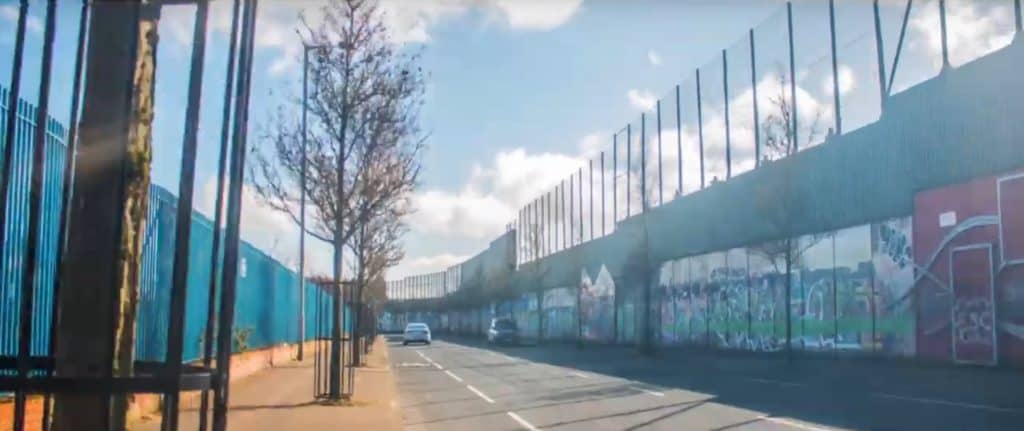
- Materials: Combinations of brick, steel, concrete, and wire mesh
- Length: From a few hundred yards to over 5 kilometres (3 miles)
- Features: Some include gates that allow passage during daylight hours
By 2017, nearly 60 peace walls and barriers existed across Northern Ireland, with the majority concentrated in Belfast. Others can be found in Derry/Londonderry, Portadown, and Lurgan. The Northern Ireland Housing Executive manages most of the time, although the Department of Justice has responsibility for the majority.
Transformation Through Art
In the decades since The Troubles, many of these walls have been transformed into canvases for expression. What began as territorial or paramilitary murals, often conveying threatening messages, has in many cases evolved into powerful pieces of public art advocating for peace and reconciliation.
Artists from local communities and around the world have created striking murals that document the conflict, commemorate the victims, express political views, and share hopes for the future. The International Wall on Divis Street and the murals along Cupar Way are particularly renowned for their powerful imagery and messages.
Tour Options
Choosing the right tour of the Peace Walls can transform your Belfast experience from a simple sightseeing trip to a deeper understanding of Northern Ireland’s complex social history. From intimate walking tours led by locals who lived through The Troubles to comfortable black taxi experiences covering more ground, each tour option offers a unique perspective on these powerful monuments to conflict and hope.
Finding Your Perfect Peace Walls Tour Experience
There are several ways to experience Belfast’s Peace Walls, each offering a unique perspective and depth of understanding. Based on our years of bringing travellers to these sites, we’ve compiled a guide to help you choose the best option for your interests.
Walking Tours: An Intimate Ground-Level Experience
Walking tours offer the most intimate connection with the Peace Walls and the communities that live alongside them. Many tours are led by local guides who have personal experiences of The Troubles, providing authentic insights you won’t find in history books.
Pros:
- Close-up views of murals and the opportunity to sign the wall
- Personal stories from guides with lived experience
- Chances to interact with local community members
- Ability to stop and photograph at leisure
Cons:
- Weather dependent
- Covers less ground than vehicle tours
- Can be physically demanding
Our recommendation: Walking tours are ideal for those seeking deeper engagement and willing to invest 2-3 hours. We particularly value tours that include guides from both communities, offering balanced perspectives on the conflict and its legacy.
Black Taxi Political Tours: Personal Narratives and Mobility
Black taxi tours have become an iconic feature of Belfast, offering a blend of personal service, mobility, and expert commentary. These tours typically accommodate small groups in traditional black taxis, with driver-guides navigating the inner areas while sharing their knowledge.
Pros:
- Shelter from Belfast’s changeable weather
- Cover more ground than walking tours
- Personal attention in a small group setting
- Many drivers lived through The Troubles and offer firsthand accounts
Cons:
- Less physical connection with the environment
- Slightly higher cost than walking tours
- Limited interaction with community members
Our recommendation: Black taxi tours strike an excellent balance between comfort, coverage, and personal connection. They’re perfect for visitors with limited time or those visiting during Ireland’s wetter months.
Hop-On-Hop-Off Bus Tours: Broader Context
Several bus companies include the Peace Walls in their city-wide routes, offering a convenient way to see the barriers as part of a broader Belfast experience.
Pros:
- Comprehensive overview of Belfast
- Professional commentary
- Most comfortable option
- Flexible scheduling with hop-on-hop-off flexibility
Cons:
- Less detailed information about the Peace Walls specifically
- Minimal interaction with local communities
- Limited time at each stop
Our recommendation: Bus tours are well-suited for visitors seeking to understand how the Peace Walls fit into Belfast’s broader landscape and history, or for those with mobility concerns.
Self-Guided Exploration: Freedom at Your Own Pace
With good preparation, exploring the Peace Walls independently can be a rewarding experience. Our 360-degree video tour can be an excellent starting point for planning your route.
Pros:
- Complete flexibility
- No time constraints
- Free (apart from transport costs)
- Opportunity for personal reflection
Cons:
- Miss out on the guides’ knowledge and personal stories
- Navigation can be challenging
- Potentially less context for understanding what you’re seeing
Our recommendation: Self-guided visits are best suited for returning visitors or those who have already conducted some research. We suggest combining our 360-degree video tour with a good map and perhaps a guidebook for context.
“The difference between seeing the walls in photos and standing beside them is profound. That’s why we created both written guides and immersive video content—to help visitors prepare for the emotional impact these structures can have.” – Ciaran Connolly, Founder of ConnollyCove.
Must-See Murals
The vibrant murals adorning Belfast’s Peace Walls transform what could be stark barriers into one of Europe’s most compelling open-air galleries. No tour of the Peace Walls is complete without experiencing these powerful artworks, which document conflict, celebrate peace, and provide a voice for communities on both sides of the divide.
Artistic Windows into Belfast’s Soul
The murals adorning the Peace Walls and surrounding areas are more than mere decorations—they’re a dynamic visual history of the conflict, community identity, and the peace process. Based on our many visits capturing these artworks for our digital content, here are the most significant murals to include in your tour:
International Wall, Falls Road
This constantly evolving stretch features murals expressing solidarity with international causes and struggles. Themes range from Palestine to Black Lives Matter, reflecting the Republican community’s identification with global social justice movements. The artistic styles here tend to be vivid and contemporary, making it particularly photogenic.
Cupar Way Peace Walls
The Peace Walls’s most famous and photographed section is covered in colourful graffiti, signatures, and messages from visitors worldwide. The contrast between politically charged murals and hopeful messages of peace creates a powerful visual narrative. Don’t miss the “There is no way to peace, peace is the way” mural featuring Gandhi’s image.
Shankill Road Murals
The Loyalist area of Shankill Road features murals commemorating historical events important to the Unionist community, including tributes to the Battle of the Somme and the founding of the Ulster Volunteer Force. The artistic style often incorporates strong symbolism, prominently featuring the Union Jack and Ulster banner.
Photography Tips for Wall Visitors
As content creators specialising in visual storytelling, we’ve developed some techniques for capturing these powerful murals effectively:
- Morning light works best for the Cupar Way section, whilst the Falls Road murals often photograph better in afternoon light
- Include people for scale to convey the imposing height of the walls
- Look for juxtapositions – peaceful messages against the harsh concrete barriers make for powerful imagery
- Capture details as well as wide shots – small graffiti messages often tell as powerful a story as the large murals
- Respect privacy – always ask permission before photographing local residents
Visitor Tips
The most memorable tour of the Peace Walls comes from being well-prepared and approaching these historically charged sites with respect and cultural awareness. Having documented these barriers extensively for our digital content, we’ve gathered essential insider tips to help you maximise your experience whilst confidently navigating Belfast’s complex social landscape.
Best Times to Visit
Based on our regular visits to document the walls, we’ve found:
- Spring and early autumn offer the best combination of mild weather and good light for photography
- Weekday mornings tend to be quieter, allowing for more reflective experiences
- Avoid the 12th July and the surrounding days when tensions can be heightened during the marching season
- Gates between communities generally open between 7:00 and 9:00 am and close between 6:00 and 10:00 pm, depending on the location and time of year.
Practical Considerations
- Weather preparedness: Belfast weather is changeable—bring a waterproof jacket regardless of the forecast
- Footwear: Comfortable walking shoes are essential, particularly for walking tours
- Duration: Allow at least two to three hours to experience the main Peace Walls areas properly
- Transport: Taxis are readily available, but pre-booking is advised if you need one early in the morning
- Safety: The areas are regularly visited by tourists and are generally safe during daylight hours
Respectful Tourism Guidelines
The Peace Walls exist in residential areas where people live their daily lives. Based on our work with local communities, we recommend:
- Listen more than you speak when interacting with local people
- Avoid political debates or declaring allegiances
- Ask permission before photographing individuals
- Consider the impact of what you write if you sign the wall
- Support local businesses in both communities
- Research before you go to understand the context of what you’ll see
Digital Resources to Enhance Your Visit
At Connolly Cove, we believe that digital content can enrich physical experiences. Before your visit:
- Watch our 360-degree video tour to get oriented
- Download offline maps, as the signal can be patchy in some areas
- Save our Peace Walls mural guide to your phone for on-the-spot information
- Follow relevant hashtags on social media to see recent visitor experiences
Cultural Impact
Beyond their physical presence, the Peace Walls have profoundly shaped Belfast’s cultural identity and continue to influence community relations more than two decades after the signing of the Good Friday Agreement. Taking a tour of the Peace Walls offers visitors a rare insight into how these barriers represent division and reconciliation, both as wounds from the past and canvases for a shared future.
The Walls in Contemporary Northern Ireland
More than 20 years after the Good Friday Agreement, the Peace Walls remain a complex symbol in Northern Irish society. They simultaneously represent a troubled past, ongoing divisions, and the complicated journey toward reconciliation.
Community Perspectives
Views on the Peace Walls vary widely among local residents:
- Some see them as essential security features that make them feel safe
- Others view them as an embarrassing reminder of division that hinders community relations
- Many have mixed feelings, recognising both their historical significance and their limiting effect on social cohesion
A 2012 survey found that 69% of residents living near the walls believed they were still necessary because of potential violence. However, follow-up studies have shown a gradual change in attitudes, with more people becoming open to the partial or gradual removal.
Future of the Walls
In 2013, the Northern Ireland Executive launched the “Together: Building a United Community” strategy, committing to remove all Peace Walls by 2023. In 2025, it became clear that this timeline proved overly ambitious, with community consent remaining the essential factor in any barrier removal decisions.
Progress has been measured, but it is meaningful:
- Several barriers have been removed or reduced in height since 2013, including notable modifications to walls in North Belfast
- Many gates that were once permanently closed now operate on scheduled opening hours, allowing daytime passage between communities
- Ongoing regeneration funding continues to develop shared spaces near interface areas.
- Arts and cross-community projects are increasingly using walls as a focus for reconciliation, with local artists transforming sections into powerful statements of hope.
“The most powerful moments in our work documenting the Peace Walls come when we see people from both communities working together on shared projects. While many physical barriers remain, the growing willingness for cross-community dialogue represents the true path forward for these divided spaces.” – Ciaran Connolly, Founder of ConnollyCove.
FAQs
Visitors planning a tour of the Peace Walls often come with important questions about safety, access, and cultural significance that can enhance their experience. Drawing from the thousands of travellers we’ve guided through these historically complex areas, we’ve answered the most common queries to help you prepare for a meaningful and respectful visit.
Are the Peace Walls safe to visit?
Yes, the areas around the Peace Walls are regularly visited by tourists and are generally safe during daylight hours. We recommend opting for a guided tour on your first visit, especially if you’re unfamiliar with Belfast’s geography.
Can I sign the Peace Walls?
Visitors are encouraged to sign the wall along certain sections, particularly on Cupar Way. Bring your own permanent marker if you wish to leave a message.
How long do I need to visit the Peace Walls properly?
We recommend allowing at least two to three hours to experience the main Peace Walls areas fully. A guided tour typically lasts one and a half to two hours, but you may want to allocate additional time for personal exploration and reflection.
Are the Peace Walls in Belfast the same as the Berlin Wall?
While there are some similarities, the Peace Walls in Belfast differ from the Berlin Wall. Belfast’s walls were constructed to separate communities within a city rather than dividing nations. They were also not designed to prevent escape or migration, but rather to reduce inter-community violence.
Experience the Peace Walls with ConnollyCove
A tour of the Peace Walls offers a powerful window into Belfast’s soul, where history, art, and hope converge in a uniquely Northern Irish experience. While standing beside these structures delivers an emotional impact that can’t be replicated, our 360-degree video tour provides both an immersive preview and a way for past visitors to reconnect.
At ConnollyCove, we unearth the beating heart of destinations. Our team has captured the nuanced stories of Belfast’s communities through award-winning video productions and richly detailed guides that create meaningful cultural connections.
Ready to explore more of Belfast? Discover our guides on Northern Ireland Tourist Attractions, Belfast Guide, the magnificent Belfast City Hall, and the inspiring George Best Trail.
Have you experienced a tour of the Peace Walls? Share your thoughts below—your perspective adds invaluable depth to our collective understanding of this important landmark.