
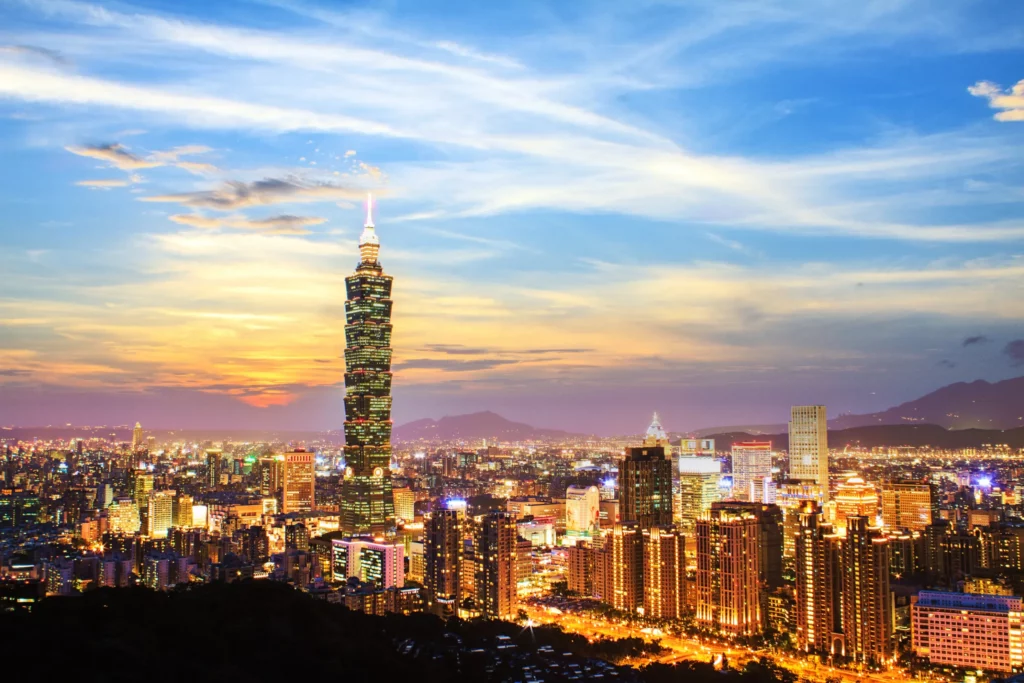

Shenzhen, China: Wandering Around the Far East’s Silicon Valley

Updated On: November 10, 2023 by  Aya Radwan
Imagine spinning a gigantic earth ball to randomly choose your next destination, and when you suddenly pin your finger on a location, you get Shenzhen in China. This wondrous southern city is just as impressive as the remainder of the country. You will be amazed by Shenzhen’s advancement in finance, economics, tourism and technology, just to name a few. This city proudly combines Chinese customs and authenticity with the speedily-evolving modern technology and the result gives you one of your life’s most exciting experiences.
Come with us as we tour around Shenzhen to learn about the city’s history and try to put together some of its historical and modern-day wonders to visit. We will also check out some fun places where you can enjoy games, relax and have fun.

Brief History of Shenzhen
Man settled in Shenzhen nearly 7,000 years ago, and the city has been integral to the region’s politics since then. Some of the city’s historic towns, such as Dapeng and Nantou, are more than 500 years old. At the beginning of the Qin Dynasty, Shenzhen became the seat of the Dongguan Commandery, and the Bao’an County were in Shenzhen, in modern-day Nantou.
During the following dynasties, the area surrounding Shenzhen continued to be an important political and economic hub. It began with salt and spices during the Song Dynasty, followed by pearls during the Yuan Dynasty. Back then, Shenzhen didn’t exist, and the main trading and political hub was Nantou, which, at the time, was so vast it included all of modern-day Shenzhen.
From the mid-17th century onward, the city and the entire country went through numerous national and international wars, such as feuds between dynasties and the Opium Wars. At the time, Shenzhen was a small town and made its debut to the world when the railway from Hong Kong made its final stop at the town and opened its gates to the world. It was at the end of the 1970s that Bao’an County officially became Shenzhen city.
The 1980s saw Shenzhen become China’s first Special Economic Zone, or SEZ. This decision was fundamental to the attraction of foreign investment to the city through special exemptions and concessions. The following decades enhanced the city’s position in the national and global economy by increasing the city’s government authorities to pass laws and adopt policies to promote the city’s economic system, management system and environmental friendliness.
All these changes contributed to Shenzhen becoming one of the world’s busiest container ports, a global leader in many fields such as technology, research, business, finance, economics, manufacturing, transportation and tourism. The city remains a SEZ and has become a model city for China and the world. Today, there are six districts in the city these being Nantou, Luohu, Songgang, Longgang, Longhua and Kuiyong.
Best Time to Visit Shenzhen
Due to Shenzhen’s southern location, it has a humid subtropical climate. This means the city has dry and mild winters and foggy summer seasons. However, winter in Shenzhen can become extremely foggy and overcast, while summers become humid and rainy. The rainy season lasts throughout the summer months till late September. Summers are also full of monsoons, but they don’t come with extreme heat; the average temperatures can be mid-thirty degrees.
So, what is the best time to visit Shenzhen? We suggest the spring and autumn seasons. The spring season is the beginning of the rainy season, but it’s not as rainy, sometimes even torrential rain, as the summer season, and not as overcast as the winter season. To specify the time more, you can opt to book from mid-March to mid-April or from mid-October to late November.
Things to Do in Shenzhen
Shenzhen’s rich history expresses itself throughout the city. The locals have worked tirelessly to intertwine their beloved traditions with today’s technology to keep up with this rapidly evolving world. We divided our list into three categories for easier reading.
Historical Landmarks in Shenzhen
Shenzhen’s historical landmarks are a magnificent reflection of the past. These various places will show you how the city developed from prehistory to what it is today.
Nantou Historic Town
Nantou is the oldest mention of the area in Chinese history; an area that also included modern-day Shenzhen until the entire city earned that name in the 20th century. This historic town was once an important seaport and a master in the salt industry since the 330s CE. Even though the town was fortified in 736 CE, the modern-day visible fortifications date back to the late 14th century. This prosperity continued for centuries until Shenzhen town began to rise to the global market after the KCR railway line, and by the 1950s, Nantou lost its power to the newly formed Shenzhen city.
Unfortunately, Nantou suffered great damage numerous times over history. The most recent of which saw the demolition of most of the city’s old defensive walls to make way for newcomers after Shenzhen was designated an SEZ. Today, the remaining parts of the fortifications include the southern and eastern gates and a part of the walls in the north. The town is also home to the Nantou Ancient City Museum.
Nantou Ancient City Museum
This museum is seen as the only way to protect the ancient history of Nantou after the town’s excessive demolition and ruin. All the artefacts that were possible to move and preserve in the museum to protect them were moved. Although there are many exhibits in the museum of the town’s history, the town lost many of its historical landmarks, most recently in the 20th century.
The Nantou Ancient City Museum is located at the former Bao’an County government building and comprises three halls over two stories. Since there’s no entrance fee, visiting the museum is a great opportunity to learn about a part of history that was almost wiped out. Exhibits include images and paintings of the old town, craftsmen, markets and maps of the area.
Splendid China Folk Village

This magnificent village is a must-visit on your trip to Shenzhen. The village consists of two parts: the Miniature Park and the Folk Culture Village. The cultural village is a magnificent display of customs and traditions, forms of art, habits and ancient architectural styles of both ancient China and the world. Various cultural events take place in the village that depict actual events from Chinese history.
Imagine seeing all the landmarks of China in miniature sizes in one place. The miniature park has more than 100 landmarks and tourist attractions distributed on a massive map of China. Some of these include the Great Wall of China, the Summer Palace, the Forbidden City and the Terracotta Army.
Dafen Oil-Painting Village, Longgang

What began as one man’s attempt to make a living by copying paintings has grown so fast to create an artistic village in the heart of the city. Huang Jiang began in 1989, and over the following years, he took in twenty some artists to work under his supervision, which helped the name Dafen Village get around. Some of the works this team recreated included paintings by Van Gogh, Leonardo Da Vinci and Salvador Dali.
During the 2010s, there were nearly 7,000 artists living and working in Dafen. Each of them finished 100 paintings a day, so the total export amount to the US and European markets reached five million a year. It was during this decade as well that the Dafen artists began to copy artwork by Chinese painters to overcome the global excruciating financial crisis.
Shenzhen Museum, Futian
To truly learn about the city’s history, from the time of Nantou until the city acquired the name Shenzhen, the city’s official museum is the right place to visit. With more than 20,000 relics and artefacts on display, you can dive deep into the city’s cultural, political, economic and artistic history. The museum took seven years to open after its completion, from 1981 to 1988.
Shenzhen Dapeng Fortress

The late 14th-century fortress stood to fend off pirate attacks that plagued the area. Over time, a village grew between the folds of the fortress, and more people settled there. The fort has a history of standing against attackers, such as Japanese pirates in the late 16th century and the British during the Opium Wars. Today, the fort’s narrow streets and houses are an ideal representation of life between its walls back in time.
Modern-Day Wonders in Shenzhen
Since Shenzhen was designated an SEZ, rapid development took over the city. This included the removal of various old buildings and a reconstruction and development plan for the entire zone. These developments led the city to be what it is today, one of the leaders in the global market of technology. It’s a given that the city will have towering buildings and new-age wonders to express its new identity.
Ping An Financial Center

At a height of nearly 600 metres stands the Ping An Financial Center. When construction began in 2010, it was difficult to imagine the centre would rank 5th among the world’s tallest buildings. Not only that, it ranked second as the tallest in China. Although construction finished in 2017, and it is home to hotels, a shopping mall and office and conference spaces, nearly 30% of the building remains empty today.
For us, the Ping An Financial Center is wonderful to admire from afar. If you feel adventurous enough to take the 115-storey lift ride to witness one of the most panoramic views of Shenzhen, we won’t stop you. The 80 lifts take the ride up and down impressively quietly and fast. When you reach the observation deck on the 116th floor, be prepared to be amazed.
Meridian View Center
Another location to get the best bird view of Shenzhen is the Meridian View Center. This 384-metre high building preceded the Ping An Financial Center as the tallest building in the city. The centre brings you magical views of Shenzhen and Hong Kong, which is why it’s also called the “Window of Shenzhen and Hong Kong”. The lift ride here takes seconds, and you can witness some of the two cities’ best views.
Dongmen Pedestrian District

The origin of Shenzhen’s name comes from the Dongmen Pedestrian District. This part of the city, which lies within its main market, is more than 300 years old. To encourage tourism and make it easier for everyone to go around the district, its streets were pedestrianised in 1999. You can find many shops with great deals here; there are boutiques and restaurants, and all you might need is here.
Fun Things to Do in Shenzhen
Most talk about Shenzhen is about how industrially advanced it is and mentions the trades the city excels at. Honestly, this can make visiting the city sound rather dull. We assure you Shenzhen is full of numerous fun destinations and will provide you with many fun activities to bring joy to your visit.
Window of the World
Earlier, we mentioned Shenzhen Miniature Park, which exhibits a great number of Chinese landmarks in miniature sizes. How about this time, we bring you world wonders in a larger size as well. This magnificent theme park in Nanshan is home to nearly 130 world landmarks, but on a smaller scale, of course. You can expect to see the Pyramids of Giza, the Eiffel Tower, the Danish Little Mermaid, Italy‘s Colosseum, Russia’s Winter Palace and India’s Taj Mahal. More landmarks include Iraq’s Ishtar Gate, Japan’s Mount Fuji, North Korea’s Potongmun and Australia’s Sydney Opera House.
Ferris Wheel of Light
If you’re sceptical about lift rides up high buildings to get a fantastic view of the city, you can opt for the Ferris Wheel of Light. This recently inaugurated tourist attraction stands 128 metres high. If you’re a large group, up to 25 people, you can fit easily into one of its 28 gondolas. If you have certain concerns about the height of the wheel, you can request for it to stop at a specified altitude.
Shenzhen Happy Valley
The Happy Valley theme park is one of the biggest and first of the parent company, Happy Valley. With various entertaining rides and themed attractions, the park attracts large numbers of tourists every year. The nine areas of the park include the Cartoon City, Typhoon Bay and Playa Maya water park.
Overseas Chinese Town East

This incredible scenic spot in Nanshan District will captivate you. The reason might be that the “town” encompasses many parks and landmarks in its vicinity; you’d want to come over several times to check them all. To name a couple of these parks, there’s the Chinese Folk Culture Village and Happy Valley Shenzhen. The Splendid China Park and Window of the World are also located in this area.
Dameisha Waterfront Park, Yantian

As the name suggests, this park overlooking the South China Sea is a park by the sea. Locals and foreigners love to come to this mountain-surrounded beach to enjoy the long stretch of the beach, recreational activities and a nearby resort. Dameisha Beach is part of the waterpark, which also includes green areas and a lake. The park has many facilities such as water sports, entertainment and leisure areas.
Shenzhen Safari Park
If you’re up for an unusual wildlife experience, Shenzhen Safari Park is home to some of the world’s exotic animals. What distinguishes this park from other zoos in China and the world is the uncaged animals roaming around. You can take a ride through the cage and watch as lions or tigers approach you. It sounds like a horrifying experience, but definitely worth the try for an adrenaline boost.
What should you expect to see at the zoo? More than 300 species are in the zoo, manifesting in over 10,000 animals. Peacocks, baby animals, pandas, Siberian tigers, giraffes, flamencos and zebras exist. Other sections of the park are a wetland garden and a zoology museum.
Shenzhen Bay Park

If you’re looking for a quieter seaside park than the Dameisha Waterfront Park, the Bay Park is the ideal spot. With a 13-kilometre-long space along the bay’s northern shore, this park includes two zones. The first is the Coastal Recreation Zone, and the second is the Coastal Ecological Park. The latter section houses many endangered bird species and is part of the Hongshulin Nature Reserve. The Bay Park is perfect for picnics, leisurely time and a good bike ride; other than that, other vehicles aren’t allowed inside the park.
Rose Coast
Another fun experience in the city with kids is the Rose Coast. It is a magnificent beach surrounded by beautiful vegetation, almost like a Greek island. What makes this coast special is the number of scenes you can witness there; you will find sand castles, flower installations and famous buildings, which explains why the coast earned a reputation as a location for wedding photoshoots. There’s no need to mention that all seaside activities are available here. What we must say is there are new experiences as well, such as riding a horse on the shore and taking a fantastic photo.
Our trip through the streets of Shenzhen has been the most exciting. We feel the city still has more to offer that one visit wouldn’t suffice to demystify it.

Delving into the Chilling Ankou Mythology: Unveiling the Harbinger of Death in Celtic Folklore
Mythology and Folklore
03/05/2024

Exploring the Enigmatic World of Kelpie Mythology: Origins, Legends, and Lore
Mythology and Folklore
03/05/2024

The Life and Legacy of Robert the Bruce: Scotland’s Heroic King
Scotland
02/05/2024

Unveiling the Meaning of the Celtic Motherhood Knot
Culture Exploration
02/05/2024

The Town of Killybegs: The Amazing Gem of Donegal
County Donegal
02/05/2024