The Irish tourism and hospitality market employs a whopping 150,000 to 250,000 people. The travel and tourism industry earns over six billion euros for the Irish economy. GradIreland has estimated that international tourists spent a record €6.6 billion in 2016 alone, a 9.5% growth from 2015.
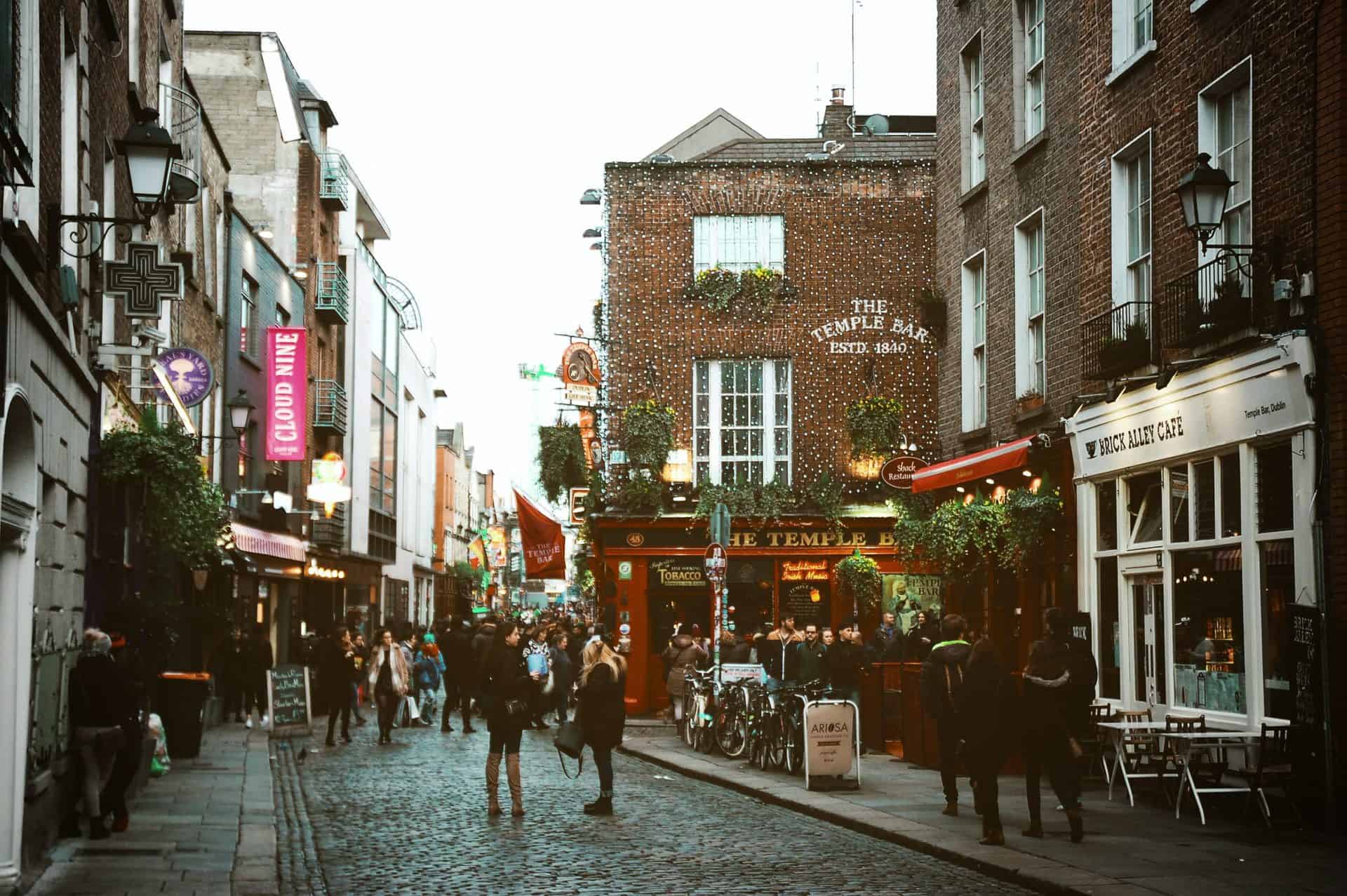
Ireland is world-renowned as a country of hospitality. Images of Ireland are deeply associated with the travel and tourism market—a warm pub and hearty food. This reputation can be attributed to the rising trend of travellers towards the Emerald Isle.
Table of Contents
The Growth of Employment in the Sector
Ireland’s tourism and hospitality sector has consistently provided employment, even during economic downturns. According to Fáilte Ireland, the industry employed over 250,000 people directly and indirectly in 2023, making up nearly 11% of the national workforce. The industry offers diverse roles across various skill levels, from hotel staff and tour operators to restaurant servers and transportation providers.
Employment growth has been particularly notable in the following sub-sectors:
- Accommodation: Ireland’s hotel industry has grown extensively, with significant brands establishing presences in Dublin, Galway, and Cork. Increased room demand has increased the need for receptionists, housekeepers, maintenance workers, and management professionals.
- Food and Beverage Services: The increase in international visitors has driven the expansion of food and beverage businesses nationwide. From traditional pubs to high-end restaurants, Irish cuisine and hospitality have become vital attractions, leading to a surge in employment within kitchens, front-of-house roles, and management.
- Transport and Logistics: An influx of tourists has also necessitated growth in transport services, with airports, bus operators, and car rental services requiring additional staff to manage increased passenger volumes and provide efficient travel experiences.
- Tourism Services and Support Roles: Tour guides, adventure activity providers, event planners, and marketing professionals have all seen job growth. These roles enrich tourist experiences, building Ireland’s reputation as a top-tier destination.
Factors Driving Growth in Tourism and Hospitality Employment

Several factors have contributed to the rapid growth in employment within Ireland’s tourism and hospitality sector:
- Increased Visitor Numbers: International visitors to Ireland have grown steadily, with over 11 million people visiting the country annually in recent years. This influx of tourists has created a demand for a larger, well-trained workforce capable of providing excellent hospitality and service.
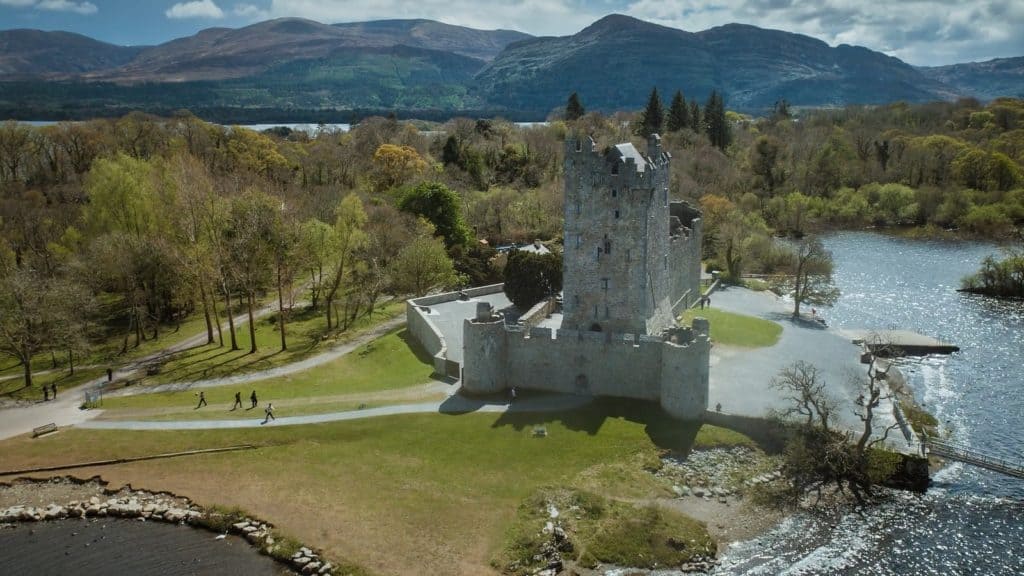
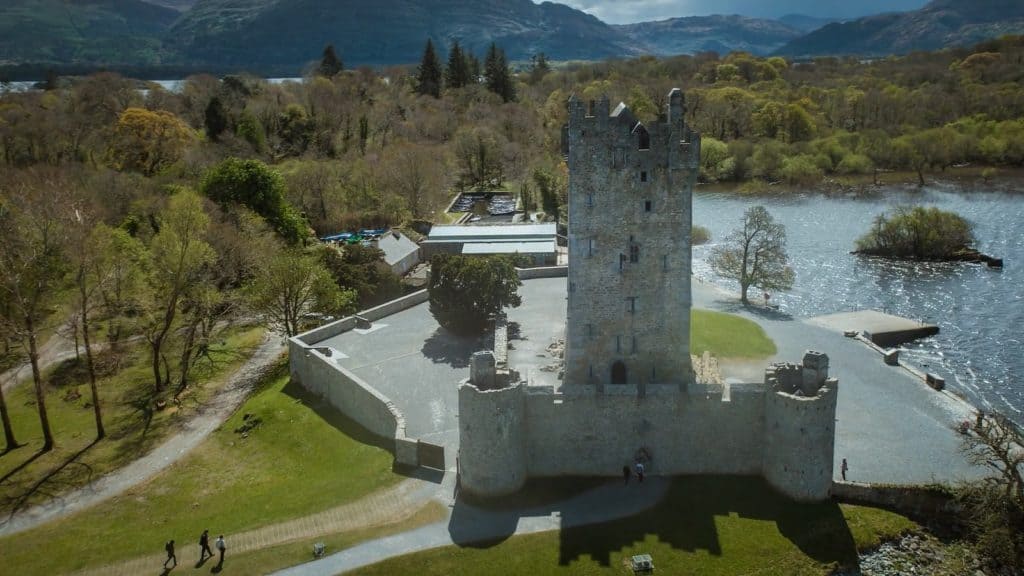
- Government Investment and Promotion: Through agencies like Tourism Ireland and Fáilte Ireland, the Irish government has invested heavily in promoting the country as a tourist destination. Initiatives such as the “Wild Atlantic Way” and “Ireland’s Ancient East” have showcased Ireland’s natural and historical attractions, bringing in tourists and fuelling job creation.
- Improved Infrastructure: Ireland’s infrastructure has significantly improved, particularly in terms of transport. Airports in Dublin, Cork, and Shannon have expanded, while improved road networks facilitate easy travel across the island. These infrastructure improvements enhance the visitor experience and require additional staff, driving employment growth.
- The emergence of Specialised Tourism Niches: Niche tourism segments, such as eco-tourism, adventure tourism, and culinary tourism, have created new employment opportunities. Activities like surfing, hiking, and food tours have brought tourists to rural and coastal areas, contributing to job creation beyond Ireland’s major cities.
- Growth in Domestic Tourism: While international tourists contribute significantly to Ireland’s economy, domestic tourism has also been a vital driver of employment. Irish residents are increasingly choosing staycations, increasing demand for services across the hospitality and tourism spectrum.
Challenges Facing the Sector
Despite its growth, the Irish tourism and hospitality industry faces several challenges:
- Seasonality: Tourism in Ireland is subject to seasonal fluctuations, with the peak season generally spanning from May to September. This seasonality can lead to difficulty maintaining stable employment levels year-round, affecting job security for workers in specific roles.
- Labour Shortages: The high demand for workers in tourism and hospitality has led to shortages in recent years, particularly in skilled roles. Post-pandemic, many countries have faced worker shortages in these sectors, and Ireland is no exception, with businesses struggling to find qualified staff for culinary and management positions.
- Rising Operating Costs: Increasing costs, from energy to raw materials, have pressured hospitality businesses to balance profitability with fair wages. Rising costs can limit hiring and growth as businesses look to control expenditure while remaining competitive.
- Environmental and Sustainability Concerns: With growing awareness of climate change, the tourism sector is pressured to reduce its ecological footprint. Balancing tourism employment growth with sustainable practices can be challenging, mainly when catering to large international visitors.
- Competition from Other Destinations: As global travel has become more accessible, competition from other popular destinations has intensified. Ireland faces the ongoing task of positioning itself as a unique destination in the international market, requiring strategic marketing and quality service that often rely on a well-supported workforce.
Impact of the Tourism and Hospitality Sector on the Broader Economy

The tourism and hospitality industry’s growth in employment has widespread positive effects on the Irish economy, as it is intricately connected to other sectors:
- Economic Multiplier Effect: Tourism generates income for businesses directly involved in tourism and adjacent sectors such as retail, transport, and local food production. The influx of tourists increases demand across these sectors, spurring job creation and economic growth.
- Rural Development: Many tourist attractions are located in rural areas, leading to economic development and job creation outside major cities. This dispersal of economic benefits has been crucial for maintaining vibrant rural communities, which may otherwise struggle with population decline and economic stagnation.
- Cultural Exchange and Preservation: Tourism fosters cultural exchange, allowing international visitors to experience Irish heritage and traditions. Additionally, tourism revenues have supported initiatives to preserve historic sites, ancient landscapes, and cultural institutions, thus promoting Ireland’s cultural wealth.
Irish Cuisine: An Integral Part of Irish Tourism
Ireland is finally being recognised for its innovative cuisine. With 16 restaurants on the island of Ireland with a coveted Michelin star, the Irish restaurant scene is going from strength to strength. Michelin has also awarded 31 restaurants in Ireland’s ‘Bib Gourmand’ status.
Bib Gourmands recognise establishments offering simple yet skilful cooking for under €40 for a three-course meal. Substantial growth in the restaurant trade has left a demand for jobs. The Restaurant Association of Ireland has noted a national shortage of skilled chefs across the island—an encouraging note if you consider becoming a developer of Irish cuisine.
Restaurant culture is developing, and the hotel industry is rapidly expanding. Tourism bodies across Ireland have reported that more than 5,000 new hotel rooms are needed by 2020 to satisfy demand from tourism growth. Still reeling from the success of Condé Nast’s accolade, a county Laois hotel was crowned the world’s best in 2016.

Ballyfin Demesne, an old stately home, has gone from crumbling ruin to the most celebrated hotel for travellers globally. Ireland has won Europe’s Leading Tourist Attraction for three years from 2015 to 2018, generating more foot traffic from tourists than ever before. An inspiring sign for a developing economy.

Future Prospects and Opportunities
The Irish tourism and hospitality sector shows strong potential for continued employment growth, though adapting to changing demands and expectations will be essential. Some of the emerging trends and areas of opportunity include:
- Sustainable Tourism: As travellers become more eco-conscious, there is an increasing focus on sustainable tourism practices. Ireland’s scenic landscapes and natural resources make it well-positioned to attract eco-tourists. Investment in sustainable infrastructure and practices, such as green-certified hotels and low-carbon transport, can boost employment while preserving natural resources.
- Digital Innovation: Digital transformation is shaping the future of tourism. Mobile apps, virtual tours, and online booking systems enhance the visitor experience and streamline operations. As more businesses incorporate digital tools, there will be an increased demand for IT professionals and digital marketing specialists within the tourism sector.
- Remote Work Tourism: With the rise of remote work, Ireland could capitalise on long-term visitors who choose to live and work temporarily in the country. This trend presents an opportunity for tourism businesses to cater to digital nomads, offering longer stays and experiences that align with a lifestyle that blends work and travel.
- Health and Wellness Tourism: Health-focused holidays are becoming popular, and Ireland’s scenic landscapes provide the perfect backdrop for wellness retreats. Developing health resorts, spas, and outdoor wellness activities could create new job roles, expanding the tourism sector beyond traditional experiences.
Conclusion
Employment growth in Ireland’s tourism and hospitality sector is a testament to the country’s appeal as a global destination. This growth has provided diverse job opportunities, contributing to the economy and supporting rural and urban communities. However, the sector must address seasonality, labour shortages, and environmental concerns to sustain its momentum.
As Ireland continues to develop innovative, sustainable, and high-quality tourism experiences, its hospitality industry is set to remain a significant employment provider. With forward-thinking strategies, ongoing investment in staff training, and a commitment to maintaining high standards, Ireland’s tourism and hospitality sector will likely continue to thrive, creating jobs and enriching the nation’s economic and cultural landscape.