


Haunted Hotel-Haunted Tower – Ballygally Castle Hotel, Co. Antrim
Updated On: April 12, 2024 by  Salma Ihab
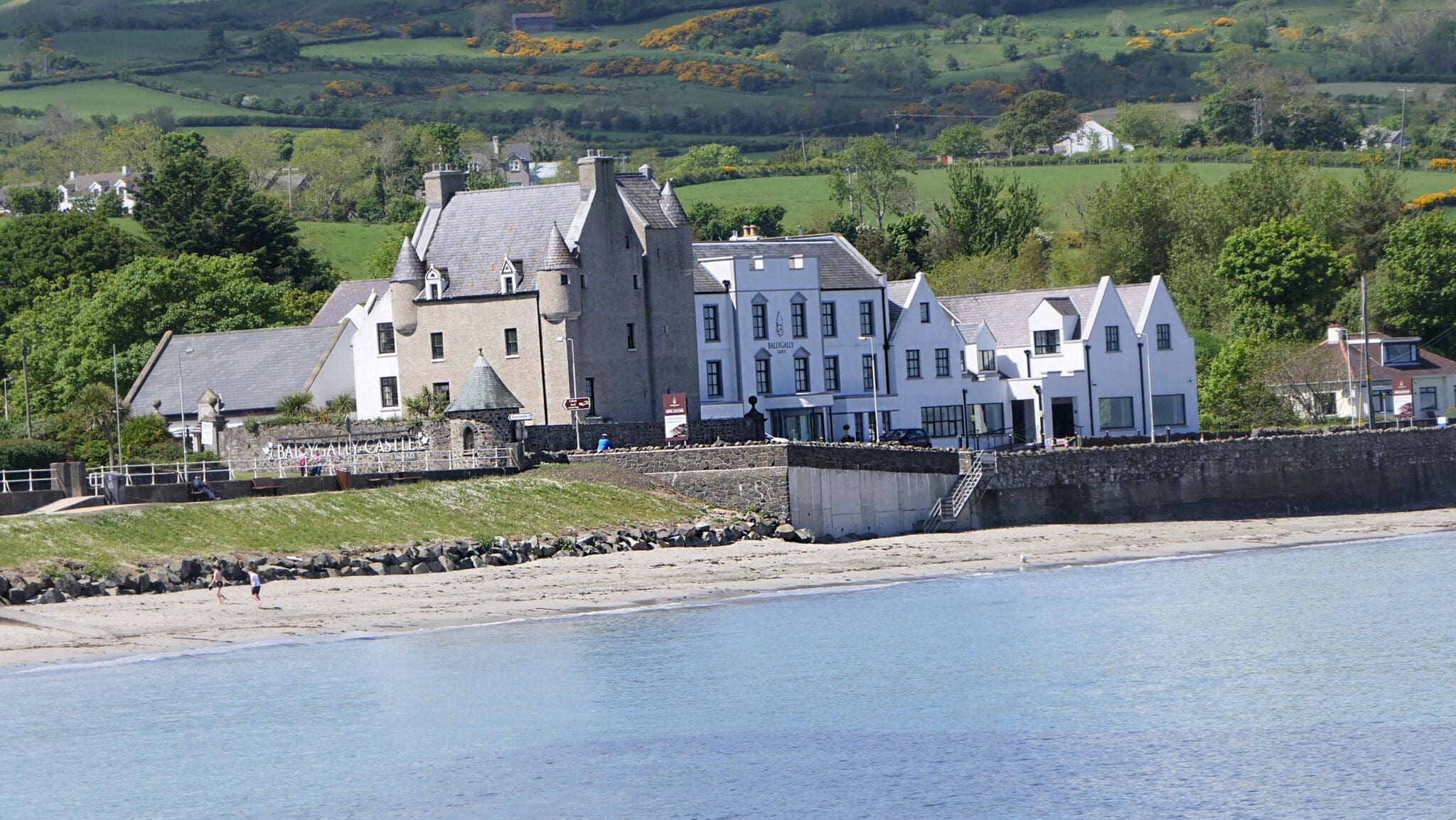
Tucked away along the rugged coastline of Northern Ireland, amidst the serene beauty of County Antrim, stands the imposing Ballygally Castle Hotel. This historic fortress, dating back to the 17th century, boasts a rich heritage and a reputation steeped in mystery and the supernatural. At the heart of its allure lies the Haunted Tower, an enigmatic entity that has intrigued visitors and locals for centuries.
The History Behind Ballygally Castle Hotel
Before delving into the eerie tales surrounding the Haunted Tower, it’s essential to understand the fascinating history of Ballygally Castle Hotel itself. Constructed in 1625 by James Shaw of Scotland, the castle was initially intended as a residence for his wife, Lady Isabella Shaw. Over the centuries, the castle transitioned from a noble residence to a military garrison during the tumultuous Irish Rebellion and later transformed into a hotel.
Today, Ballygally Castle Hotel is a luxurious retreat, offering guests unparalleled views of the Irish Sea and a glimpse into the past through its carefully preserved architecture and decor. However, it is not just the castle’s grandeur that draws visitors—the whispers of the supernatural linger within its walls, particularly around the infamous Haunted Tower.
The Legend of the Haunted Tower
The Haunted Tower, also known as the Ghost Room, is situated on the top floor of Ballygally Castle Hotel. It is said to be inhabited by the restless spirit of Lady Isabella Shaw, the castle’s original mistress. According to local folklore, Lady Isabella was locked in the tower by her husband, James Shaw, who coveted a male heir and sought to rid himself of his wife.
Trapped and desperate, Lady Isabella is said to have leapt from the tower in a desperate attempt to escape her captivity, meeting her tragic end at the rocky cliffs below. However, her spirit is believed to have lingered within the castle walls, perpetually searching for the child she never had.
Encounters with the Otherworldly
Over the years, countless guests and staff members at Ballygally Castle Hotel have reported eerie encounters and unexplained phenomena within the confines of the Haunted Tower. From inexplicable cold spots and mysterious footsteps to sightings of a spectral figure roaming the corridors, the tales surrounding the Ghost Room are as diverse as they are chilling.
One particularly famous account involves a guest who claimed to have awoken in the middle of the night to find a veiled woman standing at the foot of their bed, her eyes filled with sorrowful longing. Others have reported hearing faint cries echoing through the halls or feeling an unshakeable sense of unease whenever they venture near the tower.
Investigations and Explorations
Intrigued by the tales of the Haunted Tower, paranormal investigators and enthusiasts have flocked to Ballygally Castle Hotel in search of answers. Numerous studies and experiments have been conducted to unravel the mysteries shrouding the Ghost Room, ranging from EVP (Electronic Voice Phenomenon) sessions to séances and medium consultations.
While some sceptics dismiss the stories as mere folklore or suggest rational explanations for the reported phenomena, many visitors remain convinced of the supernatural presence within the castle walls. For them, the Haunted Tower is a tangible reminder of the thin veil between the living and the dead.
Embracing the Haunting Legacy
Rather than shying away from its haunted reputation, Ballygally Castle Hotel has fully embraced its spectral legacy, offering guests the chance to experience the thrill of the supernatural firsthand. The hotel’s Ghost Room package invites brave souls to spend a night in the Haunted Tower with a candlelit dinner, a ghost tour, and exclusive access to paranormal investigation equipment.
For those seeking a less immersive encounter with the otherworldly, the hotel hosts regular ghost tours led by knowledgeable guides who share the chilling tales of Ballygally’s haunted history. These tours allow guests to explore the castle’s darkest corners and hear firsthand accounts of paranormal encounters from staff and visitors alike.
When to Experience Ballygally Castle Hotel’s Enchantment
The best time to visit Ballygally Castle Hotel in County Antrim largely depends on your preferences and the type of experience you seek. For those who wish to enjoy milder weather and longer daylight hours, the spring and summer months, from April to August, offer ideal conditions for exploring the surrounding attractions and soaking in the stunning coastal views. This period also coincides with various festivals and events across Northern Ireland, providing ample opportunities to immerse yourself in the local culture.
However, if you prefer a quieter atmosphere and don’t mind cooler temperatures, the autumn months, particularly September and October, can be equally enchanting, with the bonus of vibrant foliage blanketing the landscape. Additionally, winter, from November to February, offers a cosy ambience at Ballygally Castle Hotel, with roaring fires, festive decorations, and the chance to witness the rugged beauty of the coastline in its rawest form. Ultimately, no matter the season, Ballygally Castle Hotel promises a memorable stay filled with history, charm, and perhaps a touch of the supernatural.
Attractions near Ballygally Castle Hotel
In addition to the intrigue of Ballygally Castle Hotel and its Haunted Tower, County Antrim offers many attractions and activities for visitors to explore. From stunning natural landscapes to historic landmarks and cultural experiences, there’s something for everyone in this captivating corner of Northern Ireland.
The Giant’s Causeway
Just a short drive from Ballygally Castle Hotel lies one of Northern Ireland’s most iconic natural wonders—the Giant’s Causeway. This UNESCO World Heritage Site is renowned for its dramatic basalt columns, formed millions of years ago by volcanic activity. Visitors can wander along the rugged coastline, marvelling at the geometric formations and soaking in the breathtaking views of the North Atlantic Ocean. The Giant’s Causeway Visitor Centre provides insights into this awe-inspiring site’s geological history and mythical legends.
Carrick-a-Rede Rope Bridge
For those seeking an adrenaline rush and panoramic vistas, a visit to the Carrick-a-Rede Rope Bridge is a must. Suspended high above the churning waters of the Irish Sea, this historic rope bridge connects the mainland to the tiny island of Carrick-a-Rede. Initially used by salmon fishermen, the bridge now offers adventurous visitors the chance to test their nerves as they traverse the swaying expanse. The stunning coastal scenery and abundant birdlife make this a memorable stop on any itinerary.
The Dark Hedges
Fans of Game of Thrones will undoubtedly recognize the enchanting beauty of the Dark Hedges, a picturesque avenue of beech trees that has become synonymous with the hit TV series. Located near the village of Ballymoney, this atmospheric setting served as the King’s Road in Game of Thrones, transporting viewers to the fictional realm of Westeros. Visitors can stroll beneath the centuries-old trees, immersing themselves in the mystical ambience of this iconic filming location.
Dunluce Castle
Perched dramatically on a cliff overlooking the Atlantic Ocean, Dunluce Castle is a hauntingly beautiful ruin steeped in history and legend. Once the seat of the powerful MacDonnell clan, this medieval fortress is now a captivating archaeological site, offering visitors the chance to explore its weathered walls and crumbling towers. You can admire sweeping coastline views from the windswept battlements and imagine the tales of battles and intrigue that unfolded within these ancient walls.
Bushmills Distillery
No visit to County Antrim would be complete without sampling its most famous export—Irish whiskey. The Old Bushmills Distillery, located just a short drive from Ballygally Castle Hotel, has produced exceptional whiskey for over 400 years. Guided tours of the distillery provide insight into the whiskey-making process, from mashing and fermentation to distillation and maturation. Of course, no tour would be complete without a tasting session, where you can savour the rich flavours and aromas of Bushmills’ finest expressions.
Conclusion
From the mystical allure of the Giant’s Causeway to the rugged beauty of Dunluce Castle and the adrenaline-fueled thrills of Carrick-a-Rede Rope Bridge, County Antrim offers a treasure trove of attractions waiting to be discovered. Whether you’re drawn to the natural wonders of the coastline, the rich history of its ancient landmarks, or the warm hospitality of its people, a visit to this captivating region promises an unforgettable experience.
As the sun sets over the Irish Sea and darkness descends upon Ballygally Castle Hotel, the spirits of the past awaken, weaving their ethereal presence through the corridors and chambers of the ancient fortress. Whether you’re a sceptic or a believer, there’s no denying the allure of the Haunted Tower and the enigmatic mysteries within its walls. So, if you dare to venture into the realm of the supernatural, go to County Antrim and experience the haunting beauty of Ballygally Castle Hotel for yourself. Just remember, not all guests who check in may check out…
FAQs
How far is Ballygally Castle Hotel from Belfast?
Ballygally Castle Hotel is approximately a 40-minute drive from Belfast, making it easily accessible for day trips or weekend getaways from the city.
Are there guided tours available for exploring County Antrim’s attractions?
Yes, guided tours are available for many of County Antrim’s attractions, offering insights into the region’s history, legends, and natural beauty.
Can guests explore the Haunted Tower at Ballygally Castle Hotel?
Yes, guests can book the Ghost Room package, which includes a stay in the Haunted Tower, a candlelit dinner, a ghost tour, and access to paranormal investigation equipment.
The Ultimate Guide for London One Day Tours!
England
27/04/2024

Key Insights: Global Medical Tourism Statistics and Market Growth Analysis
Travel Statistics
26/04/2024
The Irish Mafia: A Closer Look at Organised Crime Syndicates
History and Heritage
26/04/2024

The Ultimate Guide to Eating Out in Ireland: Tips and Recommendations
Food and Cuisine
26/04/2024
Plan Your Perfect Trips to Northern Ireland: A Guide to the Best Tours and Vacation Packages!
Northern Ireland
26/04/2024