
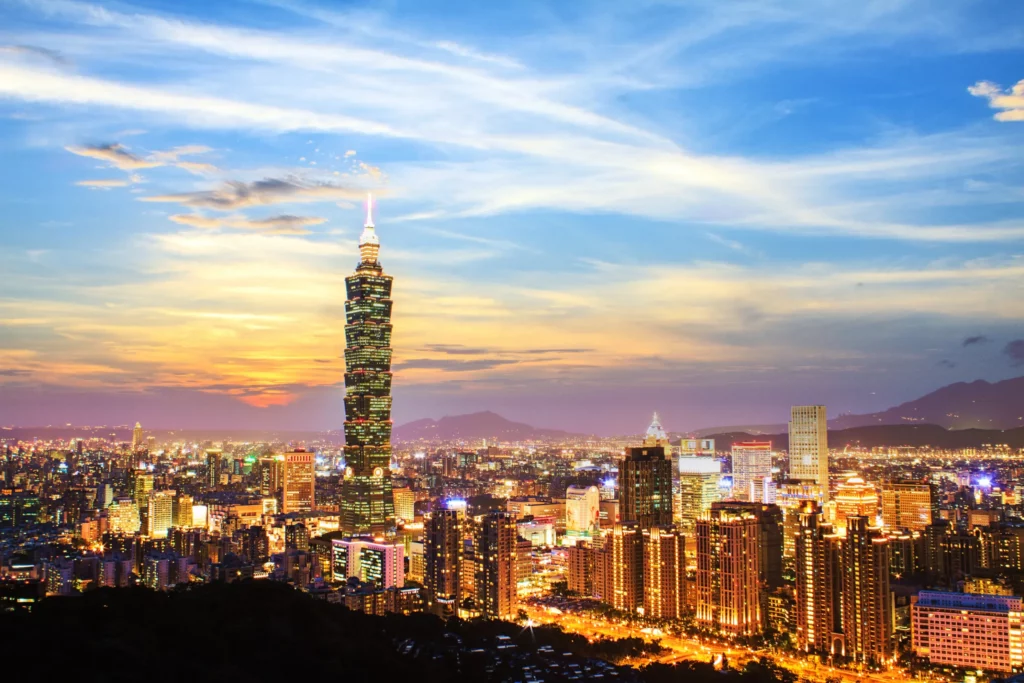
A Memorable Winter Festival: From Harbin to Quebec
Updated On: March 10, 2024 by  Miranne Khaled
As the winter months envelop the globe with their icy touch, cities come alive with dazzling winter festivals. These events are a testament to humanity’s creativity and resilience, turning the coldest time of the year into a season of warmth, joy, and spectacular celebration. From the colossal ice sculptures of the Harbin Ice Festival to the historical pageantry of the Quebec Winter Carnival, each festival offers a unique glimpse into the cultural heartbeat of its region.
Embracing the chill, visitors and locals alike revel in a whirlwind of activities, embracing a world where fire and ice coexist harmoniously. These festivals display stunning artistic expressions sculpted from snow and ice and offer various immersive cultural experiences. They allow us to witness breathtaking light installations that cut through the darkness, participate in adrenaline-fueled winter sports, and enjoy family-friendly activities, bridging the generation gap.
As the night falls, the festivities continue with captivating highlights and nightlife that transform the frigid evenings into a lively playground for all.
The Magic of Winter Festivals
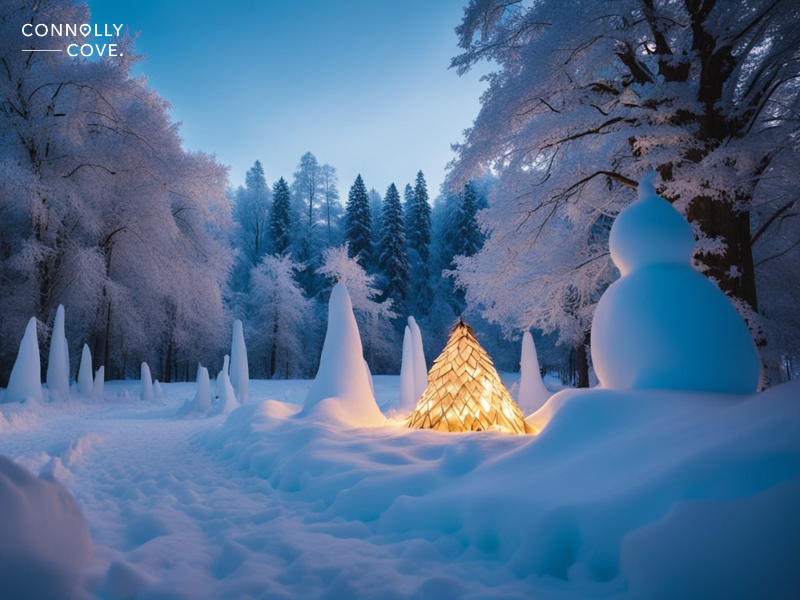
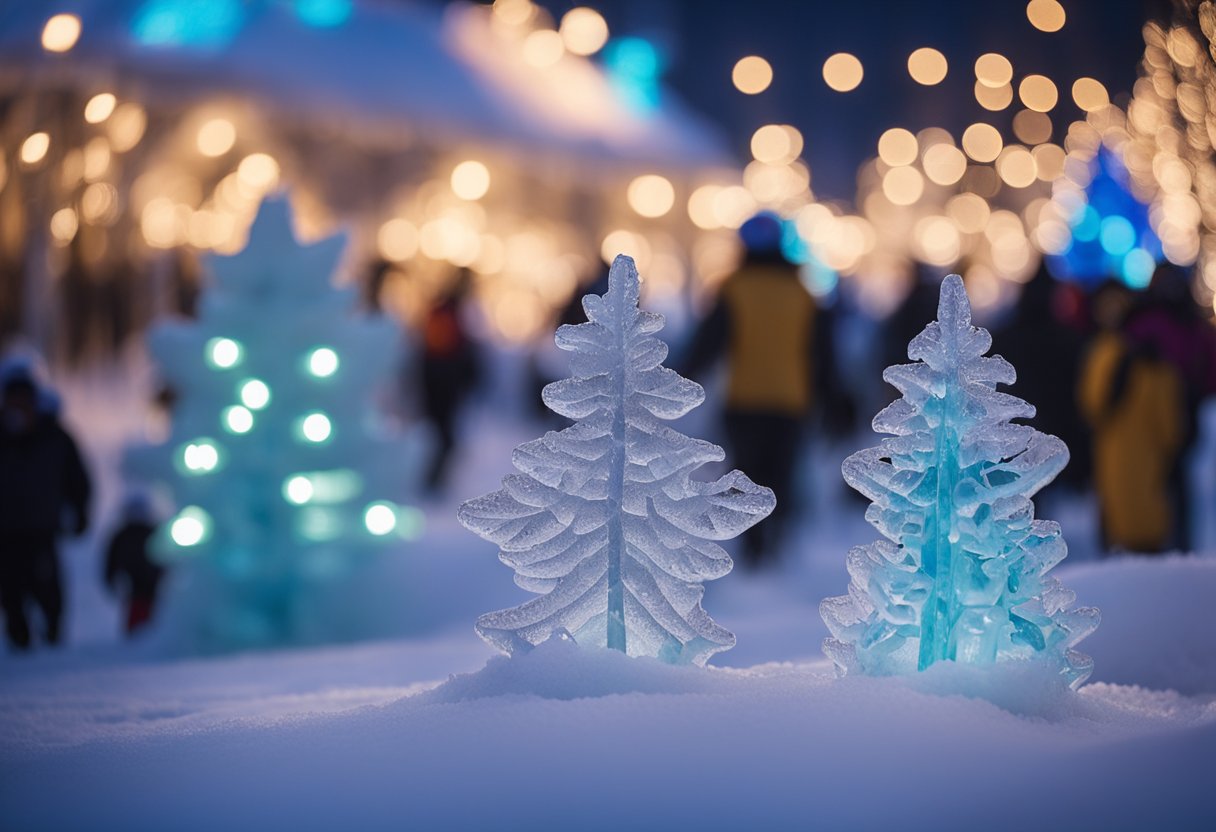
Winter festivals bring an extraordinary charm to the coldest months of the year. As the snow blankets cities and villages, events come to life that blend awe-inspiring art with lively entertainment, transforming the frigid weather into a playground of joy. Family-friendly activities during these festivals foster togetherness and create lasting memories.
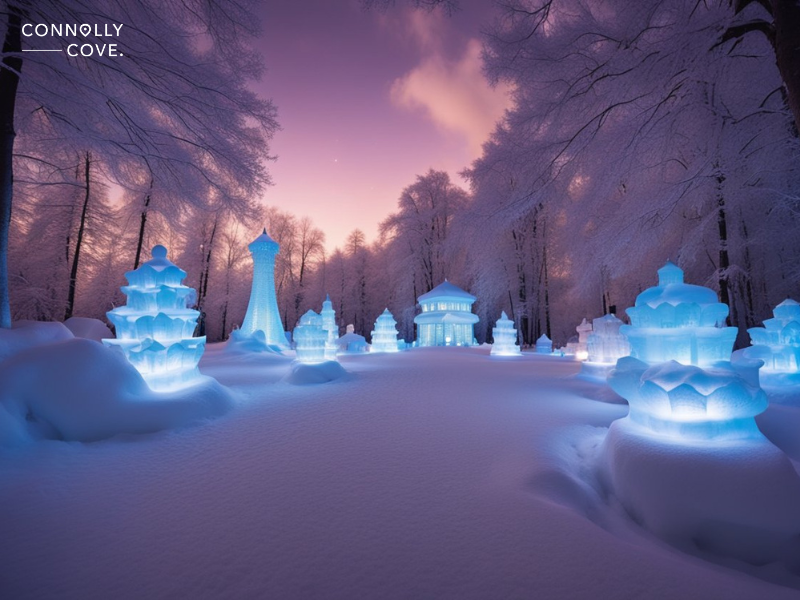
Harbin’s Ice Festival astounds with its sculptural masterpieces, all carved from ice and snow. Visitors are treated to a luminous city aglow with colour, where the air crackles with excitement. The festival stages a fascinating world where giant ice castles and intricate sculptures illuminate the night. The immersive experience extends to ice slides and winter games, making it a must-visit for fun seekers.
In Quebec, the Winter Carnival beckons with a warm embrace against the chilly backdrop. Bonhomme’s Ice Palace is a hallmark of celebrations, where the mascot of this festive season reigns. Traditional Canadian delights, outdoor sports, and breathtaking ice sculptures create an exhilarating atmosphere.
Attendees of winter festivals are encouraged to bundle up and engage in a myriad of activities, from concerts to icy plunges. The festivals provide a unique travel opportunity with cultural insights and mesmerising displays.
Above all, winter festivals remind us of the magic that unfolds when communities come together to celebrate the season. They merge art with entertainment, ignite the spirit of adventure, and showcase the enchanting beauty of winter around the globe.
Legendary Winter Festivals of the North
We embark on a vivid journey to explore the winter marvels that are the pride of cities from Harbin to Quebec. These festivals exemplify the splendour of winter, showcasing massive ice sculptures, cultural grandeur, and thrilling winter sports.
Harbin International Ice and Snow Sculpture Festival
The Harbin International Ice and Snow Sculpture Festival in China transforms the city into a spectacular frozen kingdom. This event is famed for its colossal ice sculptures and majestic icy architecture. Set in the Ice and Snow World, this festival begins in early January, and the vivid displays last until the ice melts in March.
Québec Winter Carnival
Moving to Canada, the Québec Winter Carnival is proof of the “joie de vivre” when it comes to winter festivities. Our experience includes iconic snow baths, night parades, and the emblematic Bonhomme Carnival. Québec’s rich culture flourishes as the city rejoices in the winter carnival from late January to mid-February.
Sapporo Snow Festival
Japan’s Sapporo Snow Festival is an illustrious event that brings about a transformation into a mesmerising snowscape. Visitors are treated to a canvas of intricate snow statues and ice sculptures. This event, held annually in February, gathers artists and spectators, showcasing a blend of artistry and winter celebration in Sapporo, Japan.
Holmenkollen Ski Festival
The Holmenkollen Ski Festival in Norway offers a distinct Nordic experience featuring cross-country skiing, ski jumping, and biathlon. Occurring annually in Oslo’s prestigious Holmenkollen National Arena, ski enthusiasts and athletes unite to participate in competitions and witness feats of winter sportsmanship every March.
Spectacular Ice and Snow Artistry
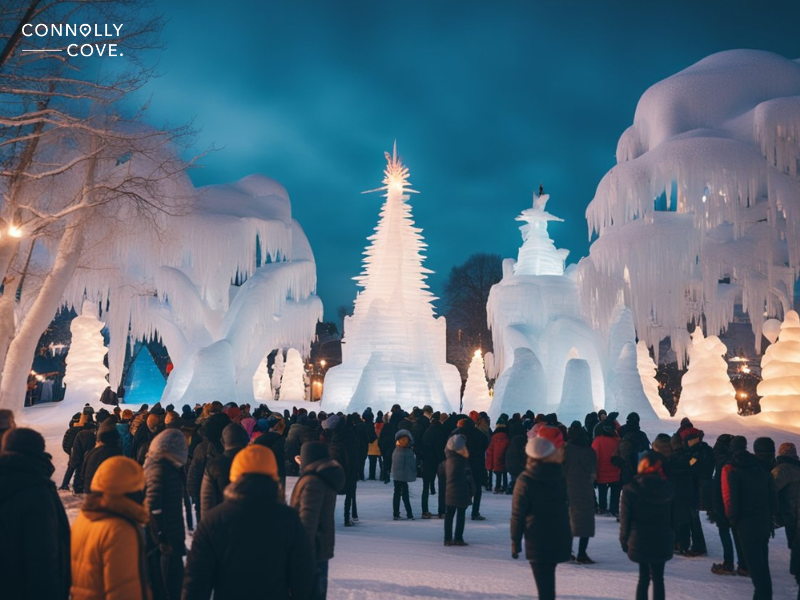
We delight in exploring the world of winter festivals, where the fusion of art and nature takes on a magical form. Ice and snow transform into breathtaking artworks that capture the imagination.
Majestic Ice Palaces
We are mesmerised by the scale and beauty of majestic ice palaces. These structures rise like crystalline castles crafted by artists who shape and smooth the ice into towering fortresses and elaborate castles. The ICE! festival in Kissimmee showcases more than 40 master ice sculptors from around the globe, who converge to carve 2 million pounds of ice into an awe-inspiring wonderland.
Intricate Snow Sculptures
Artists at winter festivals wield their chisels to create intricate snow sculptures. Each sculpture, resulting from painstaking effort and precision, possesses a unique texture that plays with light and shadow. The Harbin International Snow and Ice Festival, renowned for its magnificent snow sculptures, inspires viewers with its majestic renditions of historical figures, mythical beasts, and cultural symbols.
Enchanting Ice Lanterns
Lastly, enchanting ice lanterns provide a luminescent touch to winter festivities. Soft light filters through intricately carved ice, casting a warm glow amidst the frosty air. These lanterns adorn paths and pavilions and tell tales through their delicate etchings, inviting festival-goers to gaze upon shimmering scenes frozen in time.
Immersive Cultural Experiences
Winter festivals like Harbin’s Ice Festival and Quebec’s Winter Carnival offer a feast for the senses, providing engaging insights into the cultural heart of each region. Through time-honoured traditions and vibrant displays, visitors become part of a living tapestry that weaves the past and present together.
Traditional Customs and Activities
The Ice and Snow World becomes a playground for experiencing China’s cultural heritage in Harbin. Here, we can participate in conventional ice sports, reminiscent of the cultural revolution during winter, while elaborate ice lanterns harken back to ancient practices celebrating togetherness and light. The event perfectly captures the harmony of cultural preservation and contemporary festivities.
- Harbin:
- Ice Lantern Making: Reflects ancient lighting traditions.
- Ice Sports: Revives historic winter games.
In contrast, Quebec’s Winter Carnival pulsates with echoes of French-Canadian culture. We’re drawn into the heart of festivities by the emblematic Bonhomme Carnival, a beloved figurehead originating from folklore. Our involvement in these activities allows us to experience the warmth of local hospitality amidst the chill of winter.
- Quebec:
- Bonhomme Carnival: Serves as a symbol of the festival.
- Maple Taffy: Tastes tradition on snow.
Cultural Performances and Exhibitions
Both locales come alive with a spectrum of cultural performances and exhibitions that tell the story of their people and passions. In Harbin, grandiose musical performances resonate amidst ice and snow sculptures, creating an enchanting audio-visual spectacle.
- Harbin Performances:
- Dramatic storytelling through ice.
- Musical feasts under the stars.
Quebec answers with its parade of night-time festivities, where the melodic hum of traditional French-Canadian songs merges with the sight of intricate ice sculptures. The festival’s exhibitions tell stories of when the region was just a burgeoning cultural hub, allowing us to see how the city has flourished since.
- Quebec Exhibitions:
- Night parades through historic streets.
- Cultural evolution in ice artistry.
As we immerse ourselves in these winter wonderlands, we witness the marvels of human creativity and engage in a dialogue with history itself. Such festivals are more than just events; they’re portals to a deeper understanding of cultural identity and legacy.
Adrenaline-Fuelled Winter Festival Sports
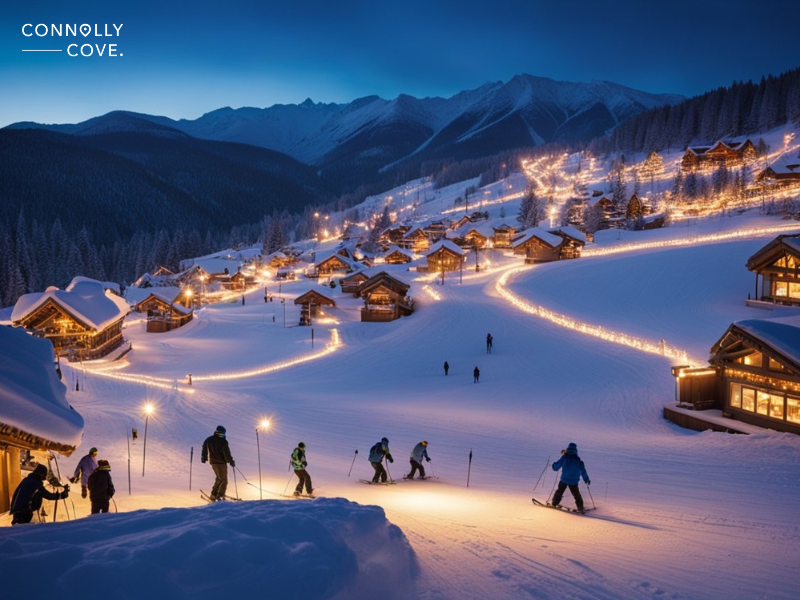
Winter festivals are not just about visual splendour and artistic ice sculptures; they’re a playground for lovers of high-energy, adrenaline-pumping sports. Let’s explore the events where speed, skill, and spirited competition come to life on snow and ice.
Thrilling Ski and Snowboarding Events
We find pure exhilaration on the slopes, where skiing and snowboarding competitions captivate participants and spectators alike. Events range from downhill races, pushing athletes to the limits of speed and agility, to freestyle skiing, where daring jumps and complex tricks are the norm. These winter activities test physical prowess and demand mental fortitude and sharp decision-making.
- Skiing: Fast-paced slalom and giant slalom events
- Snowboarding: High-flying half-pipe and slopestyle contests
Unique Ice Sports
Beyond traditional skiing and snowboarding, winter festivals often feature less common yet equally thrilling ice sports. Ice biking, for example, combines cycling with ice skating, leading to a quirky yet challenging race across frozen surfaces. Meanwhile, the grace and precision of ice skating morph into a competitive display of artistry and athleticism at ice skating competitions, with each jump and spin captivating onlookers.
- Ice Biking: A blend of pedal power and icy agility
- Skating: Artistic performances meet athletic excellence
Family-Friendly Activities in Winter Festivals
In the frosty embrace of winter, we find warmth in joyful gatherings and shared fun at international winter festivals. These events are a haven for family enjoyment, offering many activities that cater to all ages.
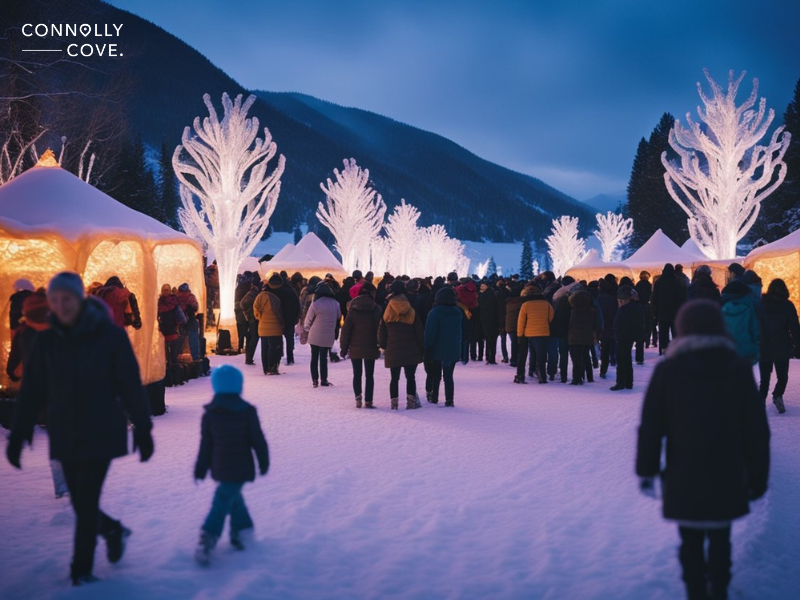
Interactive Snow Playgrounds
At the heart of these frosty celebrations lie interactive snow playgrounds. Accompanied by their families, children can revel in the magic of delicate snowflakes while twirling around on a snowflake Ferris wheel, a whimsical ride that offers panoramic views of the snowy landscape. Enthralling ice slides provide a thrilling descent for the bold and brave, turning a chilly day into an unforgettable adventure.
For the eager anglers in the family, ice fishing presents an opportunity to engage in traditional winter pastimes. Families can bond over the excitement of a catch or simply enjoy the stillness of a frosted lake, waiting for a nibble beneath the ice.
Holiday-Themed Events
The festivities continue with holiday-themed events that bring to life the spirit of the season. We are delighted by a calendar filled with enchanting experiences, from captivating light shows to live performances that retell winter tales. These spectacles not only entertain but often educate us about local traditions and holiday stories from around the world.
Running through the heart of these festivals, families can participate in themed races and fun runs. They offer a playful challenge, encouraging us to keep active even in the colder months, with the added bonus of raising spirits and heartbeats against the winter chill.
Winter Festival Highlights and Nightlife
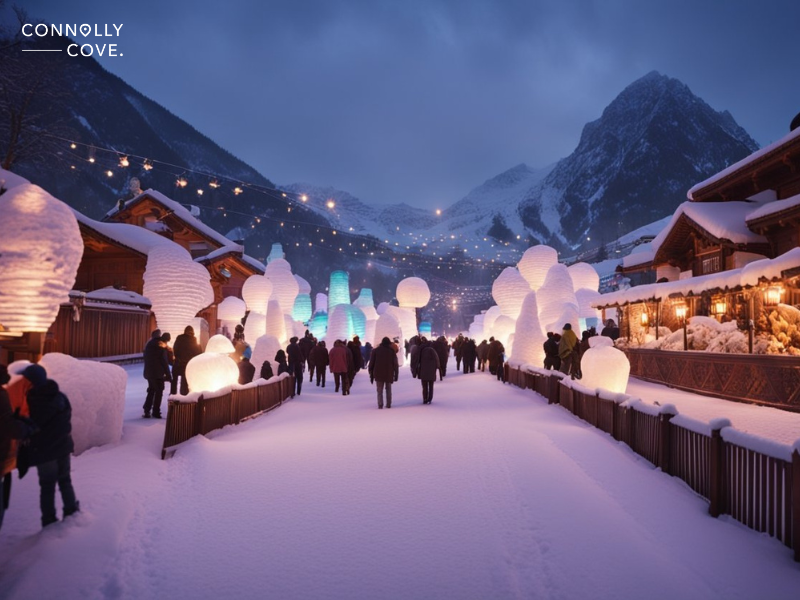
Experiencing the winter festivals of Harbin and Quebec is a magical journey that mixes the season’s chill with the warmth of festive celebrations. The nights shine exceptionally bright with spectacular fireworks and lively parades that keep the music and entertainment going well into the early hours.
Spectacular Fireworks Displays
The fireworks display illuminating the sky in a kaleidoscope of colour is at the heart of the night-time festivities. In Harbin, the fireworks complement the city’s ice sculptures, casting a mesmerising glow on the intricate works of art. Each burst of light during the Harbin Ice Festival echoes the creativity and splendour of human handiwork against nature’s wintry canvas.
Quebec’s night sky is just as dramatic, with vibrant fireworks that celebrate the joyous atmosphere of the Quebec Winter Carnival. The carefully orchestrated pyrotechnics are a high point of this Joyous event, beckoning residents and tourists alike to gaze upon the wintery heavens.
Night Parades and Parties
As the stars twinkle above, the night parades sweep through the streets. The Quebec Winter Carnival is famous for its lively night parades. It features a blizzard of energetic dancers, whimsical floats, and entrancing music that turns the frosty evening into a celebration of life and light.
The parties continue indoors and energise the night. Venues across Quebec host themed parties with live music and entertainment, ensuring the fun doesn’t stop despite the cold outside. Harbin, too, offers entertainment options where visitors can enjoy local and international music, becoming a part of the vibrant community that thrives during the festival season.
Illuminating the Dark: Light Installations
In winter festivals worldwide, light installations become the centrepiece of celebrations, transforming the long nights into a playground of visual delight.
Lantern Festivals
At the heart of winter light displays, lantern festivals showcase a rich tapestry of colours and shapes that brighten the night sky. An enchanting example is the Ice Lantern Show in Harbin, where delicate lanterns interplay with the ethereal sparkle of ice and snow, casting a warm glow against the crisp winter air. Traditionally, these lanterns represent the fulfilment of wishes, guiding spirits and humans through the darkest months.
Illuminated Ice Sculptures
The Ice and Snow World in Harbin is also a spectacle of luminescence, where colossal ice sculptures are intricately lit, turning night into wonder. Each sculpture, from replicas of historical monuments to imaginative figures, is embedded with LED lights that dance across their icy surfaces. On Sun Island, the snow art merges with these light displays, completing the display of winter’s dual nature – its knack for reflection and brilliance.
Carnival Traditions in Every Winter Festival
In the heart of winter, communities across the globe celebrate the season with festivities that blend the chill of ice with the warmth of cultural tradition. We focus on two of the most vibrant carnivals: the Québec Winter Carnival and Harbin Ice Festival, where the season’s spirit comes alive in stunning parades and iconic figures.
Bonhomme Carnaval
At the Québec Winter Carnival, Bonhomme Carnaval reigns as the beloved mascot. This jovial snowman personifies the joie de vivre of the festival with his red cap, arrowhead sash, and hearty smile. As the ambassador of the festivities, Bonhomme invites revellers to partake in a series of vibrant events, his effigy proudly displayed as a symbol of the carnival spirit. He even has his own ice palace—a glittering structure that serves as the focal point for many activities.
Royal Festive Parades
A pinnacle of carnival tradition, royal festive parades captivate with a spectacle of lights and colours. The Harbin Ice Festival’s dazzling procession floats bring winter fantasies to life, showcasing impressive craftsmanship. Spectators gather to witness a parade of illuminated sculptures, a tribute to Chinese artistry against the night sky. Meanwhile, the Québec Winter Carnival’s parade is an explosion of cultural expression, with participants from various communities celebrating their heritage through music, dance, and elaborate costumes. It’s a melting pot of traditions that honours a mosaic of cultural influences.
Planning Your Winter Festival Journey
Embarking on a winter festival excursion requires careful planning to ensure a seamless experience. Below, we share vital travel tips and the specifics for securing your festival dates and tickets.
Travel Tips and Accommodations
When travelling to winter festivals, booking accommodations well in advance is crucial, especially for popular destinations like the Harbin Ice Festival and the Quebec Winter Carnival. In Harbin, visitors will find a range of hotels, but we recommend choosing one that offers heating to combat the chilly climate. For those voyaging to Quebec, staying in Old Québec will place you at the heart of the festivities, with options ranging from cosy B&Bs to upscale hotels. Ensure you plan for transportation – public buses are available and a convenient way to navigate both cities.
Quick Accommodation Checklist:
- Harbin: Book a heated hotel room
- Quebec: Search for lodgings in Old Quebec
- Transport: Consider public bus options
Festival Dates and Tickets
Harbin Ice Festival:
Typically, the festival begins in early January and concludes towards the end of February. Visitors keen on exploring the world’s most enormous ice and snow sculptures can check the official Harbin Ice Festival guide for dates and ticketing information.
Quebec Winter Carnival:
Set in the picturesque Old Québec, the Quebec Winter Carnival happens from late January to mid-February. Purchasing tickets in advance to participate in activities like visiting the Ice Palace or Village Nordik is advisable. This can often be done online through the carnival’s official website.
Remember to check:
- Harbin: Look up festival start and end dates
- Quebec: Purchase tickets ahead of time for specific attractions
By planning with precision, we set ourselves up for memorable winter festival experiences, embracing the frosty splendour of Harbin’s ice sculptures and the lively traditions of Quebec.
Frequently Asked Questions
This section addresses some of the most pressing inquiries about the renowned Québec Winter Carnival and the distinguished Harbin Ice Festival. These questions will guide potential visitors through the wonders and traditions of each festival, covering activities, ticketing, cultural implications, and the unique experiences offered.
What activities can one participate in at the Québec Winter Carnival?
Visitors can enjoy numerous activities, including admiring grand ice sculptures, participating in ice canoeing races, and watching the lively night-time parades. The Québec Winter Carnival offers a blend of thrills and heritage, including a seven-foot-tall snowman and the iconic drink Caribou.
How does one obtain tickets for the Québec Winter Carnival 2024?
Tickets for the Québec Winter Carnival can be purchased online through the official carnival website or at the event’s entrance for convenience. Special packages and promotions are often available for those planning their visit.
In what ways does the Québec Winter Carnival hold cultural significance?
The Québec Winter Carnival stands as a celebration of Québec’s rich culture and winter traditions. It is a time when the community and visitors alike come together to embrace the cold weather with joyous festivities that include music, parades, and traditional foods.
What makes the Harbin Ice Festival a noteworthy event to visit?
The Harbin Ice Festival captivates visitors with its massive, intricate ice and snow sculptures illuminating the night with vibrant colours. The festival is regarded as one of the world’s top winter events; it showcases astonishing artistry and celebrates winter’s beauty.
Which city is renowned for its exceptional Ice and Snow Festival?
Harbin, located in China’s northeastern Heilongjiang province, is celebrated globally for its exceptional Ice and Snow Festival. The Harbin International Ice and Snow Sculpture Festival displays monumental ice architecture and creativity.
What is the most extensive winter festival known globally?
The Québec Winter Carnival is recognised as one of the world’s largest winter carnivals. With nearly 400,000 visitors attending each year, the carnival offers an array of events spanning weeks, making it an extensive celebration of the season’s joys.

Exploring the Myth of the Celtic Symbol for New Beginnings
Culture Exploration
28/04/2024
Kenya Tourism Statistics: An Increase in International Tourist Arrivals
Travel Statistics
28/04/2024

Albert Memorial – London Attractions
England
28/04/2024

Cuffs Bar and Grill: The Jewel of Crumlin Gaol
Food and Cuisine
28/04/2024

Discover the Best Scottish Golf Courses for an Unforgettable Golf Break
Scotland
28/04/2024