


5 Days in London – What to do!

Updated On: April 21, 2024 by  Ciaran Connolly
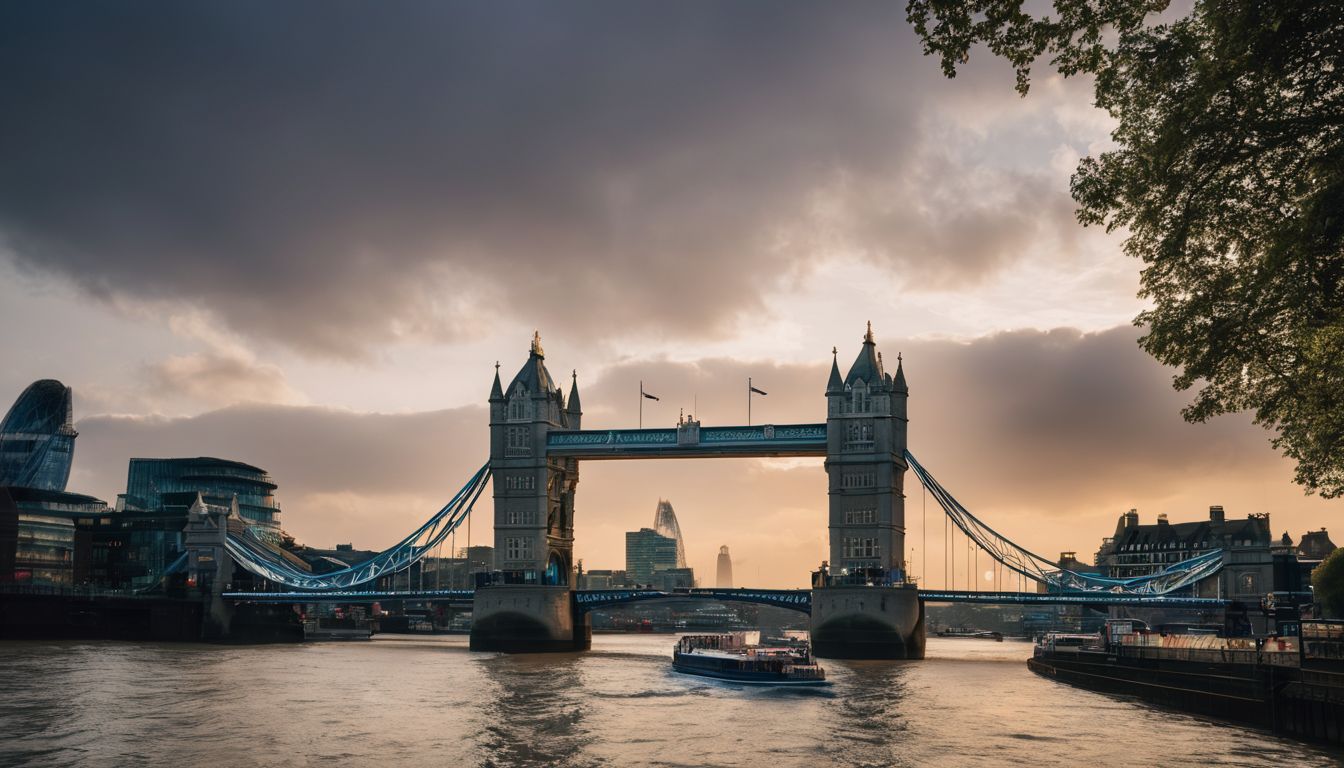
Imagine wandering through the historical heart of a city where every corner tells a story, where the past and present dance in the shadows of iconic landmarks and hidden gems. Welcome to London, a city that captivates the imagination and invites explorers to discover its multifaceted charm. Whether you’re drawn to the grandeur of its royal history, the vibrancy of its markets, or the creativity of its cultural scene, London promises an adventure for every traveller. Let’s embark on a journey to unravel the perfect duration for your exploration of this timeless city.
Key Takeaways
- London offers a wide range of attractions, so it’s best to spend at least 3 – 4 days to fully explore the city.
- History buffs should plan for 4 – 5 days to visit top sights like the Houses of Parliament and Buckingham Palace, while food lovers need a whole day for Borough Market alone.
- If you prefer a leisurely pace or want to visit parks and pubs too, consider staying in London for 6-7 days. Plan your own itinerary based on your interests.
Ideal Number of Days to Spend in London
London is a city full of things to see and do. History buffs might need at least four or five days to visit the top sights. These include the Houses of Parliament, Buckingham Palace, and the Churchill War Rooms.
If you love food, London’s markets are a must-see. Borough Market is one stand-out place that needs a whole day on its own.
You can see many main sights in one or two days if you plan well. But to really enjoy your trip, three to four days is best for first-time visitors. This gives more time to explore neighbourhoods like Soho and Covent Garden.
If you like taking things slow and want to sit in parks or pubs too, think about staying six or seven days in London. Plan your own pace and pick what interests you most! With so much choice on offer it’s all about making the most of your time.
Recommended Itinerary for 5 Days in London
On day 1, visit iconic sites in central London including Parliament Square & Houses of Parliament, Westminster Abbey, Churchill War Rooms, Buckingham Palace, Piccadilly Circus, Trafalgar Square & the National Gallery.
Day 1: Iconic Sites in Central London
I’m a London expert and I recommend spending at least three days in the city to see its iconic sites. On Day 1, start by visiting Parliament Square and the Houses of Parliament. You can take some great photos here! Then, head over to Westminster Abbey, where many British monarchs have been crowned.
After that, check out the Churchill War Rooms, which were used by Winston Churchill during World War II. Next up is Buckingham Palace, where you might catch the Changing of the Guard ceremony if you’re lucky! Don’t forget to swing by Piccadilly Circus for some vibrant energy and then make your way to Trafalgar Square to admire Nelson’s Column and visit the National Gallery.
It’s an action-packed day full of history and culture!
Parliament Square & Houses of Parliament
When visiting London, a must-see landmark is Parliament Square, home to the iconic Houses of Parliament. This historic site holds great significance for history buffs and anyone interested in British politics.
You can marvel at the grandeur of Big Ben (officially known as the Elizabeth Tower) and take in the stunning architecture of the Palace of Westminster. For those who enjoy learning about history, a guided tour inside the Houses of Parliament is highly recommended.
Here, you can explore magnificent chambers such as the House of Commons and House of Lords while gaining insights into British democracy. Don’t miss out on capturing memorable photos with statues like Winston Churchill and Nelson Mandela that adorn Parliament Square – perfect for solo travelers and backpackers looking to capture their London experience.
Key Words: Landmark, historical site, Houses of Parliament, British politics, Big Ben, Elizabeth Tower, Palace of Westminster,
guided tour, House of Commons, House of Lords statues
Westminster Abbey
Westminster Abbey is a must-visit landmark in London, steeped in history and architectural beauty. As you step inside, you’ll be amazed by the grandeur of this famous Gothic building.
It has been the coronation church for English monarchs since 1066 and also serves as their burial place. Inside, you can explore the stunning chapels, tombs of historical figures like Sir Isaac Newton and Charles Darwin, and marvel at the intricate craftsmanship of its stained glass windows.
Don’t miss seeing Poets’ Corner, where many renowned writers are honored with memorials.
Whether you’re a history buff or just appreciate impressive architecture, Westminster Abbey is sure to captivate you. Take your time to soak up the atmosphere and learn about England’s rich heritage through this iconic site.
And don’t forget to bring your camera along – there will be plenty of photo opportunities!
(Note: Due to religious services and special events, it’s always a good idea to check ahead for any closures or restricted access when planning your visit.)
Churchill War Rooms
As a history buff, visiting the Churchill War Rooms is an absolute must when in London. This underground complex served as Winston Churchill’s secret command center during World War II.
Walking through these rooms gives you a real sense of the tense atmosphere and the important decisions that were made here. You’ll see the Cabinet Room where Churchill and his ministers met, as well as bedrooms and offices preserved just as they were during the war.
It’s truly fascinating to step back in time and experience this important part of British history firsthand.
Buckingham Palace
I love visiting Buckingham Palace whenever I’m in London. It’s a must-see attraction for anyone interested in history and architecture. The palace is the official residence of the British monarch, and it’s absolutely stunning.
You can explore the State Rooms, which are open to visitors during the summer months and get a glimpse into royal life. Don’t forget to watch the Changing of the Guard ceremony outside the palace – it’s quite a spectacle! History buffs will appreciate learning about the palace’s rich history, while nature lovers can take a stroll through nearby St James’s Park and enjoy beautiful views of Buckingham Palace from across its lake.
So whether you’re a solo traveler, backpacker or luxury traveler, make sure to include Buckingham Palace on your London itinerary – you won’t be disappointed!
Piccadilly Circus
Piccadilly Circus is a must-visit landmark in London, attracting visitors from all over the world. As a solo traveler or backpacker, you’ll be captivated by the vibrant energy and bustling atmosphere of this iconic square.
You can take stunning photos with the famous Eros statue as your backdrop and explore the nearby shops, restaurants, and theaters. Foodies will appreciate the diverse range of cuisine available in this area, from traditional British pub fare to international delights.
History buffs will be intrigued by Piccadilly Circus’ rich past. It played a significant role during World War II as an important meeting point for soldiers and civilians. Today, it stands as a symbol of resilience and unity in London’s history.
Nature lovers will also enjoy taking a stroll through nearby Green Park or Hyde Park, where they can relax amidst lush greenery.
Luxury travelers are drawn to Piccadilly Circus for its proximity to luxury shopping destinations like Regent Street and Bond Street. Here you can find renowned brands and designer boutiques that cater to your discerning taste.
Whether you’re into history, shopping, dining or simply soaking up the atmosphere of one of London’s most famous landmarks, Piccadilly Circus has something for everyone to enjoy during their visit to this incredible city.
Trafalgar Square & the National Gallery
As a solo traveler, backpacker, luxury traveler, foodie, history buff or nature lover visiting London, Trafalgar Square and the National Gallery are must-see attractions. Trafalgar Square is a bustling public square in central London known for its iconic Nelson’s Column and fountains.
It’s a great place to people-watch and take in the city vibes. The National Gallery sits at the northern end of Trafalgar Square and houses an impressive collection of artwork from masters like Van Gogh, Monet, and da Vinci.
You can spend hours exploring the gallery and immersing yourself in art history. So whether you’re into art or simply want to experience the energy of one of London’s most famous squares, don’t miss out on Trafalgar Square and the National Gallery during your trip to London.
Day 2: Tower of London, Borough Market, Tate Modern & St Pauls
On the second day of your London trip, you can explore some iconic landmarks and attractions. Start your day at the Tower of London, where you can learn about its history and see the Crown Jewels.
After that, head to Borough Market to indulge in delicious food and drinks from various vendors. Then, make your way to Tate Modern, a renowned modern art museum with an impressive collection.
Finally, visit St Paul’s Cathedral and admire its stunning architecture and panoramic views from the dome. This day is perfect for solo travelers looking for historical sites, backpackers interested in local markets and foodies seeking culinary delights.
Tower of London
The Tower of London is a must-visit landmark in London. As a solo traveler, you will be fascinated by its rich history and iconic architecture. The Tower has served as a royal palace, prison, and treasury throughout the years.
You can explore the famous White Tower, where you’ll find impressive exhibitions displaying armor and weaponry from various eras. As a backpacker, don’t miss the chance to take one of the guided tours led by “Yeomen Warders” (also known as Beefeaters) who are humorous and knowledgeable storytellers.
Luxury travelers will appreciate the Crown Jewels on display inside the Jewel House – an exquisite collection including crowns, scepters, and other regal treasures. Foodies can indulge in delicious treats at The Raven Pub nearby which offers traditional British dishes perfect for those looking to experience local cuisine.
History buffs would relish learning about famous prisoners like Anne Boleyn or admiring centuries-old graffiti left by former residents within this historic fortress. Nature lovers can enjoy walking along Tower Bridge with picturesque views of River Thames or exploring Tower Gardens surrounding this magnificent attraction.
Borough Market
As a solo traveler, backpacker, luxury traveler, foodie, history buff or nature lover visiting London, you won’t want to miss out on Borough Market. This vibrant and historic market is a paradise for food lovers with its wide range of fresh produce, artisanal products and delicious street food.
You can explore the stalls filled with local and international delicacies, sample different flavors and even pick up some unique souvenirs to take back home. The market has a rich history dating back over 1,000 years and is located in the heart of London near iconic landmarks like the Tower of London and London Bridge.
It’s a great place to immerse yourself in the bustling atmosphere of the city while indulging in culinary delights.
Tate Modern
I love visiting Tate Modern when I’m in London. It’s a must-see for art enthusiasts and history buffs alike. As one of the world’s most renowned modern art museums, it showcases an incredible collection of contemporary artworks from artists such as Picasso, Warhol, and Hockney.
The museum is located in a converted power station on the banks of the River Thames, which adds to its unique charm. You can spend hours exploring the vast galleries filled with thought-provoking pieces that push boundaries and challenge traditional ideas of art.
Whether you’re a solo traveler looking to immerse yourself in creativity or a luxury traveler seeking cultural experiences, Tate Modern is definitely worth adding to your itinerary.
Tate Modern also appeals to foodies who appreciate fine dining. The museum boasts several cafes and restaurants that offer delicious meals with stunning views of London. After perusing the exhibits, you can relax at one of these establishments and enjoy sumptuous dishes made from locally sourced ingredients.
Nature lovers will be delighted by the nearby Millennium Bridge connecting Tate Modern to St Paul’s Cathedral across the river. This pedestrian-only bridge offers breathtaking views of both landmarks and is surrounded by beautiful scenery along the riverbank.
Overall, whether you’re interested in contemporary art or simply want to experience something unique during your trip to London, make sure not to miss out on visiting Tate Modern – it truly has something for everyone!
St Pauls Cathedral
St. Paul’s Cathedral is a must-visit landmark in London. It has beautiful architecture and holds great historical significance. Inside, you can explore the stunning interiors, climb to the top of the dome for breathtaking views of the city, and learn about its rich history through informative displays and exhibits.
As a solo traveler or backpacker, visiting St. Paul’s Cathedral allows you to immerse yourself in British history and culture.
For luxury travelers, St. Paul’s Cathedral offers a unique opportunity to indulge in exquisite artistry and craftsmanship while appreciating its grandeur. The cathedral also hosts musical performances and special events that cater to discerning tastes.
Foodies will be delighted by the nearby eateries offering delicious cuisine from around the world. History buffs will find themselves captivated by stories of famous events that took place at this iconic site.
Nature lovers can take leisurely walks along the River Thames near St. Paul’s Cathedral, enjoying picturesque views of London’s skyline.
Overall, whether you’re a solo traveler, luxury seeker or nature lover (or any other type of traveler), visiting St. Paul’s Cathedral is an enriching experience that shouldn’t be missed during your trip to London!
Day 3: British Museum, Oxford Street, Covent Garden & Soho
On day three of your trip to London, you’ll have the opportunity to explore some iconic destinations. Start your day at the famous British Museum, where you can see a wide range of artifacts from around the world.
From there, head over to Oxford Street, one of London’s premier shopping destinations. Take some time to browse through the numerous shops and maybe even pick up a souvenir or two.
After that, make your way to Covent Garden, known for its vibrant atmosphere and street performers. Explore the market stalls and enjoy some delicious food at one of the many restaurants in the area.
Finally, end your day in Soho, where you can experience London’s nightlife scene with its trendy bars and clubs.
Day 4: Literary London and Evening of Elegance
Morning: Bloomsbury Walk Start your day in Bloomsbury, an area renowned for its literary history. Visit the British Museum first, then stroll through the picturesque squares and gardens once frequented by the Bloomsbury Group, a famous collective of writers and intellectuals.
Afternoon: British Library and King’s Cross Head to the British Library to see the Magna Carta, Shakespeare’s folios, and the Beatles’ manuscripts. Later, explore King’s Cross, including a photo op at Platform 9¾ for Harry Potter fans.
Evening: West End Theatre Performance Conclude with an evening at one of the West End’s theatres. Whether it’s a classic play, a modern drama, or a musical, experiencing London’s theatre scene is unforgettable. After the show, enjoy a late-night meal at a nearby restaurant.
Day 5: Greenwich and Farewell to London
Morning: Maritime Greenwich Take the River Thames Clipper to Greenwich. Explore the Royal Observatory, stand on the Prime Meridian Line, and visit the Cutty Sark. Enjoy the green spaces and the view back towards central London from Greenwich Park.
Afternoon: Greenwich Market and Museums Browse through Greenwich Market, known for its crafts and food stalls. Visit the National Maritime Museum to delve into Britain’s seafaring history or the newly renovated Painted Hall at the Old Royal Naval College.
Evening: Sunset and Reflection Spend your final evening enjoying a sunset cruise on the Thames, reflecting on the past days’ adventures. This serene experience provides a panoramic view of London’s skyline, offering a perfect closure to your visit.
British Museum
The British Museum is a must-visit for history buffs and culture enthusiasts. It houses a vast collection of artifacts from around the world, showcasing human history and civilization.
As a solo traveler or backpacker, you can explore the museum at your own pace and delve into the fascinating exhibits on display. Luxury travelers will appreciate the grandeur of this iconic institution, while foodies can take a break at one of the museum’s cafes and enjoy a bite to eat.
Nature lovers will marvel at the ancient relics and natural history specimens on show. With its rich historical significance, the British Museum offers something for everyone to discover and appreciate.
Oxford Street
Oxford Street is one of the most famous shopping destinations in London. It stretches for about 1.2 miles and is home to over 300 shops, including high street fashion brands, department stores, and designer boutiques.
Solo travelers will enjoy exploring the diverse range of shops and finding unique items to take back home. Backpackers can browse through budget-friendly stores and thrift shops for affordable fashion finds.
Luxury travelers can indulge in a day of shopping at high-end designer stores like Selfridges or Liberty London. Foodies will also love Oxford Street as there are numerous cafes, restaurants, and food stalls where you can grab a quick bite or sit down for a delicious meal.
For history buffs, Oxford Street has its own historical significance as it was originally an ancient Roman road connecting the city with other parts of England. Today, it is bustling with activity and offers a glimpse into London’s vibrant culture.
Nature lovers might appreciate taking a break from shopping by visiting Hyde Park or Regent’s Park nearby. These parks provide lush green spaces where you can relax amidst nature after your shopping spree on Oxford Street.
Overall, Oxford Street offers something for everyone – from world-class shopping to delicious food options and even some historical charm. So whether you’re interested in fashion, history, or simply enjoying the atmosphere of this iconic street, make sure to add Oxford Street to your itinerary when visiting London!
Covent Garden
Covent Garden is a vibrant neighborhood in London that appeals to a wide range of travelers. As a solo traveler, you can soak up the lively atmosphere and explore the trendy shops and market stalls.
Backpackers will appreciate the budget-friendly eateries and unique street performers that line the cobblestone streets. Luxury travelers can indulge in high-end shopping at designer boutiques or enjoy a show at one of the many theaters in the area.
Foodies will be delighted by the diverse culinary options, from traditional British fare to international cuisine. History buffs can visit historic sites like St. Paul’s Church and admire the beautiful architecture.
Nature lovers can take a break from urban exploration by visiting nearby green spaces such as Lincoln’s Inn Fields or Embankment Gardens. There is something for everyone in Covent Garden, making it an essential stop on your London itinerary.
Soho
Soho is a vibrant and eclectic neighborhood in London that has something to offer for everyone. As a solo traveler, you can explore the trendy shops and boutiques, grab a bite at one of the many food stalls in renowned markets like Berwick Street Market or try out some authentic international cuisine at the diverse range of restaurants.
If you’re a history buff, you’ll be fascinated by Soho’s rich past as an entertainment district and its connections to famous figures like Mozart and Karl Marx. For nature lovers, there are several beautiful parks nearby where you can relax and escape the bustle of the city.
Whether you’re looking for nightlife, delicious food, unique shopping experiences or just want to soak up the atmosphere, Soho is definitely worth adding to your London itinerary.
Cultural Insights and Etiquette Tips for Navigating London
Exploring London, with its rich tapestry of history, culture, and modern vibrancy, is an adventure that calls for not just excitement but also a mindful appreciation of its customs and everyday etiquette. Understanding these cultural nuances can greatly enhance your experience, making your journey through London smoother and more enjoyable. Here are some insights and tips to help you navigate the city like a local.
1. Tipping Practices
In London, tipping is appreciated but not always expected. Restaurants typically add a service charge of 12.5% to your bill, especially in tourist areas or higher-end establishments. If the service charge isn’t included, consider leaving a tip of around 10-15%. For taxi drivers, rounding up to the nearest pound is a common practice, and for exceptional service in hotels or hair salons, a small gratuity is appreciated. However, tipping in pubs is not customary; simply enjoy your pint without worrying about extra charges.
2. Public Transport Etiquette
London’s public transport system is extensive and efficient, serving as the lifeline of the city. When using the Underground (Tube), always stand on the right on escalators, allowing others to pass on the left. It’s also considered polite to offer your seat to those in need, such as elderly passengers, pregnant women, or those with disabilities. On buses, make sure to queue (line up) at the bus stop and avoid eating strong-smelling foods. Remember, an Oyster card or contactless payment method is required as cash is not accepted on buses.
3. Queuing
The British take queuing (lining up) seriously, and this cultural norm extends throughout London. Whether you’re waiting for a bus, purchasing tickets at a museum, or ordering at a café, always join the back of the queue and wait your turn. Skipping the line is frowned upon and can lead to polite yet firm admonishment.
4. Personal Space and Politeness
Londoners value personal space and courteous behavior. When interacting with locals, maintain a respectful distance and avoid loud conversations, especially in enclosed spaces like public transport. A simple “please,” “thank you,” and “excuse me” can go a long way in daily interactions, embodying the British appreciation for politeness.
5. Cultural Sensitivity
London is a multicultural and diverse city, home to people from all over the world. Embrace this diversity with an open mind and respect for different customs and traditions. When visiting places of worship or culturally significant sites, dress modestly and follow any posted guidelines. Always ask permission before taking photos of people or private property.
6. Pub Culture
Pubs are at the heart of London’s social life, offering a glimpse into local customs and community. When ordering at a pub, it’s common to pay for your drink at the bar rather than at the table. If you’re with a group, there’s often a culture of round-buying, where each person takes a turn purchasing drinks for the entire group. However, don’t feel pressured to partake if it’s not within your budget or comfort zone.
By keeping these cultural insights and etiquette tips in mind, you’ll not only navigate London with ease but also enrich your travel experience with a deeper understanding and respect for its customs. London welcomes you with open arms, ready to unveil its wonders as you step into its bustling streets and serene parks with a sense of awareness and appreciation for the city’s diverse tapestry of life.
Conclusion
To plan your perfect trip to London, it’s important to consider how many days you want to spend exploring this vibrant city. While it is possible to see the main sights in just a day or two, for a more immersive experience, it’s recommended to spend at least 3-4 days here.
If you have more time and want a leisurely visit, aim for 6-7 days. Remember to plan your itinerary accordingly and make the most of your time in London by visiting iconic landmarks like Buckingham Palace and the Tower of London, exploring neighborhoods like Covent Garden and Soho, and immersing yourself in the city’s rich history and culture.
Happy travels!
FAQs
1. How long should I stay for a trip to London?
The ideal number of days to spend in London depends on your plans. If sightseeing major sights, it’s best to plan at least 3-4 full days.
2. What can I see if I have limited time in London?
Even with limited time, you can explore many London neighbourhoods, museums and landmarks using our suggested itinerary recommendations in this travel guide.
3. How do I make the most of my time in London?
You can make the most out of your time by balancing attractions and activities based on our sightseeing suggestions included in this comprehensive guide.
4. Where should I stay during my visit?
When planning your perfect trip to London, considering location is key! The choice of accommodation depends greatly on what areas or sights are part of your itinerary.
5. What’s the most effective way to get around when sightseeing?
London offers various modes of transportation suitable for any package or plan – from tube lines that connect all parts throughout the city, reliable buses routes and even river tours!

Beautiful Liverpool & Its Irish Heritage and Connection!
England
01/05/2024

Where to Stay in Belfast | Belfast Hotels | A-Z List
Travel Guides
01/05/2024

The History of Welsh Warriors: Warfare and Heroic Figures
History and Heritage
30/04/2024

County Leitrim: The Most Brimming Gem of Ireland
County Leitrim
30/04/2024

Exploring Carrickfergus Museum – Northern Ireland
Northern Ireland
30/04/2024