


360 Degree Video of Scrabo Tower, Newtownards
Updated On: April 13, 2024 by  Ciaran Connolly
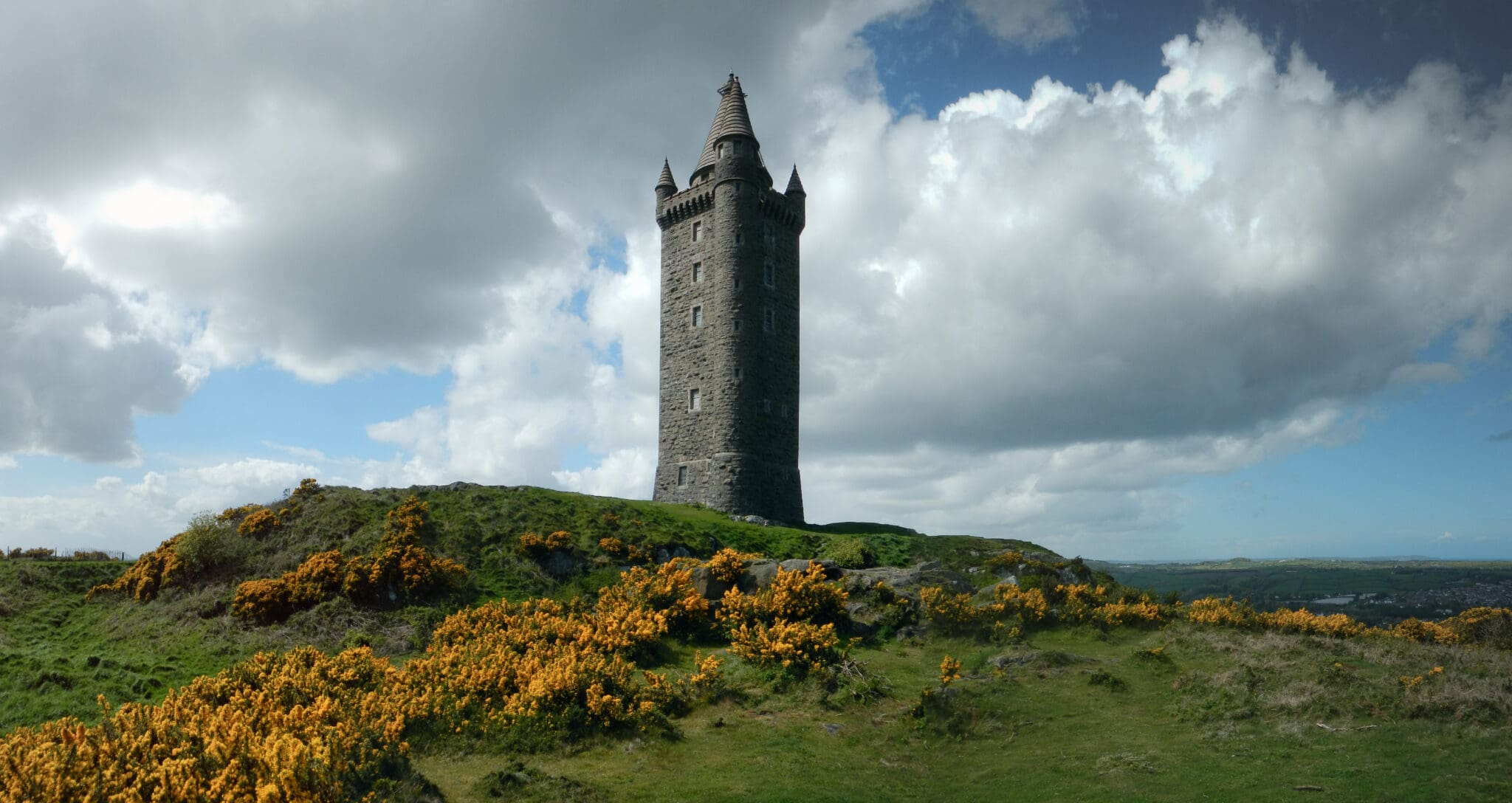
Perched majestically atop Scrabo Hill in Newtownards, Northern Ireland, Scrabo Tower is a testament to architectural grandeur and historical significance. Rising 125 feet into the sky, this iconic landmark has long been a beacon, guiding travellers and locals alike through the annals of time. With its commanding presence and panoramic views, Scrabo Tower is not just a structure; it’s a symbol of resilience, heritage, and community pride.
A History Etched in Stone
Scrabo Tower’s story begins in the 19th century during economic prosperity in the United Kingdom. In 1857, Charles Stewart, the 3rd Marquess of Londonderry, commissioned renowned architect Charles Lanyon to design a monument in honour of his father, the 3rd Marquess of Londonderry. The tower was intended to serve as a lasting memorial, commemorating the Marquess’s contributions to the local community and beyond.
Construction of Scrabo Tower commenced in 1854 and was completed in 1857, utilizing locally quarried Scrabo sandstone—a material synonymous with the region’s rugged beauty. The tower’s design drew inspiration from the Norman style, characterized by its imposing structure, intricate detailing, and medieval aesthetic. Rising above the surrounding landscape, Scrabo Tower became an emblem of Newtownards, a testament to the town’s rich heritage and enduring spirit.
A Beacon of Resilience
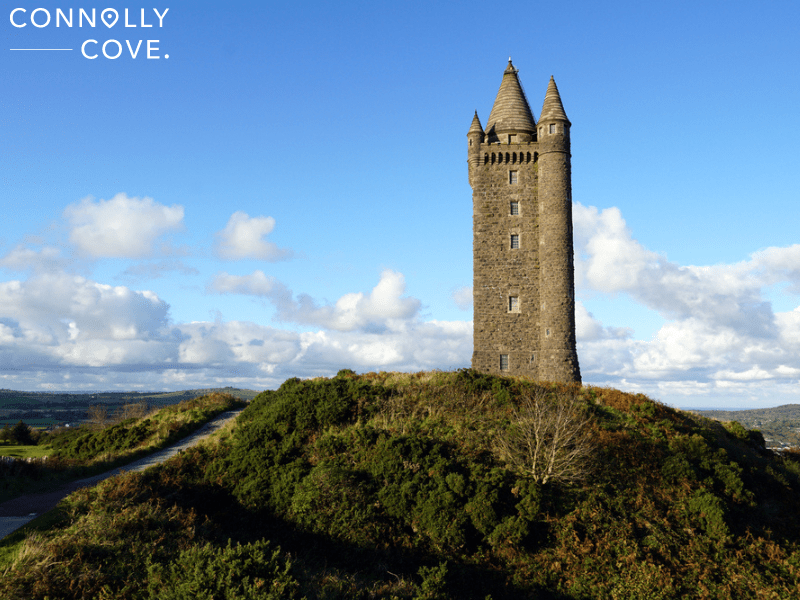
Throughout its existence, Scrabo Tower has weathered the literal and metaphorical storms that have swept across Northern Ireland. Despite facing periods of neglect and disrepair, the tower has remained steadfast, a symbol of resilience against the passage of time. Over the years, concerted efforts by local authorities and community groups have ensured the preservation and restoration of this cherished landmark, safeguarding its legacy for generations to come.
In 1966, Scrabo Tower underwent a significant restoration project spearheaded by the Department of the Environment for Northern Ireland. The restoration efforts aimed to address structural issues and enhance the tower’s accessibility to visitors. Completing this project secured Scrabo Tower’s physical integrity and reaffirmed its status as a cultural icon deeply ingrained in Northern Irish identity.
A Panoramic Portal
One of the most captivating aspects of Scrabo Tower is its unparalleled vantage point, offering sweeping views of the surrounding countryside and beyond. Perched atop Scrabo Hill, the tower provides visitors with a panoramic tableau, stretching across the picturesque Ards Peninsula, Strangford Lough, and even as far as the distant Mourne Mountains on a clear day. This bird’s-eye perspective invites contemplation and reflection, inviting visitors to immerse themselves in the region’s natural beauty and historical tapestry.
Ascend the spiral staircase that winds up the tower’s interior, and you’ll be rewarded with breathtaking vistas at every turn. From the battlements encircling the tower’s crown to the observation deck at its summit, every vantage point offers a unique perspective on Northern Ireland’s rugged landscape. Whether bathed in the golden hues of sunrise or silhouetted against the fiery hues of sunset, Scrabo Tower is a timeless sentinel, offering solace and inspiration to all who ascend its heights.
A Tapestry of Tales
Scrabo Tower is more than just a stone structure; it’s a repository of stories, each brick and beam echoing with the whispers of the past. Over the years, it has witnessed the ebb and flow of history, from the triumphs of bygone eras to the challenges of the present day. Tales of triumph and tragedy, of love and loss, are etched into its very foundations, woven into the fabric of its existence.
One such legend surrounds the tower’s construction itself, with local lore recounting the tragic fate of an apprentice mason who fell to his death during the building’s early stages. According to the tale, his spirit still lingers within the tower, a silent sentinel keeping watch over Scrabo Hill for eternity. Whether fact or fiction, such stories enrich the tower’s mystique, adding intrigue to its already storied history.
A Cultural Landmark
In addition to its historical and architectural significance, Scrabo Tower is a vital cultural landmark within the Newtownards community. Thousands of visitors flock to its gates yearly, drawn by a shared fascination with its history and allure. From tourists eager to explore Northern Ireland’s rich heritage to locals seeking solace in its shadow, Scrabo Tower is a gathering place—a focal point for cultural exchange and celebration.
The tower hosts various events and activities throughout the year, from guided tours and historical reenactments to art exhibitions and outdoor concerts. These gatherings foster a sense of community and belonging, uniting people from all walks of life to appreciate their shared heritage. Whether picnicking on the surrounding grounds or simply soaking in the views, visitors to Scrabo Tower are invited to forge their connections with this enduring symbol of Northern Ireland.
Preserving the Legacy Of The Scrabo Tower
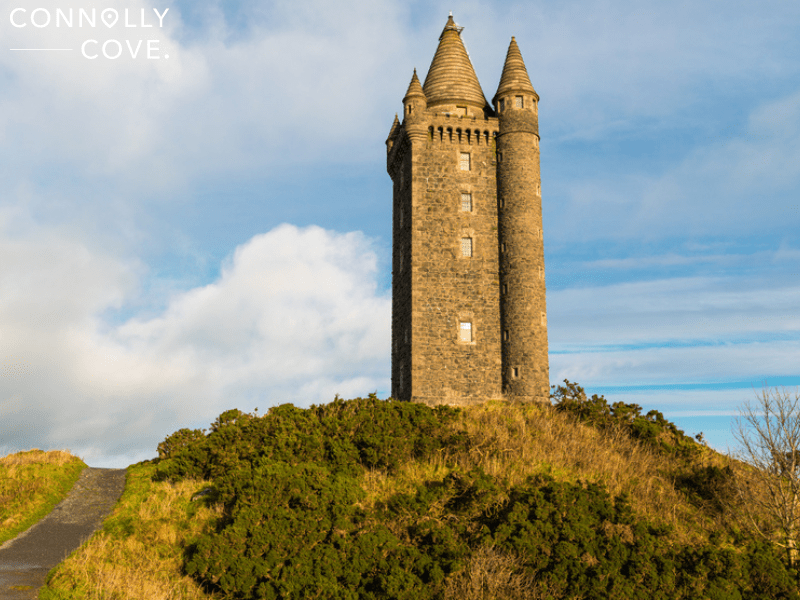
As Scrabo Tower approaches its 170th anniversary, efforts to preserve and protect its legacy are more crucial than ever. Ongoing maintenance and restoration projects ensure that the tower remains structurally sound and accessible to future generations of visitors. Educational initiatives aim to raise awareness of the tower’s historical significance, fostering a deeper appreciation for its cultural heritage.
Moreover, Scrabo Tower reminds us of preserving our shared history and cultural landmarks. In an ever-changing world, these tangible links to the past anchor us to our roots, providing a sense of continuity and belonging amidst the chaos of modern life. By safeguarding treasures like Scrabo Tower, we ensure that the stories of our ancestors endure, inspiring and enlightening us for generations to come.
Exploring the Charms of Newtownards and Surrounds
In addition to Scrabo Tower’s captivating presence, the surrounding area of Newtownards offers many attractions and activities to suit all interests. From natural wonders to historical sites and cultural experiences, visitors to Scrabo Tower will find themselves spoiled for choice when exploring the diverse offerings of this picturesque region.
Mount Stewart House and Gardens
Just a short drive from Scrabo Tower lies Mount Stewart, an elegant 18th-century mansion with stunning landscaped gardens. Owned by the National Trust, Mount Stewart House boasts opulent interiors adorned with exquisite furnishings and artwork, offering visitors a glimpse into the lavish lifestyle of its former inhabitants, the Stewart family. Outside, the meticulously manicured gardens showcase a rich tapestry of flora, including vibrant flower beds, tranquil water features, and meandering woodland paths. Guided tours and seasonal events provide further opportunities to immerse oneself in the history and beauty of this remarkable estate.
Strangford Lough
Stretching across 150 square kilometres of pristine waters, Strangford Lough is Northern Ireland’s largest inlet and a designated Area of Outstanding Natural Beauty. A haven for wildlife enthusiasts and outdoor adventurers alike, the lough teems with diverse marine life, including seals, otters, and a myriad of bird species. Explore its tranquil shores by kayak or paddleboard, or embark on a scenic boat tour to discover hidden coves, ancient ruins, and secluded islands steeped in myth and legend. With its breathtaking scenery and rich biodiversity, Strangford Lough offers a truly immersive experience for nature lovers seeking to reconnect with the great outdoors.
Exploris Aquarium
Located in the charming coastal town of Portaferry, just a short distance from Newtownards, Exploris Aquarium offers a fascinating journey into the ocean’s depths. Home to over 1000 marine creatures, including sharks, rays, and seahorses, the aquarium showcases the diverse ecosystems found in the waters surrounding Northern Ireland. Interactive exhibits and educational presentations provide insights into marine conservation efforts and the importance of preserving these fragile environments. Visitors of all ages can marvel at the wonders of the underwater world and gain a newfound appreciation for the delicate balance of life beneath the waves.
Castle Espie Wetland Centre
Nestled on the shores of Strangford Lough, Castle Espie Wetland Centre is a haven for birdwatchers and nature enthusiasts. Spread across 65 acres of tranquil wetlands, the centre offers a sanctuary for many bird species, including ducks, geese, and waders, many of which migrate to the area during the winter months. Explore scenic walking trails; bird hides, and observation points, where you can observe these magnificent creatures up close in their natural habitat. Interactive exhibits and guided tours provide insights into wetland conservation and the importance of protecting these vital ecosystems for future generations.
Newtownards Market
For those seeking a taste of local culture and cuisine, a visit to Newtownards Market is a must. Held regularly in the town centre, the market showcases various stalls selling fresh produce, artisanal crafts, and delicious homemade treats. Sample traditional Irish delicacies such as freshly baked soda bread, creamy farmhouse cheeses, and mouthwatering pastries, all sourced from local producers and suppliers. Browse unique handmade gifts and souvenirs, or simply soak up the lively atmosphere as you mingle with locals and fellow visitors. With its eclectic mix of sights, sounds, and flavours, Newtownards Market offers a sensory feast for the senses and a chance to experience the true essence of Northern Irish hospitality.
Conclusion
Scrabo Tower stands as more than just a monument of stone and mortar; it is a testament to the resilience, heritage, and community spirit of Newtownards and Northern Ireland. From its lofty perch atop Scrabo Hill, the tower bears witness to the passage of time, its silent vigil a reminder of the enduring power of human endeavour. As visitors ascend its heights and gaze upon the vista below, they are invited to reflect on the rich tapestry of history surrounding them, finding solace and inspiration in the shadow of this iconic landmark. In an ever-changing world, Scrabo Tower remains a steadfast beacon, guiding us towards a brighter future while honouring the legacy of the past.
Unveiling the Most Terrifying Haunted Tours in Scotland
Scotland
25/04/2024

7 Top Amusement Parks in England for an Unforgettable Adventure
England
25/04/2024

Miami Tourism Statistics: A Comprehensive Overview of Visitor Numbers and Revenue
Travel Statistics
25/04/2024

The Enchanting Charm of Scotland Wedding Castles!
Scotland
25/04/2024

London in June: An Ultimate Guide to 13 Unmissable Events and Festivals
United Kingdom
25/04/2024