


The Ultimate Guide to Water Sports in Wales
Updated On: April 24, 2024 by  Ciaran Connolly
Have you heard the call of untamed waters drawing you toward adrenaline-fuelled escapades? I once stood in your shoes, seeking that enticing blend of water-based adventure when I quite serendipitously discovered the wonder of Wales.
A haven for those who crave a surge of thrill, Wales presents a cornucopia of aqua activities – from daring coasteering to heart-pounding white water rafting; it genuinely feels like an aquatic Disneyland for those with a penchant for all things marine! So grab your goggles, strap on your life vest and delve into this guide as we unravel why ‘Wales’ should be bobbing at the top of your ultimate water sport bucket list.
Surfing and Kitesurfing in Wales
Discover the top surfing and kitesurfing spots in Wales, as well as professional kitesurfer Kirsty Jones‘ favorite shores.
Top surfing and kitesurfing spots
Rhossili Bay and Whitesands Bay are great spots for surfing. They have good waves all year round. Llangennith is a top pick too! It’s known as the heart of Welsh surfing. For kitesurfing, head to Newgale or Pembrey beach.
These places have steady winds which help lift you off the ground! Kirsty Jones, a pro kitesurfer loves these spots too. You just need your wetsuit and gear to get started!
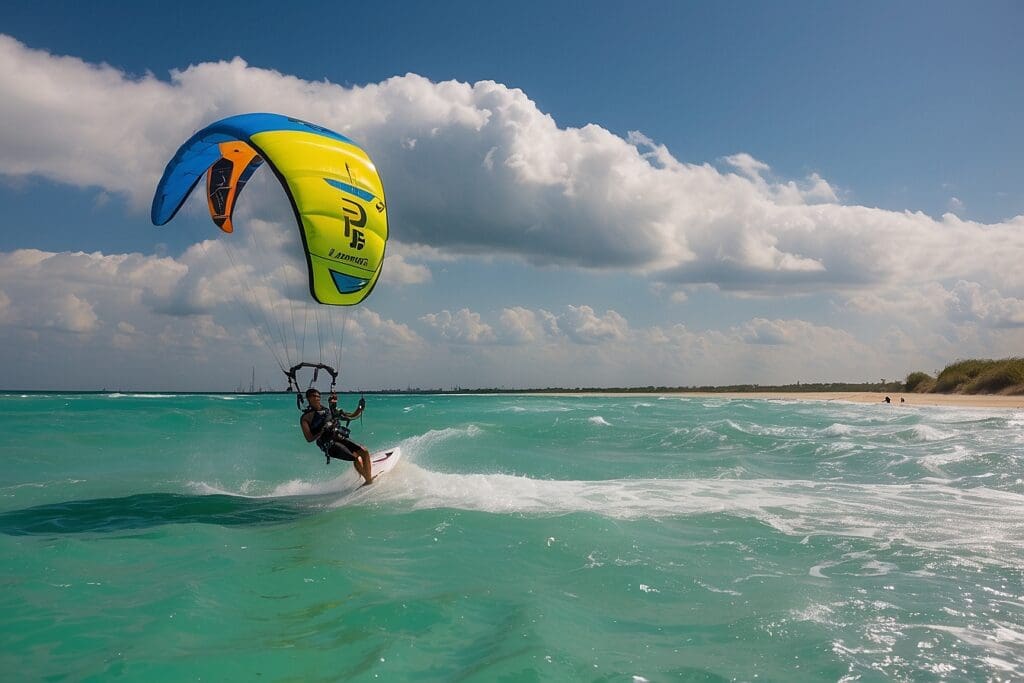
Professional kitesurfer Kirsty Jones’ favorite shores
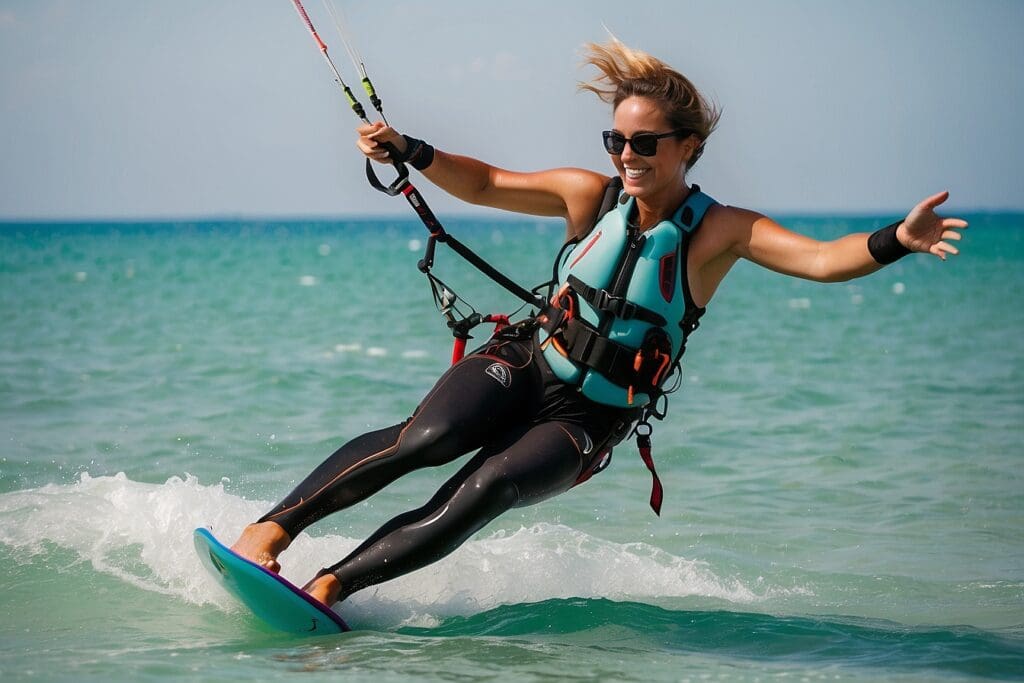
As a professional kitesurfer, one of my favorite shores in Wales is Rhossili Bay on the Gower Peninsula. The long stretch of sandy beach and consistent waves make it an ideal spot for both beginners and experienced surfers.
Another favorite is Whitesands Beach in Pembrokeshire, known for its stunning beauty and excellent surfing conditions. For those who prefer calmer waters, Newgale Beach offers great opportunities for paddleboarding or kayaking along its picturesque coastline.
No matter your skill level or preferred water sport, Wales has some incredible shores that are guaranteed to satisfy every water sports enthusiast.
Coasteering and Other Water Adventures
Coasteering in Wales offers thrilling experiences, allowing adventurers to explore the rugged coastline through activities such as gorge walking and canyoning.
Thrilling coasteering experiences
Coasteering in Wales is an exhilarating water sport activity that combines climbing, swimming, and cliff jumping. As a solo traveler or adventure enthusiast, you’ll have the opportunity to explore the rugged Welsh coastline from a unique perspective.
With experienced guides leading the way, you can jump off cliffs into deep water pools, traverse rocky terrain, and discover hidden caves and coves. It’s an adrenaline-pumping experience that allows you to connect with nature while challenging yourself physically.
Whether you’re backpacking through Wales or looking for a luxurious escape, coasteering is sure to provide an unforgettable adventure for nature lovers and thrill-seekers alike.
White water rafting and stand up paddleboarding
I love the thrill of white water rafting and stand up paddleboarding in Wales. The country offers exciting opportunities for both activities, making it a perfect destination for adventure seekers like me.
Whether you’re a solo traveler, backpacker, luxury traveler, foodie, history buff or nature lover, you’ll find these water sports exhilarating.
Wales is home to the National White Water Centre in North Wales, where you can experience the rush of navigating through fast rapids and challenging river sections. It’s a must-visit spot for anyone who wants to try their hand at white water rafting.
The center offers expert guidance and equipment rental to ensure a safe and enjoyable experience.
Stand up paddleboarding is another popular activity in Wales that allows you to explore its stunning coastline and calm waters. Paddleboarding provides an excellent opportunity to admire the beautiful scenery while getting a full-body workout.
Whether you’re gliding along serene lakes or riding small waves on the sea, paddleboarding in Wales guarantees an unforgettable adventure.
Swimming with the Bluetits group
One of the unique water adventures you can experience in Wales is swimming with the Bluetits group. This is a fantastic opportunity for nature lovers and those seeking an exhilarating outdoor experience.
The Bluetits are a community that promotes cold-water swimming for mental and physical well-being.
Swimming with the Bluetits allows you to connect with nature and embrace the thrill of plunging into chilly waters, surrounded by stunning Welsh landscapes. Whether you’re a solo traveler looking for a new adventure or a luxury traveler wanting to try something different, this activity offers an unforgettable experience.
Planning Your Water Sports Adventure in Wales
When planning your water sports adventure in Wales, it’s important to choose the right water sports companies that offer a wide range of activities and provide professional guidance.
Recommended water sports companies
If you’re looking for the best water sports companies in Wales, I have some recommendations for you. Adventure Parc Snowdonia is a great choice for solo travelers and backpackers who are seeking thrilling water activities like surfing and stand-up paddleboarding.
For luxury travelers, RibRide offers scenic rib rides along the stunning Welsh coastlines. History buffs can visit The National White Water Centre, which offers exciting white water rafting experiences in North Wales.
Nature lovers will enjoy Glasfryn Parc, where they can try their hand at various outdoor activities including kayaking and powerboating. These companies provide excellent services and ensure a safe and enjoyable experience for all water sports enthusiasts visiting Wales.
Popular spots for sailing and kayaking lessons
If you’re looking to learn sailing or kayaking in Wales, there are some popular spots that offer lessons. Adventure Parc Snowdonia is one of the best places to go for both activities.
They have experienced instructors who can teach you the basics and help improve your skills. Another great option is Glasfryn Parc, which offers sailing and kayaking lessons on their beautiful lake.
These spots are perfect for solo travelers, backpackers, luxury travelers, foodies, history buffs, and nature lovers who want to try their hand at these water sports in a stunning Welsh setting.
Wild swimming and sea kayaking hotspots
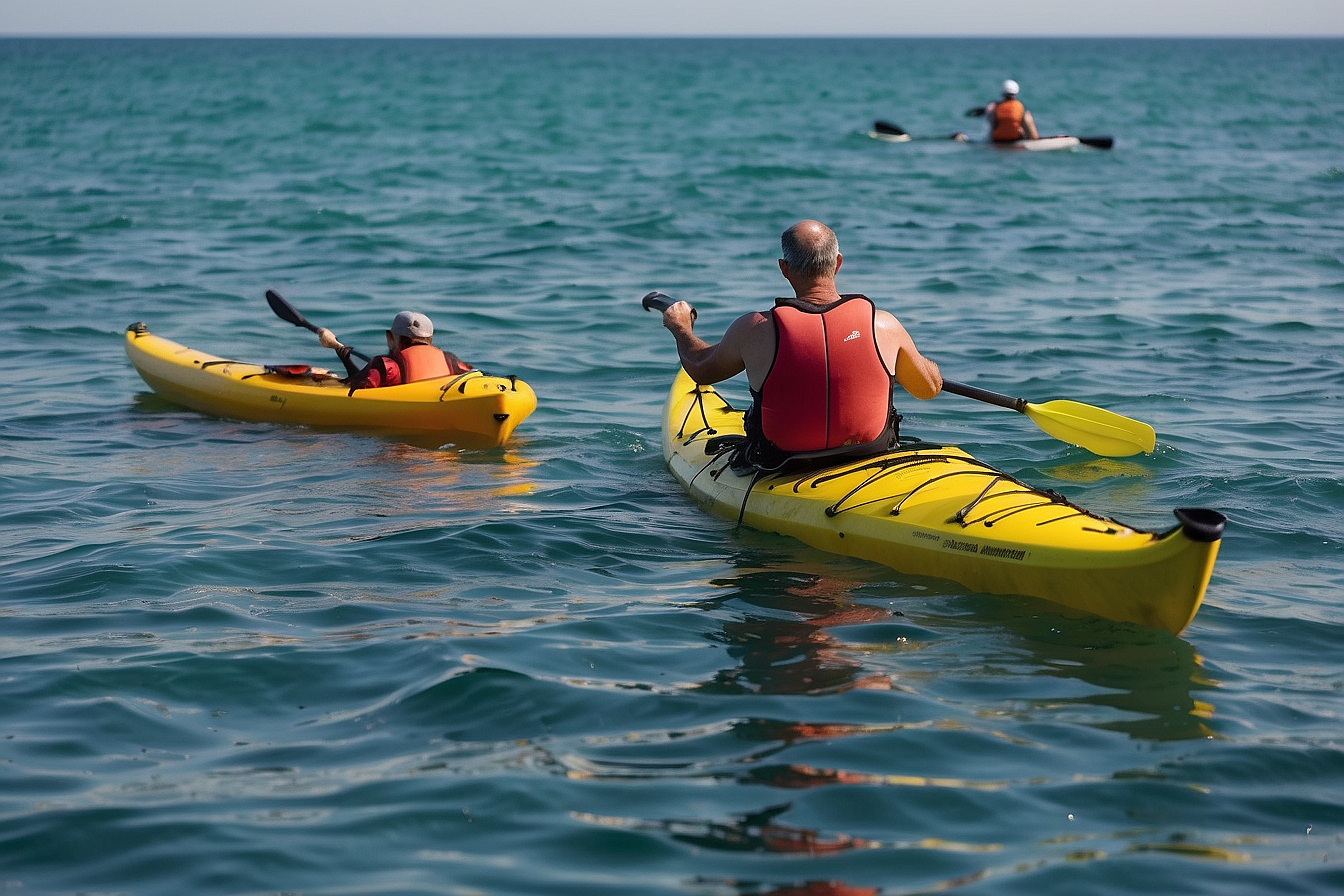
If you love being in the water and exploring nature, Wales has some amazing spots for wild swimming and sea kayaking. As a solo traveler or backpacker, you can discover hidden coves and pristine lakes that are perfect for a refreshing swim.
Nature lovers will be in awe of the stunning landscapes and crystal-clear waters that Wales has to offer. For those who enjoy history, there are also historical sites along the coast where you can paddle your way to ancient ruins or castles.
Whether you’re looking for tranquility or adventure, these wild swimming and sea kayaking hotspots in Wales will not disappoint.
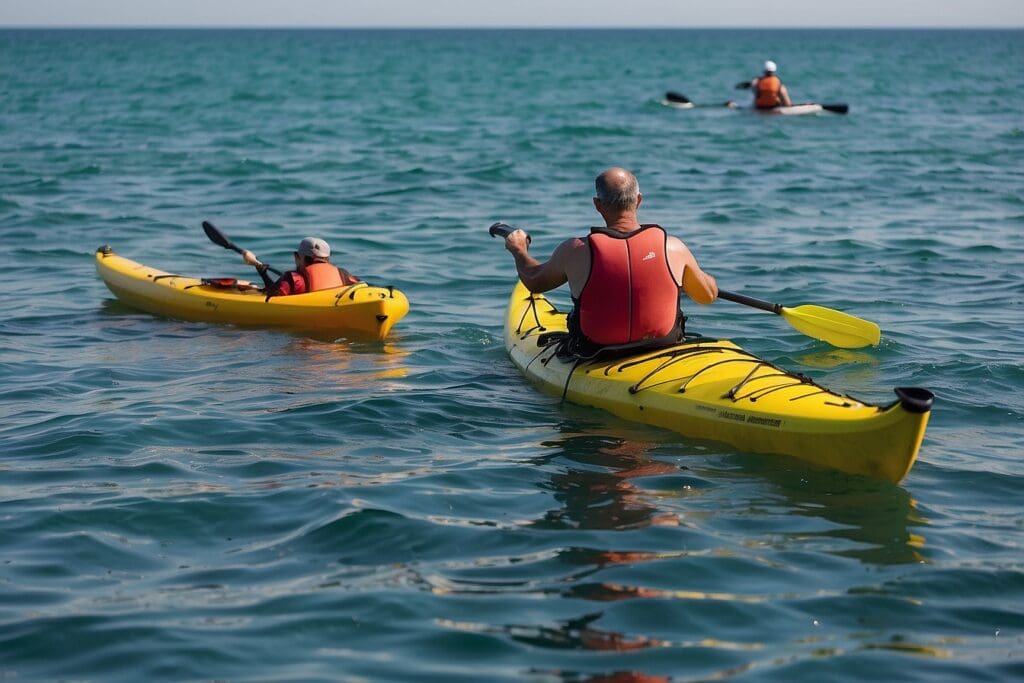
For luxury travelers and foodies seeking unique experiences, there’s nothing more luxurious than immersing yourself in nature’s beauty while indulging in delicious local cuisine. Imagine gliding through calm waters as you explore picturesque lakes, rivers, or secluded bays before enjoying a sumptuous meal showcasing the best of Welsh produce.
History buffs will appreciate paddling past ancient monuments or learning about the maritime heritage of coastal areas while enjoying an active day out on the water.
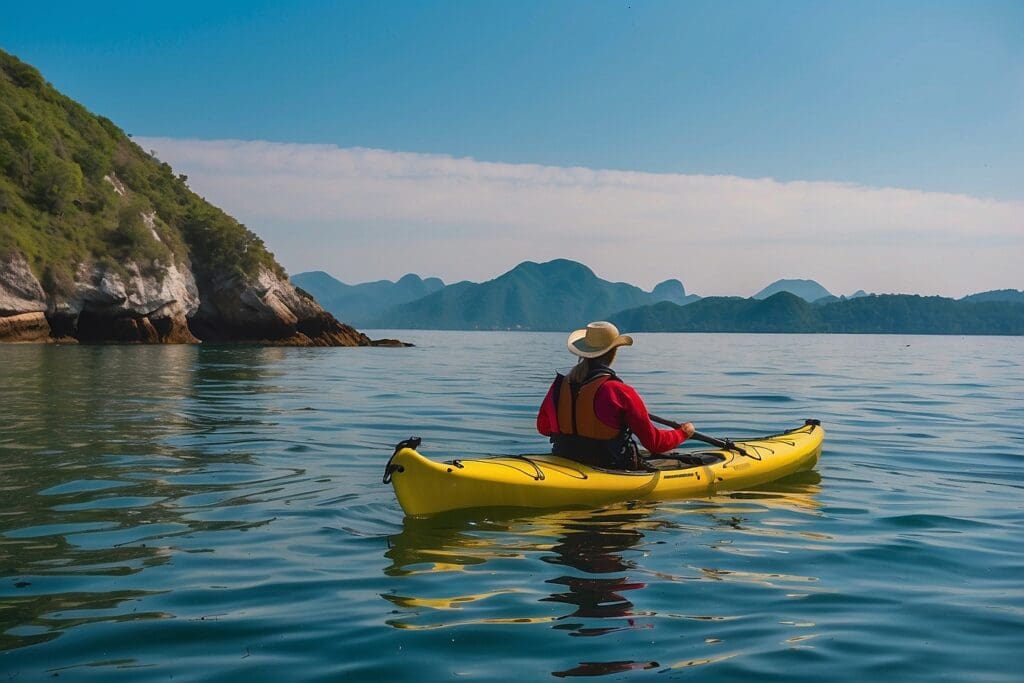
Stand up paddleboarding (SUP)
Stand up paddleboarding (SUP) is a popular water sport in Wales that appeals to solo travelers, backpackers, luxury travelers, foodies, history buffs, and nature lovers. It involves standing on a large board and using a paddle to propel oneself through the water.
SUP can be enjoyed in calm rivers or along the beautiful coastlines of Wales. It offers a unique perspective of the surrounding scenery and allows you to explore hidden coves and quiet beaches.
With its easy learning curve and accessibility for all fitness levels, stand up paddleboarding is a fantastic way to connect with nature while getting some exercise. Whether you’re gliding across tranquil lakes or riding gentle waves along the coast, SUP promises an enjoyable and peaceful experience amidst Wales’ stunning natural landscapes.
Conclusion
In conclusion, Wales is a paradise for water sports enthusiasts. With activities like coasteering, kayaking, and surfing, there’s something for everyone to enjoy. Whether you’re a solo traveler or with family and friends, Wales offers thrilling outdoor adventures that will leave you wanting more.
So grab your gear and dive into the excitement of water sports in beautiful Wales!
FAQs
1. What is “The Ultimate Guide to Water Sports in Wales”?
The Ultimate Guide to Water Sports in Wales” is your top source for exploring water activities in outdoor pursuits across Wales.
2. What types of water sports are popular in Wales?
Water sports like canyoning, coasteering, gorge walking, surf kayaking and rafting are very common and exciting opportunities in Wales.
3. Where can I try these water activities in Wales?
Wales offers many river sports sites along the coastal areas which are best spots for adventure water sports including extreme ones as well!
4. Are there places where I could hire equipment for these water-based adventures?
Yes! Equipment hire services with training courses are available at most water sport hubs throughout the best spots for watersports exploration across Wales.
5. Do they have activities suitable for both adults and families?
Absolutely! From paddle boarding to windsurfing up until cable wakeboarding; aquatic adventures exist that would thrill adults while other fun-filled yet safe aquatic sports await families too!
6. Can I learn how to do these watersports if I am new?
For sure! Training courses allow beginners to safely discover the allure of white-water rafting or powerboating among many other thrilling outdoor pursuits available.

The Town of Killybegs: The Amazing Gem of Donegal
County Donegal
02/05/2024

Belfast Giants: An Irish Sport Success Story
Ireland
02/05/2024

The Meaning and Power of the Irish Blessing Prayer
Culture Exploration
02/05/2024
Famous Irish Lighthouses and Where to Find Them
Ireland
02/05/2024

Belfast International Arts Festival
Northern Ireland
02/05/2024