


Meadow Hot Springs: 6 Ways to Explore This Serene Oasis in the Heart of Utah
Updated On: November 29, 2023 by  Miranne Khaled
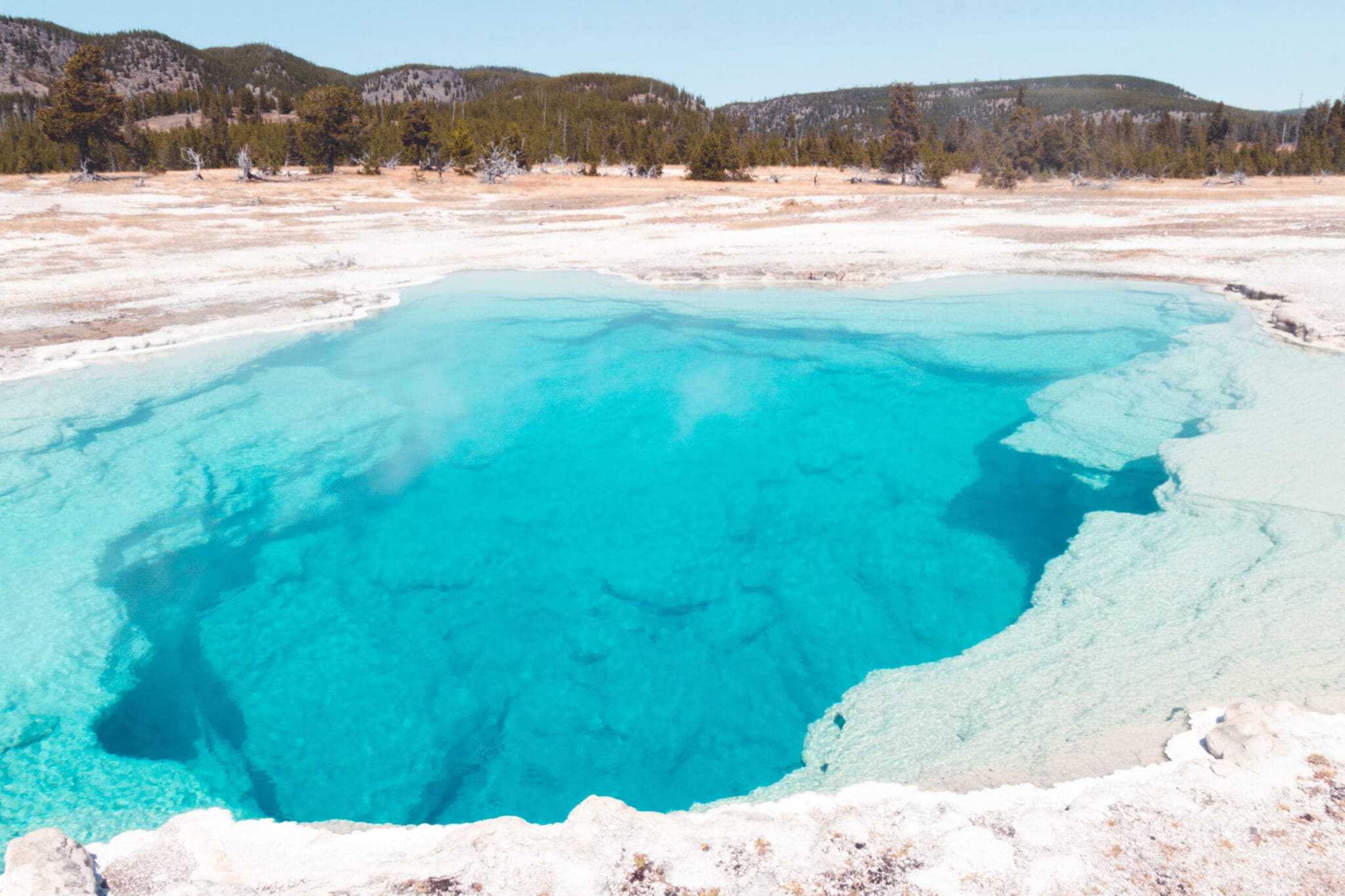
Nestled amidst the rugged beauty of Utah’s Millard County, Meadow Hot Springs offers a sanctuary of tranquillity and rejuvenation. This natural wonder, located just a short drive from Fillmore, has captivated visitors for generations with its soothing geothermal waters and breathtaking scenery. The springs, fed by an underground aquifer, emerge from the earth at a temperature of around 100 degrees Fahrenheit, creating a comforting contrast to the surrounding arid landscape.
The mineral-rich waters are believed to possess therapeutic properties, which make them a perfect destination for those aspiring for relaxation and relief from ailments. A well-maintained trail winds and bends through a picturesque canyon, offering stunning views of the surrounding mountains and valleys. The hike, approximately half a mile long, is suitable for most ages and fitness levels.
Meadow Hot Springs welcomes visitors from all walks of life, creating a harmonious atmosphere of inclusivity and respect. Whether you’re seeking a solo escape, a romantic getaway, or a family adventure, Meadow Hot Springs offers an unforgettable experience.
A Geothermal Gem to Soak In
The main draw of Meadow Hot Springs is its three pools of geothermal water, ranging in temperature from 100 to 110 degrees Fahrenheit. The waters are rich in minerals that have therapeutic properties, making them a great place to relax and soothe sore muscles. Beyond their sheer relaxation and tranquillity, the mineral-rich waters of Meadow Hot Springs are believed to possess a wealth of therapeutic benefits.
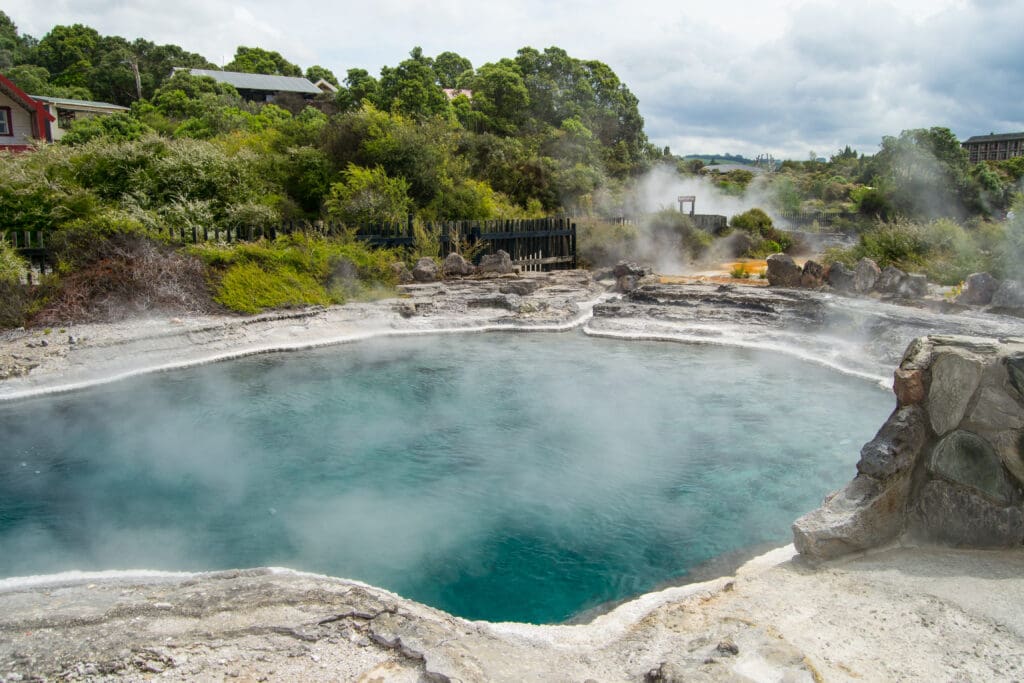
These benefits stem from the presence of various minerals, each contributing to the overall well-being of the body. Among the many benefits that these minerals offer is alleviating muscle aches and tension, paving the way for a restful sleep and better mood. The mineral-rich waters of the hot springs can reduce the risk of osteoporosis thanks to the calcium, which also helps in strengthening the bones and improving nerve communication.
The most important part of the geothermal waters of Meadow Hot Springs is its ability to encourage collagen production, which contributes to reducing wrinkles and gives your skin a more youthful radiance. Sulfur is yet another powerful antioxidant found in the hot springs that detoxify the body and banishes inflammation.
A Hike to Remember
The allure of Meadow Hot Springs extends beyond its soothing geothermal pools to encompass a captivating hiking experience. The trail winds through a picturesque canyon, offering panoramic scenes of the mountains and valleys that embellish the region. Such scenes provide a refreshing prelude to the tranquillity that awaits at the springs.
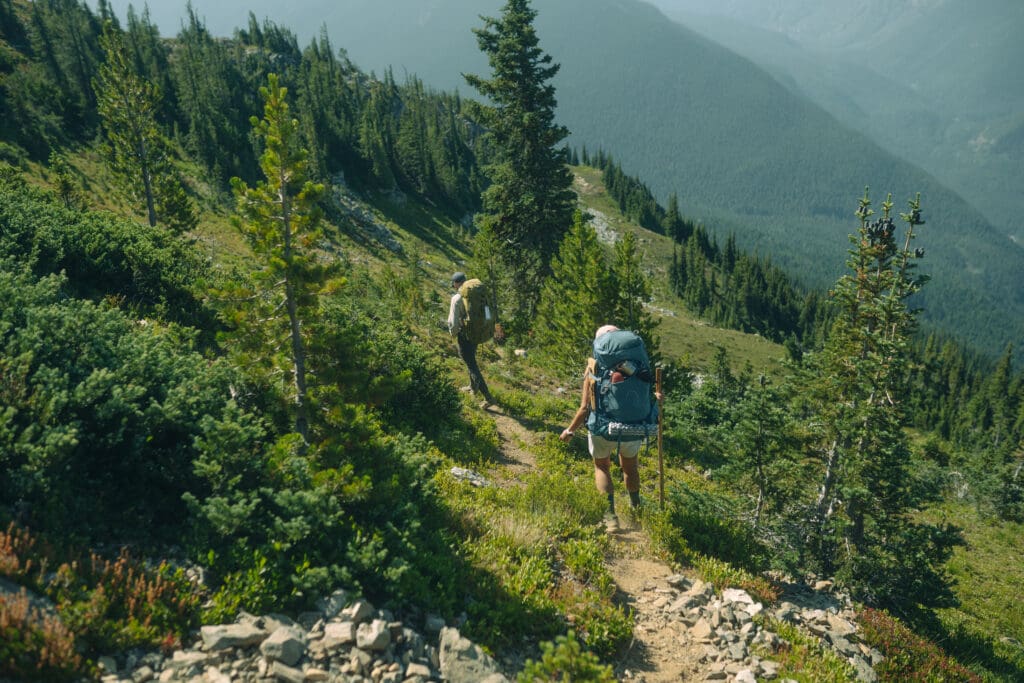
The trailhead, easily accessible from Fillmore, Utah, marks the beginning of a journey into the heart of nature’s embrace. The well-maintained path, approximately half a mile long, is suitable for people of all ages and fitness levels. As you embark on your ascent, the arid landscape gradually transforms into a verdant oasis, with towering rock formations and lush vegetation painting a breathtaking panorama.
With each step, the canyon unveils its hidden treasures. Majestic rock formations, sculpted by time and the elements, stand as silent sentinels, their weathered surfaces bearing the marks of countless seasons. The air, infused with the fragrance of wildflowers and pines, invigorates the senses, while the gentle rustling of leaves provides a soothing soundtrack to your journey.
As you reach the summit, the breathtaking vista of Meadow Hot Springs unfolds before you. The three geothermal pools, nestled amidst the tranquil surroundings, beckon you with their promise of relaxation and rejuvenation. The contrast between the rugged terrain and the serenity of the pools creates a captivating juxtaposition, emphasising the restorative powers of nature.
Enjoy a Picnic
As you spread out a blanket on the soft grass, unpack your picnic basket filled with culinary delights. Freshly prepared sandwiches, wraps, and salads, accompanied by an assortment of fruits, cheeses, and crackers, will tantalise your taste buds. Immerse yourself in the tranquillity of the surroundings by engaging in a variety of activities that will enrich your picnic experience.
Unleash your creativity by sketching the picturesque scenery, penning poetry inspired by the serene atmosphere, or composing music amidst the symphony of nature. Engage in mindful practices like yoga or meditation, allowing the serenity of the surroundings to deepen your focus and inner peace.
Share stories and anecdotes with your companions to foster connections and create lasting memories. Explore the wonders that lie beyond your picnic spot by taking a short hike to discover hidden gems, such as secluded waterfalls or picturesque viewpoints.
As you savour the last morsels of your picnic and pack up your belongings, take a moment to appreciate the tranquillity that surrounds you. Let the gentle sounds of nature, the breathtaking views, and the lingering warmth of the geothermal pools wash over you. This harmonious symphony will leave you feeling refreshed, energised, and profoundly connected to the natural world.
Bask in the Tranquility of Meadow Hot Springs
Amidst the tranquil embrace of Meadow Hot Springs, embark on a transformative journey of mindfulness. Find a secluded spot amidst the serene beauty of Meadow Hot Springs and engage in the practice of meditation. Close your eyes, let your mind wander freely, and observe the thoughts that arise without judgment. As you cultivate inner stillness, a sense of peace and tranquillity will wash over you, leaving you refreshed and renewed.
Step barefoot onto the soft grass, feel the warmth of the earth beneath your feet and let the refreshing air caress your skin. As you connect with nature’s embrace, a sense of harmony and well-being will envelop you. In the tranquil sanctuary of Meadow Hot Springs, take time for reflection. Contemplate your goals, aspirations, and dreams. It’s a great spot to allow the serenity of the surroundings to guide your thoughts and unveil the path that lies ahead.
As you conclude your rejuvenating experience at Meadow Hot Springs, pause to express gratitude for the beauty of nature and the opportunity to reconnect with your inner self. Meadow Hot Springs is more than just a destination; it’s an oasis of tranquillity where physical relaxation intertwines with mental and spiritual renewal.
Stargaze Under the Clear Night Sky
Due to its remote location, nestled amidst the rugged beauty of Millard County, Meadow Hot Springs offers some of the most captivating stargazing experiences in Utah and in all of the United States. Unhindered by the city lights that often veil the night sky, Meadow Hot Springs provides a portal to a universe teeming with celestial wonders. On a clear night, the Milky Way emerges in all its splendour as the velvety darkness envelops the land.
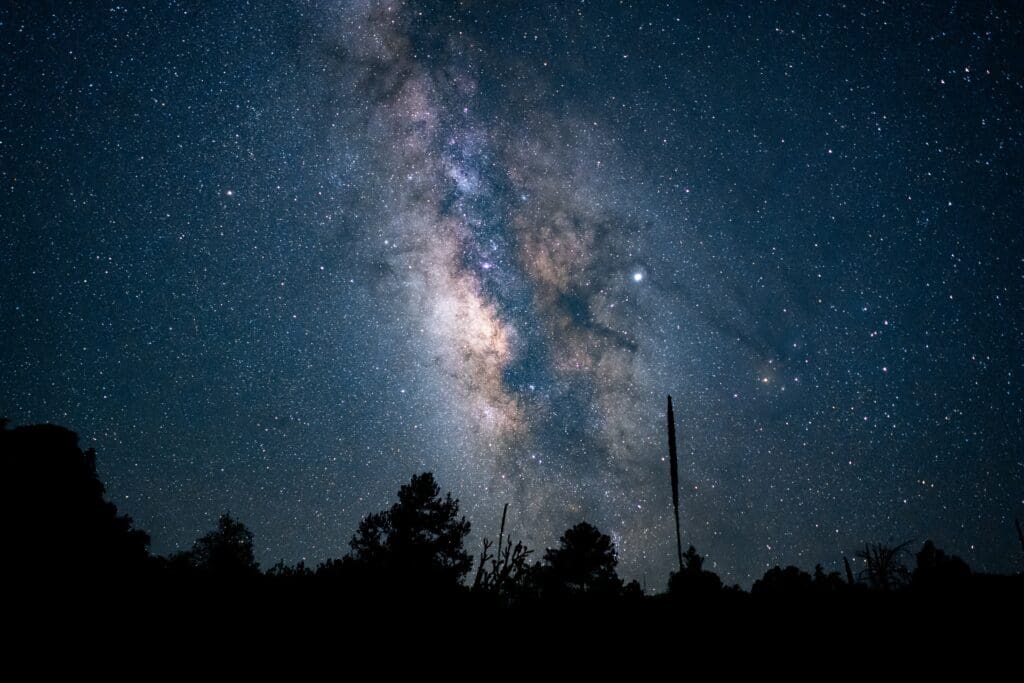
Its ethereal glow, resembling a celestial river of light, cascades across the vast expanse of the night sky, leaving a trail of stardust in its wake. Countless stars, unblemished by the glare of urban lights, sparkle like diamonds scattered across a black velvet cloth. We recommend you find a secluded spot away from the glow of campfires or artificial sunlight in order to embrace this mesmerising spectacle fully.
Lie back on a comfortable blanket, allowing your eyes to adjust to the darkness. You may be fortunate enough to witness a meteor shower. Stargazing at Meadow Hot Springs is not merely an activity; it’s a reminder of our place within the cosmos, a humbling perspective that leaves us feeling small yet profoundly connected to the intricate tapestry of the universe.
Go Camping
Camping at Meadow Hot Springs is a multi-sensory odyssey, a journey that awakens the senses and leaves an indelible mark on the soul. As the first rays of dawn pierce the darkness, a symphony of birdsong fills the air, a chorus of nature’s minstrels welcoming the new day. The crisp and invigorating atmosphere is infused with the earthy aroma of pine trees, a scent that evokes the tranquillity of the forest.
Meadow Hot Springs is a place where the senses come alive, where the beauty of nature is amplified, and where the bonds of friendship are strengthened. It’s an escape from the ordinary, a journey into the heart of tranquillity, where memories are made and the soul rejuvenates. Upon returning to your campsite, the crackling campfire awaits, its flames dancing and casting a warm glow over the canvas of the night sky.
Gather around the fire’s comforting warmth, sharing stories and laughter with your companions, weaving a tapestry of shared experiences that will endure long after your camping trip ends. As the flames dance and the stars twinkle above, the camaraderie and shared moments create a sanctuary of warmth and connection, a counterpoint to the vastness of the surrounding wilderness.
Explore the Nearby Attractions
While there are more than a few activities you can enjoy in Meadow Hot Springs, numerous attractions nearby can keep you entertained. The most famous attraction around is Fillmore Fish Hatchery is an enthralling aquatic life where you can observe trout fish being raised and released into local streams and lakes.
Meadow Park is another landmark that lies nearby, where you can indulge in a variety of recreational activities. It’s a haven for outdoor enthusiasts. Whether you’re seeking a leisurely stroll along scenic trails, a refreshing dip in the calm waters of the pond, or a picnic amidst the tranquil surroundings, Meadow Park has something for everyone.
The Tabernacle Hill Lava Tubes is an exciting landmark that will leave you in awe. It’s a natural wonder to uncover, where you get to wander through tunnels formed by ancient lava flows. Such a marvel offers a glimpse into the earth’s geological history. If history is your thing, then Historic Stone Corral is a great spot to step back in time and observe remnants of the past, once used by cowboys to herd their livestock.
As you immerse yourself in the soothing waters of Meadow Hot Springs, let the worries of the world melt away. Feel the tension ease from your muscles, and let the serenity of the surroundings wash over you. Meadow Hot Springs is more than just a destination; it’s an experience that will leave you feeling refreshed, rejuvenated, and deeply connected to nature’s embrace.

English Warriors: Legacy and Warfare
History and Heritage
04/05/2024

Top Attractions in Rome, Italy
Italy
04/05/2024
Discovering Ireland: County Cavan Outdoor Adventures
County Cavan
04/05/2024
The Curious Case of Irish Curses and the Magical Cursing Stone
Ireland
04/05/2024

May Day: Exploring the Spiritual Significance and Traditions of the Beltane Festival
Festivals and Events
04/05/2024