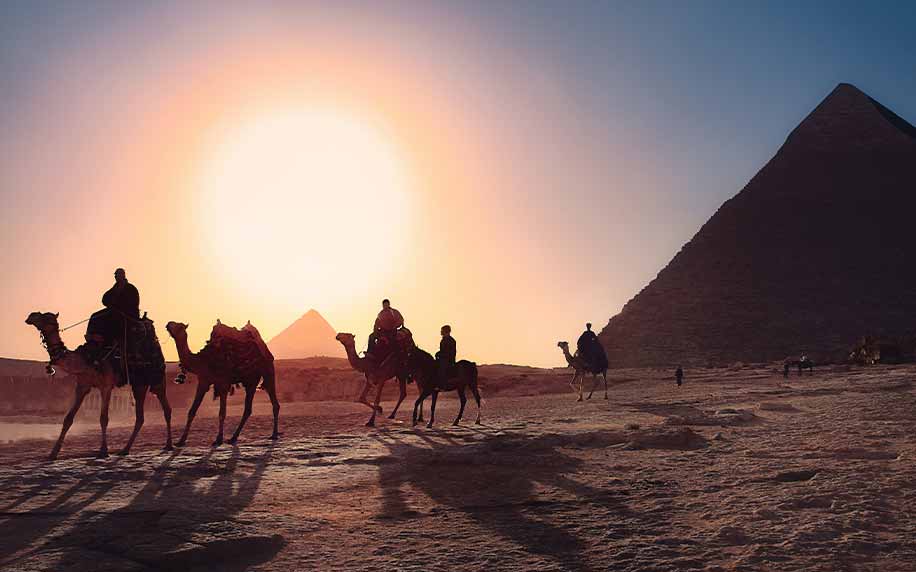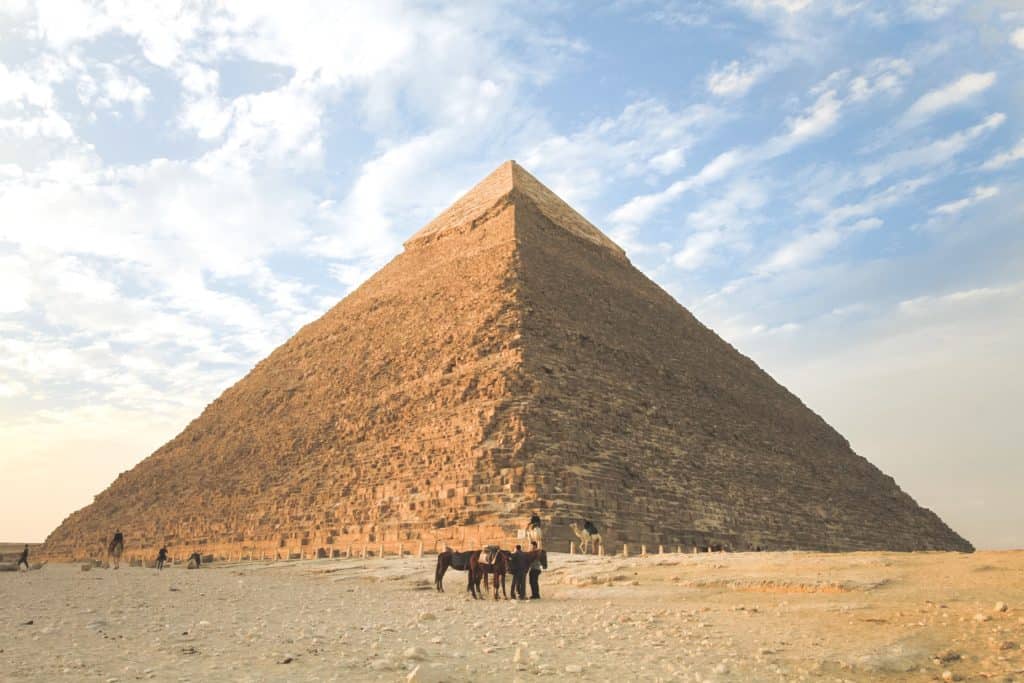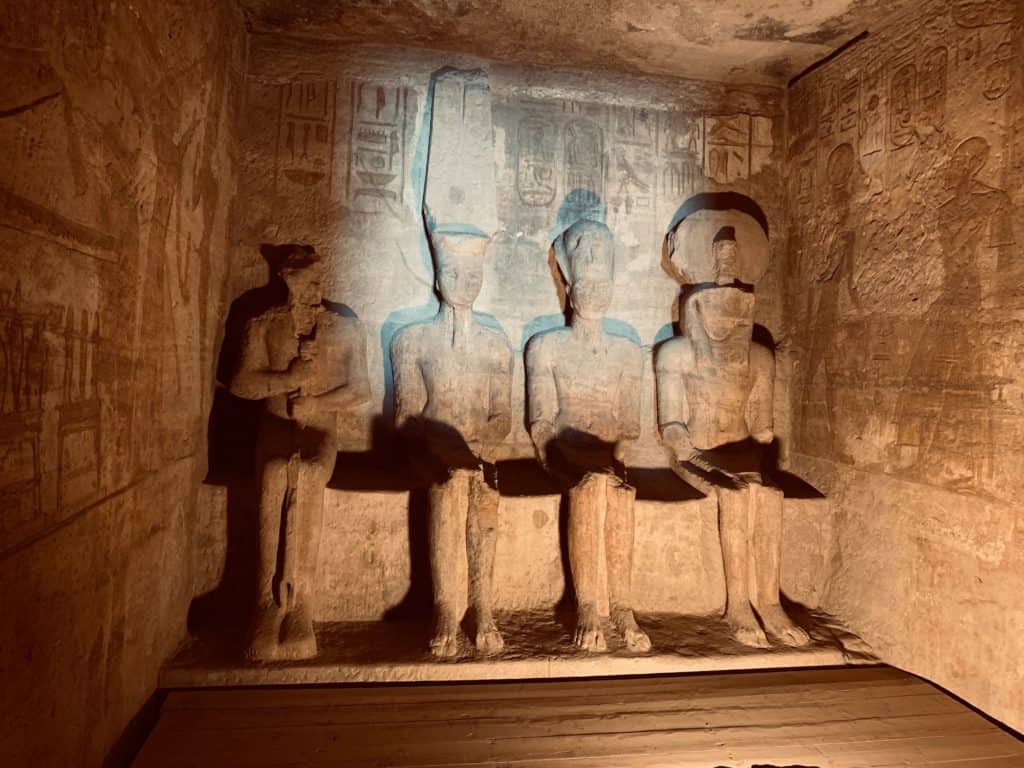


Egypt, a land steeped in ancient history and breathtaking landscapes, has long captivated filmmakers from around the globe. Its iconic pyramids, sprawling deserts, and mysterious Nile River are backdrops for countless cinematic masterpieces. Egypt’s unique charm has inspired directors to create unforgettable visual experiences, from epic dramas to thrilling adventures.
Egypt’s allure lies in its ability to transport audiences to a world of wonder and mystery. The towering pyramids, symbols of ancient power and engineering prowess, have been featured in countless films, evoking awe and fascination. The vast deserts, with their shifting sands and endless horizons, offer a sense of isolation and adventure, perfect for dramatic storytelling. The Nile River, a lifeline to the country, has been depicted as both a source of life and a symbol of the passage of time.
This article will delve into nine famous locations in Egypt that have played a pivotal role in shaping the film world. These locations, each with its distinct character and history, have inspired filmmakers seeking to create visually stunning and emotionally resonant narratives. From the bustling streets of Cairo to the serene oasis of Siwa, Egypt’s cinematic canvas offers filmmakers a diverse range of settings to explore.
Table of Contents
10 Films with Famous Locations in Egypt
Egypt’s cinematic allure has drawn filmmakers worldwide, resulting in a rich tapestry of films that showcase the country’s iconic landmarks and breathtaking landscapes. From classic epics to contemporary thrillers, these films have captured the essence of Egypt and left a lasting impression on audiences. In this section, we will explore some of the most notable films that have featured famous locations in Egypt, highlighting their unique contributions to the cinematic landscape.
Transformers: Revenge of the Fallen: An Egyptian Adventure
Transformers: Revenge of the Fallen is a blockbuster action film that brings the iconic Autobots and Decepticons to life on the big screen. Egypt plays a particularly significant role among the many stunning locations featured in the film. Its ancient history, vast deserts, and iconic landmarks provide the perfect backdrop for epic battle sequences and dramatic storytelling.
The Giza Necropolis is one of the most prominent famous locations in Egypt, and it is featured in the film. The towering pyramids of Giza, including the Great Pyramid of Khufu, served as a dramatic setting for the Decepticons’ plan to harness the power of the ancient Egyptian Sun God, Ra. The imposing pyramids and the surrounding Sphinx provided a sense of awe and mystery, enhancing the film’s visual spectacle.
The Wadi Rum desert in Jordan is another famous location in Egypt that played a crucial role in the film. While technically not within Egypt’s borders, Wadi Rum’s vast, red dunes and dramatic rock formations contrasted with the ancient Egyptian landscapes. The desert scenes allowed for intense action sequences, showcasing the Autobots and Decepticons battling it amidst the breathtaking scenery.
The film also featured other famous locations in Egypt, such as the Luxor Temple and the Valley of the Kings. These iconic landmarks added a layer of historical significance to the film, connecting the Transformers’ conflict with ancient Egyptian mythology. The juxtaposition of modern technology and ancient history created a visually stunning and thought-provoking experience.
Malcolm X (1992): A Cinematic Journey Through America and Africa
Malcolm X (1992) is a critically acclaimed biographical drama about the influential civil rights leader. While the film primarily focuses on Malcolm X’s journey through America’s civil rights movement, it also features several significant scenes in Famous Locations in Egypt.
Egypt’s connection to Malcolm X stems from his 1964 pilgrimage to Mecca. During his pilgrimage, Malcolm X visited the holy city and performed the Hajj, a sacred religious duty for Muslims. The film captures Malcolm X’s transformative experience in Mecca, as he witnessed a diverse community of Muslims worldwide.
While the film does not explicitly name the specific famous locations in Egypt Malcolm X visited, the scenes of Mecca’s Grand Mosque and other Islamic landmarks provide a powerful visual representation of his journey. The film’s portrayal of Mecca’s spiritual significance and role in shaping Malcolm X’s worldview adds depth and context to his story.
In conclusion, Malcolm X (1992) uses famous locations in Egypt to enhance the film’s historical and cultural significance. The scenes of Mecca’s Grand Mosque and other Islamic landmarks visually represent Malcolm X’s pilgrimage and its transformative impact on his life.
The Spy Who Loved Me (1977): A Bond Adventure in Egypt
The Spy Who Loved Me (1977) is the tenth film in the James Bond series. It features a thrilling adventure that takes 007 to Egypt. While the film primarily focuses on the fictional Caribbean island of Kuraçao, Egypt plays a significant role in the plot.
One of the most memorable scenes in the film takes place at the Giza Necropolis. Bond and his allies infiltrate the pyramid complex to retrieve a crucial device. The towering pyramids and the surrounding Sphinx provide a dramatic backdrop for the action-packed sequence, showcasing the film’s visual spectacle.
The film also features a brief glimpse of Cairo, the bustling capital of Egypt. Bond and his allies navigate the city’s busy streets, adding a sense of authenticity and realism to the adventure. While the Cairo scenes are limited, they contribute to the film’s overall atmosphere and provide a glimpse into Egyptian culture.
In conclusion, The Spy Who Loved Me (1977) uses famous locations in Egypt to enhance its action-packed adventure. The scenes at the Giza Necropolis and the brief glimpse of Cairo add a sense of authenticity and visual spectacle to the film, making it a memorable entry in the James Bond series.
Death on the Nile (1978): A Murder Mystery on the Nile
Based on Agatha Christie’s popular novel, Death on the Nile (1978) is a classic murder mystery set on the Nile River. The film features a star-studded cast and stunning cinematography, showcasing Egypt’s beauty and intrigue.
The Nile River is the film’s central location, serving as the backdrop for the murder and subsequent investigation. The river’s serene waters and lush banks provide a picturesque setting for the drama and suspense.
Several famous locations in Egypt are featured throughout the film, including:
- Luxor: The ancient city of Luxor, with its iconic temples and tombs, is a key setting. The film showcases Luxor’s beauty and grandeur, immersing viewers in the rich history of ancient Egypt.
- Aswan: The southern city of Aswan, known for its stunning landscapes and the Aswan High Dam, is another prominent location. The film captures the serene beauty of Aswan, contrasting with the dramatic events unfolding on board the cruise ship.
In addition to these locations, the film also features scenes on a luxury cruise ship sailing along the Nile. The ship’s elegant interiors and stunning river views create a glamorous and atmospheric setting for the murder mystery.
Death on the Nile (1978) is a timeless classic that showcases Egypt’s beauty and intrigue. The film’s use of famous locations in Egypt adds depth and authenticity to the story, making it a must-watch for fans of murder mysteries and Egyptian history.
Cleopatra (1963): An Epic Romance on the Nile
Cleopatra (1963), a historical epic starring Elizabeth Taylor and Richard Burton, is one of the most lavish and expensive films ever made. Set in ancient Egypt, the film captures the grandeur and intrigue of the Roman Empire’s conquest of Egypt.
The Nile River plays a central role in the film as a backdrop for many key scenes. The river’s majestic flow and lush banks create a visually stunning setting for the epic love story between Cleopatra and Julius Caesar.
Several famous locations in Egypt are featured throughout the film, including:
- Alexandria: The ancient city of Alexandria, founded by Alexander the Great, is a major setting. The film showcases the city’s grandeur and opulence, with scenes in the bustling streets and magnificent palaces.
- The Roman Theater: The Roman Theater in Alexandria, a well-preserved ancient monument, is featured in the film. The theatre’s imposing structure and historical significance add to the film’s epic atmosphere.
In addition to these locations, the film also features scenes in the Egyptian desert and the palace of Cleopatra. These settings create a sense of grandeur and exoticism, immersing viewers in the world of ancient Egypt.
Cleopatra (1963) is a cinematic masterpiece showcasing ancient Egypt’s beauty and intrigue. The film’s use of famous locations in Egypt adds depth and authenticity to the story, making it a timeless classic.
Jumper (2008): A Teleportation Adventure in Egypt
While the film Jumper primarily focuses on the protagonist’s ability to teleport, it also includes a memorable sequence set in Egypt. The film’s climax takes place in the Giza Necropolis, featuring the iconic pyramids of Giza and the Sphinx.
The Giza Necropolis provides a visually stunning backdrop for the climactic battle between the protagonist and the villain. The towering pyramids and the mysterious Sphinx create a sense of awe and wonder, enhancing the film’s action-packed sequence.
The film’s use of the Giza Necropolis adds visual spectacle and contributes to its overall theme, exploring the power of ancient civilisations and their enduring legacy. The pyramids and Sphinx symbolise the enduring nature of human history, contrasting with the protagonist’s ability to transcend time and space.
In conclusion, Jumper (2008) utilises the Giza Necropolis as a powerful and memorable setting for its climactic battle. The iconic pyramids and Sphinx add visual spectacle and contribute to the film’s overarching themes.
A Hologram for the King (2016): A Contemporary Tale in Saudi Arabia
While A Hologram for the King (2016) is primarily set in Saudi Arabia, it does feature a brief scene in Egypt. The protagonist, a struggling salesman, travels to Saudi Arabia to pitch a holographic communication system to the king. During his trip, he briefly encounters an Egyptian guide who helps him navigate the unfamiliar territory.
While the Egyptian scene is relatively short, it adds a layer of cultural diversity to the film and highlights the Middle East’s interconnectedness. The encounter with the Egyptian guide provides a brief glimpse into the broader region and its diverse population.
A Hologram for the King (2016) is a thought-provoking film that explores themes of globalisation, culture, and personal identity. While the Egyptian scene is limited, it contributes to the film’s overall narrative and provides a glimpse into the broader context of the story.
Cairo Time (2009): A Romantic Drama in Cairo
Cairo Time (2009) is a romantic drama set in the vibrant city of Cairo. The film follows the story of two strangers who meet and fall in love while exploring the city’s rich history and culture.
The film showcases several famous locations in Egypt that are integral to the story, including:
- The Egyptian Museum: This world-renowned museum houses many ancient Egyptian artefacts. The film features scenes inside the museum, allowing viewers to appreciate the beauty and significance of the artefacts.
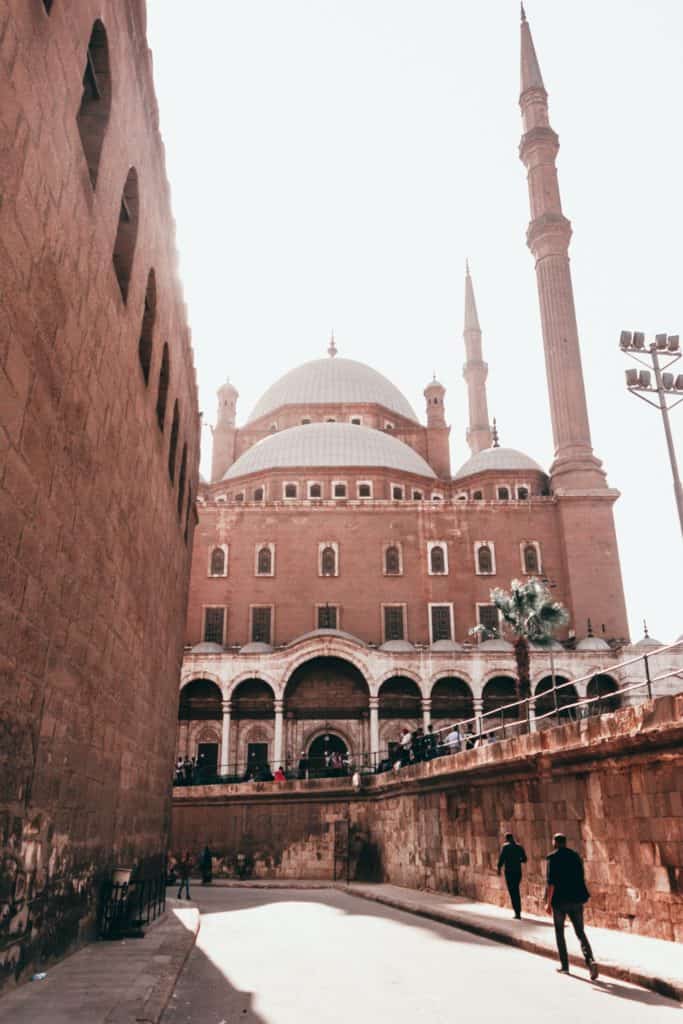
- The Citadel of Salah al-Din: This historic fortress overlooks Cairo. The film includes scenes from the Citadel, offering stunning panoramic views of the city and surrounding areas.
- The Khan el-Khalili Bazaar: This bustling market is a popular tourist destination known for its traditional crafts, spices, and souvenirs. The film features scenes in the bazaar, capturing Cairo’s vibrant atmosphere and cultural diversity.
Cairo Time (2009) is a beautifully shot film that captures the essence of Cairo. Famous locations in Egypt add depth and authenticity to the story, immersing viewers in the city’s rich history and culture.
Secrets of the Saqqara Tomb (2021): A Documentary Exploration
Secrets of the Saqqara Tomb (2021) is a documentary film that explores the recent discovery of a well-preserved ancient Egyptian tomb at the Saqqara necropolis. The film delves into excavation, preservation, and analysis of the tomb’s contents.
The Saqqara Necropolis is a famous location in Egypt renowned for its ancient tombs and pyramids. The documentary showcases the necropolis’s beauty and historical significance, providing viewers with a glimpse into the lives of ancient Egyptians.
The film focuses on the specific tomb discovered, highlighting its unique features and the valuable insights it provides into ancient Egyptian culture. The documentary also features interviews with archaeologists and experts involved in the excavation and research.
Secrets of the Saqqara Tomb (2021) is a fascinating documentary that offers a glimpse into archaeology and the ongoing discoveries in Egypt. The film’s focus on the Saqqara necropolis showcases ancient Egypt’s rich history and cultural heritage.
The Mummy (1999): An Action-Adventure in Egypt
The Mummy (1999) is an action-adventure film set in ancient Egypt. The story follows a group of explorers who unwittingly awaken an ancient mummy, Imhotep, who seeks revenge for his lost love.
The film features several famous locations in Egypt, including:
- The Valley of the Kings: This iconic valley is famous for its royal tombs. The film showcases the beauty and mystery of the Valley of the Kings, creating a suspenseful and atmospheric setting.
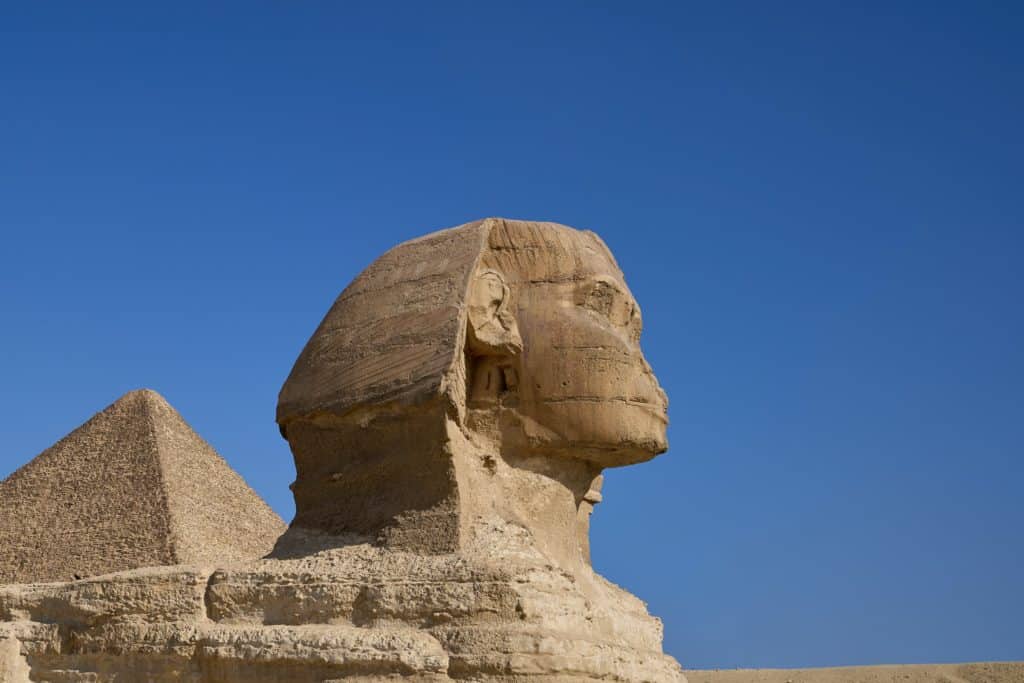
- The Great Sphinx: This ancient statue, located at the Giza Necropolis, is a prominent landmark. The film features scenes with the Great Sphinx, adding to the mystical and adventurous atmosphere.
- The Karnak Temple Complex: This massive temple complex in Luxor is one of the most impressive ancient Egyptian sites. The film showcases its grandeur and beauty, creating a visually stunning backdrop for the action.
The Mummy (1999) is a thrilling adventure film that combines action, suspense, and historical elements. The film’s use of famous locations in Egypt adds depth and authenticity to the story, making it a memorable cinematic experience.
Egypt’s Enduring Cinematic Legacy
Egypt, with its rich history, breathtaking landscapes, and iconic landmarks, has long captivated filmmakers from around the globe. Its unique charm has inspired directors to create unforgettable cinematic experiences, from epic dramas to thrilling adventures. The nine famous locations featured in this article have played a pivotal role in shaping the film world, serving as backdrops for iconic scenes and unforgettable stories.
From the towering pyramids of Giza to the bustling streets of Cairo, Egypt’s cinematic canvas offers filmmakers a diverse range of settings to explore. The country’s ability to transport audiences to a world of wonder and mystery has made it a popular destination for filmmakers seeking to create visually stunning and emotionally resonant narratives.
Egypt’s enduring appeal will likely remain strong as the film world evolves. Its iconic landmarks and breathtaking landscapes will continue to inspire filmmakers for generations to come, ensuring that Egypt’s cinematic legacy will live on.