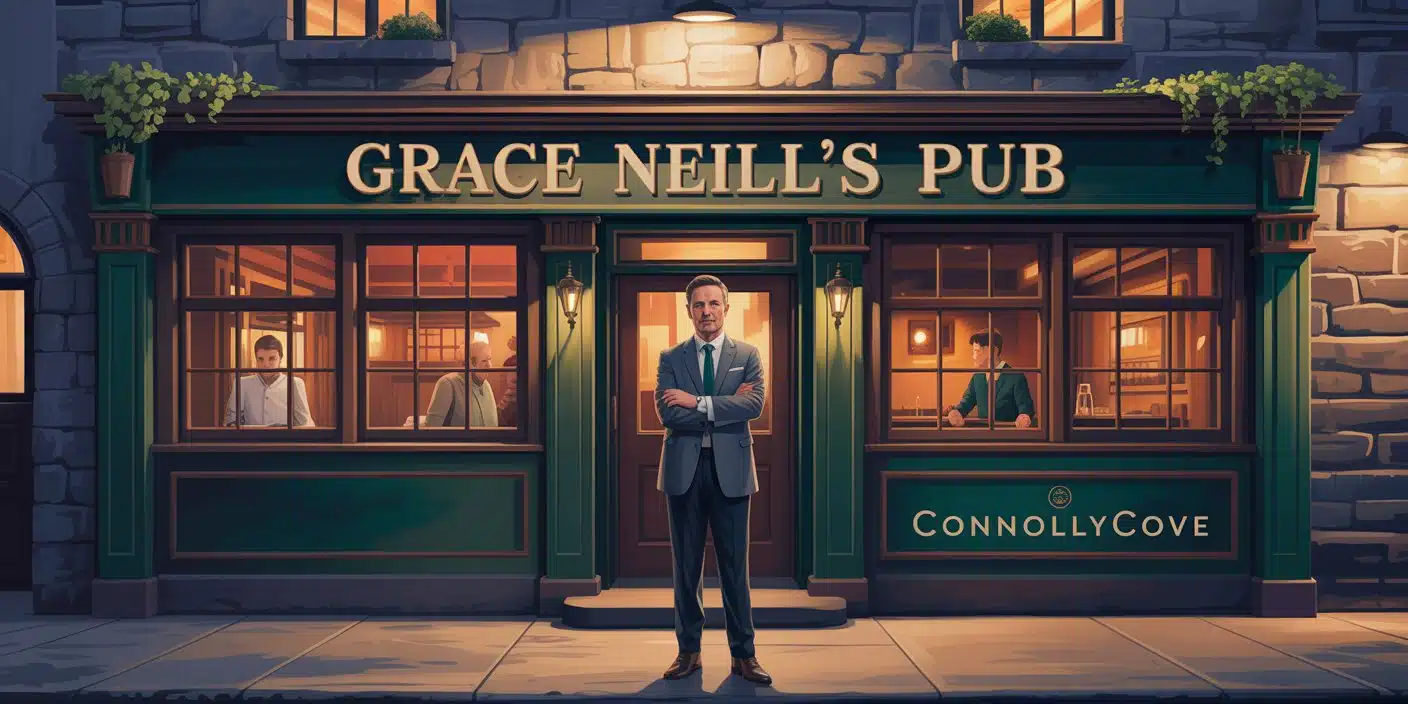


Career advice worth its weight in gold emerges from Paul O’Kane’s remarkable journey in the competitive world of hospitality, where many establishments come and go, but his stands as a testament to enduring success. As the owner of three thriving restaurants in County Down, Northern Ireland – including Grace Neill’s, officially Ireland’s oldest pub – his path from teenage pot washer to respected restaurateur offers practical wisdom for anyone looking to make their mark in the industry.
Table of Contents
Paul’s Career Journey: From Humble Beginnings to Hospitality Success

Paul’s story begins from the ground up, like many in the hospitality industry. At just 13 years old, he took his first steps into the world of hospitality with a part-time job at a local hotel. This early exposure laid the foundation for a lifelong passion and a successful career.
After leaving school at 16, Paul went straight into full-time work at the Bellevue Arms in Belfast. Through dedication and a willingness to learn, he steadily climbed the career ladder, eventually becoming Food Services Manager and Duty Manager at the Marine Court Hotel.
With years of hands-on management experience under his belt, Paul set his sights on business ownership. 2006 The Stables was boldly purchased, followed shortly by the Groomsport Inn. The success of these ventures positioned him for his most significant acquisition: Grace Neill’s in Donaghadee – a historic establishment that had fallen into disrepair.
When we acquired Grace Neill’s, it wasn’t just about buying a business; it was about restoring a piece of Irish hospitality heritage. These historic venues come with both challenges and opportunities that you don’t find in newer establishments.” – Paul O’Kane
Timeline of Paul O’Kane’s Hospitality Career
- Age 13: First hospitality job (part-time at local hotel)
- Age 16: Full-time position at Bellevue Arms, Belfast
- Early Career: Progression to Food Services Manager
- Mid-Career: Duty Manager at Marine Court Hotel
- 2006: Purchase of The Stables (first business ownership)
- 2007-2008: Acquisition of the Groomsport Inn
- Later Career: Restoration and operation of Grace Neill’s in Donaghadee
Core Success Principles: Paul O’Kane’s Hospitality Philosophy

When asked about the secrets to his success, Paul’s advice is refreshingly straightforward yet profound. His philosophy centres on three core principles that have guided his approach to restaurant management:
1. Be Present and Lead by Example
Paul firmly believes in hands-on leadership. In his own words: “I feel that to have your own place, you have to be on the ground. If the staff see you working hard, they’ll work hard.” Leading by example creates a culture of mutual respect and shared purpose.
“The restaurant business isn’t something you can manage remotely. Customers and staff both respond to owners who are actively involved in the day-to-day operations. Your presence signals your commitment to quality.” – Paul O’Kane
For aspiring restaurant owners, this means understanding that success requires more than just investment capital – it demands your time, energy, and visible commitment. The most successful restaurateurs are those who remain connected to every aspect of their business, from kitchen operations to customer interactions.
2. Value Your Staff Above All
Perhaps the most emphasised aspect of Paul’s management philosophy is the critical importance of staff. “Staff are so important and we should tell them a little more how much we appreciate and respect what they’re doing,” he advises.
In an industry known for high turnover rates, Paul’s approach to staff management has helped him build loyal teams across multiple establishments. By creating positive working environments where employees feel genuinely valued, he’s been able to maintain consistent service standards – a crucial element in building a restaurant’s reputation and customer loyalty.
3. Prioritise Organisation and Structure
The third pillar of Paul’s success formula is systematic organisation. “One of the secrets to success is that you have to be organised and structured,” he explains. In the fast-paced environment of restaurant operations, having clear systems and processes ensures efficiency while maintaining quality.
From inventory management to staff scheduling, Paul’s emphasis on organisation has allowed his businesses to operate smoothly even during the busiest periods. This structured approach creates predictability in an industry often characterised by unpredictability.
Staff Management Wisdom: Building Teams That Drive Success

The hospitality industry is inherently people-centred; no one understands this better than Paul O’Kane. His approach to staff management deserves deeper exploration, as it forms the cornerstone of his business success.
Creating a Positive Work Culture
Paul recognises that restaurant work can be demanding, with extended hours and high-pressure situations. His approach to counterbalancing these challenges is to foster a positive work environment where staff feel supported and appreciated.
“In hospitality, your staff are your greatest asset. They’re the ones creating the customer experience every day. Investing in their wellbeing and professional growth pays dividends in terms of service quality and business reputation.” – Paul O’Kane
This positive culture extends beyond simple recognition to include opportunities for growth and advancement – something Paul experienced firsthand in his own career progression from entry-level positions to management.
Effective Communication and Clear Expectations
Clear communication forms the foundation of Paul’s staff management strategy. By creating a sense of purpose that drives performance by bringing all team members to understand what they need to do and why it matters, he makes a sense of purpose that drives performance.
For those looking to emulate Paul’s success in staff management, the key takeaways are:
- Regularly acknowledge and appreciate staff contributions
- Provide clear guidance and constructive feedback
- Create pathways for career advancement within the organisation
- Lead by example, working alongside your team during busy periods
- Foster an atmosphere of mutual respect between all staff members
Digital Transformation: Adapting Traditional Hospitality for Modern Success

Whilst Paul O’Kane built his career during a different era of hospitality, his willingness to adapt to changing market conditions offers valuable lessons for today’s restaurateurs, particularly regarding digital transformation.
Embracing Online Presence and Digital Marketing
Today’s successful restaurants require more than just excellent food and service – they need effective digital strategies to attract and retain customers. For historic establishments like Grace Neill’s, this means balancing tradition with innovation.
Modern restaurateurs can learn from Paul’s adaptability while taking advantage of current digital tools:
- Strategic Website Development: Creating an online hub that showcases your restaurant’s unique character and offerings
- Social Media Management: Building community and engagement through authentic content
- Online Reputation Management: Actively monitoring and responding to customer reviews
- Digital Menu Optimisation: Ensuring your offerings are easily discoverable online
- E-commerce Integration: Facilitating online ordering and reservation systems
“At ConnollyCove, we’ve seen firsthand how digital transformation can revitalise traditional hospitality businesses. The restaurants that thrive are those that honor their heritage while embracing new technologies and marketing approaches.” – Ciaran Connolly, Founder of ConnollyCove
Data-Driven Decision Making
Beyond marketing, digital tools provide valuable insights for strategic business decisions. From analysing customer preferences to optimising inventory management, data-driven approaches can enhance traditional hospitality wisdom.
For restaurateurs following in Paul’s footsteps, this means:
- Utilising point-of-sale systems that track sales patterns and customer preferences
- Implementing inventory management software to reduce waste and control costs
- Using customer relationship management (CRM) systems to personalise the dining experience
- Analysing web analytics to understand how customers discover and interact with your business online
Customer Experience Excellence: The Heart of Hospitality Success

At the core of Paul O’Kane’s business philosophy is an unwavering commitment to customer experience. This focus has allowed his establishments to build loyal followings and strong reputations in a competitive market.
Creating Memorable Dining Experiences
Paul understands that successful restaurants sell more than just food and drink – they offer experiences that create lasting impressions. Every aspect of their visit is considered when customers enter their establishment.
For aspiring restaurateurs, this means:
- Training staff to recognise and accommodate customer preferences
- Creating distinctive atmospheres that complement your food and beverage offerings
- Paying attention to details that enhance comfort and enjoyment
- Developing signature elements that differentiate your establishment from competitors
Building Community Connections
Paul’s establishments, particularly Grace Neill’s, serve as community gathering places. This connection to local culture and heritage creates a sense of belonging that transcends the typical restaurant experience.
“Every customer likes to see that [the owner is working alongside staff]. It creates a sense of authenticity and shows that you truly care about their experience.” – Paul O’Kane
Financial Management: Balancing Passion with Profitability

While Paul’s career advice often focuses on the human elements of restaurant management, he also recognises the importance of sound financial practices. Running successful hospitality businesses requires balancing passion with pragmatism.
Strategic Pricing and Cost Control
Effective restaurant management requires careful attention to pricing strategies and cost control measures. Paul’s success across multiple establishments demonstrates his ability to navigate these financial challenges while maintaining quality standards.
For those aspiring to restaurant ownership, key financial considerations include:
- Developing pricing strategies that reflect both market positioning and operational costs
- Implementing inventory controls to minimise waste and theft
- Creating efficient staff scheduling systems that balance service quality with labour costs
- Understanding seasonal fluctuations and adjusting operations accordingly
- Building relationships with suppliers to secure favourable terms and consistent quality
Investment in Quality
Despite cost pressures, Paul’s establishments are known for their commitment to quality. This strategic decision to invest in superior ingredients, experienced staff, and well-maintained facilities has proven crucial to long-term success.
Career Development: Lessons from Paul’s Journey

Paul O’Kane’s career progression offers valuable insights for those at various stages of their hospitality careers. Whether you’re just starting out or looking to advance to ownership, his journey provides practical guidance.
For Entry-Level Hospitality Workers
Paul’s start as a 13-year-old part-time worker demonstrates the potential for growth from humble beginnings. His advice for those starting is:
- Embrace learning opportunities across all aspects of the business
- Show reliability and willingness to take on responsibilities
- Observe successful managers and operators to understand their approaches
- Build relationships with colleagues and mentors who can provide guidance
For Mid-Level Managers
As Paul progressed to management positions, he developed the skills and knowledge that would eventually enable his transition to ownership. Middle managers can learn from his approach:
- Seek experiences that provide exposure to different aspects of the business
- Develop strong people management skills alongside operational expertise
- Build financial literacy to understand the business beyond day-to-day operations
- Create networks within the industry for knowledge sharing and potential partnerships
For Aspiring Owners
Paul’s successful transition from employee to multi-establishment owner offers a roadmap for those with entrepreneurial ambitions:
- Gain comprehensive experience across all aspects of restaurant operations
- Develop clear business plans that address market opportunities and financial realities
- Build relationships with financial institutions and potential investors
- Start with manageable ventures before expanding to more complex operations
- Consider the potential of revitalising existing establishments rather than starting from scratch
FAQs
Wondering how to build a successful career in hospitality? Discover insider knowledge from Paul O’Kane as he answers the most common questions about restaurant management, staff leadership, and how to progress from entry-level positions to owning multiple thriving establishments.
What does Paul O’Kane consider the most essential quality for restaurant owners?
Paul emphasises the importance of being present in your business. He believes owners must work alongside their staff, setting an example of hard work and dedication that inspires similar employee commitment.
Hommitment did Paul O’Kane get started in the hospitality industry?
Paul began his career at the young age of 13 with a part-time job at a local hotel. After leaving school at 16, he worked full-time at the Bellevue Arms in Belfast, where he began his progression through various management positions.
What approach does Paul take to staff management?
Paul believes in showing genuine appreciation for staff efforts and creating a positive work environment. He emphasises the importance of telling staff how much their contributions are valued and respected.
How important is organisation in restaurant management, according to Paul?
Paul identifies organisation and structure as “one of the secrets to success” in restaurant management. Having clear systems and processes helps ensure consistency and efficiency across all aspects of the operation.
How has Paul O’Kane balanced tradition with innovation at historic establishments like Grace Neill’s?
While respecting the historical significance and traditional character of his establishments, Paul has embraced necessary innovations in management practices, customer service approaches, and marketing strategies to ensure ongoing relevance and success.
Paul O’Kane’s Recipe for Hospitality Success
Paul O’Kane’s journey from teenage part-timer to owner of Ireland’s oldest pub offers valuable lessons for anyone in or considering the hospitality industry:
- Lead by example – Your visible presence and hard work set the standard for your team
- Value your staff – Show genuine appreciation for your team’s contributions
- Create structure – Implement clear systems and processes for consistency and efficiency
- Stay connected – Build meaningful relationships with both staff and customers
- Balance tradition with innovation – Honour heritage whilst embracing necessary changes
- Start from the ground up – Be willing to learn every aspect of the business
- Invest in quality – Make strategic decisions that prioritise excellence over short-term savings
In an industry known for both opportunities and challenges, Paul O’Kane’s practical wisdom offers a roadmap for sustainable success built on hard work, respect for people, and unwavering commitment to quality.