
Skip to content
Updated on: by Avatar image of authorCove Team

Belfast has undergone an extraordinary transformation over the past two decades, evolving from a city marked by industrial decline and political conflict into one of Europe’s most vibrant and welcoming destinations. Named in National Geographic Traveller’s ‘Cool List 2024’ and awarded the title of World’s Leading Tourist Attraction at the World Travel Awards for Titanic Belfast, Northern Ireland’s capital now pulses with creative energy, culinary excellence, and cultural confidence. This comprehensive guide reveals everything you need to know about what to do in Belfast, from world-class museums and historic landmarks to buzzing markets, stunning natural scenery, and nightlife that rivals any European city. Whether you’re spending a weekend break or using Belfast as your gateway to explore Northern Ireland’s spectacular coastline and countryside, this compact city delivers experiences that exceed expectations.

Titanic Belfast: The City’s Flagship Attraction

No visit to Belfast would be complete without exploring Titanic Belfast, the world’s largest Titanic visitor experience and the city’s most celebrated attraction. Built on the actual slipways where RMS Titanic was designed, built, and launched in 1911 by the renowned Harland & Wolff shipyard, this stunning building tells the complete story of the world’s most famous ship.

The striking angular architecture of Titanic Belfast—its shimmering aluminium-clad exterior designed to evoke ships’ hulls, ice, and crystal—rises to the same height as Titanic herself. Inside, nine interactive galleries spread across six floors use special effects, full-scale reconstructions, and innovative technology to bring the Titanic story to life. Highlights include a dark ride through a recreation of the shipyard showing the harsh working conditions faced by Belfast’s workers, exploration of the ship’s luxurious interiors recreated in painstaking detail, and footage of the wreck filmed by underwater cameras on the ocean floor.

The experience typically takes three hours to explore fully, though you could easily spend longer. An underwater cinema allows you to view footage of the actual wreck site whilst learning about the discovery expeditions. The Shipyard Ride provides a thrilling journey through the sights, sounds, and smells of the early 20th-century shipbuilding process that made Belfast famous worldwide.

Practical tips: Book tickets online in advance to guarantee entry and avoid queues, particularly during summer months and school holidays. Arrive early or late in the day for a less crowded experience. The Titanic Store offers excellent souvenirs, whilst the bistro serves lunch with views across the Titanic Quarter. Allow time to walk around the wider Titanic Quarter, including the SS Nomadic (Titanic’s tender ship), the Hamilton Graving Dock where Titanic was fitted out, and the slipways marked on the ground showing the ship’s actual size.

Political History: Black Taxi Tours and Peace Walls

Understanding Belfast’s recent history enhances any visit considerably. The city’s complex political past—known as “the Troubles”—shaped not only Belfast but international politics from the 1960s through to the Good Friday Agreement in 1998. The famous Black Taxi Tours provide the most authentic and informative way to explore this history, offering perspectives you simply cannot gain from guidebooks.

These tours typically last 90 minutes to two hours and are conducted by local drivers who often lived through the Troubles themselves, providing first-hand accounts alongside historical context. The tours visit both nationalist/republican and loyalist/unionist areas, showing the famous political murals that continue to serve as community expressions of identity, history, and aspiration. These enormous wall paintings have evolved from purely political statements to include memorials, cultural celebrations, and even pop culture references.

The Peace Walls—physical barriers erected to separate communities during the conflict—remain standing in several areas, though some sections have been removed in recent years. Visitors can sign the International Peace Wall at Cupar Way, adding their messages of hope alongside thousands of others from around the world. The contrast between these stark reminders of division and Belfast’s contemporary vibrancy provides powerful testimony to the city’s progress.

Black Taxi Tours can be booked through hotels, online platforms like GetYourGuide, or by approaching drivers in red coats who advertise tours in the city centre. The intimate nature of these tours (typically small groups in classic London-style black cabs) allows for questions and genuine conversation about Belfast’s past, present, and future. Tours cost approximately £40-50 per cab (holding up to five passengers), making them excellent value when split between a group.

Crumlin Road Gaol: Victorian Prison Experience

Crumlin Road Gaol—affectionately known as “the Crum”—stands as Northern Ireland’s only remaining Victorian-era prison and one of Belfast’s most atmospheric attractions. Operating from 1846 until 1996, this forbidding structure witnessed 150 years of Northern Irish history, housing everyone from suffragettes and Second World War prisoners to convicted murderers and paramilitary prisoners during the Troubles.

Guided tours lasting approximately 75 minutes lead visitors through the imposing Victorian prison, including the original C-wing, the execution chamber where seventeen people were hanged (with the condemned cell and gallows preserved), the underground tunnel connecting the gaol to the courthouse across the road, and the holding cells where prisoners awaited trial. The tours provide genuinely chilling insights into prison life across different eras whilst explaining the gaol’s particular significance during Northern Ireland’s conflict.

The building itself represents an impressive example of Victorian penal architecture, with its radial design allowing guards to observe multiple wings from a central point. The preservation work has maintained the authentic atmosphere—visits can feel distinctly eerie, particularly when hearing about the building’s darker moments including executions, escapes, hunger strikes, and riots.

Special themed tours enhance the standard offering, including paranormal tours for those brave enough to explore the gaol after dark (particularly popular around Halloween), Victorian tours focusing on the prison’s earliest decades, and photography tours allowing extended access for serious photographers. The gaol also functions as a conference centre and wedding venue, demonstrating Belfast’s talent for creative reuse of historic spaces.

Book tickets online (£9 per adult, £12 at the door) and arrive fifteen minutes before your scheduled tour. The gaol is located about ten minutes’ drive from the city centre, accessible via taxi or buses 11, 12, or 13 from Donegall Square.

St George’s Market: Belfast’s Food and Culture Hub

For an authentic taste of Belfast life and some of Northern Ireland’s finest local produce, St George’s Market provides an unmissable experience. Built between 1890 and 1896, this magnificent Victorian covered market represents one of Belfast’s oldest attractions and was named UK’s Best Large Indoor Market 2023 by the NABMA Great British Market Awards—recognition well-deserved for its combination of fresh produce, vibrant atmosphere, and cultural significance.

The market operates Friday through Sunday, with each day offering a distinct character. Friday’s Variety Market (8:00 AM to 2:00 PM) continues a tradition dating back to 1604, featuring approximately 200 stalls selling fresh fruit and vegetables, antiques, books, clothes, and Belfast’s leading retail fish market. The fish section alone justifies a visit, with everything from fresh Atlantic salmon and Portavogie prawns to more exotic offerings like shark and swordfish.

Saturday’s City Food and Craft Market (9:00 AM to 3:00 PM) transforms the space into a foodie paradise, with local and international speciality foods including artisan cheeses, fresh bread, coffee beans, tapas, and organic products from around the world. Handmade crafts, flowers, plants, local photography, pottery, glasswork, and metalwork complement the food offerings. Live music fills the market throughout the day—some of Belfast’s finest musicians perform, creating an electric atmosphere whilst shoppers browse and sample products.

Sunday combines elements of both previous days (10:00 AM to 3:00 PM), offering food, crafts, and antiques with live music and that uniquely Belfast blend of friendliness and good craic (fun). The Sunday market has become particularly popular with families, offering a relaxed weekend outing combining shopping, entertainment, and dining.

The market’s food credentials extend beyond raw ingredients. Numerous stalls serve ready-to-eat meals representing cuisines from across the globe—from traditional Ulster fries and Belfast soda bread to Vietnamese pho, Spanish paella, and authentic wood-fired pizzas. Aunt Sandra’s Candy Factory stall delights visitors with handmade fudge and traditional sweets, whilst coffee vendors provide excellent brews to fuel your market exploration.

Practical information: The market is located opposite the Waterfront Hall in Belfast city centre, accessible from Oxford Street, May Street, and East Bridge Street. A “quiet hour” operates each day (Friday and Saturday 9:00-10:00 AM, Sunday 10:00-11:00 AM) with music turned off to create a calmer environment for visitors with autism and their families. Dogs on leads are welcome, with water bowls provided. Parking discounts are available at nearby Lanyon Place car park (£5 for up to four hours). Arrive hungry, bring cash (though many stalls accept cards), and don’t be shy about sampling before buying—traders expect it and want you to taste their products.

Belfast City Hall: Architectural Marvel

Belfast City Hall dominates Donegall Square in the heart of the city centre, providing both an architectural landmark and a gateway to understanding Belfast’s civic history. Completed in 1906 in the Baroque Revival style, this magnificent building features a distinctive copper-domed roof that has become one of Belfast’s most recognisable symbols.

Free guided tours run regularly throughout the day (book online or drop in), taking visitors through the ornate interior including the marble Grand Staircase, Council Chamber with its oak panelling and spectacular plasterwork ceiling, Robing Rooms, and the Great Hall where Belfast’s most important civic events occur. Tours typically last 45 minutes and provide fascinating insights into Belfast’s industrial heritage, political history, and the building’s role in city life.

The grounds surrounding City Hall offer peaceful green space amidst the busy city centre. Several memorials and monuments dot the gardens, including the Titanic Memorial commemorating those who died when the ship sank, and a memorial to the Ulster Division who fought at the Battle of the Somme in 1916. The gardens are beautifully maintained and provide excellent viewpoints for photographing the building’s exterior.

During the Christmas season, Belfast City Hall hosts Northern Ireland’s premier Christmas Market in the grounds—over 100 international and local traders create a festive village offering quality Christmas gifts, handcrafted goods, seasonal food, and mulled wine. The market, combined with spectacular light displays on the building itself, makes Belfast particularly magical during November and December.

Cave Hill Country Park: Belfast’s Natural Backdrop

Rising dramatically above Belfast, Cave Hill Country Park provides spectacular hiking with panoramic views across the city, Belfast Lough, and on clear days as far as Scotland. The distinctive profile of Cave Hill—particularly the rocky outcrop known as “Napoleon’s Nose”—is said to have inspired Jonathan Swift’s description of Gulliver being tied down by the Lilliputians.

The main walking route from Belfast Castle car park to the summit covers approximately 4.5 miles and takes 1.5 to 2 hours, ascending through woodland, heath, and moorland to reach the summit at 368 metres. The climb is moderately challenging with some steep sections, but the 360-degree views from the top reward the effort spectacularly. On clear days, you can identify Belfast’s key landmarks—City Hall, Titanic Belfast, Stormont Parliament Buildings—whilst appreciating the city’s compact size and beautiful natural setting.

Five caves dot the basalt cliffs giving the hill its name, though these are difficult to access and not part of standard walking routes. The hill’s rich archaeological heritage includes evidence of human habitation dating back thousands of years, with an ancient hill fort near the summit. Belfast Castle, at the base of Cave Hill, provides a fairytale-like starting point for walks whilst offering its own attractions including a visitor centre, café, and landscaped gardens. The castle hosts around 100,000 visitors annually and functions as a popular wedding venue.

Practical tips: Wear proper walking shoes as paths can be muddy and steep in sections. Bring waterproofs—Belfast’s weather changes quickly and the summit can be significantly windier and colder than the city below. Start early to avoid crowds and enjoy the best light for photography. Several bus routes (1A, 1B, 1C, 2A, 2B) connect the city centre to the castle, or it’s a straightforward taxi journey.

The Cathedral Quarter: Arts, Culture and Nightlife

The Cathedral Quarter represents Belfast’s creative soul—a compact area north of City Hall where the city’s vibrant cultural life thrives through street art, live music venues, independent galleries, quirky boutiques, and some of Belfast’s best bars and restaurants. Named after St Anne’s Cathedral (also known as Belfast Cathedral), this regenerated district has become the go-to destination for nightlife and cultural experiences.

Street art transforms walls throughout the quarter, with large-scale murals by local and international artists creating an open-air gallery. A walk down Hill Street and the surrounding lanes reveals constantly evolving artwork, from political statements to pure artistic expression—perfect for Instagram photography. The Cathedral Quarter Arts Festival, held annually in May, brings even more vibrancy with exhibitions, performances, and installations taking over venues throughout the area.

The MAC (Metropolitan Arts Centre) anchors the quarter’s cultural offerings, housing three art galleries, two theatres, and a dance studio under one contemporary roof. The MAC presents everything from avant-garde theatre and contemporary art exhibitions to stand-up comedy and children’s performances, with much of the gallery space offering free entry.

Nightlife in the Cathedral Quarter ranges from traditional pubs with live music to craft beer bars, cocktail lounges, and nightclubs. Duke of York is a classic Victorian pub covered in memorabilia and featuring a heated outdoor yard that comes alive in the evenings. The National Grande Café occupies a stunning converted bank building, offering craft beers and food in spectacular surroundings. For live music, venues like Voodoo, Limelight, and The Black Box host everything from indie bands and traditional Irish sessions to electronic DJs and punk rock.

The quarter’s restaurants reflect Belfast’s culinary evolution, with everything from high-end dining at The Muddlers Club (Michelin-starred) to casual eateries like Hadskis for modern bistro food and Mourne Seafood Bar for the freshest fish and shellfish. The area remains walkable and compact, allowing you to explore multiple venues in a single evening.

Botanic Gardens and Ulster Museum

The Botanic Gardens provide a tranquil escape in Belfast’s university quarter, offering 28 acres of beautifully landscaped grounds combining formal Victorian gardens with natural parkland. Established as a private park in 1828 and opened to the public in 1895, the gardens have become beloved by both residents and visitors seeking peaceful green space.

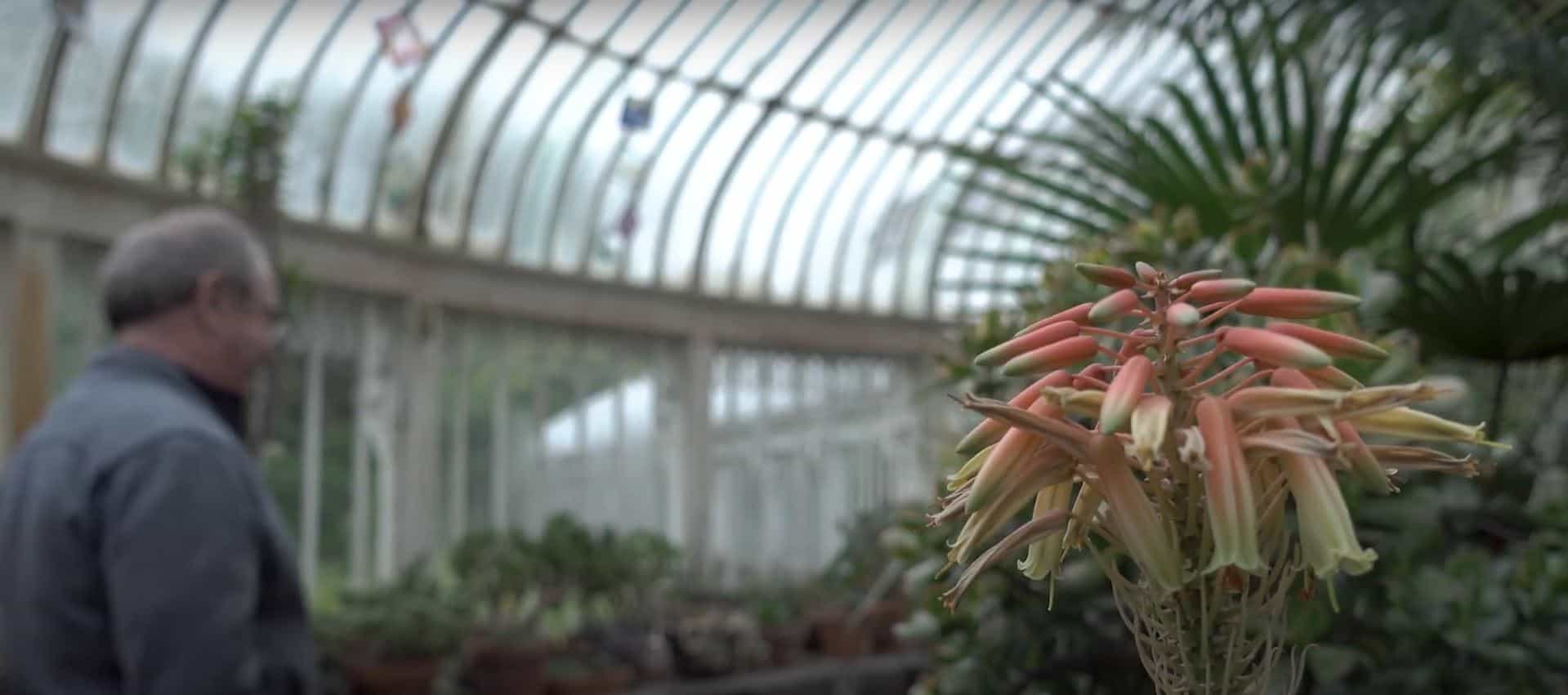
The star attraction is the Palm House, a stunning Victorian glasshouse completed in 1840 that predates London’s famous Palm House at Kew Gardens. The cast-iron and curvilinear glass structure houses tropical plants in a jungle-like atmosphere, with balconies allowing you to view the collection from multiple levels. The Tropical Ravine, another spectacular glasshouse featuring a sunken glen planted with exotic species including tree ferns, orchids, and birds of paradise, underwent complete restoration reopening in 2018 to universal acclaim.

Adjacent to the gardens, the Ulster Museum offers free admission to explore Northern Irish history, art, and natural sciences across four floors. Highlights include artefacts from the Spanish Armada wrecked off the Irish coast in 1588, an Egyptian mummy, dinosaur skeletons, comprehensive coverage of the Troubles, and an impressive art collection spanning Old Masters to contemporary works. The museum’s approach to telling Northern Ireland’s complex history proves both sensitive and informative, making it essential for understanding the region’s past.

The gardens and museum are located along the Stranmillis Road, approximately fifteen minutes’ walk south from City Hall or accessible via numerous bus routes. The combination makes for an excellent half-day visit, particularly on pleasant days when you can alternate between indoor and outdoor exploration.

Queen’s University and the Golden Mile

Queen’s University Belfast, founded in 1845, occupies a stunning red-brick campus dominated by the Lanyon Building—an architectural masterpiece by Charles Lanyon combining Tudor Gothic and Elizabethan revival styles. Whilst the university isn’t typically open for public tours, visitors can walk through the grounds, admire the architecture, and appreciate why Queen’s consistently ranks among the world’s top universities.

The area around Queen’s, known as the Golden Mile (the stretch of Great Victoria Street from City Hall to the university), offers numerous attractions. The Crown Liquor Saloon stands as the jewel—a Victorian pub so perfectly preserved that it’s owned by the National Trust. The ornate interior features snugs (private booths) with carved wooden panels, stained glass, decorated tiles, and gas lighting recreating an authentic 19th-century drinking experience. Even if you don’t fancy a pint, the interior warrants a visit simply as a work of decorative art.

The Grand Opera House, established in 1895, sits opposite the Crown on Great Victoria Street. This gorgeous theatre presents drama, dance, opera, comedy, musicals, pantomime, and West End shows in spectacular Victorian surroundings. The building itself—with its elaborate plasterwork, gilt decoration, and traditional theatre atmosphere—makes attending a performance special even before the curtain rises. Check their website for the current programme, which ranges from touring West End productions to comedy nights and local performances.

Belfast Zoo: Family-Friendly Adventure

Belfast Zoo, perched on the slopes of Cave Hill with commanding views across the city and Belfast Lough, offers an excellent family day out featuring over 140 species from around the world. Opened in 1934, the zoo has evolved considerably, focusing on conservation, education, and animal welfare whilst maintaining its appeal as one of Belfast’s most popular attractions.

Notable residents include Asian elephants, Rothschild’s giraffes, California sea lions, various penguin species, great apes, red pandas, and Sumatran tigers. Many species housed here face threats in their natural habitats, and the zoo participates in international breeding programmes helping preserve endangered species. Daily talks and feeding times add educational depth whilst allowing close-up views of animals being cared for by experienced keepers.

Be prepared for hills—the 55-acre site slopes significantly, and whilst paths are well-maintained, comfortable walking shoes are essential. Many visitors recommend starting at the top and working down, taking advantage of gravity. The location high on Cave Hill means spectacular views accompany your animal watching, particularly from the upper sections.

Practical information: Book tickets online in advance for guaranteed entry and slight discounts. The zoo is located approximately four miles north of the city centre, accessible via buses 1A, 1B, 1C, 2A, 2B, or 6A. Allow at least three hours for a thorough visit, longer if you have young children. Cafés and kiosks throughout the zoo provide food, though you can bring picnics to enjoy in designated areas. The zoo is open year-round except Christmas Day, with seasonal variations in opening hours.

Day Trips from Belfast: Beyond the City

Belfast’s compact size and central location make it the perfect base for exploring Northern Ireland’s spectacular scenery and attractions, all accessible as day trips.

Giant’s Causeway (1 hour drive) stands as Northern Ireland’s only UNESCO World Heritage Site—40,000 interlocking hexagonal basalt columns created by volcanic activity 60 million years ago. The dramatic coastline, with columns stepping down into the sea, creates one of the world’s most photographed natural wonders. Combine your visit with stops along the stunning Causeway Coastal Route, including Carrick-a-Rede Rope Bridge, the Dark Hedges (Game of Thrones filming location), and the charming villages of Ballycastle and Portrush.

Game of Thrones Tours take fans to filming locations across Northern Ireland where much of the series was shot. Castle Ward Estate served as Winterfell, Tollymore Forest Park as the Haunted Forest, the Dark Hedges as the Kingsroad, and Cushendun Caves as Stormlands locations. The official Game of Thrones Studio Tour, located thirty minutes from Belfast, houses an incredible collection of props, costumes, sets, and interactive exhibits bringing the show to life even for non-fans.

The Mourne Mountains (1 hour drive south) offer stunning hiking through Northern Ireland’s highest mountain range, immortalised in the song “The Mountains of Mourne” which describes them sweeping “down to the sea.” Walks range from gentle lakeside strolls to challenging mountain ascents, with spectacular granite peaks, reservoirs, and coastal views.

Derry/Londonderry (1.5 hours drive) provides another essential perspective on Northern Irish history through its complete 17th-century city walls (the only intact walled city in Ireland), political murals telling different stories than Belfast’s, the Peace Bridge, and the Museum of Free Derry examining Bloody Sunday. The city’s vibrant culture, riverside setting, and friendly atmosphere make it well worth a full day visit.

Practical Information for Visiting Belfast

Getting There: Belfast has two airports—Belfast International Airport (18 miles from city centre) and George Best Belfast City Airport (3 miles from city centre). Regular bus and taxi services connect both to the city. Ferry services from Scotland and England arrive at Belfast Port. The city also has excellent rail connections to Dublin (2 hours) and across Northern Ireland.

Getting Around: Belfast’s compact city centre is highly walkable, with most major attractions within a 20-minute walk of each other. The Glider rapid transit system connects east-west across the city. Traditional black taxis, Uber, and local taxi firms provide convenient transport. For further-flung attractions like Cave Hill or Belfast Zoo, public buses are frequent and inexpensive.

When to Visit: Belfast welcomes visitors year-round. Summer (June-August) offers the warmest weather and longest daylight hours but brings peak crowds and higher accommodation prices. Spring (April-May) and autumn (September-October) provide milder weather, fewer tourists, and lower prices whilst still offering good conditions for sightseeing. Winter brings Christmas markets and festive atmosphere, though expect rain and short days. Belfast’s weather is famously changeable—bring waterproofs regardless of season.

How Long to Stay: A long weekend (3 nights/4 days) allows you to explore Belfast’s major attractions whilst making one day trip. A full week lets you see Belfast thoroughly whilst taking multiple day trips to places like Giant’s Causeway, Game of Thrones locations, and Derry.

Where to Stay: The Cathedral Quarter and City Centre provide the most convenient bases for first-time visitors, with everything walkable and excellent restaurant and nightlife options. The Queen’s Quarter/University area offers a slightly quieter, more residential feel whilst remaining convenient. Titanic Quarter hotels appeal to those wanting a waterfront location near the Titanic Belfast attraction. East Belfast, including Stormont area, provides good value accommodation slightly outside the bustle.

Safety: Belfast is remarkably safe for visitors. The sectarian violence that once defined the city has largely disappeared, though some interface areas still see occasional tensions during marching season (particularly July). Stay aware of your surroundings in any city, but Belfast’s friendly locals, strong police presence, and tourism infrastructure make it welcoming for solo travellers, families, and all visitors.

What to do in Belfast: Seasonal Events and Festivals

Belfast’s events calendar brings additional reasons to visit throughout the year:

Belfast International Arts Festival (October) presents world-class theatre, music, dance, and visual arts across multiple venues.

Cathedral Quarter Arts Festival (May) transforms the neighbourhood with exhibitions, performances, installations, and celebrations of creativity.

Belfast Pride (late July/early August) has grown into one of Ireland’s largest LGBTQ+ celebrations, culminating in a massive parade through the city centre.

Belfast Christmas Market (November-December) at City Hall creates a festive wonderland with over 100 traders selling gifts, food, and drink in a European Christmas market atmosphere.

Culture Night (September) offers free late-night access to museums, galleries, historic buildings, and performances across the city.

The Belfast Difference

What makes Belfast special isn’t just individual attractions, impressive though they are. It’s the combination of world-class visitor experiences with genuine local character, warm hospitality, and a sense of a city confident in its present whilst acknowledging its complex past. You’ll find none of the tourist-trap artificiality that plagues many European cities—Belfast remains authentically itself, a working city that happens to welcome visitors rather than a destination designed primarily for tourism.

The food scene rivals Dublin or Edinburgh, offering everything from Michelin-starred fine dining to market stalls, from traditional Irish pubs serving proper grub to innovative restaurants representing global cuisines. The nightlife delivers whether you want craft cocktails, craft beer, traditional Irish music sessions, or dancing until dawn. The people possess that particular Northern Irish combination of friendliness and directness that makes conversations genuine and memorable.

Belfast proves that cities can transform, that peace can emerge from conflict, and that former industrial powerhouses can reinvent themselves for the 21st century without losing their soul. For visitors, this means experiencing a destination at its most dynamic—energetic, creative, proud of its progress whilst honest about its history. Whether you’re drawn by Titanic history, political tourism, natural beauty, urban culture, or simply curiosity about this much-discussed but often misunderstood city, Belfast rewards your visit with experiences that challenge expectations and create lasting impressions.

From exploring the shipyard where history’s most famous vessel was built to standing atop Cave Hill surveying the city spread below, from sampling artisan foods at St George’s Market to reflecting on conflict and reconciliation through political murals and peace walls, from world-class museums to traditional pubs where locals still gather, Belfast offers depth, diversity, and distinctiveness. This is a city that has earned its place among Europe’s must-visit destinations through transformation, talent, and an irrepressible spirit that shines through in everything from its architecture to its people. Come see for yourself what Belfast has become—you’ll likely leave planning your return visit.

Leave a comment

Your email address will not be published. Required fields are marked *