CORK: A COMPLETE GUIDE TO IRELAND’S REBEL CITY
Cork is Ireland's second-largest city, and locals will tell you, only half joking, that it's really the true capital. Sitting on the River Lee in the south-west of...
Guide to County Cork Nestled along Ireland's rugged southern coast, County Cork dazzles with its captivating blend of ancient heritage and modern vibrancy. From the iconic Blarney Stone...

County Cork, located in the province of Munster, is the largest county in Ireland by land area. The Atlantic Ocean blinds its southern border. The charming county is...

Are you wondering how to spend a day in Cork City? Well, you have come to the right spot, as we have the 5 best things to do....

We have compiled a list of the best places to eat in Cork City so you never go hungry when walking alongside the banks of the River Lee....

Kinsale is a beautiful seaside town and historical seaport, in the south of County Cork. Kinsale marks one of the endpoints of the Wild Atlantic Way, so if...
Ireland's coastline has countless islands, each offering a unique glimpse into the country's rich history, dramatic landscapes, and charming culture. But nestled along the southwest coast, a collection...

Located just off the coast of County Cork, you'll discover the alluring harbour Cobh Town. The charming town has an incredible history; between 1848 and 1950, its port...
County Cork, known as the Rebel County, is a tapestry woven with colourful threads of folklore and history. Unique tales of heroism, defiance, and the supernatural have been...
County Cork, often called Ireland’s “Rebel County”, combines history, culture, and scenic beauty with a reputation for culinary excellence. From the bustling streets of Cork City to the tranquil harbours of Cobh and the rugged landscapes of West Cork, this county offers visitors a rich and varied experience. Whether you are exploring medieval castles, enjoying artisan food, or sailing along the coastline, Cork promises adventure, flavour, and charm in equal measure.
Cork City, Ireland’s second-largest city, is known for its friendly atmosphere, vibrant culture, and lively arts scene. The city’s compact centre, located on an island in the River Lee, invites exploration on foot.
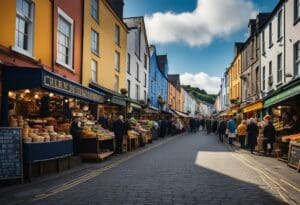
Historic landmarks such as St. Fin Barre’s Cathedral, with its impressive Gothic Revival architecture, and the Cork City Gaol, offering a glimpse into 19th-century prison life, tell stories of the city’s past. The English Market, a Victorian covered marketplace, remains at the heart of Cork’s food culture, with stalls selling artisan cheeses, freshly baked breads, and locally sourced produce.
Cafés, galleries, and traditional pubs line the streets, while annual events such as the Cork Jazz Festival attract international artists and audiences, making the city a hub of creativity and culture.
The charming harbour town of Cobh, once known as Queenstown, was the last port of call for the ill-fated Titanic in 1912. Today, visitors can learn about this history at the Cobh Heritage Centre and the Titanic Experience, which bring to life the stories of passengers who departed from its shores.
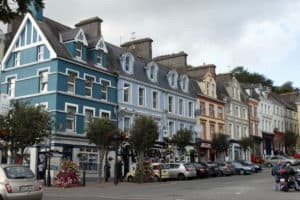
Cobh’s colourful waterfront houses, lively cafés, and stunning views across Cork Harbour create a postcard-perfect setting. Boat tours around the harbour reveal forts, islands, and wildlife, highlighting Cork’s longstanding maritime traditions.
West Cork offers some of Ireland’s most spectacular scenery, with a coastline dotted with fishing villages, sandy beaches, and dramatic peninsulas stretching into the Atlantic. The Wild Atlantic Way passes through this region, offering scenic driving routes with panoramic views and opportunities for hiking, kayaking, and whale watching.
Villages such as Kinsale, known for its colourful streets and gourmet restaurants, and Clonakilty, famed for its music and friendly pubs, provide perfect stops for food lovers and culture seekers.
Offshore, islands like Sherkin Island and Cape Clear offer peaceful escapes, wildlife encounters, and walking trails with breathtaking sea views.
Cork’s reputation as Ireland’s “food capital” stems from its thriving artisan food scene. Local farmers’ markets, food festivals, and award-winning restaurants celebrate the county’s agricultural and maritime heritage.
Seafood plays a starring role, with freshly caught fish, oysters, and mussels featuring prominently on menus across the county. Traditional dishes, such as Clonakilty black pudding, sit alongside modern culinary innovations, offering visitors a true taste of Ireland’s food culture.
Events like the Kinsale Gourmet Festival and the Taste of West Cork Food Festival showcase local produce, chefs, and traditions, making food experiences a highlight of any visit.
County Cork is easily accessible via Cork International Airport and well connected by road and rail to Dublin, Limerick, and Kerry. Accommodation ranges from boutique city hotels and coastal B&Bs to countryside retreats offering spa facilities and fine dining.
Whether you are tracing maritime history in Cobh, enjoying music in Clonakilty, or sampling seafood in Kinsale, County Cork offers something for every traveller. It is a place where history, culture, and cuisine combine to create a truly memorable Irish experience.