


Your Travel Guide to Visiting 15 Enjoyable Places in Porto
Updated On: April 15, 2024 by  Ahmed Samir
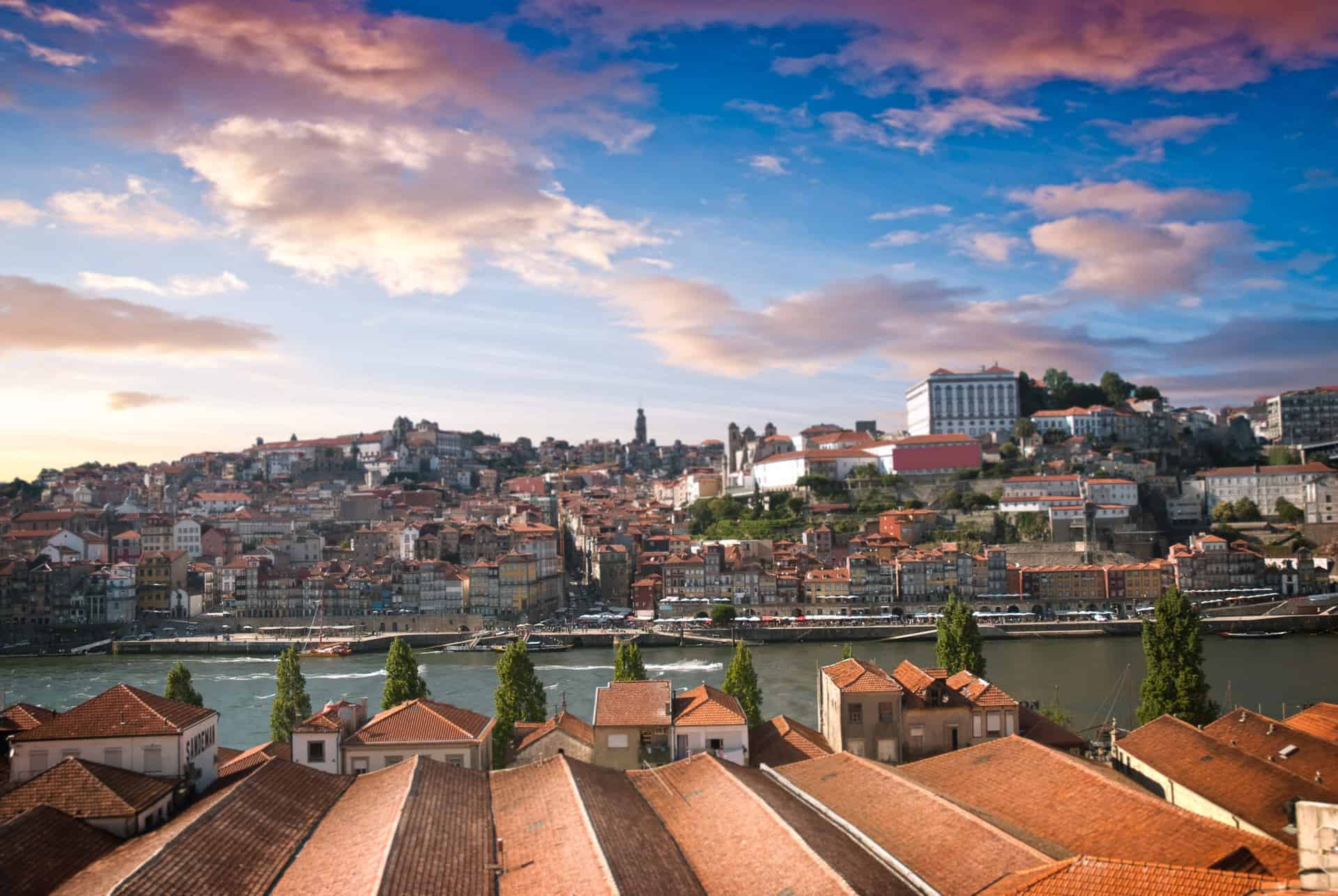
Porto is the second-largest city in Portugal after Lisbon, the capital, and is one of the most famous urban cities in southern Europe. It is also known as the second capital of Portugal, and the area of the city is 41.66 km2. Porto is located in the north of the country and overlooks the Atlantic Ocean and extends along the Douro River in northern Portugal.
The city is one of the world’s most famous cities in the world and at the GAWC level, which is the most important international study group. It was also registered as a World Heritage Site by UNESCO in 1996, this was due to its wonderful port, excellent geographical location, and also its architectural vision.
Settlements began to exist in Porto at the end of the Bronze Age in the 8th century BC, and it was occupied by the Romans in the second and first centuries BC. In the year 580 AD, the Visigoths took control of Porto, and evidence of this is the finding of coins in the city dating back to the 6th and 7th centuries and it was from the period when the Visigoths ruled the city.
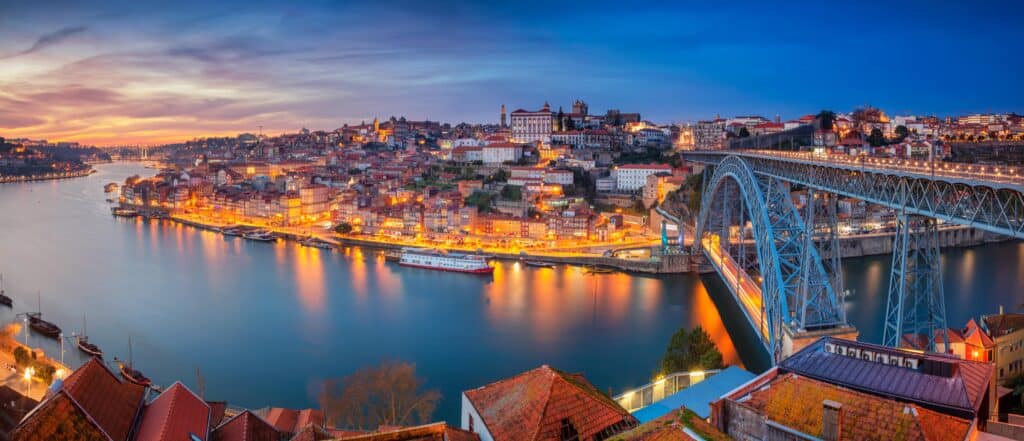
Porto is one of the wonderful tourist cities in Europe and enjoys a bustling life and has a great history and includes several tourist places that can be visited. You can visit the Riberia Porto neighborhood, which is one of the oldest places in the city, and enjoy watching the old houses there, and you can have a tour of the Douro River by riding about to enjoy everything around you.
There are many attractions that we will get to know more about in the coming part of the article, so let us start our tour in the beautiful city of Porto and know more about its attractions.
The Best Time to Visit Porto
In the north, where the city of Porto is located, it is famous for its cold and humid weather, and the best time to visit the city is in June and August, and at that time the weather is hot and dry, where you can enjoy the beaches there. The tourist season for Porto is from May to October, and the weather at this time is very nice.
Transportation in Porto
In the city of Porto, there are many means of transportation that you can use after you arrive at the city of Porto from the Francisco Sa Carneiro International Airport that is located 14 km to the north of the city, and these transportations include:
- Metro: The metro serves the suburbs of Porto and its stations within the city are few and connect the two main train stations, and the metro station opens from 6 AM until 1 Am.
- Bus: Buses serve all of Porto, day or night, and you can buy tickets when you arrive at the ticket office.
- Taxis: They are available 24 hours a day, and some taxis accommodate 4 people only, and others can take 8 people. Also, make sure to turn on the meter to know the cost of the trip.
Things to do in Porto
Porto is famous for having a large number of the most important and beautiful tourist attractions in Portugal, it is characterized by its attractive nature and moderate climate, and visitors always come to see the archeological sites located there, such as churches, palaces, and museums.
The city also includes recreational tourist attractions, parks, and gardens that impress tourists and they are the perfect places for lovers of calm and relaxation and also for all ages.
Clerigos Tower
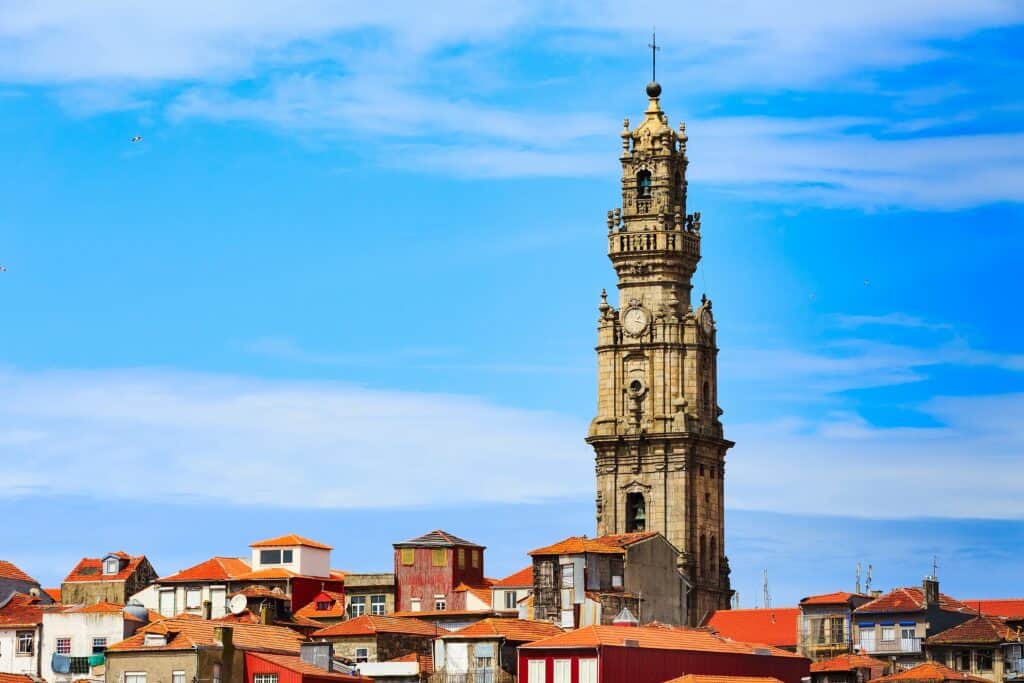
The Clerigos Tower is one of the most famous tourist attractions in Porto, it is characterized by its beautiful design, and it is the tallest tower in Portugal. The tower was built in the 18th century by the Italian architect Niccolo Nasoni in the Baroque style. The tower also includes a small exhibition that tells the history of the tower.
The tower is standing at 249 feet, where tourists climb 200 steps to reach the top of the tower. You will encounter 49 bells when you climb the tower, and you will find that the effort to climb all these steps will disappear when you reach the top and see the charming view of the Doro River and the old city, where you can take the most beautiful souvenir photos of the best tourist attractions in Porto.
Francis Church
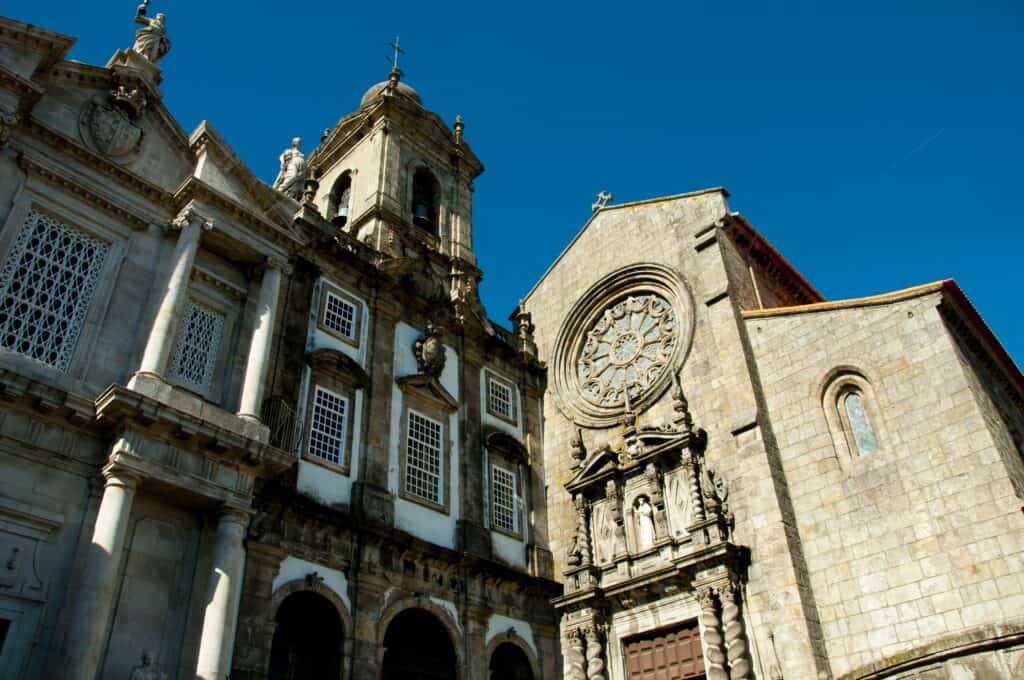
St. Francis Church is one of the most beautiful places to visit in Porto, with its 18th-century Baroque interior that is covered with a gilded crust, which many people agree is one of the best examples of gold working anywhere in the country.
When you enter the church look for the San Francisco tree, which is a family tree of canopy wood and painted in the form of the bloodline of Christ, you will see the tree boasting many details seen in the expressions of Jesus, Mary, Joseph, and other figures. Also, you can see the catacombs that are located under the church and see more valuable things in the museum located there.
Dom Luis I Bridge
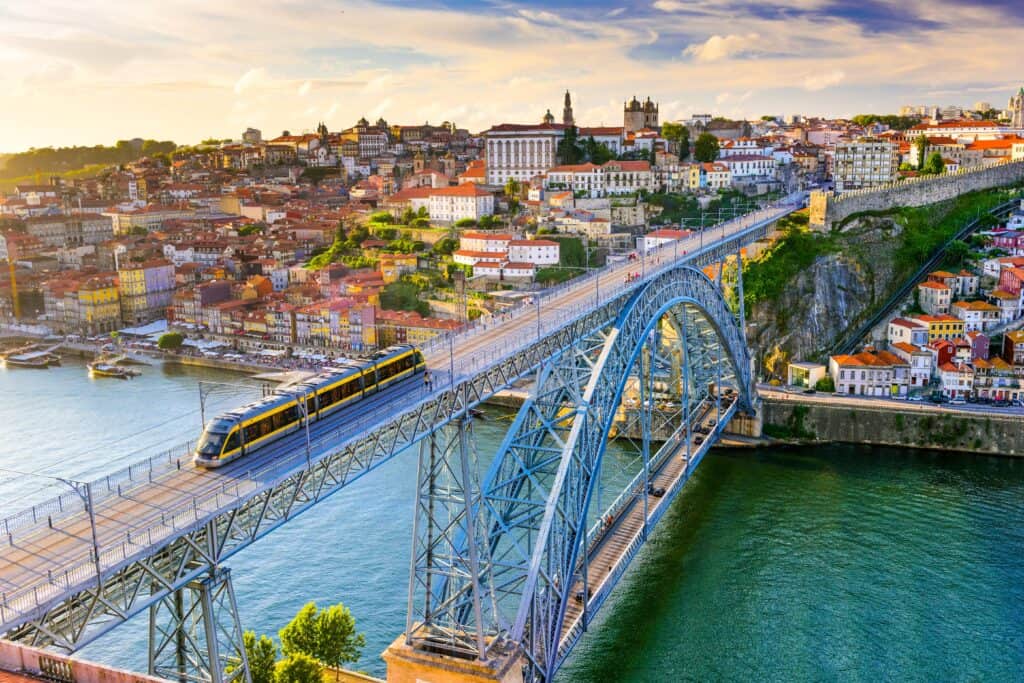
The beautiful Dom Luis I Bridge is one of the most innovative structures in Portugal, the bridge spans the Douro River to connect Porto to other places on the south bank. The charcoal-grey ironwork has Gustave Eiffel written all over it and he was an assistant to the French engineer who built the bridge in 1886.
The lower part of the bridge is used for passengers daily while the upper part is used for a metro railway line. You can also walk across the bridge using the narrow pavements on each side of the bridge and also if you are staying at the hotel of Mosteiro da Serra do Pilar, you can see from the terrace a beautiful view of the bridge.
Soares dos Reis National Museum
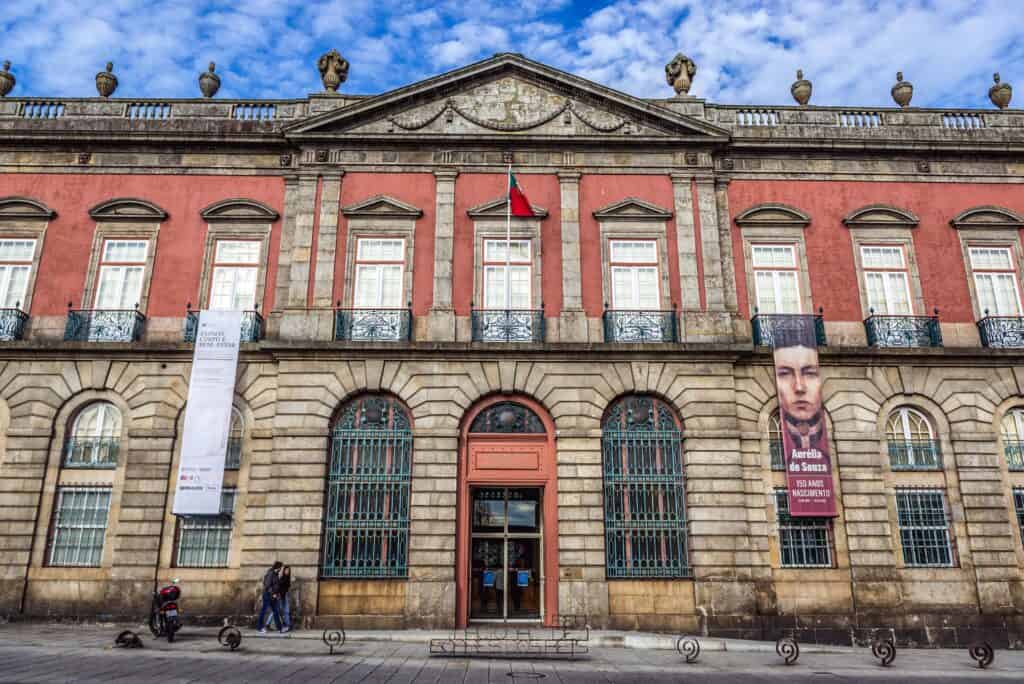
Soares des Reis National Museum is just the perfect place for art lovers, it is the place where you can find many Portuguese art collections from the 16th to the 20th centuries and also includes sculptures by Antonio Soares dos Reis.
The collections in the museum are works by Portuguese and foreign artists, and also Dutch and Flemish, while touring the museum you will see glassware from the 18th century, ceramic pieces including porcelain from China, and much more, and besides that, there is furniture from India and Japan.
Stock Exchange Palace (Palacio da Bolsa)
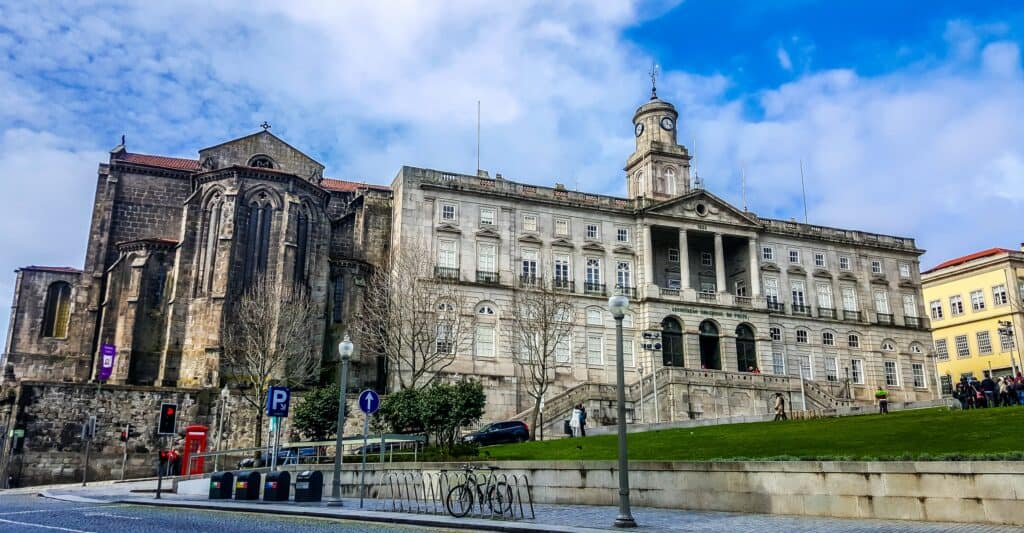
The Stock Exchange Palace was built in the 19th century on the site Franciscan monastery and the place contains a wealth of history. The interior of the palace is divided into several rooms and salons, while you are inside look up to see its gilded stucco ceiling in the Golden Room.
Don’t forget to see the furnished Chairman’s Room and the well-decorated Court Hearing Room, and one of the famous rooms there is the Arabian Room that was inspired by Granada’s Alhambra, and now it is the headquarters of the Porto Chamber of Commerce.
Avenida dos Aliados
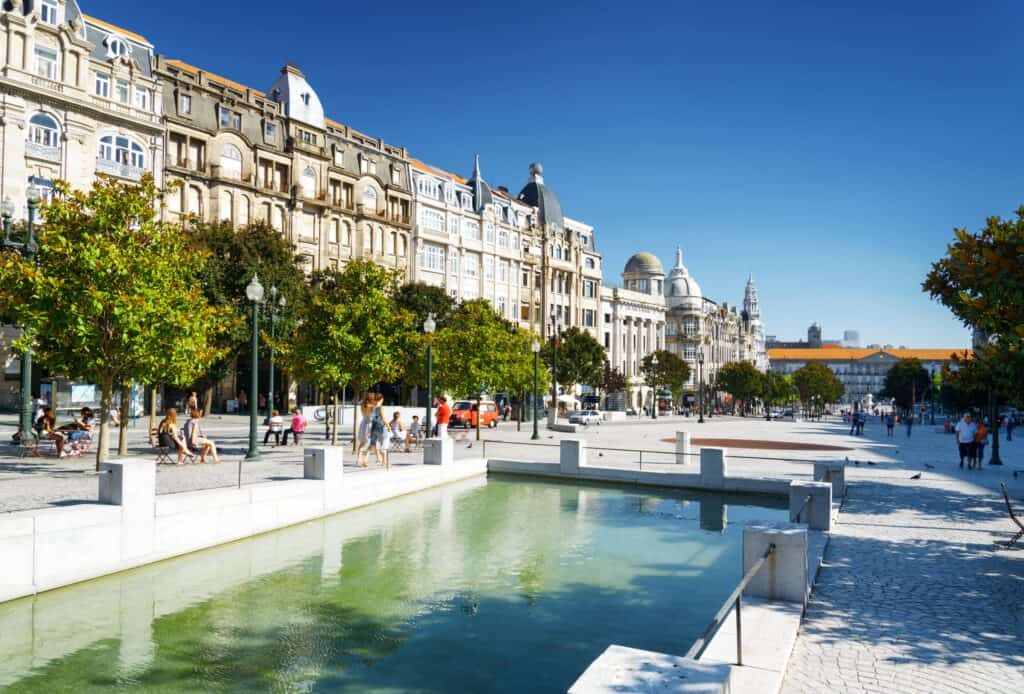
It is one of the best places to have a wonderful walk, the avenue is considered the city’s clamorous commercial hub and while walking you will find on both sides shops, cafes, restaurants, and boutiques. While you are walking in the streets you will see Liberty Square and you can start exploring the avenue from the nearby Porto’s central railway station.
To the north of the avenue is where Porto’s city hall is located and also near it in Formosa Street you will find the historic market of Bolhao. The market hall was refurbished until 2020, there was a temporary market made beyond the main place near the Bolhao Metro station, and in the market, you can buy fruits, vegetables, fish, meat, and much more things.
Music House
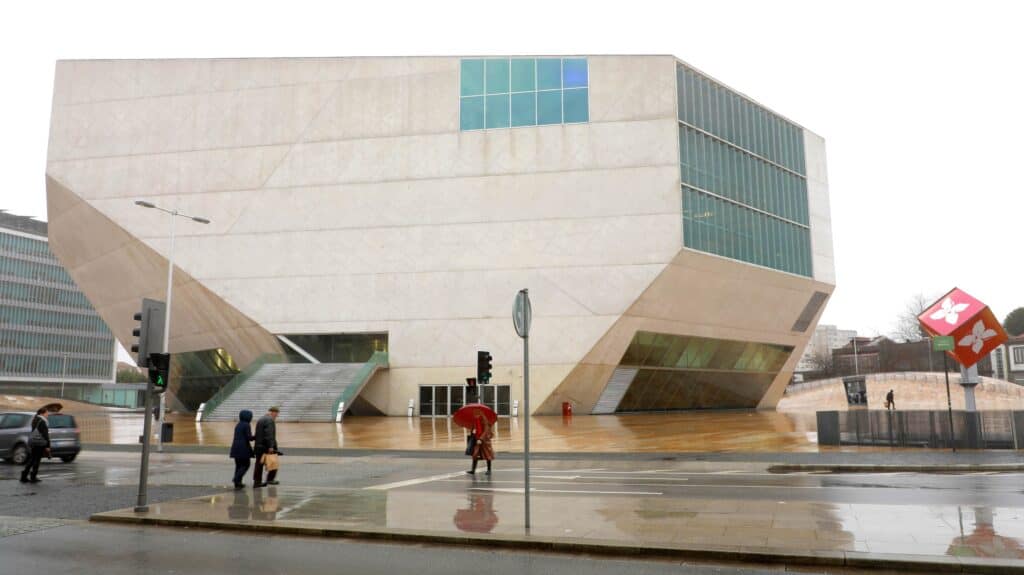
One of the best places in Portugal that offers lovely international concerts, it was built by the Dutch architect Rem Koolhaas to move the city into the 21st century. You can attend one of the many gigs staged within its bleachers, where you can hear many musical tastes from jazz, hip hop, classical and more.
Also, you can have a great meal in the top-floor restaurant that offers you Mediterranean cuisine and enjoy the spectacular view from the top of the Boavista neighborhood.
Se Cathedral
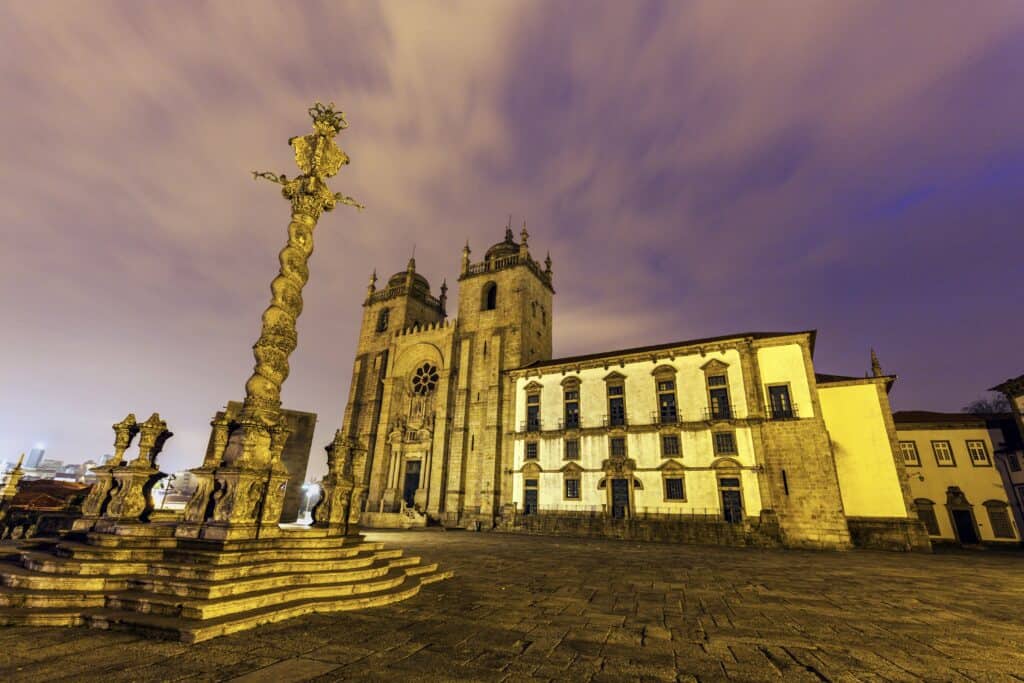
Se Cathedral is one of the most important historical and architectural places of tourism in Porto. It will be a great opportunity for you to explore this edifice dating back to the 12th and 13th centuries.
The cathedral is considered the largest place of worship in Porto and one of the oldest historical monuments. It is very popular in Porto city, and it is characterized by its buildings that are designed according to a high-level architectural style, and the walls are decorated with the most beautiful decorations and it is considered a suitable place to take the most beautiful souvenir photos, and it is the best witness to the nobility of the Portuguese civilization.
World of Discoveries
It is one of the best places that you will see in Porto for all ages, which shows you the period of exploration and conquest that went through Portugal and that will be seen in the museum and the park when you visit it. There are exhibitions that you can see in it the trips of the 15th-century Portuguese navigators that sailed to chart unknown water and map new lands.
Also, you can take a boat and discover the countries that were discovered by Vasco da Gama, and he was the person who mapped a sea route from Portugal to India, and also Pedro Alvares Cabral who reached Brazil in 1500. When you are on the boat, wear the audio headsets and hear everything about the history and culture of Portugal and the places that were colonized by the Portuguese.
Contemporary Art Museum
The Contemporary Art Museum is one of the famous museums in Portugal, it was designed by Alvaro Siza Vieira, and it is a white building which is an example of the great architecture in a twisted park located 4 km away from the city center.
The museum includes many collections that offer a different point of view on contemporary art in many media. All you will see there will give you the experience to make your mind up about the pieces and the intention of the artists. You can walk through the footpaths, which are located in an area of 18 hectares, including ornamented lakes, aromatic herb gardens, and much more.
Porto Tram
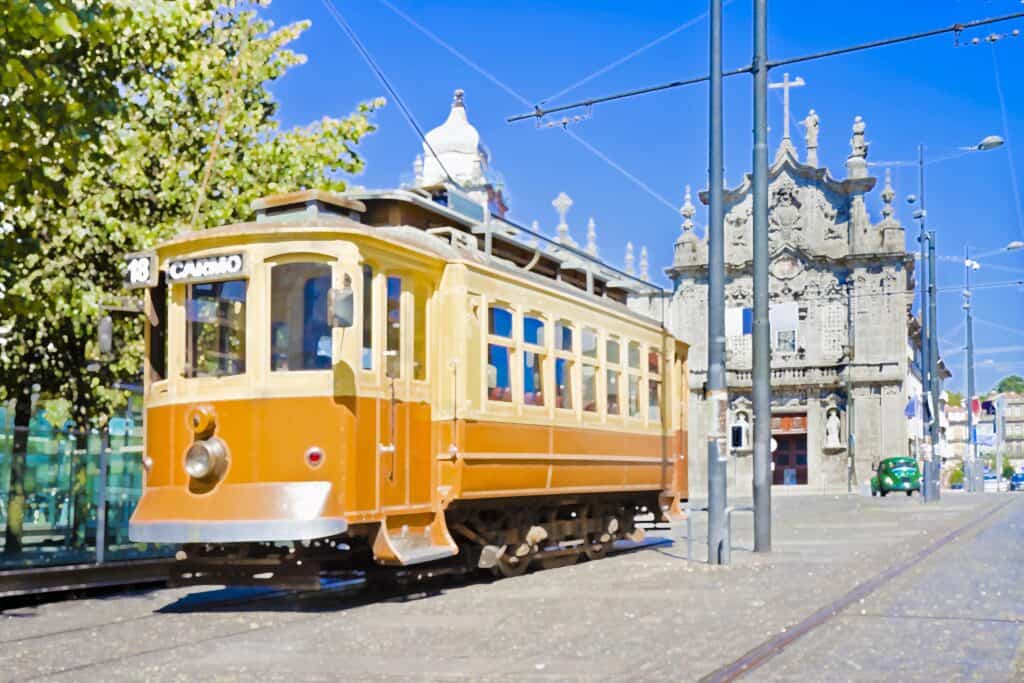
While touring Porto’s historic center, you can use the tram to discover and see the most important attractions in Porto and there are 3 different lines of the tram in the city. The first line starts near Ponte Dom Luis I, leaving from the Riverside Line to move west until the town of Foz do Douro and it is situated near the River Douro and beaches.
There is also line 18, and its route passes to Carmo Church and it ends at the Tram Museum. The last line is 22 and it passes through the Majestic Café, Carmo Church, and other places.
Vila Nova de Gaia
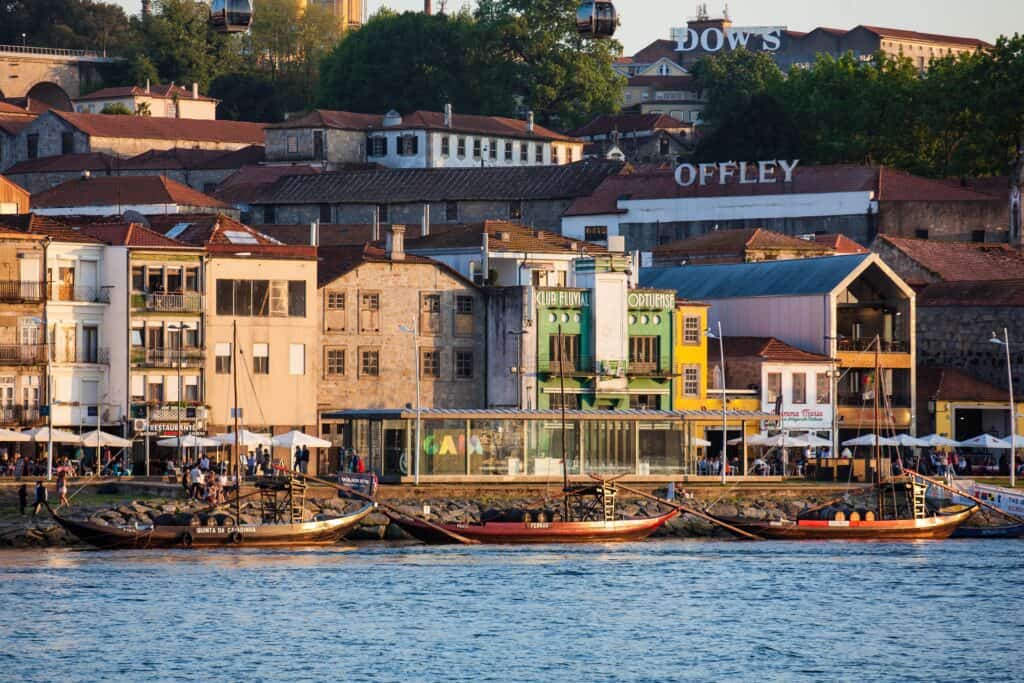
Vila Nova de Gaia is a town located in Porto, it can be reached easily by crossing the Ponte de Dom Luis I and when you are there you will see many restaurants and cafes lined up on the River Douro and it is also a starting point for many boat trips.
There you will also see the fleet of traditional barcos rabelos that is moored alongside the esplanade and it was used to ferry casks from the Douro port estate. Also, you can take a ride on the Gaia Car Cable giving you a fascinating view from up and running along the Gaia riverside and it is near the Monastery of Serra do Pilar.
Carmo Church
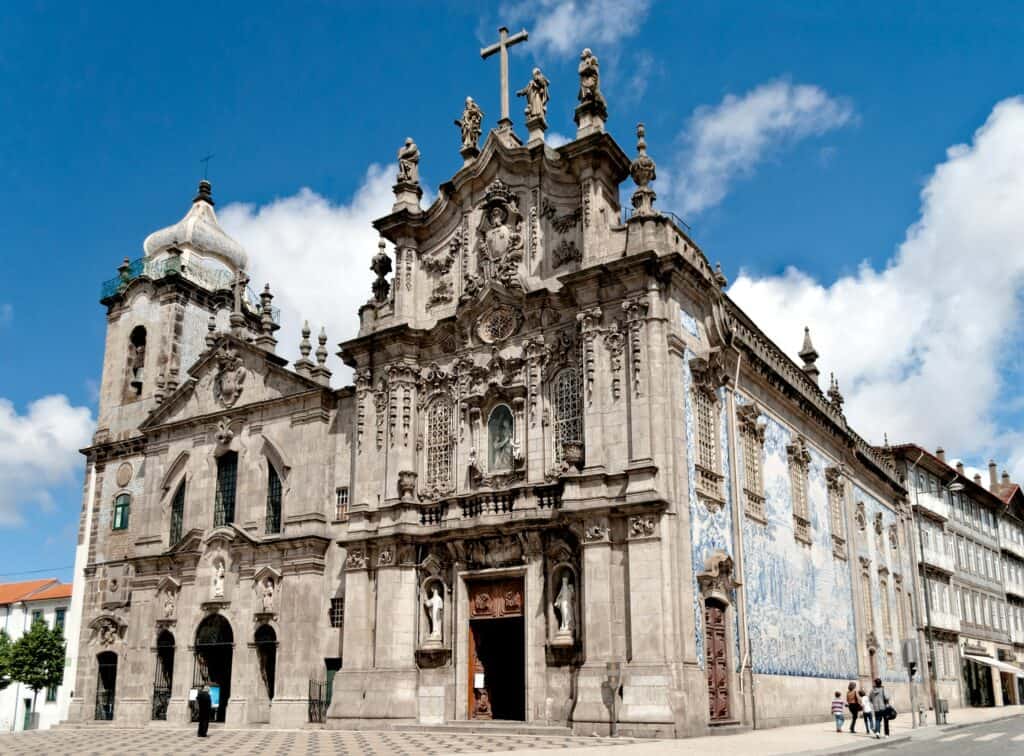
The Carmo Church shows you the beauty of its design, where its exterior is mixed with blue and white colors, and its façade is one of the most beautiful recognized in the city. The interior is decorated with gilt carvings and you will see the lovely Portuguese Rococo in the golden-brushed woodwork that is amazing.
Caiz da Ribeira
The Ribeira is one of the famous neighborhoods in Porto, it is full of history where you can discover medieval relics built over Roman foundations and it was declared as a UNESCO World Heritage Site. It is also a popular place with its restaurants and cafes which makes it the perfect place for relaxing.
Also when you visit the neighborhood you will find that it is a busy commercial district, where you will see grocers, butchers, and fishmongers too.
Café Majestic
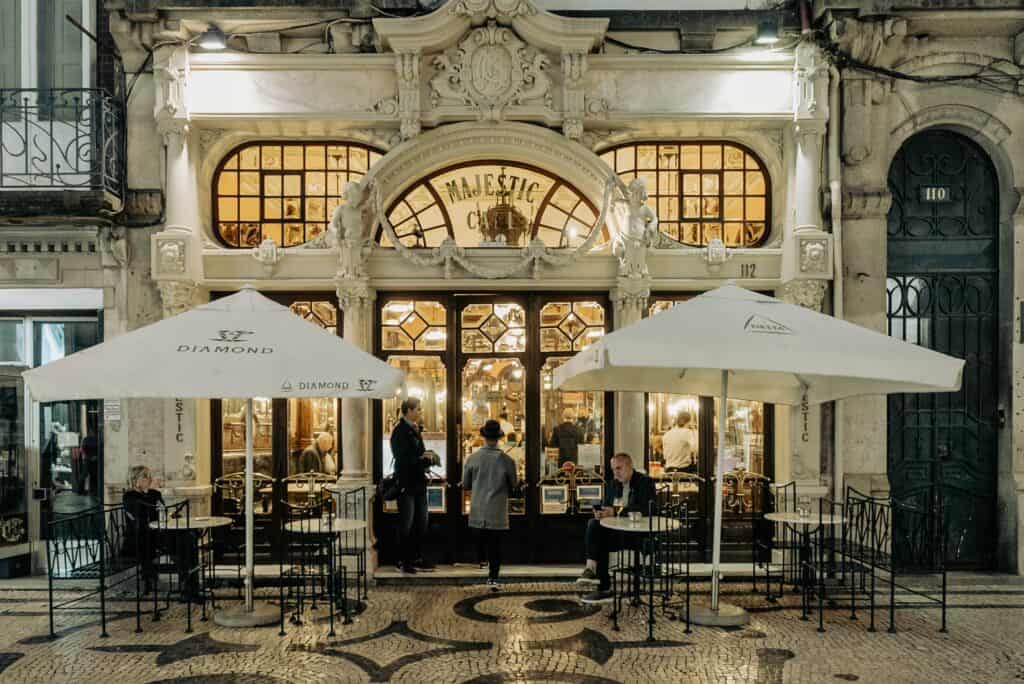
Café Majestic is one of the most popular cafes in Porto, it is the place where the author J.K. Rowling worked on her first book of Harry Potter and the Philosopher’s Stone. The façade of the café is decorated with stonework and undulating motifs.
When you enter inside you will find the ambiance of the 1920s’ with the originally carved wood chairs and also marble tables that lend a bohemian flavor. The menu of the café has a mixture of Portuguese and Mediterranean flavors, and also it is popular for its cakes and pastries.
Places to stay in When you arrive at Porto
With all the attractions located in Porto, you won’t be able to see them in just one or two days, so here are some hotels that you can stay in while you visit the beautiful city of Porto.
- InterContinental Porto: It is one of the famous hotels in the city, it was an abandoned palace, and then it was converted into a huge five-star hotel. It is located near many attractions like Clerigos Tower ad Carmelite Church.
- Le Munmental Palace: The hotel is located in the middle of the city, it contains 53 rooms and 13 suites, and it is a five-star hotel.
- Palacio do Freixo: It is a Baroque palace that belongs to a chain of huge hotels in the world. It is located on the bank of the river, and through the room, you will enjoy the most beautiful views, and inside the hotel, there are all entertainment facilities including swimming pools, a spa, and a large garden.
- M Maison Particuliere: It is a small hotel consisting of 10 elegant suites filled with antiques. It dates back to the 17th century, and the suites are designed to resemble a real home, with antiques and fabrics similar to those found in homes.

Exploring the Rich Tradition of Gaelic Festivals: Samhain, Imbolc, Bealtaine, and Lughnasadh
Festivals and Events
16/04/2024

Legendary Irish Golfers: A Celebration of the Emerald Isle’s Champions
Culture Exploration
16/04/2024
Westminster Pier – London Attractions
England
16/04/2024

Exploring the Ancient Meaning and Symbolism of Ailm: Strength and Endurance in Celtic Culture
Mythology and Folklore
16/04/2024

The Brandy Alexander Cocktail
Culture Exploration
16/04/2024