
Skip to content
Updated on: by Avatar image of authorCiaran Connolly

The Irish hospitality sector is a thriving industry. Donagh Davern recounts in Eolas Magazine that, in 2017 alone, the Irish tourism sector welcomed 10.65 million visitors from around the world.

This contributed an incredible €5.78 billion to the Irish economy, ensuring the demand for over 225,000 jobs.

Despite all this, there is room for growth in the Irish hospitality sector. Current projections have tourism rapidly expanding to 13.7 million visitors by 2025.

This will be a challenge, considering an extra 80,000 workers will be required. Forecasts from the Expert Group on Future Skills Needs (EGSFN) predict that these shortages will particularly affect chef positions and specialist roles.

The Irish hospitality sector needs 5,000 chefs annually, but currently, training colleges are only producing 1800 graduates to meet this demand. This leaves plenty of potential to find work in the Tourism market within Ireland, and the tourism industry in Ireland is attempting to make employment with them more attractive.

Irish Hospitality Sector

For example, Ashford Castle, one of Ireland’s best hotels, has invested €1.5 million in a new staff accommodation facility and offers several bus transfers to Galway each week for staff – easing the stress of commuting.

One of County Kerry’s five-star hotels, the Europe Hotel in Killarney, is investing €3 million in accommodation facilities for staff. Some hotels are making it more attractive to enter the workforce by also providing benefits like further education opportunities, childcare, and pensions for their employees.

Businesses in the Irish hospitality sector are finding multiple ways to attract potential employees and retain their staff. 

These remarkable initiatives are being put in place for those interested in a career in the hospitality and tourism sector in Ireland. The hospitality industry requires over 3000 extra staff in the Republic of Ireland through natural attrition alone.

The Evolution of Ireland’s Hospitality Industry

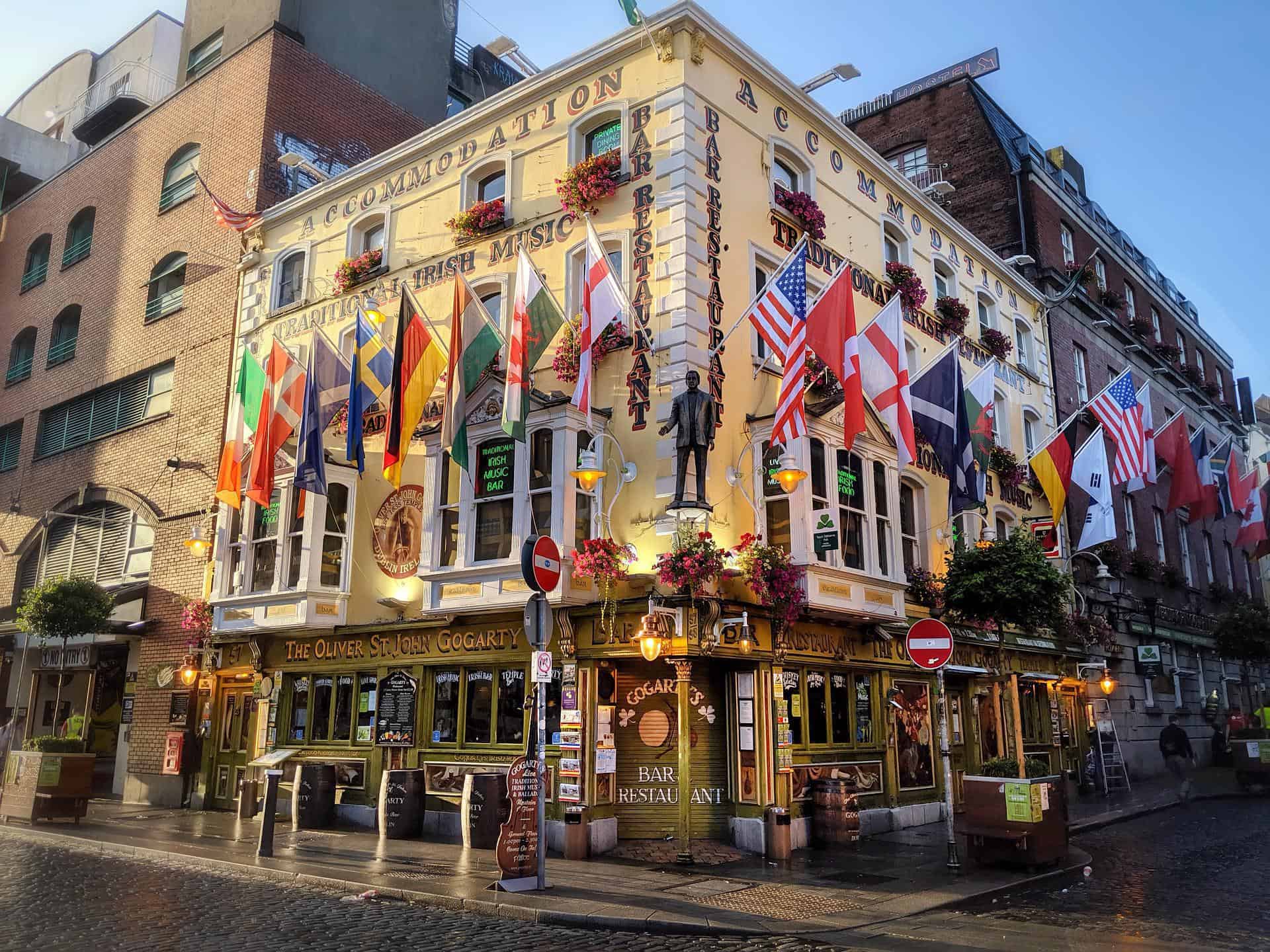
Historically, Ireland’s hospitality sector has always had a strong foundation due to the country’s rich cultural heritage and reputation for friendliness. Traditionally focused on local pubs, quaint bed and breakfasts, and family-owned hotels, the industry has since evolved into a multi-faceted network of services and experiences, from luxury hotels to experiential dining and innovative leisure activities.

With globalisation and the influx of international tourism, Ireland’s hospitality landscape has been transformed. Cities like Dublin, Galway, and Cork now host an array of world-class hotels, gourmet dining establishments, and unique experiences catering to a diverse international audience. The industry’s evolution has met changing demands and leveraged Ireland’s cultural heritage, natural beauty, and traditional values, ensuring visitors have an authentic and memorable experience.

The Economic Impact of the Hospitality Sector

Contributions to Employment

The hospitality sector is one of Ireland’s largest employers, contributing significantly to the economy. According to a report from the Irish Tourism Industry Confederation (ITIC), the sector employs over 250,000 people, or about 11% of Ireland’s workforce. This number is expected to grow as the demand for hospitality services increases, creating many job opportunities at various skill levels. The sector offers various employment options, from entry-level positions in food and beverage services to specialised roles in hotel management and tourism coordination.

Revenue and Tourism

Tourism and hospitality combined have emerged as significant contributors to Ireland’s economy, generating billions of euros in revenue annually. In 2019, for example, Ireland welcomed nearly 11 million international visitors, resulting in tourism revenue exceeding €5 billion. Despite the downturn caused by the COVID-19 pandemic, the sector has shown remarkable resilience, rebounding as restrictions were lifted and adapting to new trends such as eco-tourism, adventure tourism, and cultural heritage tourism.

Local Economic Benefits

In addition to boosting employment and revenue, the hospitality sector is essential for supporting local economies, particularly in rural areas. Hotels, restaurants, and tourism-related businesses are often central to the economy in smaller towns and communities, providing essential services and attracting visitors that support other local enterprises. This interconnectedness with the local economy ensures that the sector’s growth has a broad-reaching impact, enhancing the quality of life for residents and providing indirect employment in supporting industries like agriculture, arts and crafts, and transportation.

A Wide Array of Career Opportunities

Irish Hospitality Sector

Entry-Level Positions: A Pathway to Growth

One of the key benefits of the hospitality sector is that it offers a multitude of entry-level positions that require minimal experience or formal qualifications. Jobs such as waitstaff, baristas, and hotel housekeeping roles provide an excellent starting point for those looking to enter the workforce. These roles often offer flexible hours and on-the-job training, allowing employees to gain valuable skills and experience.

Mid-Level Roles: Skilled Trades and Specialist Positions

The hospitality sector offers a variety of mid-level positions that can provide stability and professional satisfaction for those with some experience or specialised training. Examples include chefs, event coordinators, and hotel receptionists. These positions require a certain level of expertise and are typically more rewarding regarding both responsibilities and compensation. Furthermore, these roles allow employees to deepen their industry knowledge, acquire specialised skills, and advance their careers.

Leadership and Management Roles

With experience, hospitality professionals can progress to management and leadership positions essential for operating hotels, restaurants, and other establishments. Roles such as hotel manager, restaurant supervisor, and event director involve overseeing teams, coordinating services, and ensuring high customer satisfaction. Leadership positions often come with increased responsibility, higher salaries, and opportunities for creative problem-solving.

Training and Development: Building a Skilled Workforce

Hospitality Management Scope in Ireland | Job Market | Life, Jobs, Accommodation in Athlone, Ireland

Industry-Led Training Programmes

Many employers in the Irish hospitality sector recognise the importance of training and invest in workforce development. Industry-led training programmes, such as those provided by Fáilte Ireland, the national tourism development authority, offer valuable resources for upskilling and certification. Programmes cover topics like customer service excellence, culinary arts, and management training, helping employees gain the skills necessary to succeed in their roles and advance in their careers.

Apprenticeships and Formal Education

The hospitality sector also benefits from many apprenticeships and educational programmes. Ireland offers accredited hospitality management courses, culinary arts diplomas, and event management qualifications, which are widely available through universities and vocational colleges. Apprenticeships in areas such as culinary arts and hotel management provide hands-on experience, allowing participants to earn while they learn and fostering a practical understanding of the industry.

Lifelong Learning: A Culture of Continuous Improvement

The nature of the hospitality industry demands a culture of continuous improvement and adaptation. From learning new culinary techniques to adopting emerging technologies, employees can expand their skills and stay ahead in a competitive market. Lifelong learning is encouraged within the sector, and employees are often supported in pursuing certifications, diplomas, and advanced degrees.

Challenges Facing the Hospitality Sector

Labour Shortages and Retention

Despite its growth, the hospitality sector in Ireland faces challenges, particularly when it comes to staffing. Labour shortages are an ongoing issue, exacerbated by the seasonal nature of tourism and, more recently, by the post-pandemic ‘Great Resignation’ phenomenon. Retaining staff is a challenge, especially in entry-level positions with high turnover rates. To address this issue, some employers focus on creating positive work environments, offering competitive wages, and providing clear paths for career advancement.

Rising Operational Costs

Another challenge for the sector is managing rising operational costs, including utilities and food supplies. Inflationary pressures have made it difficult for businesses to maintain profitability without passing costs on to consumers, potentially affecting demand. Many businesses are responding by implementing sustainable practices, such as reducing waste, sourcing local ingredients, and adopting energy-efficient technologies, which save costs and appeal to environmentally conscious customers.

Adapting to Technological Advances

Digital technology is transforming the hospitality sector, from booking systems to customer service interactions. Adapting to these advances presents both an opportunity and a challenge for businesses. Technologies such as mobile apps, AI-driven customer service, and online booking platforms have become integral to enhancing customer experience. However, adopting these technologies requires investment and can be daunting for smaller businesses with limited resources.

Emphasis on Sustainable Tourism

Sustainable tourism is central to Ireland’s hospitality sector as businesses and consumers increasingly prioritise environmentally friendly practices. From eco-friendly hotels that minimise waste to farm-to-table dining establishments that support local agriculture, sustainability is reshaping the industry. Ireland’s unique landscapes and natural beauty make it a prime destination for sustainable tourism initiatives, which support the preservation of these environments.

Experiential and Wellness Tourism

There is a growing interest in experiential and wellness tourism, which focuses on providing unique, immersive experiences beyond traditional sightseeing. Activities such as yoga retreats, heritage tours, and culinary workshops allow visitors to meaningfully connect with Ireland’s culture, history, and natural beauty. Wellness tourism, in particular, is gaining traction, with many establishments now offering health-oriented services such as spa treatments, nature-based activities, and fitness facilities.

Technology-Driven Experiences

Technology is revolutionising the hospitality experience, offering greater convenience and personalisation for guests. From contactless check-in at hotels to virtual concierge services, technology enhances guest experiences while improving operational efficiency. Many establishments also use social media and digital marketing to connect with potential customers, showcasing their unique experiences and building a loyal following.

Conclusion: A Field with Endless Potential

Ireland’s booming hospitality sector represents an exciting opportunity for those looking to establish or advance their careers in a vibrant, people-oriented industry. The sector’s expansive growth, ongoing innovations, and commitment to sustainability ensure a dynamic and promising future.

This industry offers job seekers a pathway to skill development, professional growth, and meaningful work in an environment that values human connection and customer satisfaction. The Irish hospitality sector is truly a field to grow in, providing employment and a rich, fulfilling career that celebrates Ireland’s welcoming spirit, cultural heritage, and stunning landscapes.

Leave a comment

Your email address will not be published. Required fields are marked *