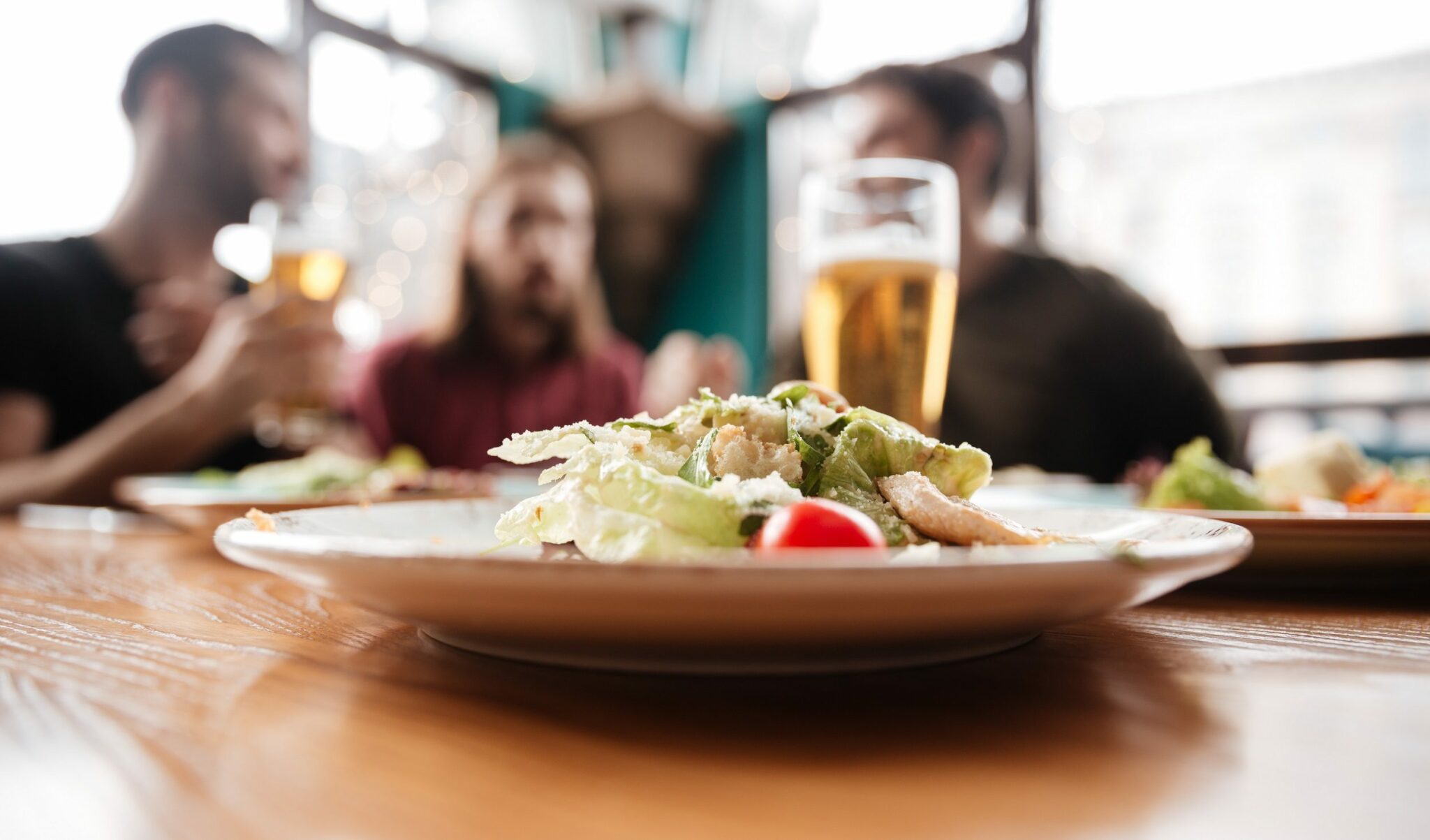
When we visit foreign countries, our experiences with food and drink form the bedrock of some of our most valued memories. Food and Beverage Service staff are the backbone of the Tourism and hospitality industry, with several career paths open to ambitious and hardworking professionals.
From waiters and bartenders to porters and catering assistants, all roles within the Food and Beverage Service sector require strong customer service skills, experience working with food and beverages and, in many cases, related qualifications such as food preparation or food hygiene certificates.
Food and Beverage Service roles typically require a working week of more than 40 hours, with the requirement to work extra shifts when necessary.
Table of Contents
Skills and Experience
- Ability to work under pressure
- Ability to work as part of a busy team
- Experience working in a Food and Beverage Service Environment
- Related qualifications in food preparation & hygiene
- Impeccable customer service standards
- Problem-solving, can-do attitude
- Willingness to work overtime in unsociable hours
- Strong levels of numeracy and literacy
- Strong communication skills
- Experience in cash handling and till operation
Food and Beverage Service roles can be demanding yet advantageous career paths. Whilst these roles can demand unsociable working hours and a requirement to work overtime shifts in peak periods, many excel with the diverse range of responsibilities offered by the Tourism & Hospitality sector. Whilst some roles may demand experience working in a previous Food and Beverage Services environment, others require extensive experience working within a kitchen environment. In essence, your role will ensure that guests’ experiences with food and drink are enjoyable, memorable and recommendable to others.
Entering a Food & Beverage Service role for the first time can be a daunting yet rewarding experience. Understanding the variety of roles this sector offers can help you understand the many career options available.
1. Types of Food and Beverage Service

Understanding the different types of food and beverage service is key to mastering this field. Each type of service has its own unique characteristics, and the choice of service style depends on the type of establishment, the menu, and the preferences of the guests.
1.1 Table Service
Table service is one of the most common forms of food service in restaurants and fine dining establishments. Here, the guests are seated at a table, and the waiter or waitress takes the order, delivers the food, and clears the table once the meal is finished. There are several sub-types of table service:
- Silver Service: Also known as English service, silver service is a formal style where the food is presented to the guest from a silver tray, and they serve themselves. It requires high-level skills from the server.
- American Service: This is a more casual style where the food is plated in the kitchen and served directly to the guest. This type is efficient and quicker than silver service.
- French Service: In French service, food is prepared and served tableside by the server, often on a trolley. It’s a high-end, theatrical service that requires well-trained staff.
- Russian Service: In Russian service, the food is prepared in the kitchen but presented to the guest in large portions. The server then carves or portions the food at the table.
1.2 Buffet Service
Buffet service allows guests to serve themselves from a variety of dishes laid out on a table or counter. This is commonly used for large groups, events, and casual dining settings. Buffets can offer a wide range of options, from hot and cold dishes to desserts, allowing guests to choose as much or as little as they like.
1.3 Self-Service
In a self-service setting, guests pick up their food and beverages from a counter or station. This type of service is common in fast food outlets, cafeterias, and food courts. It’s a quick and efficient method that reduces the need for table service staff.
1.4 Room Service
Room service is typically offered in hotels, allowing guests to order food and beverages from the comfort of their room. The orders are taken by phone or through an online system, and the food is delivered by a room service attendant. High-end hotels may offer 24-hour room service, providing a full menu for their guests.
1.5 Bar Service
Bar service focuses on beverages, especially alcoholic drinks, and may also include light snacks or meals. Bar staff, also known as bartenders, are responsible for preparing and serving drinks, maintaining a clean bar area, and sometimes entertaining guests. Good bartenders are knowledgeable about a wide variety of drinks and can mix cocktails to order.
1.6 Banquet Service
Banquet service is used for large events such as weddings, conferences, and corporate functions. The food and beverages are typically pre-arranged and served to a large number of guests simultaneously. Banquet service requires excellent coordination and communication among staff members to ensure timely and efficient delivery of meals.
1.7 In-flight Service
In-flight food and beverage service is unique to the airline industry, where passengers are served meals and drinks while on board. Depending on the class of service (economy, business, or first class), the level of service and menu offerings can vary significantly.
2. Essential Skills for Food and Beverage Service

To provide top-notch food and beverage service, staff must possess a variety of skills, ranging from communication to technical proficiency. These skills not only help to ensure smooth service but also enhance the overall guest experience.
2.1 Communication Skills
Good communication is crucial in food and beverage service. Staff must be able to clearly and courteously communicate with guests to take orders, provide recommendations, and address any concerns. Communication between kitchen staff and servers is also essential to ensure that orders are accurate and timely.
2.2 Time Management
In a busy restaurant or bar, time management is key. Servers need to juggle multiple tables, manage order timings, and ensure that food is delivered promptly. Efficient time management ensures that guests aren’t left waiting too long for their meals, which can negatively impact their experience.
2.3 Attention to Detail
Attention to detail is what sets excellent service apart from average service. This includes remembering guest preferences, ensuring that orders are correct, and noticing small details such as refilling drinks or offering extra napkins without being asked.
2.4 Product Knowledge
Having in-depth knowledge of the menu is crucial. Servers should be able to answer questions about ingredients, cooking methods, and portion sizes. In addition, they should be knowledgeable about the beverage offerings, including wines, beers, and cocktails, to help guests make informed choices.
2.5 Multitasking
In fast-paced environments, servers are often required to multitask. This means taking orders, serving food, checking in with other tables, and keeping an eye on the progress of orders in the kitchen, all at the same time.
2.6 Problem-Solving
Inevitably, there will be times when things don’t go according to plan. Perhaps an order is incorrect, a guest has an allergy concern, or there’s a delay in the kitchen. In these situations, staff must think on their feet and find quick solutions to resolve any issues without causing unnecessary stress for the guest.
3. Steps of Service in Food and Beverage
Providing a seamless dining experience requires following specific steps of service, from greeting the guest to processing payment and thanking them. Let’s break down these steps:
3.1 Greeting the Guest
The guest’s first impression of the establishment begins with the initial greeting. Whether it’s the host or the server, a warm and friendly greeting sets a positive tone. Greet the guests with a smile and, if applicable, confirm their reservation and guide them to their table.
3.2 Presenting the Menu and Taking Orders
Once seated, guests should be presented with menus and offered a beverage. It’s essential to give guests enough time to peruse the menu but also remain attentive to when they’re ready to order. Servers should be knowledgeable about the daily specials, and recommendations should be offered where appropriate.
3.3 Serving Food and Beverages
When serving food and drinks, it’s important to follow proper etiquette. Serve beverages from the right and food from the left, ensuring that plates are delivered to the correct person. Check back with the guests shortly after serving to ensure everything is satisfactory.
3.4 Checking Back and Clearing Plates
After the main course, check with the guests to see if they need anything else and begin clearing plates that are no longer in use. This should be done discreetly to avoid disturbing the guest’s conversation.
3.5 Offering Desserts and Coffee
Once the main course is cleared, offer the dessert menu or suggest coffee and after-dinner drinks. Again, it’s important not to rush the guest but to offer these options at a comfortable pace.
3.6 Processing Payment
When the guest is ready, present the bill in a professional manner. Thank the guest for their visit and process the payment promptly. Whether they’re paying by card or cash, ensure that the transaction is handled smoothly and discreetly.
3.7 Farewell
A sincere farewell leaves a lasting impression. Thank the guests for dining at your establishment and invite them to return. This final step of service can influence whether a guest becomes a regular customer.
4. The Role of Technology in Modern Food and Beverage Service
Technology has revolutionised the food and beverage industry, making service faster and more efficient. From point-of-sale (POS) systems to online ordering platforms, technology plays a critical role in modern dining establishments.
4.1 Point-of-Sale (POS) Systems
POS systems are used to manage orders, process payments, and track inventory. They streamline the service process by allowing servers to input orders directly into a computer or tablet, which then sends the order to the kitchen. This reduces the likelihood of errors and ensures that orders are delivered in a timely manner.
4.2 Online Reservations and Ordering
Many restaurants now offer online reservations and ordering systems, allowing guests to book a table or place an order from the comfort of their home. This not only improves convenience for the guest but also helps restaurants manage capacity and avoid overbooking.
4.3 Digital Menus and Contactless Payment
In response to the COVID-19 pandemic, many restaurants have adopted digital menus and contactless payment options. Guests can scan a QR code to view the menu on their smartphone and pay using mobile payment systems like Apple Pay or Google Wallet. These technologies not only enhance convenience but also reduce physical contact.
5. Best Practices for Food and Beverage Service
Finally, let’s look at some best practices that can elevate your food and beverage service to the next level:
- Personalisation: Where possible, personalise the service. Remembering guest preferences, allergies, or special occasions can make them feel valued and appreciated.
- Consistency: Ensure that all staff are trained to provide consistent service. From greeting to farewell, the experience should be seamless across all interactions.
- Cleanliness: Hygiene and cleanliness are non-negotiable in food and beverage service. This includes the cleanliness of the dining area and kitchen, as well as staff personal hygiene.
- Teamwork: Food and beverage service is a team effort. Effective communication and cooperation among staff ensure that service runs smoothly.
Conclusion
Food and beverage service is a dynamic and rewarding field that requires a blend of technical skills, people skills, and a deep understanding of hospitality. Whether you’re working in a casual café or a fine dining restaurant, mastering the art of service can lead to happy guests, loyal customers, and a successful establishment. By understanding the various types of service, honing essential skills, and adopting best practices, you’ll be well on your way to providing exceptional food and beverage service that stands out in the competitive hospitality industry.
Now that you have a full oversight of the roles available within Food and Beverage Services environment, you are ready to find the perfect role to start your career in the sector. To discover more vacancies in Irish tourism and hospitality, visit our jobs board.