The viewpoints of Granada sit dramatically where the Sierra Nevada mountains meet Andalusia’s rolling plains, creating some of Spain’s most spectacular vistas. The city’s unique topography offers visitors countless spots to take in sweeping views of terracotta rooftops, Moorish architecture, and snow-capped peaks. Each viewpoint tells its own story, whether you’re watching sunset paint the Alhambra golden or discovering a quiet corner where locals gather.
Granada’s elevation changes create natural viewing platforms throughout the historic quarters. The Albaicín neighbourhood climbs one hillside while the Alhambra fortress crowns another, with the Darro River valley running between them. This geography means you’re constantly looking up, down, or across at different layers of the city’s 2,000-year history. Roman foundations support Moorish walls, which in turn frame Renaissance churches—all visible from the right vantage point.
What sets Granada apart from other Spanish cities is how accessible these viewpoints remain. You don’t need special permits or tickets for most spots. Instead, you simply walk uphill through residential neighbourhoods where laundry hangs from balconies and neighbours chat in doorways. The journey to each viewpoint becomes part of the experience, revealing Granada’s character through narrow streets that have changed little in centuries.
ConnollyCove has spent considerable time exploring Granada’s hills and hidden corners, filming the city from every possible angle. We’ve climbed steep cobbled streets in the Albaicín, waited for perfect light at famous miradors, and chatted with residents about their favourite spots. This guide shares the viewpoints that truly capture Granada’s spirit, along with practical tips for experiencing them like a local rather than just another tourist snapping quick photos.
Table of Contents
The Iconic Mirador de San Nicolás
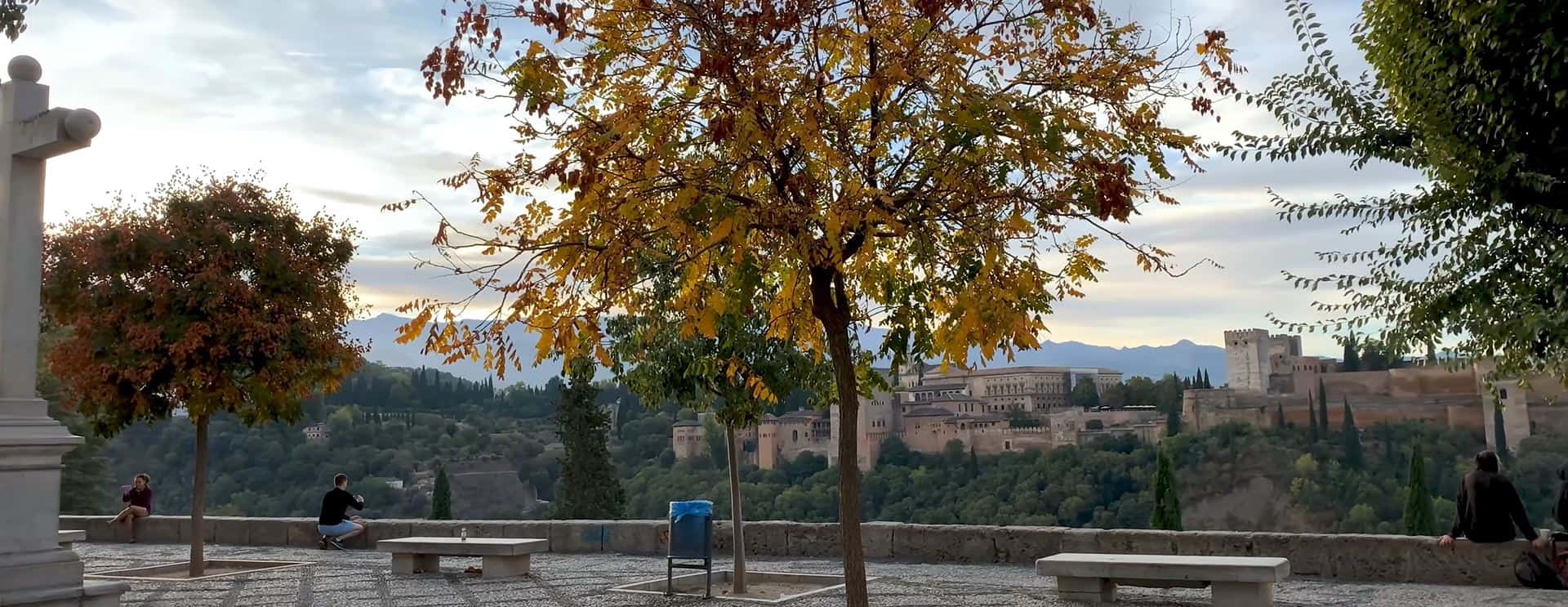
The Mirador de San Nicolás remains Granada’s most famous viewpoint for good reason. This plaza in the Albaicín neighbourhood offers an unobstructed view of the Alhambra fortress complex set against the Sierra Nevada backdrop. Arrive an hour before sunset, and you’ll find street musicians, local families, and visitors from across the globe gathering to watch the light change across the ancient walls.
The viewpoint gets crowded during peak season, but the atmosphere feels celebratory rather than overwhelming. Street vendors sell cold drinks and snacks, while flamenco guitarists provide an authentic soundtrack to your evening. The Iglesia de San Nicolás sits behind the plaza, adding architectural interest to the space itself.
For the best experience, position yourself on the left side of the mirador where you can see both the Alhambra’s Alcazaba fortress and the Generalife gardens. The changing light creates different moods throughout the day—morning offers crisp clarity, while evening brings that famous golden hour glow that photographers prize.
Hidden Gems Beyond the Crowds
While Mirador de San Nicolás deserves its reputation, Granada’s real magic often reveals itself at quieter spots where you’ll find more locals than tour groups. These lesser-known viewpoints offer equally stunning perspectives without the elbow-to-elbow crowds, giving you space to actually enjoy the moment rather than just photograph it.
Mirador de San Cristóbal
Just a ten-minute walk uphill from San Nicolás, the Mirador de San Cristóbal offers equally stunning views with a fraction of the crowds. This quiet plaza provides a different perspective on the Alhambra, showing its full length along the hillside. The intimate space includes benches shaded by trees, making it perfect for a longer stay.
Local families bring picnics here on weekends, creating a neighbourhood atmosphere that feels worlds away from tourist Granada. The adjacent church dates from the 16th century, and the surrounding streets showcase traditional Albaicín architecture with their white-washed houses and flower-filled balconies.
Mirador de la Lona
The Mirador de la Lona sits further up the Albaicín hill, requiring a steeper climb but rewarding visitors with panoramic views across Granada’s entire valley. This spot works particularly well during early morning when the city slowly awakens, and light mist often hangs over the lower neighbourhoods.
The viewpoint includes a small café where you can grab coffee while enjoying the vista. Unlike the more famous miradors, La Lona sees mostly local residents and serious photographers who appreciate the elevated perspective. The walk up takes you through some of the Albaicín’s most charming streets, lined with traditional cármenes (houses with enclosed gardens).
Viewpoints in the Sacromonte District
While Mirador de San Nicolás deserves its reputation, Granada’s real magic often reveals itself at quieter spots where you’ll find more locals than tour groups. These lesser-known viewpoints offer equally stunning perspectives without the elbow-to-elbow crowds, giving you space to actually enjoy the moment rather than just photograph it.
Camino del Sacromonte Overlooks
The road winding up through Sacromonte passes several natural viewpoints offering unique angles on both the Alhambra and Granada’s modern quarters. These informal spots don’t have official names but provide excellent photo opportunities, especially during late afternoon when the sun illuminates the city below.
The climb can feel steep, but stopping frequently at these viewpoints gives you legitimate excuses to catch your breath while enjoying the scenery. You’ll often spot locals walking their dogs or sitting on roadside walls, perfectly content to spend an hour watching the light change.
Abadía del Sacromonte Terrace
The Abbey of Sacromonte sits at the district’s highest point, and its terrace offers commanding views across Granada. While this viewpoint requires an admission fee to access the abbey grounds, the elevated position provides perspectives you simply can’t get elsewhere. The combination of religious architecture and natural beauty creates particularly striking compositions for photography.
The abbey itself dates from the 17th century and houses interesting historical exhibits worth exploring before heading to the viewpoint. The surrounding area remains quieter than lower Sacromonte, giving the whole experience a contemplative quality.
Modern Granada’s Perspective
Experience modern Granada through its fusion of Moorish legacy and bold contemporary design, from street art to cutting-edge gastronomy. Locals’ voices shape the city’s future—sustainable, creative, and distinctly Andalusian.
Mirador del Cerro de San Miguel
Sometimes called the “Alto del Aire,” this viewpoint in the Albaicín offers sweeping 360-degree views encompassing the Alhambra, Sierra Nevada, and modern Granada’s expanding neighbourhoods. The slightly off-the-beaten-path location means you’re more likely to share the space with local residents than international visitors.
The area includes playground equipment and benches, making it popular with families during afternoon hours. The casual atmosphere encourages longer stays where you can watch daily life unfold across the city below while children play nearby—a genuine slice of residential Granada rarely experienced by short-term visitors.
Practical Tips for Viewpoint Visits
Timing makes all the difference when visiting Granada’s viewpoints. The famous miradors see their heaviest crowds between 6-8 pm during the summer months, particularly at Mirador de San Nicolás. Visit during weekday mornings or late afternoons outside peak tourist season for a more peaceful experience.
The Albaicín’s steep, narrow streets require comfortable walking shoes with good grip. Cobblestones can become slippery after rain, and the constant climbing challenges even reasonably fit visitors. Bring water, especially during summer when Granada’s temperatures regularly exceed 35°C.
Most viewpoints lack facilities, so plan accordingly. Small neighbourhood bars near San Nicolás offer toilets and refreshments, but more remote spots have nothing nearby. The walk up to these viewpoints often takes longer than expected—allow 20-30 minutes from central Granada to reach most Albaicín miradors.
Photography enthusiasts should consider bringing a lightweight tripod for evening shots. The golden hour provides magical light, but as darkness falls, longer exposures capture the illuminated Alhambra beautifully. A wide-angle lens helps capture the full panorama, though standard focal lengths work perfectly well for most compositions.
Making the Most of Your Visit
Consider spreading your viewpoint visits across multiple days rather than trying to see everything in one exhausting climb. Each location offers its best light at different times, and rushing diminishes the contemplative quality that makes these spots special.
The Albaicín’s maze-like streets invite getting lost, and some of the best viewpoints appear unexpectedly while wandering. Don’t rely entirely on GPS—look up frequently and follow streets that seem to climb higher. Many excellent spots remain unmarked and unnamed, known only to residents and explorers willing to take wrong turns.
Local etiquette matters, particularly at residential viewpoints where people live. Keep noise levels reasonable, respect private property, and clean up after picnics. The neighbourhood’s charm depends on maintaining its liveable character rather than becoming an open-air tourist attraction.
Conclusion about the Viewpoints of Granada
The viewpoints of Granada offer far more than Instagram fodder—they provide spaces to understand the city’s geography, history, and daily rhythms. From the celebratory atmosphere at Mirador de San Nicolás to quiet moments at hidden spots in Sacromonte, each location reveals different aspects of Granada’s character.
The best approach combines famous and lesser-known viewpoints, visiting at various times to experience how light and atmosphere transform these spaces. Take time to sit rather than just snap photos and leave. Watch how locals use these spaces, listen to the sounds of the city below, and let Granada’s beauty sink in properly.
ConnollyCove’s video captures several of these viewpoints in different conditions, showing how dramatically the scenery changes throughout the day. When you visit in person, you’ll discover your own favourite spots and times, creating Granada memories that extend far beyond any photograph.