Updated on:
by
 Fatma Mohamed
 Fatma Mohamed
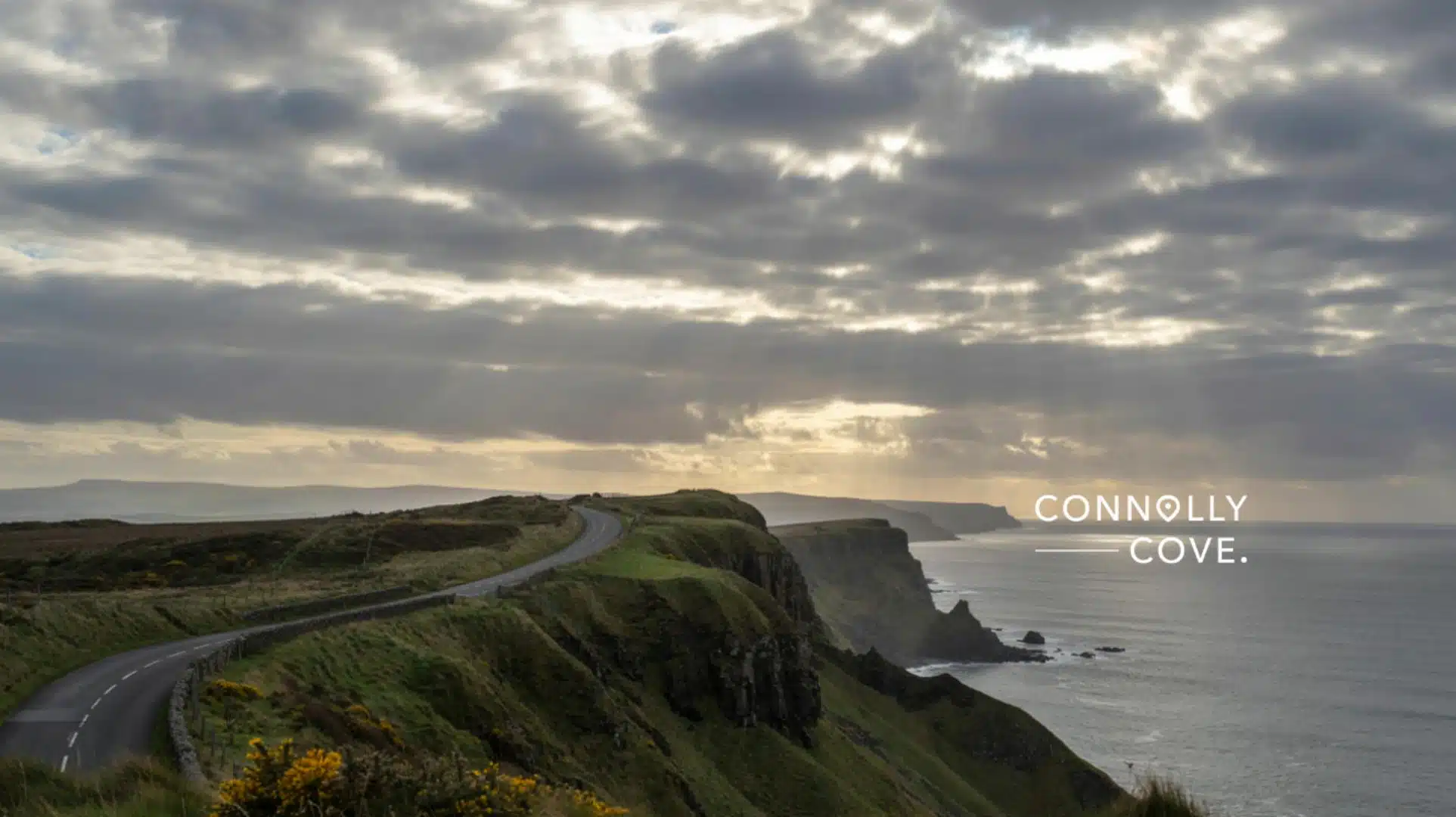
The North Coast of Northern Ireland is one of those places that photographs well but plans badly. Most visitors arrive with a shortlist: the Giant’s Causeway, the rope bridge, maybe the Dark Hedges if there’s time. What they don’t plan for is how far apart these places actually sit, or how long each one deserves once you’re standing there.
This guide skips the highlight reel and focuses on the logistics: how many days to set aside, which order to tackle the coast in, and where to stay so you’re not driving an hour each way every morning. For a fuller look at the Giant’s Causeway itself, including the geology and the folklore behind it, ConnollyCove has covered that in depth already; this piece is about getting the trip itself right.
Table of Contents
How Long Do You Actually Need?
One full day covers the big three. Two to three days let you actually enjoy them.
If you’re short on time, a single long day from Belfast can take in the Giant’s Causeway, Carrick-a-Rede and Dunluce Castle, provided you start early and accept that you’ll be driving back in the dark during winter months. It works, but it’s tiring, and you’ll spend more time in the car than at any one site.
A two-night stay changes the maths completely. You get a proper morning at the Causeway before the coach parties arrive, an afternoon at Carrick-a-Rede without queuing for the bridge, and a spare half-day for Ballintoy, the Dark Hedges or Bushmills. Extend that to three or four nights, and you can add Rathlin Island or the Glens of Antrim without racing the clock.
| Stop | Approx. Distance/Time From Belfast | Suggested Time on Site |
|---|---|---|
| Giant’s Causeway | 60 miles / 1hr 30 | 2 to 3 hours |
| Carrick-a-Rede Rope Bridge | 70 miles / 1hr 45 | 1 to 1.5 hours |
| Dark Hedges | 55 miles / 1hr 15 | 30 to 45 minutes |
| Dunluce Castle | 62 miles / 1hr 35 | 45 min to 1 hour |
| Bushmills Distillery | 58 miles / 1hr 25 | 1.5 hours (with tour) |
| Portrush | 65 miles / 1hr 40 | Half day or overnight base |
Getting There and Getting Around
A hire car is the most practical option; the coast isn’t well suited to a single fixed itinerary by public transport.
Belfast is the usual starting point, and the drive north follows the Causeway Coastal Route, which threads along the Antrim coast rather than cutting inland. It takes longer than the direct road, but the direct road misses most of what makes the trip worthwhile. Buses run from Belfast to Coleraine and on to Portrush, and from there local services reach Bushmills and the Causeway, though timetables thin out considerably outside peak season.
If you’re coming from Dublin, allow closer to three hours to reach the Causeway area, and consider routing through Belfast rather than direct, since the road network favours it.
Parking is worth planning for separately from the drive itself. The main sites all have dedicated car parks that fill by mid-morning in July and August, and some, including the Causeway’s own, charge separately from any visitor centre ticket. Arriving early solves both problems at once.
The Giant’s Causeway Comes First
Whichever route you take, the Causeway anchors the day.
The site itself is free to walk to, though the National Trust visitor centre and shuttle bus carry a charge. Arrive before 10 am if you can; the car parks fill early in summer, and the light on the basalt columns tends to be better in the morning than under midday glare. The legend behind the columns, the story of Finn McCool and his Scottish rival, is worth reading before you go rather than after; it changes how the rock formations read once you’re standing among them.
Budget at least two hours, more if you plan to walk any of the clifftop trails rather than just the lower path to the stones. The lower path takes you directly to the columns and back in under an hour; the clifftop route adds a further hour or two and gives a different, higher perspective. If you only have time for one, the lower path suits a first visit better.
Carrick-a-Rede and Ballintoy: Bridge and Coastline
Carrick-a-Rede sits about fifteen minutes further along the coast from the Causeway, and it’s worth treating as a separate stop rather than an add-on.
“The bridge itself takes two minutes to cross, but it’s the island beyond it and the walk down through the cliffs that people underestimate. Give it the best part of an hour, and you’ll actually see something,” says Ciaran Connolly, Founder of ConnollyCove. Tickets are timed and often sell out on summer weekends, so book ahead rather than turning up and hoping. The walk from the car park to the bridge takes around twenty minutes each way along a clifftop path, so factor that in alongside time spent on the island itself.
A few minutes further on, Ballintoy Harbour is small, free to visit, and considerably quieter than either of its famous neighbours. It’s a natural place to stop for photographs or a short walk without committing to a full attraction visit, and the car park here rarely fills the way Carrick-a-Rede’s does.
Dark Hedges, Dunluce and a Dram at Bushmills
These three sit inland or slightly off the main coast road, which makes them easy to skip and a mistake to skip.
The Dark Hedges near Ballymoney is a short detour, best visited early morning or late afternoon to avoid traffic restrictions and the busiest photography slots. The avenue takes only ten to fifteen minutes to walk and photograph, so it slots easily into a day that already includes the Causeway and Carrick-a-Rede. Dunluce Castle, a ruined medieval fortress perched on the cliff edge, sits closer to the coast road and needs less planning around timing; it’s viewable from the road even without stopping, though the short walk into the ruins is worth the extra time.
Bushmills is worth building into the day rather than treating as a passing photo stop. The Old Bushmills Distillery runs regular tours, and even a non-drinker will find the history of the building interesting. It also happens to be a sensible lunch stop between the Causeway and Portrush, with a handful of pubs and cafes clustered around the town’s main street.
Where to Base Yourself
Portrush, Bushmills and Ballycastle each work, depending on what you want from your evenings.
Portrush is the liveliest of the three, with beaches, restaurants and a well-known golf course nearby, and it puts you within twenty minutes of most of the main sights. It also has the widest range of accommodation, which makes it the easier option if you’re booking late. Bushmills is quieter and closer still to the Causeway itself, which suits an early start the following morning, though the village has fewer rooms, so book ahead in summer. Ballycastle, further east, is the better choice if Rathlin Island or the Glens of Antrim are part of your plan, though it adds driving time back towards Belfast at the end of the trip.
For a wider view of what else County Antrim has to offer beyond the coast road itself, ConnollyCove’s complete guide to the county covers the glens and inland stops that many coastal itineraries miss entirely.
A Sample Two-Day Itinerary
If you’re working with two nights rather than a single rushed day, here’s one way to structure it.
Day one starts in Bushmills or Portrush, with an early morning at the Giant’s Causeway before the coaches arrive. From there, head to Carrick-a-Rede for late morning, followed by lunch in Ballintoy or back in Bushmills. Spend the afternoon at Dunluce Castle and, if time allows, a short stop at the Dark Hedges before dinner.
Day two is slower by design. A distillery tour at Bushmills makes a relaxed start, followed by an afternoon in Portrush, whether that’s the beach, the harbour, or a late lunch with a sea view before heading back towards Belfast. Travellers with an extra day often use it for Rathlin Island or the Glens of Antrim instead of adding more coastal stops.
Best Time to Go and What to Pack
Late spring and early autumn give the best balance of decent weather and manageable crowds.
Summer brings the longest days but also the busiest car parks, particularly at the Causeway and Carrick-a-Rede. Winter has its own appeal, with dramatic seas and near-empty sites, but shorter daylight hours mean tighter planning, so check opening times in advance between November and February. Whatever the season, pack a waterproof layer regardless of the forecast; weather on this coast changes faster than most visitors expect, and sturdy footwear helps on any clifftop path after rain.
FAQs
Here’s a quick rundown of the questions we’re asked most often about planning a North Coast trip.
How many days do I need for the North Coast of Northern Ireland?
One long day from Belfast covers the main sights, but two to three days let you see them properly. A two-night stay based in Portrush or Bushmills is the more comfortable option.
Can I do a day trip from Belfast?
Yes. The Giant’s Causeway, Carrick-a-Rede and Dunluce Castle can all be fitted into a single day from Belfast if you start early and drive back after dark in winter months.
Do I need to book Carrick-a-Rede in advance?
Yes, particularly in summer. Tickets are timed and regularly sell out on weekends, so book online rather than arriving without a slot.
Is the Giant’s Causeway free to visit?
Walking to the stones is free. The National Trust visitor centre, guided tour and shuttle bus carry a separate charge.
Where should I base myself for a multi-day trip?
Portrush suits those who want restaurants and nightlife nearby. Bushmills is quieter and closer to the Causeway itself. Ballycastle works best if Rathlin Island is on your list.
What’s the best time of year to visit?
Late spring and early autumn offer milder weather and fewer crowds than midsummer. Winter brings dramatic seas but shorter days and reduced hours at some sites.