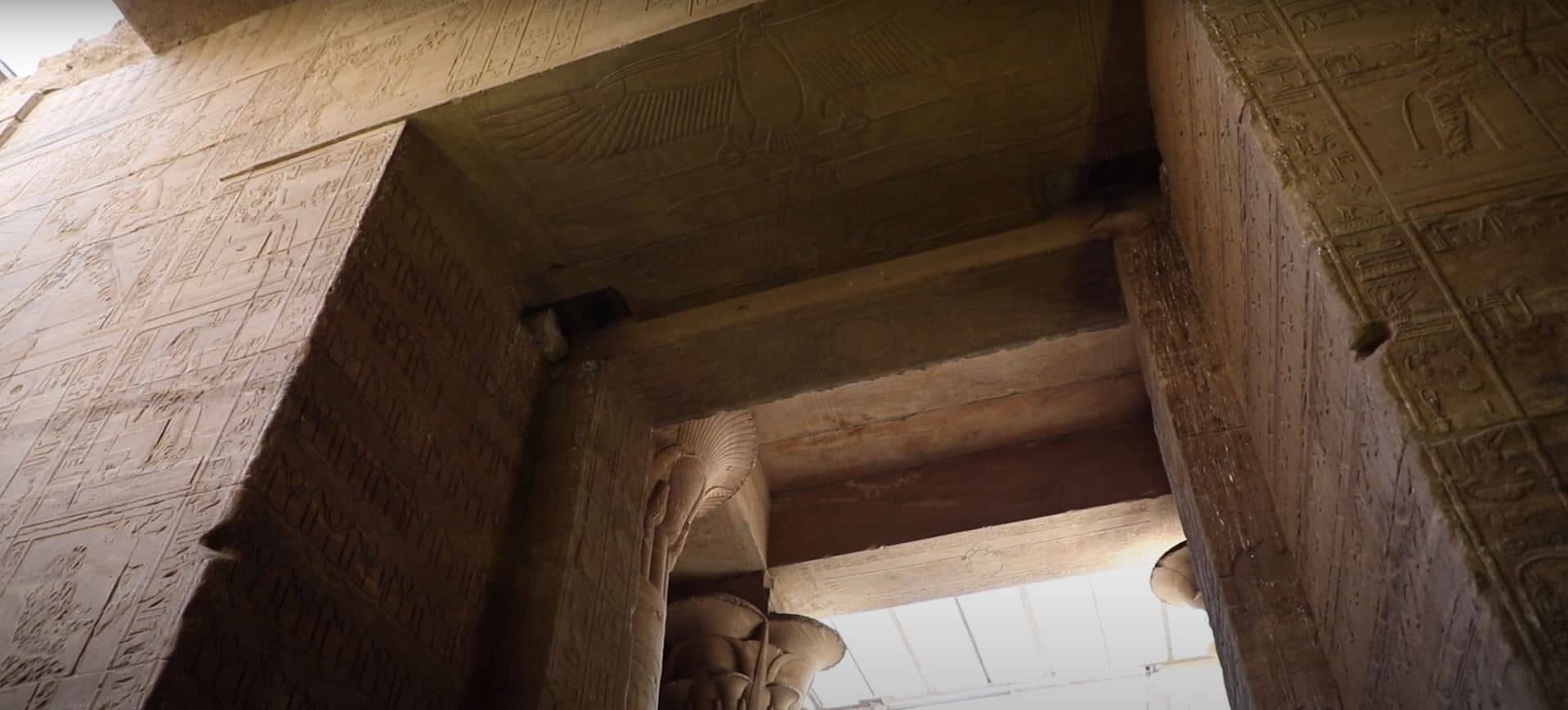
Nestled in the tranquil waters of the Nile River near Aswan, the Temple of Philae stands as one of Egypt’s most enchanting ancient monuments. This magnificent complex, dedicated to the goddess Isis, combines architectural splendour with a romantic island setting that has captivated travellers for centuries. Rescued from the rising waters of Lake Nasser in one of UNESCO’s most ambitious preservation projects, the Temple of Philae continues to mesmerise visitors with its well-preserved reliefs, towering pylons, and the mystical atmosphere that seems to permeate every stone.
History and Significance of the Temple of Philae
The Temple of Philae represents the last bastion of ancient Egyptian religion, where worship continued long after Christianity had spread throughout most of Egypt. Construction of the main temple began during the Ptolemaic period, around 380-362 BCE under Ptolemy II, though additions were made well into the Roman era. The temple was primarily dedicated to Isis, the goddess of magic, motherhood, and healing, whose cult attracted pilgrims from across the ancient world.
What makes the Temple of Philae particularly significant is that it was one of the last functioning temples of the ancient Egyptian religion. Priests continued to read hieroglyphs and perform traditional rituals here until 550 CE, when the Byzantine Emperor Justinian ordered the temple closed and converted into a Christian church. This late period of activity provides invaluable insights into the twilight years of pharaonic civilisation and the transition to Christian Egypt.
The original island of Philae, meaning “the end” in ancient Egyptian, as it marked the southern boundary of Egypt, was partially submerged after the construction of the first Aswan Dam in 1902. For decades, the temples spent much of the year underwater, visible only during the dry season. This submersion threatened to destroy the monuments entirely, prompting UNESCO to launch an extraordinary rescue mission between 1972 and 1980. The entire temple complex was painstakingly dismantled into 40,000 pieces and relocated to nearby Agilkia Island, which was landscaped to resemble the original Philae Island. This remarkable feat of engineering ensured that future generations could continue to appreciate this architectural masterpiece.
Architecture and Main Features
The Temple of Philae complex comprises several structures, with the main Temple of Isis forming the centrepiece. Visitors approach the temple via a waterfront landing, immediately encountering the impressive First Pylon, which rises to 18 metres and features dramatic reliefs of Ptolemy XII Neos Dionysos smiting his enemies before Isis and Horus. This traditional pharaonic imagery, despite being carved during the Greco-Roman period, demonstrates the continuity of ancient Egyptian artistic traditions.
Beyond the First Pylon lies the Great Court, flanked by colonnades on three sides. The western colonnade is particularly noteworthy, with chambers that once served as priests’ quarters and storage rooms. The eastern colonnade leads to the Birth House, also known as the Mammisi, a structure that celebrates the divine birth of Horus, the son of Isis and Osiris. The reliefs here depict the goddess Isis nursing the infant Horus in the marshes, a powerful image that later influenced Christian iconography of the Madonna and child.
The Second Pylon leads into the temple’s inner sanctuary, where the most sacred rituals were performed. The hypostyle hall features beautifully preserved columns with elaborate floral capitals, whilst the walls display scenes of the pharaoh making offerings to various deities. The sanctuary itself once housed the sacred barque of Isis and a cult statue of the goddess, though these treasures have long since disappeared.
Other significant structures include the elegant Kiosk of Trajan, perhaps the most photographed monument at Philae. This unfinished but graceful pavilion features fourteen columns with floral capitals and would have served as a ceremonial gateway where the statue of Isis arrived by boat during festivals. The Temple of Hathor, dedicated to the goddess of love and music, adds another dimension to the complex, featuring charming reliefs that depict musicians playing various instruments.
Throughout the temple complex, visitors can observe Coptic crosses carved into the ancient reliefs, which serve as evidence of the site’s conversion to Christianity. These later additions, rather than detracting from the monument, add layers of historical depth, illustrating Egypt’s complex religious evolution.
Location and Geography
The Temple of Philae is located approximately 12 kilometres south of Aswan city centre, on Agilkia Island in the reservoir of the old Aswan Dam. The island sits in the Nile between the old Aswan Dam to the north and the Aswan High Dam to the south, creating a scenic setting surrounded by the distinctive granite boulders characteristic of this region.
Aswan itself occupies Egypt’s southernmost reaches, serving historically as the gateway to Nubia and sub-Saharan Africa. The city’s position at the First Cataract of the Nile, where granite outcrops create rapids, made it a natural border of ancient Egypt and a crucial trading post. Today, Aswan serves as the administrative capital of Aswan Governorate and remains an essential tourist destination, with the Temple of Philae ranking amongst its most popular attractions.
The relocation to Agilkia Island has proven fortuitous, as the island’s elevated position protects the fluctuating water levels of the Nile whilst maintaining the romantic island setting that has always characterised Philae. The surrounding landscape, with its desert hills, palm groves, and the distinctive grey-black granite rocks jutting out of the water, creates an atmosphere quite different from that of other Egyptian temple sites.
How to Get There
Reaching the Temple of Philae requires a short boat journey, as the monument is situated on an island. However, getting to the departure point for these boats is straightforward, with several options available to suit different budgets and preferences.
Most visitors arrange transport through their hotel or a local tour operator. Private taxis from Aswan city centre to the Marina Philae (the boat dock) typically cost between 150-200 Egyptian pounds for a return journey, including waiting time whilst you visit the temple. It’s advisable to negotiate the price before departing and confirm that the driver will wait for your return.
Alternatively, you can hire a private car with a driver for the day, which costs approximately 400-600 Egyptian pounds, allowing you to combine Philae with other nearby attractions, such as the Aswan High Dam and the Unfinished Obelisk. Many visitors find this option convenient and economical if travelling as a couple or small group.
For the more adventurous and budget-conscious, local minibuses run from Aswan towards the High Dam area and can drop you near the Marina Philae for just a few pounds. However, this option requires some knowledge of Arabic and familiarity with the local transport system.
Once at the Marina Philae, you must take a motorboat to reach Agilkia Island. These boats are operated by local captains and are included in most organised tours. If travelling independently, the boat fare is officially set at approximately 150-200 Egyptian pounds per boat (not per person), with each ship accommodating up to eight passengers. During quieter periods, you may need to wait for other visitors to arrive to share the boat cost, or negotiate to pay the entire boat cost yourself. The crossing takes only 5-10 minutes each way, offering lovely views of the surrounding islands and the temple complex as you approach.
Tickets and Opening Times
The Temple of Philae maintains year-round opening hours, though these can vary slightly by season. Generally, the site is open from 7:00 AM to 5:00 PM during winter months (October to May) and from 7:00 AM to 6:00 PM during summer months (June to September). However, it’s always advisable to check the current timings before visiting, as they are subject to change.
Ticket prices for foreign visitors are approximately 450 Egyptian pounds for adults, with students paying a reduced rate of around 225 Egyptian pounds upon presentation of a valid International Student Identity Card (ISIC). Egyptian nationals and residents pay significantly lower rates. Children under six years typically enter free of charge.
Tickets must be purchased at the ticket office located near the Marina Philae before boarding the boat to the island. It’s worth noting that some organised tours include entrance fees in their package price, whilst others require you to pay separately, so clarify this when booking.
For photography enthusiasts, there’s generally no additional charge for standard cameras, though restrictions may apply to professional equipment, including tripods and video cameras, which sometimes require special permits. Flash photography is typically prohibited inside the temple’s covered areas to preserve the ancient pigments, though natural light photography is permitted throughout most of the site.
The Sound and Light Show
One of Philae’s most distinctive attractions is its evening Sound and Light Show, which brings the temple’s history to life through dramatic illumination and narration. The show runs most evenings of the year, with multiple performances in different languages, including English, French, German, Spanish, Italian, and Arabic. Schedules vary by season and language, so checking the current programme is essential when planning your visit.
The spectacle begins with visitors taking a boat to the island at dusk, already creating a magical atmosphere as the temple silhouette appears against the darkening sky. The show itself lasts approximately 45 minutes, during which coloured lights illuminate different parts of the temple whilst narration recounts the legends of Isis and Osiris, the temple’s construction, and its eventual rescue from the Nile’s waters.
Tickets for the Sound and Light Show are sold separately from daytime admission, typically costing around 350 Egyptian pounds for foreign adults, although prices may vary. Booking in advance through your hotel or a tour operator is recommended, particularly during peak tourist season, as seating can be limited. The experience offers an entirely different perspective on the temple and is highly recommended if your schedule permits.
Best Time to Visit
The Temple of Philae can be visited year-round, though specific times offer distinct advantages. The cooler months, between October and April, provide the most comfortable temperatures for exploring the site, with daytime temperatures ranging from 20 °C to 30 °C. These months also coincide with peak tourist season, meaning the temple will be busier, particularly between 10:00 AM and 2:00 PM when tour groups congregate.
For those seeking a more tranquil experience, visiting early morning, immediately after opening or late afternoon, before closing, allows you to appreciate the temple with fewer crowds. The lighting during these golden hours also enhances photography, casting beautiful shadows across the reliefs and warming the honey-coloured sandstone.
Summer months (May to September) see temperatures soaring above 40°C, making midday visits particularly challenging. However, this season brings fewer tourists, and the extremely bright sunlight can actually illuminate the deep-cut reliefs beautifully. If visiting during summer, go as early as possible, bring substantial sun protection, and stay well-hydrated.
What to Bring and Practical Tips
When visiting the Temple of Philae, comfortable walking shoes are essential, as you’ll be traversing uneven ancient paving stones. The site offers minimal shade, so sun protection is crucial: bring a wide-brimmed hat, high-SPF sunscreen, and sunglasses. Modest clothing is recommended both for cultural respect and sun protection – lightweight long sleeves and trousers or long skirts work well.
Carry plenty of water, particularly during warmer months, as facilities on the island are limited. A small backpack allows you to keep your hands free whilst exploring. Don’t forget your camera, as Philae offers extraordinary photographic opportunities, though be mindful of restrictions on flash photography in covered areas.
Cash is necessary for the boat crossing if travelling independently, as card payments aren’t accepted at the marina. It’s also helpful in purchasing souvenirs from vendors on the island, though prices tend to be higher than in Aswan’s markets due to the captive audience.
Consider hiring a qualified guide, either arranged through your hotel or available at the ticket office. A knowledgeable guide can illuminate the complex mythology depicted in the reliefs and provide historical context that significantly enriches the visit. Official guides typically charge around 200-300 Egyptian pounds for a tour lasting 60-90 minutes.
Combining Philae with Other Aswan Attractions
The Temple of Philae works excellently as part of a broader exploration of Aswan’s attractions. Many visitors combine it with the Aswan High Dam, located just a few kilometres south. This massive engineering project, completed in 1970, created Lake Nasser and necessitated Philae’s relocation. The visitor centre at the High Dam offers insights into this modern marvel and provides spectacular views across the lake.
The Unfinished Obelisk, located in Aswan’s northern stone quarries, makes another logical pairing with Philae. This massive obelisk, abandoned when cracks appeared in the granite, provides fascinating insights into ancient stone-working techniques. The three sites together can comfortably be visited in a half-day tour.
For those with more time, Aswan offers numerous other attractions, including the beautiful Nubian villages, the Botanical Garden on Kitchener’s Island, and the imposing Temple of Kom Ombo, located between Aswan and Luxor. The city’s famous felucca rides on the Nile provide a relaxing way to appreciate Aswan’s scenic beauty and observe local life along the riverbanks.
Conclusion
The Temple of Philae represents far more than simply another ancient monument; it embodies the resilience of human achievement against both the passage of time and the forces of nature. From its origins as a sacred centre of Isis worship through its rescue from the Nile’s waters, Philae tells a story that spans millennia. The temple’s island setting, extraordinary architecture, and well-preserved reliefs combine to create an experience that remains etched in visitors’ memories long after they’ve departed Egypt’s shores.
Whether you’re drawn by the intricate mythology depicted in its stone reliefs, the romance of its island location, or the sheer technical achievement of its modern relocation, the Temple of Philae offers something profound to every visitor. As you boat across the calm waters towards Agilkia Island, watching the temple’s columns and pylons grow larger against the desert sky, you’re participating in a journey that countless pilgrims and travellers have made across the centuries – though few have been as fortunate as today’s visitors to see Philae so beautifully preserved and presented.
For anyone travelling to Egypt, and particularly those visiting Upper Egypt, the Temple of Philae deserves a prominent place on your itinerary. It represents ancient Egyptian civilisation at its most accessible and enchanting, offering both scholarly interest and pure aesthetic pleasure in equal measure.