

Skip to content
Updated on: by Avatar image of authorCove Team

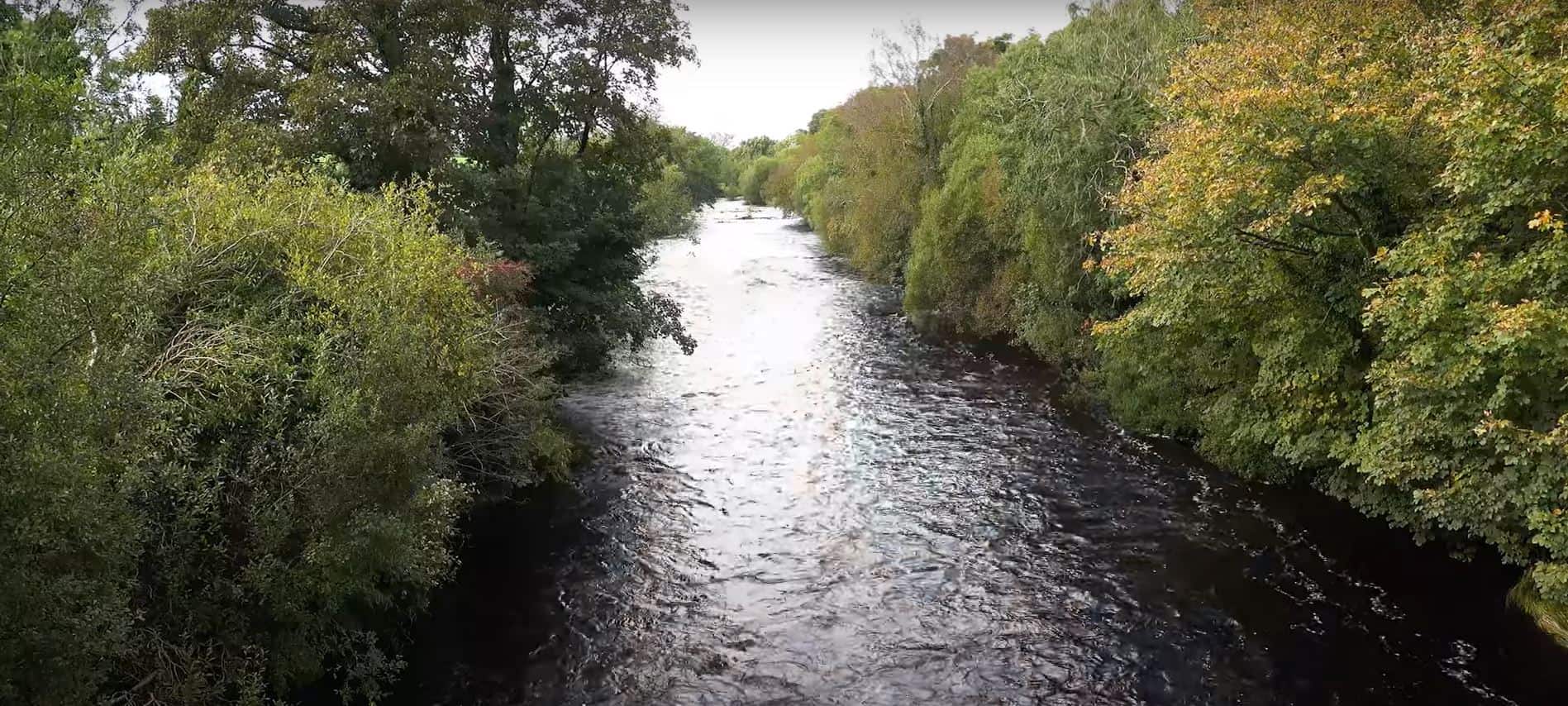
Flowing through some of the most unspoilt and spiritually significant landscapes on the island of Ireland, the River Derg forms a natural border between County Donegal in the Republic of Ireland and County Tyrone in Northern Ireland. This relatively modest river, stretching approximately 50 kilometres from its source to Lough Derg, holds a significance far beyond its physical dimensions. The River Derg is intrinsically linked with Ireland’s ancient pilgrimage traditions, particularly the renowned Station Island pilgrimage site, and meanders through a region steeped in myth, history, and natural beauty that continues to draw visitors seeking both spiritual solace and outdoor adventure.

Geography and Course of the River Derg

The River Derg rises in the Sperrin Mountains of County Tyrone, one of Ireland’s most remote and beautiful upland regions. From these moorland heights, the river flows generally southwestward, carving its way through a landscape of rolling hills, peat bogs, and small agricultural holdings that characterise this border region. The river’s course takes it through terrain that has changed remarkably little over centuries, offering glimpses of an Ireland that has largely escaped the dramatic transformations seen elsewhere on the island.

As the River Derg progresses, it forms much of the natural boundary between County Tyrone to the east and County Donegal to the west. This border status has given the river particular historical significance, marking not just administrative divisions but also cultural and, at times during Ireland’s troubled past, political boundaries. Today, visitors can cross the river at several points where it presents no barrier at all, merely serving as a reminder of the arbitrary nature of borders in a landscape that nature has made seamlessly continuous.

The river ultimately flows into Lough Derg, a substantial body of water situated predominantly in County Donegal. This lough, approximately 8 kilometres long and 4 kilometres wide at its broadest point, should not be confused with the much larger Lough Derg in counties Clare, Tipperary, and Galway. The northern Lough Derg is intimately connected with Ireland’s pilgrimage traditions, containing the famous Station Island, home to St Patrick’s Purgatory, one of Europe’s most important Catholic pilgrimage sites.

The River Derg catchment area encompasses approximately 322 square kilometres of predominantly rural landscape. The river and its tributaries drain a region characterised by blanket bog, rough grazing, and forestry plantations, with relatively little intensive agriculture. This has helped preserve the river’s water quality and the natural habitats along its banks, making it an important corridor for wildlife and a valuable resource for anglers.

Historical and Spiritual Significance

The River Derg’s greatest claim to fame lies in its connection to St Patrick’s Purgatory on Station Island in Lough Derg. According to tradition, St Patrick came to this remote location in the 5th century and discovered a cave that served as an entrance to Purgatory. Here, Christ showed Patrick visions of the torments awaiting sinners, and Patrick subsequently used the site to convince sceptical Irish people of Christian teachings about the afterlife.

By medieval times, St Patrick’s Purgatory had become one of Europe’s most renowned pilgrimage destinations, attracting penitents from across the Christian world. Kings, knights, and common folk alike made the arduous journey to this isolated spot, seeking spiritual purification and hoping to experience visions of the afterlife. The pilgrimage was famously demanding, involving fasting, prayer, and sleep deprivation over three days, a tradition that continues in modified form to the present day.

The River Derg thus became a pilgrims’ route, with countless thousands travelling along its banks or crossing its waters on their way to Station Island. Small settlements and churches sprang up along the river to serve these spiritual travellers, and the surrounding landscape became dotted with holy wells, prayer stations, and other sacred sites. This spiritual geography remains evident today, with numerous places of religious significance still marking the river’s course.

Beyond its Christian associations, the River Derg region holds deeper, pre-Christian significance. The area is rich in archaeological remains, including megalithic tombs, standing stones, and ring forts that speak to millennia of human habitation. The river valley would have provided an important communication route through this upland region, and the abundance of archaeological sites suggests it held significance for Ireland’s ancient peoples long before St Patrick’s arrival.

The Pilgrimage Tradition Today

Station Island continues to operate as an active pilgrimage site from June through August each year. The traditional three-day pilgrimage remains remarkably unchanged in its essential character, though some concessions to modern health and safety have been made. Pilgrims arrive by boat, remove their shoes, and spend three days in prayer, fasting on bread and black tea, and undertaking prescribed patterns of prayer at various stations around the small island.

The pilgrimage is not for the faint-hearted. Participants are expected to maintain an overnight vigil without sleep, walking the prescribed prayer circuits whilst reciting traditional prayers. The experience is physically and mentally demanding, designed to strip away worldly concerns and focus the mind entirely on spiritual matters. Many who complete the pilgrimage report it as profoundly transformative, though the exact nature of that transformation varies from person to person.

For those unable or unwilling to undertake the full three-day pilgrimage, Station Island offers one-day retreats and quiet days during the season. These provide an opportunity to experience the island’s unique atmosphere and spiritual heritage without the full rigours of the traditional pilgrimage. The island itself, with its basilica and various prayer stations, presents a fascinating glimpse into Ireland’s enduring Catholic traditions.

Access to Station Island is strictly controlled, and visitors must book in advance through the official Lough Derg pilgrimage office. The island does not operate as a conventional tourist attraction, and the pilgrimage authorities make clear that this is an active place of worship where specific rules and expectations apply. This preservation of the site’s spiritual purpose has helped maintain its authentic character in an age when many sacred sites have become primarily tourist destinations.

Natural Environment and Wildlife

The River Derg and its surrounding landscape support a diverse range of wildlife, making the area of considerable ecological importance. The river itself provides habitat for brown trout and salmon, attracting anglers from across Ireland and beyond. The relatively clean waters and limited development along much of the river’s course have allowed fish populations to thrive, though like many Irish rivers, the Derg faces ongoing challenges from agricultural run-off and climate change.

The riverbanks and adjacent wetlands support rich plant communities, including various sedges, rushes, and wildflowers that provide food and shelter for insects, birds, and small mammals. Otters, though elusive, are present along the river, and patient observers might spot these charismatic creatures, particularly at dawn or dusk when they’re most active.

Birdlife along the River Derg is particularly noteworthy. The river corridor serves as an important route for migrating birds, whilst resident species include herons, kingfishers, dippers, and various ducks and waders. Lough Derg itself attracts significant numbers of wildfowl during winter months, with species including wigeon, teal, and goldeneye taking advantage of the lough’s sheltered waters and food resources.

The upland areas through which the river flows support their own distinctive wildlife communities. The moorlands provide breeding grounds for curlews, golden plovers, and red grouse, whilst birds of prey including kestrels, sparrowhawks, and occasional hen harriers hunt across this open landscape. The region’s relative remoteness and low human population density have helped preserve these populations, though ongoing changes in land use and climate pose ongoing challenges.

How to Get There

Reaching the River Derg region requires some planning, as this remains one of Ireland’s more remote areas, lacking major towns or extensive public transport infrastructure. However, this remoteness forms part of the area’s appeal, offering visitors an escape from more crowded tourist destinations.

By car, the River Derg is most easily accessed from several towns and villages that serve as gateways to the region. From Northern Ireland, Omagh in County Tyrone provides the nearest substantial town, located approximately 40 kilometres northeast of Lough Derg. From Omagh, take the B48 road towards Pettigo, which brings you through beautiful countryside directly to the lough shore. The journey takes approximately 45 minutes under normal conditions.

From the Republic of Ireland, Donegal town serves as a convenient starting point, situated roughly 40 kilometres southwest of Lough Derg. Take the N15 towards Ballyshannon, then turn onto the R232 towards Pettigo. Alternatively, Ballyshannon itself, just 25 kilometres southwest of Lough Derg, provides another access point via the R232 through Laghey and on to Pettigo.

The village of Pettigo sits astride the border, literally split between Northern Ireland and the Republic of Ireland, and serves as the primary gateway to Lough Derg and Station Island. The pilgrimage embarkation point is located just outside Pettigo on the County Donegal side of the border. For those undertaking the pilgrimage or visiting Station Island, detailed directions are provided when booking.

Public transport to the region is limited. Bus Éireann operates services to Ballyshannon and Donegal town, whilst Ulsterbus serves Omagh, but getting from these towns to the River Derg area typically requires taxi services or prearranged transport. Several local taxi companies in Pettigo, Ballyshannon, and Donegal town can provide transport to the lough shore, though booking in advance is advisable, particularly during pilgrimage season.

For international visitors, the nearest airports are Donegal Airport at Carrickfinn (approximately 80 kilometres away), City of Derry Airport (approximately 70 kilometres), and Belfast International Airport (approximately 140 kilometres). All of these require onward travel by car, either hired or through organised tours. The nearest rail stations are in Sligo (approximately 90 kilometres) and Derry (approximately 70 kilometres), again requiring onward road travel.

Exploring the River Derg Region

Beyond the pilgrimage site, the River Derg region offers numerous opportunities for visitors seeking outdoor activities and scenic beauty. The landscape around the river is crisscrossed with small roads, lanes, and tracks that provide excellent opportunities for walking and cycling. The quiet roads see little traffic, making them ideal for leisurely exploration by bicycle, whilst numerous informal tracks lead down to the riverbank at various points.

Fishing along the River Derg attracts anglers seeking trout and salmon in peaceful surroundings far from crowded fishing spots elsewhere in Ireland. Fishing rights along different stretches of the river are controlled by various angling clubs and private landowners, so checking local regulations and obtaining appropriate permits is essential before casting a line. Several local angling clubs can provide information on access, regulations, and the best spots for different species and conditions.

The surrounding countryside offers superb walking opportunities, ranging from gentle riverside strolls to more demanding hill walks in the nearby uplands. The Termon area, along the western shore of Lough Derg, provides easy walking with spectacular views across the water to Station Island and the hills beyond. For more ambitious walkers, the Sperrin Mountains to the northeast offer challenging terrain and even more expansive views.

Lough Derg itself can be explored by boat, though visitors should exercise caution as weather conditions can change rapidly, and the lough is exposed to winds that can quickly create challenging conditions. Several local operators offer boat hire and guided tours during the summer months, providing opportunities to see the lough from the water and gain different perspectives on Station Island and the surrounding landscape.

Nearby Attractions and Points of Interest

The River Derg region sits within easy reach of numerous other attractions that can form part of a broader exploration of this corner of Ireland. The village of Pettigo itself, despite its small size, presents an interesting study in border communities, with the parish church situated in County Tyrone whilst much of the village lies in County Donegal. This quirk of geography reflects the complex history of Ireland’s partition and makes for an intriguing visit.

Lough Navar Forest, located approximately 15 kilometres northeast of Lough Derg, offers waymarked trails through extensive coniferous plantations, culminating in spectacular views from the Lough Navar viewpoint. On clear days, the panorama extends across much of Fermanagh’s lakeland and beyond, providing one of the finest vistas in this part of Ireland.

The town of Ballyshannon, just 25 kilometres from Lough Derg, claims to be Ireland’s oldest town and offers a lively atmosphere with traditional music sessions in several pubs, interesting shops, and the impressive Assaranca Falls just outside town. The annual Ballyshannon Folk Festival in August attracts musicians and visitors from across Ireland and beyond.

Further afield, the dramatic sea cliffs of Slieve League, amongst the highest in Europe, lie approximately 50 kilometres west of the River Derg. These stunning cliffs provide one of Ireland’s most spectacular coastal experiences and are well worth the detour for visitors with time to explore more widely. The town of Donegal, with its medieval castle and vibrant town centre, offers dining, accommodation, and shopping opportunities approximately 40 kilometres from Lough Derg.

Castle Caldwell Forest, situated on the shores of Lower Lough Erne approximately 30 kilometres northeast of the River Derg, provides another excellent walking destination with well-maintained trails through mixed woodland and along the lough shore. The forest is particularly noted for its birdlife, with the RSPB maintaining a nature reserve here that attracts birdwatchers throughout the year.

Practical Information for Visitors

The River Derg region remains relatively undeveloped for tourism, which forms much of its appeal but requires visitors to come prepared. Accommodation options in the immediate vicinity are limited, with Pettigo offering a small number of B&Bs and self-catering cottages. The nearby towns of Ballyshannon, Donegal, and Omagh provide more extensive accommodation options, including hotels, guesthouses, and B&Bs to suit various budgets.

Mobile phone coverage can be patchy in some parts of the River Derg region, particularly in the more remote valley sections and upland areas. Visitors planning to walk or explore off main roads should take appropriate precautions, including informing someone of their plans and carrying appropriate safety equipment.

The weather in this part of Ireland is notoriously changeable, with rain possible at any time of year. Visitors should bring waterproof clothing regardless of the season, along with layers to accommodate temperature fluctuations. The upland areas around the river’s upper reaches can be particularly exposed, with strong winds common even during summer months.

For those interested in the pilgrimage tradition, detailed information is available from the Lough Derg pilgrimage office, which can be contacted by telephone or through their website. Pilgrimage season runs from June through August, with specific dates varying slightly each year. Bookings are essential, as numbers are limited by the island’s capacity.

The region straddles the border between Northern Ireland and the Republic of Ireland, though since the Good Friday Agreement and particularly since both the UK and Ireland were EU members, this border has been virtually imperceptible. Following Brexit, some minor changes have occurred, but visitors can still move freely across the border without checkpoints or passport controls. Currency changes from pounds sterling in Northern Ireland to euros in the Republic of Ireland, so having both currencies available is useful, though most businesses near the border accept both.

Best Time to Visit

The River Derg region can be visited year-round, though each season offers different experiences. Summer months from June through August provide the warmest weather and longest days, ideal for walking and outdoor activities. This period also coincides with the pilgrimage season on Station Island, meaning increased activity in the area and more accommodation bookings, particularly in Pettigo and nearby villages.

Spring, from April through May, brings wildflowers to the riverbanks and surrounding meadows, whilst birdlife is particularly active as species establish territories and begin breeding. The upland areas remain relatively cool during spring, and rain is common, but the landscape comes alive with fresh growth and renewed energy after winter.

Autumn, particularly September and October, offers beautiful colours as vegetation changes, and the weather often remains relatively mild, though rain becomes more frequent. This season sees fewer visitors, providing a quieter, more contemplative experience of the region. The fishing season extends into autumn, and this can be an excellent time for anglers seeking salmon.

Winter brings its own stark beauty to the River Derg landscape, though visitors should be prepared for cold, wet weather and short days. The upland areas can receive snow, transforming the landscape into a winter wonderland, though this also makes walking more challenging and requires appropriate equipment and experience. Winter visits suit those seeking solitude and dramatic landscapes rather than outdoor activities.

Conclusion

The River Derg offers a journey into an Ireland that exists far from the well-trodden tourist trails. This modest river, flowing through border country between County Donegal and County Tyrone, carries within its waters centuries of history, spiritual significance, and natural beauty. Whether visitors come seeking the profound spiritual experience of St Patrick’s Purgatory, the simple pleasures of walking quiet lanes and fishing peaceful waters, or merely an escape from the pressures of modern life, the River Derg region rewards those who make the journey to this remote corner of Ireland.

The river’s connection to Ireland’s pilgrimage traditions gives it a significance that transcends its physical dimensions, whilst the surrounding landscape offers a glimpse of Ireland’s natural beauty in one of its most unspoilt forms. As the River Derg flows from the Sperrin Mountains to Lough Derg, it passes through a region where ancient traditions endure, where the border between two political jurisdictions seems almost irrelevant against the timeless flow of water and the enduring pull of sacred places.

For travellers seeking authenticity, natural beauty, and a connection to Ireland’s spiritual heritage, the River Derg provides all of this and more. It remains a place where silence still has meaning, where the landscape speaks of continuity rather than change, and where the journey itself becomes as important as any destination.

Leave a comment

Your email address will not be published. Required fields are marked *