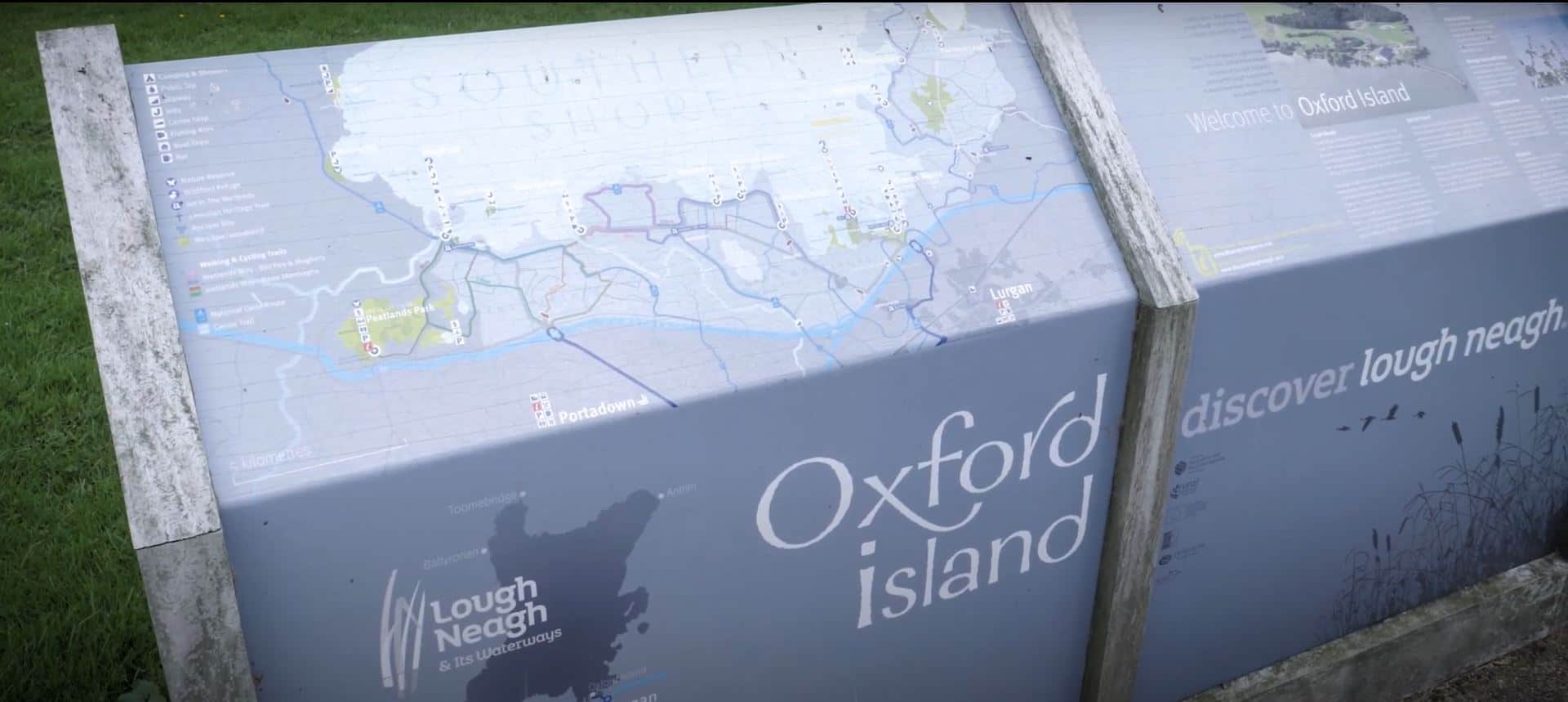

Nestled in the heart of Northern Ireland, Lough Neagh (Oxford Island) stands as a testament to the region’s natural splendour and ecological significance. As the largest freshwater lake in the United Kingdom and Ireland, Lough Neagh covers an impressive 383 square kilometres (148 square miles) and serves as the centrepiece for one of the country’s most treasured nature reserves—Oxford Island National Nature Reserve. Located just 20 miles west of Belfast in Craigavon, this remarkable destination offers visitors an unparalleled opportunity to explore diverse habitats, observe rare wildlife, and immerse themselves in the tranquil beauty of Northern Ireland’s countryside.
Understanding Lough Neagh: Ireland’s Inland Sea
Lough Neagh dominates the Northern Irish landscape, stretching approximately 30.5 kilometres in length and 12.1 kilometres at its widest point. Despite its vast surface area, Lough Neagh remains relatively shallow, with an average depth of just 8.9 metres, although it reaches a depth of 34 metres at its deepest point. The lake’s 125-kilometre shoreline encompasses a diverse range of landscapes, from wave-beaten rocky shores to sheltered sandy bays with thriving reed beds.
The significance of Lough Neagh extends far beyond its impressive statistics. This vital waterbody supplies over 40% of Northern Ireland’s drinking water, with rivers draining approximately 43% of Northern Ireland’s land area flowing into its waters. The Upper River Bann, River Blackwater, and River Main serve as the lake’s chief feeders, whilst the Lower Bann carries water northward to the Atlantic Ocean.
Lough Neagh’s name derives from the Irish “Loch nEachach,” meaning “Eachaidh’s lake,” and the waterway features prominently in Irish mythology. Legend tells of the giant Fionn mac Cumhaill (Finn McCool) scooping up a chunk of earth and hurling it at a Scottish rival, creating both the Isle of Man and the crater that became Lough Neagh. Archaeological discoveries around Lough Neagh, particularly in Toome Bay, have yielded some of Ireland’s oldest human artefacts, underscoring the lake’s long-standing importance to human settlement.
Oxford Island National Nature Reserve: A Peninsula of Biodiversity
Oxford Island, despite its name, is actually a peninsula extending into the southern shores of Lough Neagh. The designation “island” stems from historical changes to the lake’s water levels; in 1846, Lough Neagh was artificially lowered for the first time, transforming what was once an island into a connected landmass. Today, this 113-hectare (282-acre) site, managed by Armagh City, Banbridge and Craigavon Borough Council since 1972, represents one of Northern Ireland’s premier conservation areas.
The reserve encompasses an extraordinary variety of habitats, including deciduous woodlands, species-rich meadows, reed beds, wildlife ponds, and 3.7 kilometres of Lough Neagh shoreline. Since the council’s acquisition, thousands of mixed woodland trees have been planted, whilst the cessation of grazing has allowed natural lakeside alder scrub and associated vegetation to flourish. This careful management has transformed Oxford Island into a thriving ecosystem that attracts wildlife enthusiasts from across Europe.
Lough Neagh and Oxford Island have been designated as an Area of Special Scientific Interest (ASSI), a Special Protection Area under EU legislation, and a Ramsar site of international importance. The reserve supports over 40 rare or locally significant vascular plant species, including eight-stamened waterwort, marsh pea, Irish lady’s tresses orchid, alder buckthorn, and holy grass—all protected under Part 1 of Schedule 8 of the Wildlife (Northern Ireland) Order 1985.
Getting to Oxford Island and Lough Neagh
Reaching this natural paradise proves straightforward, with excellent transport links serving the Craigavon area.
By Car
Oxford Island is conveniently located just off Junction 10 of the M1 motorway, making it easily accessible from Belfast (approximately 30 minutes), Dublin (around 90 minutes), and other major Northern Irish towns. Clear signposting directs visitors directly to the reserve entrance along Kinnego Embankment. Free car parking is available at both the Lough Neagh Discovery Centre and Kinnego Marina; however, spaces can fill up quickly during peak summer weekends and bank holidays.
By Public Transport
Craigavon benefits from regular bus services connecting it to Belfast, Portadown, Lurgan, and other regional towns. The nearest railway station is Portadown, approximately 5 kilometres from Oxford Island, with regular trains from Belfast and Dublin. From Portadown station, taxis provide convenient onward transport, or visitors can arrange collection through local accommodation providers.
By Air
International visitors typically arrive at Belfast International Airport (approximately 35 kilometres away) or George Best Belfast City Airport (approximately 40 kilometres). Both airports offer car hire facilities, whilst Belfast International provides direct bus connections to Craigavon. The journey from either airport takes 35-45 minutes by car.
Exploring Oxford Island Nature Reserve
Oxford Island offers an exceptional range of facilities and attractions for visitors of all ages and abilities.
The Lough Neagh Discovery Centre
This award-winning visitor centre serves as the gateway to Oxford Island, providing comprehensive information about Lough Neagh’s wildlife, heritage, and ecology. The centre houses interactive exhibitions explaining the formation of Lough Neagh, the diversity of species inhabiting the area, and the traditional industries that have depended on the lake for centuries, including the famous eel fisheries.
Open Monday through Friday from 9:00 a.m. to 5:00 p.m. On weekends from 10 am to 5 pm, the Discovery Centre features a well-stocked shop, a comfortable café with panoramic views of Lough Neagh, and excellent conference facilities available for hire. The centre offers mobility scooter hire for visitors with limited mobility (booking is recommended, with photographic identification required).
Walking Trails and Footpaths
Four miles of well-maintained footpaths wind through Oxford Island’s varied landscapes, offering routes suitable for pushchairs, wheelchairs, and mobility scooters. The trail guide takes visitors through ancient woodlands where oak, ash, and alder trees provide habitat for numerous bird species, across wildflower-rich meadows alive with butterflies during the summer months, and along Lough Neagh’s shoreline, where the vast expanse of water stretches to the horizon.
The reserve operates generous opening hours, extending until 9 pm during summer evenings when daylight lingers late, allowing visitors to experience the magic of sunset over Lough Neagh. Winter hours run from 9 am to 6 pm daily.
Birdwatching Opportunities
Lough Neagh attracts birdwatchers from across Europe, and with good reason. The lake and its surrounds support internationally important populations of wintering wildfowl, with birds migrating from Iceland, Scandinavia, and Siberia. Oxford Island features five dedicated birdwatching hides strategically positioned to offer excellent views across the water and sheltered bays.
Species regularly observed include whooper swans and Bewick’s swans grazing in neighbouring fields, diving ducks such as pochard, tufted duck, and goldeneye on the open water, and great crested grebes. Lough Neagh hosts the largest breeding colony in Ireland. During the summer, visitors may spot breeding redshanks, snipes, common terns, gadwalls, and shovelers. The reed beds shelter sedge warblers and reed buntings, whilst kingfishers occasionally flash past in brilliant blue streaks.
The State-of-the-Art Play Park
Families will delight in Oxford Island’s bespoke, conservation-themed play park—a genuinely unique facility that seamlessly blends into the forest surroundings whilst offering stunning Lough Neagh views. Every piece of equipment reflects life on the reserve, from climbing structures that resemble trees to water play areas that echo the lake itself. The park caters to children of all abilities, featuring an inclusive design that ensures everyone can participate in the fun.
Kinnego Marina
Adjacent to the nature reserve, Kinnego Marina provides facilities for water sports enthusiasts. Boat trips around Lough Neagh’s secluded bays and islands depart from here during the summer months, offering a different perspective on this magnificent lake. The Lough Neagh Sailing Club, with over 400 members, operates from purpose-built facilities, including a licensed clubhouse. Meanwhile, Lough Neagh Rescue provides 24-hour search and rescue services, ensuring water safety across the lake.
Wildlife and Natural Heritage
The exceptional biodiversity around Lough Neagh makes Oxford Island a naturalist’s paradise. The lake supports numerous fish species, with Lough Neagh particularly famous for its eel fisheries—a commercial industry pursued here for centuries. Lough Neagh eels have been granted Protected Geographical Status under European Union law, and restaurants worldwide prize these traditional exports.
The curious chironomid midge, also known as the Lough Neagh fly, performs one of nature’s most extraordinary spectacles each year. Billions of these harmless insects, living most of their lives in Lough Neagh’s waters, emerge simultaneously to engage in dramatic mating swarms above the treetops. Although adult flies live for only a few days and possess no mouthparts, their sheer numbers create an unforgettable natural phenomenon.
Mammals inhabiting the reserve include stoats, which visitors might glimpse hunting along the shoreline, foxes patrolling the woodlands, and various bat species emerging at dusk. The diverse invertebrate population includes rare beetles, hoverflies, moths, butterflies, and twelve species of dragonfly and damselfly that patrol the reed beds and open water.
Where to Stay Near Lough Neagh
Craigavon and its surrounding areas offer a range of accommodation options to suit all budgets and preferences.
Mid-Range Hotels
The Seagoe Hotel, situated near Oxford Island, offers comfortable four-star accommodations in tranquil garden settings. This upscale property features an on-site restaurant serving breakfast and dinner, a coffee shop, helpful staff, and free Wi-Fi throughout. Guest rooms feature bathrobes, safes, and modern amenities, making them ideal for visitors seeking to stay near Lough Neagh.
Bed & Breakfast Options
Bannview Bed & Breakfast in the heart of Craigavon offers warm, welcoming three-star accommodation with cooked breakfasts and convenient access to outdoor activities. The property provides flatscreen TVs, billiards facilities, and comfortable rooms perfect for exploring Oxford Island and Lough Neagh.
Lisnacurran Country House B&B receives consistent praise for spacious rooms, cleanliness, and excellent breakfasts with plenty of choice. This family-friendly establishment features hot tub and sauna facilities, making it perfect for relaxing after a day exploring Lough Neagh.
Other well-regarded options include Banoge House, known for its Victorian décor and massive bath; Hunters Lodge B&B; and various self-catering apartments throughout Craigavon and nearby Portadown, many offering excellent value for families and longer stays.
Nearby Belfast Accommodation
Visitors wishing to base themselves in Belfast (a 30-minute drive away) can choose from numerous hotels while enjoying day trips to Lough Neagh. The Maldron Hotel Belfast, Leonardo Hotel Belfast, and Clayton Hotel Belfast all receive excellent reviews for location, comfort, and service.
Dining Options Around Craigavon
The Craigavon area offers a diverse range of dining experiences, from traditional cafés to contemporary restaurants.
At Oxford Island The Lough Neagh Discovery Centre Café provides the most convenient dining option for reserve visitors, serving breakfast, lunch, and afternoon refreshments whilst overlooking panoramic Lough Neagh views. The café specialises in locally sourced produce and homemade cakes, with options for various dietary requirements.
Nearby Restaurants Riverdale Barn consistently receives top ratings for its international menu in elegant surroundings, whilst Top Blade Portadown specialises in premium steaks. Makin Bacon offers excellent café dining with all-day breakfast options.
O’Conners Craic n Grill on Highfield Road, Craigavon, presents a family-friendly restaurant experience with varied menus served from 10am daily. The establishment welcomes dietary requirements and provides genuine Irish hospitality.
For lighter refreshments, numerous independent cafés throughout Portadown and Lurgan serve speciality coffees, homemade scones, traybakes, and daily lunch specials. The Sassy Elephant coffee house, Maloney’s Diner in Lurgan, and various cafés along Portadown’s High Street provide cosy settings for breaks between exploring Lough Neagh.
Café incredABLE at South Lake Leisure Centre combines excellent facilities with amazing staff and quality Irish café fare, whilst Cafolla Bros continues a traditional family business serving breakfasts, fish and chips, and homemade ice cream.
Practical Information for Visitors
Best Time to Visit
Oxford Island and Lough Neagh offer year-round appeal, though each season presents distinct advantages. Spring (April-June) brings wildflowers, breeding birds, and pleasant temperatures ideal for walking. Summer offers extended opening hours, warm weather for outdoor activities, and the best conditions for boat trips on Lough Neagh. Autumn showcases stunning foliage colours and impressive numbers of migrating birds arriving at Lough Neagh, whilst winter provides opportunities to observe internationally important wildfowl populations sheltering in the reserve’s bays.
Admission and Facilities
Entry to Oxford Island Nature Reserve is completely free, making it one of Northern Ireland’s most accessible natural attractions. The reserve provides disabled parking, wheelchair-accessible toilets and café, and mobility scooter hire. Dogs are welcome on leads throughout the reserve, though owners must clean up after their pets and avoid disturbing ground-nesting birds during breeding season.
What to Bring
Comfortable walking shoes or boots prove essential, as trails can become muddy after rain. Binoculars enhance birdwatching experiences around Lough Neagh, whilst cameras capture the stunning scenery and wildlife. The exposed position of Lough Neagh means weather can change rapidly; layered clothing and waterproofs are advisable year-round. Sun protection becomes important during summer months, particularly for extended walks or boat trips on Lough Neagh.
Nearby Attractions
Visitors to Lough Neagh and Oxford Island can easily combine their trip with other regional attractions. RSPB Portmore Lough Nature Reserve, another important Lough Neagh satellite lake, lies nearby offering additional birdwatching opportunities. Tannaghmore Gardens and Animal Farm in Craigavon provides family-friendly entertainment, whilst Lurgan Park features historic grounds, a children’s play area, and mini-golf.
History enthusiasts should visit Ardress House, an elegant 17th-century farmhouse managed by the National Trust, or explore Brownlow House, known as “Lurgan Castle,” with its impressive architecture and grounds. The Armagh Observatory and Planetarium, approximately 20 kilometres from Lough Neagh, offers fascinating astronomical exhibits and shows.
Conservation and the Future of Lough Neagh
Lough Neagh faces environmental challenges requiring careful management and conservation efforts. The Biodiversity Service of Armagh City, Banbridge and Craigavon Council, based at the Lough Neagh Discovery Centre, works extensively to protect and enhance the natural environment. The team delivers comprehensive environmental education programmes to schools and community groups whilst organising events engaging visitors with Lough Neagh’s wildlife and environmental issues.
Visitors can contribute to Lough Neagh’s conservation by following the Countryside Code, staying on designated paths, avoiding disturbance to wildlife, and taking litter home. The Lough Neagh Partnership, comprising elected representatives, landowners, fishermen, and community representatives, manages the lake’s conservation, promotion, and sustainable development.
Conclusion
Oxford Island Nature Reserve and Lough Neagh represent a jewel in Northern Ireland’s natural heritage crown. Whether you’re a dedicated birdwatcher hoping to spot rare wildfowl on Lough Neagh, a family seeking outdoor adventures, a photographer capturing stunning lakeside vistas, or simply someone seeking peaceful connection with nature, this remarkable destination delivers unforgettable experiences. The combination of Lough Neagh’s sheer scale, Oxford Island’s carefully managed habitats, excellent facilities, and warm Northern Irish hospitality creates a destination deserving repeated visits. As you stand on the shore gazing across Lough Neagh’s vast waters towards distant mountains, you’ll understand why this special place has captivated visitors for millennia and continues to inspire wonder in everyone who discovers its magic.