

Nestled at the foot of the Sierra Nevada mountains in southern Spain, Granada stands as one of Europe’s most captivating cities, where Moorish palaces meet Renaissance cathedrals and narrow medieval streets wind through vibrant neighbourhoods. This Andalusian jewel offers visitors an intoxicating blend of history, culture, and natural beauty that has enchanted travellers for centuries.
Granada’s unique character stems from its complex past as the last Moorish stronghold in Spain, falling to the Catholic Monarchs in 1492 after nearly 800 years of Islamic rule. This rich heritage has left an indelible mark on the city’s architecture, cuisine, and culture, making Granada unlike anywhere else in Spain. From the world-famous Alhambra to the atmospheric Albaicín quarter, from flamenco caves to tapas bars, Granada promises an unforgettable journey through time and tradition.
The Alhambra
No visit to Granada would be complete without exploring the Alhambra, the magnificent palace and fortress complex that dominates the city’s skyline. This UNESCO World Heritage Site represents the pinnacle of Moorish architecture in Europe and stands as the most visited monument in Spain. The Alhambra complex comprises several distinct areas, each offering unique insights into Granada’s Islamic past.
The Nasrid Palaces form the heart of the complex, showcasing breathtaking Islamic artistry with their intricate stucco work, geometric tile patterns, and serene courtyards. The Court of the Lions, with its iconic fountain supported by twelve marble lions, exemplifies the refinement of Nasrid architecture. The delicate arabesques and calligraphy adorning the walls create an atmosphere of ethereal beauty that has captivated visitors for generations.
Adjacent to the palaces, the Generalife gardens provide a peaceful retreat with their fountains, flower beds, and spectacular views across Granada. These summer gardens once served as a place of rest for Granada’s sultans, and they continue to offer respite from the city’s heat. The Alcazaba fortress, the oldest part of the complex, rewards those who climb its towers with panoramic vistas of Granada sprawling below, framed by the Sierra Nevada peaks.
Visiting the Alhambra requires advance planning, as daily visitor numbers are strictly limited to preserve this precious monument. Tickets often sell out weeks in advance, particularly during peak season, so booking online well ahead of your visit is essential. Allow at least three to four hours to properly explore the complex, and consider booking an early morning or late afternoon slot to avoid the midday heat and crowds.
The Albaicín: Moorish Quarter
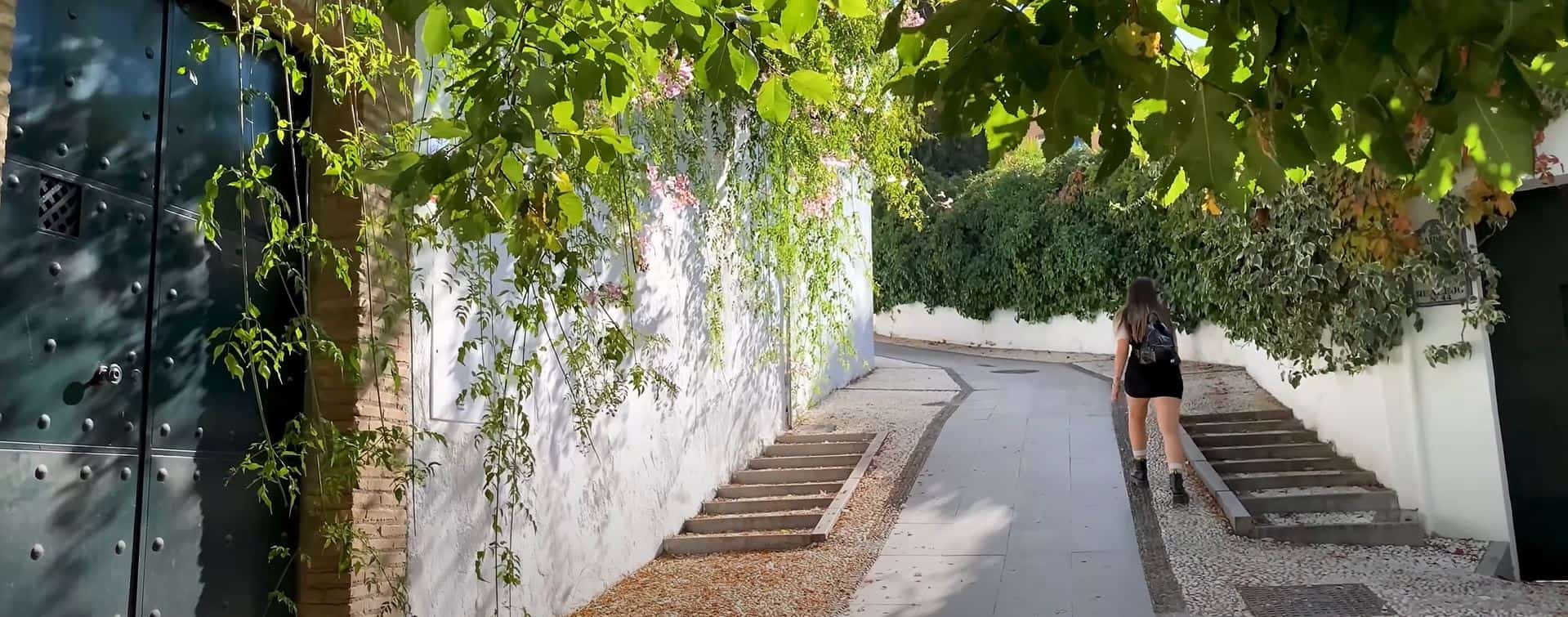
Across the river Darro from the Alhambra lies the Albaicín, Granada’s ancient Moorish quarter and another UNESCO World Heritage Site. This atmospheric neighbourhood of narrow, winding streets, whitewashed houses, and hidden gardens preserves the city’s medieval Islamic layout. Wandering through the Albaicín feels like stepping back in time, with surprises around every corner.
The Mirador de San Nicolás offers perhaps the most photographed view in Granada, with the Alhambra silhouetted against the Sierra Nevada, particularly magical at sunset when the palace glows golden in the fading light. Street musicians and vendors add to the convivial atmosphere as visitors gather to witness this daily spectacle.
Throughout the Albaicín, visitors can discover carmen houses, traditional Granada dwellings with enclosed gardens, converted Arab baths, and ancient cisterns. The neighbourhood’s tea houses, or teterías, serve mint tea and Middle Eastern pastries, whilst craft shops sell traditional ceramics and textiles. The Albaicín rewards aimless exploration, though comfortable walking shoes are essential for navigating its steep, cobbled streets.
Sacromonte: The Cave Quarter
Climbing the hillside beyond the Albaicín, Sacromonte presents yet another facet of Granada’s character. This unique neighbourhood is famous for its cave dwellings, traditionally home to Granada’s Gitano (Roma) community, and for being the cradle of Sacromonte flamenco, a distinctive style characterised by passionate guitar work and dance.
The caves, carved into the soft rock of the hillside, remain inhabited today, with many converted into flamenco venues called zambras. Attending an intimate flamenco performance in an authentic Sacromonte cave offers an unforgettable cultural experience, with the raw emotion of the singing, dancing, and guitar playing reverberating off the cave walls.
The Museum of Sacromonte explores the history and culture of this fascinating quarter, with recreated cave dwellings demonstrating traditional ways of life. From Sacromonte’s heights, visitors enjoy further spectacular views across Granada and the surrounding mountains.
City Center: Renaissance Splendour
Granada’s city centre showcases the Christian architectural legacy that followed the Reconquista. The Cathedral of Granada, begun in 1523, represents one of Spain’s finest Renaissance buildings, its soaring interior filled with light and adorned with impressive artworks. The adjacent Royal Chapel houses the tombs of the Catholic Monarchs, Ferdinand and Isabella, whose conquest of Granada completed the Christian Reconquista of Spain.
The Corral del Carbón, a 14th-century caravanserai, stands as the oldest surviving Moorish building in Granada’s city centre, whilst the Madraza, the former Islamic university, showcases beautiful Moorish decoration within its preserved prayer room. These monuments demonstrate how Granada’s Islamic and Christian heritage intertwine throughout the city.
Plaza Nueva, the city’s oldest square, serves as a natural gathering point and starting point for exploring Granada. From here, the Carrera del Darro, one of Granada’s most picturesque streets, follows the river towards the Alhambra, passing the Arab Baths and offering enchanting views of both the Alhambra and Albaicín.
Culinary Scene
Granada has earned fame throughout Spain for its generous tapas culture. Unlike many Spanish cities where tapas must be purchased separately, in Granada a free tapa accompanies every drink ordered, making bar-hopping both economical and delicious. The tapas range from simple olives and cheese to elaborate hot dishes, with each establishment offering its own specialities.
Local Granada cuisine reflects the city’s multicultural heritage. Traditional dishes include tortilla del Sacromonte (an omelette containing bull’s brains and testicles, though modern versions use more conventional ingredients), habas con jamón (broad beans with ham), and remojón granadino (a refreshing salad of oranges, cod, and olives). The city’s North African influence appears in sweet pastries and spice-infused dishes.
For the best tapas experience, venture away from the main tourist areas into neighbourhoods like Realejo or along Calle Navas, where locals gather. Granada’s tapas culture encourages socialising and exploration, with groups traditionally moving from bar to bar, sampling different establishments’ offerings.
Weather and When to Visit
Granada experiences a continental Mediterranean climate with hot, dry summers and cool winters. Summer temperatures regularly exceed 35°C (95°F) from June through August, making sightseeing exhausting, particularly when climbing the Alhambra or Albaicín’s steep streets. However, the nearby Sierra Nevada provides a cool escape, and summer evenings become pleasant once the sun sets.
Spring (April to May) and autumn (September to October) offer ideal conditions for visiting Granada, with comfortable temperatures, fewer tourists, and beautiful light for photography. These seasons also showcase the city’s gardens at their finest. Winter (November to March) brings cooler weather with occasional rain, but also brings the advantage of skiing in the Sierra Nevada whilst enjoying Granada’s cultural attractions, a unique combination of activities.
The Sierra Nevada ski season typically runs from late November through April, making Granada one of the few places in Europe where you can ski in the morning and visit Moorish palaces in the afternoon. Winter also sees fewer tourists, making Alhambra tickets somewhat easier to obtain.
Getting There
Granada is well-connected to major Spanish and European cities, though it lacks the international airport that serves Málaga or Seville. The nearest major airport is Federico García Lorca Granada-Jaén Airport, located 15 kilometres west of the city, offering limited flights primarily from domestic and select European destinations. Most international visitors fly into Málaga Airport, approximately 130 kilometres away on the Costa del Sol, which offers extensive international connections.
From Málaga Airport, several options exist for reaching Granada. The ALSA bus service operates frequent direct coaches taking approximately 90 minutes to two hours, offering an economical and convenient option. Car hire is readily available at Málaga Airport for those preferring the flexibility of driving, with the journey via the A-92 motorway taking around 90 minutes through scenic Andalusian countryside.
Granada’s train station, located on the city’s outskirts, connects to Madrid (3.5 hours via high-speed AVE trains), Barcelona, Seville, and other Spanish cities. The local buses LAC provide connections between the train station and city centre. Coaches from other Spanish cities arrive at Granada’s bus station, also conveniently served by city buses.
Within Granada itself, much exploration happens on foot, particularly in the Albaicín and city centre where narrow streets prevent vehicular access. The city operates an excellent bus network, with specific routes serving the Alhambra. Small electric minibuses navigate the Albaicín’s tight streets, saving visitors the steep climb. Taxis are readily available and reasonably priced for reaching more distant attractions.
Accommodation in Granada
Granada offers accommodation to suit every budget and preference, from luxury hotels within historic buildings to budget hostels popular with backpackers. Location significantly affects the experience, with each neighbourhood offering distinct advantages.
Staying near the Alhambra provides proximity to Granada’s star attraction and offers tranquil surroundings, though it sits slightly removed from the city’s nightlife and restaurants. The city centre around Plaza Nueva offers convenient access to all major sites, abundant dining options, and excellent public transport links, though it can be noisier.
The Albaicín provides the most atmospheric lodging, with small hotels and guesthouses occupying converted carmen houses or traditional buildings. Waking to views of the Alhambra from your window creates an unforgettable experience, though be prepared for steep walks on cobbled streets. The Realejo neighbourhood, the former Jewish quarter, offers a quieter alternative whilst remaining centrally located.
Sacromonte presents the unique option of staying in converted cave dwellings, offering an authentic and memorable experience. These cave hotels and apartments maintain comfortable modern amenities whilst preserving traditional character, though they’re best suited to those comfortable with unconventional accommodation and steep hillside locations.
Interesting Facts for Travellers
Granada conceals numerous fascinating details that enrich any visit. The pomegranate serves as the city’s symbol (the city’s name means pomegranate in Spanish), appearing throughout the city’s art and architecture. Legend suggests the city’s name derives from the fruit’s abundance in the region, though historians debate this origin.
The city’s university, founded in 1531, ranks among Spain’s oldest and makes a significant contribution to Granada’s vibrant atmosphere. The large student population ensures lively nightlife and maintains an affordable restaurant and bar scene. Granada’s students traditionally gather in free concerts at the Carmen de los Mártires gardens on Tuesday evenings during term time.
Federico García Lorca, one of Spain’s greatest poets and playwrights, was born near the city and maintained a deep connection to it throughout his life. His former summer residence, Huerta de San Vicente, operates as a museum on the outskirts of the city. Lorca’s assassination at the outbreak of the Spanish Civil War in 1936 shocked the literary world and continues to resonate in it today.
The phrase “give him alms, woman, for there is nothing in life so cruel as to be blind in Granada” is inscribed on walls throughout the Albaicín, attributed to Mexican poet Francisco A. de Icaza. This poignant line captures the heartbreak of being unable to witness Granada’s beauty.
Granada’s commitment to preserving its heritage whilst embracing contemporary life creates a dynamic tension throughout the city. Modern art galleries occupy medieval buildings, innovative restaurants reinterpret traditional recipes, and festivals celebrate both Islamic and Christian heritage. This balance between past and present defines Granada’s unique appeal, inviting visitors to explore layers of history whilst experiencing a living, breathing city.
Whether you’re captivated by Islamic architecture, drawn to flamenco’s passion, entranced by mountain landscapes, or simply seeking to experience authentic Andalusian culture, Granada delivers unforgettable experiences that linger long after departure.