

Skip to content
Updated on: by Avatar image of authorCove Team

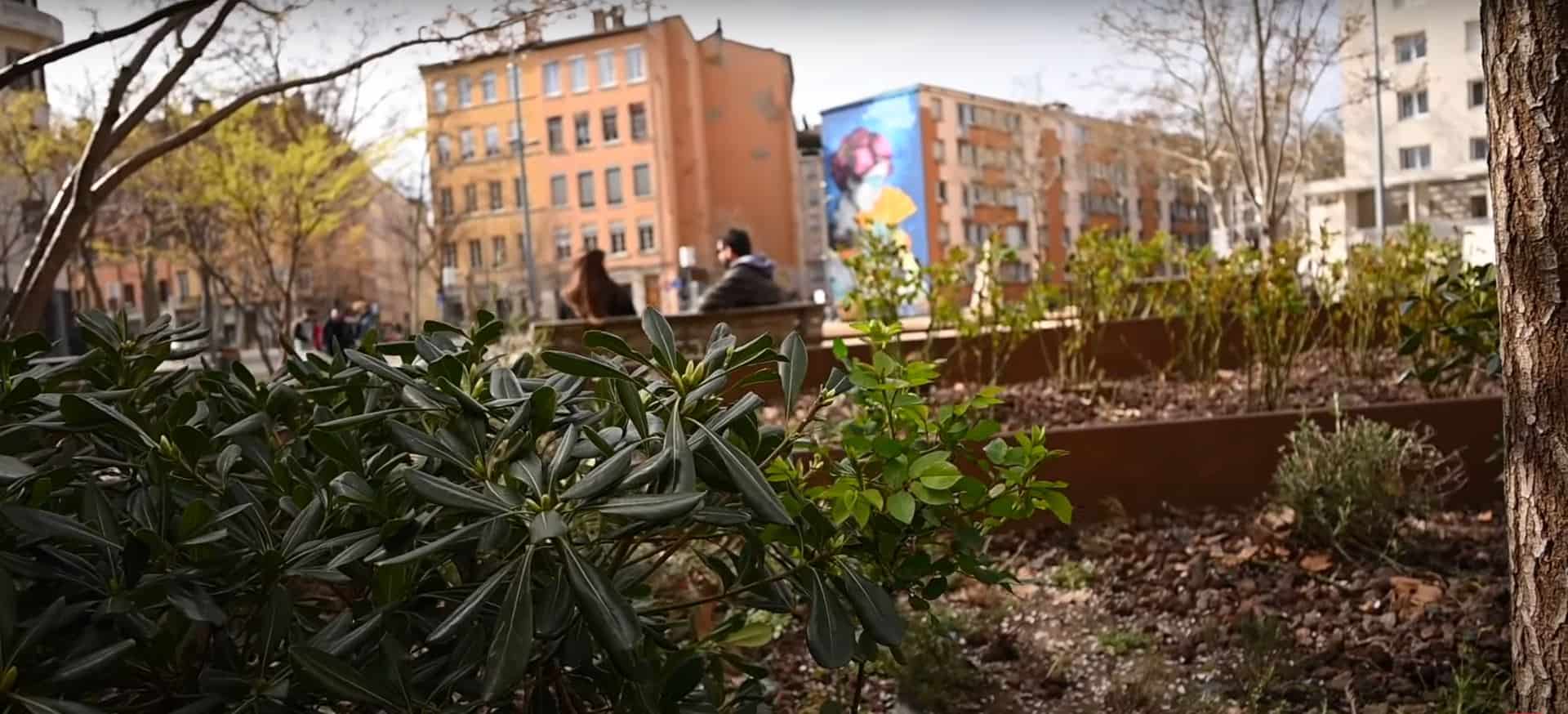
Perched atop a 254-metre hill in the heart of Lyon, La Croix Rousse stands as one of France’s most captivating and historically rich neighbourhoods. This UNESCO World Heritage-listed district, affectionately known as “the hill that works” (la colline qui travaille), offers travellers an authentic glimpse into Lyon’s illustrious silk-weaving past while showcasing a vibrant, bohemian present. With its steep cobbled streets, hidden traboules (covered passageways), stunning panoramic views, and thriving cultural scene, La Croix-Rousse represents everything that makes Lyon such a compelling destination.

Understanding La Croix-Rousse’s Geography and History

The neighbourhood derives its name from a reddish-brown stone cross erected on the hillside during the 16th century. Today, La Croix-Rousse comprises two distinct areas: les pentes (the slopes), belonging to Lyon’s 1st arrondissement, and le plateau (the hilltop), part of the 4th arrondissement. This division creates fascinating contrasts in character, with the slopes offering dramatic staircases and panoramic viewpoints. At the same time, the plateau presents a more village-like atmosphere, featuring a bustling market square and independent shops.

Lyon’s silk industry, which began under François I in the 16th century, truly flourished in La Croix-Rousse during the 19th century. The district became home to the canuts—skilled silk workers who operated intricate Jacquard looms in their workshops. The neighbourhood’s distinctive architecture reflects this heritage, with buildings featuring extraordinarily high ceilings (often 4-5 metres) and vast windows designed to accommodate the tall looms and maximise natural light for the delicate work. By the mid-1800s, approximately 60% of Lyon’s population was employed in silk production, making La Croix-Rousse the heart of this thriving industry.

The canuts developed a reputation for independence and revolutionary spirit, staging significant workers’ revolts in 1831 and 1834 that would influence labour movements across Europe. Today, this rebellious, creative spirit endures in La Croix-Rousse’s bohemian cafés, artisan workshops, street art, and independent boutiques.

How to Reach La Croix-Rousse

By Air

Lyon-Saint Exupéry Airport (LYS), located approximately 25 kilometres east of the city centre, serves as the primary gateway for international travellers. From the airport, the Rhônexpress tram provides a swift 30-minute connection to Lyon Part-Dieu train station, from where you can easily transfer to Metro Line B, then change to Line C to reach La Croix-Rousse. Alternatively, taxis and airport shuttle services offer direct transport to the neighbourhood, though navigating Lyon’s narrow, winding streets by car can prove challenging.

By Train

Lyon boasts excellent rail connections throughout France and Europe. The city’s two main stations, Lyon Part-Dieu and Lyon Perrache, both connect to the metro system. From either station, travellers can reach La Croix-Rousse via metro connections, typically requiring one change. The journey takes approximately 20 to 30 minutes, depending on your starting point.

By Car

Driving to La Croix-Rousse presents specific challenges due to Lyon’s maze-like street layout and the district’s steep, narrow roads. Many streets operate as one-way systems, and parking remains limited and expensive. Unless necessary, public transport or walking provides far more practical options for navigating this historic quarter.

Getting Around La Croix-Rousse

Metro Line C

The district benefits from excellent public transport links, primarily through Metro Line C, which serves five stations along its 2.4-kilometre route. This unique line follows the path of Lyon’s original 1891 funicular railway and boasts fame for featuring Croix-Paquet station—reportedly the world’s steepest metro station, with a 17% incline. Key stations include:

  • Hôtel de Ville-Louis Pradel: Connecting to the city centre
  • Croix-Paquet: Serving the lower slopes
  • Croix-Rousse: The central station on the plateau
  • Hénon: Further north on the plateau
  • Cuire: The line’s northern terminus

Metro services operate from approximately 5:00 am until past midnight, with single tickets costing €1.90. Visitors staying for several days should consider the Lyon City Card, which offers unlimited public transport and free entry to major museums and attractions. One-day cards cost €25, two-day cards cost €35, and three-day cards cost €45.

Buses Numerous bus routes serve La Croix-Rousse, including lines 33, 45, C10, C13, and S1. These services prove particularly useful for reaching areas between metro stations or travelling to neighbouring districts.

On Foot

Walking remains the most rewarding way to explore La Croix-Rousse. The district’s intricate network of staircases, narrow streets, and traboules reveals hidden courtyards, stunning viewpoints, and architectural treasures that would be impossible to discover otherwise. Comfortable walking shoes are essential—the neighbourhood’s steep gradients and numerous steps provide an excellent workout whilst exploring. The famous Montée de la Grande-Côte staircase offers particularly spectacular views across Lyon, stretching to the Alps on clear days.

Must-See Attractions in La Croix Rousse

Fresque des Canuts

The neighbourhood’s most iconic sight, the Fresque des Canuts on Boulevard des Canuts, holds the distinction of being Europe’s largest mural at over 1,200 square metres. Created by the renowned CitéCréation collective, this extraordinary trompe-l’oeil depicts daily life in La Croix-Rousse with windows, balconies, staircases, and residents that appear startlingly three-dimensional. The fresco evolves—children grow up, shops change, and new generations appear, reflecting the living nature of the community. Returning visitors often notice differences from their previous visits, making each experience feel fresh and new.

The Traboules

La Croix-Rousse’s network of traboules—covered passageways linking buildings and streets—represents one of Lyon’s most distinctive architectural features. Originally designed to allow silk merchants to transport their precious fabrics while sheltered from rain, these secretive corridors later served as hiding places for resistance fighters during World War II. Notable examples include the Cour des Voraces with its monumental six-storey staircase, Passage Thiaffait (now home to fashion designers’ studios), and the traboules along Rue Imbert-Colomès. Many remain accessible to respectful visitors during daytime hours.

Maison des Canuts

This fascinating museum provides comprehensive insight into Lyon’s silk industry through guided tours featuring working loom demonstrations. Located in an authentic canuts workshop, visitors learn about silk production techniques, the development of the Jacquard loom, working conditions, and the social history of the silk workers. Tours operate Tuesday through Saturday at 2:00 pm and 4:00 pm, with family-friendly options available. No reservation is required.

Soierie Vivante

This non-profit association, located at 21 Rue Richan, preserves Lyon’s silk heritage through demonstrations on historic looms dating back to 1880. The municipal trimming workshop showcases three magnificent walnut looms, whilst a backstrap loom operates in one of the last remaining authentic canuts workshop-apartments. Tours run Tuesday through Saturday at 2:00 p.m. and 4:00 p.m.

Amphithéâtre des Trois Gaules

These remarkably well-preserved Roman ruins date to 19 AD, making them amongst Lyon’s oldest monuments. Once the largest amphitheatre in Gaul, this site hosted the annual gathering of 60 Gallic nations in ancient times. Today, visitors can explore the remains and imagine the grandeur of this ancient meeting place.

Gros Caillou

This enormous rock on the esplanade bearing its name presents an unusual attraction with an intriguing backstory. Discovered during 19th-century drilling for the funicular railway, the boulder proved too challenging to remove and was left in place as a landmark. The esplanade provides spectacular panoramic views across eastern Lyon, with the Alps visible on clear days—particularly stunning at sunrise or sunset.

Place de la Croix-Rousse

The neighbourhood’s bustling main square serves as its social heart. The daily market (particularly vibrant on Sunday mornings) showcases regional produce, artisan goods, and local specialities. Surrounding the square, cafés spill onto terraces where locals gather throughout the day. The square also features the “Chien assis” fresco and serves as a starting point for numerous walking routes through the district.

Churches and Religious Heritage Several remarkable churches grace La Croix-Rousse:

  • Church of Saint-Bruno les Chartreux: This stunning Baroque masterpiece features one of France’s most beautiful gilded wooden canopies
  • Église Saint-Denis: The first church built in La Croix-Rousse (construction began in 1624), known as the canuts’ church
  • Église Notre-Dame de Saint-Vincent: An 18th-century Augustinian church with an impressive façade and beautiful organ

Jardin Rosa Mir

This secret garden, currently undergoing restoration, offers a unique glimpse into one man’s extraordinary vision—a hidden courtyard decorated with thousands of seashells and pebbles creating intricate mosaics.

Where to Stay: Accommodation Options

La Croix-Rousse and its surrounding areas offer a diverse range of accommodation options, catering to various budgets and preferences.

Mid-Range Hotels

  • Hôtel de la Croix Rousse: This charming 33-room hotel occupies a prime location in the heart of the district. Recently renovated rooms feature refined décor, modern amenities, free Wi-Fi, and en-suite bathrooms. Some rooms include balconies with exceptional city views. The hotel sits just 100 metres from Croix-Rousse Metro station.
  • Ibis Styles Lyon La Croix Rousse: Situated near Hénon Metro station (just 100 metres away), this modern hotel offers comfortable accommodations with free Wi-Fi and a varied breakfast option. Guests particularly praise its cleanliness and convenient location.
  • TRIBE Lyon La Croix-Rousse: This design-focused hotel in the district’s heart features premium bedding, flat-screen TVs, and rainfall showers. The social hub combines a café, restaurant, and coworking spaces, creating a vibrant atmosphere throughout the day.

Luxury Options Whilst La Croix-Rousse itself maintains a more bohemian, neighbourhood character, several upscale hotels in nearby central Lyon provide easy access:

  • Hôtel Lyon Métropole: Situated on the banks of the Saône River, this elegant property boasts extensive spa facilities, an outdoor pool, and sophisticated dining options.
  • Boscolo Lyon Hôtel & Spa: This five-star property offers romantic packages, family amenities, and comprehensive spa services.

Apartments and Self-Catering Numerous apartments and self-catering options throughout La Croix-Rousse allow visitors to experience neighbourhood life more intimately. Properties range from cosy studios to spacious family apartments, many of which occupy converted silk workers’ buildings featuring characteristic high ceilings and large windows.

Dining in La Croix-Rousse: Culinary Delights

The neighbourhood’s restaurant scene reflects its independent, creative spirit, with a strong emphasis on seasonal ingredients, local producers, and innovative cuisine.

Traditional Bouchons

  • Le Canut & les Gones: This institution, established in 1994, serves classic Lyonnaise cuisine in a theatrical setting filled with vintage bric-a-brac. The menu changes regularly, featuring fresh, seasonal ingredients at excellent value.
  • Café Clos Jouve: Located on Boulevard de la Croix-Rousse, this traditional café-restaurant specialises in aged meats, including tataki de boeuf, côte de boeuf, and entrecôte. The pleasant Place Marcel Bertone setting provides perfect people-watching opportunities.

Modern Bistronomy

  • Le Limonadier: This sophisticated establishment combines gastronomic dining upstairs with a lively ground-floor bar. Chef Jorge Lara creates beautiful seasonal dishes using organic, direct-from-producer ingredients.
  • Opaline: Near the Théâtre de la Croix-Rousse, this discreet bistro serves market-driven cuisine featuring fresh, local, seasonal products sourced directly from the neighbourhood market.
  • Aromatic: This bistronomic restaurant excels at creative flavour combinations using local ingredients. Their grilled octopus and strawberry mille-feuille receive particular acclaim.

International Flavours

  • L’Alebrije: Chef Carla Kirsch Lopez brings authentic Mexican gastronomy to La Croix-Rousse in this elegant setting.
  • Boleh Lah: This vibrant Asian-inspired establishment combines an épicerie (grocery), traiteur (caterer), and casual restaurant serving Southeast Asian flavours.

Vegetarian Options

  • Comptoir Sauvage: This celebrated vegetarian restaurant breaks all the stereotypes, offering creative, seasonal dishes that delight even confirmed carnivores. The welcoming team creates beautifully presented plates using organic, local ingredients.

Cafés and Brunch

  • Comptoir Sauvage: Beyond dinner, this spot serves fabulous brunch featuring tartines, marinated vegetables, eggs, granola, and chocolate cake, with vegan and gluten-free options available.
  • Mademoiselle Yvonne: This welcoming bar à bière serves craft beers alongside quality food from 8 am to 1 am daily, with morning coffee available for just €1 (8 am – 9:30 am) and happy hour from 5 pm to 8 pm.

Don’t miss trying cervelle de canuts—a traditional Lyonnaise dish of fresh cheese with herbs, garlic, and shallots. Despite its name (“canuts’ brains”), it’s a delicious spread that was once the staple food of silk workers.

The La Croix-Rousse Experience: Culture and Atmosphere

What truly distinguishes La Croix-Rousse is its neighbourhood atmosphere. Unlike more touristy areas, this remains a thriving residential community where locals shop at the daily market, children play in the squares, and neighbours greet each other in the streets. The bohemian spirit manifests in numerous art galleries, design studios (particularly around Passage Thiaffait, known as the “Village des Créateurs”), independent bookshops, and vintage boutiques.

Street art enthusiasts will discover numerous murals and graffiti works beyond the famous Fresque des Canuts, including the Cour des Loges Fresco and various ephemeral pieces throughout the slopes. The neighbourhood hosts regular cultural events, including the annual vide-grenier (giant sell-out festival) along Grande Rue de la Croix-Rousse each autumn.

The district’s elevation provides constant visual rewards, stunning vistas across Lyon towards Fourvière Basilica, glimpses of the Alps on clear days, and gorgeous sunsets over the city. The effort required to climb the slopes makes reaching the plateau feel like discovering a secret village hidden within a major city.

Practical Tips for Visiting

Best Time to Visit

Spring (April-June) and autumn (September-October) offer ideal weather for exploring La Croix-Rousse’s steep streets. Sunday mornings prove particularly magical, when the market reaches its liveliest, and the neighbourhood buzzes with locals and visitors alike.

What to Wear

Comfortable, supportive walking shoes are essential. The district’s steep gradients, countless steps, and cobblestone streets demand proper footwear. Layer clothing, as temperatures vary significantly between sunny exposed areas and shaded traboules.

Respecting the Community

Remember that La Croix-Rousse remains a living neighbourhood. When exploring traboules, maintain quiet and respect residents’ privacy. Most traboules display signs indicating public access hours—typically daytime only.

Language

Whilst many in Lyon’s tourism industry speak English, La Croix-Rousse’s independent shops and restaurants may have limited English-speaking staff. Learning a few basic French phrases greatly enhances the experience and is much appreciated by locals.

Beyond La Croix-Rousse: Nearby Attractions

The neighbourhood’s central location makes exploring Lyon’s other treasures straightforward. Vieux Lyon (Old Lyon), another UNESCO World Heritage site, lies just across the Saône River. The Presqu’île peninsula, featuring Place Bellecour and Place des Terreaux, offers luxury shopping and cultural institutions, including the Musée des Beaux-Arts. The modern Confluence district showcases contemporary architecture, whilst Parc de la Tête d’Or provides green space and leisure activities.

Conclusion

La Croix-Rousse encapsulates everything that makes Lyon extraordinary—rich history woven seamlessly into contemporary life, outstanding gastronomy, artistic creativity, and a genuine neighbourhood spirit rarely found in major European cities. Whether you’re drawn by the silk-weaving heritage, the artistic atmosphere, the culinary scene, or simply the pleasure of wandering steep streets whilst discovering hidden corners, La Croix-Rousse rewards every visitor. This isn’t a neighbourhood to rush through on a checklist tour; it’s a place to savour slowly, returning multiple times to peel back its many layers. From sunrise panoramas atop the Gros Caillou esplanade to late-night aperitifs in a neighbourhood café, La Croix-Rousse offers an authentic Lyon experience that remains long in the memory.

Leave a comment

Your email address will not be published. Required fields are marked *