Northern Ireland is becoming a must-see destination, with people travelling far and wide to experience what it offers. The Statistics and Research Agency published the 2018 Annual Tourism Statistics, which assesses tourist activity in Northern Ireland. The results were deeply encouraging for those who work in the sector and provide data for growth.
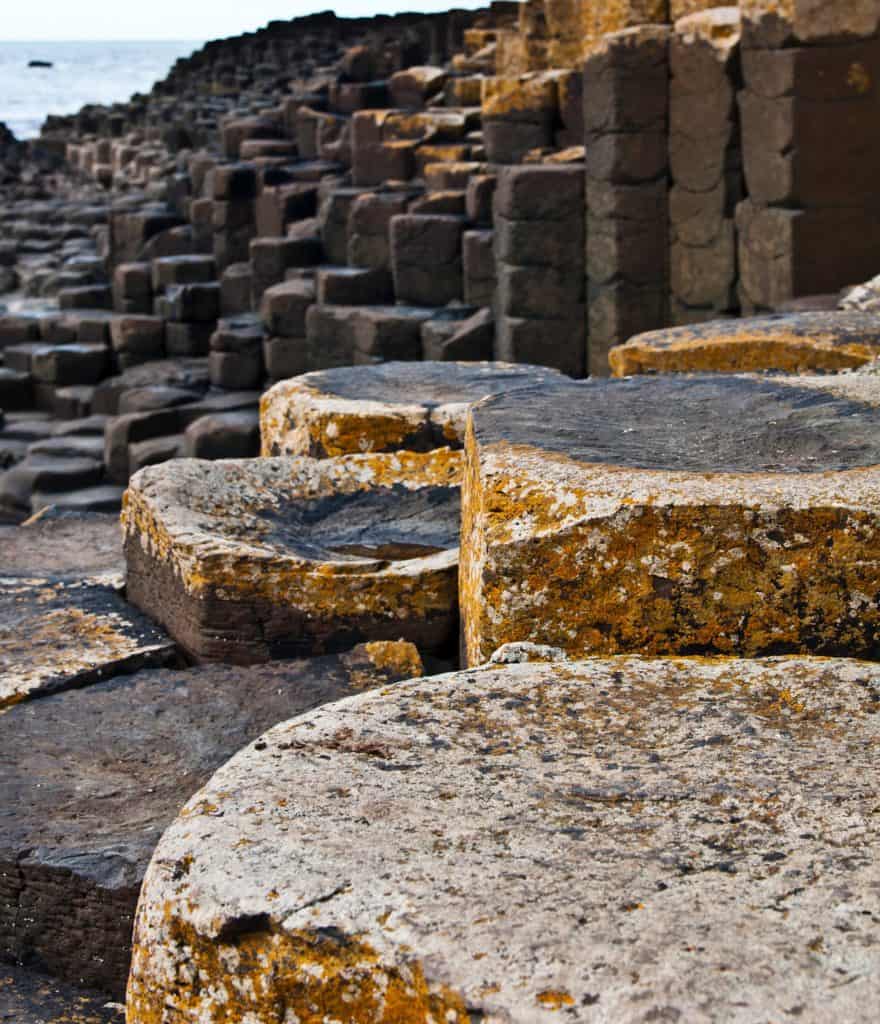
Table of Contents
A Brief Overview of Northern Ireland
Located on the northeastern part of the island of Ireland, Northern Ireland covers 14,130 square miles and is home to over 1.8 million people. Known for its stunning landscapes, dramatic coastlines, and fascinating historical sites, the region boasts a unique cultural blend shaped by centuries of political and social changes. From the bustling streets of Belfast to the serene beauty of the Antrim Coast, Northern Ireland offers a variety of tourist experiences.
Though it shares an island with the Republic of Ireland, Northern Ireland is part of the United Kingdom. British rule has deeply influenced its history, leaving behind a rich tapestry of landmarks and traditions. Over the years, the region has struggled with political conflict, most notably during the Troubles, but in recent decades, it has emerged as a peaceful and welcoming destination. Today, Northern Ireland is a beacon of progress, with tourism playing an increasingly vital role in its economy.
A Flourishing Tourism Industry

Tourism in Northern Ireland has seen steady growth in recent years, with more visitors coming from all over the world to experience its many delights. In 2019, tourism brought in over £1 billion to the region, a testament to its growing popularity. The sector employs tens of thousands of people, and with the region’s tourism infrastructure improving rapidly, these numbers are expected to rise even further in the coming years.
Several factors contribute to the region’s appeal to tourists. Northern Ireland is accessible, with direct flights from major European cities and beyond. Additionally, its smaller size compared to other destinations like the Republic of Ireland makes it easy for tourists to explore quickly. Yet, despite its compact nature, the region offers a diverse range of experiences, making it possible to enjoy urban culture, outdoor adventure, and historical exploration all in one trip.
Iconic Landmarks and Natural Wonders
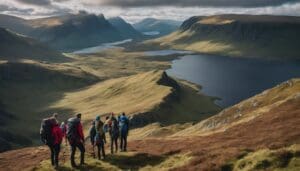
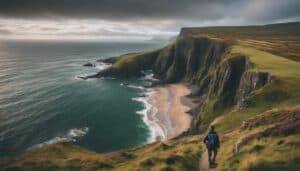
One key reason Northern Ireland has become a tourism hotspot is its stunning landscapes. From the windswept hills of the Mourne Mountains to the dramatic cliffs of the Causeway Coast, the region is a natural wonderland that attracts hikers, photographers, and nature lovers alike.
The Giant’s Causeway
Perhaps Northern Ireland’s most famous natural wonder, the Giant’s Causeway, is a UNESCO World Heritage site on the Antrim Coast. This geological marvel features around 40,000 interlocking basalt columns formed by volcanic activity millions of years ago. The causeway’s unique hexagonal shapes have captivated visitors for centuries and continue to be one of the region’s top attractions.
According to legend, the causeway was built by the Irish giant Finn McCool, who wanted to challenge the Scottish giant Benandonner. Today, visitors can take in the breathtaking views from the cliffs, walk along the iconic stones, and learn about the site’s geological and mythical history at the Visitor Centre.
The Dark Hedges
Another iconic landmark gaining significant international attention is the Dark Hedges, a stunning avenue of beech trees in County Antrim. This picturesque spot became famous as a filming location for Game of Thrones, where it served as the backdrop for the Kingsroad, the main highway in the fictional world of Westeros. The Dark Hedges draws thousands of tourists each year, many of whom come to relive their favourite moments from the hit television series.
The Mourne Mountains
For outdoor enthusiasts, the Mourne Mountains are a must-visit destination. Located in County Down, the Mournes offers over 500 square kilometres of mountainous terrain, making it ideal for hiking, climbing, and wildlife spotting. The Mournes are also steeped in Irish folklore, with the mountains often described as the setting for the famous poem The Mountains of Mourne. The area was also a significant source of inspiration for C.S. Lewis when writing The Chronicles of Narnia, and many believe the mountains’ beauty played a part in the creation of the magical world of Narnia.
The Causeway Coastal Route
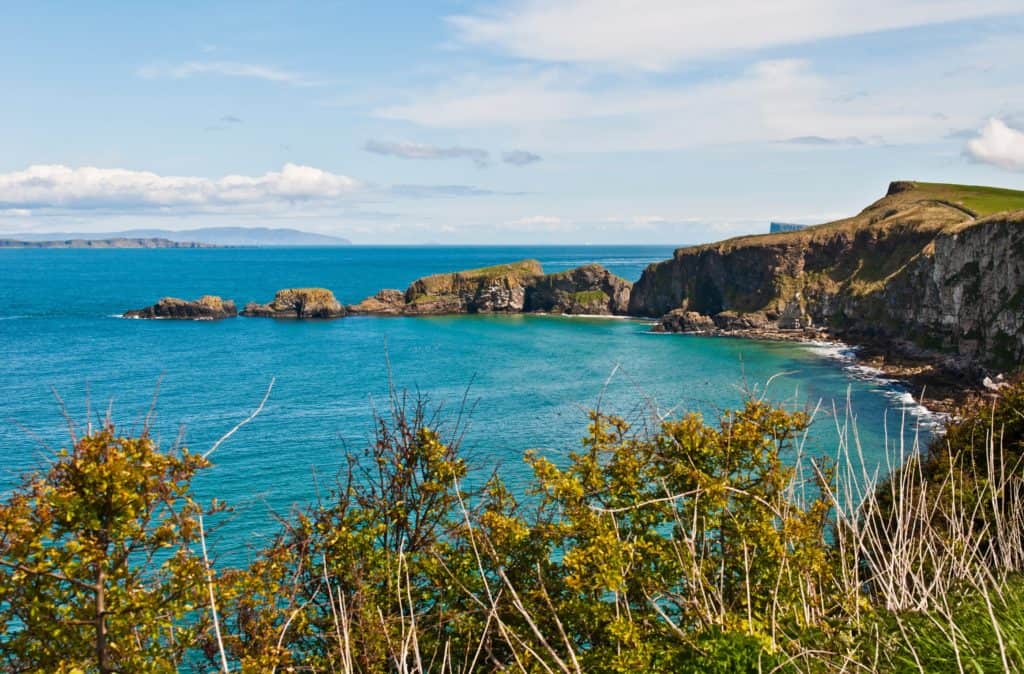
Stretching for over 120 miles, the Causeway Coastal Route is one of the most scenic drives in the world. It connects the cities of Belfast and Derry-Londonderry. Visitors can explore various attractions, including sandy beaches, seaside towns, and historical sites. The route passes through picturesque spots such as Ballintoy, where the Game of Thrones series filmed the Iron Islands, and the Carrick-a-Rede rope bridge, a thrilling walk across a 30-metre gap that connects the mainland to a small island.
Growth of Northern Ireland Tourism

Northern Ireland’s external visitors are rapidly growing, with £669 million being spent in the country by 2.8 million visitors. Other exciting figures include an estimated 2.2 million hotel rooms were sold in Northern Ireland. These hotels’ occupancy is estimated at around 70 per cent in 2018.
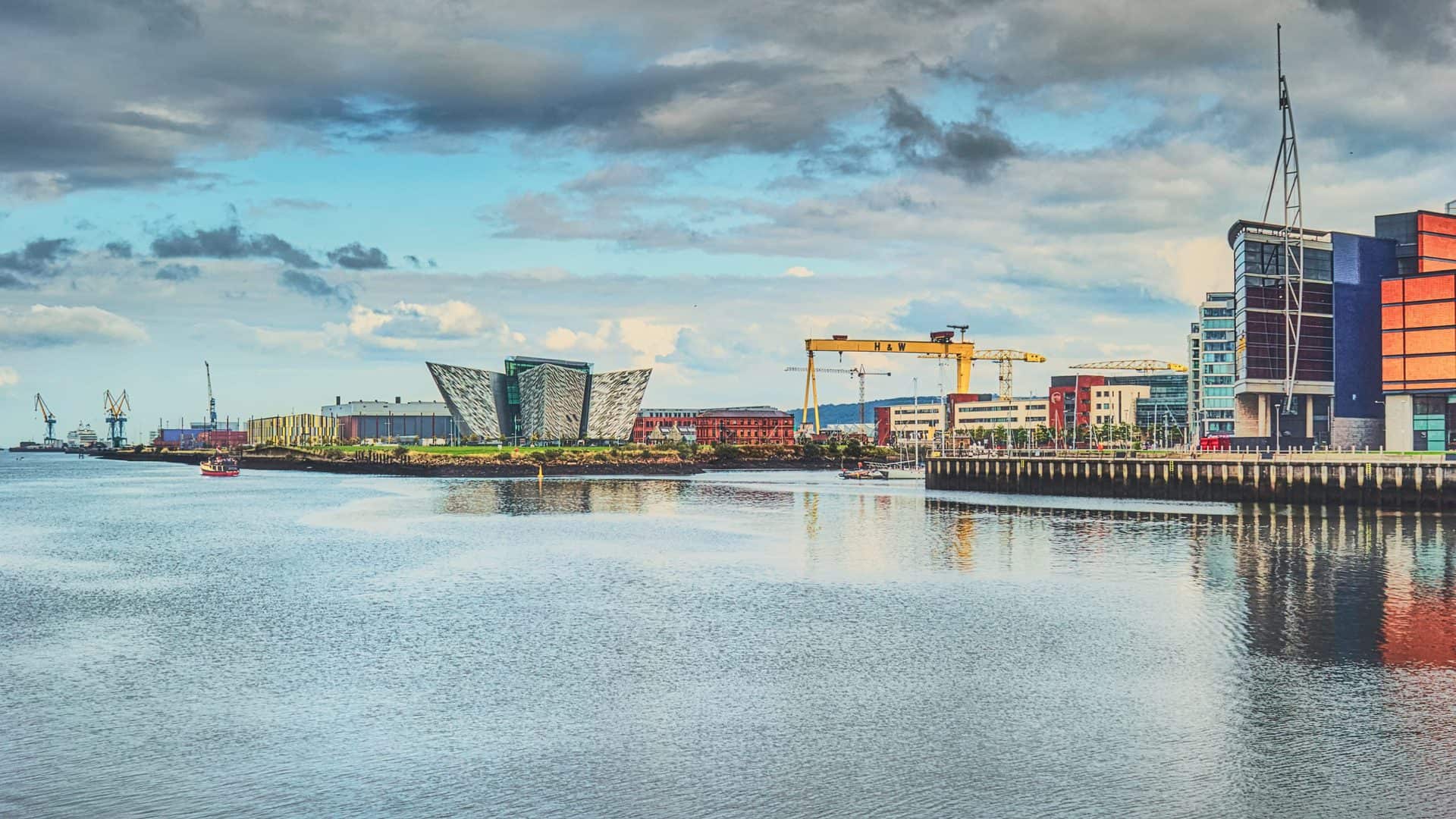
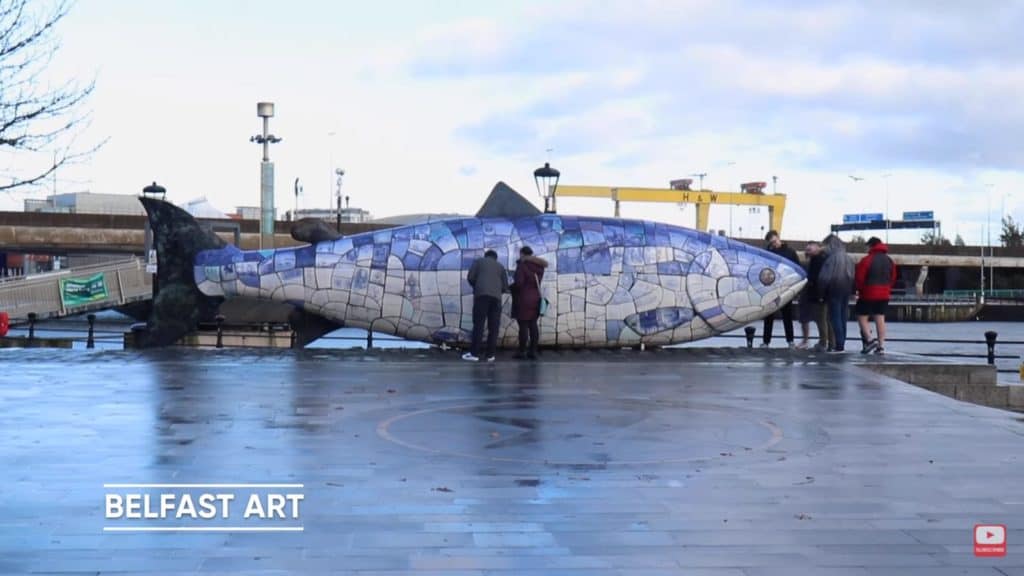
A port city made famous by its ships, particularly the Titanic, a record number of cruise ships docked in the city in 2018: 128 ships, an increase from 2017, when only 112 ships came in.
This is again a massive increase from 2013 when only 62 cruise ships came into port.
With attractions increasing, particularly due to Titanic Belfast’s 2016 World Travel Awards win as the World’s Leading Tourist Attraction, it is unsurprising that it is in the top three responding attractions for Northern Ireland. Excluding parks and gardens, the other two featured attractions were the Giant’s Causeway and the Ulster Museum.
The Vibrant City Life
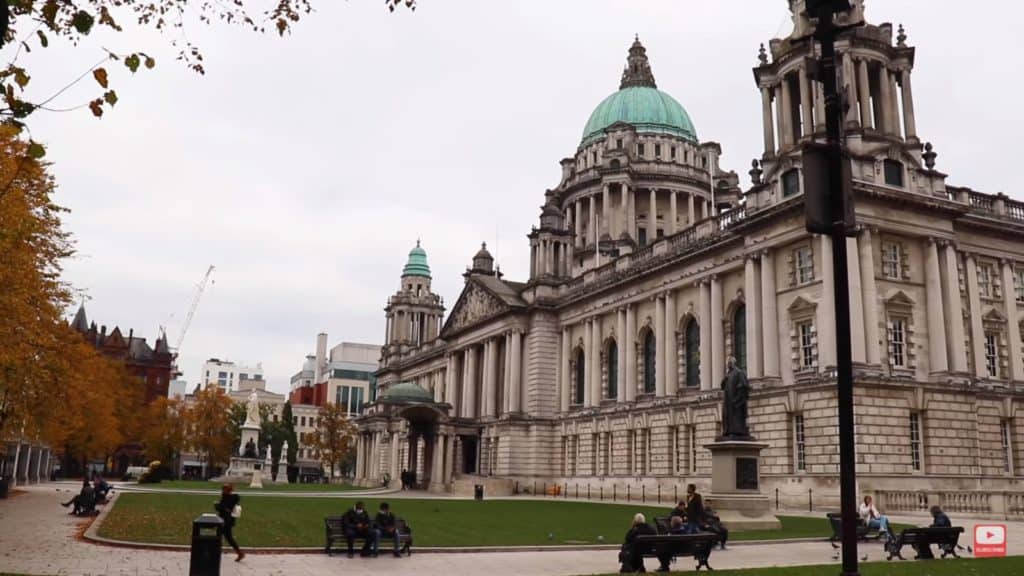
While Northern Ireland is known for its natural beauty, its cities also offer a wealth of cultural and historical attractions that draw visitors from around the globe. Belfast, the capital, is a prime example of a city that has successfully reinvented itself over the last few decades, becoming a hub of creativity, innovation, and culture.
Belfast

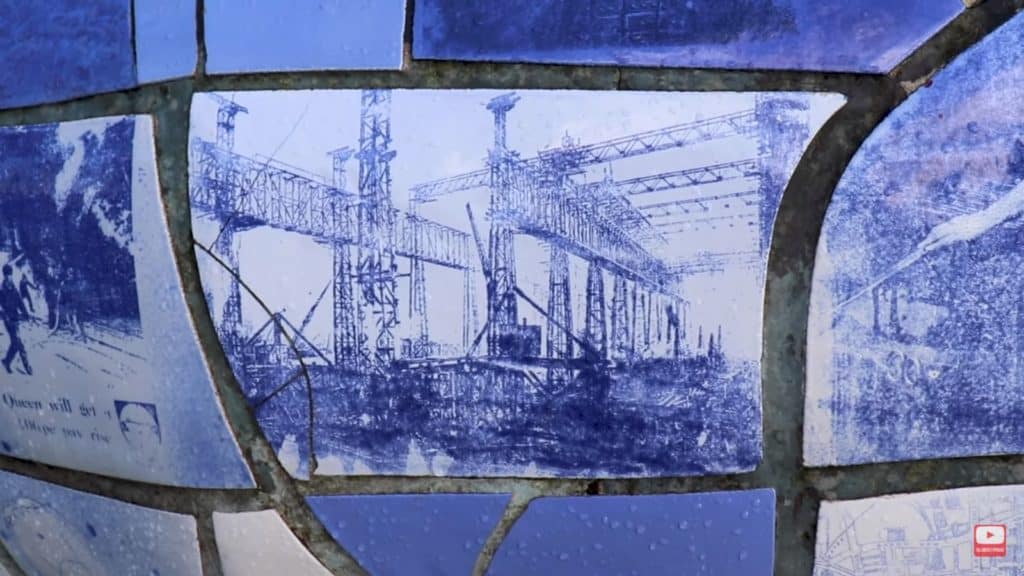
Belfast, once synonymous with conflict, is now a vibrant city known for its art scene, history, and thriving nightlife. The Titanic Belfast museum, located at the Harland and Wolff shipyards site, tells the story of the ill-fated Titanic ship, which was built in the city. With interactive exhibits and stunning displays, Titanic Belfast is one of the most popular attractions in the city, attracting millions of visitors since its opening in 2012.
Belfast’s Cathedral Quarter is another hotspot, with cobbled streets lined with independent boutiques, cosy cafes, and lively pubs. The area also hosts the Belfast International Arts Festival, which celebrates visual arts, theatre, dance, and music. Additionally, the city boasts world-class restaurants and bars, many of which serve traditional Irish dishes alongside innovative international cuisine.
Derry-Londonderry
Derry-Londonderry, the second-largest city in Northern Ireland, is another rising destination. The city’s rich history is evident in its well-preserved city walls, which date back to the early 1600s. Visitors can walk along the walls, enjoying panoramic views of the city and the surrounding countryside. Derry-Londonderry is also known for its cultural events, including the annual City of Culture festival, which brings together artists, musicians, and performers worldwide.
One of the most poignant sites in the city is the Museum of Free Derry, which documents the events of Bloody Sunday in 1972 when British soldiers killed 14 civil rights protesters. The museum serves as a reminder of the city’s tumultuous past and the ongoing journey towards peace.

A Rich Cultural Heritage
Northern Ireland’s cultural heritage is a blend of Irish and British influences, creating a unique fusion reflected in its art, music, and literature. The region has produced some of the world’s most famous writers, including C.S. Lewis, Seamus Heaney, and Brian Friel. Northern Ireland continues to be a thriving hub of creativity, with artists and performers drawing inspiration from its landscapes, history, and people.
The Literary Scene
Belfast is often called the “City of Writers,” and its literary legacy is evident in every corner of the city. A walking tour of Belfast’s literary landmarks includes stops at C.S. Lewis’s home, Seamus Heaney’s birthplace, and the pub where Oscar Wilde spent much of his youth. For literature lovers, a visit to the Belfast Central Library, one of the city’s oldest and most beautiful buildings, is a must.
The Music Scene
Northern Ireland has also produced a host of influential musical acts, including Van Morrison, The Undertones, and Snow Patrol. The city of Belfast hosts several music festivals throughout the year, including the Belfast Music Week and the Cathedral Quarter Arts Festival. Traditional Irish music can be heard in regional pubs, while larger venues like the SSE Arena host international acts.
The Future of Northern Ireland Tourism
The future of Northern Ireland tourism looks incredibly bright. The region’s tourism industry continues to grow. With the opening of new attractions, the development of new infrastructures such as hotels and transport links, and the ongoing marketing of Northern Ireland as a prime destination, there is much to look forward to.
There are already discussions about expanding Belfast’s international appeal through initiatives such as a new cruise terminal and plans to make the city more accessible to international tourists. Developing more sustainable tourism practices will also ensure that Northern Ireland’s natural beauty and cultural heritage can be preserved for future generations.
Conclusion
Northern Ireland is undoubtedly an exciting place to visit, with something for every type of traveller. Whether you’re seeking history, culture, outdoor adventure, or a relaxing escape, the region offers a unique and memorable experience. As Northern Ireland continues to develop its tourism infrastructure and market itself to a global audience, it’s clear that the region’s best days are yet to come. The world is starting to notice, and Northern Ireland tourism’s future looks exceptionally bright. With its welcoming people, rich heritage, and stunning landscapes, Northern Ireland is undoubtedly a destination on the rise, and exciting times lie ahead for those eager to explore this remarkable part of the world.
You can check all the exciting and enjoyable things to do in Northern Ireland on our official YouTube Channel – ConnollyCove!